Why is The Elder Statesman so expensive?+
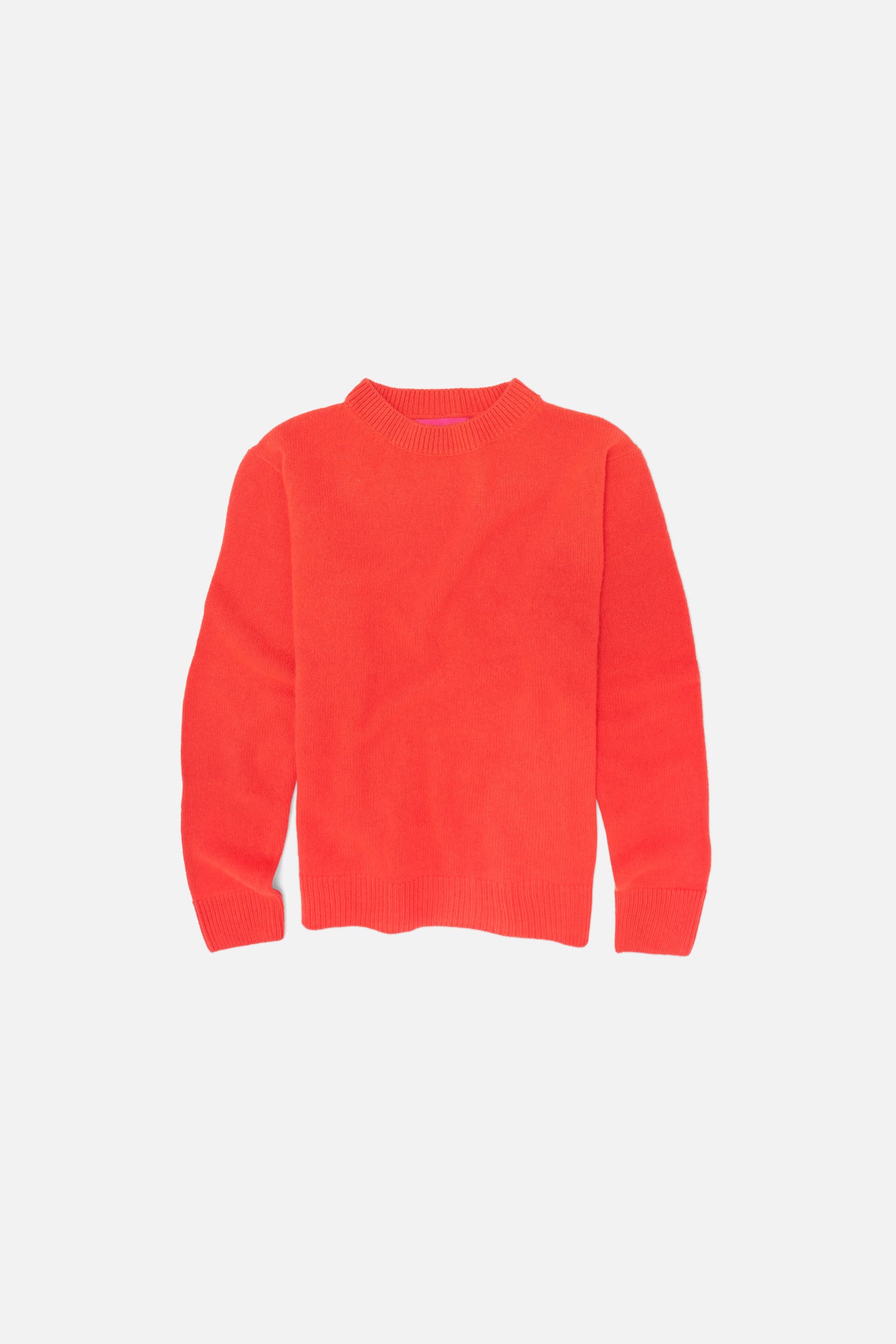
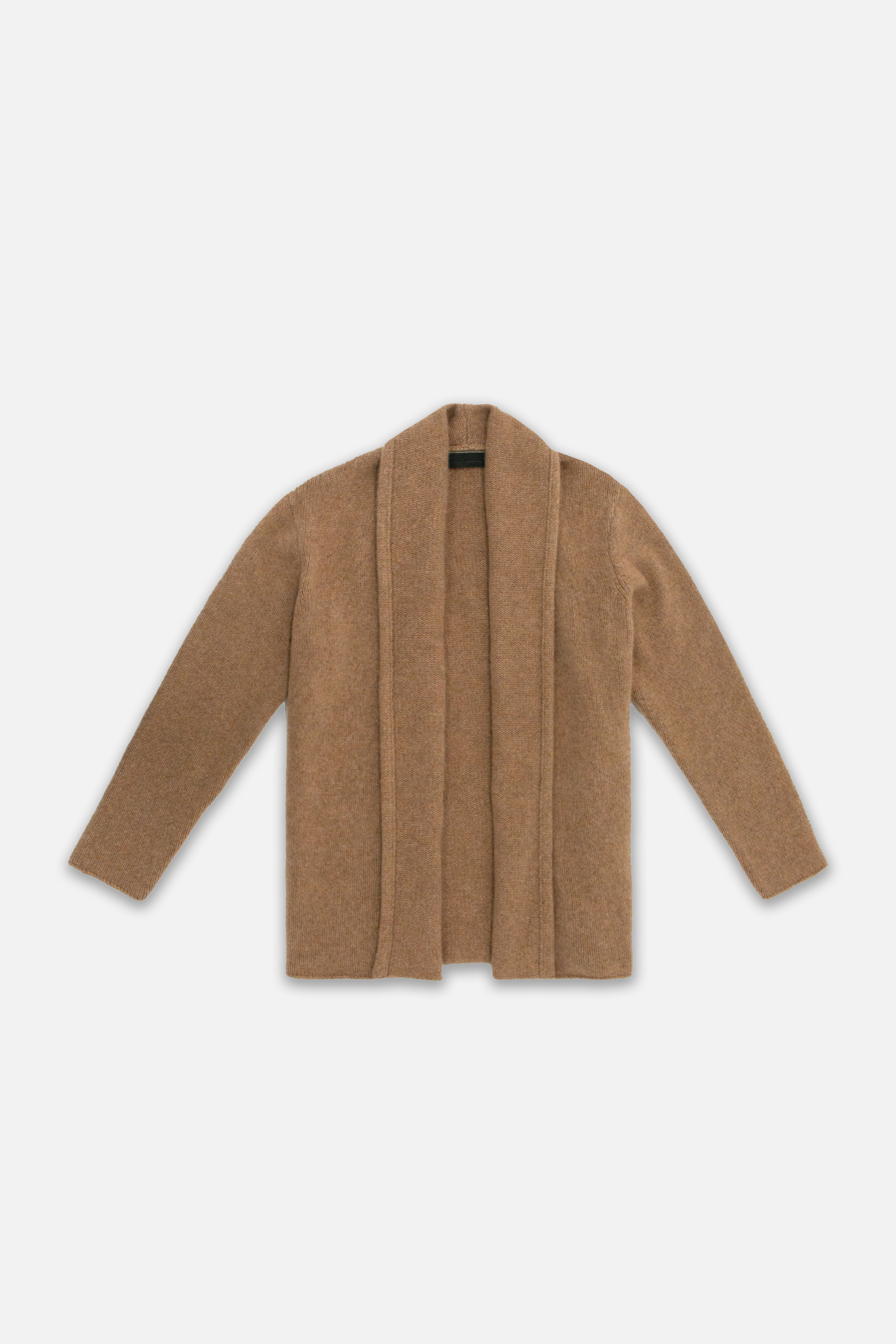
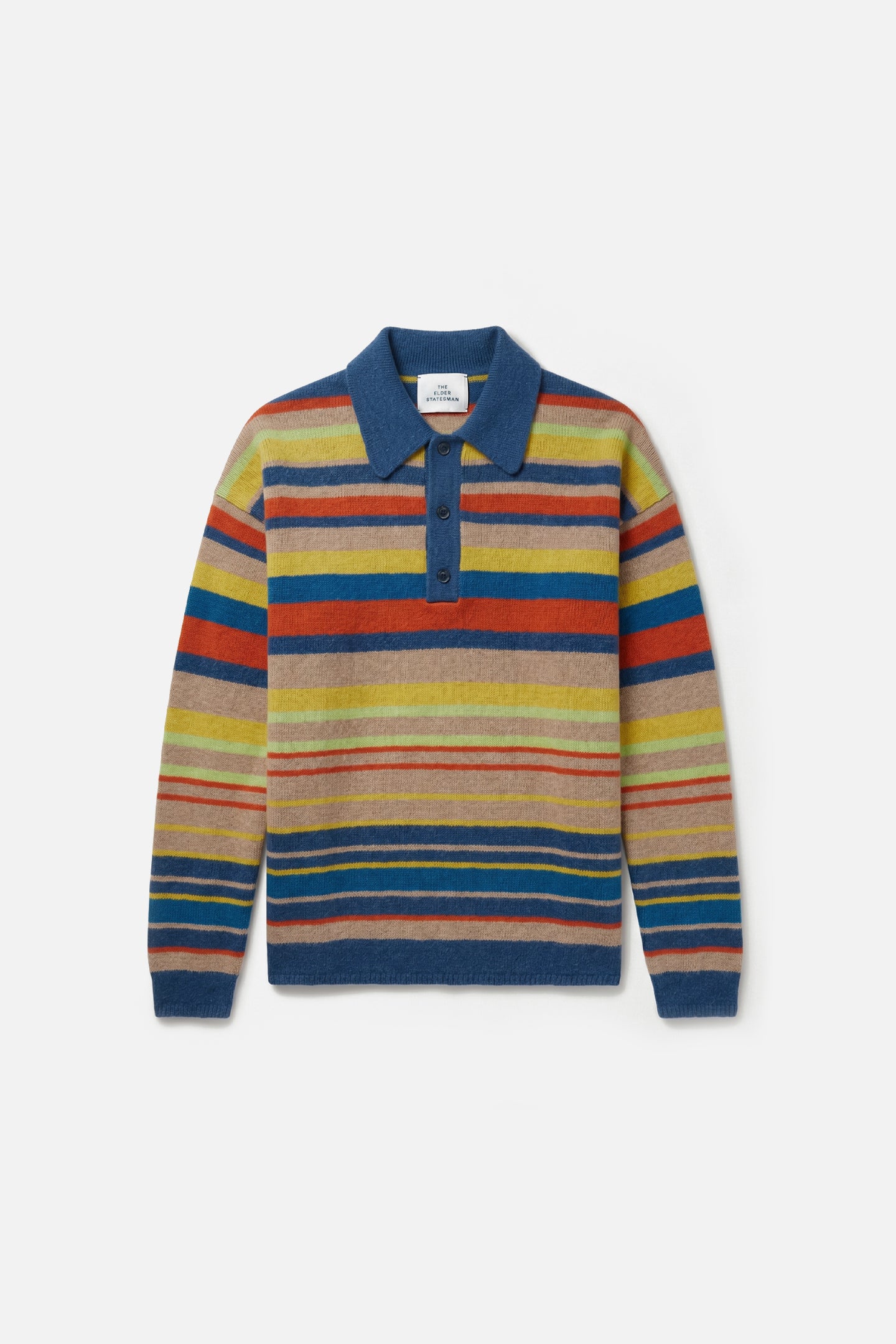
Much of it comes down to make and scarcity. The LA label is known for its intricacy, quality, and limited quantity of supply, with knitwear produced in small runs rather than at scale, so each piece carries a lot of hand-work and rarity. You are buying an artisanal, low-volume luxury knit, which is the trade-off behind the price.
Is The Elder Statesman cashmere worth it?+
Opinion is genuinely split, so it depends on what you value. Fans rate the knitwear among the best for softness and character, drawn to its limited quantity of supply and artistic colour work, while sceptics feel it is priced steeply for what you get. If you want a distinctive, small-batch luxury knit and the look speaks to you, it tends to satisfy; if you want quiet, classic basics, look elsewhere first.
How does The Elder Statesman compare to Loro Piana?+
Both sit at the top of the cashmere world but pull in opposite stylistic directions. Loro Piana is the byword for understated, classic luxury, whereas The Elder Statesman brings a bold, playful Los Angeles energy with vibrant colour and pattern. If you prefer quiet minimalism, Loro Piana fits; if you want luxury knitwear with a louder, more artistic point of view, the Elder Statesman is the one.
What is The Elder Statesman known for?+
Its knitwear, above all. The brand became known for hand-made cashmere knits prized for their intricacy, quality, and limited quantity of supply, treating each piece almost like an art object. That craft-led, low-volume approach is the heart of its reputation.
Who founded The Elder Statesman and when?+
It was founded in 2007 by Greg Chait in Los Angeles. He had previously been chief executive officer of the niche Australian denim brand Ksubi, then moved into luxury knitwear with his own label.
How did The Elder Statesman start?+
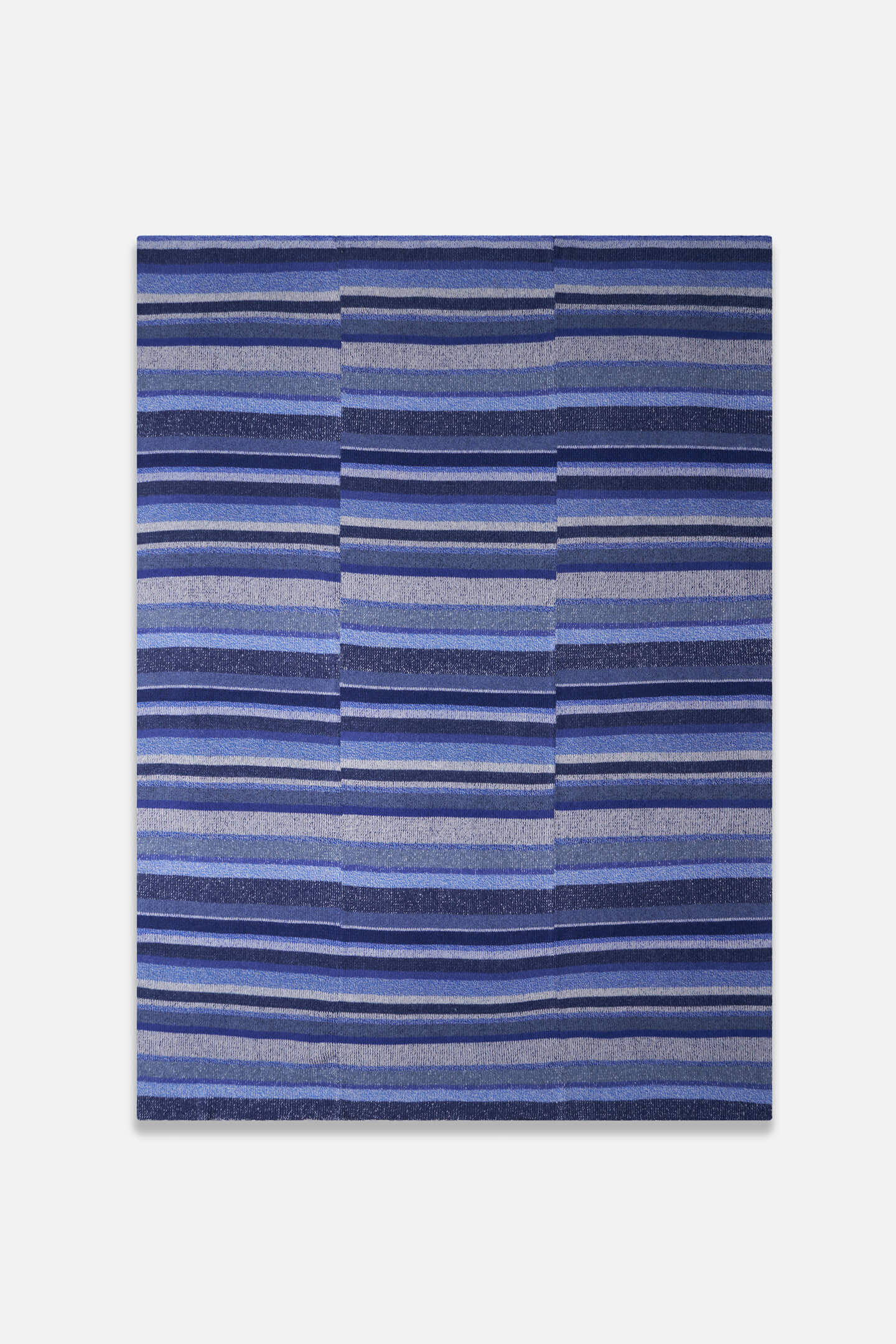
From a single gift. Greg Chait was inspired by the gift of a cashmere blanket in 2002 to pursue a niche, and after making some blankets for himself, the LA boutique Maxfield sold his samples and asked for more. That demand led him to found the brand in 2007.
Is The Elder Statesman an American brand?+
Yes. The Elder Statesman is a luxury clothing, fashion and lifestyle brand based in Los Angeles, and its West Coast roots are central to its identity. It later expanded into a West Hollywood appointment-only studio and a Culver City factory.
Has The Elder Statesman won any major fashion awards?+
Yes. In 2012, founder Greg Chait was recognised with the CFDA/Vogue Fashion Fund Award, one of the most prestigious honours for an emerging American designer. It was a significant moment of industry validation early in the brand's life.
Where can you buy The Elder Statesman?+
It has long been a stockist-led brand. Its clothing was carried in stores such as Barneys New York, and the company opened its own online store in June 2014, alongside its Los Angeles base. Buying from the brand directly or from established luxury retailers is the most reliable route.
Does The Elder Statesman have notable backers?+
Yes. In March 2014 the brand received a minority-stake equity investment from the cult luxury jewellery and accessories label Chrome Hearts. The tie shares a kindred LA, artisanal, anti-mass-market sensibility between the two names.