Brand · San Francisco bags since 1989

Timbuk2

The bike-messenger bag, made to order — durable, customizable, and shaped by a garage in the Mission District.

Timbuk2
Re-checked daily
Timbuk2 is known for its durable messenger bags, backpacks and travel accessories — built for the urban cycling community it was born from.

It was founded in 1989 by bike messenger Rob Honeycutt in a garage in San Francisco's Mission District. Fascinated by Toyota's "just in time" model, he developed a bag pattern that could accommodate custom orders from independent bike dealers. Originally named Scumbags, the company became Timbuk2 Designs in 1990 — the name inspired in part by the band Timbuk3, and the swirl logo, designed by Honeycutt, meant to mimic a rotating bike wheel.

Timbuk2 opened its flagship store in Hayes Valley in 2006 and ran retail locations across cities including Chicago, Denver and Manhattan. Today non-custom products are manufactured in China, Vietnam and Indonesia, alongside sustainability efforts like its Life Cycle bag reuse and recycling program. The company was sold to Exemplis, a Los Angeles furniture company, in August 2019.
The Timbuk2 pieces worth knowing

Classic Messenger Bag
1989 messenger
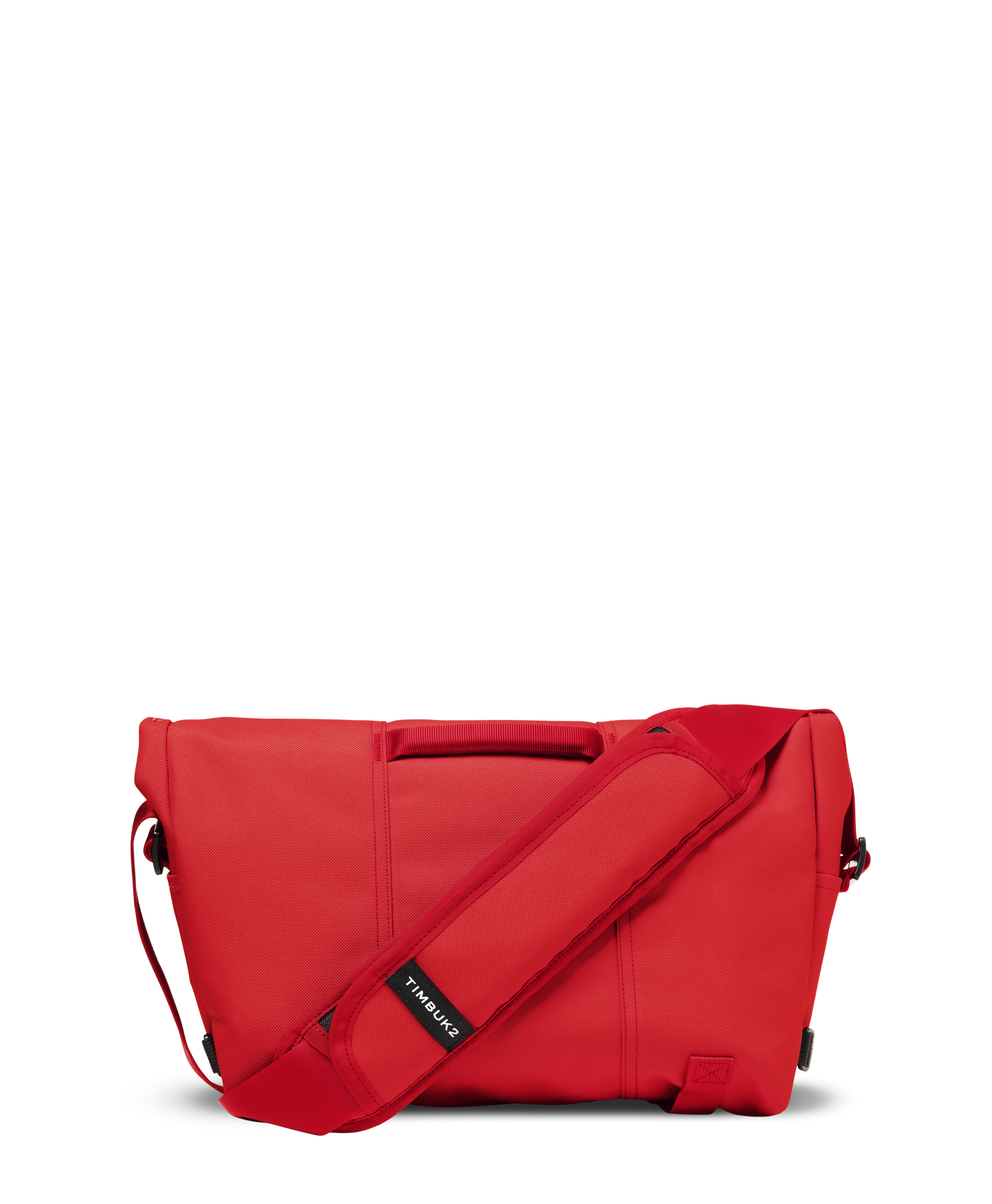
Classic Messenger Bag
Classic Messenger Bag turns Timbuk2’s practical city-carry language into a recognizable original messenger line.
$119 at TIMBUK2
Commute Messenger Bag 2.0
Work messenger
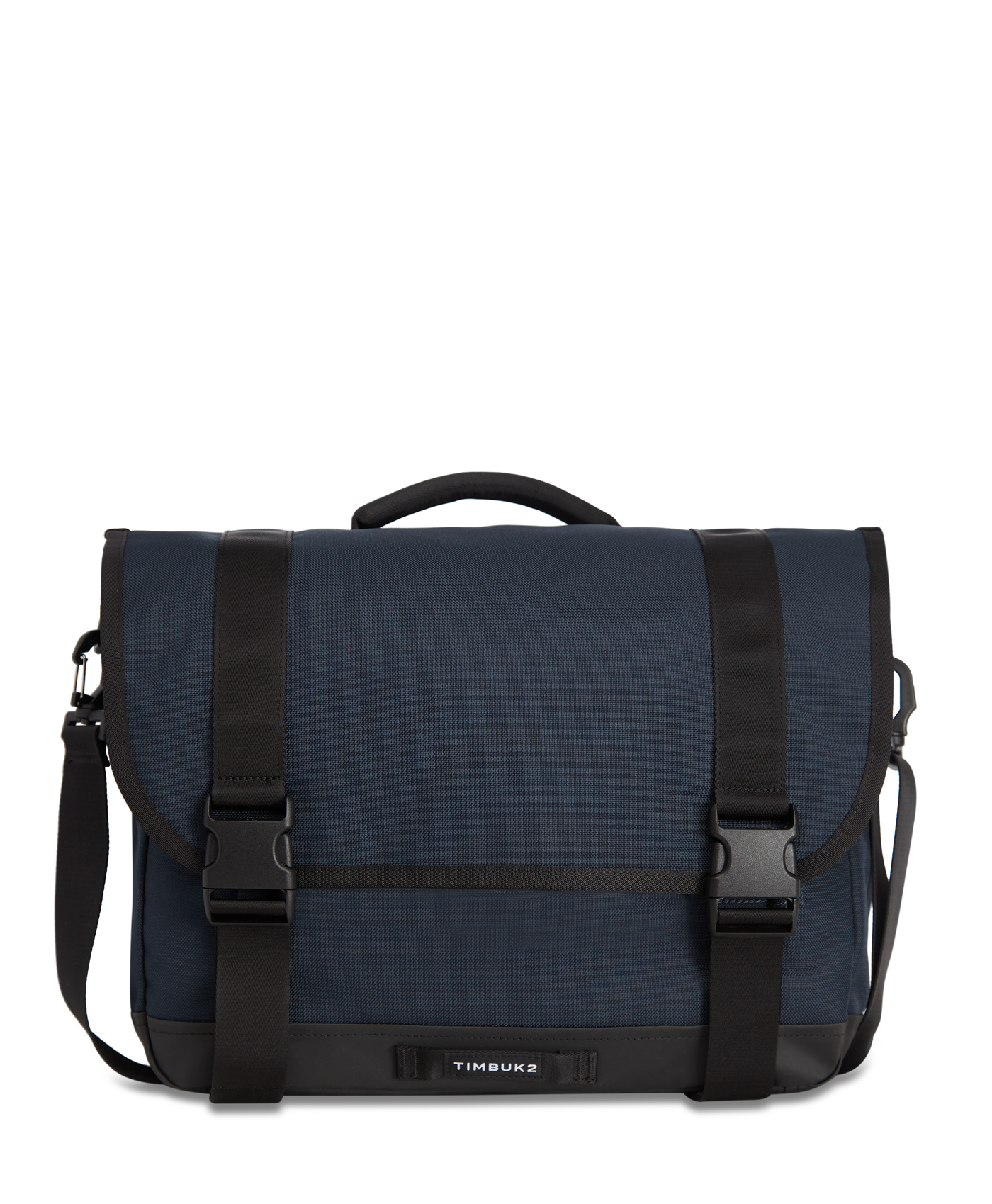
Commute Messenger Bag 2.0
Commute Messenger Bag 2.0 turns Timbuk2’s practical city-carry language into a recognizable laptop commute messenger.
$169 at TIMBUK2
Especial Stash Messenger Bag
Weatherproof commute
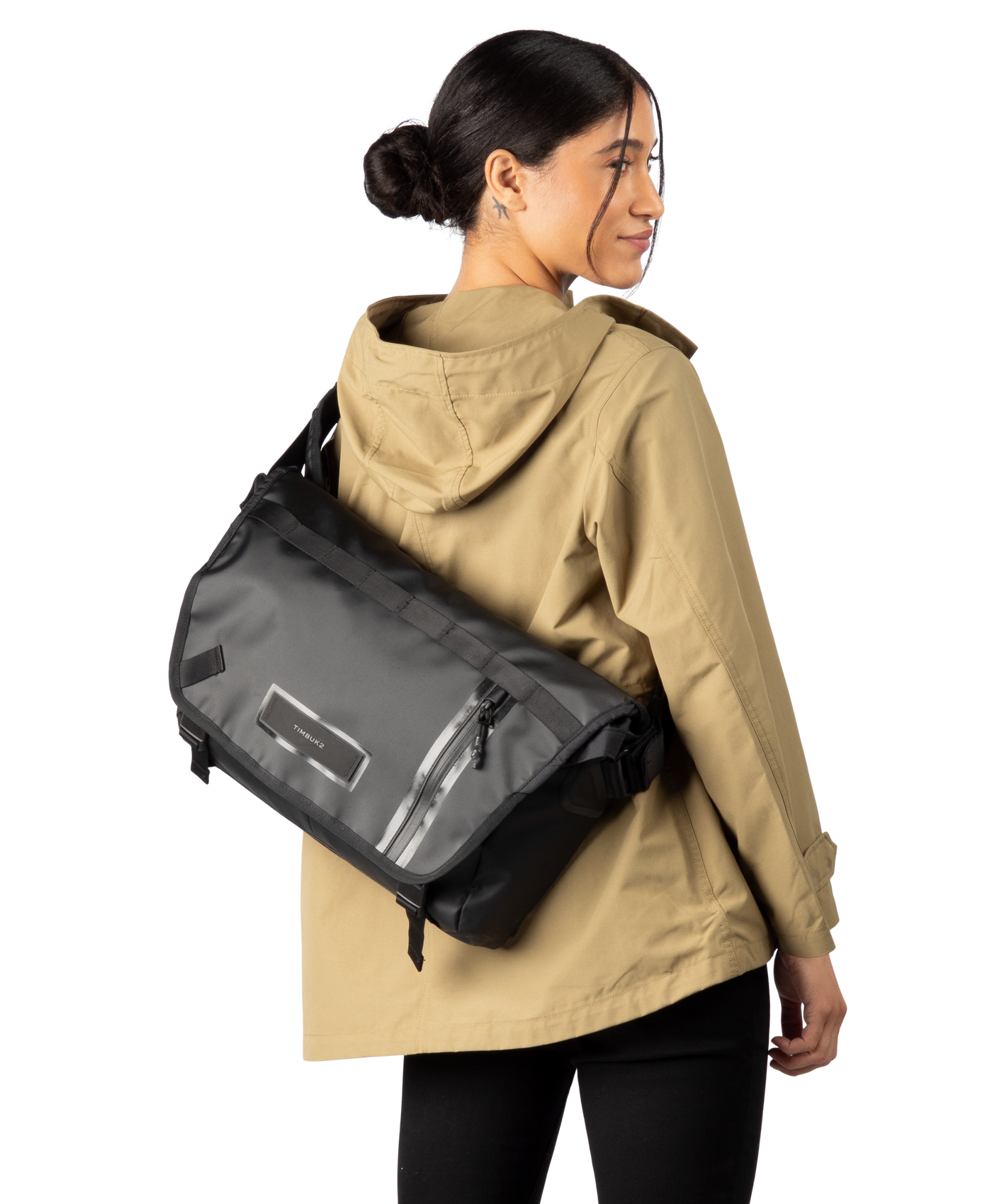
Especial Stash Messenger Bag
Especial Stash Messenger Bag turns Timbuk2’s practical city-carry language into a recognizable weatherproof messenger.
$199 at TIMBUK2
Flight Classic Messenger Bag
Eco Ripstop
Flight Classic Messenger Bag
Flight Classic Messenger Bag turns Timbuk2’s practical city-carry language into a recognizable lightweight messenger.
$119 at TIMBUK2
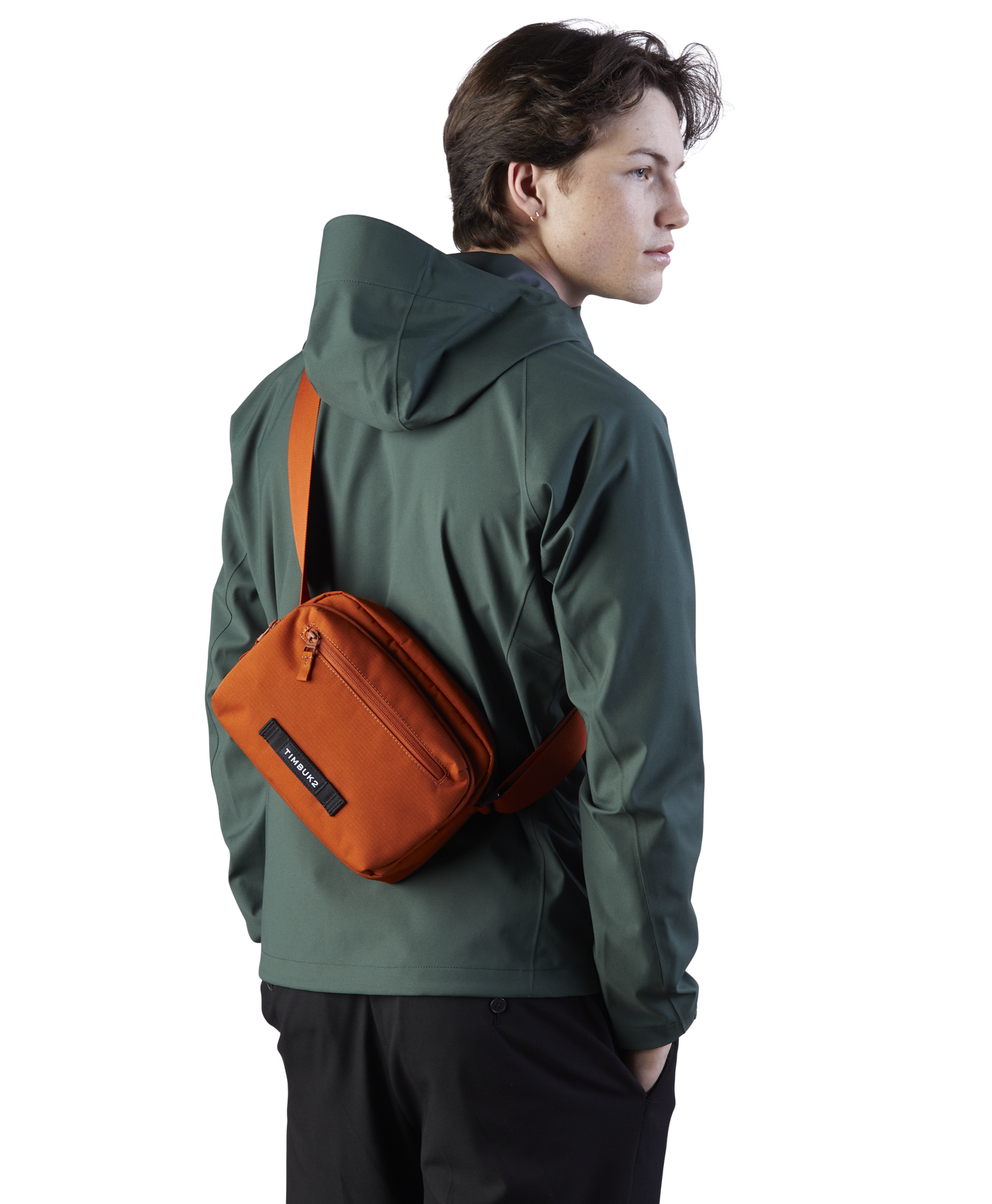
Flight Crossbody Satchel
Compact crossbody
Flight Crossbody Satchel
Flight Crossbody Satchel turns Timbuk2’s practical city-carry language into a recognizable compact crossbody.
$89 at TIMBUK2
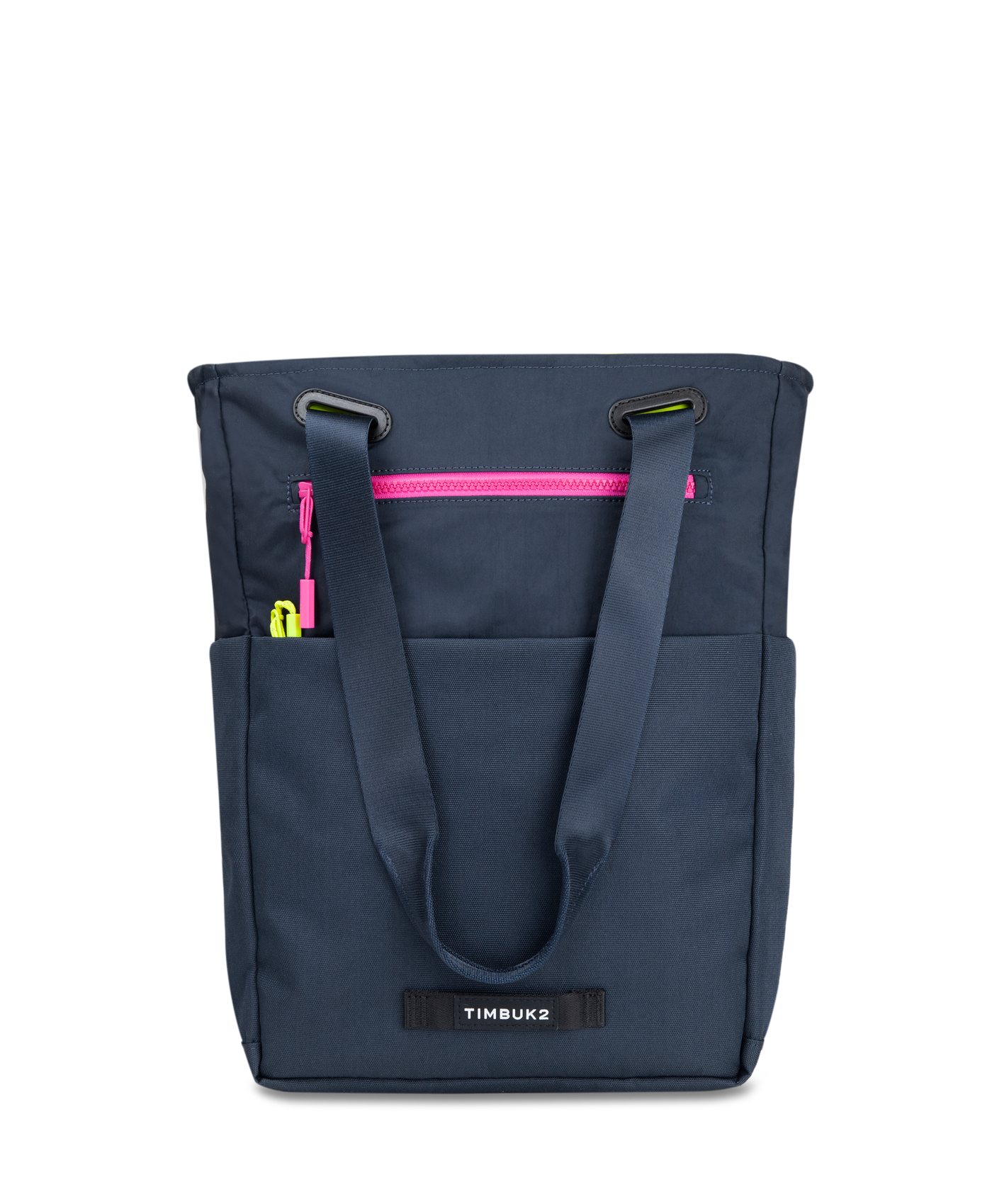
Scholar Convertible Tote Backpack
Tote-to-pack
Scholar Convertible Tote Backpack
Scholar Convertible Tote Backpack turns Timbuk2’s practical city-carry language into a recognizable convertible tote.
$109 at TIMBUK2
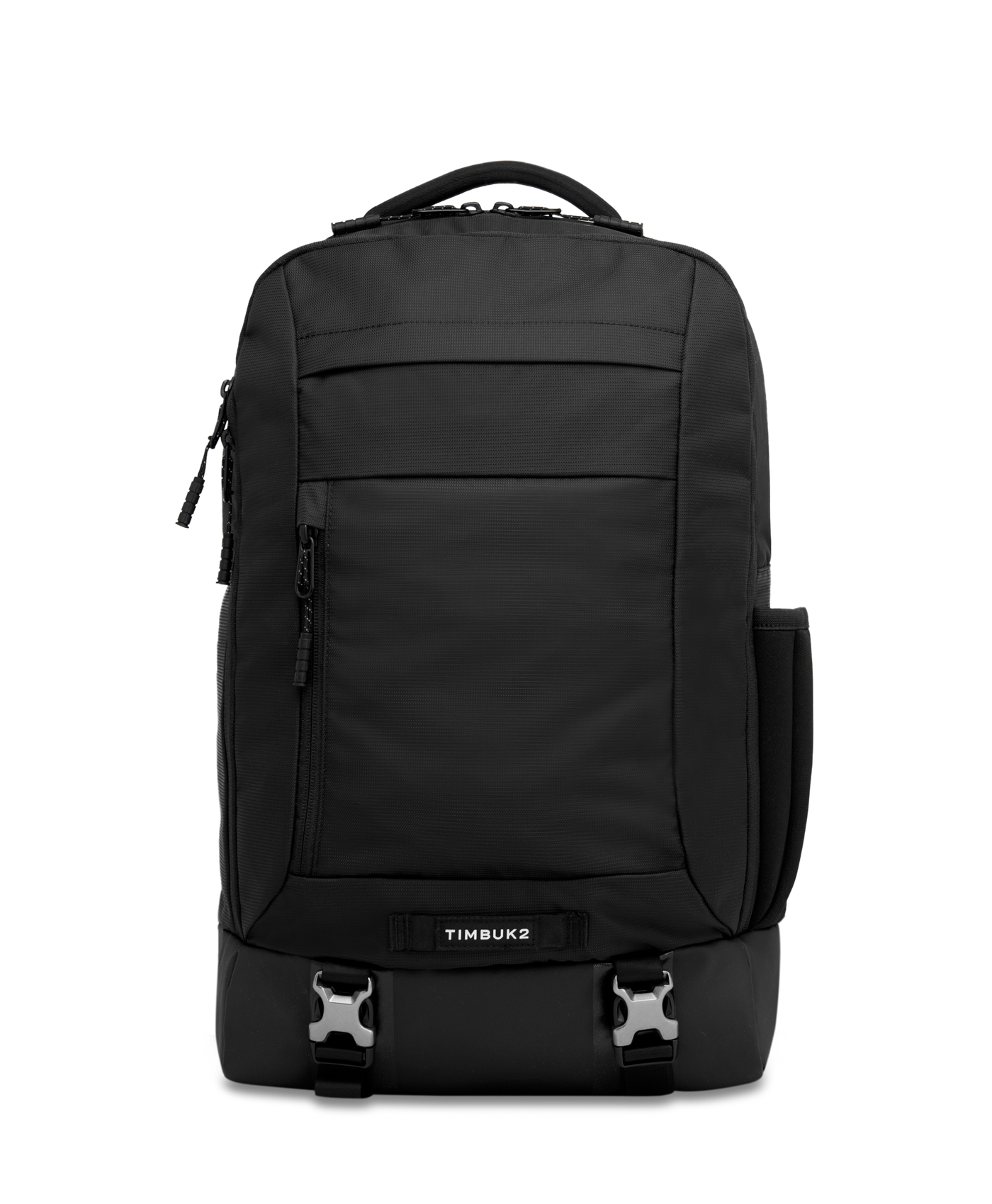
Authority Laptop Backpack Deluxe
Best-seller work pack
Authority Laptop Backpack Deluxe
Authority Laptop Backpack Deluxe turns Timbuk2’s practical city-carry language into a recognizable organized work backpack.
$179 at TIMBUK2
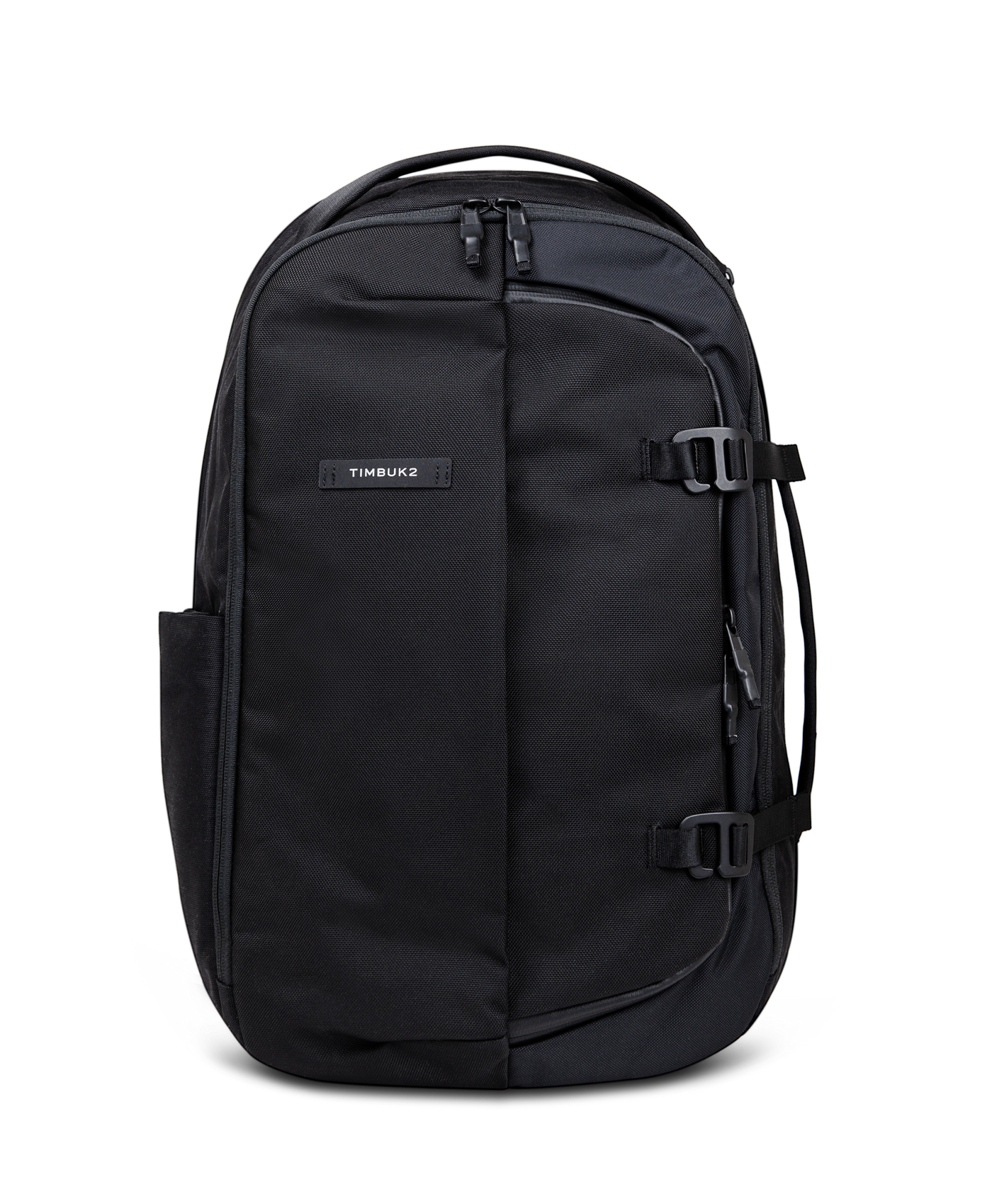
Division Laptop Backpack Deluxe
Slim work pack
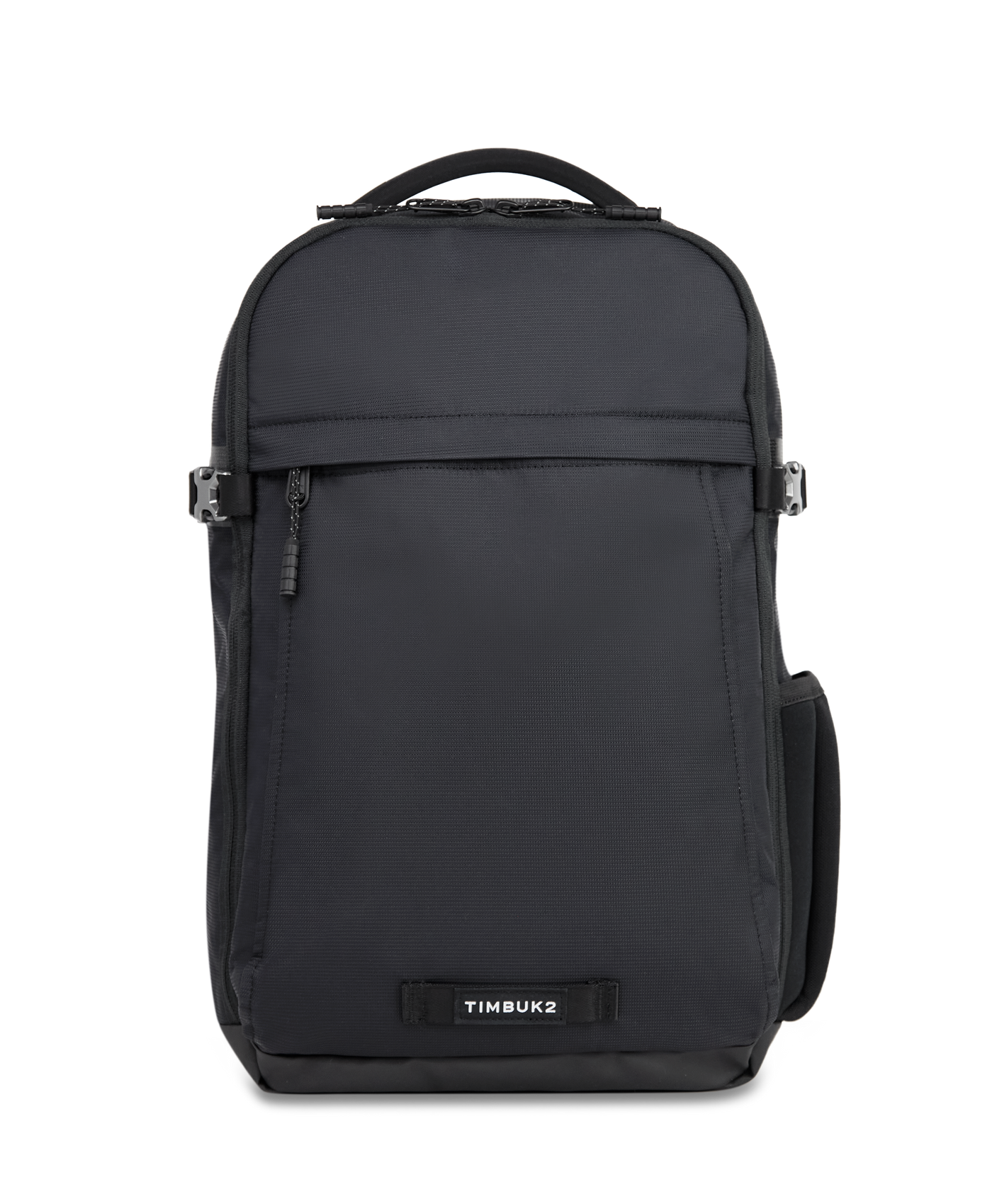
Division Laptop Backpack Deluxe
Division Laptop Backpack Deluxe turns Timbuk2’s practical city-carry language into a recognizable travel-ready laptop backpack.
$159 at TIMBUK2
Spire Laptop Backpack 2.0
Urban top-loader
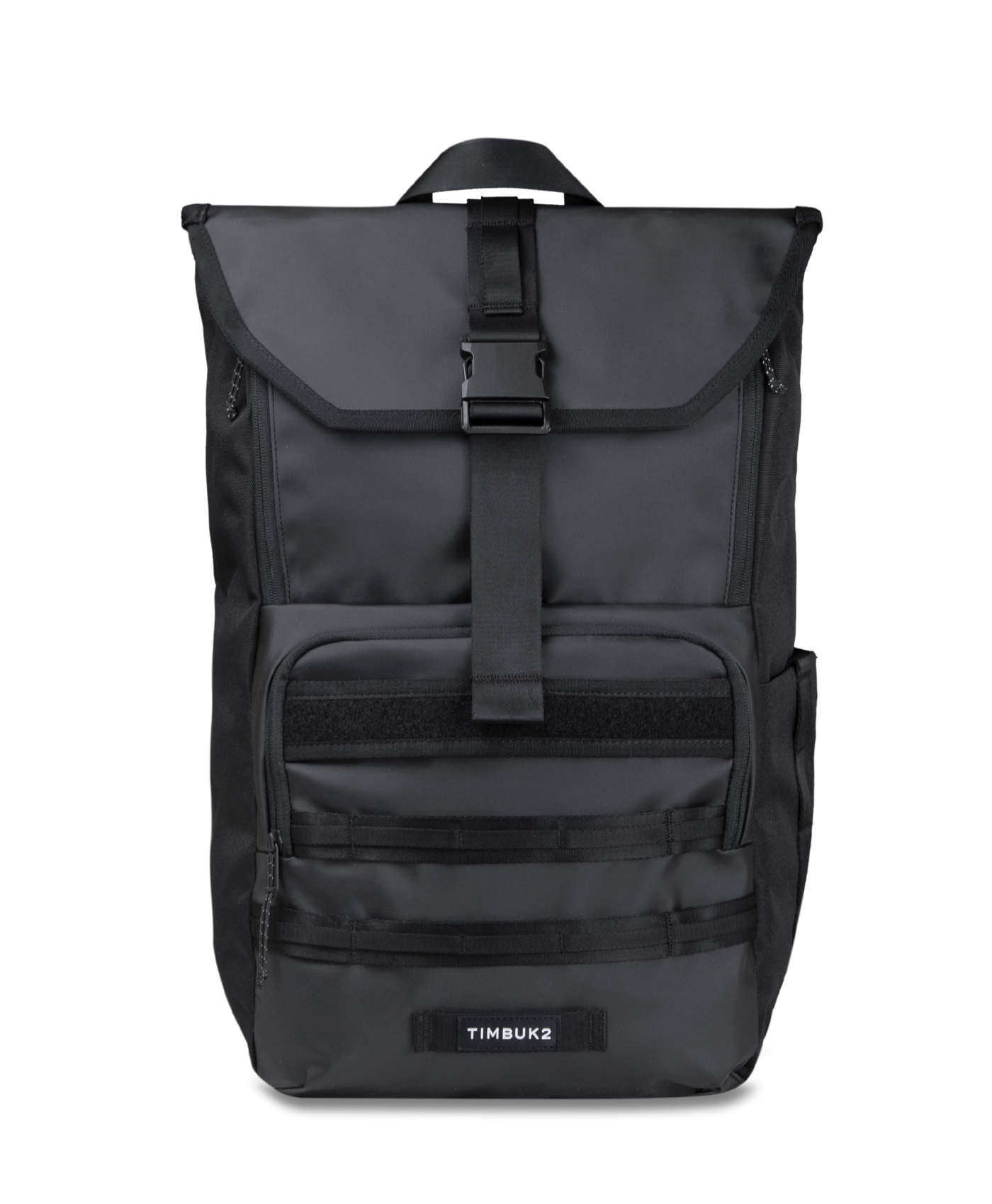
Spire Laptop Backpack 2.0
Spire Laptop Backpack 2.0 turns Timbuk2’s practical city-carry language into a recognizable top-loading commuter pack.
$119 at TIMBUK2
Tuck Laptop Backpack
Roll-top classic
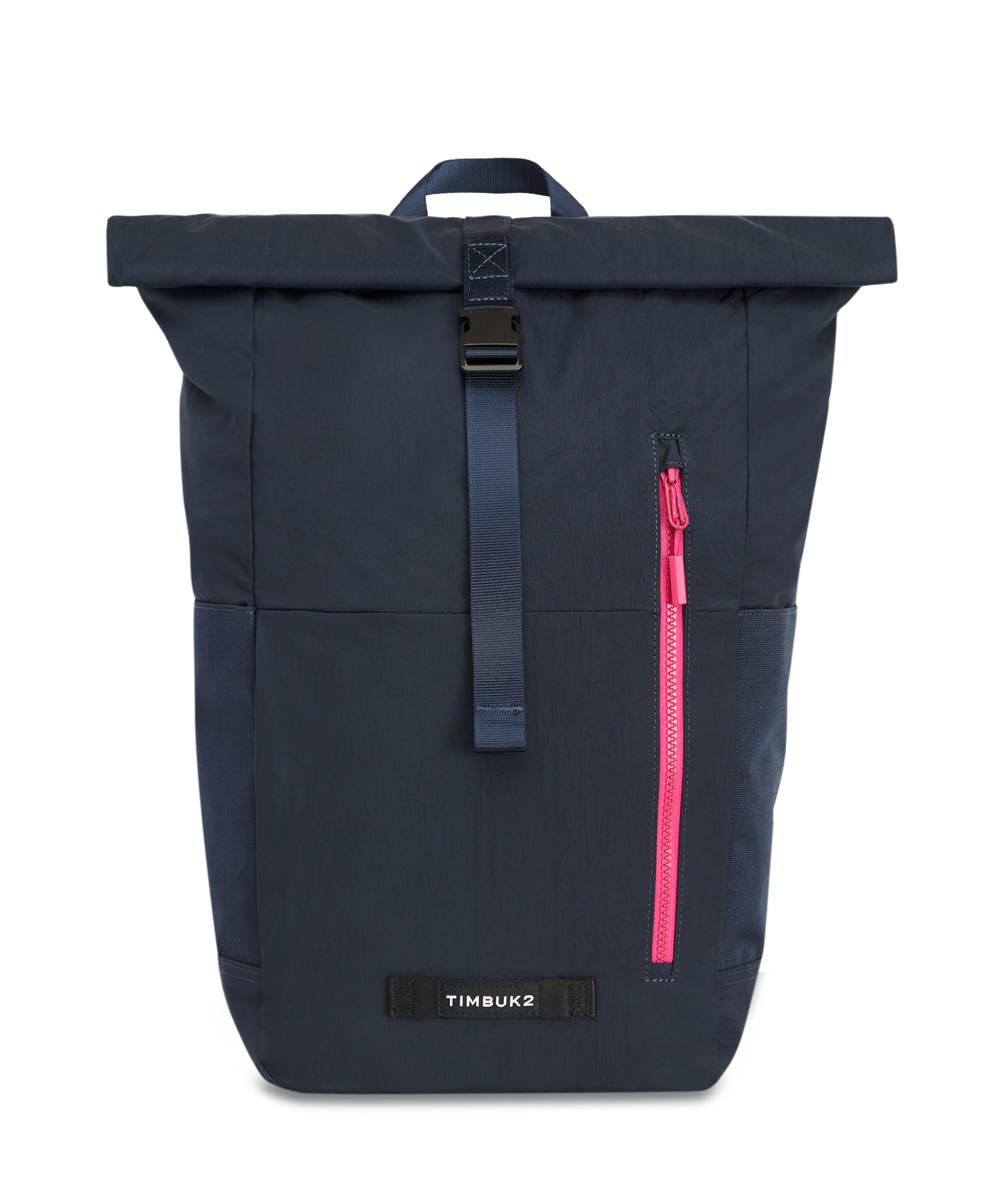
Tuck Laptop Backpack
Tuck Laptop Backpack turns Timbuk2’s practical city-carry language into a recognizable streamlined roll-top pack.
$99 at TIMBUK2
Q Laptop Backpack 2.0
Best-seller organizer
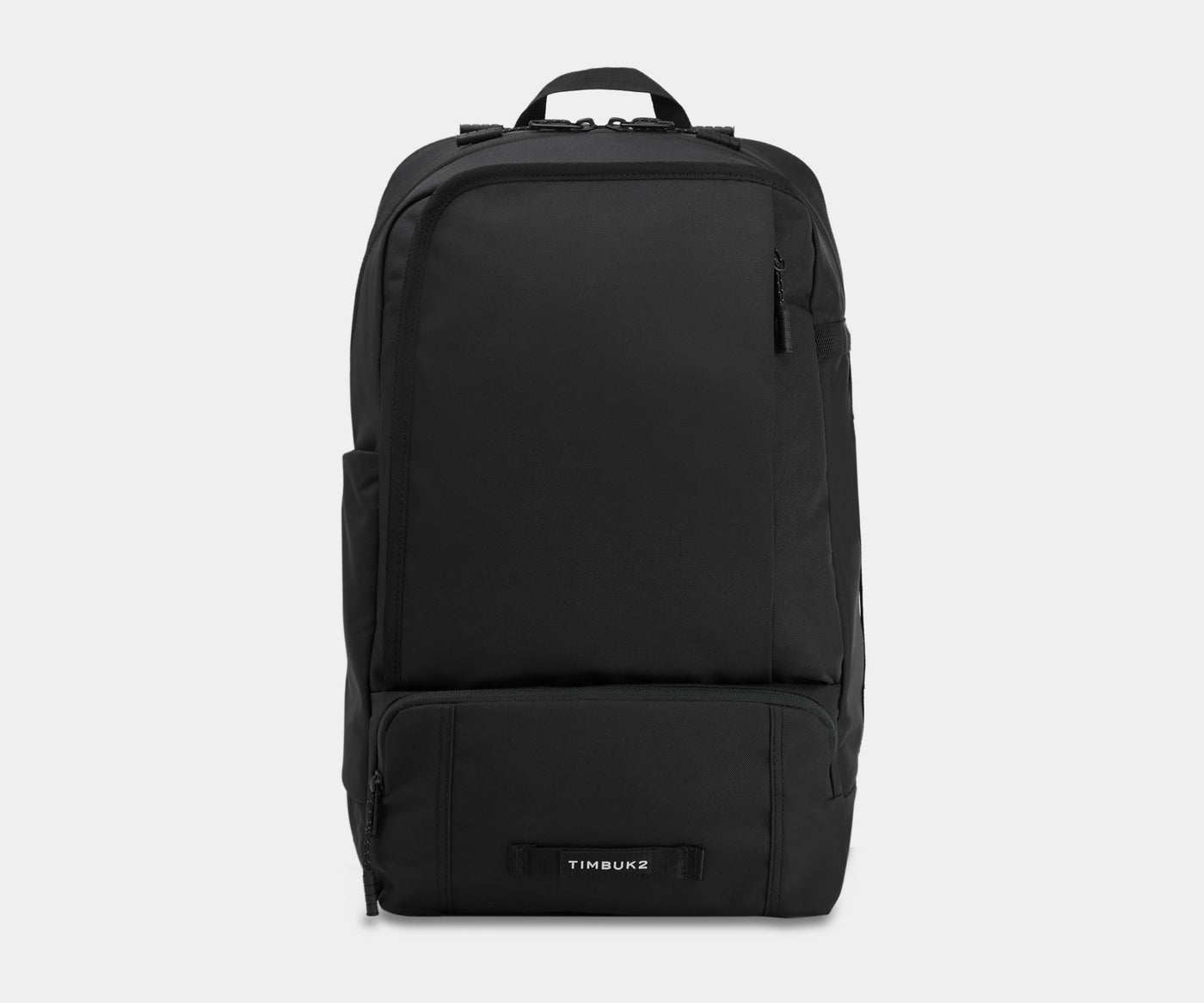
Q Laptop Backpack 2.0
Q Laptop Backpack 2.0 turns Timbuk2’s practical city-carry language into a recognizable highly organized laptop pack.
$139 at TIMBUK2
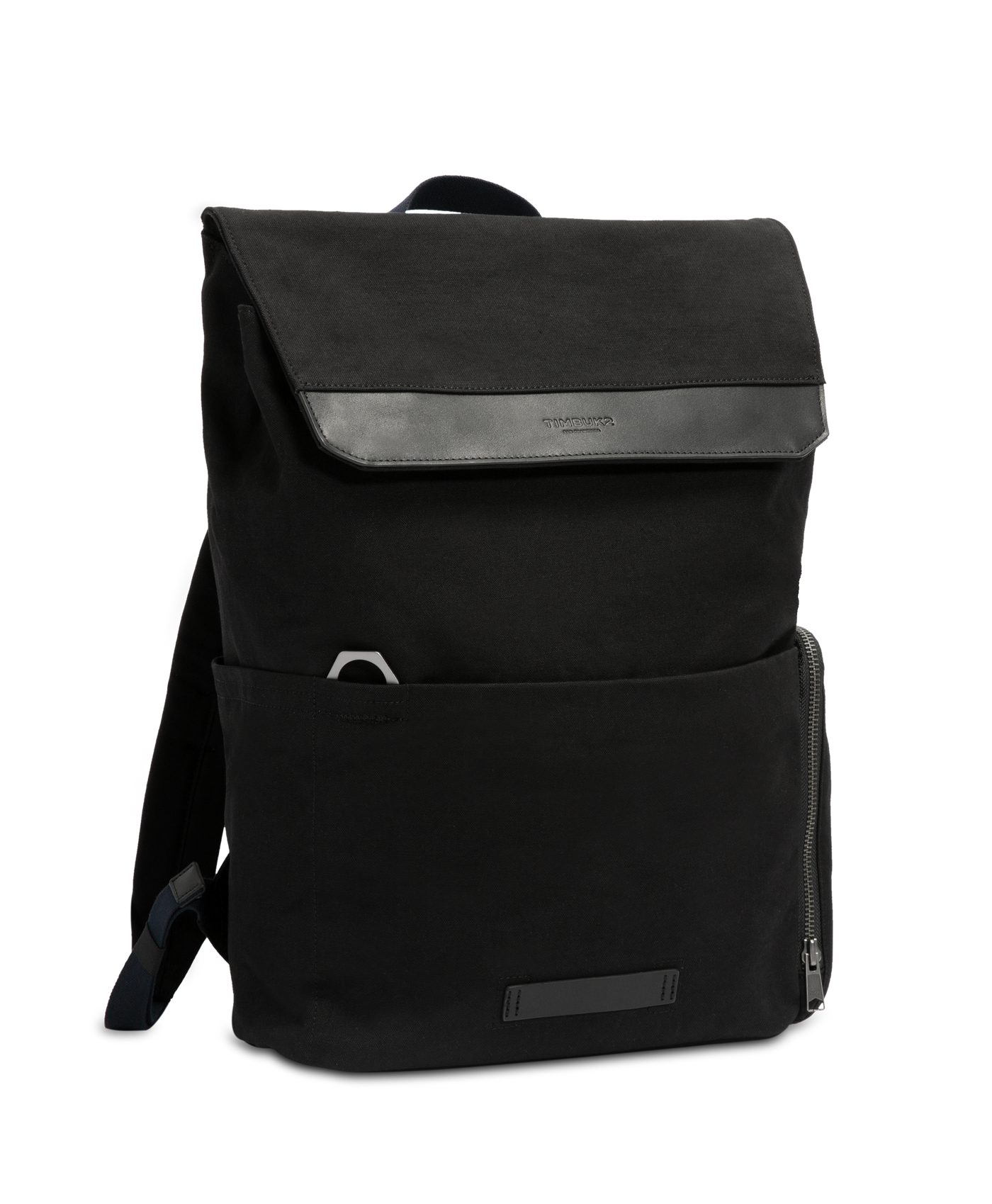
Foundry Pack
Waxed canvas
Foundry Pack
Foundry Pack turns Timbuk2’s practical city-carry language into a recognizable premium work and travel pack.
$269 at TIMBUK2
Never Check Expandable Backpack
Carry-on travel
Never Check Expandable Backpack
Never Check Expandable Backpack turns Timbuk2’s practical city-carry language into a recognizable expandable travel backpack.
$249 at TIMBUK2
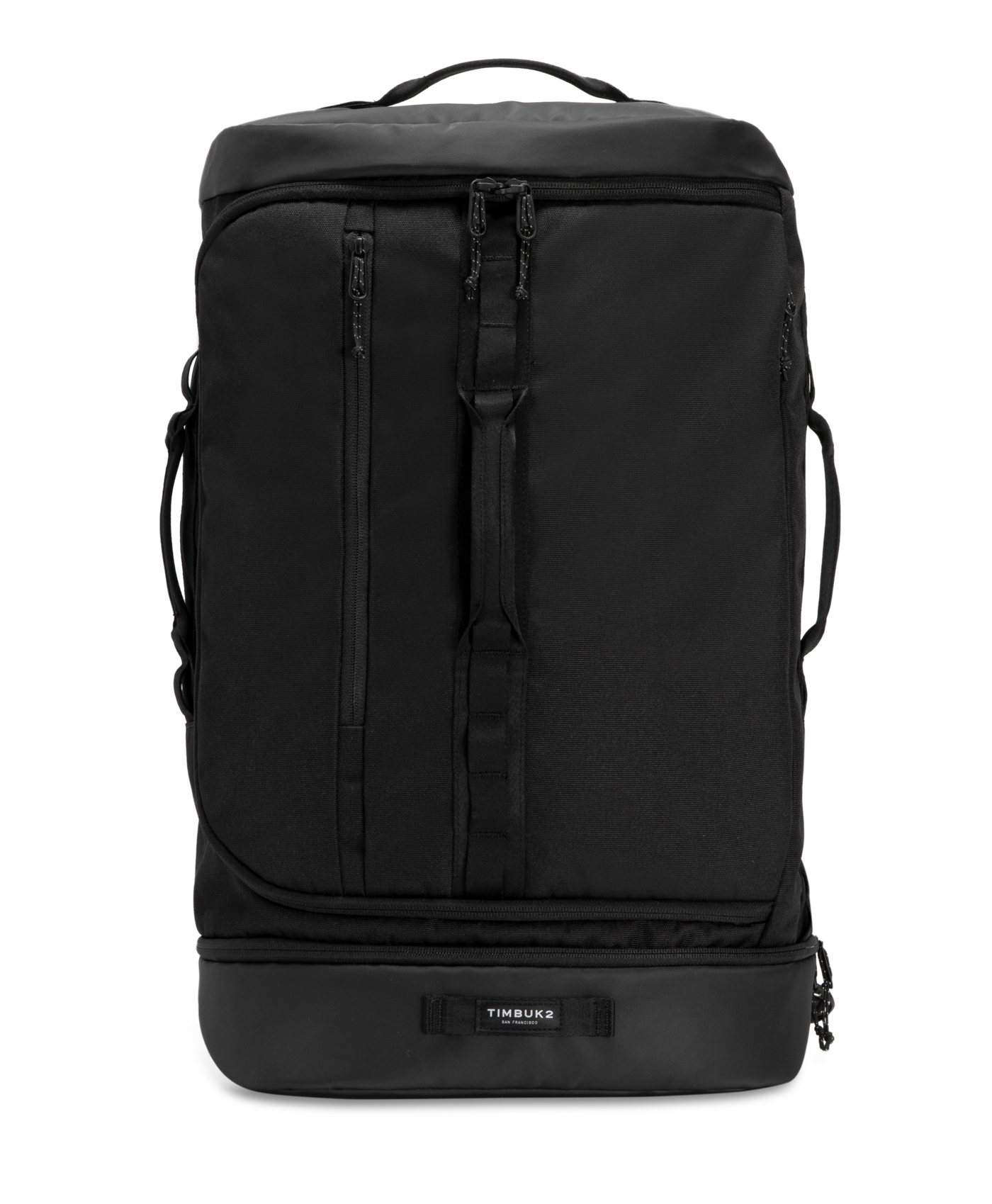
Wingman Travel Backpack Duffel
Backpack duffel
Wingman Travel Backpack Duffel
Wingman Travel Backpack Duffel turns Timbuk2’s practical city-carry language into a recognizable convertible travel duffel.
$229 at TIMBUK2
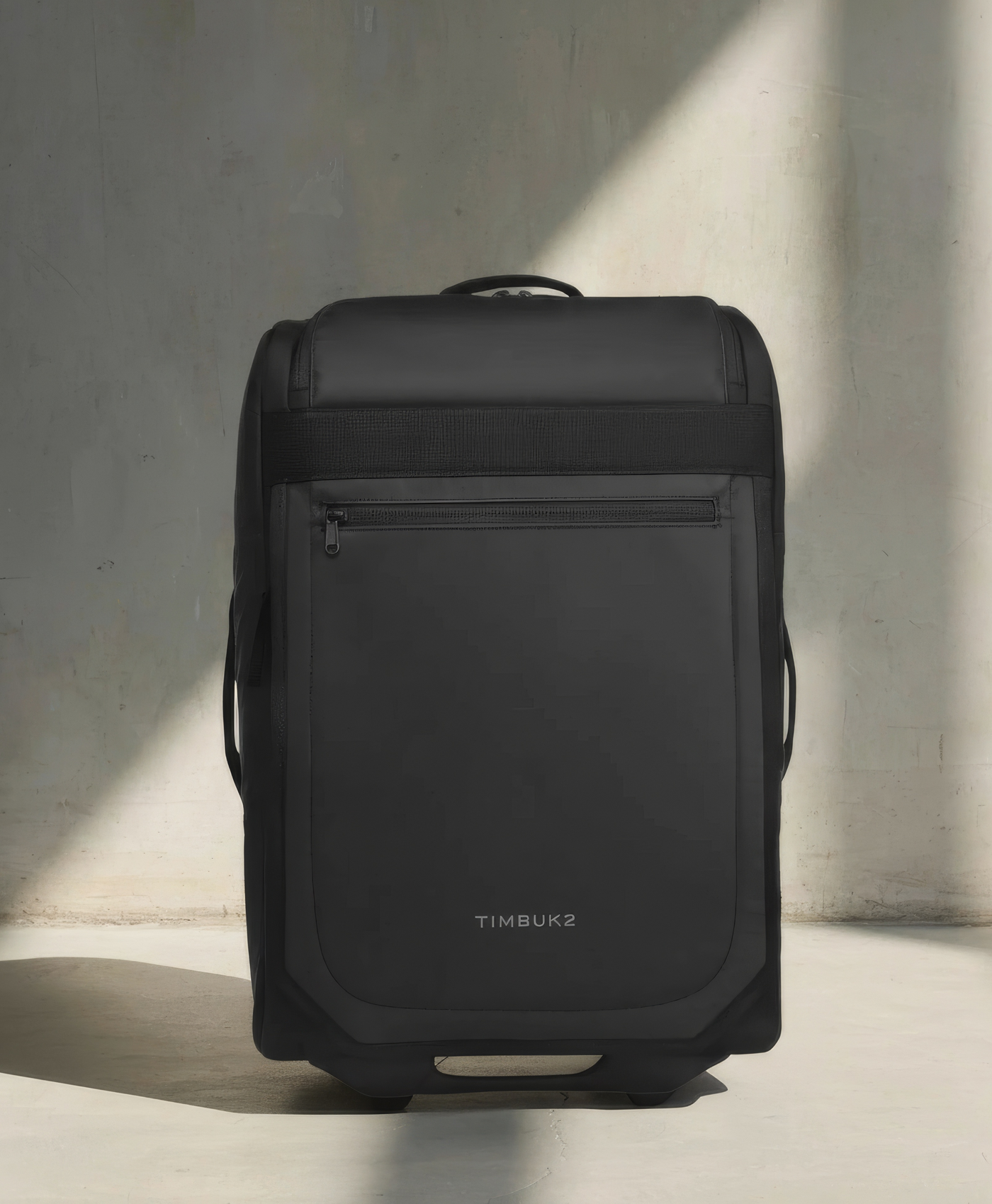
Copilot Luggage Roller
Fan-favorite roller
Copilot Luggage Roller
Copilot Luggage Roller turns Timbuk2’s practical city-carry language into a recognizable rolling clamshell suitcase.
$259 at TIMBUK2

You'll want these too

Same quiet-luxury, craft-first sensibility — follow any to widen your alerts.

Timbuk2 shopping FAQ

Is a Timbuk2 messenger bag worth it?+

For an everyday urban carry, most owners say yes. Timbuk2's messenger bags are built around durable construction and a weather-minded design rooted in the brand's bike-messenger origins, and plenty of reviewers report years of daily, overstuffed use without failures. The value is highest if you want one tough commuter bag that earns its keep over the long haul.

Is Timbuk2 good quality?+

Timbuk2 is widely regarded as a quality maker, a reputation it built serving bike messengers and urban commuters since the late 1980s. Its strength is rugged, practical bags with solid hardware and stitching; the occasional weak point reviewers flag is around heavily stressed strap seams over time. Treat it as durable workhorse gear rather than delicate fashion.

Timbuk2 vs Chrome, which messenger bag should I get?+

Both are respected, durable San Francisco-rooted names and you won't go badly wrong either way. Chrome tends to win on heavy weatherproofing and modular strap features, while Timbuk2 is often praised for style and all-round everyday usability. If you commute by bike in serious rain, Chrome edges ahead; for a stylish, versatile daily carry, Timbuk2 is the easy pick.

Should I buy a custom or a ready-made Timbuk2 bag?+

Custom is the heart of what made Timbuk2 famous. The founder built the original pattern specifically to accommodate made-to-order custom designs for local bike dealers, so the custom builder lets you choose your colours and panels for a bag that's truly yours. Ready-made styles are the faster, off-the-shelf route; custom is worth it if personalising the look matters to you.

Where are Timbuk2 bags made?+

It depends on the line. Timbuk2 began with local production in San Francisco, and that's still the home of its custom, made-to-order bags. Its non-custom products are manufactured in China, Vietnam, and Indonesia, so where your bag is made comes down to whether you go custom or standard.

Who founded Timbuk2, and when?+

Timbuk2 was founded in 1989 by bike messenger Rob Honeycutt in a garage in San Francisco's Mission District. Fascinated by Toyota's "just in time" manufacturing model, he developed a bag pattern that could accommodate custom orders from independent local bike dealers.

Why is it called Timbuk2, and what's the meaning of the swirl logo?+

The company was actually first named Scumbags, and Honeycutt changed it to Timbuk2 Designs in 1990. The name was inspired in part by the American rock band Timbuk3. The swirl logo was designed by Honeycutt himself and is meant to mimic the rotation of a bike wheel, a nod to the brand's messenger roots.

What does Timbuk2 make?+

Timbuk2 is an American bag maker based in San Francisco, best known for its durable messenger bags, alongside backpacks and travel accessories. It started by serving the urban cycling community and still spans both custom, made-to-order pieces and a wider non-custom range with global distribution.

Who owns Timbuk2 now?+

Timbuk2 has changed hands several times. It was sold to a venture capital firm in 2005, then to private equity group TB2 Investors in 2006, which held it until 2019. In August 2019 it was sold to Exemplis, a Los Angeles-based furniture company.

What does Timbuk2 do with old bags?+

Sustainability is part of the brand's story. In 2014 Timbuk2 launched its Life Cycle program, encouraging owners to reuse and recycle their bags. It has also turned recycled materials into product before, incorporating old Bike to Work banners into messenger bags and donating a share of the profits to the San Francisco Bicycle Coalition.

How should I care for a Timbuk2 messenger bag?+

These are built to take abuse, but a little care extends their life. Spot-clean the fabric rather than machine-washing where possible, let it air dry fully, and keep zippers and Velcro clear of grit. Given the brand's recycling ethos, when a bag finally wears out, look to its Life Cycle program rather than the bin.