Is the Fjällräven Kånken worth it?+
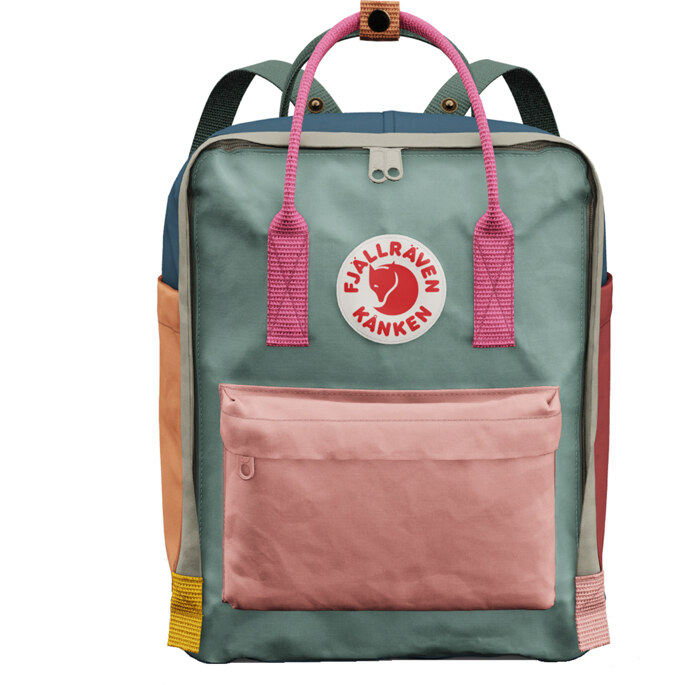
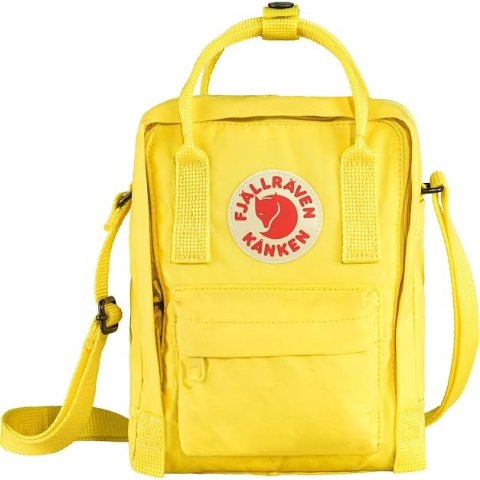
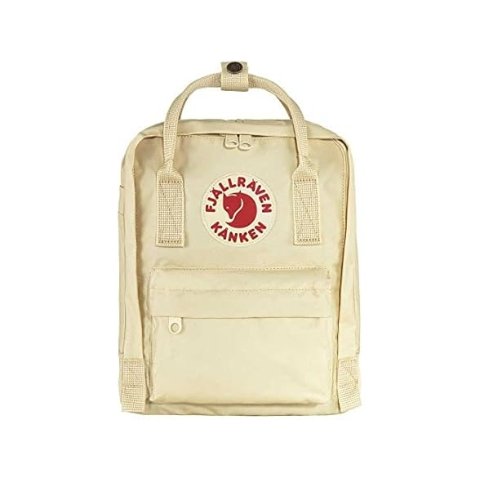
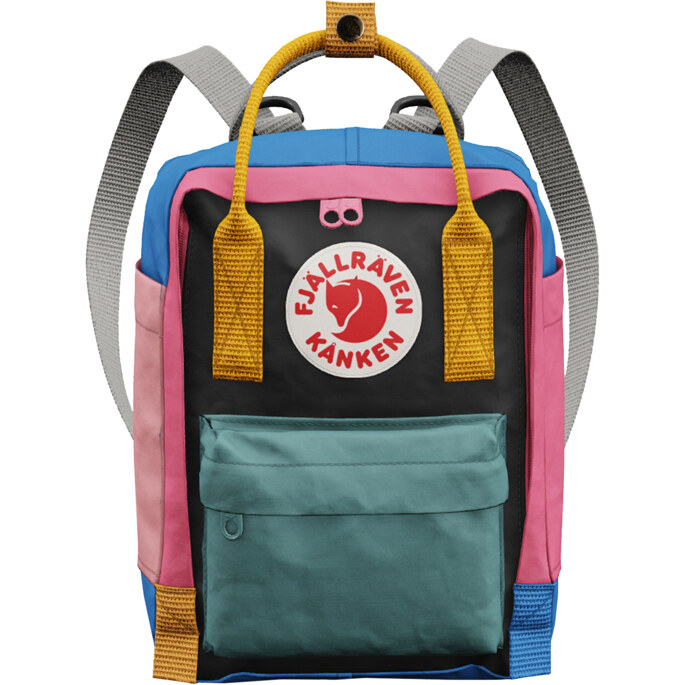
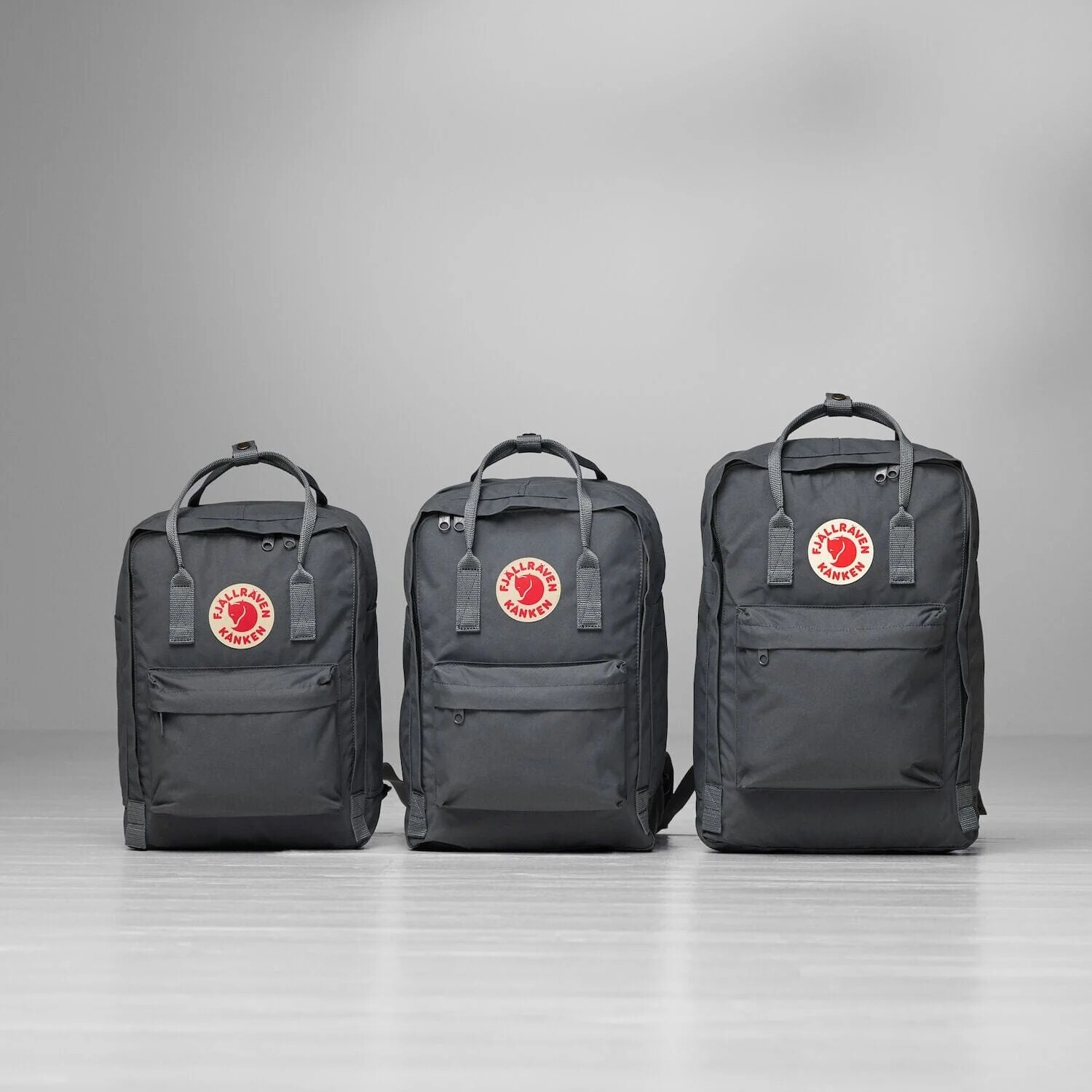
For light, everyday carry, the Kånken is hard to beat. It is Fjällräven's best-selling product, originally released in 1978 after a 1977 study tied Swedish schoolchildren's back problems to heavier traditional bags, so its boxy, lightweight shape was a considered design choice rather than a fashion accident. Owners love the clean look and the enormous colour range, but go in knowing the Classic has thin straps and little internal organisation, so it suits books and a laptop more than heavy loads.
Why is Fjällräven so expensive?+
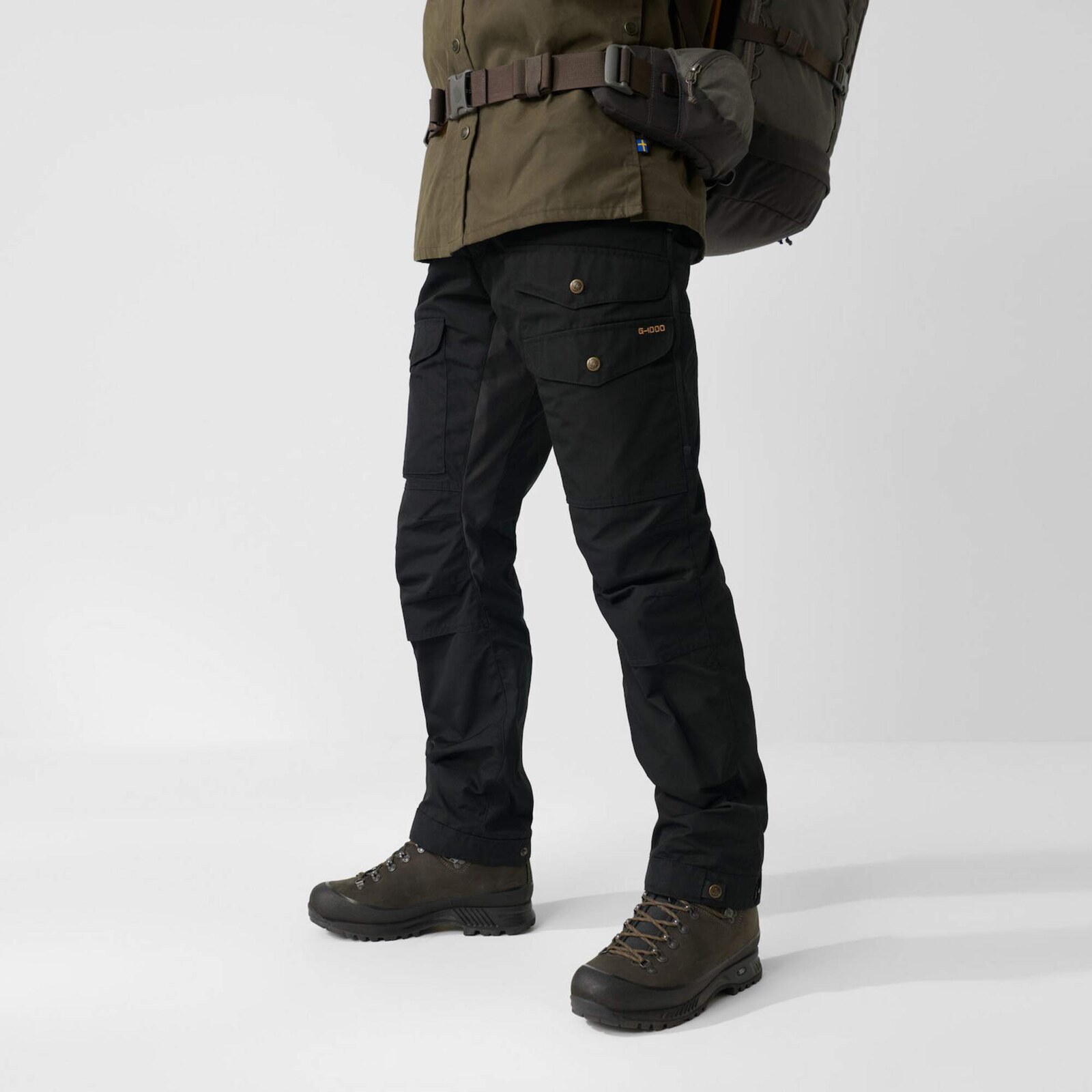
Much of the cost sits in the materials and how long the pieces are built to last. Fjällräven leans on its signature G-1000 fabric, a rugged polyester-cotton blend, and on hard-wearing construction meant to be repaired and re-waxed rather than replaced. You pay more up front, but the brand's pitch has always been durability over disposability, which is why fans treat the gear as a long-term investment.
How does Fjällräven compare to Patagonia?+
They are both outdoor heavyweights with different philosophies. Fjällräven, founded in Sweden in 1960, is rooted in traditional, repairable fabrics like G-1000 and a heritage trekking aesthetic, while Patagonia is more associated with technical shells and fleece. If you want gear with a classic, waxable look that ages well, Fjällräven is the natural pick; if you prioritise lightweight technical performance, the comparison gets closer.
What is G-1000 fabric and what makes it special?+
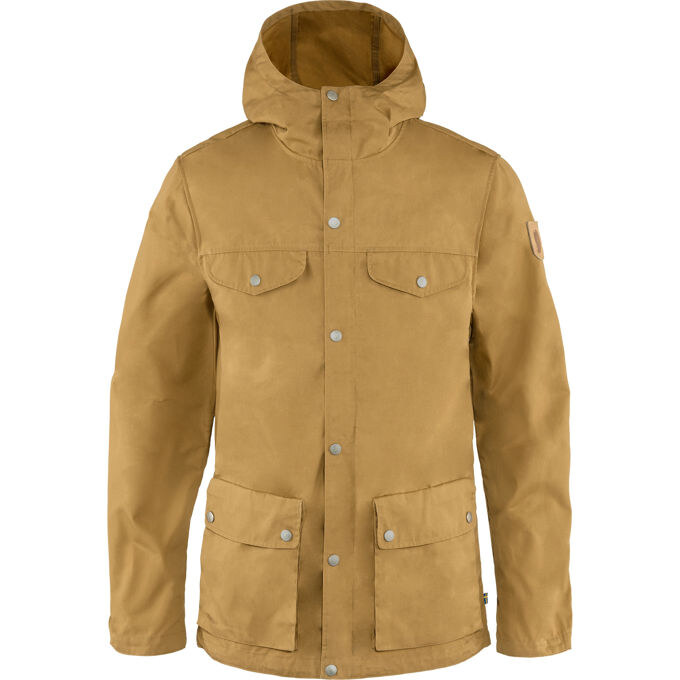
G-1000 is Fjällräven's signature material, a durable polyester-cotton blend first developed for the original Greenland Jacket. Its trick is adaptability: you can rub in Greenland Wax, the brand's beeswax-and-paraffin mixture, for more water and wind resistance, or wash it out for more breathability. Founder Åke Nordin invented the wax after recalling how, as a child, he rubbed ski wax onto his trousers to keep snow out.
What does the name Fjällräven mean, and what is the fox logo about?+
Fjällräven is Swedish for "the Arctic Fox," and that animal is the brand's emblem. You will usually find the Arctic Fox logo on the left sleeve of tops and outerwear, set in a badge that either follows the fox outline or sits in a shield shape. Most pieces also carry a small Swedish flag, typically tucked onto a seam, as a nod to the brand's roots.
Where is Fjällräven from and who founded it?+
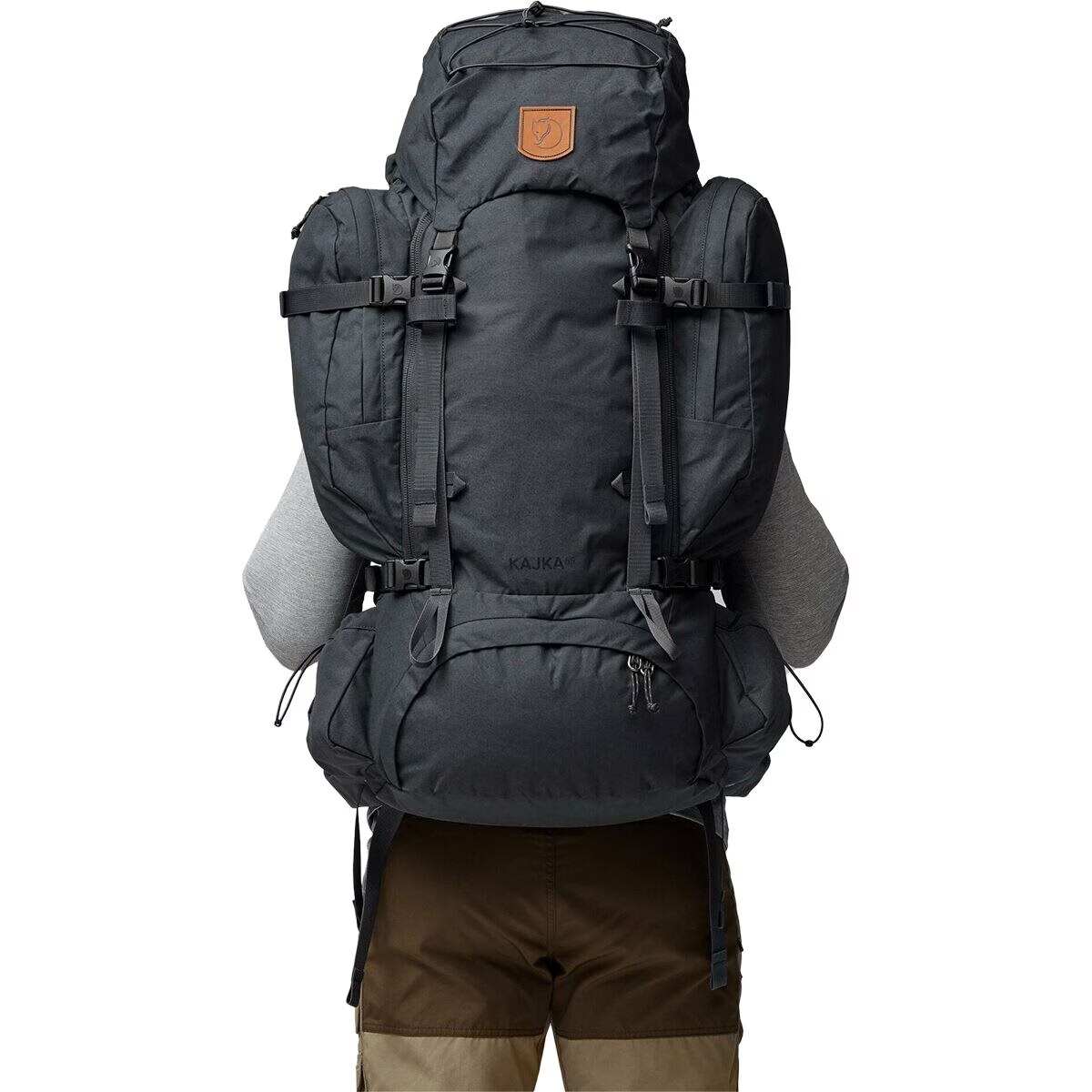
Fjällräven is a Swedish brand founded in 1960 by Åke Nordin, who came from Örnsköldsvik in Northern Sweden and first operated out of his family's basement. While serving in the Swedish Armed Forces he had spotted a need for durable, lightweight backpacks, and his first commercial product was the first commercially made external-frame backpack, built around an aluminium frame.
Which Fjällräven product should I buy first?+
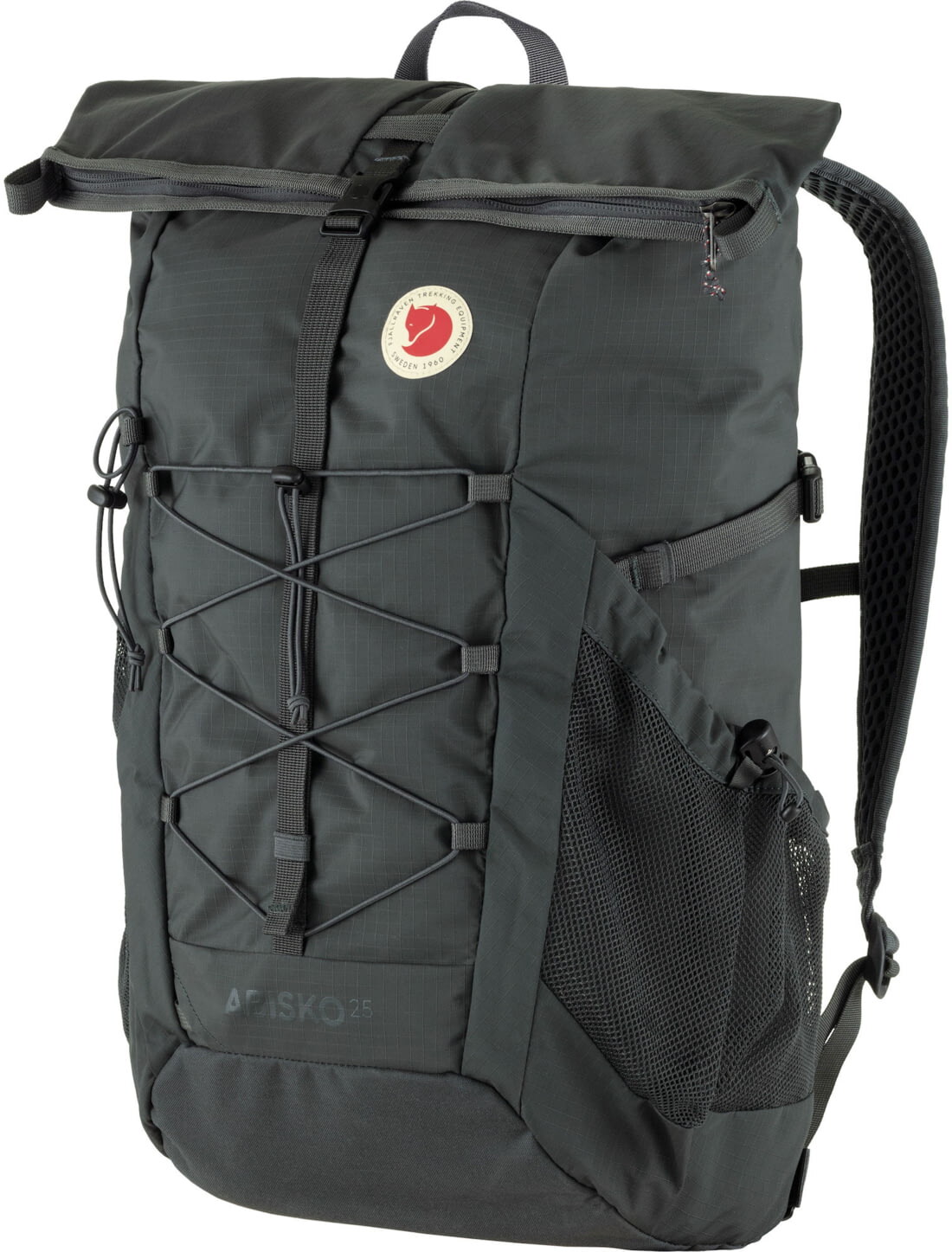
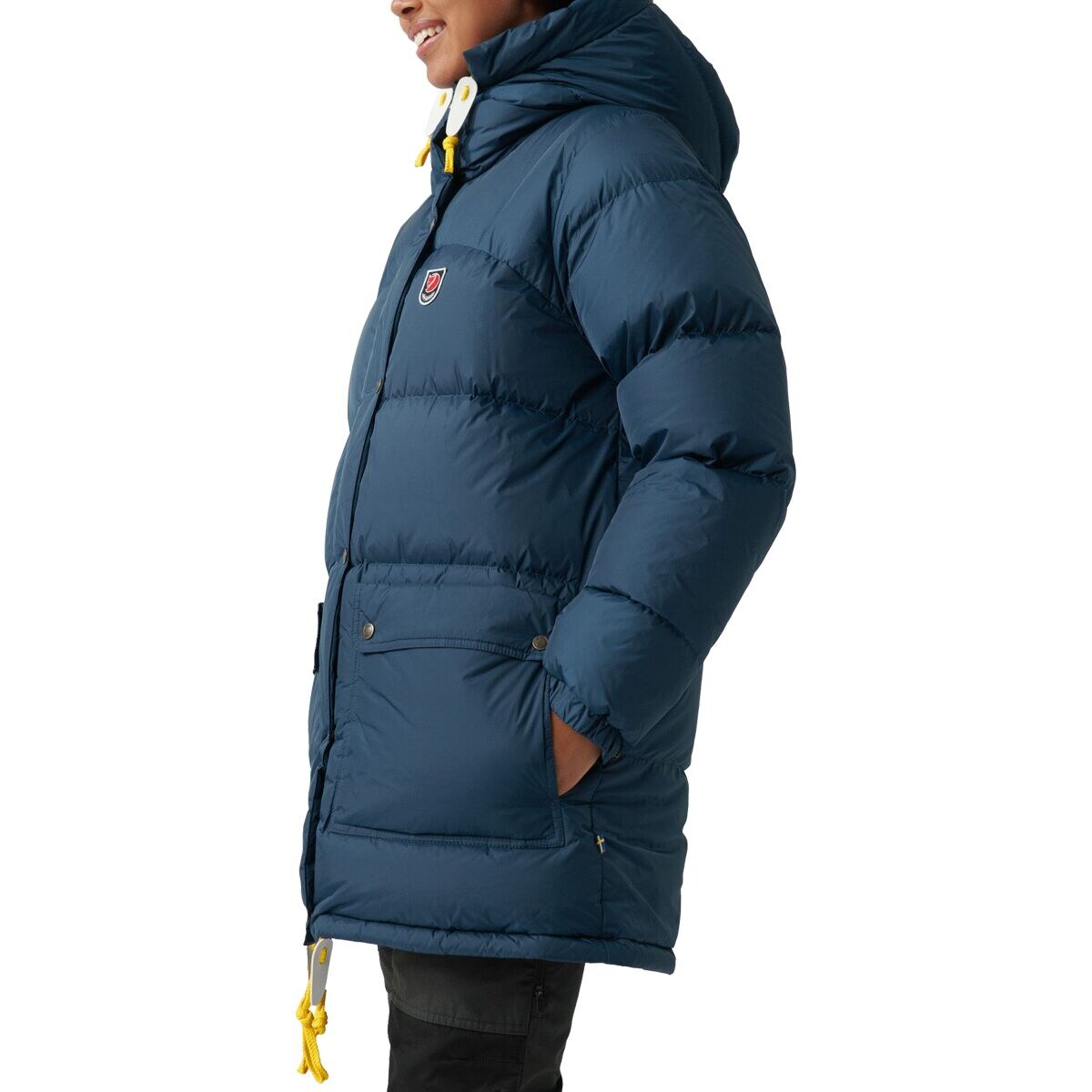
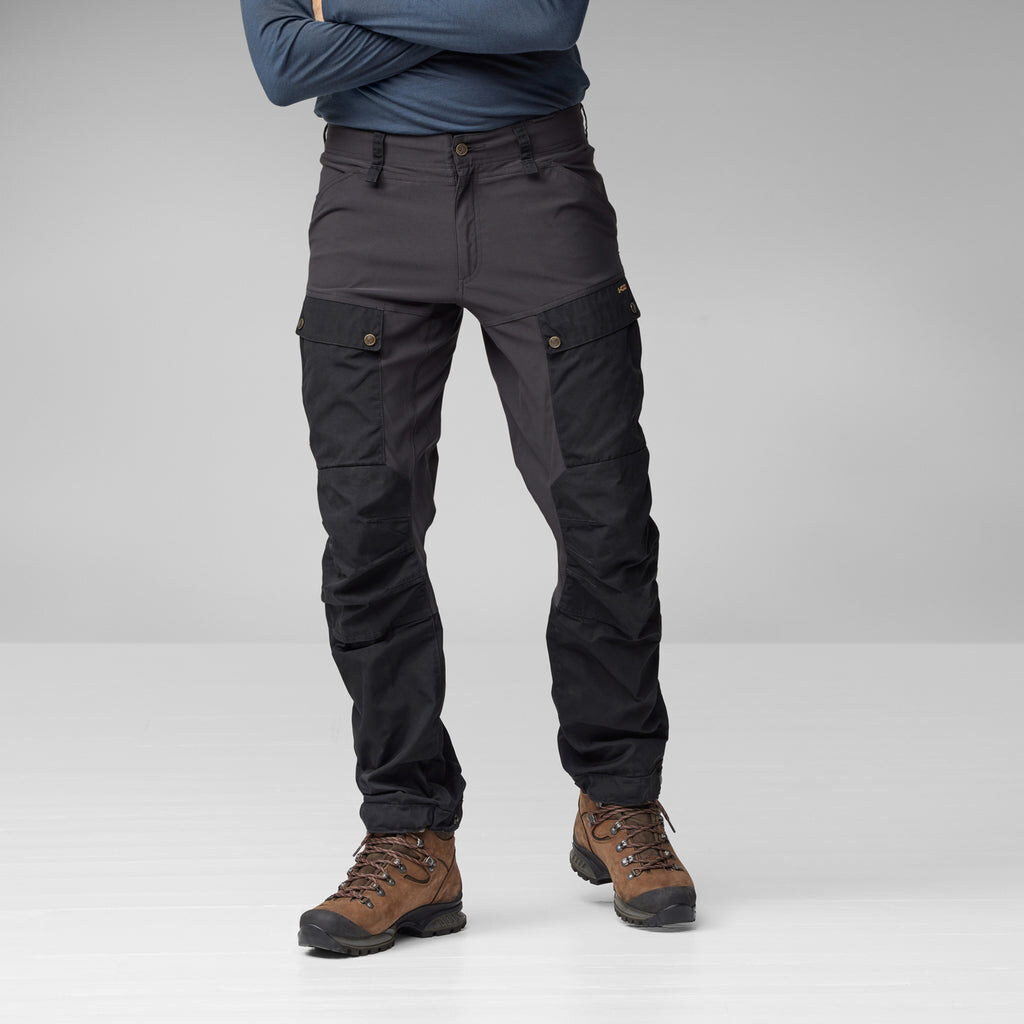
It depends on how you will use it. The Kånken rucksack is the obvious entry point for city and campus life, light and iconic. If you want the heritage outdoor pieces, the Greenland Jacket and Vidda Trousers in G-1000 are among the brand's signatures, made to be waxed and worn hard. For real cold, the Expedition Down Jackets are the warm option.
What versions of the Kånken are there?+
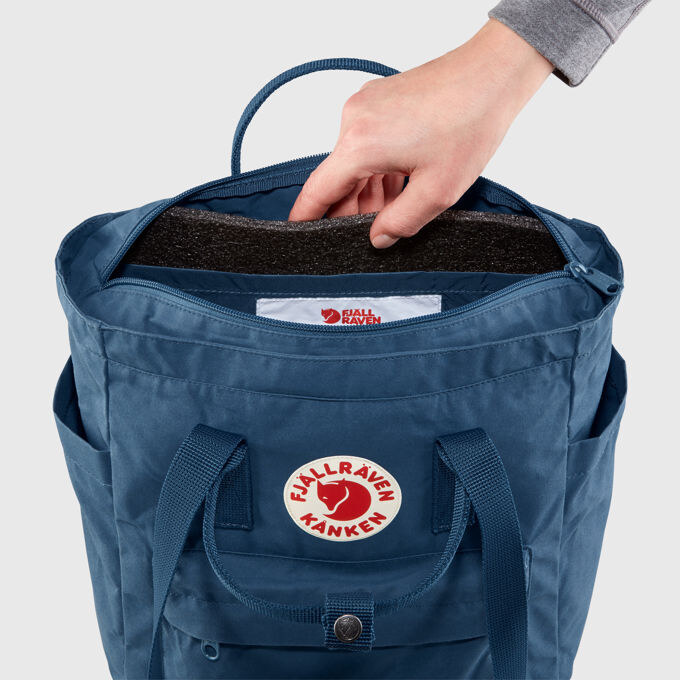
The range has grown well beyond the original. There is the Mini-Kånken (a 7-litre version released in 2002 for preschoolers), the Kånken Laptop from 2006 with a padded back pocket, the recycled-polyester Re-Kånken from 2016 made partly from plastic bottles, and the Tree-Kånken from 2021 made from a more sustainable Pine Weave fabric. The Kånken also wears a distinctive white-and-red logo rather than the usual light-brown one.
Who owns Fjällräven now?+
Since 2014, Fjällräven has been a subsidiary of Fenix Outdoor International AG, a Switzerland-based group listed on the Stockholm Stock Exchange. The same group includes Tierra, Primus, Hanwag, Brunton and Royal Robbins. As of March 2018, the CEO of Fenix was Martin Nordin, the eldest son of founder Åke Nordin, so the family connection has carried through.
Is the Kånken durable enough for daily use?+
For everyday carry it holds up well, which is a big part of its reputation. The design dates to 1978 and the brand has sold the Kånken in dozens of colours across decades, with the model becoming a long-running staple rather than a passing trend. Just match it to its purpose: it shines as a light, simple daypack, and is less suited to consistently heavy or overstuffed loads.
What is Fjällräven Classic?+
Fjällräven Classic is a trekking event the brand created in the early 21st century to encourage more people to get outdoors, framed as a sociable trek rather than a race. The first Swedish edition in 2005 had just 152 finishers, growing to 2,136 by 2015, and it now takes place in seven locations worldwide including Sweden, the US, the UK and Germany. It is a good window into the brand's hiking-first identity.