Are Vibram FiveFingers worth it for barefoot running?+
If you genuinely want a barefoot feel, FiveFingers deliver it like little else — the thin, flexible sole molds to the contours of your foot and the individual toe pockets let your toes move and splay naturally. The trade-off is that they place far more work on your bones, muscles and tendons than a cushioned trainer, so they reward dedicated barefoot enthusiasts more than casual runners. Treat them as a deliberate choice rather than a one-for-one replacement for conventional shoes.
What is the deal with the Vibram FiveFingers lawsuit and health claims?+
In 2014 Vibram settled a lawsuit alleging it made false health claims about FiveFingers and set aside $3.75 million to pay refunds of up to $94 to anyone who had bought the shoes since March 21, 2009. The original suit, filed in 2012, challenged claims that the shoe reduced foot injuries and strengthened foot muscles. Vibram expressly denied any fault or liability but chose to settle — so judge the shoe on the barefoot experience itself rather than on any promised medical benefit.
How should I transition into Vibram FiveFingers without getting injured?+
Go slowly — this is the single most important rule with FiveFingers. Moving too fast away from heel-strike running, or from shoes with an elevated heel, can inflame or damage the sole of the foot or the plantar fascia, and over-training or poor form can bring on Achilles tendonitis or metatarsal trouble. One study even found new wearers showed more bone-marrow edema than a control group, with researchers recommending a very slow, gradual transition. Build up over weeks, not days.
Why do Vibram FiveFingers have those individual toe pockets?+
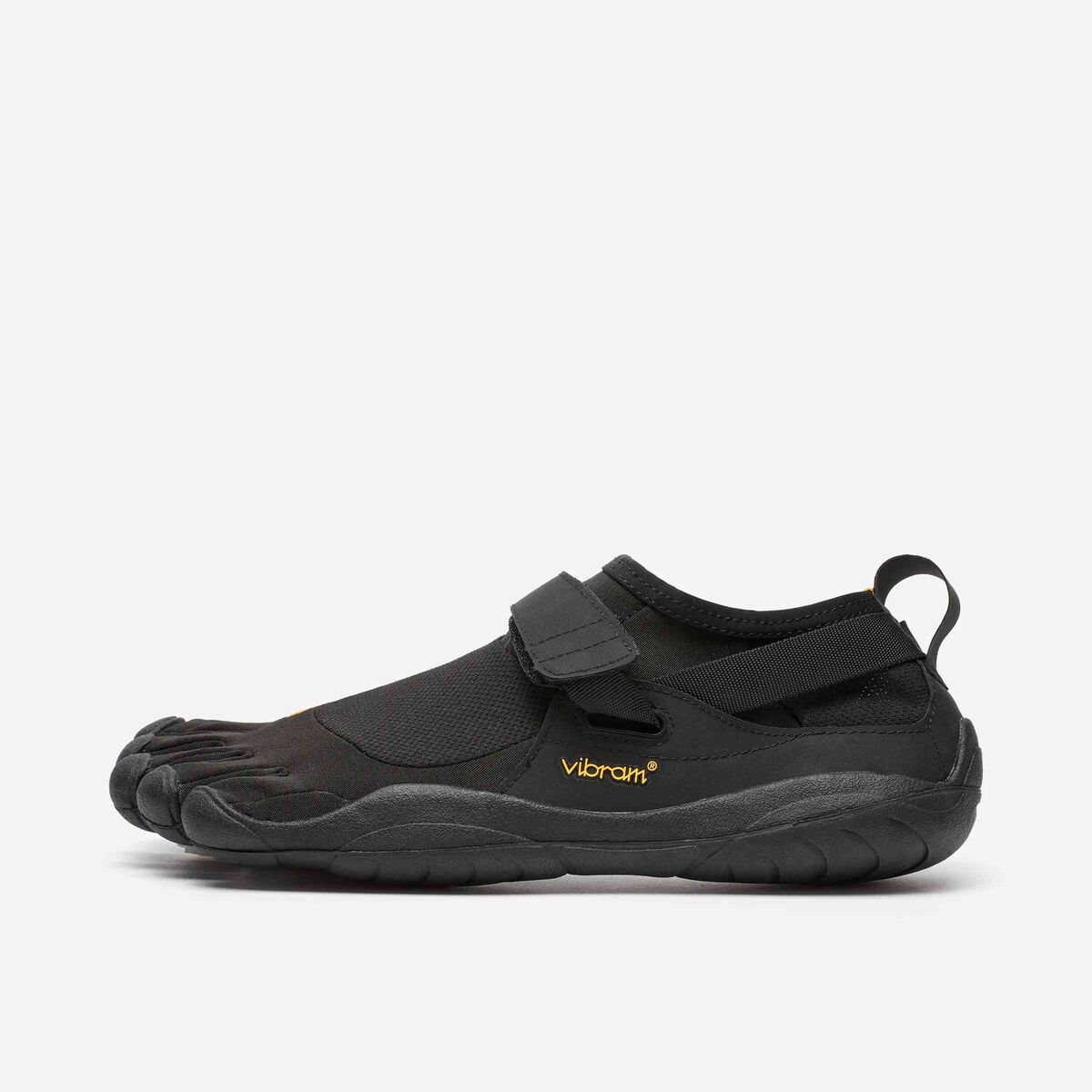
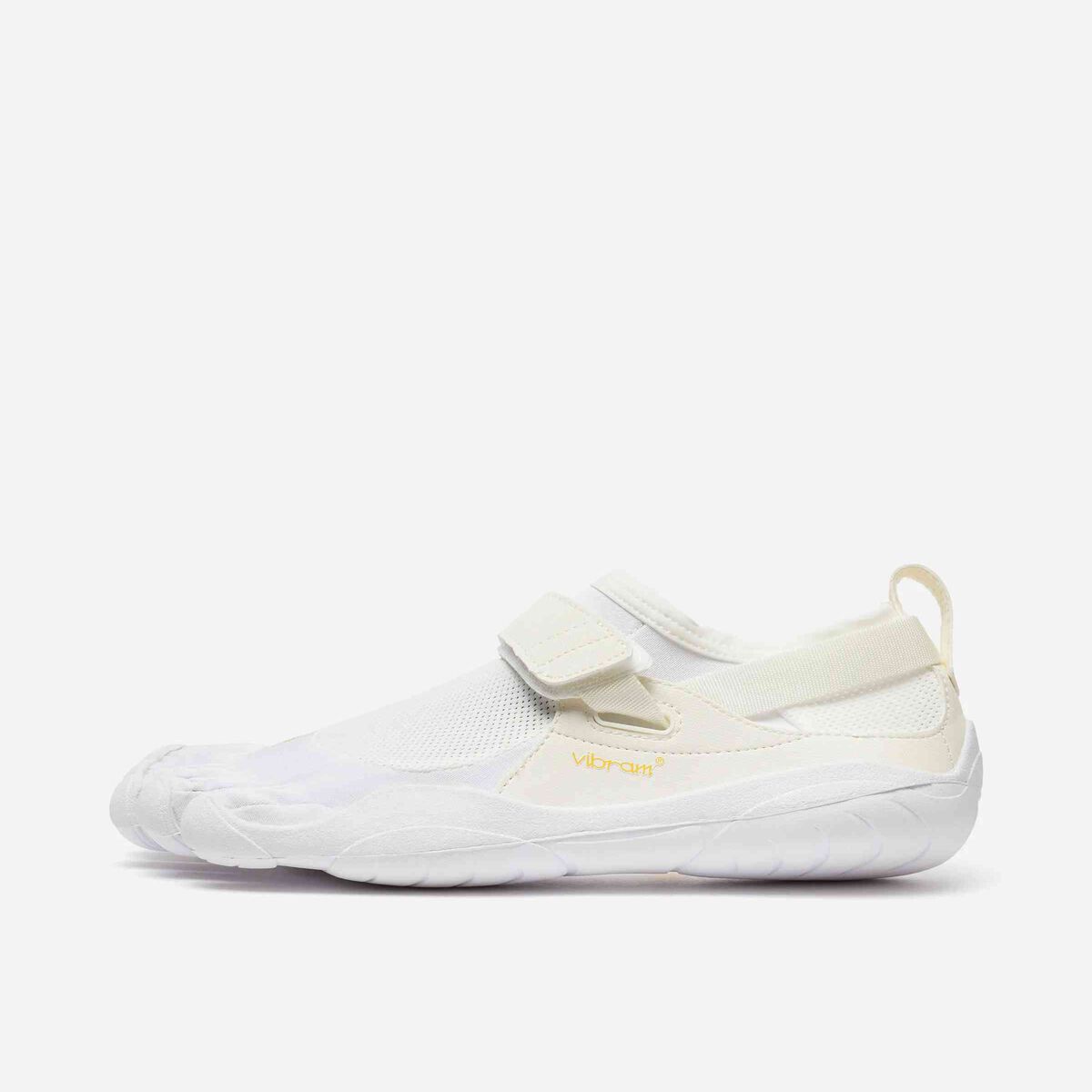
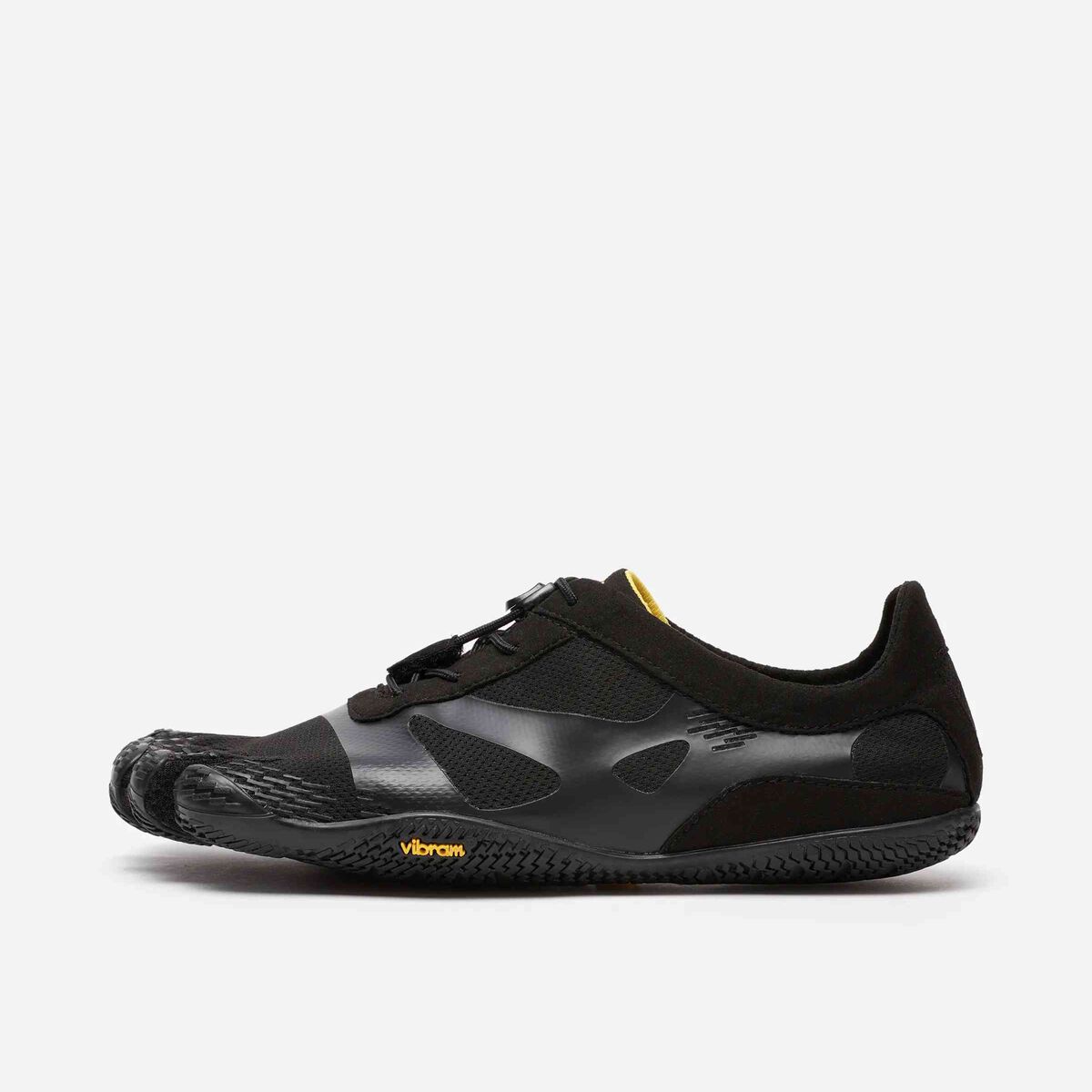
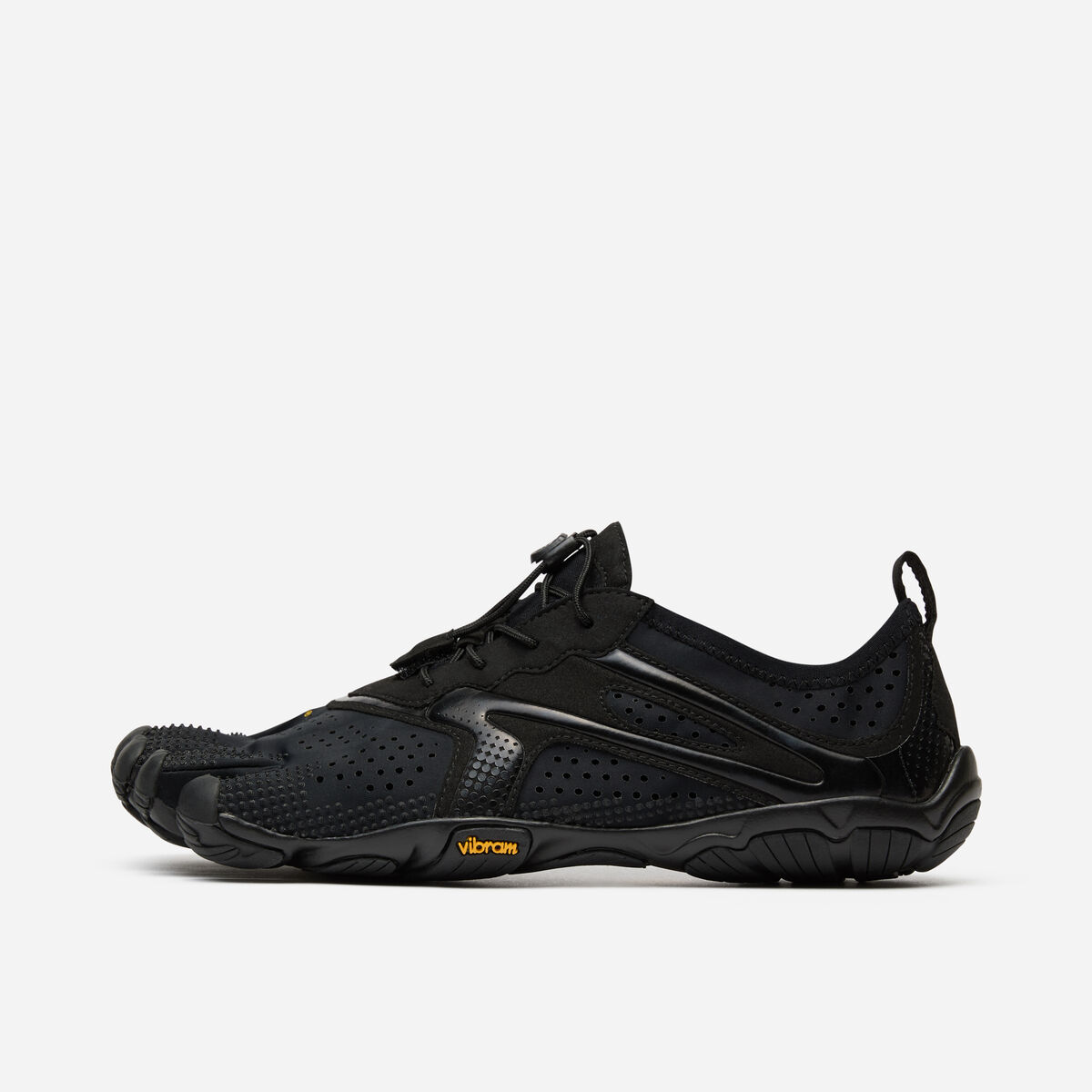
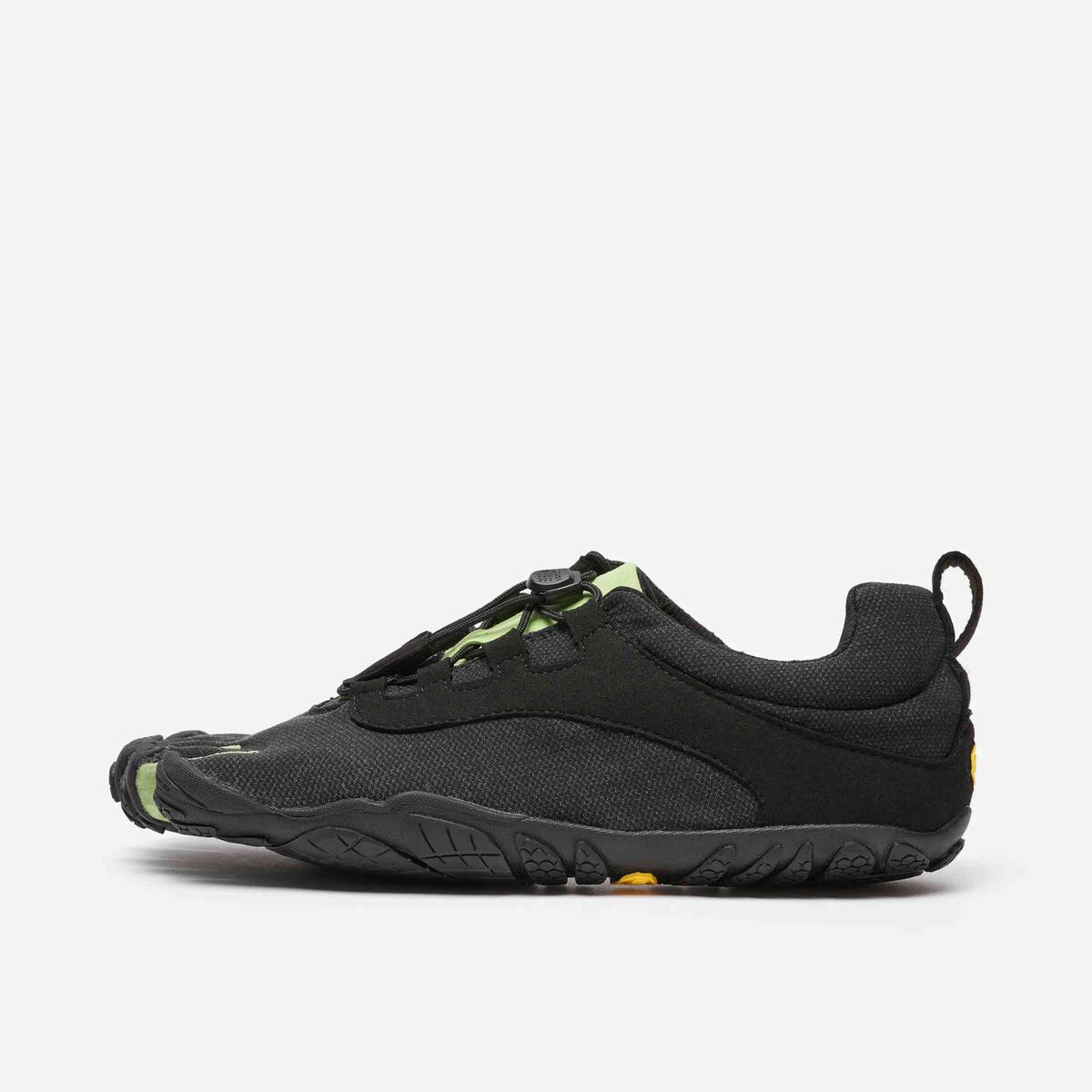
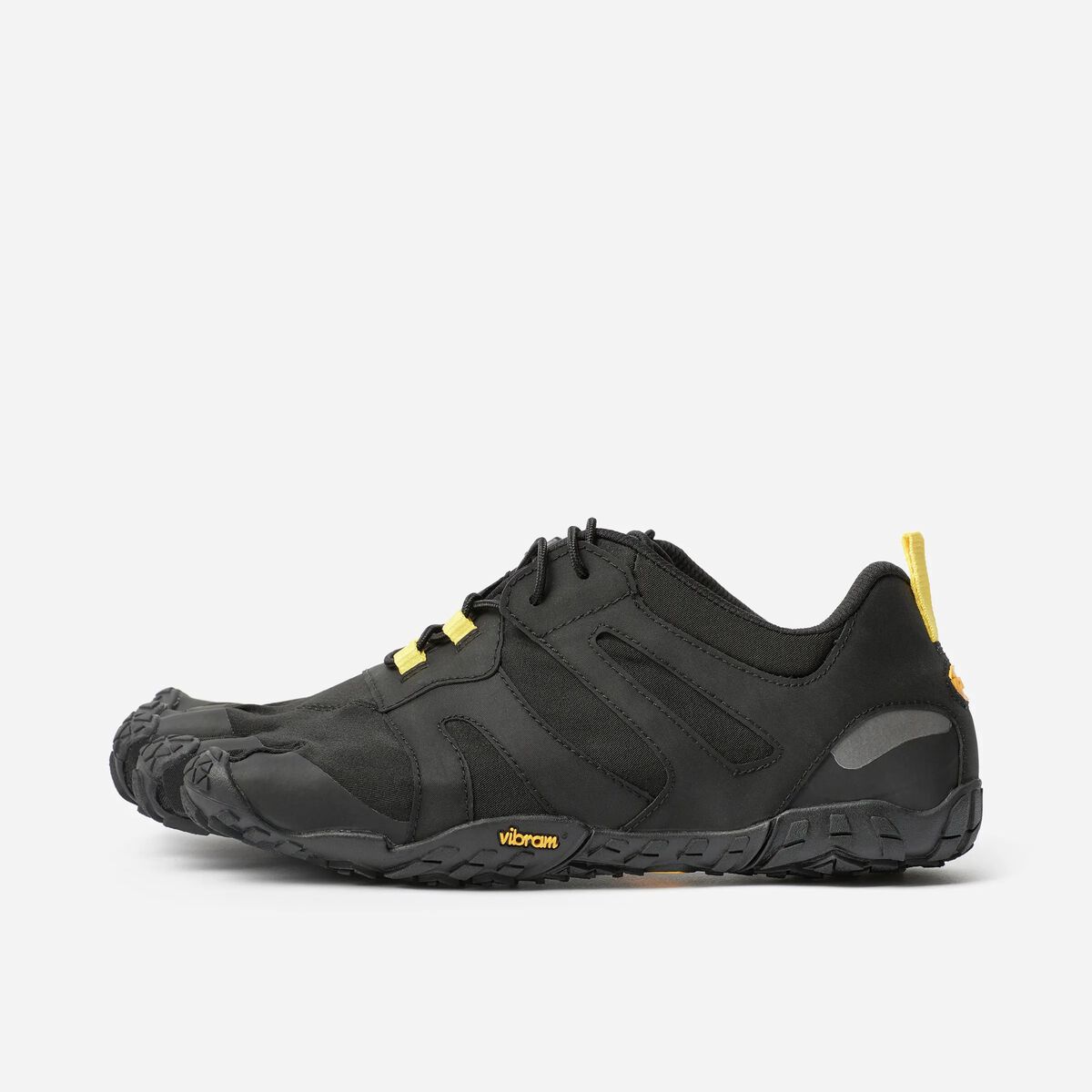
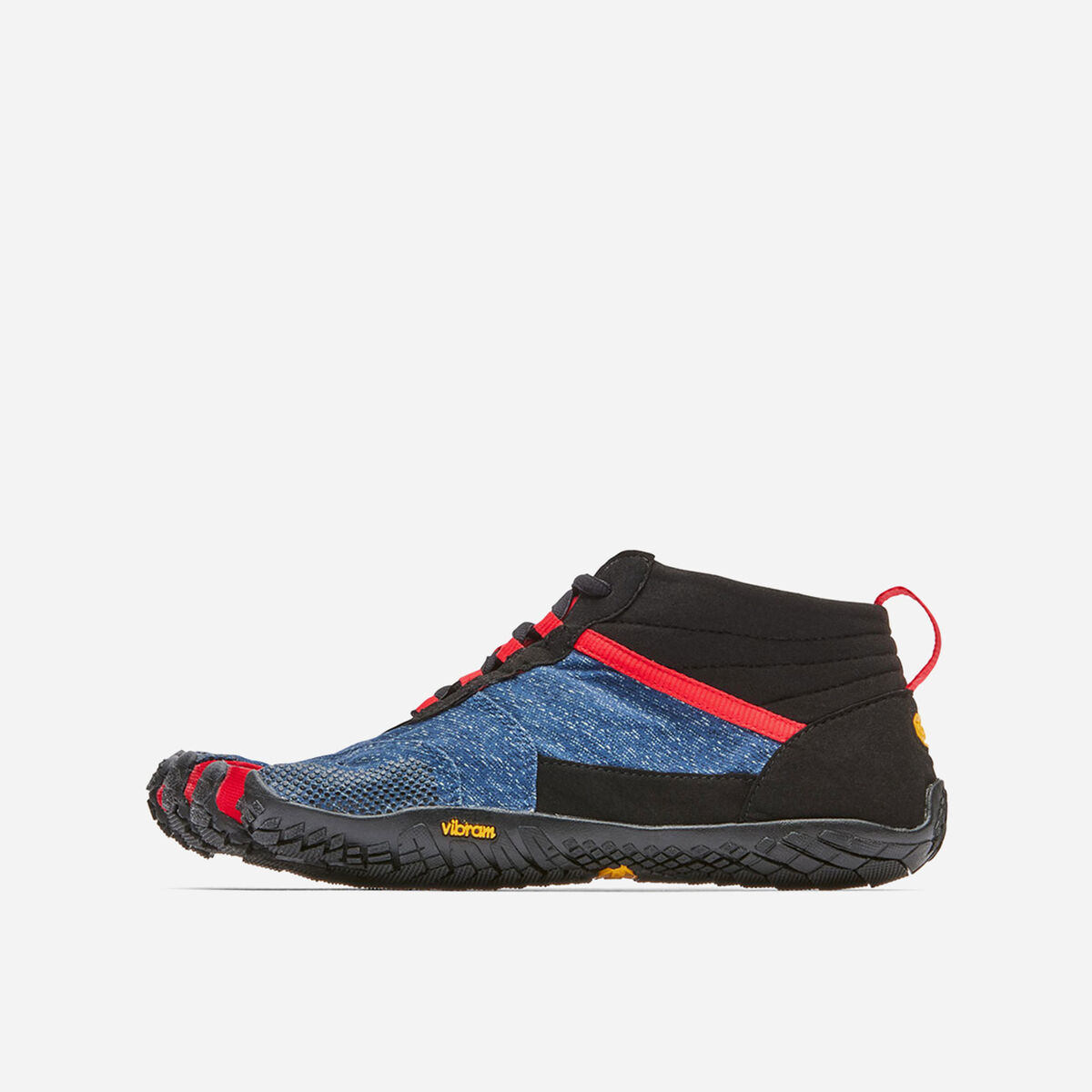
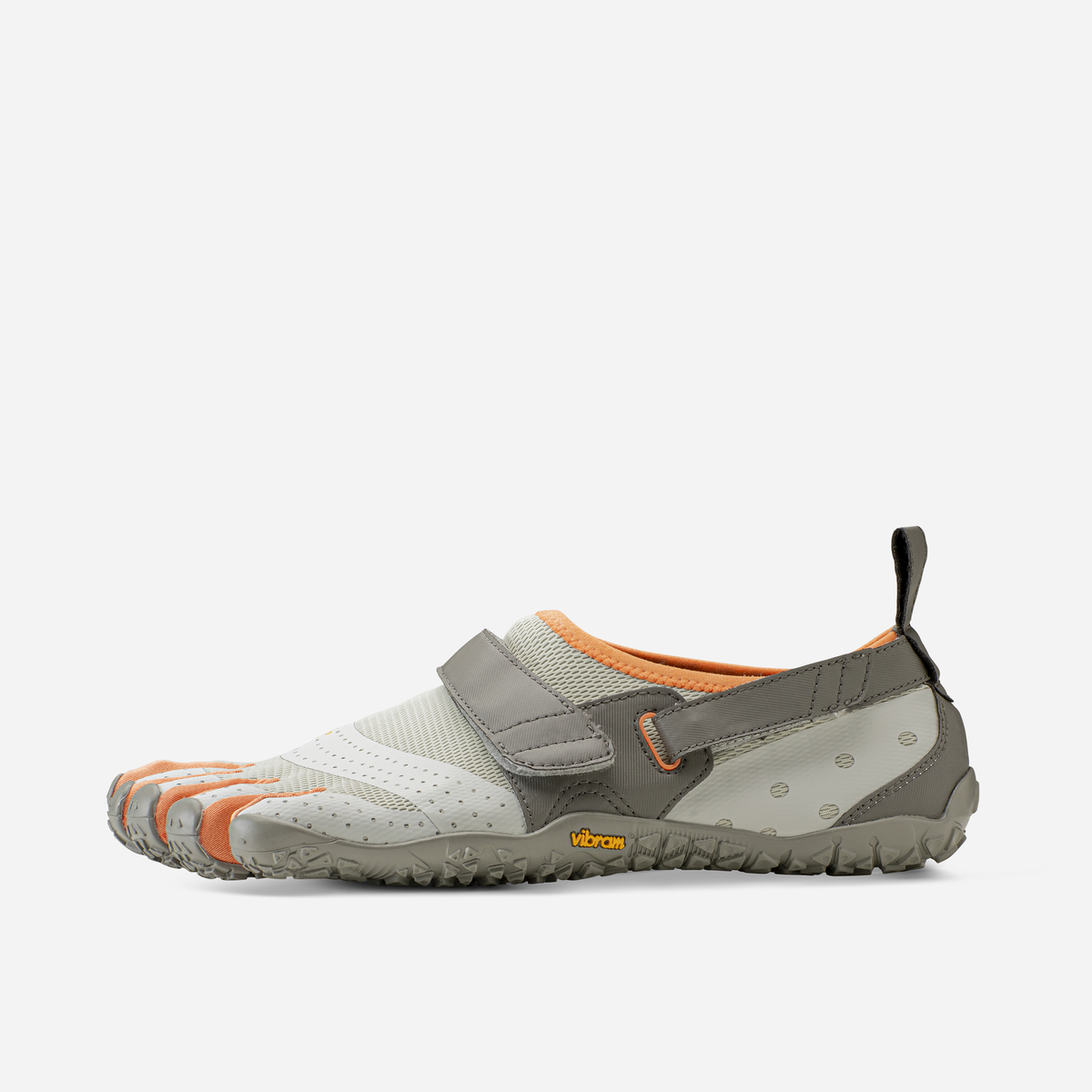
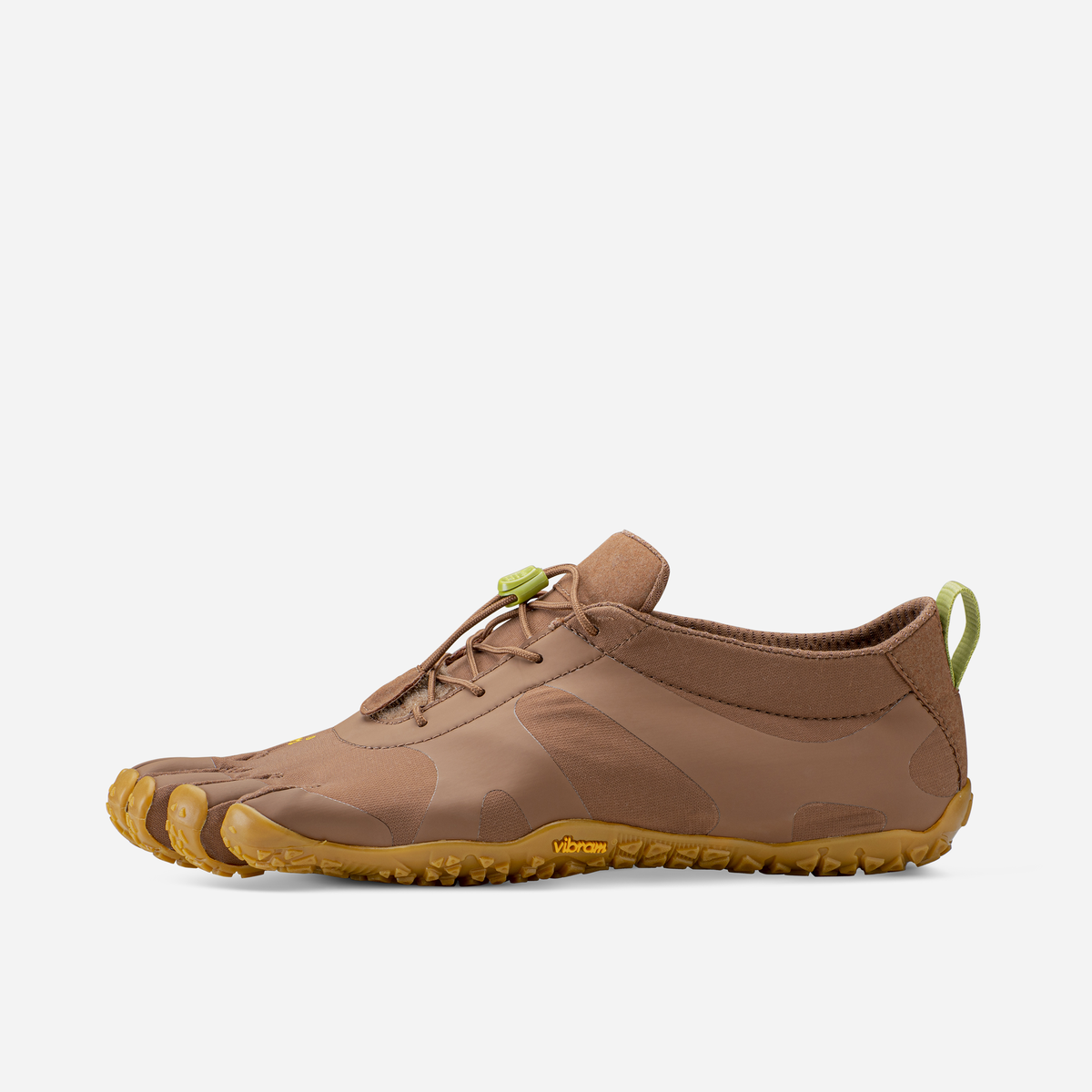
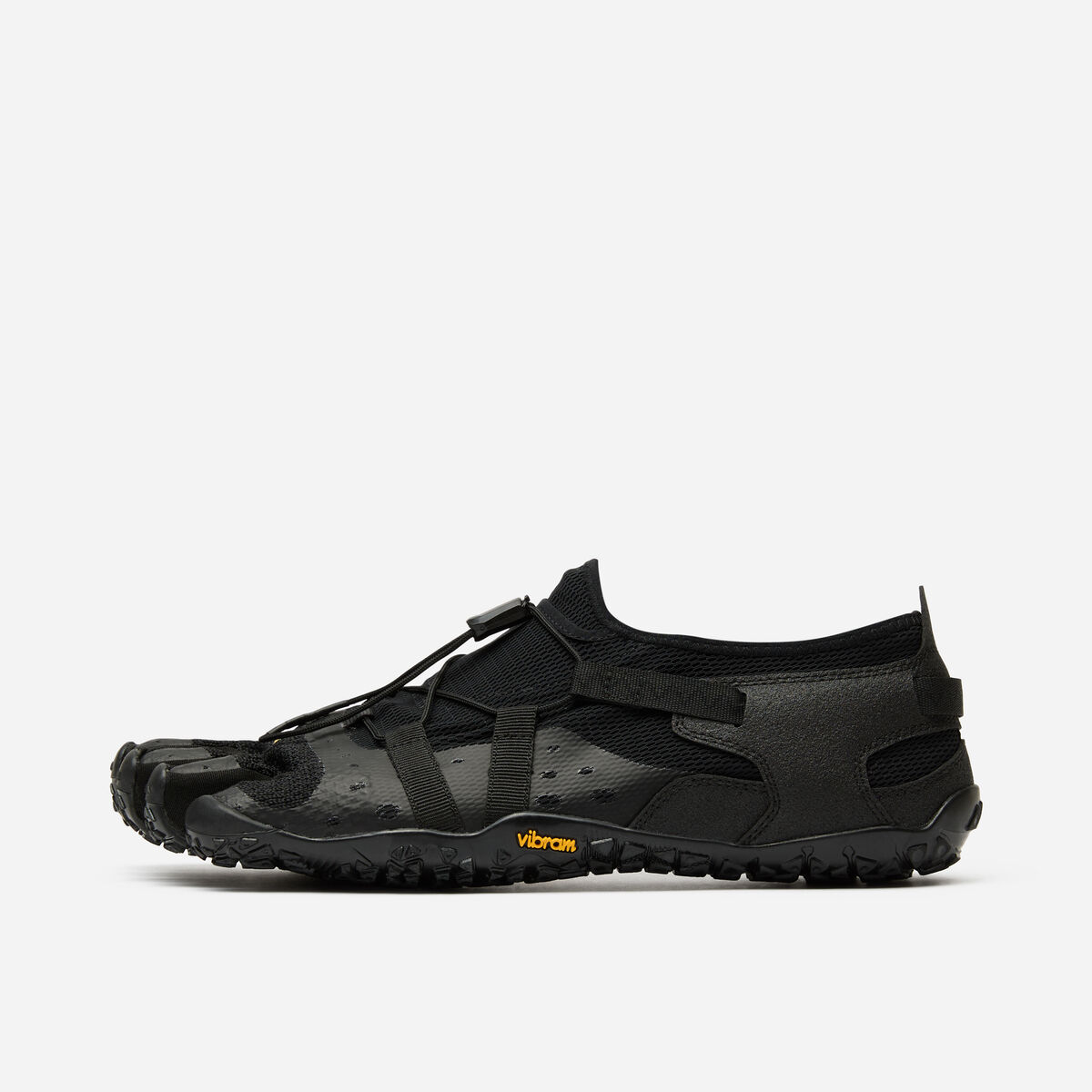
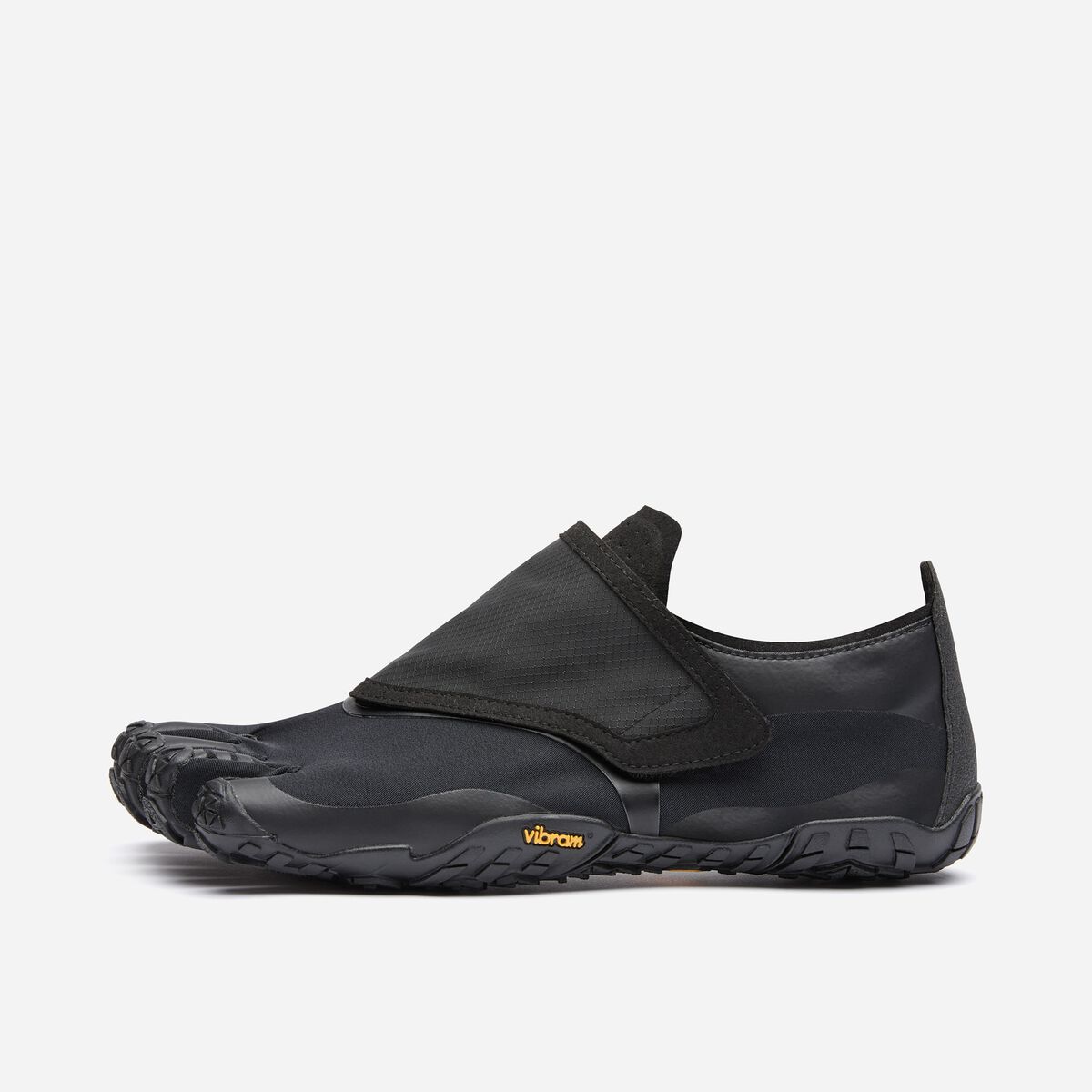
The toe pockets are the whole point: FiveFingers are designed to replicate being barefoot, so each toe gets its own visible section to move and grip independently. Unlike other minimalist shoes, FiveFingers force changes to how you run and walk by spreading the toes apart, which is meant to engage and strengthen the foot. The flip side is that the toe-pocket fit simply will not suit every foot shape, so it is worth checking your fit carefully before committing.
Who actually invented Vibram FiveFingers?+
The concept came from Robert Fliri, a design student from Vinschgau who wanted to figure out a better way to move around in nature. He pitched the idea to Vibram in 2005; after all of Vibram's manufacturing partners rejected it, Vibram chose to develop and market it directly under its own name. The shoes were introduced in 2005 and reached the United States at 25 stores in early 2006.
Were Vibram FiveFingers originally made for running at all?+
Not originally — they were first targeted at yacht racers, to keep grip on slippery decks without giving up the barefoot feel, and marketed for outdoor pursuits like sailing, kayaking and canoeing. Their running potential was suggested by Vibram USA's CEO to Ted McDonald, nicknamed Barefoot Ted, who ran in them at the 2006 Boston Marathon as part of the brand launch. Today they are used for fitness, running, water sports, yoga and trekking alike.
What are Vibram FiveFingers actually made of?+
The materials vary by model, but the common elements are Vibram's TC-1 performance rubber for the sole, a thin stretch polyamide frame that molds to your foot, and an antimicrobial microfiber footbed. Sizing follows quarter-inch increments in foot length, closely resembling the Continental European system, which is another reason to confirm your fit rather than assume your usual size.
Vibram FiveFingers vs other minimalist shoes like Xero — what's the difference?+
FiveFingers sit at the most intense end of the minimalist spectrum because the toe pockets force your toes apart and demand the biggest change to your gait, which is the point for people chasing foot strength. Other minimalist designs can feel lighter or even more flexible, but few replicate the true barefoot, toe-by-toe sensation FiveFingers give. Choose FiveFingers if you want the full barefoot engagement; choose a flatter minimalist shoe if you want a gentler, more conventional silhouette.
Why are Vibram FiveFingers suddenly fashionable again?+
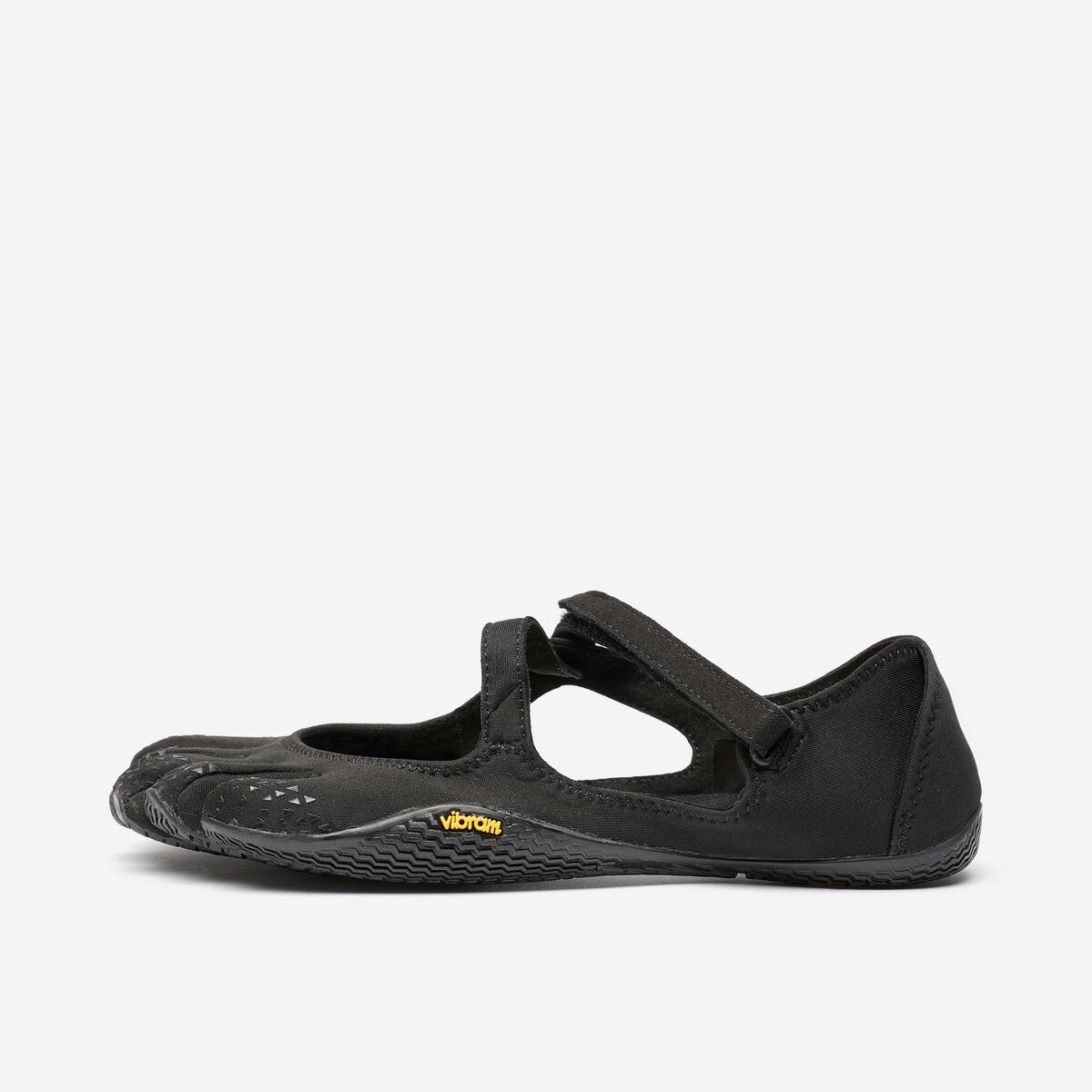
Minimalist shoes have surged back on the strength of renewed interest in their purported health benefits and the wider taste for tabi-style footwear. Since 2020 Vibram has collaborated with fashion labels on at least three occasions, including a $1,300 "Toe" shoe with Balenciaga and projects with Suicoke. The line has grown notably more popular with women, and the V-Soul — a model based on ballet flats and Mary Janes — became a fashion trend in 2025.
Which Vibram FiveFingers should I buy first?+
Start by matching the model to how you will actually use them, since FiveFingers span fitness, running, water sports, yoga and trekking. If you are new to barefoot footwear, ease in with everyday training or fitness use before attempting serious mileage, and give yourself plenty of time to adapt. And because sizing runs in quarter-inch foot-length increments, get your true foot length measured rather than guessing from a normal shoe size.
Are Vibram FiveFingers durable?+
The Vibram TC-1 rubber sole is built to last, and long-term wearers report getting years of use out of a pair. As with any minimalist shoe, the thin upper takes more visible wear than a chunky trainer, so they age honestly. If durability is high on your list, look after the microfiber footbed and rotate pairs if you wear them daily.