The coat-size tradeoff
The best time to buy a designer winter coat without losing your size
July begins the new-season selection window and gives you a clean price baseline. Late December and January bring the main winter markdown window. The right moment depends on whether the exact coat or the lowest price matters more.
 By Sofia Mercer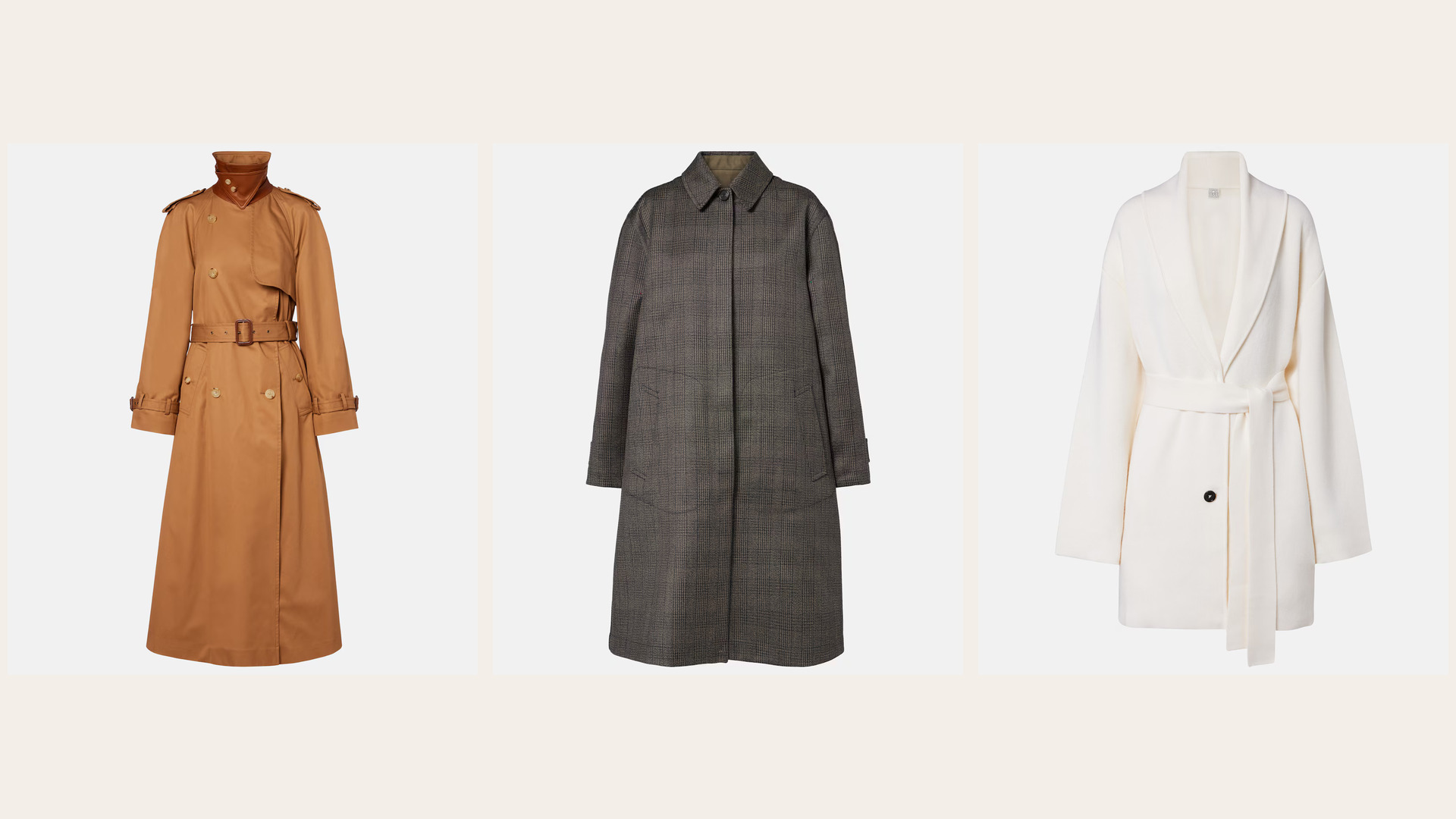
A designer winter coat combines a seasonal price cycle with a size problem. Waiting can reduce the price, but a later sale page may no longer carry the exact size, color, length, or material that justified the search. There is no reliable universal sellout rate by coat size, so the decision has to use live stock rather than folklore about a “common” size.
The safest method separates three questions. When does winter outerwear usually move into markdown? What inventory signals does the exact listing show today? What happens if the size is wrong and the item is Final Sale?
The winter coat price cycle
FashionUnited reports that fall/winter collections generally reach retailers from July through September. Winter sale activity often begins around Christmas and continues through January or February. According to data from the Central Bureau of Statistics cited in its discounting report, January sits in a low-price season for clothing.
Henk Hofstede, sector banker at Dutch bank ABN Amro, ties markdowns to inventory turnover and the need to fund incoming purchases. That explains why the winter sale can begin when many shoppers are only starting to use a coat. Commercial season and weather season are not identical.
Fall/winter collections begin reaching retailers in this period. Save the exact product URL, full price, native size system, and return label so later reductions can be measured against a real baseline.
Fall promotions may reach chosen outerwear. Check designer exclusions and compare the listed price with the price already saved in the tracker.
This is the balanced window for a coat that still has the required size. The first reduction may be enough when substitution is limited.
The cited data support January as a low clothing-price season. The tradeoff is a more advanced inventory cycle.
Wait this long only if several options could meet the need, the purchase is not date-bound, and Final Sale would be acceptable.
What a live coat page can tell you
A current sale page is more useful than a remembered discount. It can show the exact price, percentage, material, available-size field, and return label together. Prices reflect the July 14 snapshot and can change. The ChicAire editorial team independently selected the following examples from official retailer pages. To be clear, they illustrate decision fields; they are not fit or warmth recommendations.
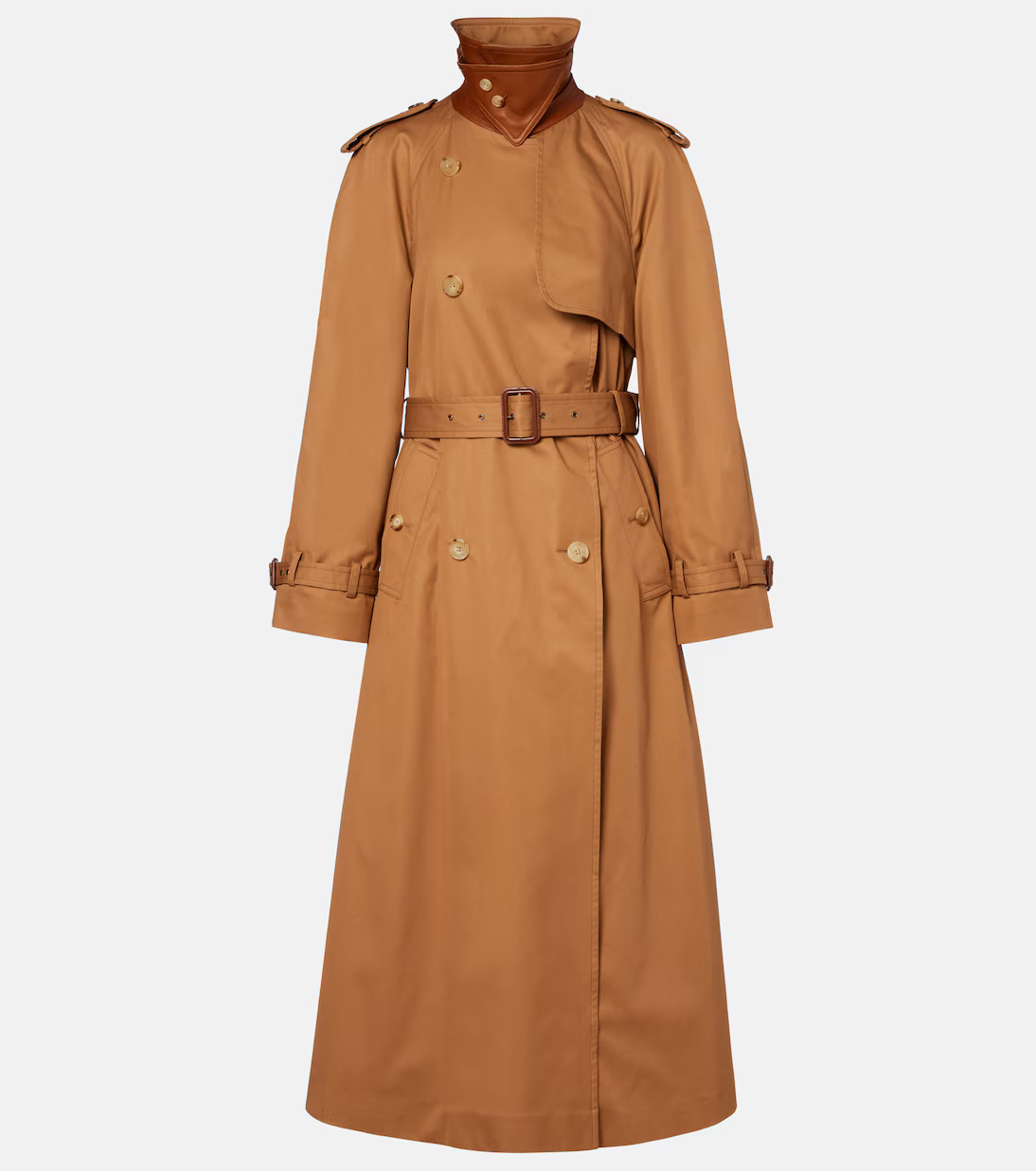
Chloé Cotton Gabardine Trench Coat
$3,950 to $2,765 · 30% off
The page showed FR 36-42 in low stock and FR 46 as the last piece. Its 100% cotton composition and Final Sale label make material, size, and return status more important than the percentage alone.
Check the live Chloé listingThe Row Palomar Reversible Wool and Silk Coat
$7,900 to $3,950 · 50% off
The reversible coat is 83% wool and 17% silk, with a concealed button placket and welt pockets. The page showed US 2 and 4 in low stock, with US 8, 10, and 12 down to the last piece. It was Final Sale, so the larger markdown arrived with a narrow correction path.
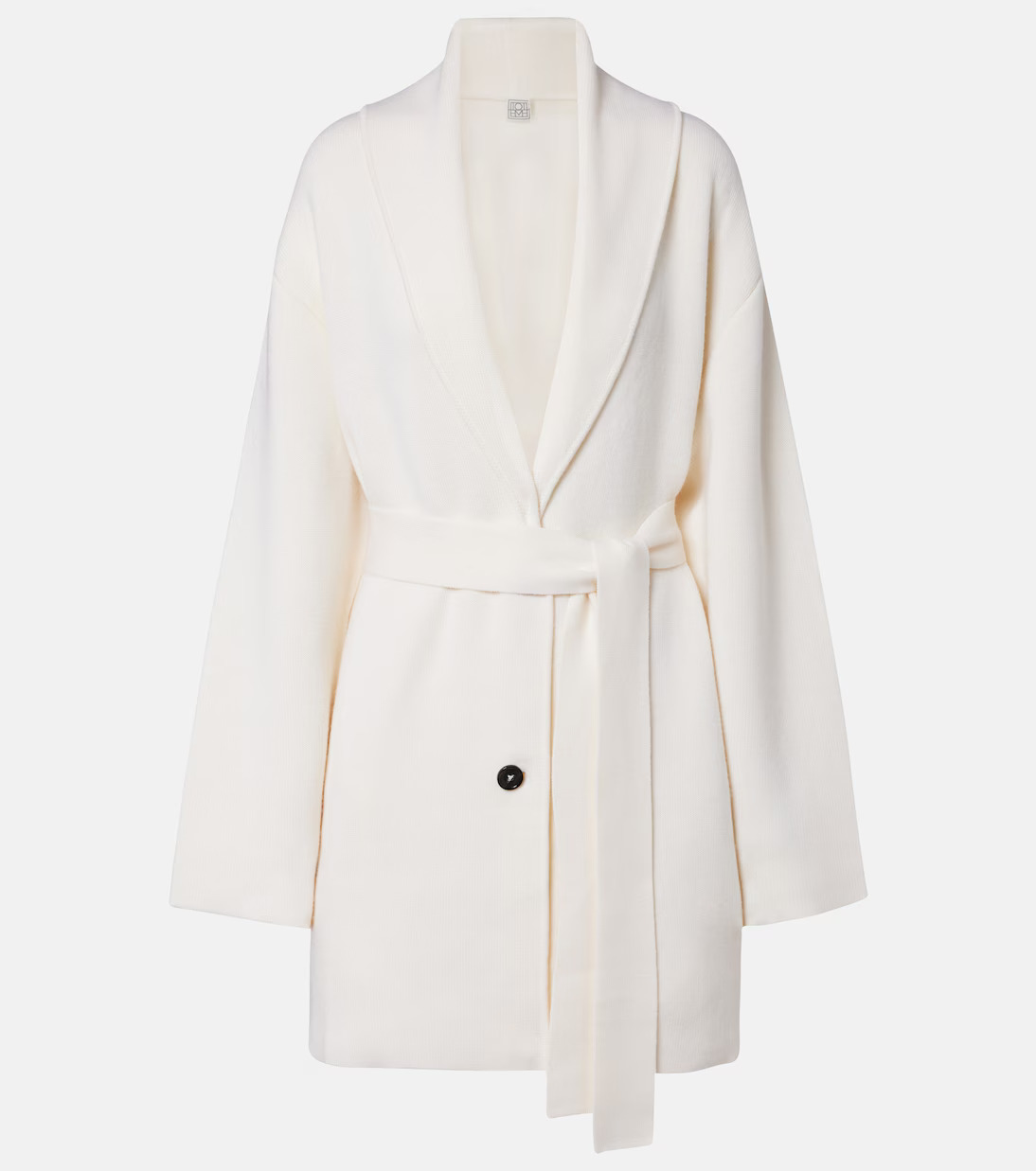
Check the live The Row listingToteme Belted Wool Coat
$880 to $352 · 60% off
The page showed XXS through XL, described the 98% wool coat as running large, and marked it Final Sale. Broad size availability does not remove the need to check the retailer's fit note before committing.
Check the live Toteme listing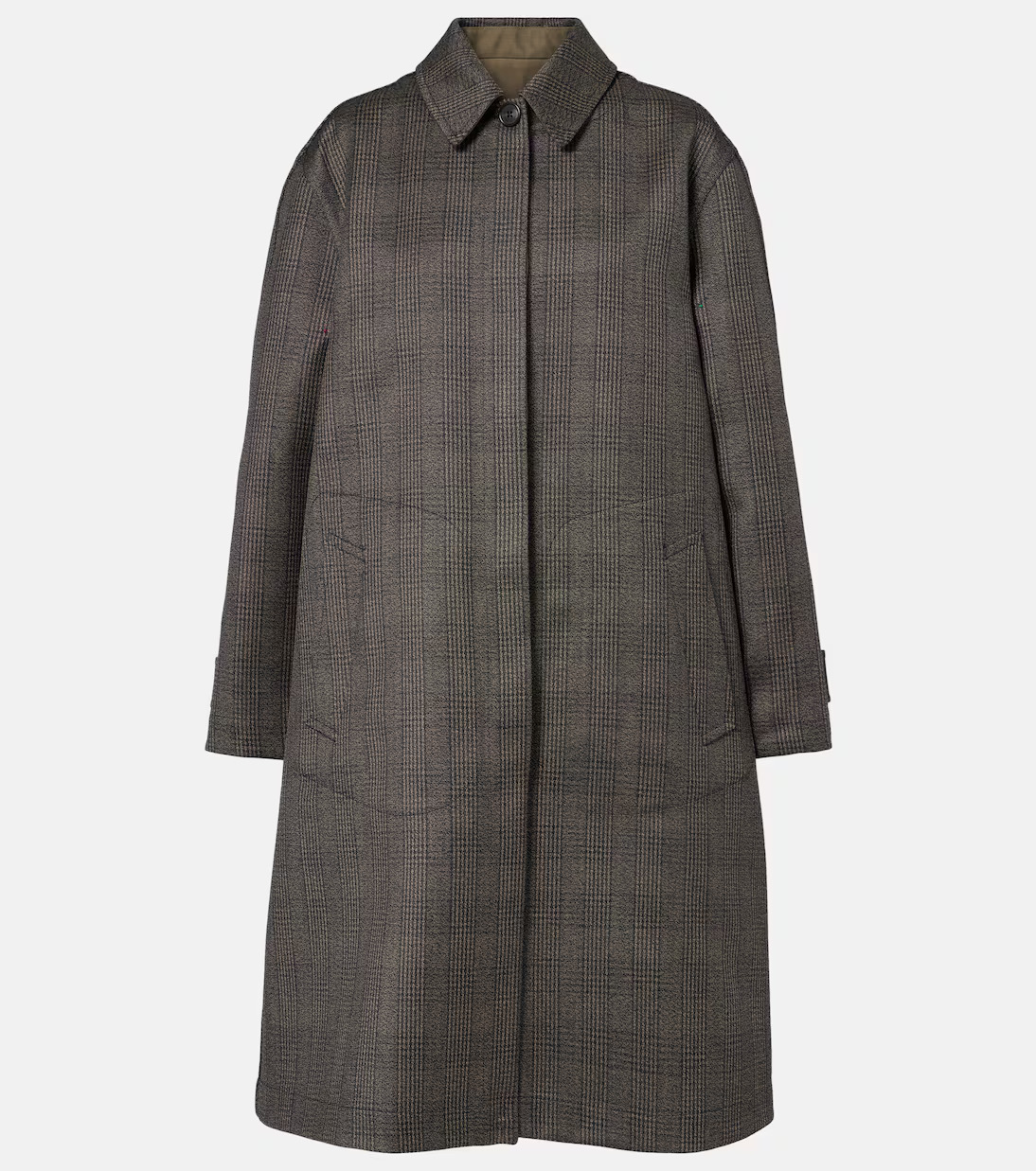
At the July 14 snapshot, Chloé was $2,765 from $3,950 (30% off), The Row was $3,950 from $7,900 (50% off), and Toteme was $352 from $880 (60% off). The Chloé sizes were mostly low stock, The Row had several last-piece sizes, and Toteme still showed a broad run. All three were Final Sale. That is why the percentage cannot decide the purchase by itself.
The variety also shows why “designer coat sale” is too broad for an alert. A useful alert names the brand, native size system, color, length, composition, maximum price, and whether Final Sale is acceptable.

#chloecoat.Signals that justify buying earlier
When waiting may be rational
Waiting works when the search is flexible. If several brands, colors, and closures would work, inventory loss has less power over the decision. The January-February window then offers a reasonable chance to compare deeper markdowns without making one item indispensable.
It can also work for a replacement coat with no fixed deadline. The shopper can set a ceiling, reject Final Sale, and accept that the search may end with no purchase. That last condition matters. Waiting is not a strategy if the buyer will replace the sold-out coat with a more expensive option under time pressure.
The honest negative is that late clearance can leave impressive percentages attached to the wrong garment. A 60 percent reduction on a color, length, or construction that does not meet the brief is not a better result than a 30 percent reduction on the intended coat.

Size and return safeguards
- Use the product's native size system. Record DE, FR, IT, UK, or US exactly as shown. Do not rely on a conversion remembered from another brand.
- Compare garment details, not only labeled size. Note the listed cut, closure, shoulder construction, sleeve style, length, and whether the page provides measurements. A raglan sleeve and a set-in sleeve are not the same construction.
- Preserve the return route. NET-A-PORTER states a 28-day deadline from receipt but excludes Final Sale. Mytheresa also makes marked Final Sale products non-returnable and non-exchangeable.
- Keep condition requirements in view. Saks requires an eligible return within 30 days of delivery and expects the item unworn, undamaged, unaltered, with tags, applicable packaging, and proof of purchase.
- Verify policy at checkout. A standard policy does not override an item-level Final Sale label. Save the order-page terms with the receipt.
- Check price protection without assuming it. Saks offers a price-adjustment request route, but the current terms decide eligibility.
A decision timeline by priority
| Priority | Start watching | Preferred action point | Stop waiting when |
|---|---|---|---|
| Exact size and color | July-August | Event price or first markdown | Only one acceptable variant remains |
| Best balance | October | Late December | The target reaches the pre-set budget |
| Deepest discount | Late December | January-February | Only Final Sale or wrong variants remain |
| Uncertain sizing | When returnable stock appears | First markdown with a valid return window | The listing switches to Final Sale |
| Fixed winter deadline | At least one purchase cycle earlier | Before the latest safe delivery date | Evaluation or alteration time would be lost |
The bottom-line coat window
For an exact designer winter coat, start tracking in July-October and aim for the first acceptable December markdown. For a flexible search, January offers the stronger evidence-backed price window, with February reserved for shoppers willing to accept thin stock and stricter return terms.
Do not wait for an abstract percentage. Wait only while the exact coat still meets the size, material, deadline, and return rules set before the sale began.
ChicAire editors independently research and select products. If you buy through our links, we may earn a commission.