A calendar for buying, not guessing
When do designer clothes go on sale? A seasonal markdown calendar
The lowest price and the best purchase are not always the same event. Use the retail calendar to choose how much selection, return flexibility, and discount you are willing to trade.
 By Evelyn Brooks
Designer clothes do not go on sale on one universal date. Retailers receive collections on different schedules, carry different quantities, and can exclude certain labels from a promotion. The useful answer is a set of windows, followed by a stock check on the exact garment.
FashionUnited's industry reporting places summer sales from June into July or August and winter sales from December into January or February across the United States and much of the Global North. Its calendar also identifies March-April and September-October as mid-season periods. That is the base map. The decision still depends on whether you want the first workable markdown or the last possible reduction.
The annual designer sale calendar
According to data from the Central Bureau of Statistics cited by FashionUnited, clothing prices reach a low season in January and July-August, while May and November are high-price periods. The dataset covers broad clothing and shoe prices, not one luxury retailer. It is evidence for timing, not a forecast for a specific coat, dress, or size.
Henk Hofstede, sector banker at Dutch bank ABN Amro, explains the commercial reason: retailers need to clear older inventory and finance incoming purchases. New deliveries and markdowns can overlap, which is why a sale page may show spring merchandise beside new pre-fall pieces.
Winter clearance is active. January is the stronger broad price window in the cited data.
Selection is narrower, and Final Sale labels become more relevant. Wait only if substitution is easy.
Mid-season events may include selected spring clothing.
Look for a named promotion, then read exclusions. A sitewide banner does not prove that your designer is included.
Spring/summer inventory is still in its main selling period.
The cited data place May in a high-price season. Build the watchlist rather than assuming an early code is the final markdown.
Summer markdowns begin around June and may continue through July or August.
June favors more choice. July-August can bring lower prices, but stock and return terms need another check.
Fall mid-season promotions create a second selective window.
Use this period for pieces you can wear soon. Core new-season inventory may remain excluded.
Holiday promotions can be visible, yet the cited broad data put November in a high-price season.
Judge the exact before-and-after price. Do not treat a promotional label as proof of the year's lowest price.
Winter sale activity often begins around Christmas and carries into the new year.
First markdown can be the balanced point for an exact size, while January is the deeper-wait window.

Three live signals worth watching
A calendar tells you when to look. Exact product pages tell you whether to act. On July 14, the Mytheresa sale hub displayed 39,587 products and an extra 20 percent off selected sale items over $350, ending July 28, 2026 at 23:59 CET. The three pages below carried that promotion, but each also carried a Final Sale label.
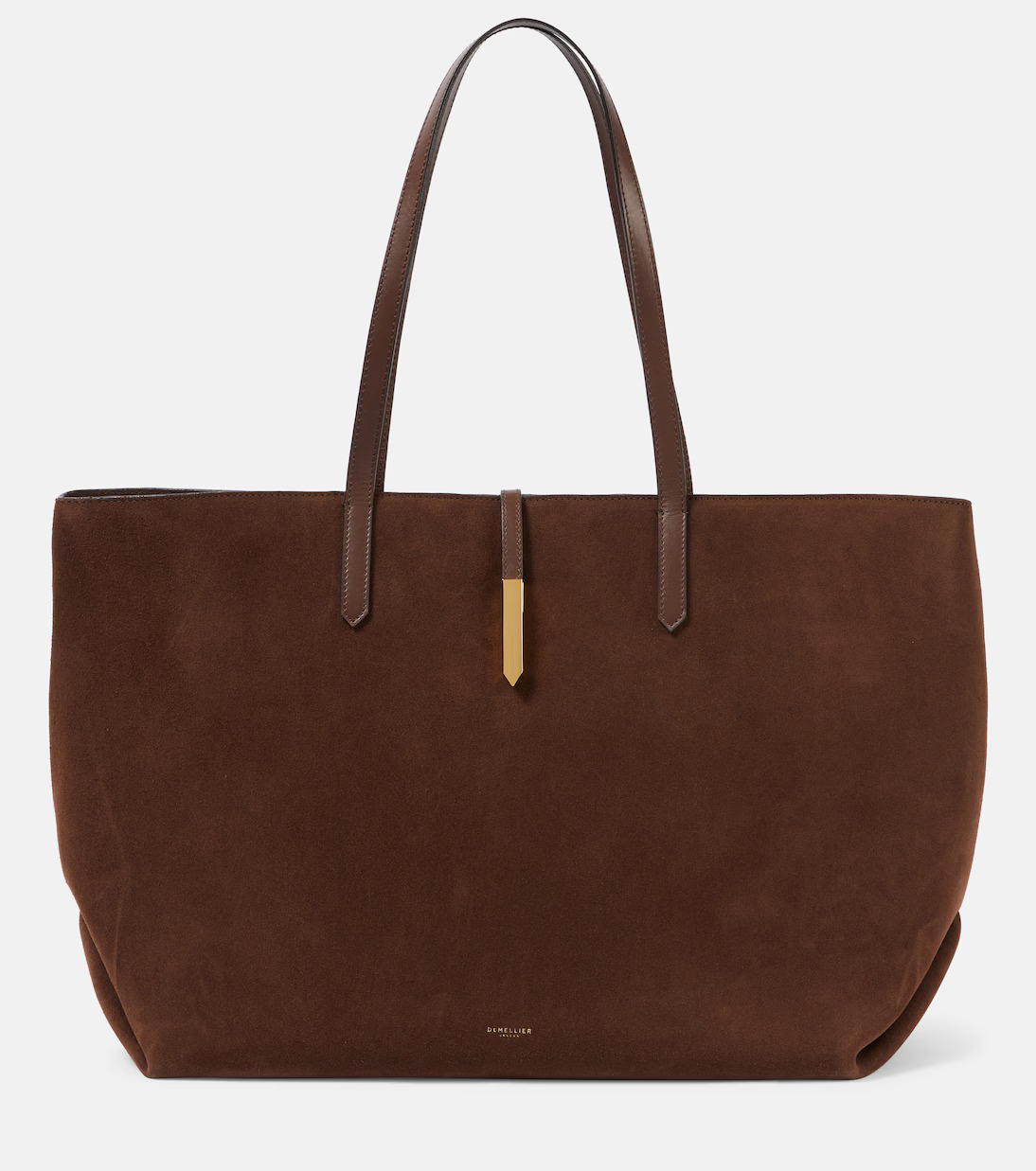
DeMellier Tokyo Large Suede Tote
$476 from $595 · 20% off
The Mocha tote is soft suede trimmed with grained leather, with a magnetic fastening and protective feet. It was marked Final Sale even though the item remained available to add to bag.
View the exact itemGucci Logo-Embellished Oval Sunglasses
$497 from $710 · 30% off
The unrimmed sunglasses have lightly tinted rosy-pink lenses, gold-tone metal frames, and faux-pearl temple details. Mytheresa listed a category 1 lens filter and marked the item Final Sale.
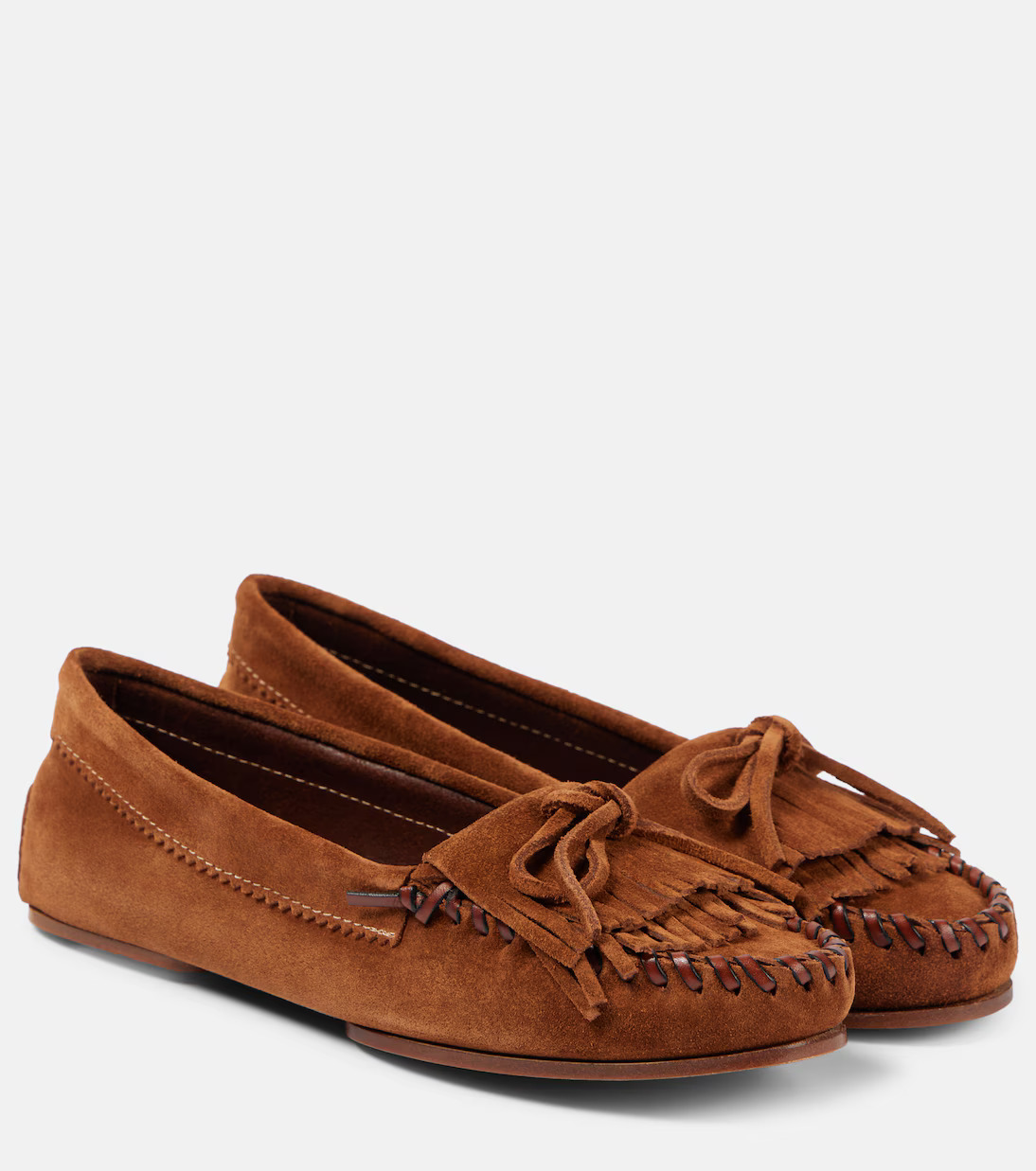
View the exact itemParis Texas Indiana Suede Loafers
$484 from $605 · 20% off
The Cognac loafers have leather uppers and linings, leather insoles, and leather-and-rubber soles. The page said they run small, showed many sizes as low stock, and marked them Final Sale.
View the exact item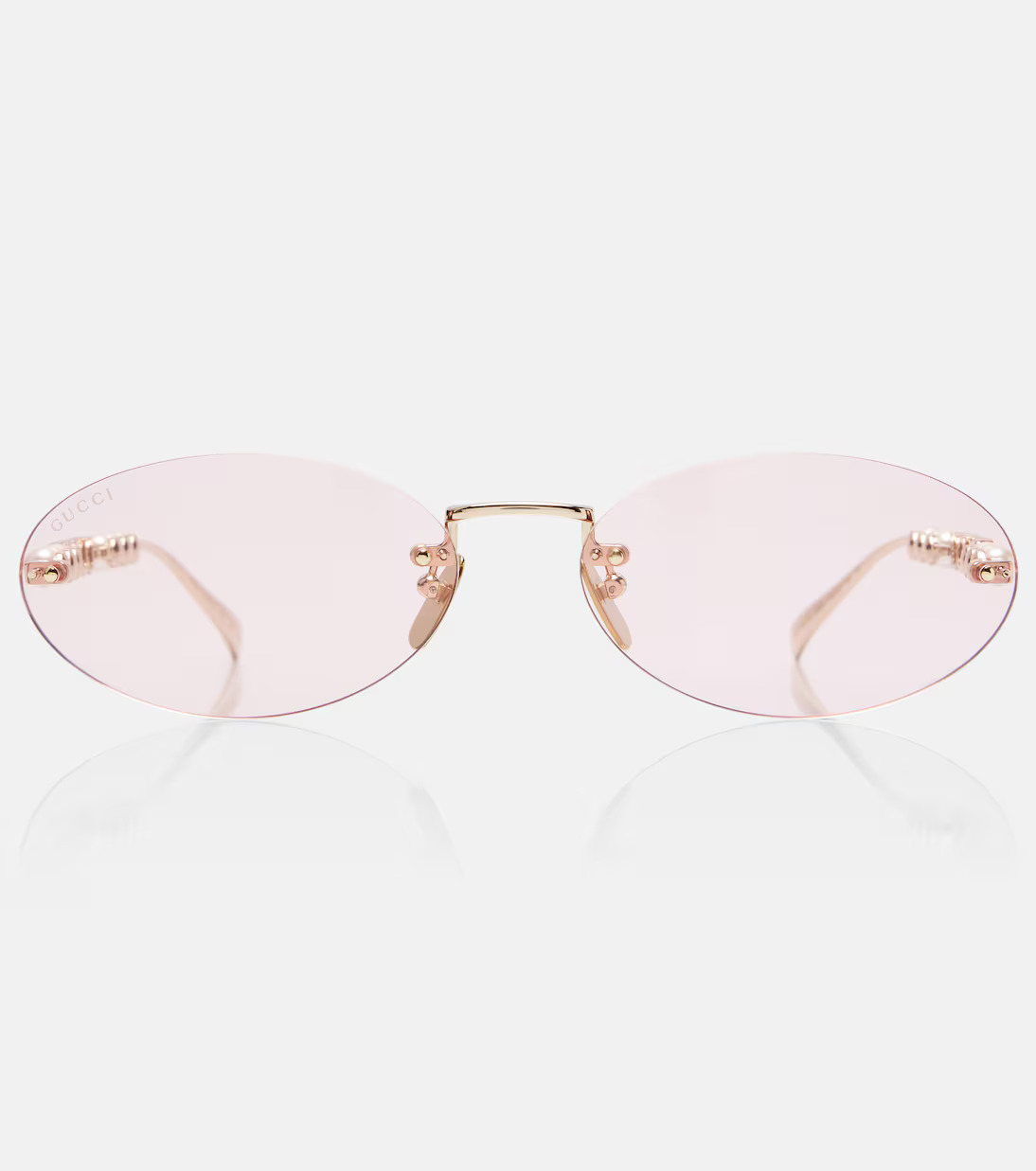
The comparison shows why percentage alone is incomplete. A 30 percent sunglasses reduction and two 20 percent suede reductions still carried the same Final Sale restriction. The loafers also ran small and showed low stock, while the tote and sunglasses had no size choice. Price, stock, construction, and return status must be read together.
How to read the markdown stage
First markdown means the price has moved but the assortment may still include more colors and sizes. It is the practical zone for an exact item that cannot be replaced easily. Further reduction trades some of that choice for a lower price. Final Sale is a policy status, not merely a deep discount; it can remove the option to correct a size or expectation error.
Track construction details too. A wool twill trouser with a blind hem is not a substitute for a silk trouser just because both are black. A jacquard jacket with a welt pocket may fill a different role from plain tailoring. The tracker should preserve material, color, size, and defining construction so a lower-priced alternative does not quietly become a different purchase.

Buy early or wait?
| Your condition | Better move | Reason |
|---|---|---|
| One exact size, color, and garment | Consider first markdown | A later price is useless if no acceptable substitute remains. |
| Several brands or silhouettes would work | Wait one stage | Substitutability gives you room to accept narrower inventory. |
| Fit or proportion is uncertain | Protect the return option | A returnable 30 percent reduction may carry less total risk than a non-returnable 50 percent reduction. |
| Purchase is for a fixed date | Set a deadline before the event | Shipping and alteration time reduce the value of waiting. |
| Item is marked Final Sale | Buy only with verified size information | The retailer may not allow a return or exchange. |
The reservation is simple: deep clearance can create a false sense of economy. Saving $900 on a $3,000 sweater is not useful if the size, color, or return terms make the garment wrong for the buyer. Price is one decision field, not the verdict.
Set up a sale watch that protects the purchase
- Save the exact product URL, not only a search-results page.
- Record size in the retailer's own system: US, UK, FR, IT, or DE.
- Capture full price, sale price, percentage, and date.
- Note whether the label says Sale, Further Reduction, or Final Sale.
- Read the policy again at checkout. Mytheresa and NET-A-PORTER exclude marked Final Sale items.
- Keep tags and packaging while evaluating an eligible return. Saks requires both where applicable.
- Check whether a current price-adjustment route applies. Saks provides a request channel, but eligibility is not automatic.
- Stop alerts after the purchase deadline so a later markdown does not distort a sound earlier decision.
A timeline by shopper priority
Maximum choice: review new arrivals in February-March and August-September, then act when an acceptable first markdown appears. Balanced price and choice: concentrate on June and late December. Lowest plausible seasonal price: search July-August and January-February, accepting that the remaining assortment may be small and return exclusions more common.
Promotion-led buyer: treat Mytheresa’s extra 20 percent over $350 as a separate layer, because the sale hub says it applies only to selected items and ends July 28, 2026 at 23:59 CET. Policy-first buyer: filter out Final Sale before comparing percentages. That single step can remove offers that do not fit the buyer's risk level.
The bottom-line buying window
Start watching designer clothes in late May for summer and in early December for winter. Buy at first markdown when the exact garment, color, and size matter. Wait into July-August or January-February only when several substitutes would work and a Final Sale outcome is acceptable.
The best calendar entry is not “sale starts.” It is “buy when price, stock, and return status meet the rule set before the search began.”
ChicAire editors independently research and select products. If you buy through our links, we may earn a commission.