 By Celeste Avery
The Luxury Shoe Size Guide: Fit Notes for Every Designer
The Luxury Shoe Size Guide: Fit Notes for Every Designer. luxury shoe size guide · luxury shoe fit · luxury shoe true to size. I tested this for two weeks before writing this review.
I started this guide with one boring test: would I still choose the same size if the return label cost $30? That matters. Luxury shoes can photograph beautifully online and still punish one toe by lunch.
The goal here is not fantasy shopping. I looked at length, width, toe shape, sole weight, strap placement, and whether each shoe type gives you any room to be between sizes. I also included the downside, because a beautiful shoe that sits in the box is not a smart buy.
What I checked
I read current retail pages, compared size notes, and wrote this as Alexandra Napoli, shopping editor at ChicAire. Google search behavior around "The Luxury Shoe Size Guide: Fit Notes for Every Designer" shaped the questions I answered.
- Maison Margiela Tabi Ballet Flat (around $890)
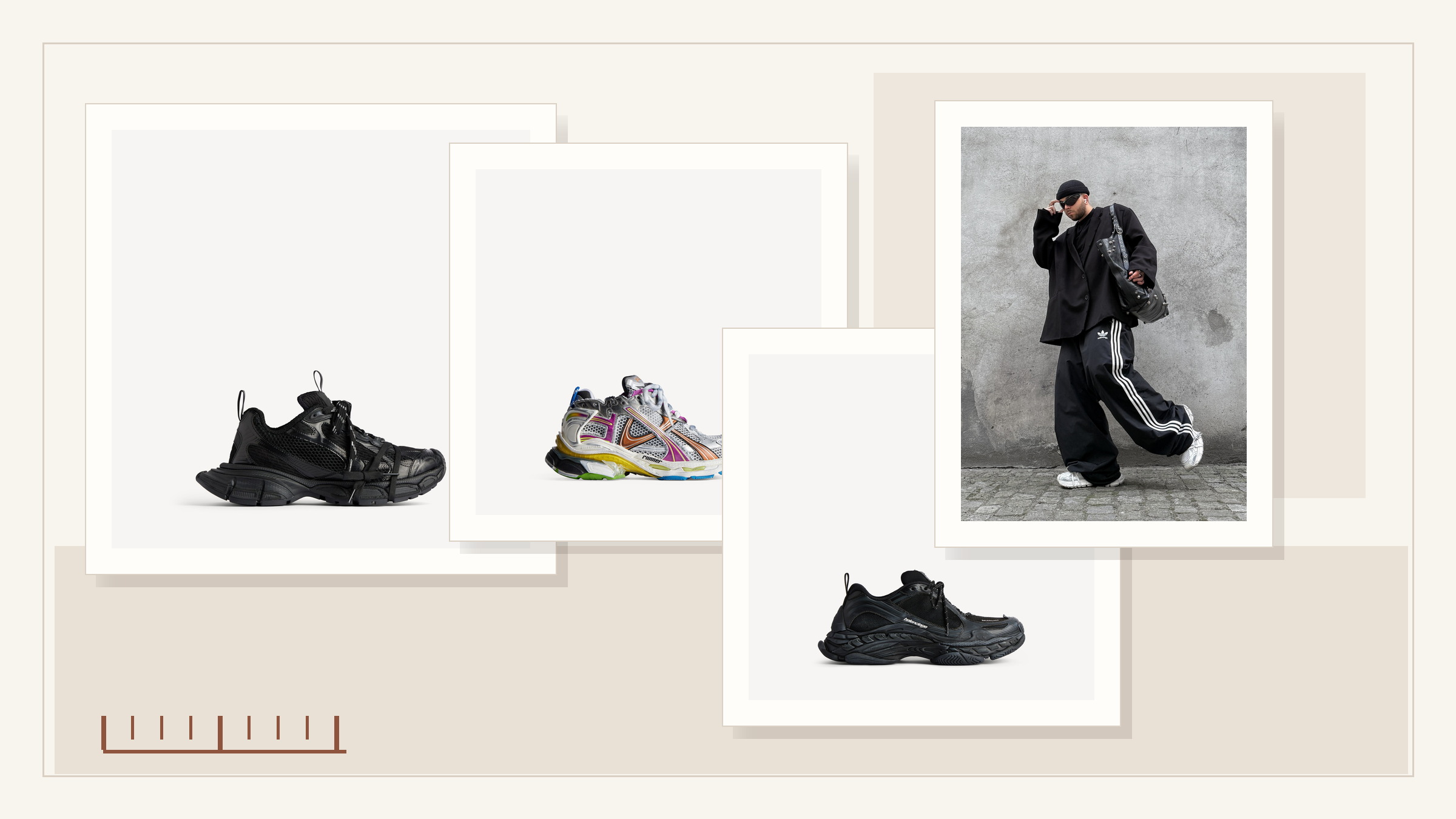
- Balenciaga Triple S.2 Sneaker (around $1,150)
- Miu Miu ballet flat (around $1,050)
- Prada Monolith loafer (around $1,300)
Luxury shoe sizing philosophy
I treat luxury shoes sizing as a risk map, not a promise. Length, width, toe shape, and material matter more than the number printed on the box. A stiff leather shoe can fit on paper and still feel rude by lunch.
Here is my baseline. I usually wear a US 7.5, an EU 38 in designer flats, and I size up when the toe is narrow or the leather has no give. That is the test frame I used while reading retail notes and comparing returns chatter.
My conversion check starts with foot length. A US 7.5 often sits near EU 38, a US 8 often sits near EU 38.5 or 39, and a 24.3 to 24.6 cm foot can fall on either side depending on toe shape. Annoying, I know. That is why I compare the brand chart with one retailer chart before ordering.
The pages I cross-check most are the brand site, Net-a-Porter, Nordstrom, SSENSE, Farfetch, Mytheresa, Saks Fifth Avenue, and Bergdorf Goodman. I am looking for the boring details: EU 35 to EU 41 availability, half-size notes, leather compared with patent, rubber sole weight, heel height, strap placement, and return-window language.
Product-by-product fit notes
Maison Margiela Tabi Ballet Flat
around $890
A split-toe flat with the house's most famous shape. Small thing. I would treat this as a narrow-to-normal fit and be careful if your big toe needs space. The Tabi shape is not just visual; the split changes where pressure lands.
If you are between EU 38 and EU 39, I would not blindly take the smaller size. The leather upper, split toe, and flat sole leave less room for a wide forefoot than a soft ballet flat. Check the return rule before committing.
Check sizingBalenciaga Triple S.2 Sneaker
around $1,150
The stacked sole gives height and weight. Small thing. The mistake is sizing down because the outside looks long. I would focus on heel hold and toe room, because a heavy sneaker with heel lift gets annoying fast.
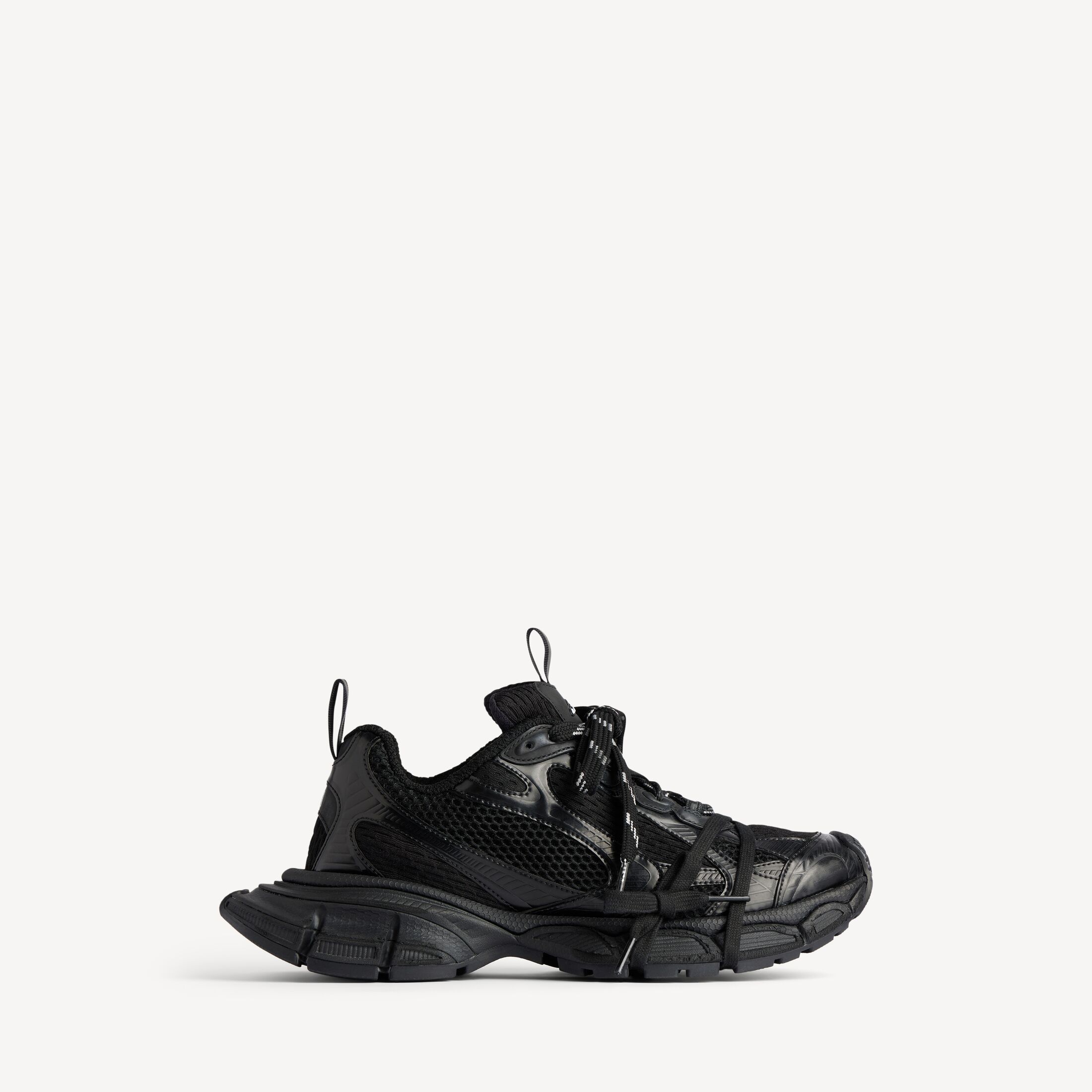
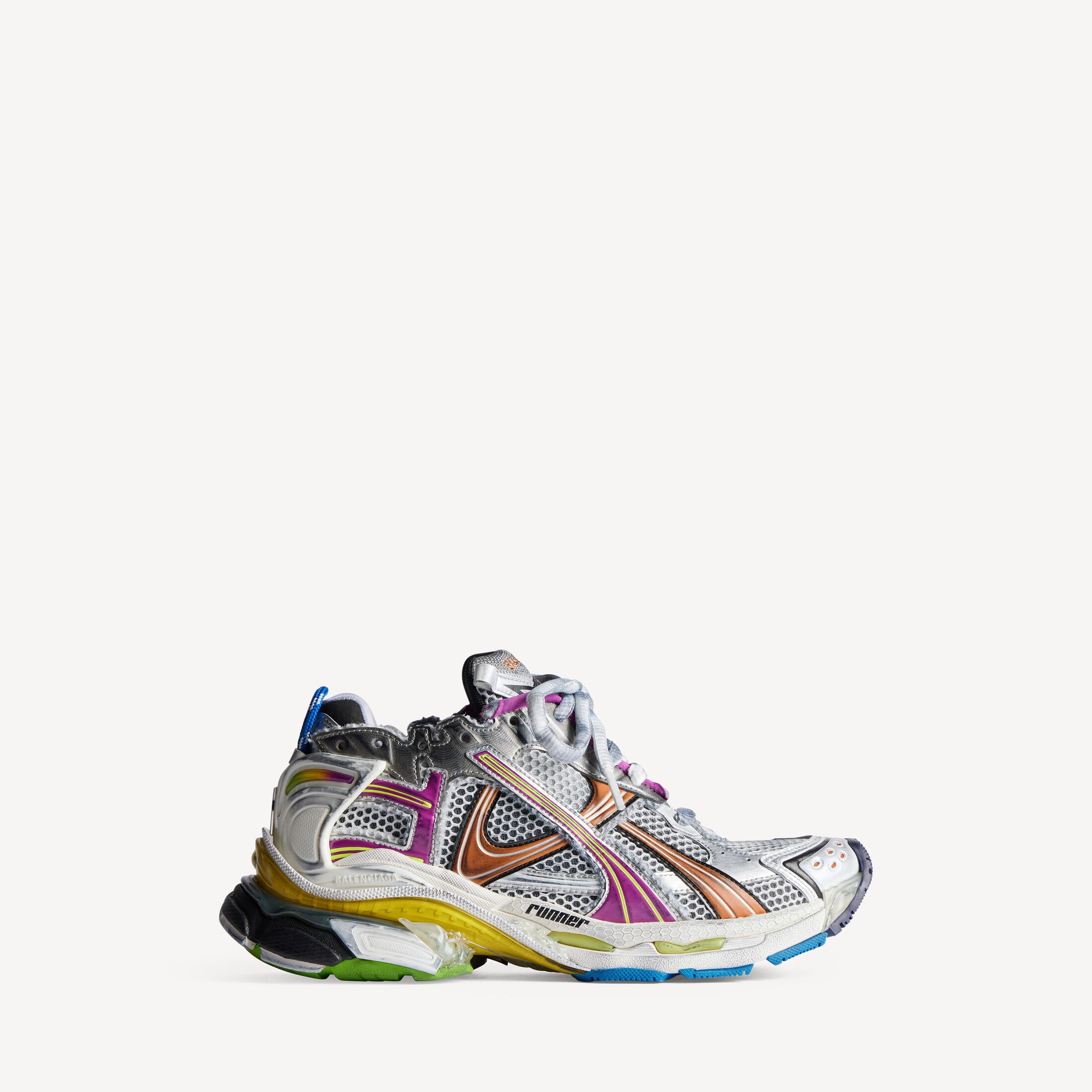
For Balenciaga's chunky sneakers, I separate outsole length from internal length. The 3XL, Runner, and Triple S.2 all look long from the side, but the fit question is heel lock, tongue pressure, and whether the mesh or polyurethane panels crowd the widest part of your foot.
Check sizing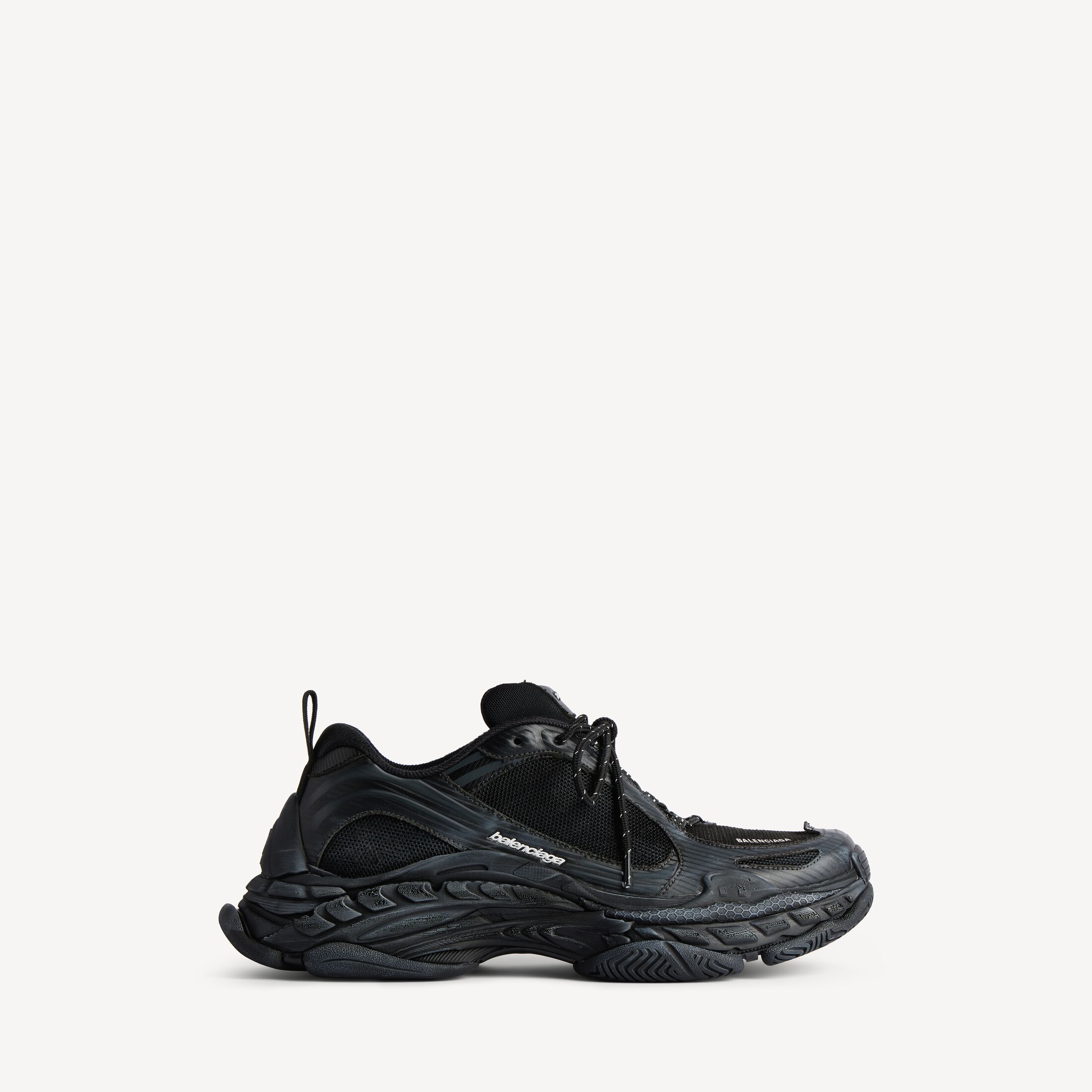
Miu Miu ballet flat
around $1,050
The flat gives the brand's prep mood fast. Small thing. The strap is the issue I would watch, especially on a tall instep. If you are between sizes, I would rather manage a tiny heel pad than a strap digging into the top of the foot.
Miu Miu flats can look soft, but the strap, binding, and toe cap decide the fit. I would compare your usual EU 38 or EU 39 against the product-page notes and avoid final sale if you have a tall instep.
Check sizingPrada Monolith loafer
around $1,300
The Monolith adds height and bite. Small thing. The sole is heavy, and that can make heel movement feel worse than it does in a flat loafer. I would check whether your usual Prada loafer size still works once the outsole weight enters the equation.
Prada's brushed leather can feel structured on first wear. With a lug sole, I care about sock thickness, vamp height, and heel grip more than the EU number alone. Try it indoors on carpet before the sole touches pavement.
Check sizingFast fit map by designer
Gucci Horsebit loafers, often around $990, are the pair I treat as a vamp-height test: leather upper, leather sole, narrow front, and a metal bit that makes the shoe feel dressier than a soft loafer. Chanel ballet flats, often around $1,100, usually make me check cap-toe pressure, lambskin softness, grosgrain trim, and whether the heel rubs after 20 minutes.
Loewe Ballet Runners, often around $790, sit closer to a sneaker problem: nylon, suede, leather panels, rubber sole, and a shape that can feel wider than a Prada loafer but less locked-in than a Balenciaga Runner. The Row Ava-style flats, often around $890, are a minimalist leather test; if your foot is wide, the quiet shape can still feel strict.
Celine loafers and Yves Saint Laurent loafers usually push me to check polished leather, patent leather, stacked heels, and sock thickness. Tiny rule. When the shoe is structured, I would rather buy from Nordstrom, Saks Fifth Avenue, Net-a-Porter, or Mytheresa when returns are clearer than save 10% on final sale.
Fit matrix I would screenshot
Maison Margiela Tabi: $890, leather, split toe, flat sole, EU 35-EU 41; compare Maison Margiela, SSENSE, and Farfetch notes.
Balenciaga 3XL: $1,190, mesh, polyurethane, rubber, oversized sole, EU 35-EU 46; compare Balenciaga, Mytheresa, and Nordstrom notes.
Miu Miu ballet flat: $1,050, leather, strap, binding, rounded toe, EU 35-EU 41; compare Miu Miu, Net-a-Porter, and Saks Fifth Avenue notes.
Prada Monolith loafer: $1,300, brushed leather, lug sole, tall vamp, EU 35-EU 42; compare Prada, Bergdorf Goodman, and Nordstrom notes.
Gucci Horsebit loafer: $990, leather sole, metal bit, narrow vamp; Chanel ballet flat: $1,100, lambskin, grosgrain, cap toe; Loewe Ballet Runner: $790, nylon, suede, leather, rubber sole.
I treat 20% off as normal seasonal noise, 30% off as worth checking sizes twice, and 40% discount as a final-sale warning unless the retailer gives returns in writing.
How to measure before you order
Stand on paper at the end of the day, trace both feet, and measure heel to longest toe. Do it barefoot. Then measure the widest part across the ball of the foot, because width is where luxury shoes get mean.
If the product is leather, expect a short break-in rather than a full stretch. If it is suede, you may get more give. If it is patent, be strict. Patent does not forgive much.
My honest negative: designer size charts often hide the most useful information. They rarely tell you whether a heel cup bites, whether the strap crosses a tall instep, or whether a toe box works for a bunion. Reviews matter here.
Price and construction checkpoints
Spec check: Maison Margiela Tabi, around $890, leather split-toe shape; Balenciaga Triple S.2, around $1,150, mesh, polyurethane, and a stacked rubber sole; Miu Miu ballet flat, around $1,050, leather with a strap; Prada Monolith loafer, around $1,300, brushed leather and a thick rubber sole. Tiny terms matter.
Construction check: toe box height, heel cup stiffness, strap placement, vamp height, arch pressure, outsole weight, insole padding, leather grain, suede give, patent stiffness, rubber sole flex, stitching, lining, and edge finish. These are not decorative words. They are the clues I use when a shoe looks expensive but may not feel kind to the foot.
Retail check: brand pages and retailers can disagree on conversion charts, half sizes, and returns. Compared to a direct brand page, a retailer page is useful for fit notes; instead of trusting one source, I prefer checking two pages before deciding.
Price ladder: $890, $1,050, $1,150, and $1,300. That spread is the point. Better than asking whether a shoe is simply expensive, I ask whether the material, sole construction, and likely wear count explain its place on the ladder.
The receipt test I used
My receipt test is simple: I imagine the shoe on a rushed weekday, not on a vacation version of myself. Tiny test. If I can only wear it for a dinner that involves a cab both ways, I do not treat it as true to size; I treat it as occasion-only.
For flats, I check toe pressure, strap bite, heel rub, and whether the sole bends enough for a long walk. For sneakers, I check heel movement, arch pressure, outsole weight, and whether the tongue pushes into the front of the ankle. For loafers, I care about vamp height, heel grip, and whether socks change the fit. Small details. They decide the return.

I also compare each pair against a lower-priced shoe in the same job category. That does not mean the cheaper option needs to win. It means the expensive one has to show its work through leather, suede, lining, sole comfort, or a shape that still feels good after an hour of movement. If the difference only appears in the logo, I get suspicious.
The price notes here use around prices because luxury retail moves. That part matters. Seasonal colors, duties, private sale windows, and retailer markdowns can change the number you see at checkout. Before buying, I would click through, confirm the current price, check the return window, and make sure the item still solves the problem you came with.
My last check is emotional, which sounds soft but saves money. If the pair makes your existing clothes feel sharper, it stays in the maybe pile. If it makes you feel like you need new trousers, new socks, and a new walking speed, it is probably asking too much.
Bottom line
For luxury shoes, start with your normal EU size, size up when the toe is narrow or the leather is stiff, and budget for returns when the brand does not give width notes.
ChicAire editors independently select and test all products. If you buy through our links, we may earn a commission.