The expression index
Fall 2026's expressive dressing shift
Peplums, altered proportions, tactile surfaces, and softened power tailoring suggest that restraint is no longer the season's only credible answer.
 By Lila Foster
The useful change is not “more” by itself. Fall's clearest looks add one legible point of character to a familiar garment, then leave enough calm around it to work.
The signal: personality has moved back into the cut
After several seasons dominated by pared-back wardrobe language, Fall 2026 is making room for visible decisions. A jacket may curve at the hip. A skirt may hold a tulip shape. Velvet, fringe, bouclé, paillettes, or engineered denim can turn a basic outline into the main event.
According to a report published by Vogue on July 13, 2026, three directions organize the shift: Updated Lady tailoring, Art Deco Evening, and Playful Proportions. The same report places peplum shapes at the front of its retail edit. That qualifies as a strong current signal because runway examples and newly listed products point in the same direction.
This report covers Fall 2026 runway evidence and a July 2026 price snapshot. It does not measure adoption, search growth, or sell-through. The term “shift” therefore describes a repeated design proposition, not a claim that understated wardrobes have vanished.
Shape
Peplums, curved hips, cocoon backs, and cropped jackets redraw proportion.
Surface
Velvet, fringe, paillettes, bouclé, denim treatments, and silk effects carry expression.
Contrast
A precise jacket meets a loose trouser; a rich texture meets a plain base.
The evidence crosses cities and wardrobes
A date-stamped reading makes the distinctions more useful. These observations come from the July trend report and the Fall 2026 collection reviews listed in the evidence ledger.
- February 12 · Ashlyn
Ashlynn Park, designer at Ashlyn, shaped double cashmere into a basque-backed jacket. - February 12 · Ashlyn
Acidic tweed framed the waist as a peplum and continued down the legs. - February 12 · Ashlyn
Wool fringe, bouclé, calfskin, shearling, jersey, and silk taffeta built surface contrast. - February 15 · Khaite
Catherine Holstein balanced black leather tailoring with organza, tulle, lace, and fluid skirts. - March 3 · Dior
The Bar jacket became a shrunken knit cardigan with a scrolling peplum. - March 3 · Dior
Minute pleating turned menswear checks into light silk rather than rigid suiting. - March 3 · Dior
Lamé, denim, lace, shearling, and balloon pants mixed decoration with familiar categories. - March 6 · Givenchy
The house relaxed its hourglass template across several tailoring characters. - March 6 · Givenchy
Pinstripes, peplum hips, double-pleated trousers, velvet, and silk fringe shared one collection. - March 8 · Niccolò Pasqualetti
Sculpted leather, cocoon outerwear, folds, and modular white shirts altered wardrobe archetypes. - March 9 · Chanel
Matthieu Blazy combined elongated drop waists with contemporary blouson jackets. - March 9 · Chanel
Mother-of-pearl paillettes, lurex velvet, embroidery, chainmail, and tweed supplied close-range detail. - March 9 · Chanel
Merino wool and silk tailoring sat beside lighter embroidered bias dresses. - March 10 · Christopher John Rogers
Bleached, over-dyed, hand-sanded denim created rich ombré surfaces. - March 10 · Christopher John Rogers
Bows, ribbons, ruffles, color, and long knit layers offered a softer expressive route. - March 10 · Christopher Esber
Leather, nylon, cashmere, faux fur, and shredded silk georgette turned engineering into texture. - July 13 · Vogue
Chanel, Givenchy, and Balenciaga anchored the Updated Lady grouping. - July 13 · Vogue
Khaite, Colleen Allen, Dries Van Noten, and Loro Piana informed Art Deco Evening. - July 13 · Vogue
Ashlyn and Christopher John Rogers helped establish the altered-proportion signal. - July 13 · Vogue
Tory Burch, Jil Sander, Prada, Dior, and Khaite broadened the visual sample.
The common thread is selective intensity. Givenchy's curving peplum and Chanel's embellished tweed jacket do not make the same statement, yet both reject an anonymous outline. Dior's Bar jacket remains recognizable even after its structure is softened.
Four versions, four different commitments
1. The peplum as punctuation
Dior, Givenchy, and Ashlyn each placed volume around the waist without repeating one formula. A knit scroll reads soft; a curving tailored hip reads formal; a tweed frame reads textural. The lowest-risk version is a top worn with straight trousers or a narrow skirt.
2. The Updated Lady
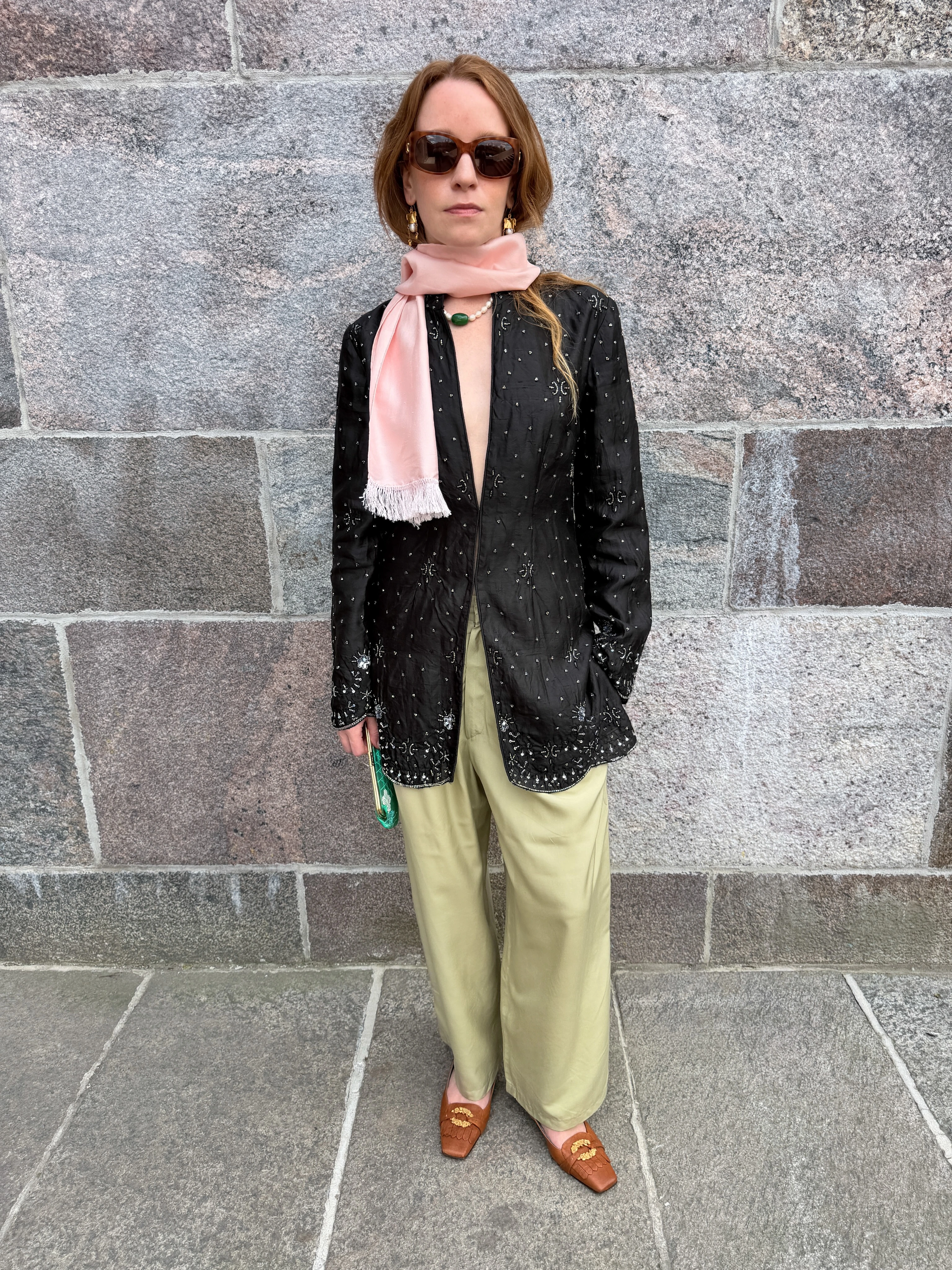
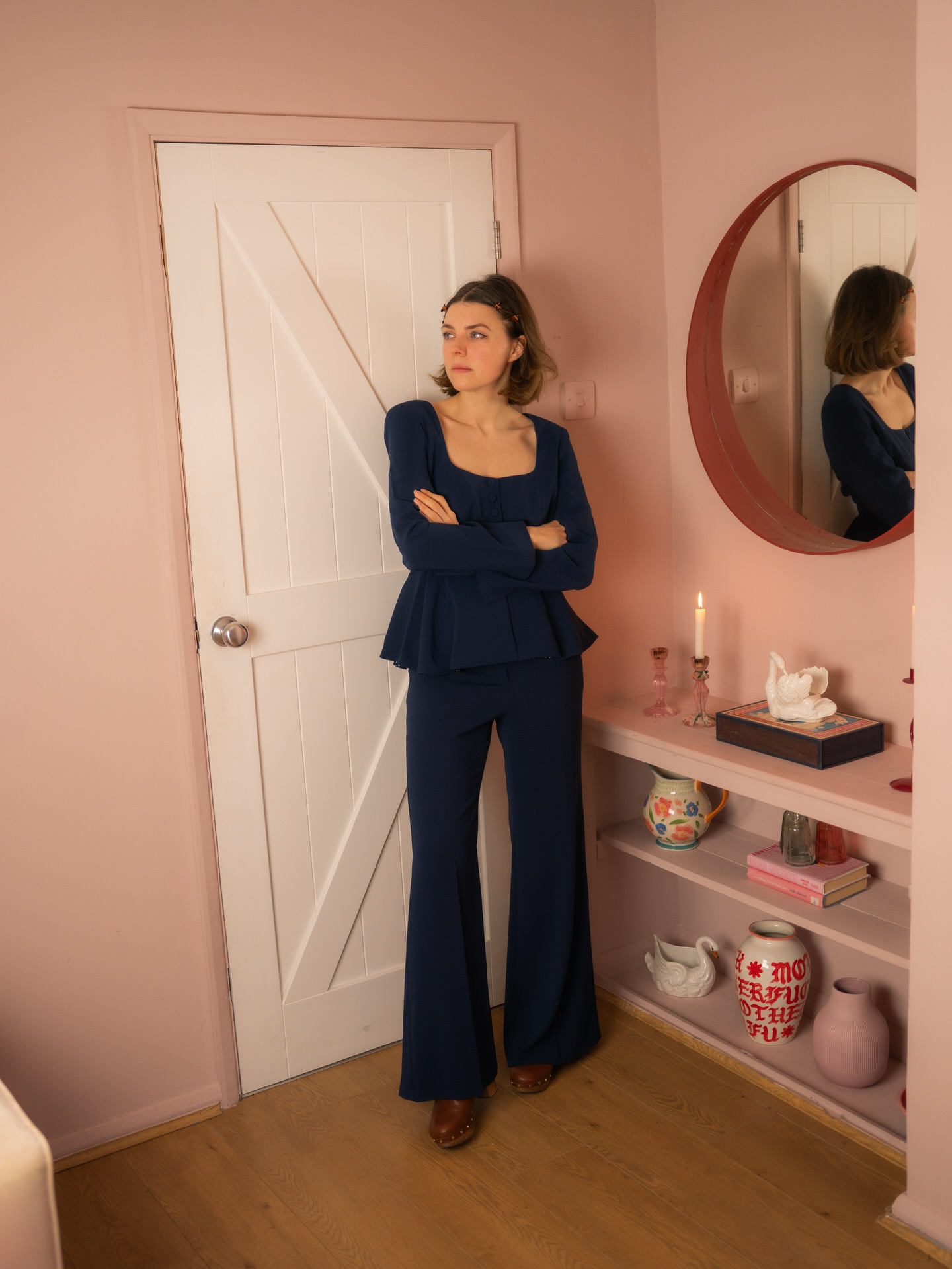
This is power dressing without a corporate uniform. The markers are a shaped jacket, a relaxed trouser, a sloping waist, or a rich surface. It suits wardrobes that already rely on tailoring because the novelty sits in proportion rather than a new category.
3. Playful proportion
Cocoon backs, cropped cuts, rounded dresses, broad pants, and dramatic hems demand more visual space. They work best when one area expands and the rest remains direct. A short jacket over a long line is easier to repeat than volume at shoulder, waist, and hem together.
4. Expression through texture
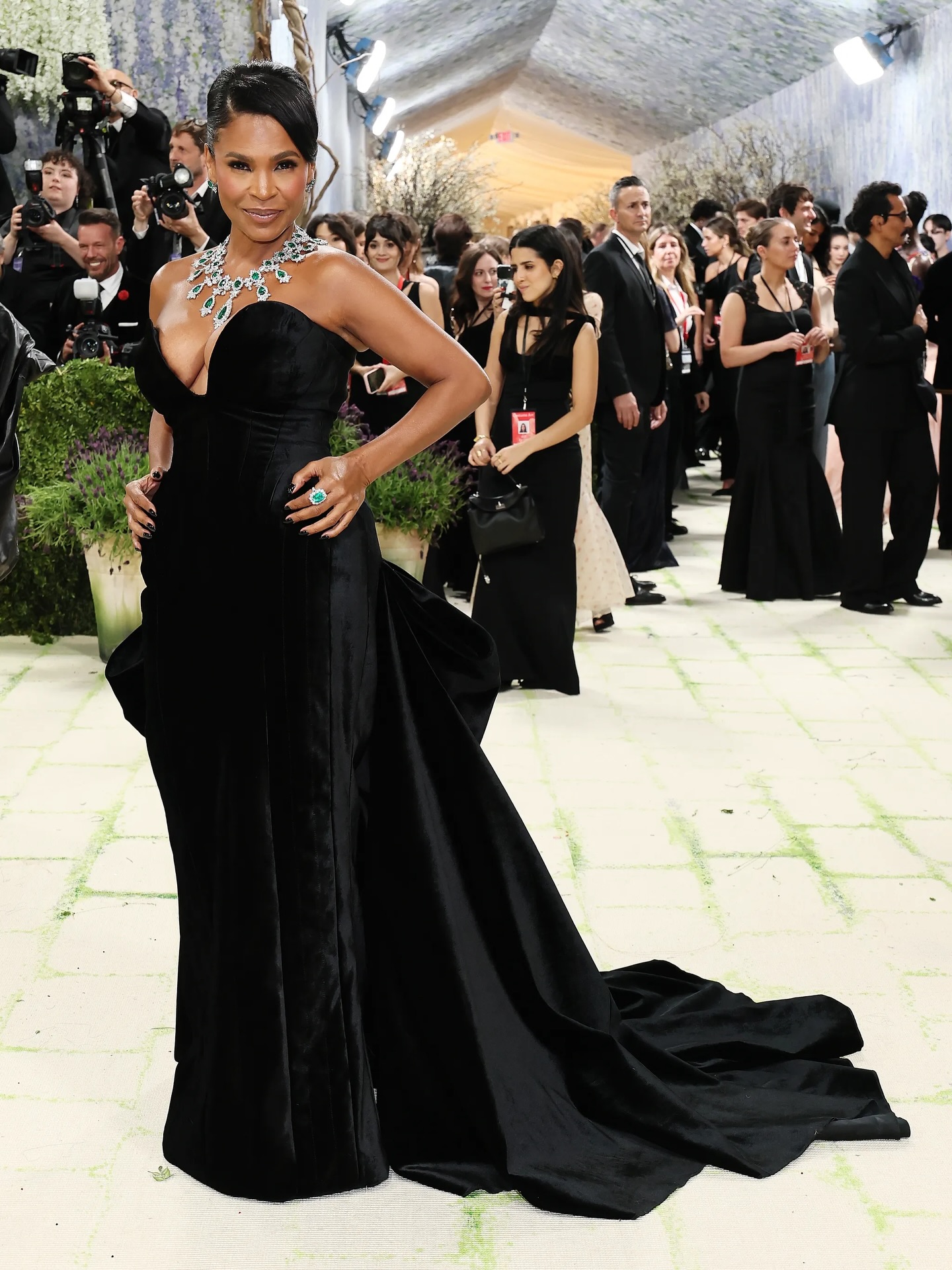
Chanel's paillettes, Givenchy's velvet and fringe, Rogers's worked denim, and Esber's shredded silk georgette prove that silhouette is not the only route. This version is useful for people who prefer conventional cuts but want depth at close range.
Adoption paths for different wardrobes
A minimal wardrobe can add one shaped jacket over a monochrome base. Black, cream, brown, or gray keeps the outline central. A compact peplum is enough; the shoe and bag can remain quiet.
A romantic wardrobe can use a fluid midi skirt, lace, velvet, or a softly curved hem. Pairing those details with a button-down or plain knit prevents the look from drifting into period costume.
A casual wardrobe should begin with denim or knitwear. Rogers's treated denim shows how surface can carry personality without changing the daily category. A rounded cardigan or cropped blouson offers a similar shift in shape.
An occasion wardrobe can lean into Art Deco references through fringe, gloves, velvet, or a geometric bag. Choose one era marker. Several together may read like a theme rather than a current evening look.
Where to invest, and where to experiment
Spend more when pattern cutting creates the effect: a jacket with a stable curved seam, trousers with controlled volume, or a skirt whose shape holds without a separate petticoat. Construction is harder to imitate through accessories.
Keep the experiment small with fringe, a brooch, a narrow belt, gloves, a cropped knit, or a secondhand velvet piece. Those elements can test the mood without tying several outfits to one season.
Vogue's July 13 retail snapshot provides a concrete price check. The listed price and retailer can change, so each line is a dated comparison rather than a promise:
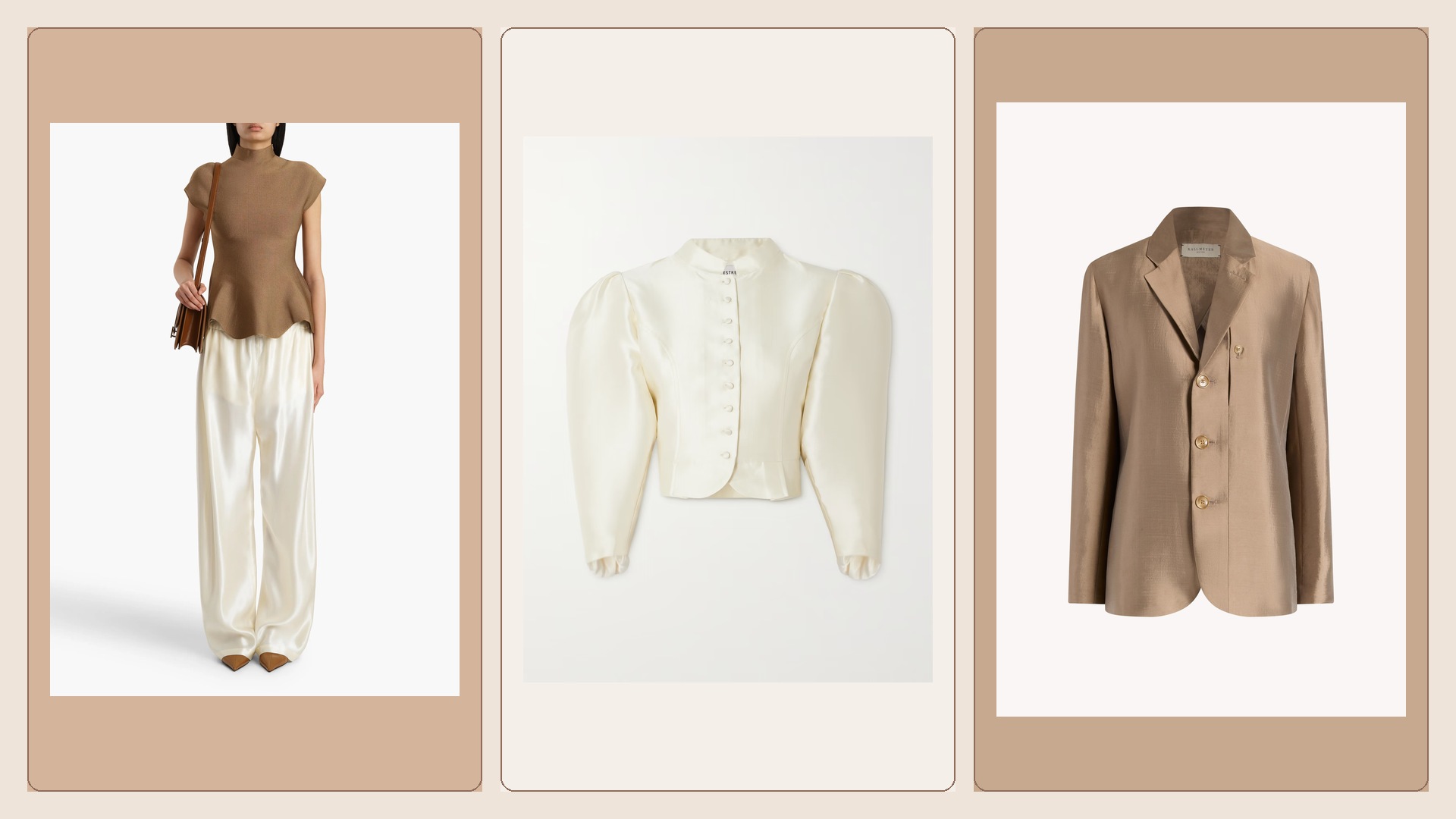
- July 13 · Khaite Andra top in Carob · $1,880 at Khaite
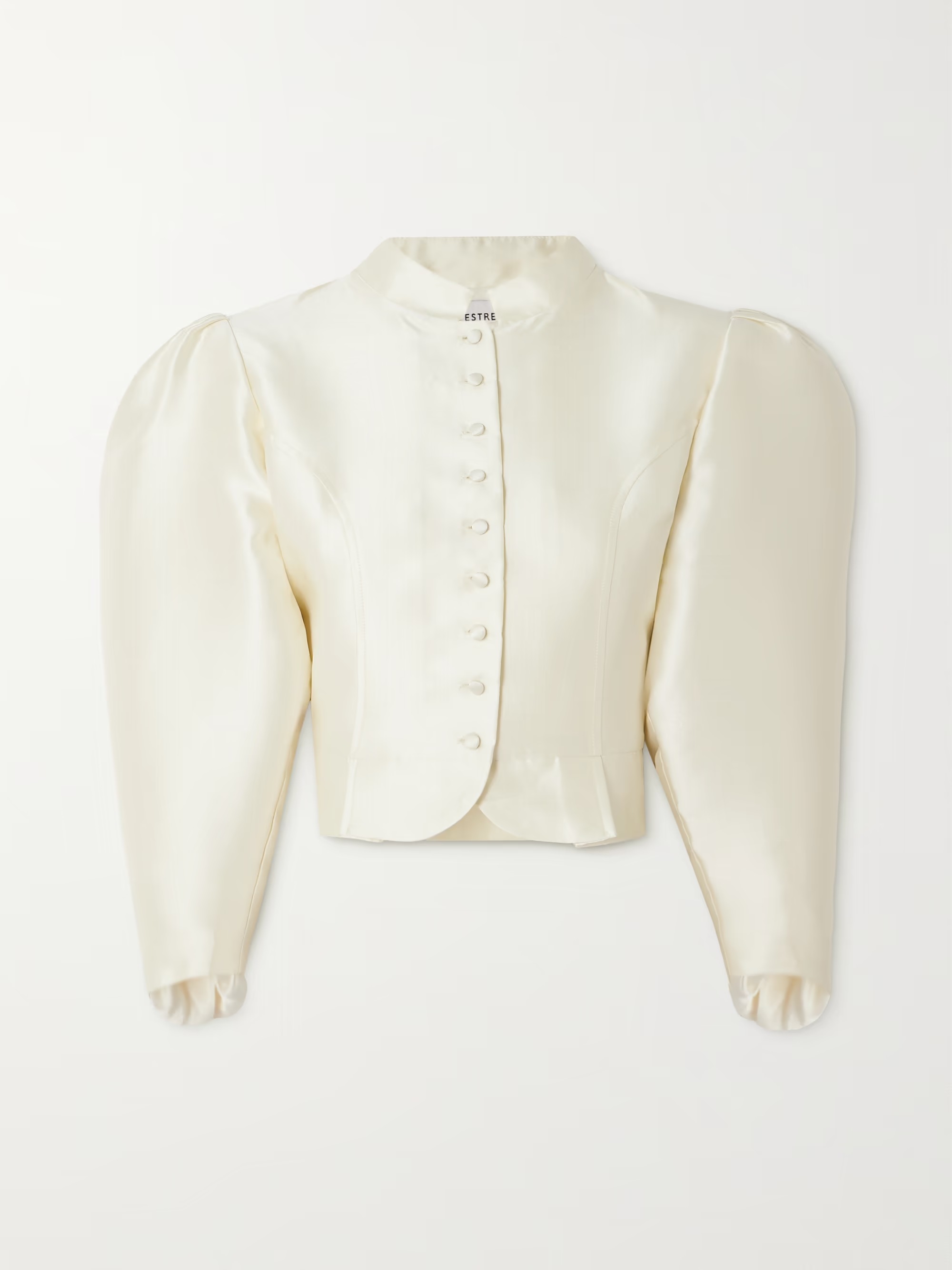
- July 13 · Destree Amoako cropped faille jacket in white · $610 at Net-a-Porter
- July 13 · Dôen Nellcote dress · $698 at Dôen
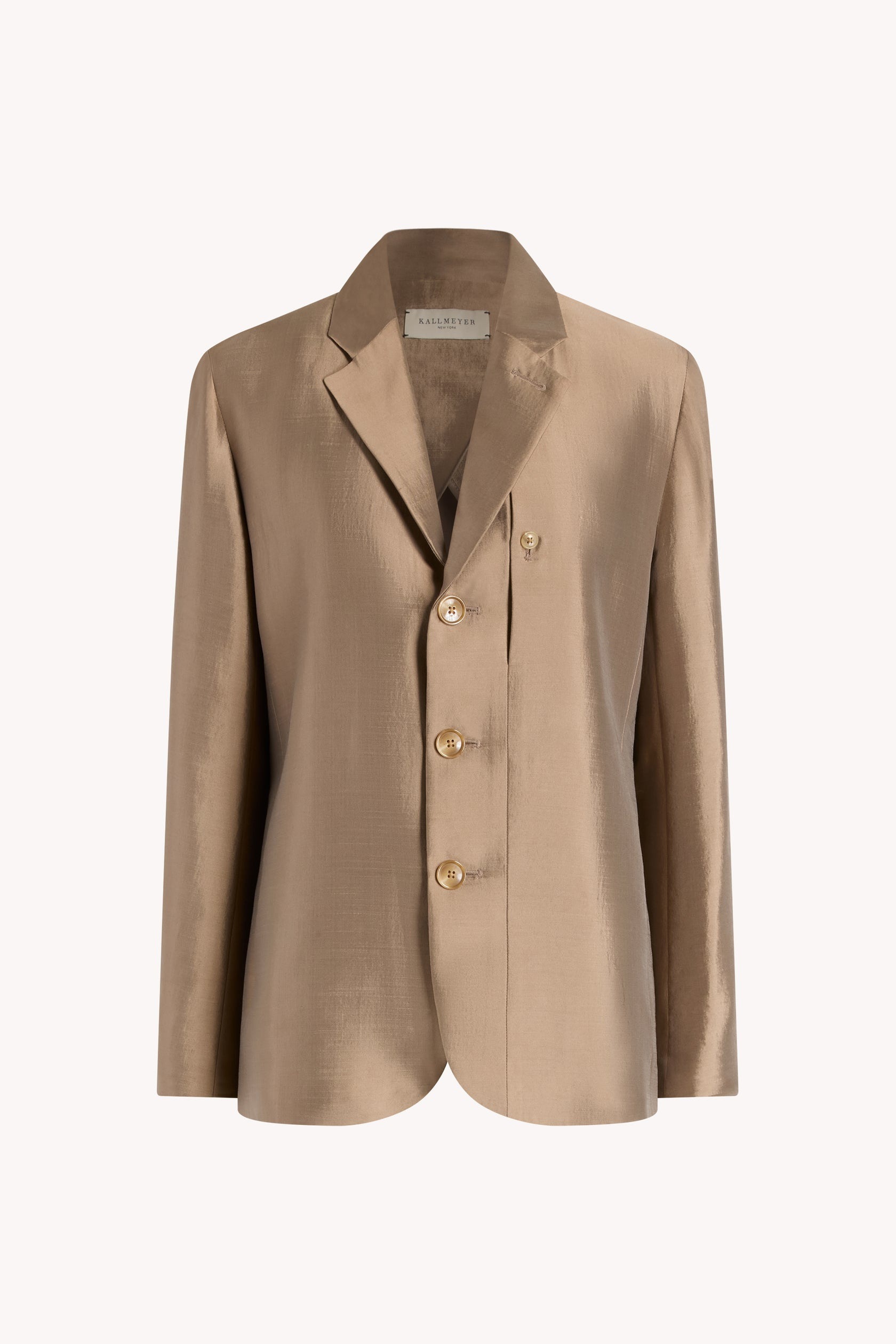
- July 13 · Kallmeyer James jacket in copper summer silk wool · $1,190 at Kallmeyer
- July 13 · Toteme Smoking coat · $1,340 at FWRD
- July 13 · Balenciaga Hourglass jacket · $3,550 at Balenciaga
- July 13 · Dior cropped jacket · $7,200 at Dior
- July 13 · Dior pleated miniskirt · $4,200 at Dior
- July 13 · Róhe tulip dress · $1,245 at Róhe
- July 13 · Aflalo Elena pants · $1,100 at Aflalo
- July 13 · Heirlome Marianne asymmetric top · $1,290 at Net-a-Porter
- July 13 · Ashlyn Suzu sweater skirt · $1,080 at Nordstrom
The July range runs from Destree $610 and Dôen $698 to Balenciaga $3,550 and Dior $7,200. That is a strong reason to isolate the detail you want before paying for the full designer proposition.
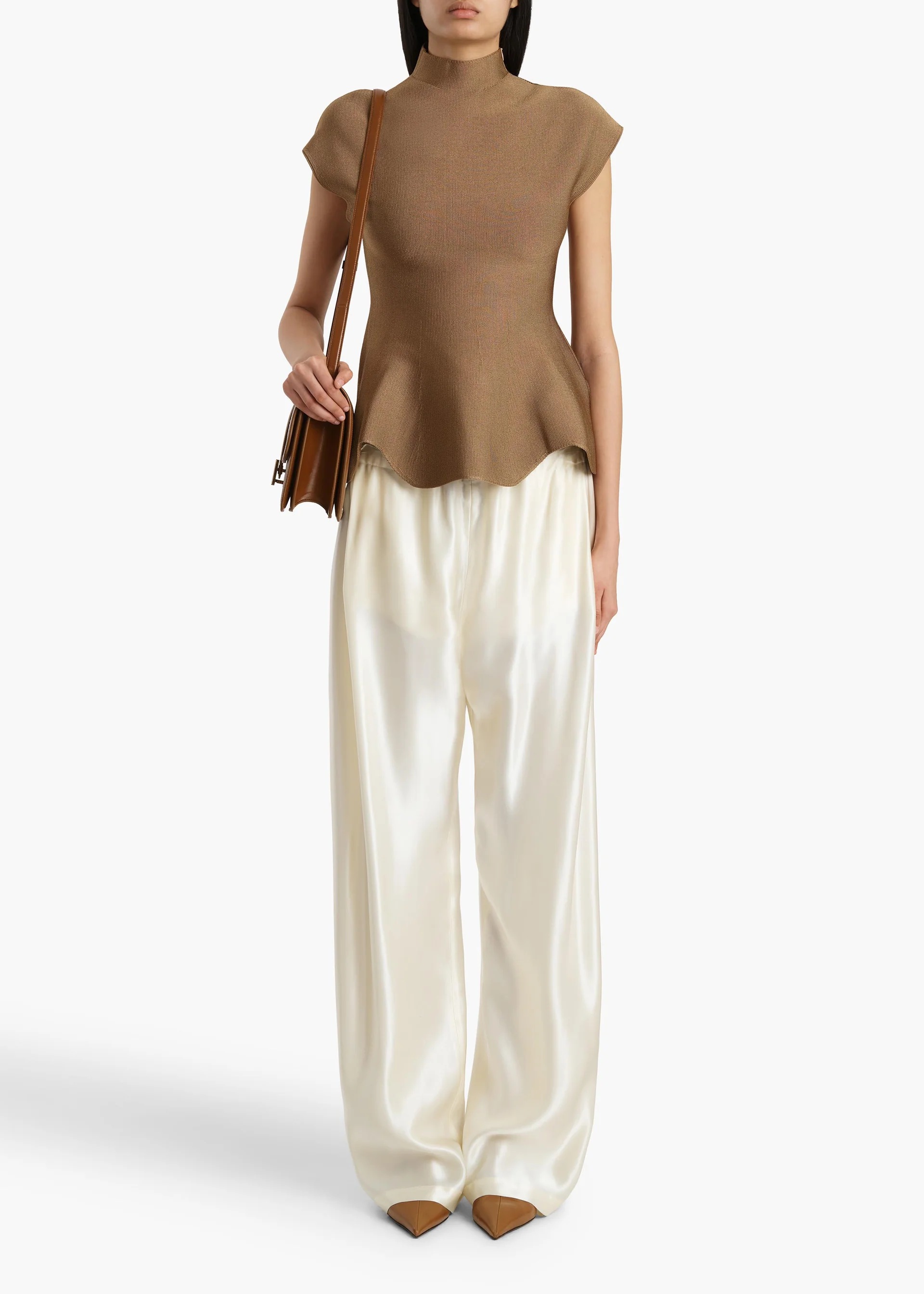
Khaite Andra top
A Milano-stitched, shaped-waist top that carries the Fall 2026 waist signal in one piece.
$1,880 at Vogue's July 13 snapshot
View at KhaiteDestree Amoako faille jacket
A white cropped jacket with a stand collar and exaggerated sleeves, connecting playful proportion with a familiar category.
$610 at Vogue's July 13 snapshot
View current Destree jacketsKallmeyer James jacket
A relaxed single-breasted jacket in copper summer silk wool: a quieter route into rich surface and softened power tailoring.
$1,190 at Vogue's July 13 snapshot
View at KallmeyerPrice note: listed prices reflect the July 13, 2026 Vogue snapshot and may change. The sources support product names and prices, not fit, fabric hand, durability, or personal results.
The catch: a broad mood can fragment quickly
The downside is that “expressive dressing” contains several different stories. Peplums, Art Deco eveningwear, technical texture, and cocoon volume may not rise or fade together. Treating them as one shopping mandate would overstate the evidence.
Literal peplums carry the greatest saturation risk because their outline is easy to copy and easy to date. Rich material work and adjusted tailoring have a longer path because they do not depend on one instantly recognizable hem.
There is also a practicality limit. Deep fringe, pale organza, large sleeves, and extreme volume can create care, storage, or layering problems, but the current sources do not test those outcomes. Buyers should inspect construction and care information rather than infer performance from runway images.
The bottom-line forecast
Fall 2026 will look more expressive through shaped waists, altered scale, and tactile surface, but the strongest outfits will use one of those levers at a time. Peplums are the clearest short-term marker. Soft power tailoring and material contrast have the better longevity case.
Watch retail through early fall for repeated curved seams, cropped jackets, tulip skirts, and worked denim across more price levels. If those details spread beyond designer edits, the runway shift will have a measurable second stage. For now, buy the construction you can explain, not the broad mood.
ChicAire editors independently research and select products. If you buy through our links, we may earn a commission.