Premium Jeans, polos or a Fierce fragrance — what should be your first Abercrombie buy?+
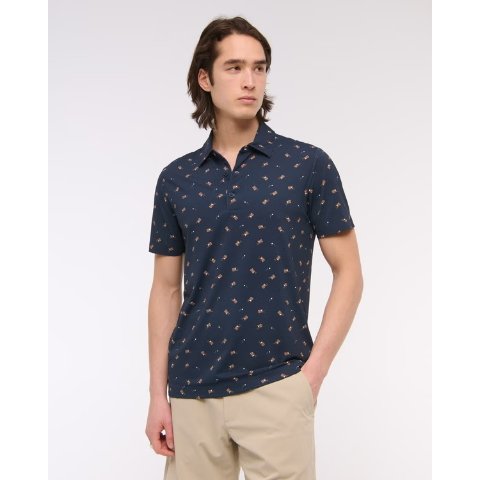
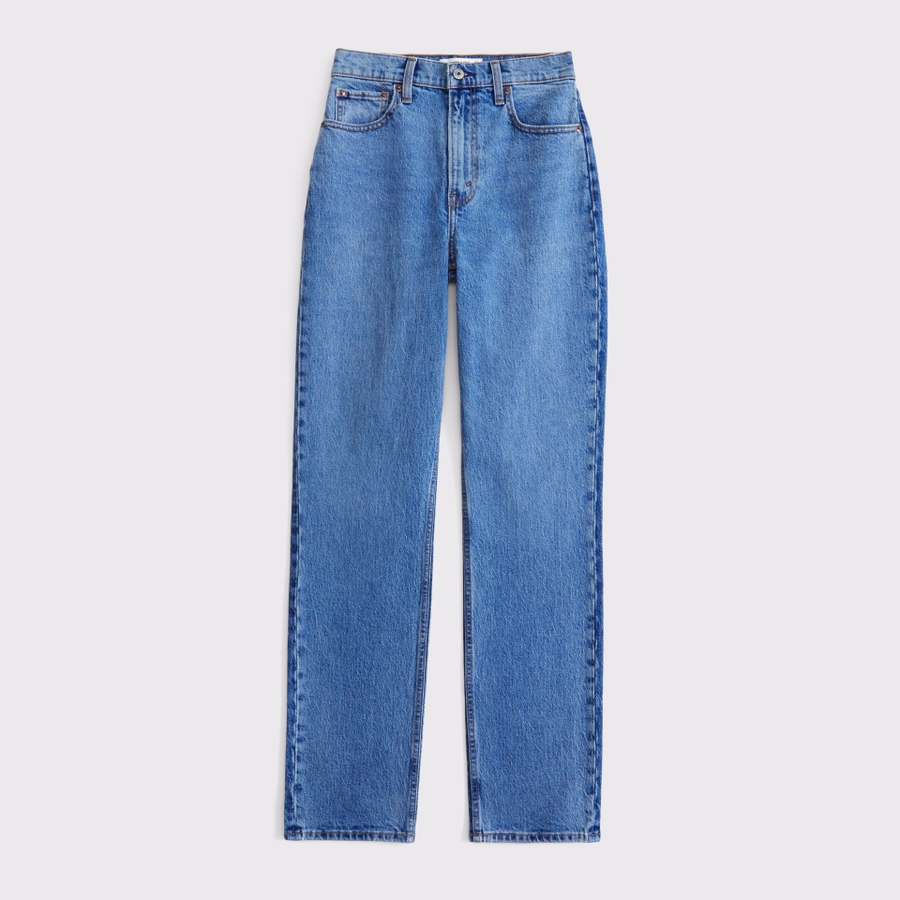
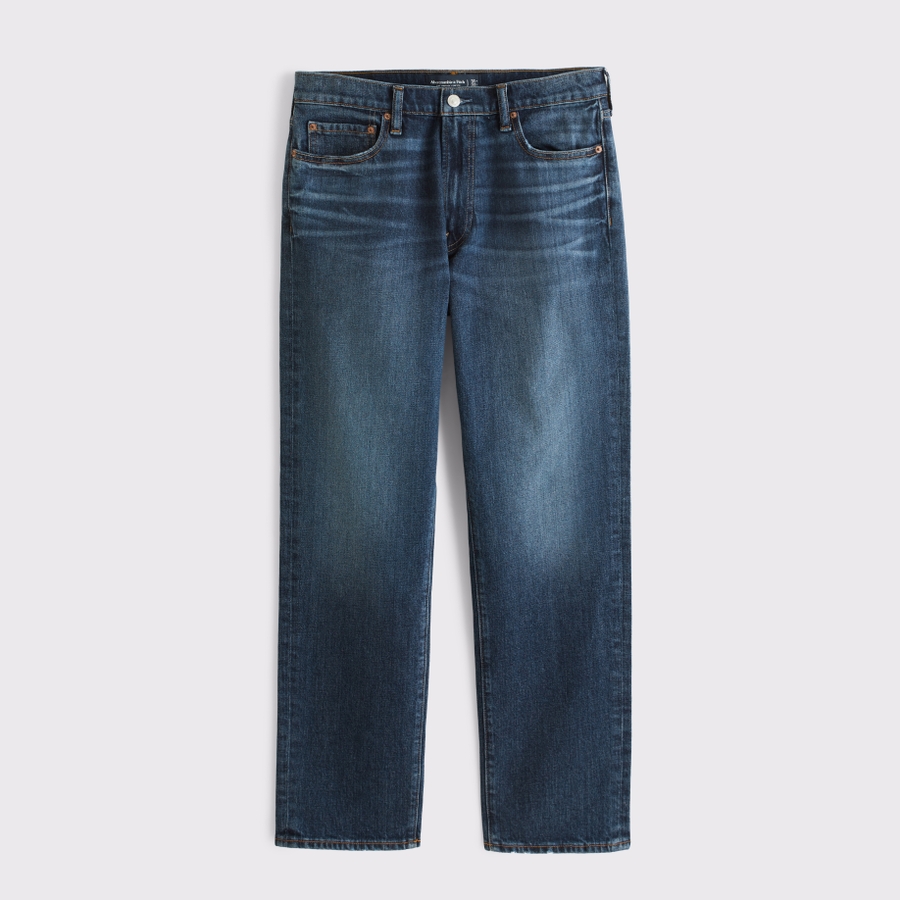
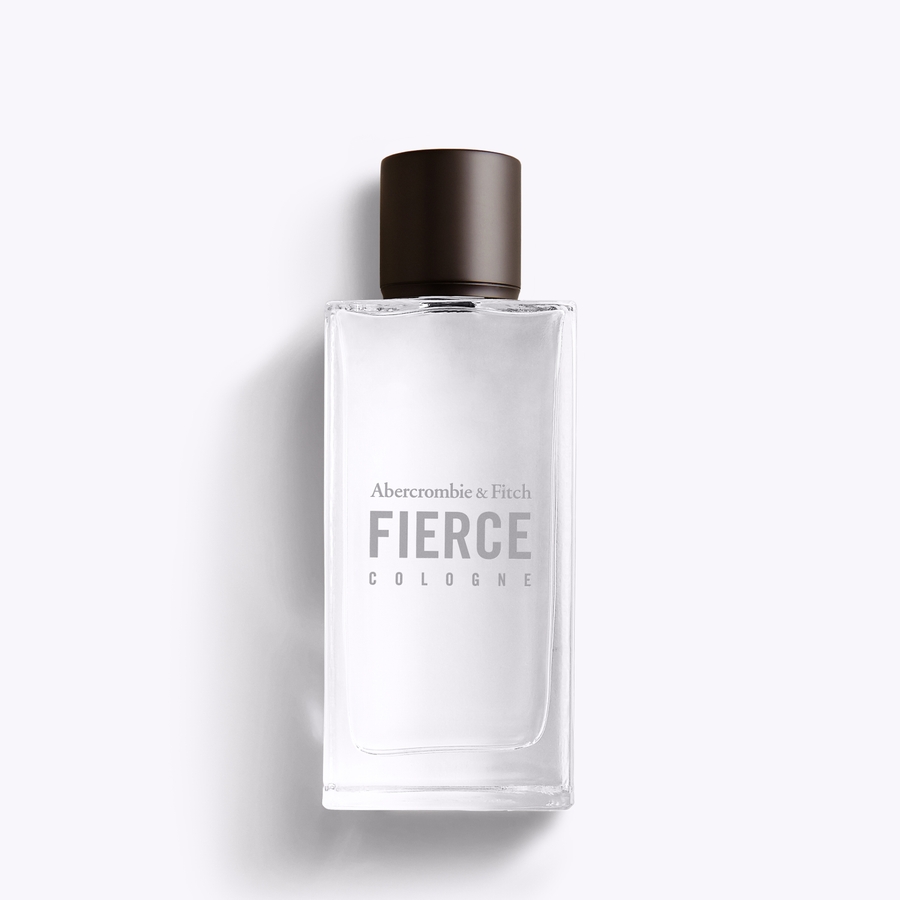
Start with the denim. A&F heavily promotes its Premium Jeans, and they are the pieces shoppers reach for again and again — the comeback was built on fit-forward denim more than anything else. The polos are the safe, classic-cool staple if you want an everyday basic, while Fierce, one of the brand's two signature scents, is the low-commitment way to buy into the label. If you only take home one thing, make it a pair of jeans.
What is Abercrombie's "Curve Love" denim and how should I size it?+
Curve Love is Abercrombie's fit cut for anyone whose hips and thighs run fuller than their waist — it adds room through the seat and legs so the waistband sits flush instead of gapping. Buyers consistently report two things: the fit is genuinely flattering for that body shape, and the sizing runs a touch generous and stretches with wear. The honest advice is to take your usual size and size down only if you like denim snug, since it relaxes after a few wears.
Is Abercrombie & Fitch actually good quality now, or just riding the hype?+
The quality is real, especially on the denim and elevated basics that anchor the range — these are the pieces shoppers say feel well-made and last for years. It is fair to call out that consistency varies: some softer knits and bodysuits pill, and the odd item misses. But the brand has earned its near-luxury positioning back, and on its core categories you are getting solid construction for the price. Buy the heroes, be a little more cautious on the trend-driven extras.
Why did Abercrombie & Fitch collapse and then come roaring back?+
Under CEO Mike Jeffries (1992–2014) the brand soared on a hypersexualized, deliberately exclusionary image — and then that same image curdled. After Jeffries resigned in December 2014, Fran Horowitz took over as CEO in February 2017 and steered the company toward customer service, a broader 20s-to-40s audience and a less rigid look. The turnaround stuck: the brand renamed its in-store "models" to brand representatives, dropped the forced uniform, and rebuilt itself into one of retail's most talked-about recoveries.
Abercrombie vs American Eagle vs Hollister — which should you buy?+
All three sell casual American staples, so it comes down to budget and fit. Abercrombie sits at the top for quality and design — and price. Hollister is A&F's own SoCal-themed brand aimed at 14-to-18-year-olds and sits at a noticeably lower price point, so it is the budget route into the family look. American Eagle splits the difference. If denim quality is the priority, Abercrombie wins; if you want close-enough at a lower price, look at its own sibling Hollister.
Is Hollister just a cheaper version of Abercrombie?+
Essentially, yes — Hollister Co. is one of Abercrombie's own offshoot brands, launched in 2000 as a concept built around an "optimistic, laidback California lifestyle." It is themed for teenagers 14 through 18 and carries significantly lower prices than the parent label. Same company, same DNA, lighter price tag and a younger target. Gilly Hicks and Abercrombie Kids round out the family.
How old is Abercrombie & Fitch and what did it originally sell?+
It is one of the oldest American clothing brands, founded in 1892 in New York City by David T. Abercrombie as an outfitter for the elite outdoorsman. For its first decades it sold expensive shotguns, fishing rods, boats and tents — it outfitted Theodore Roosevelt's safari and Admiral Richard E. Byrd's expedition to Antarctica, and Ernest Hemingway was a regular. The wealthy lawyer Ezra Fitch bought in around 1900, and the firm was incorporated as Abercrombie & Fitch Co. in 1904.
Where is Abercrombie & Fitch headquartered, and who owns it?+
Abercrombie & Fitch Co. is a publicly traded American company headquartered in New Albany, Ohio, just outside Columbus, on a 350-acre campus the brand calls "The Home Office." It was spun off as a separate public company in 1996 after years under Les Wexner's The Limited (later L Brands), so today it answers to public shareholders rather than a parent group. It also runs regional Home Offices in London and Shanghai.
What was the Mike Jeffries "good-looking, cool kids" controversy?+
In 2013 a 2006 interview with then-CEO Mike Jeffries resurfaced and went viral, in which he said the brand was for "the good-looking, cool kids" and openly admitted "a lot of people don't belong" in the clothes, including overweight people. The backlash was fierce, amplified by Kirstie Alley and Ellen DeGeneres, and Jeffries issued a public statement of regret. It became the defining symbol of the exclusionary era the company has since worked hard to leave behind.
Was Abercrombie ever sued over its "Look Policy" and hiring?+
Yes, repeatedly. In the 2004 case González v. Abercrombie & Fitch the company settled a class action over preferentially giving sales and management roles to Caucasian males, paying $40 million and overhauling its hiring and diversity practices. Its "Look Policy" also drove the landmark EEOC v. Abercrombie & Fitch case, where the U.S. Supreme Court ruled 8–1 in 2015 against the company for refusing to hire a teenager who wore a hijab. These cases are a big part of why the modern brand emphasizes inclusion.
Does Abercrombie & Fitch ever go on sale, and when's the best time to buy?+
It does now — a real shift, since during the late-2000s recession the company famously refused to discount, arguing markdowns would "cheapen" its near-luxury image. Today the denim and basics rotate through promotions like most American apparel, so the smart play is to buy your wardrobe staples during the major seasonal turnovers and end-of-season clear-outs rather than at full price the week an item lands. Save full-price urgency for a piece you genuinely can't risk selling out.
 Abercrombie & Fitch