Is the C.P. Company Goggle Jacket worth it?+
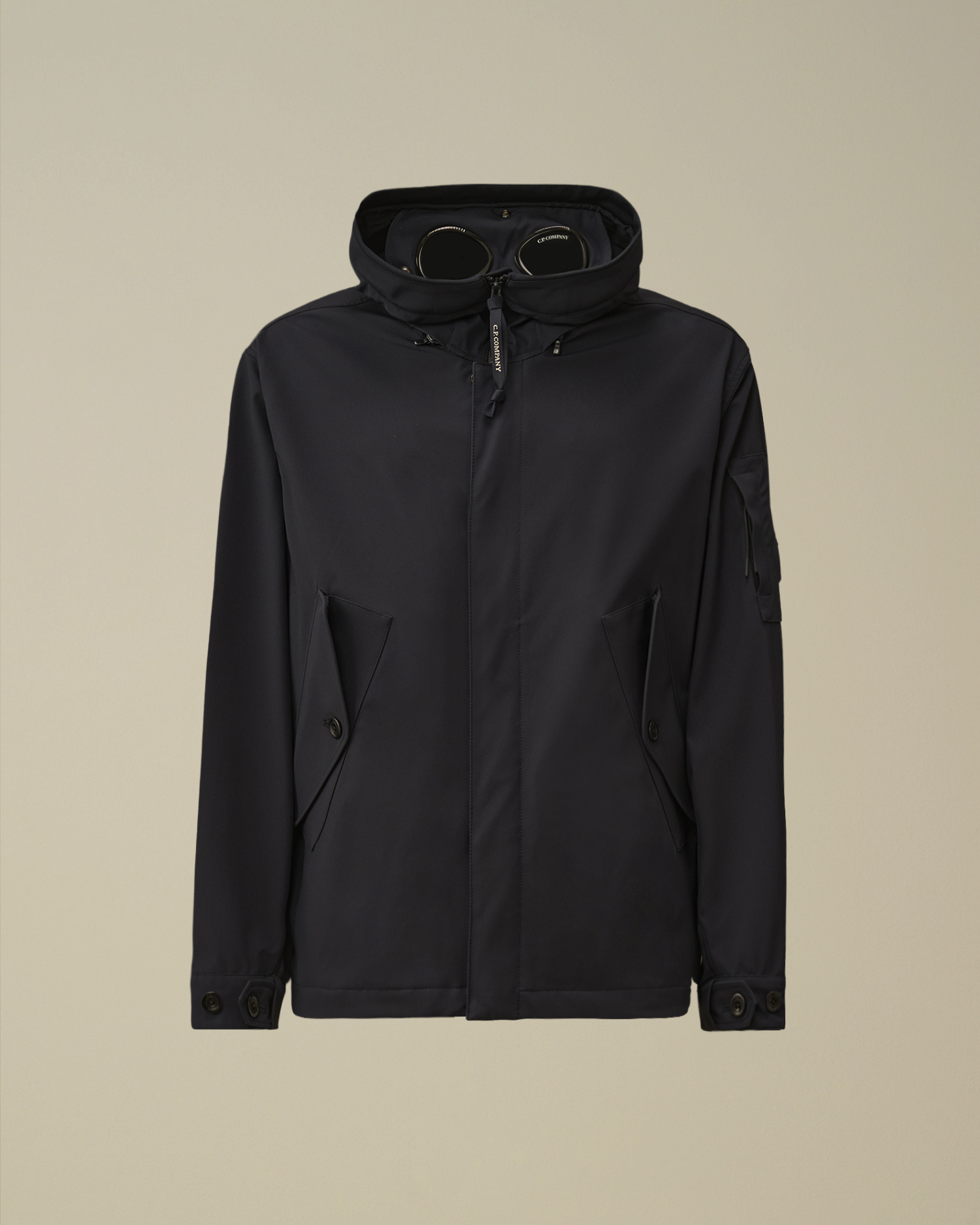
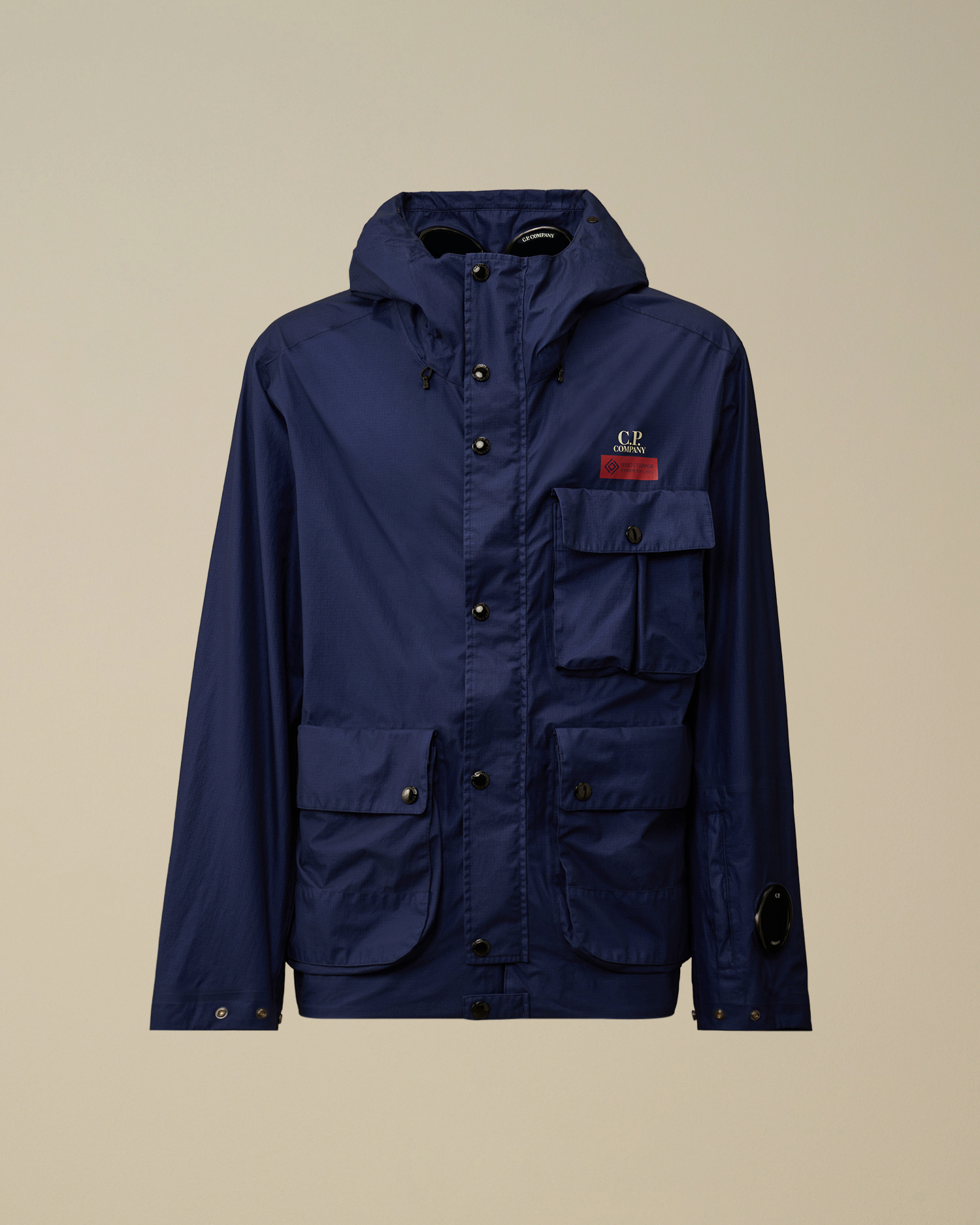
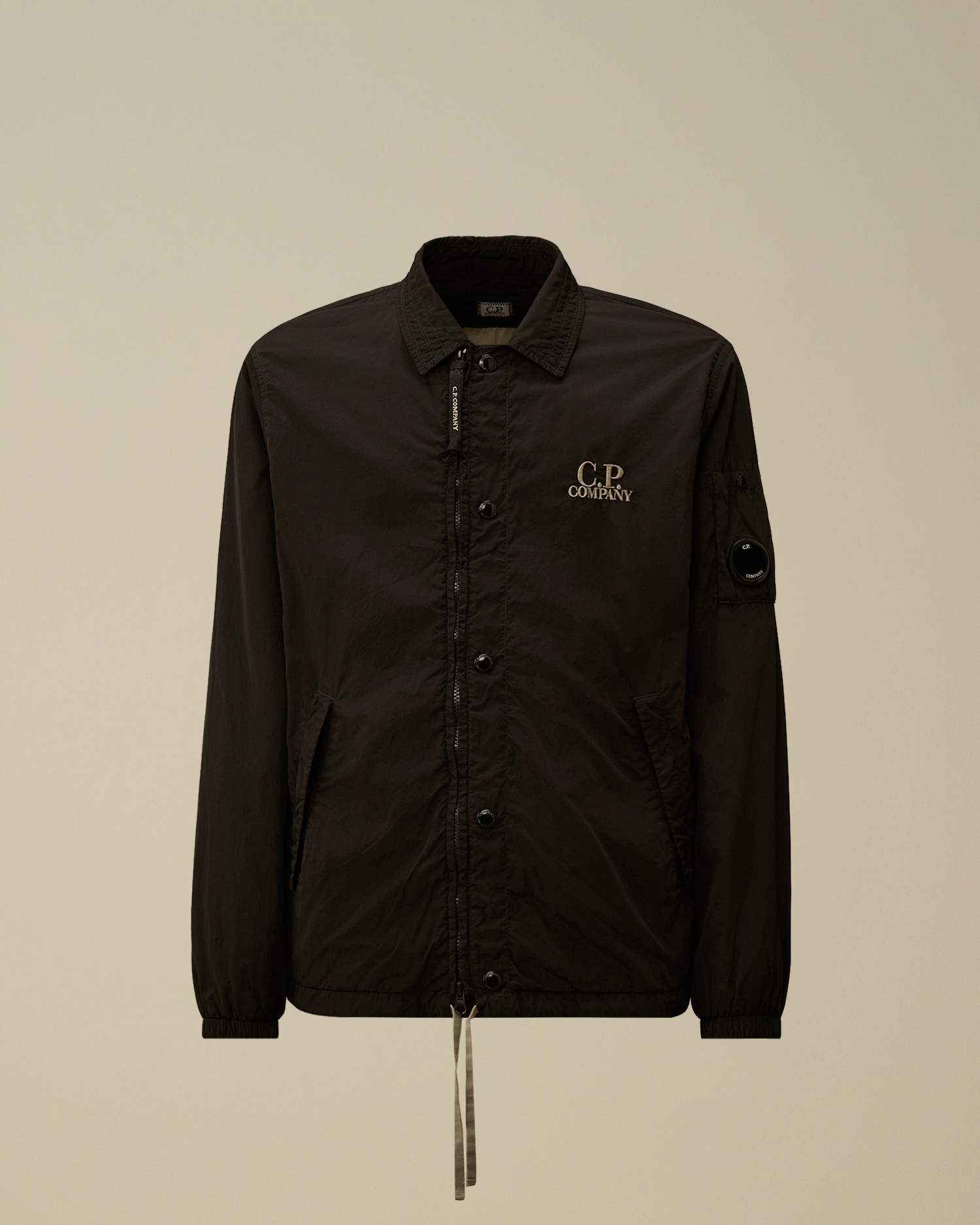
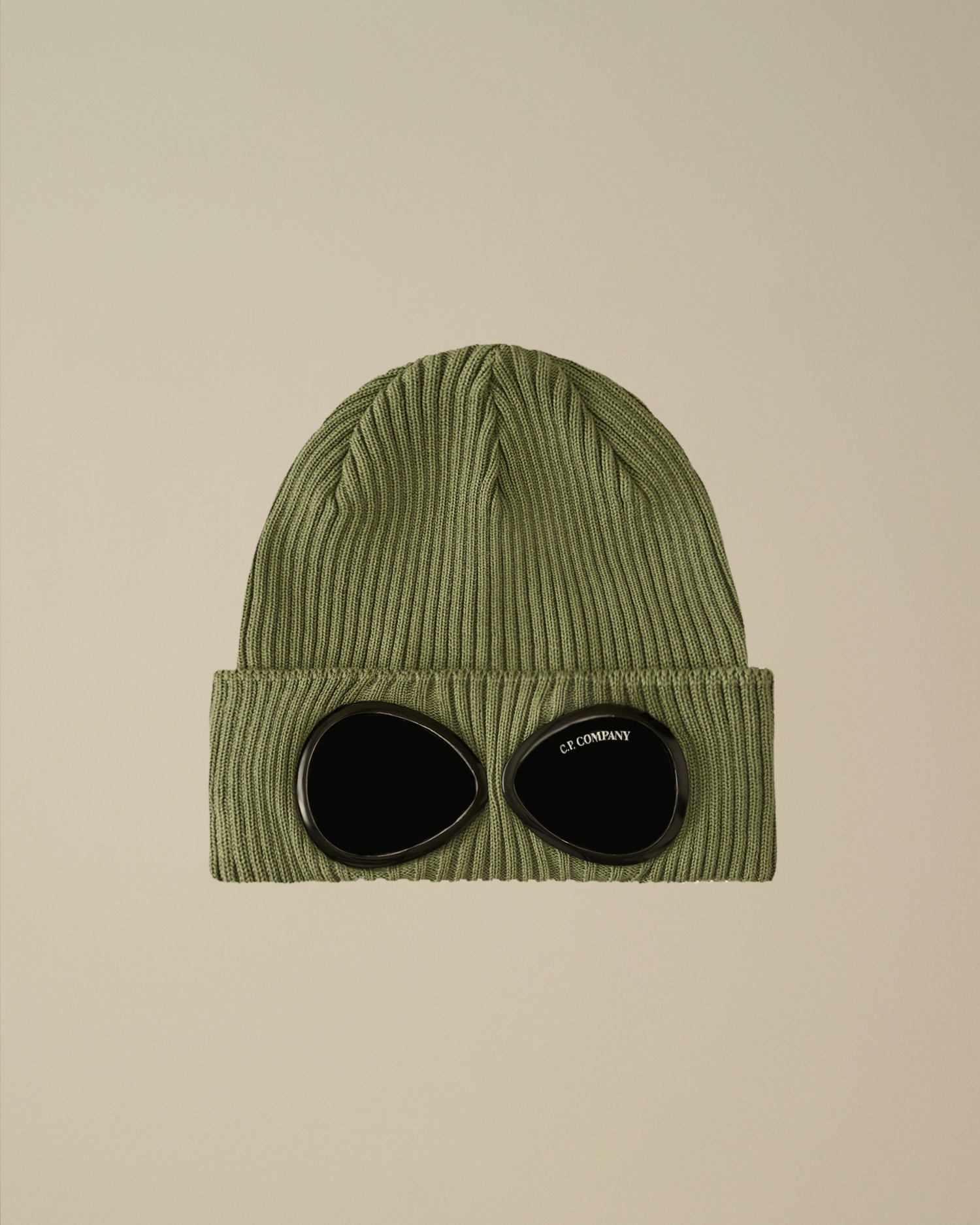
The Goggle Jacket — properly the Mille Miglia jacket — is the piece most people buy C.P. Company for, and it's far more than a gimmick. Those two clear lenses built into the hood (and one on the wrist for your watch) trace back to Massimo Osti's research on wartime protective hoods and gas masks, so the detail is genuine design heritage, not novelty. If you want the brand's single most iconic, instantly recognisable garment, it's the one to start with; if you only want plain outerwear, the lenses are part of what you're paying for, so pick a different C.P. style instead.
Is C.P. Company good quality?+
C.P. Company is a serious technical-outerwear house, not a logo brand. Since the 1970s it has pioneered garment dyeing and a long line of innovative fabrics, and it built a dedicated dyeing laboratory in Ravarino, Italy because no industrial process for whole-garment dyeing existed at the time. That research-driven approach — military and workwear archetypes reinterpreted in cutting-edge materials — is why the brand is held in high regard by people who care about construction over flash.
What is C.P. Company's famous garment dyeing, and why does it matter?+
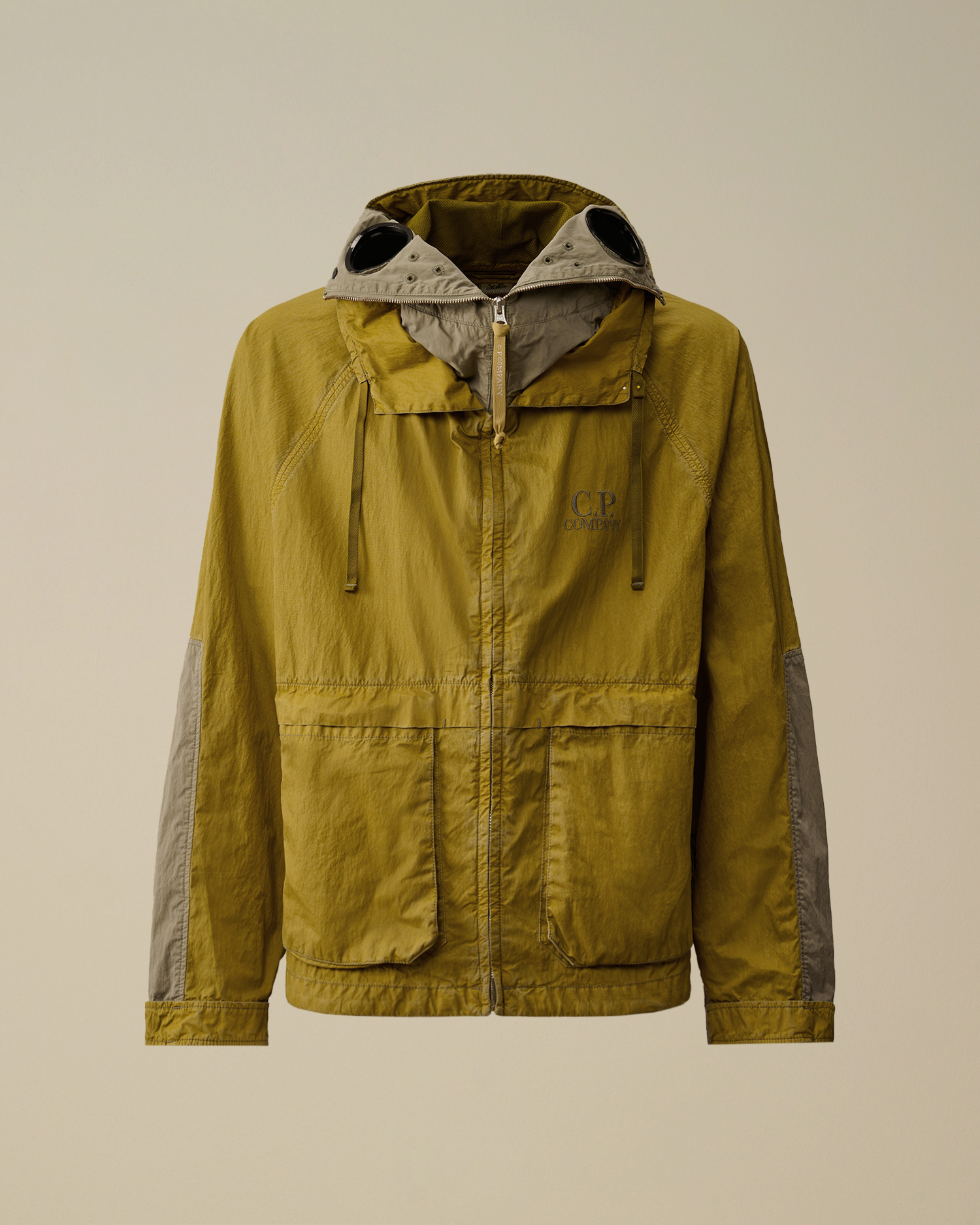
Garment dyeing (in Italian, Tinto in capo) means dyeing a finished garment rather than the cloth before it's sewn — C.P. Company began developing it in 1974 to strip the stiffness from new fabric and give pieces a worn, lived-in look. The brand even pioneered dyeing garments made of mixed fibres like cotton and nylon in a single bath, producing rich, sometimes dual-colour finishes that are hard to replicate. It's a defining hallmark of the house and the reason its colours have such depth.
Who founded C.P. Company and when?+
C.P. Company was founded in 1971 in Bologna, Italy, by designer Massimo Osti (1944–2005). It was originally called Chester Perry, but after joint legal action by British menswear brands Chester Barrie and Fred Perry over the use of their names, it was renamed C.P. Company in 1978. It began producing graphic-printed t-shirts before expanding into the jackets, trousers and shirts the brand is now known for.
What's the story behind the Mille Miglia (Goggle) jacket?+
The first Mille Miglia jackets were produced in 1988 and initially given to the organisers and competitors of the Mille Miglia (1000 Miles) endurance race, which C.P. Company sponsored. The design was based on the Swiss Alpenflage M70 military jacket and features multiple pockets, with the signature hood lenses inspired by Osti's research into WWII protective hoods. In 2009 the brand invited designer Aitor Throup to create a 20th-anniversary version, which was shortlisted for The Design Museum's Designs of the Year 2010.
Why is C.P. Company linked to football casual culture?+
From the mid-1980s, C.P. Company became a fixture of the UK football "casual" subculture, which prized hard-to-find Italian brands. The Mille Miglia goggle jacket and later the Metropolis became icons of the scene — partly because the integrated hood lenses made it easy to obscure your face from CCTV and surveillance. The jacket even featured on the cover of Phil Thornton's 2003 book Casuals: Football, Fighting and Fashion, cementing its terrace-cult status.
Who owns C.P. Company now?+
Ownership has changed hands several times. Osti sold his shares to GFT (Gruppo Finanziario Tessile) in 1984 but stayed on as stylist until 1994; Carlo Rivetti acquired the brand in 1993; it passed to Enzo Fusco's FGF Industry in 2010; and in 2015 its intellectual property was bought by Hong Kong apparel group Tristate Holdings. In 2019, Lorenzo Osti — Massimo Osti's son — was appointed president, bringing the founding family back into the fold.
How is C.P. Company different from Stone Island?+
The two are closely related — both grew out of Massimo Osti's world — but they have different temperaments. C.P. Company (founded 1971) is the more subtle, wearable option, defined by its hood goggles, militaria-inspired cuts and garment dyeing. Stone Island leans louder and more overtly technical, with high-shine finishes and exposed tech features. If you want experimental Italian outerwear that flies a little more under the radar, C.P. Company is the quieter sibling.
How do I spot a fake C.P. Company jacket?+
Because C.P. Company is so collectable, counterfeits are common, so buy from the brand directly or from authorised retailers whenever you can. On genuine pieces, the hallmarks of the house — the precision of the hood lenses on a Goggle jacket, the depth and evenness of the garment-dyed colour, and the quality of the technical fabric — are hard to fake convincingly. If a deal looks far too cheap for the model, or the lens housing and dye finish look flat and crude, treat it with suspicion.
What was the Urban Protection range?+
Launched in 1997 under creative director Moreno Ferrari and produced each season until 2001, the Urban Protection range took the brand's continuative-garment philosophy into industrial nylon (Dynafil TS-70) and built technology straight into the clothes — torches, headphones, personal alarms and pollution detectors, in pieces with names like Metropolis and Atlas. Ferrari later designed the Transformables range, whose Parka/Air Mattress entered the permanent collection of the Museum of Modern Art in New York. It's some of the most conceptually ambitious work in the brand's archive.
What collaborations has C.P. Company done?+
Around its 50th anniversary in 2021, C.P. Company released a wave of collaborations with brands including Patta, adidas Spezial, Barbour, Clarks Originals and Emporio Armani, and in 2023 produced a capsule with British streetwear label Palace based on reinterpretations of its own archive. It also has deep musical ties, with capsule projects and notable wearers spanning Liam and Noel Gallagher, Gorillaz and Damon Albarn — who wore the Aitor Throup Mille Miglia on the cover of his 2014 album Everyday Robots.