Is Stone Island worth it and is the quality good?+
Stone Island's appeal rests on genuine technical research rather than logo alone. The house pioneered fabric and finishing techniques such as Raso Gommato in 1983, thermosensitive (heat-reactive) fabric in 1987, rubber wool in 1987 and reflective fabric in 1991. If you value innovative materials and outerwear engineered for performance, the premium tends to make sense; if you mainly want a basic, you are paying for the research and the badge.
Why is Stone Island so expensive?+
The cost reflects the brand's focus on technical apparel research, development and manufacturing. Stone Island invests heavily in dyeing recipes and surface treatments, and many garments are garment-dyed or finished using processes the house developed itself. You are paying for that experimentation and for a label that became a genuine cultural staple, not just for the fabric weight.
What does the Stone Island compass badge mean?+
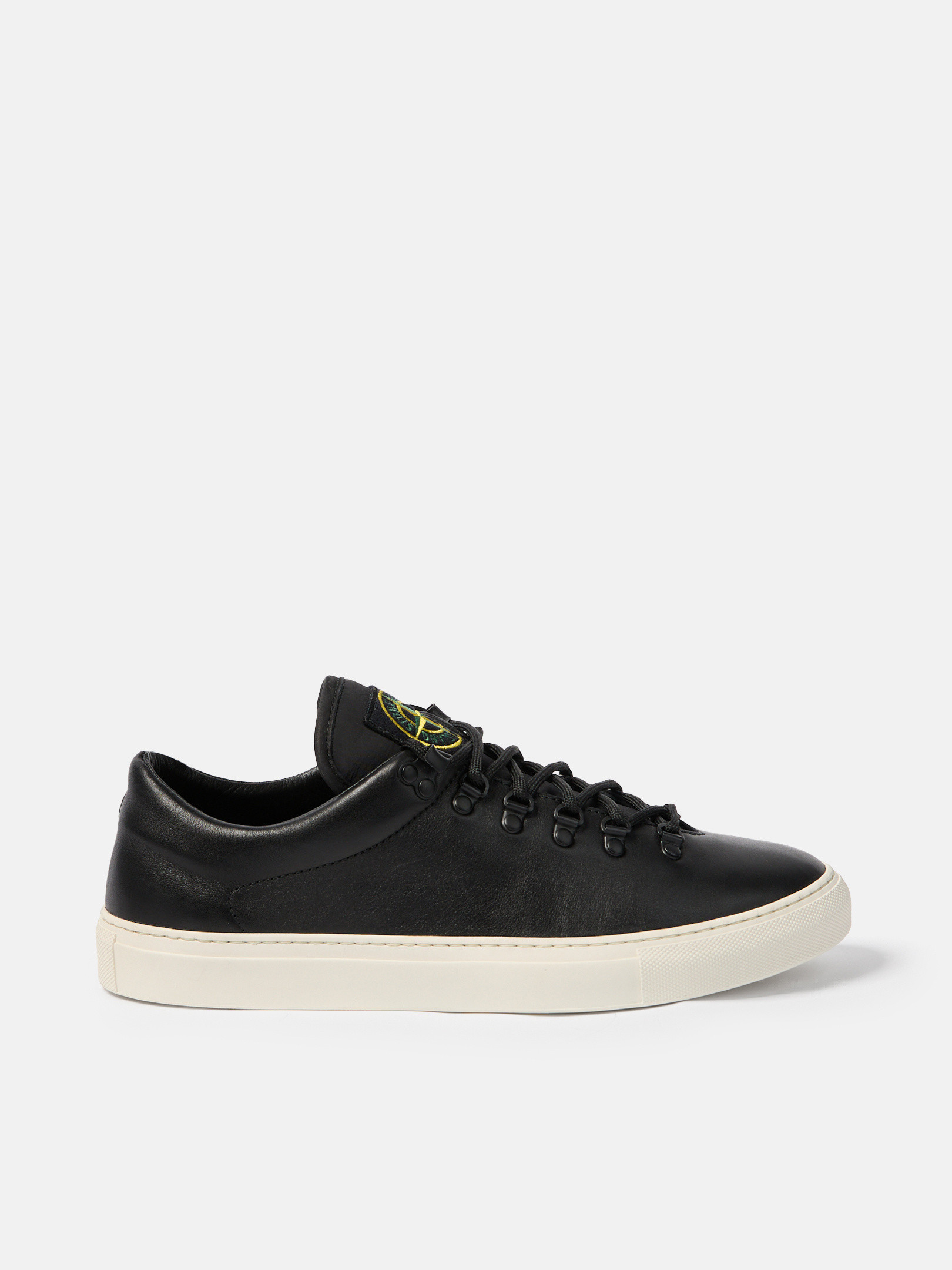
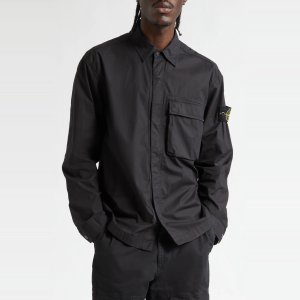
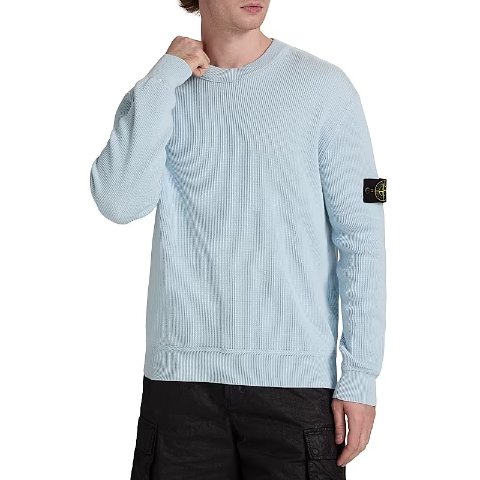
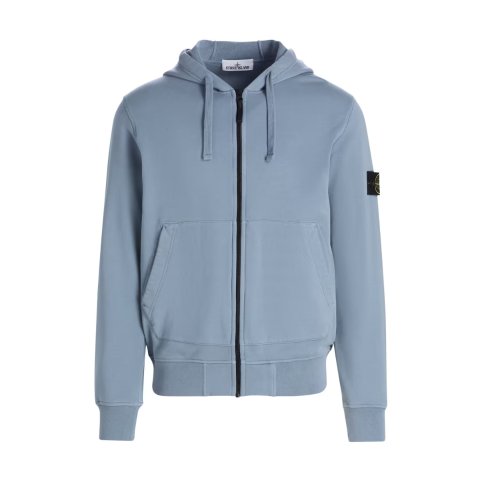
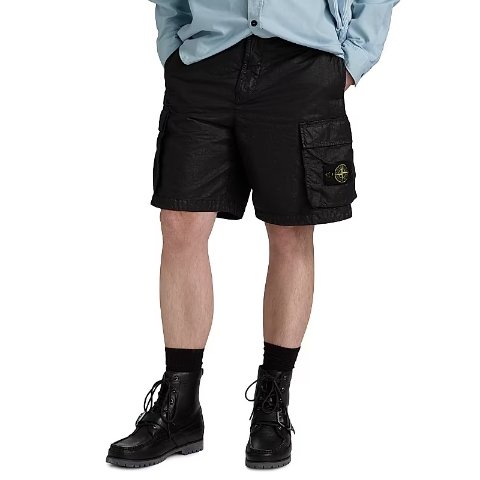
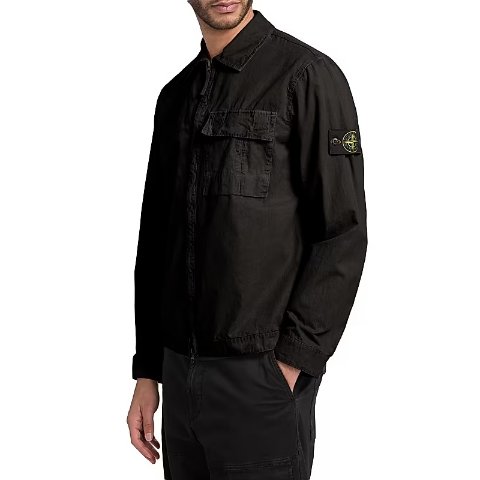
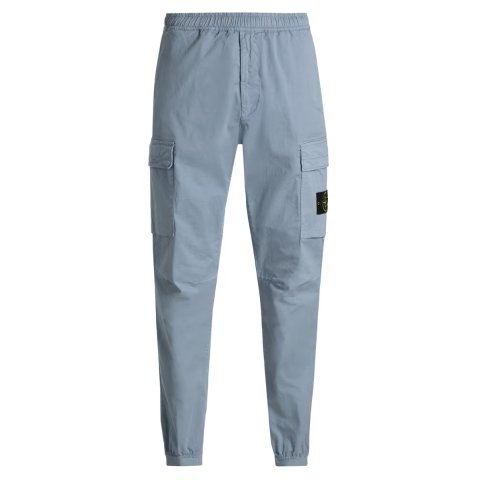
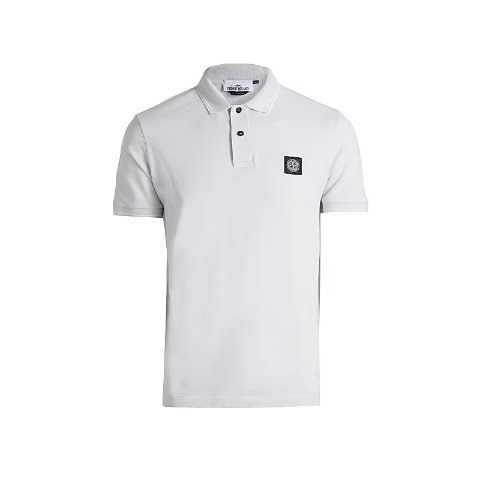
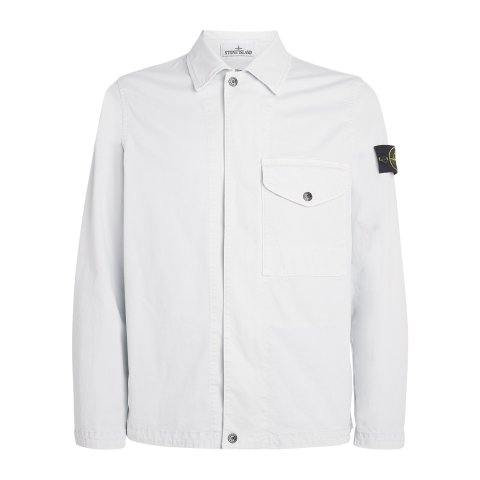
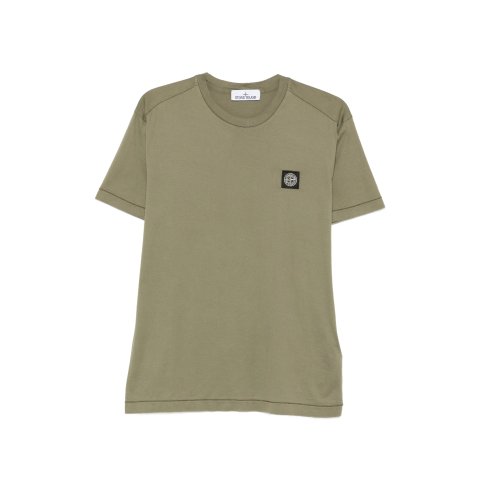
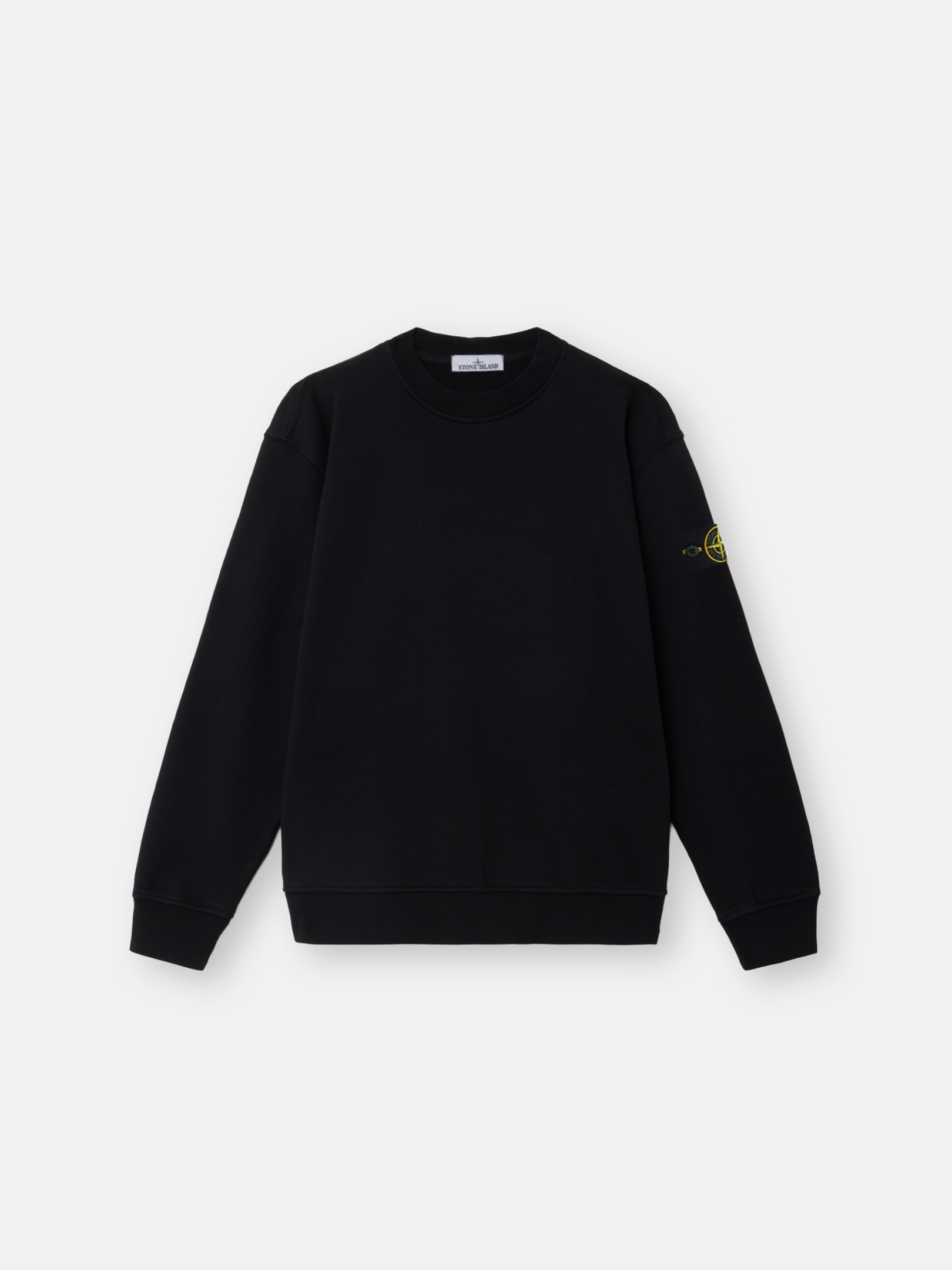
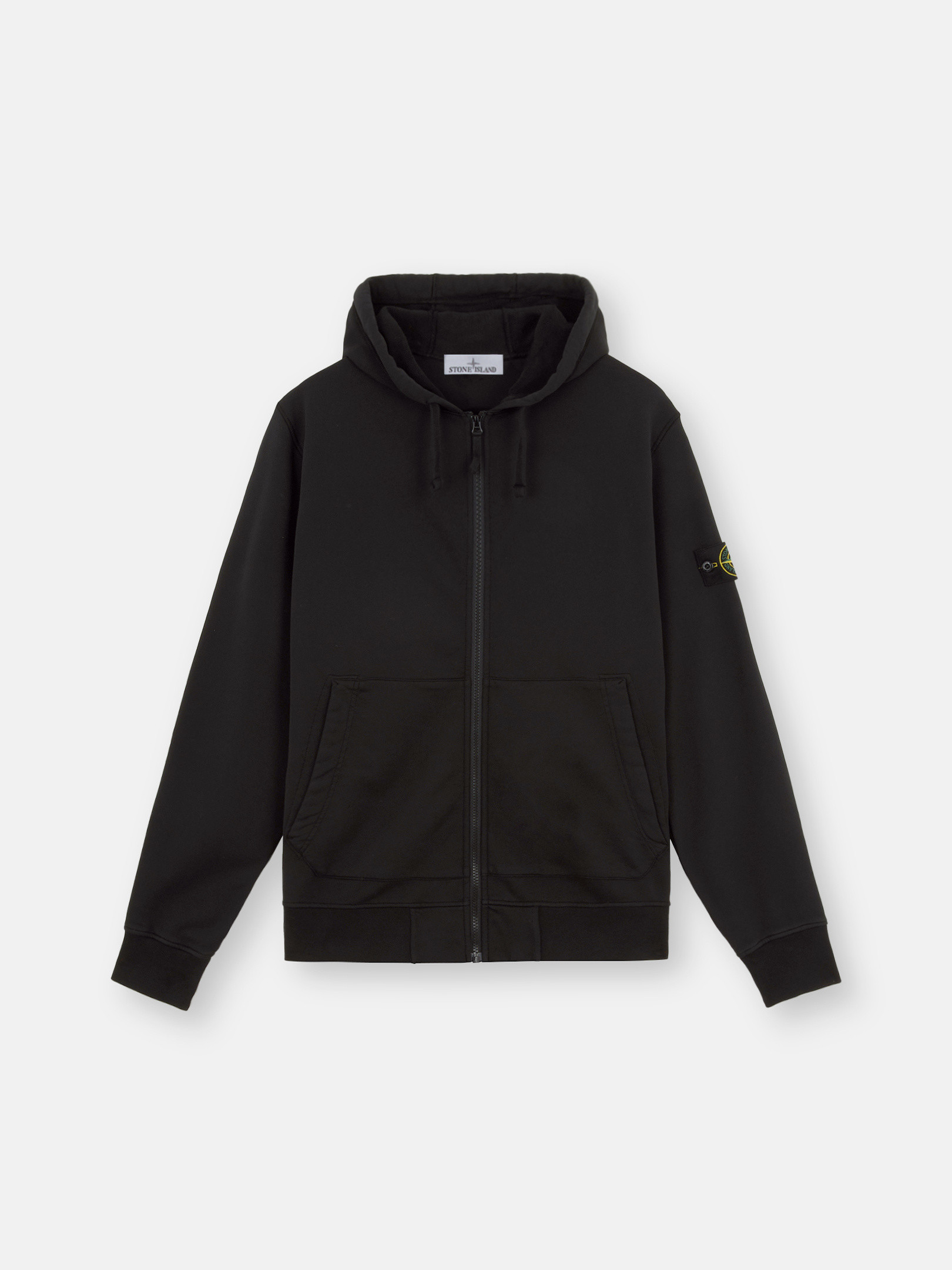
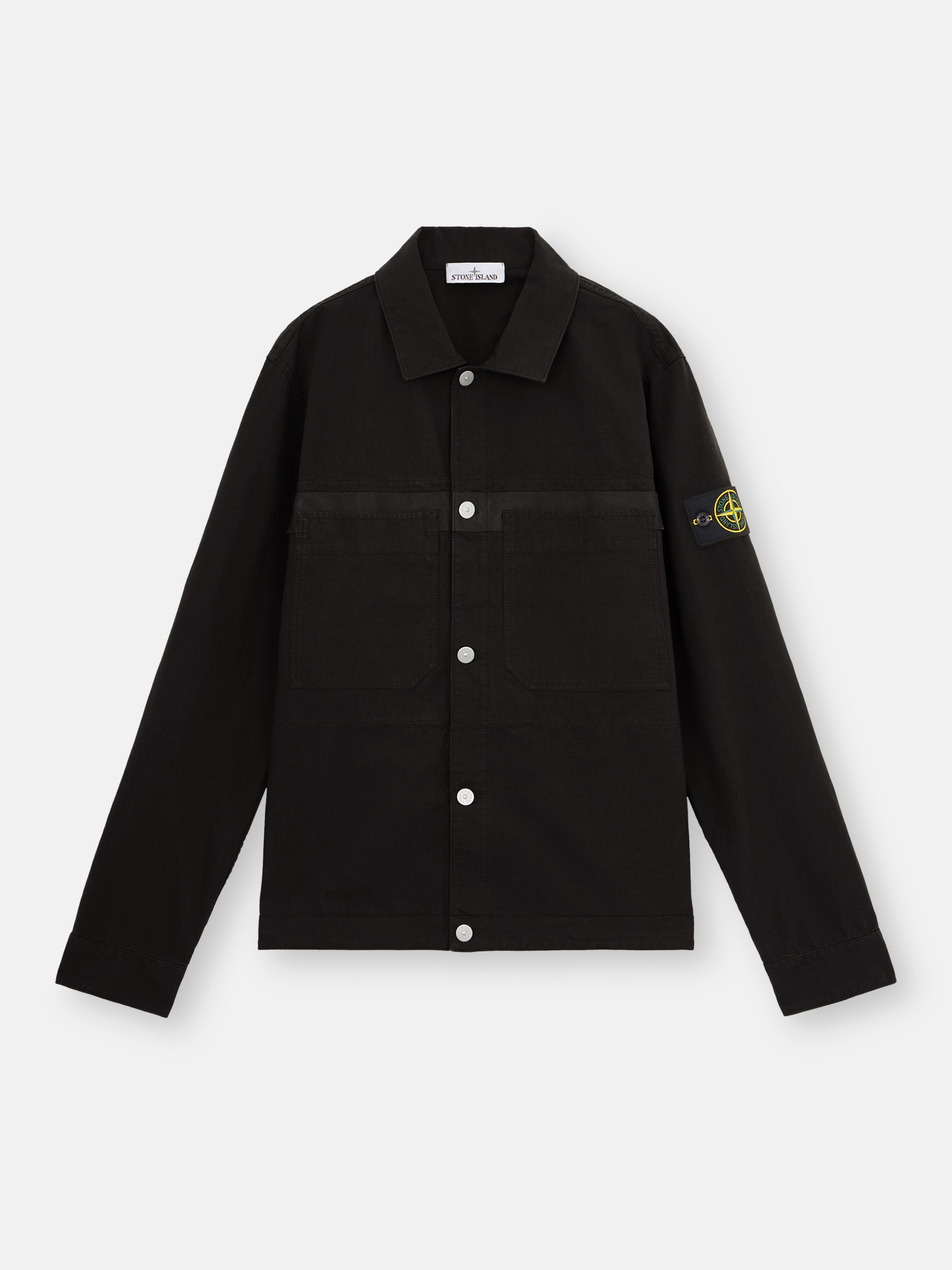
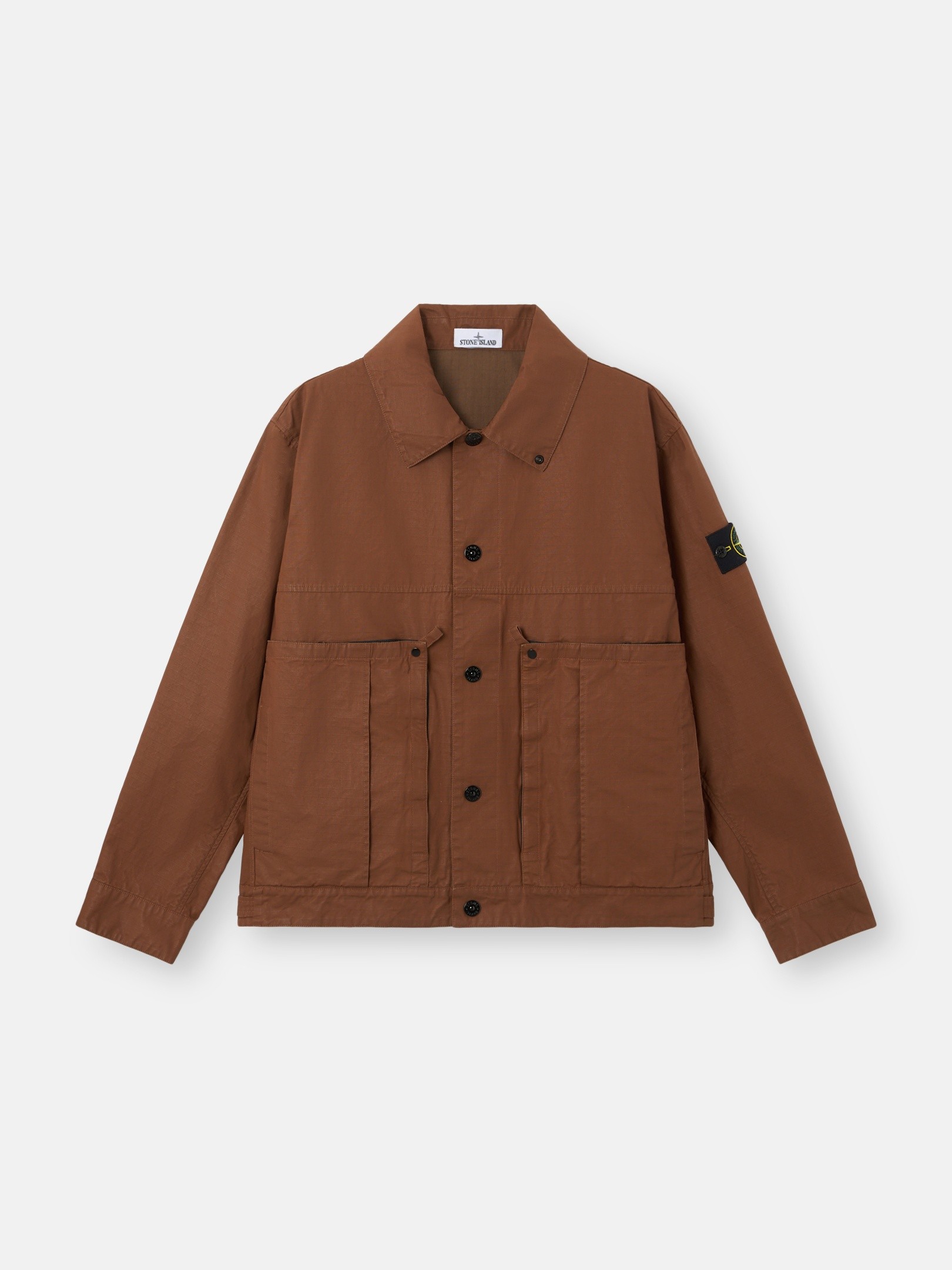
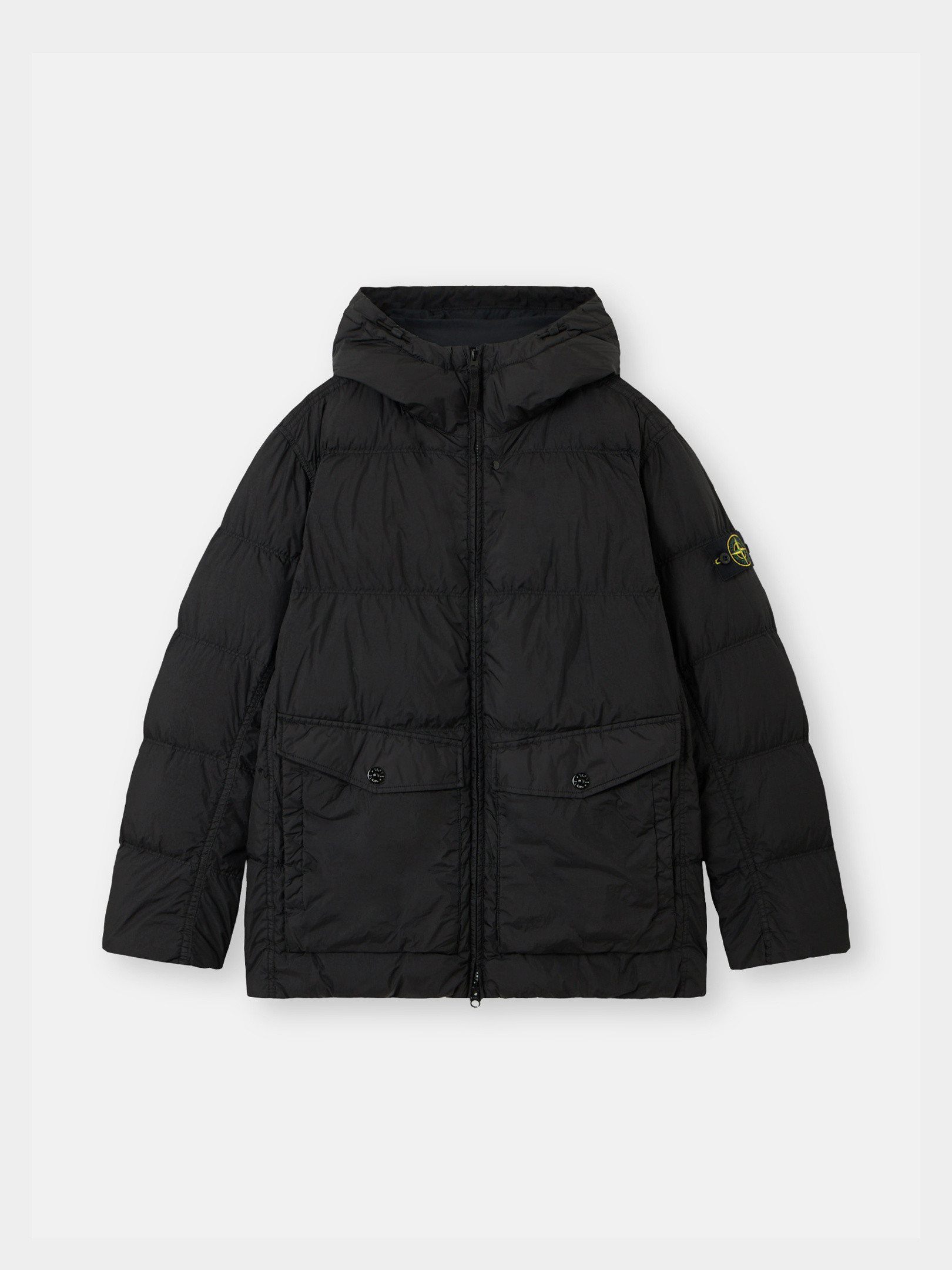
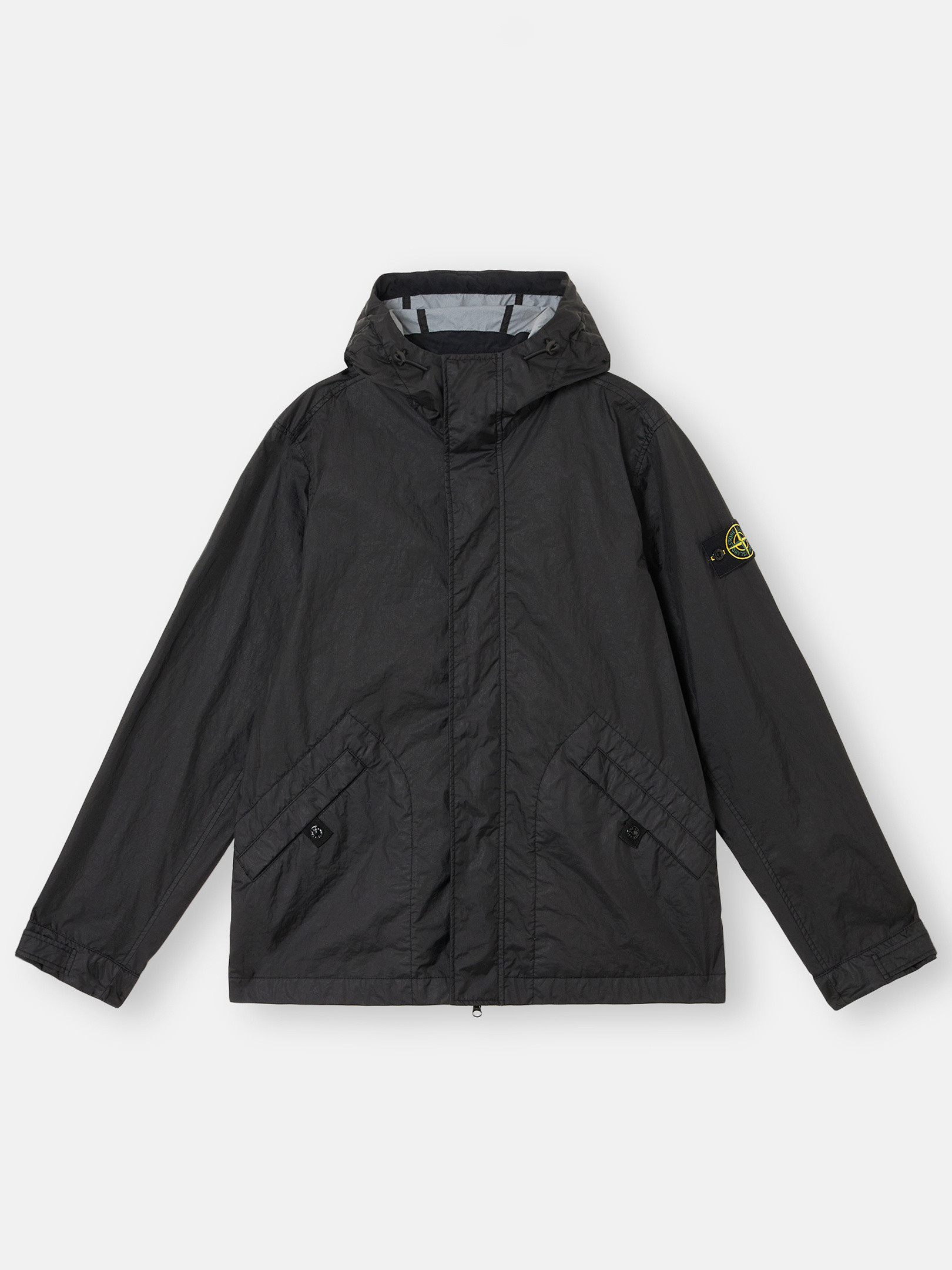
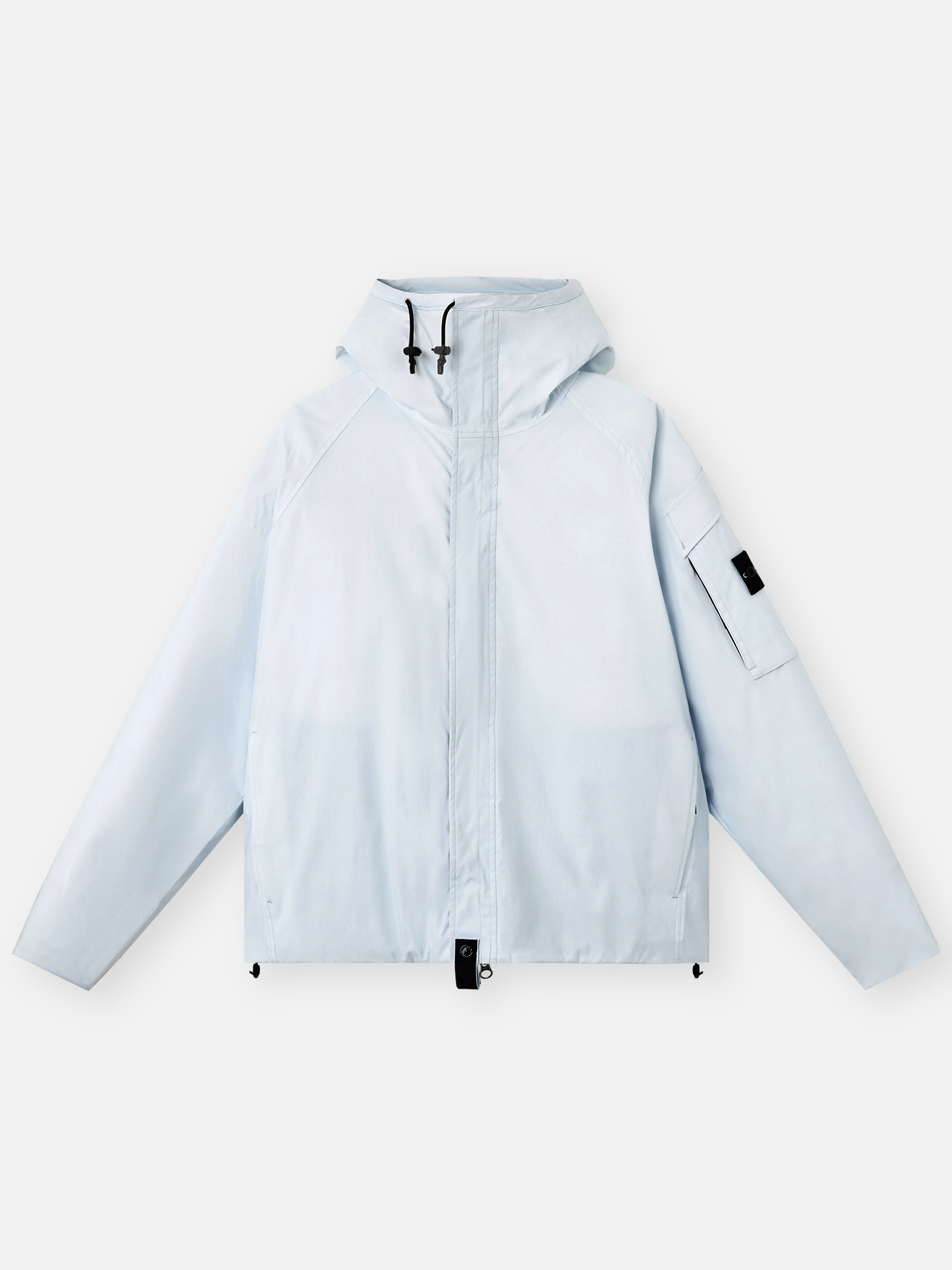
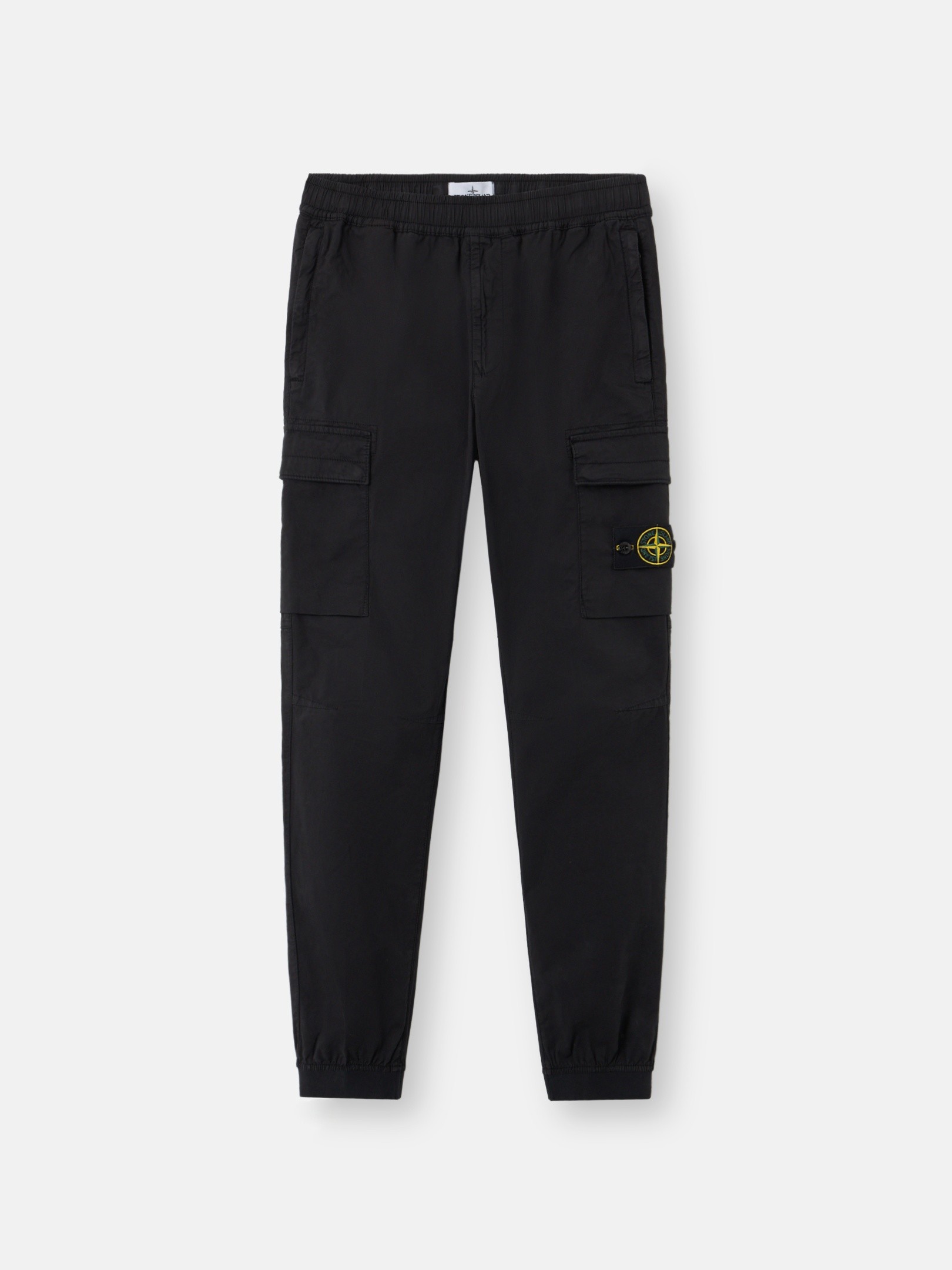
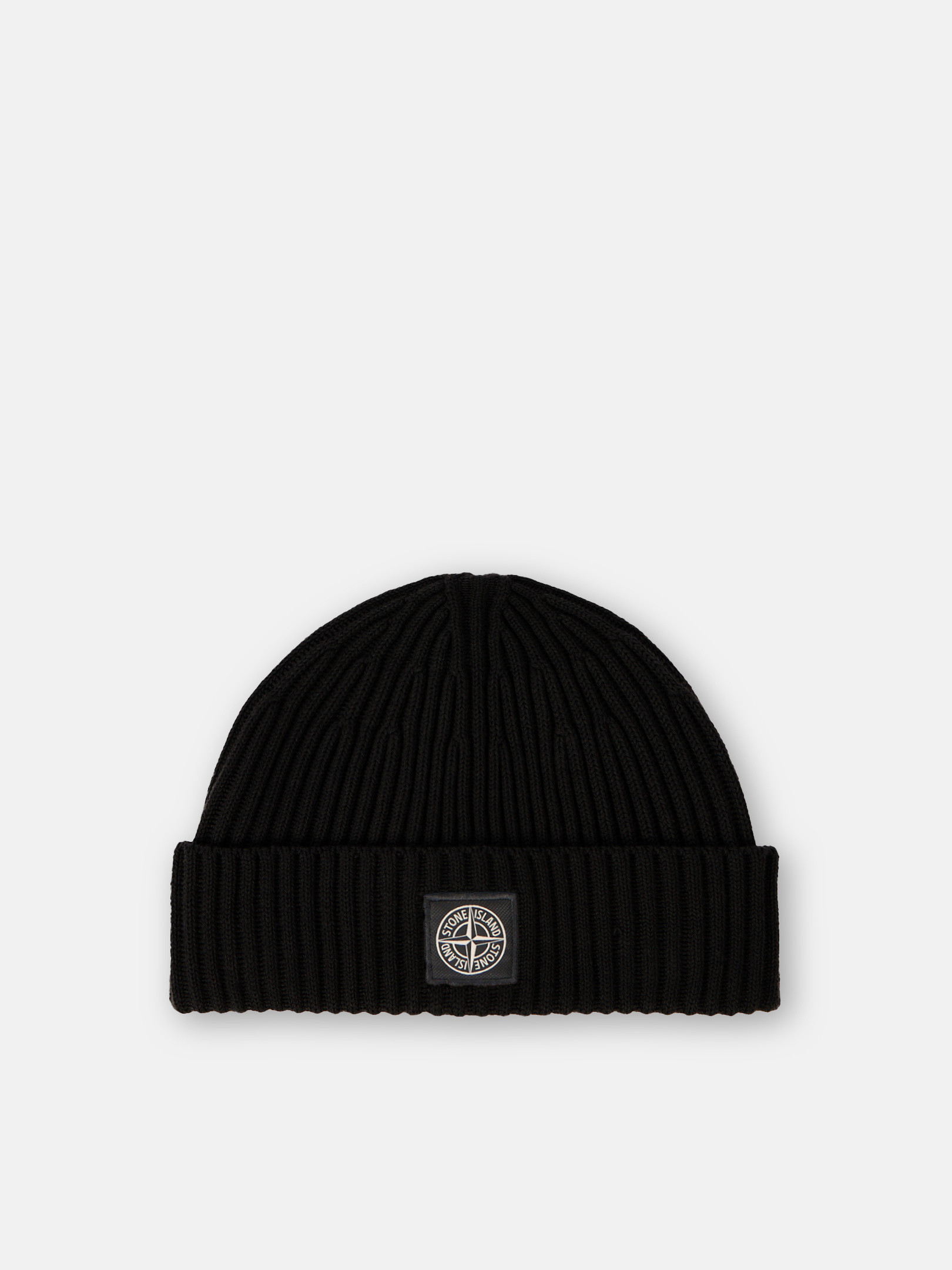
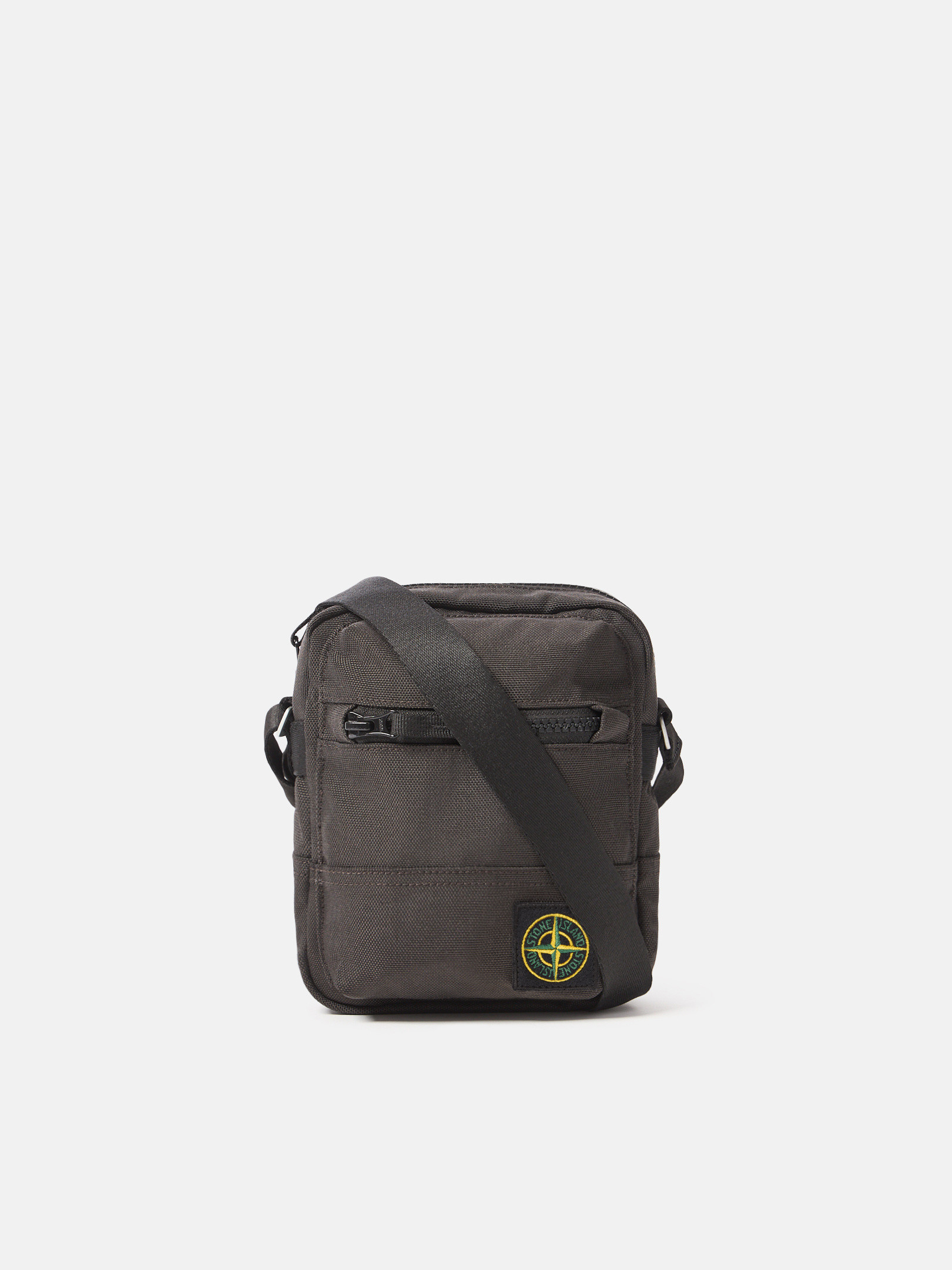
The logo references a compass affixed with a nautical star, and it is the brand's defining mark. It is recognisable by the cloth badge carrying the compass design on the left side of a garment, attached with buttons so it can be removed. The nautical theme ties back to the brand's origins; original patches were green-edged, but from around the year 2000 onwards they became black-edged.
Stone Island vs C.P. Company, what is the connection?+
The two are closely linked through ownership history. After GFT sold Stone Island in 1993 to Italian businessman Carlo Rivetti, he combined the label with C.P. Company under Sportswear Company SpA. They were later separated, with C.P. Company sold to FGF Industry in 2010, but both brands share a heritage of experimental fabrics and garment dyeing, which is why they are so often compared.
Why did Stone Island become a football casuals icon?+
Stone Island became popular during the 1980s and 1990s in Europe, initially associated with the football casual scene before broadening out. Over time the brand was endorsed by an array of athletes and prominent sports figures, including Eric Cantona, David Beckham, Pep Guardiola and Paolo Maldini, which helped push it into mainstream recognition. Today it is seen as a global staple of youth subculture across Italian Paninari, English casuals and hip hop culture.
Who founded Stone Island and when?+
Designer Massimo Osti founded Stone Island in 1982 in Ravarino, Italy. The origins are tied to textile experimentation: Osti was studying a rigid, double-sided truck tarpaulin fabric coated with differently coloured resins and given an intensive enzyme "stone wash" treatment. The result, a durable fabric with a worn, faded look, was named Tela Stella and used for the first collection of seven outerwear pieces.
Where does the name Stone Island come from?+
The name is drawn from the novels of pre-modernist writer Joseph Conrad, in which the words "stone" and "island" appear most frequently. According to Massimo Osti, Conrad's exploration of "boats and sea" inspired him to build a brand with a "new sensibility oriented to science instead of fashion," which is exactly the functional, research-led philosophy the house still follows.
Who owns Stone Island now?+
Stone Island is part of the Moncler Group. Moncler S.p.A. announced the acquisition on 7 December 2020 for 1.15 billion euros, completing the transaction on 31 March 2021. The Rivetti family became shareholders in the controlling holding company as part of the deal.
What are the different Stone Island lines?+
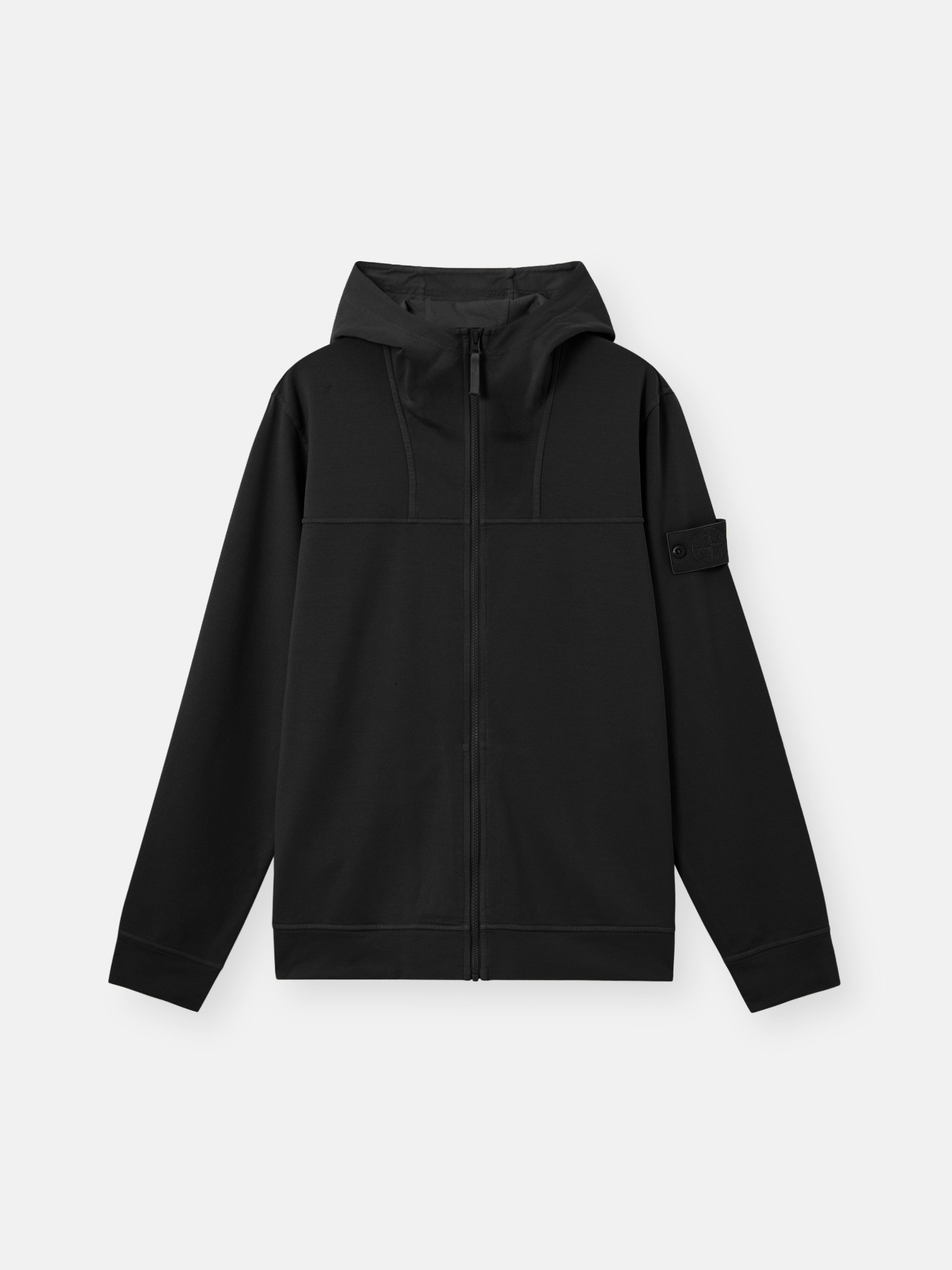
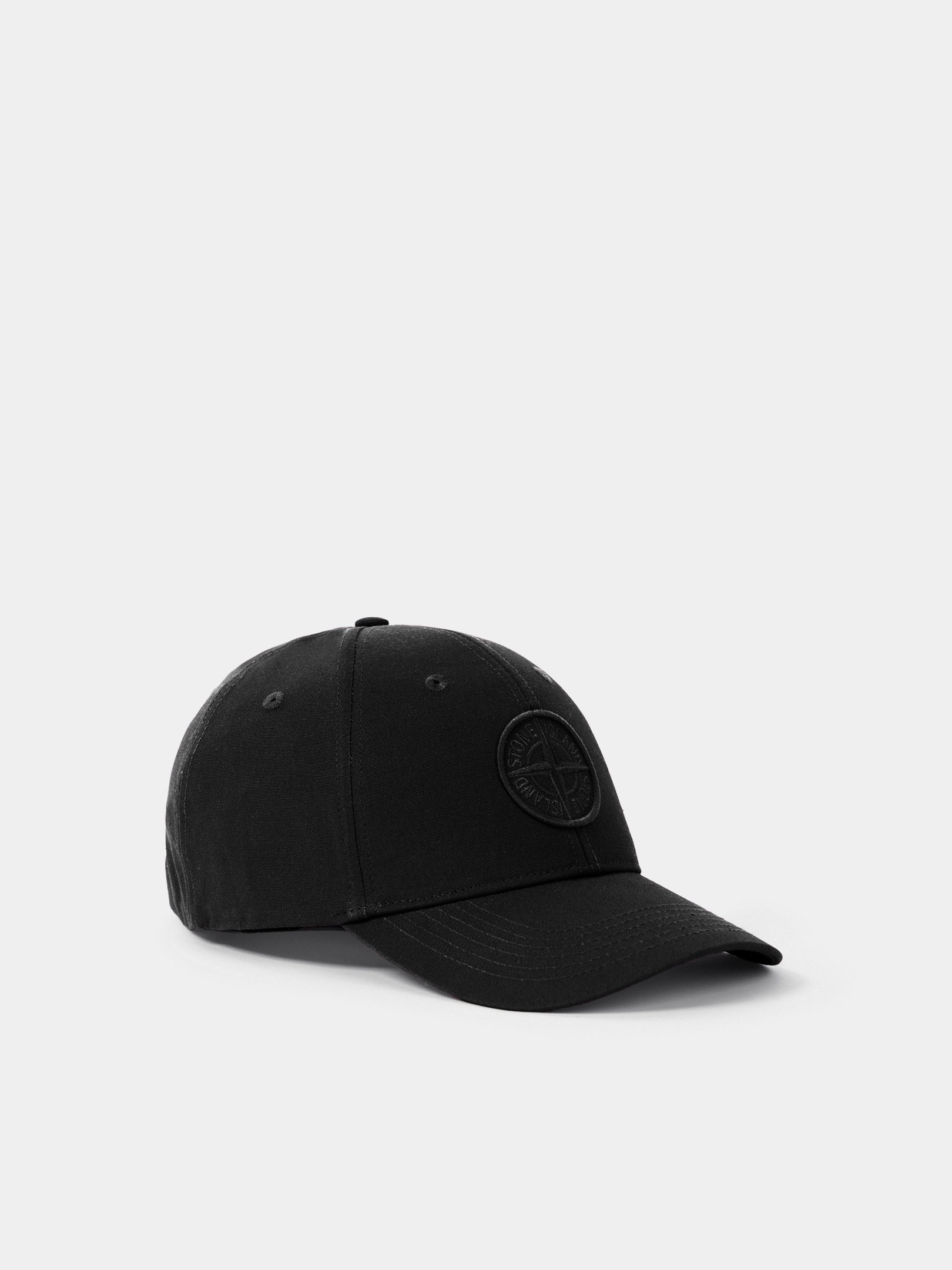
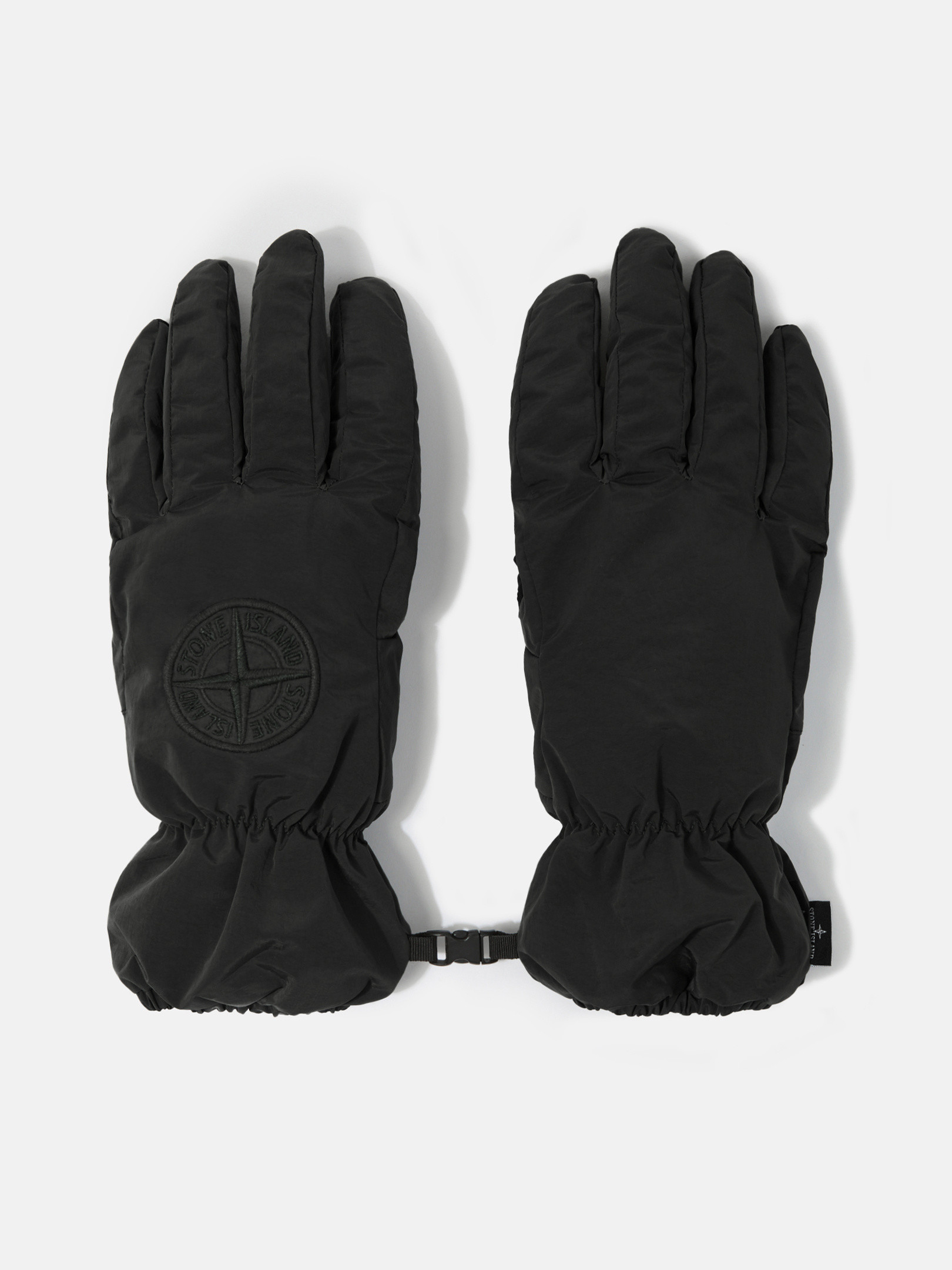
Alongside the main collection and the Junior line for ages 2 to 14, there are four recurring sub-collections. Ghost is monochromatic, with the badge toned into the garment; Marina reinterprets the nautical theme from the archive; Stellina is minimalist and functional; and Denim Research is produced in denim. There is also the more experimental Shadow Project, developed by designer Errolson Hugh.
What makes a Stone Island garment technically special?+
It comes down to fabrication and finishing. The brand is known for dyeing techniques and surface treatments rather than seasonal trend-chasing, with milestones including Raso Gommato, thermosensitive heat-reactive fabric, rubber wool and reflective fabric. Massimo Osti also drew on military uniforms, technical gear and workwear, which gives the pieces their industrial, function-first character.
Has Stone Island done notable collaborations?+
Yes, the house has a long history of working with both technical and fashion partners. Over the years it has collaborated with Adidas, New Balance, Supreme, Nike (NikeLab), Porter, Persol and, in 2024, with Dior. The Supreme link in particular helped carry the brand's compass badge into streetwear well beyond its football-terrace roots.
How should I care for garment-dyed Stone Island pieces?+
Because so much of the brand's identity sits in its dyes and finishes, treat those pieces gently. Wash cold and infrequently, avoid harsh detergents and high heat that can disturb specialised coatings, and remove the button-on badge if a wash or repair calls for it. Conservative care protects the colour and the technical surface that you paid for.