Are Chantelle bras worth it?+
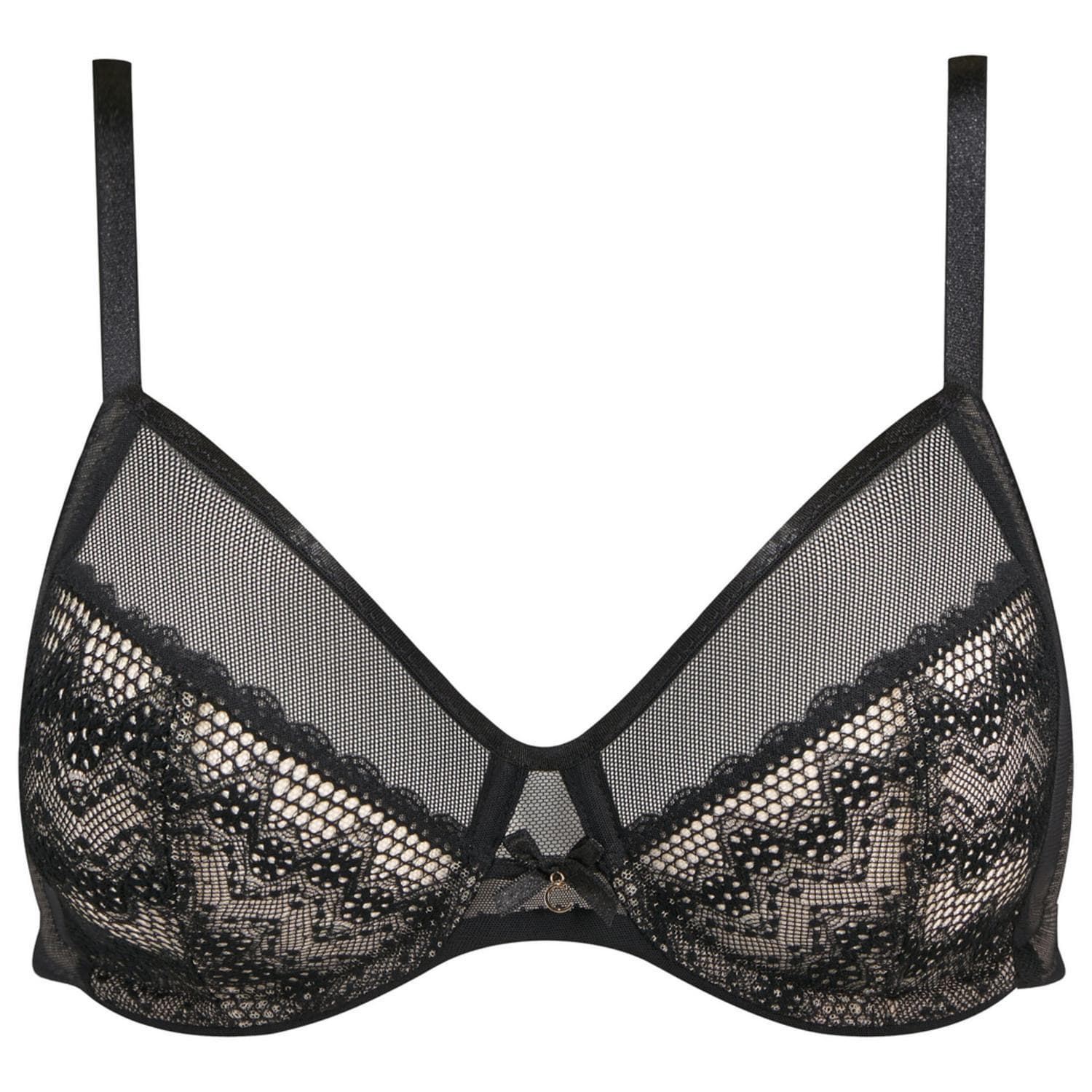
For shoppers who want support with elegance and a genuinely considered fit, Chantelle tends to earn its price. The bras are made in France, beautifully constructed with many parts still finished by hand, and they use lace that's exclusive to the brand — so the value shows up in fabric quality, durability and fit engineering rather than logos. They're best thought of as a reliable fit house with a strong design identity, not a one-size-fits-all answer, so the worth depends on finding the right style for your shape.
Is Chantelle good quality, and where are the bras made?+
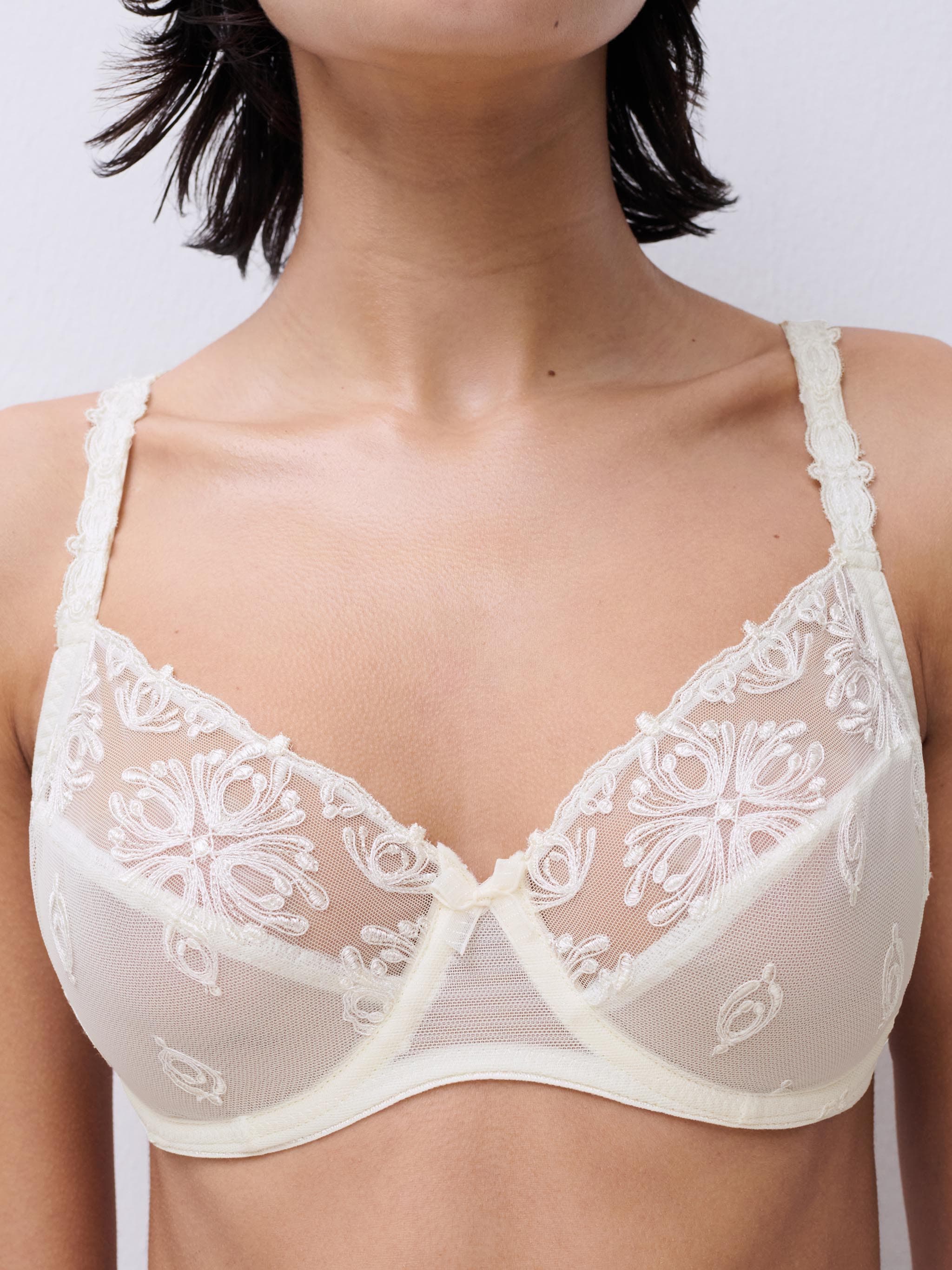
Yes — Chantelle is a long-established French lingerie house and its bras are made in France, beautifully constructed with many components still handmade and lace that's exclusive to the brand. The company's heritage runs deep: it pioneered manufacturing elastic knits and grew on the strength of its proprietary "Kretz tulle", used first in corsets and then in bras. That fabric expertise is a big part of why the construction feels considered rather than generic.
How does Chantelle sizing and fit run?+
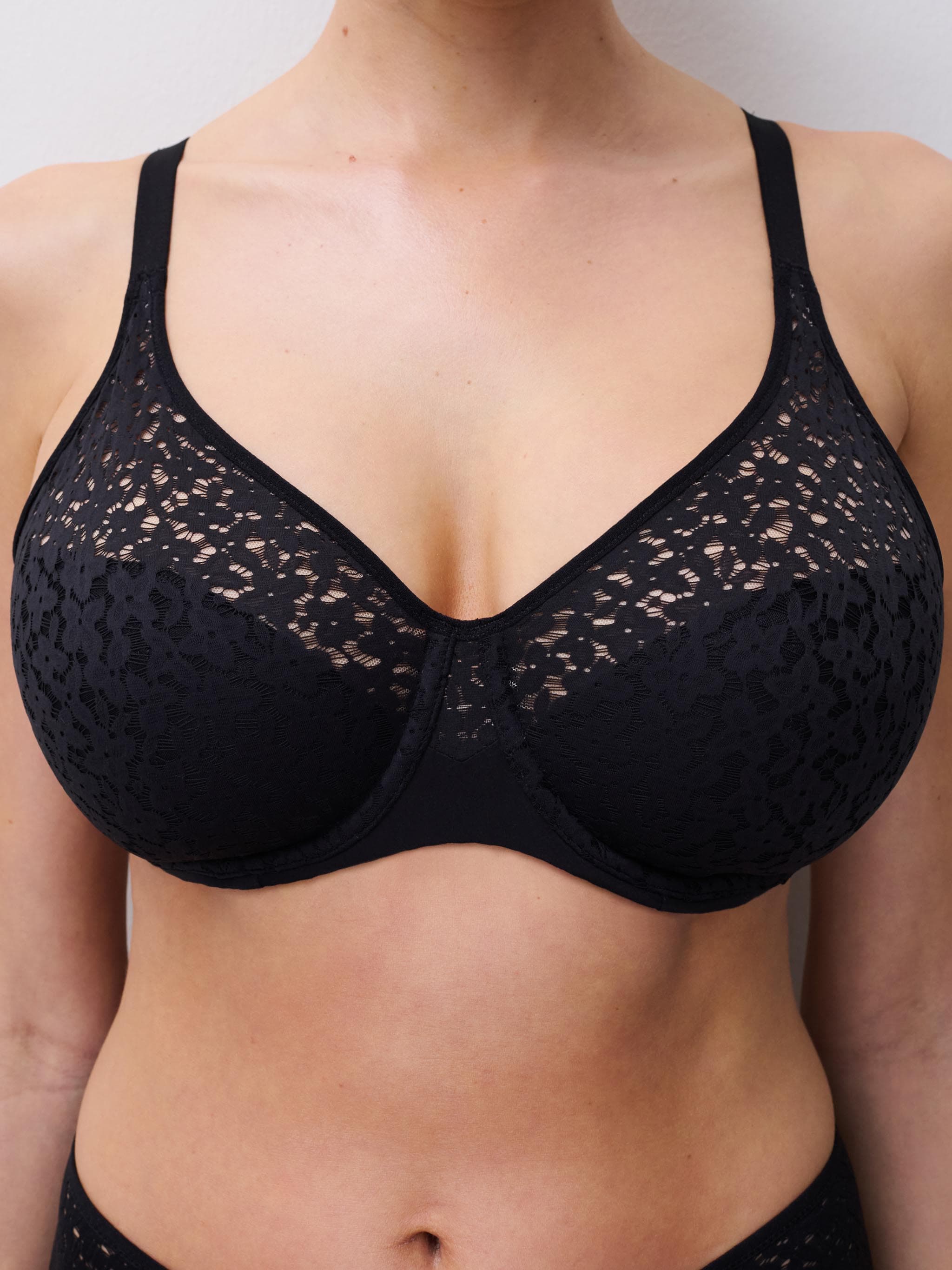
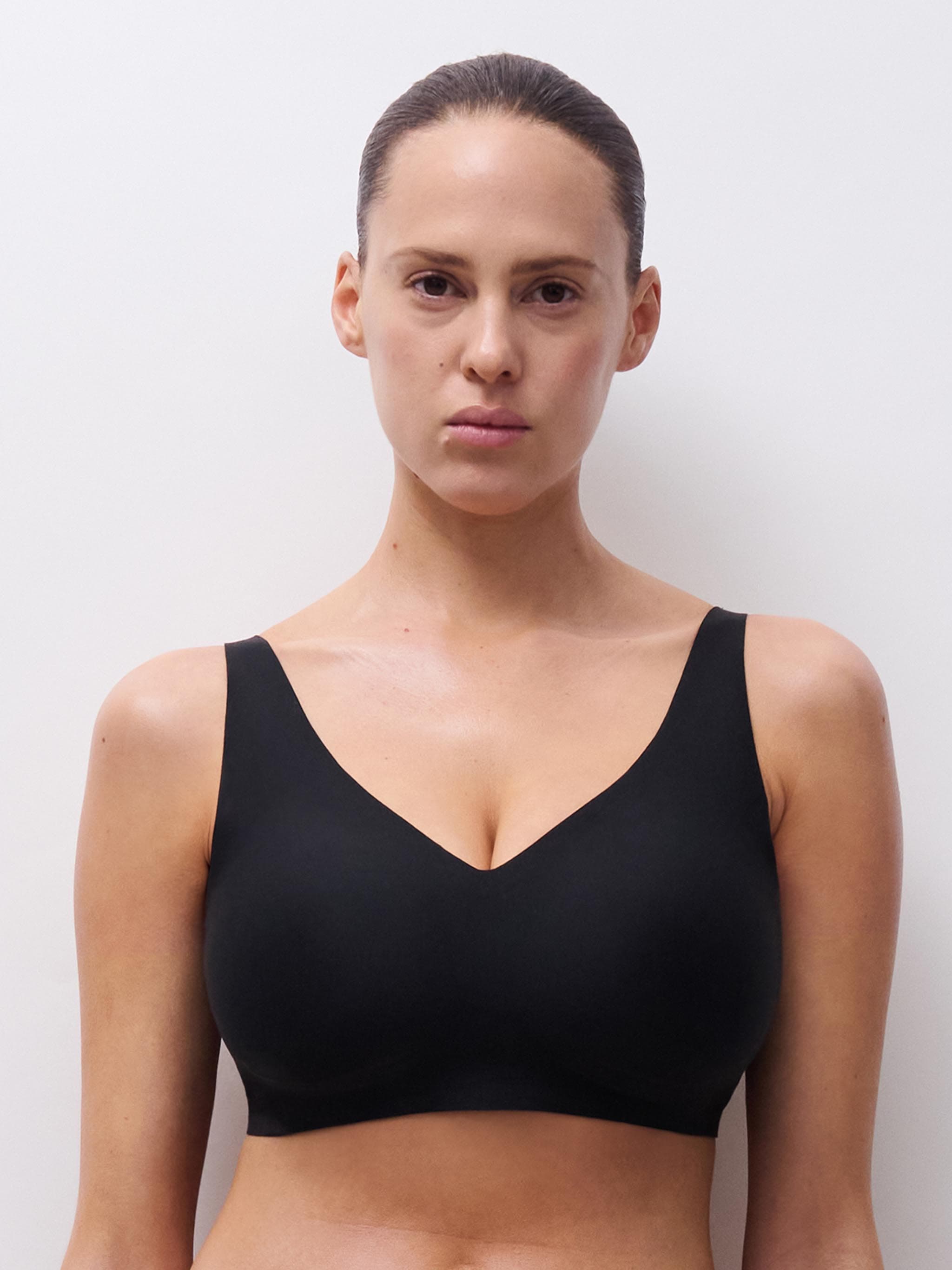
Chantelle bras generally fit close to true to size, though some styles have a slightly snugger band and cups designed to create a lifted, centred silhouette. The most common mistake is assuming a premium bra will fit better by default — even a beautifully made brand needs the right style match for your shape. Pay attention to whether a style is full coverage, plunge, balconette, molded or unlined, because Chantelle does each well but they solve different fit problems.
How old is Chantelle, and how did it start?+
The company that became Chantelle was founded in 1876 by François Auguste Gamichon as a manufacturer of elastic knits. It moved into corsetry in the early 1900s, refined its weaving into the elastic "Kretz tulle" in the 1930s, and used that fabric to make its first girdles in the 1940s. The Chantelle brand name itself was first used in 1949, marking the shift from corset-maker to the modern lingerie house.
Who owns Chantelle?+
Chantelle is part of the French lingerie company Groupe Chantelle, and it has stayed in the same family for well over a century — the Kretz family has owned the company since the 1900s. Successive generations shaped the brand: Maurice Kretz introduced elastic-fabric corsets in 1902, his son Jean (a textile engineer) developed Kretz tulle, and Claude Kretz drove the move into girdles and then bras. That continuity is part of what gives the house its consistent identity.
What are Chantelle's most iconic bras?+
A few designs mark turning points in the brand's history. The "Défi", launched in 1972, was Chantelle's first molded, seamless bra, built to prioritise good bust support. In 1983 the daring see-through, plunging-neckline "Vertige" arrived, supported by a campaign from adman Jacques Séguéla, and in 1999 the molded "Hedona" answered women's evolving expectations. Together they trace Chantelle's move from structured support toward smoothness and modern comfort.
Is Chantelle just bras, or does it make other lingerie?+
Bras are the heart of the brand, but the range is broader. Chantelle's history runs through corsets, girdles and then bras, and over the 2000s and 2010s it moved toward invisible and T-shirt bras, plus more casual lines built on comfort technologies like Spacer fabric and Memory foam. It also launched its first swimwear collection for Spring/Summer 2013, extending the same fit-led approach into the pool and beach.
How does Chantelle compare to Simone Pérèle?+
Both are respected French lingerie houses, and the choice usually comes down to your shape rather than which is "better." Simone Pérèle is often described as running a touch narrower, with cups that sit closer along the side of the bust, whereas Chantelle's underwire is frequently noted as sitting nearer the armpit — so they suit different silhouettes. Chantelle leans toward structure and a lifted, centred shape with a polished finish; if you've found one brand's band or cup geometry doesn't quite work, the other is the natural one to try.
How should I care for Chantelle lingerie so it lasts?+
Because Chantelle bras are finely constructed in France with exclusive lace and molded cups, gentle care pays off in longevity. Hand-washing in cool water with a mild detergent and laying flat or hanging to dry protects the elastic, the lace and the cup shape far better than a hot machine cycle. Treating them as the considered, long-lasting pieces they're built to be is the surest way to get years of wear out of a single bra.
What's the best way to choose my first Chantelle bra?+
Start by getting properly fitted, then match a style to what you actually need rather than buying on looks alone — Chantelle makes full coverage, plunge, balconette, molded and unlined options, and each solves a different fit problem. A smooth molded or T-shirt style is a safe, versatile first buy for everyday wear under fitted clothes, while a balconette or plunge is better if you're dressing for a particular neckline. Because the brand fits close to true to size with a sometimes snugger band, trying before you commit is worth the trouble.