Are Dents gloves worth it?+
For a genuinely handmade leather glove, Dents is a benchmark, but read the label carefully. The brand's Heritage gloves are each individually bench cut and handmade in England, and they carry a luxury price to match; most other Dents merchandise is bought in from third-party factories. Buy Heritage for a glove meant to last decades, and treat the wider range as well-made but more conventional accessories.
Which Dents gloves did James Bond wear in Skyfall?+
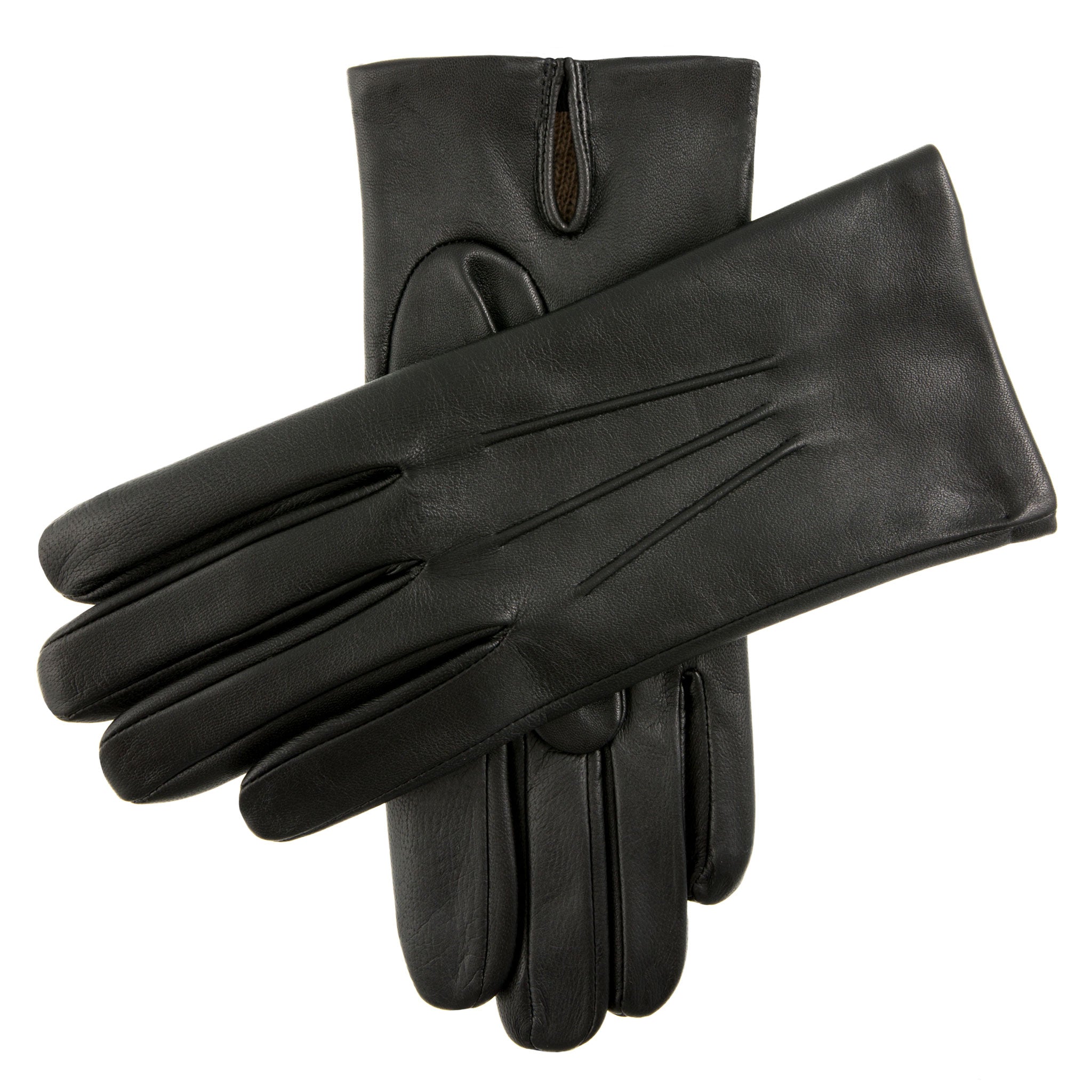
Daniel Craig wore Dents' unlined black leather gloves in Skyfall (2012). The look became iconic enough that the brand's gloves have featured in several films over the years, and Dents has a long history on screen, including the black gloves worn by Michael Keaton's Batman and the purple suede pair worn by Jack Nicholson's Joker in the 1989 Batman.
How should Dents gloves fit and how do I find my size?+
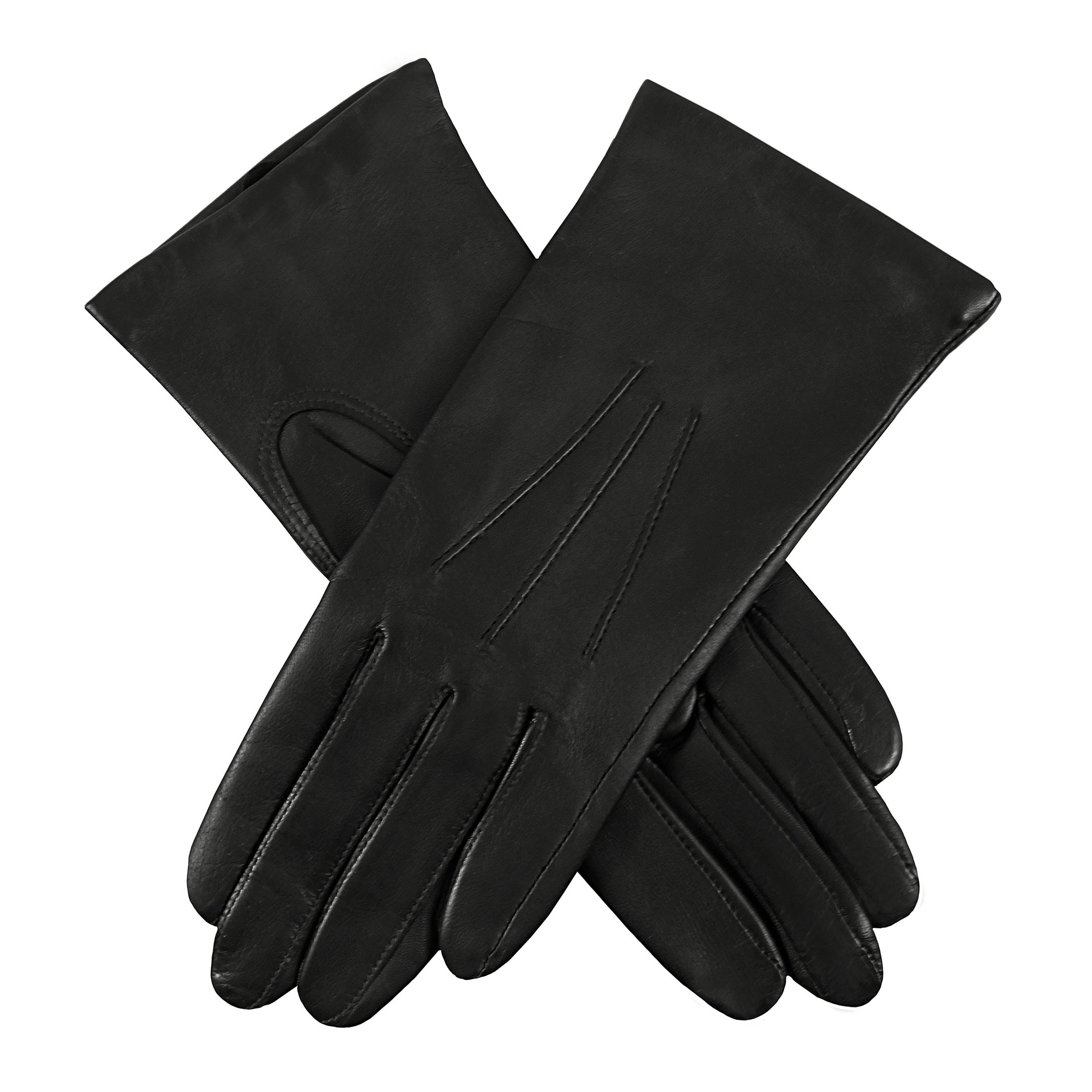
They are cut to sit close to the hand, so fit matters. Measure around the widest part of your palm, excluding the thumb, in inches, and that figure is roughly your glove size; if you are between sizes, most people round down for unlined styles. Bear in mind leather, especially hairsheep, stretches a little with wear, so a snug-but-not-tight fit out of the box is right.
What is the difference between Dents Heritage gloves and the rest of the range?+
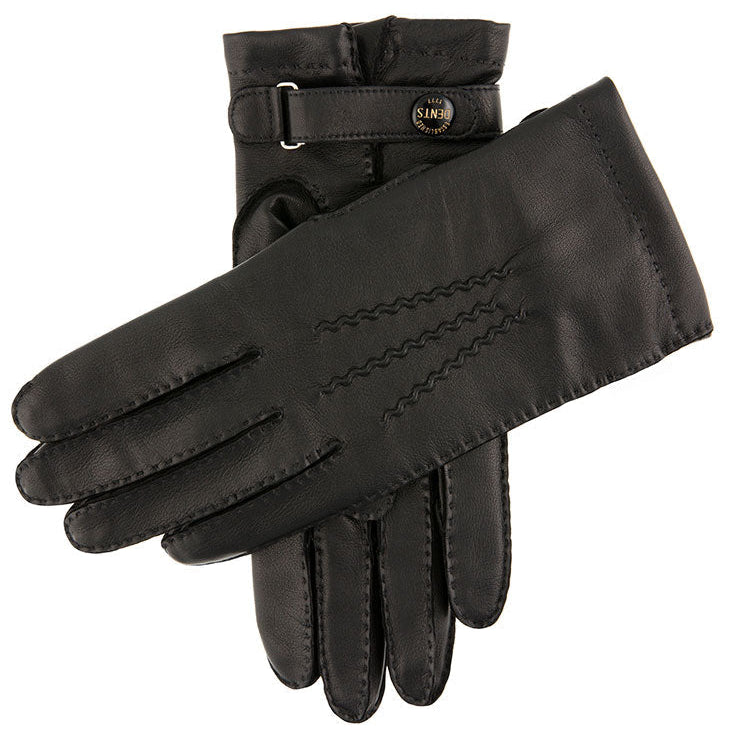
Heritage is the hand-cut, hand-sewn line and should not be confused with the imported gloves sold in most stores. Each Heritage pair is bench cut and finished by a Dents craftsman in England, with hand-sewn diamond-shaped quirks at the base of the fingers for a snug fit and a hand-felled cuff stitched to the lining for shape. The patterns used today date back to 1839.
What leather are Dents Heritage gloves made from?+
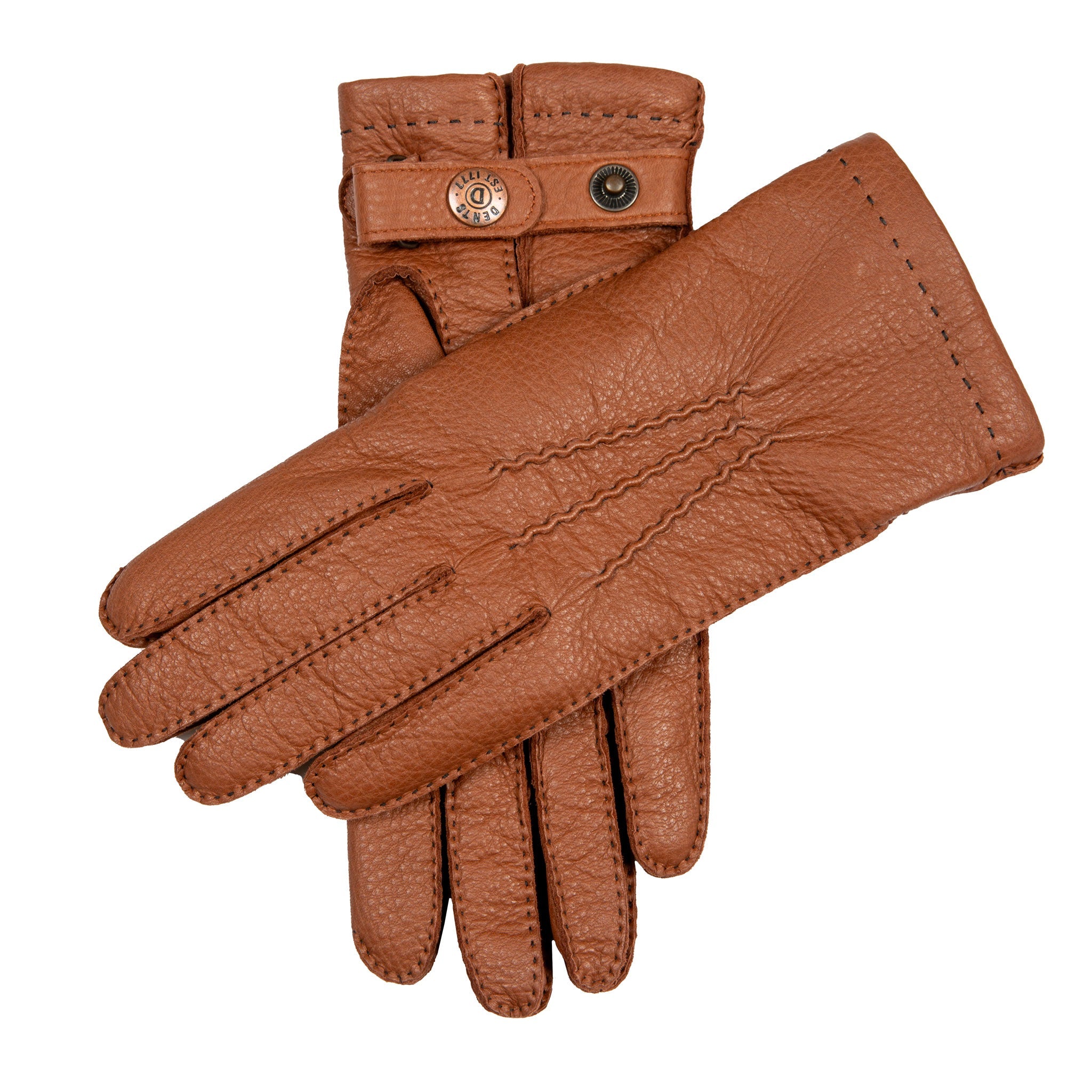
The Heritage line uses peccary skins, North American deerskin, and fine aniline Ethiopian hairsheep leathers. Each leather behaves differently: smoother skins read as smart and modern, while grainier deerskin suits a more casual look. Choosing the leather is as much about the style you want as it is about feel.
How old is Dents, and where did it start?+
Dents was established in Worcester in 1777 by John Dent, which makes it possibly Britain's oldest existing fashion manufacturer. His sons John and William grew the firm through the 18th and 19th centuries, and after John Derby Allcroft took the helm in 1847 the renamed Dent, Allcroft & Co. became the premier glove producer in the world, with annual output passing 12 million pairs by 1884.
Why are Dents gloves so highly regarded?+
It comes down to genuine craft and a long royal pedigree. Dents historically supplied gloves to the British royal family, including the coronation gloves of George VI and Elizabeth II, and its museum holds gloves once worn by Lord Nelson and Queen Victoria. That heritage, combined with the bench-cut handwork still practised on the top-end line, is what sets the name apart.
Where are Dents gloves made?+
The handmade Heritage gloves are made in England, and the company has run a factory in Warminster, Wiltshire, since 1937. The catch is that most everyday Dents merchandise is purchased from third-party factories, so if hand-finished, made-in-England construction is what you are after, look specifically for the Heritage line.
Which Dents gloves should I buy first?+
If you want the brand at its best, start with a Heritage pair in a classic unlined black, the same lineage as the on-screen Bond glove, in the leather that suits your style. It is the version that shows off the hand cutting and stitching Dents is known for. The wider, imported range is fine for a more casual everyday glove at a lower price.
Beyond gloves, what else does Dents make?+
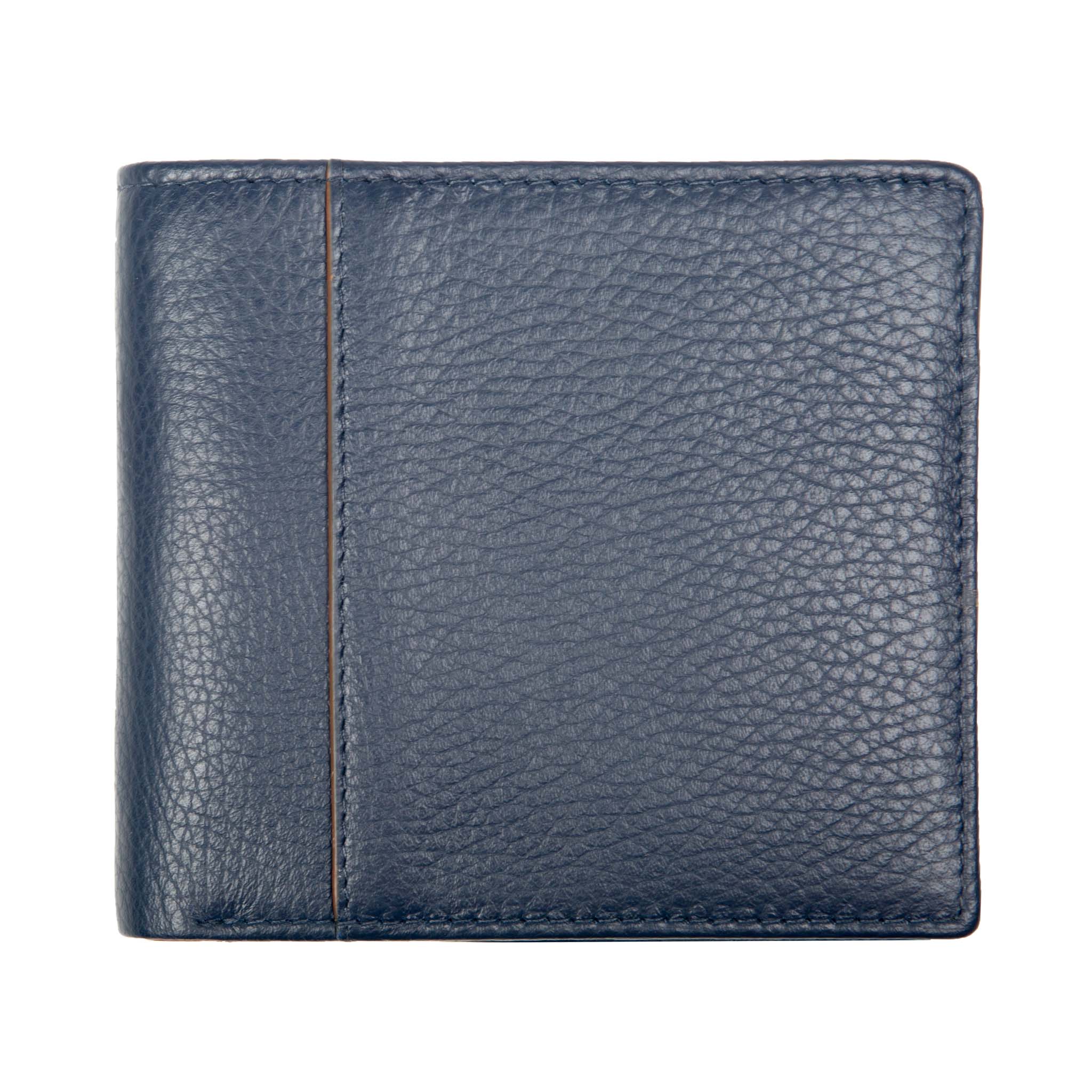
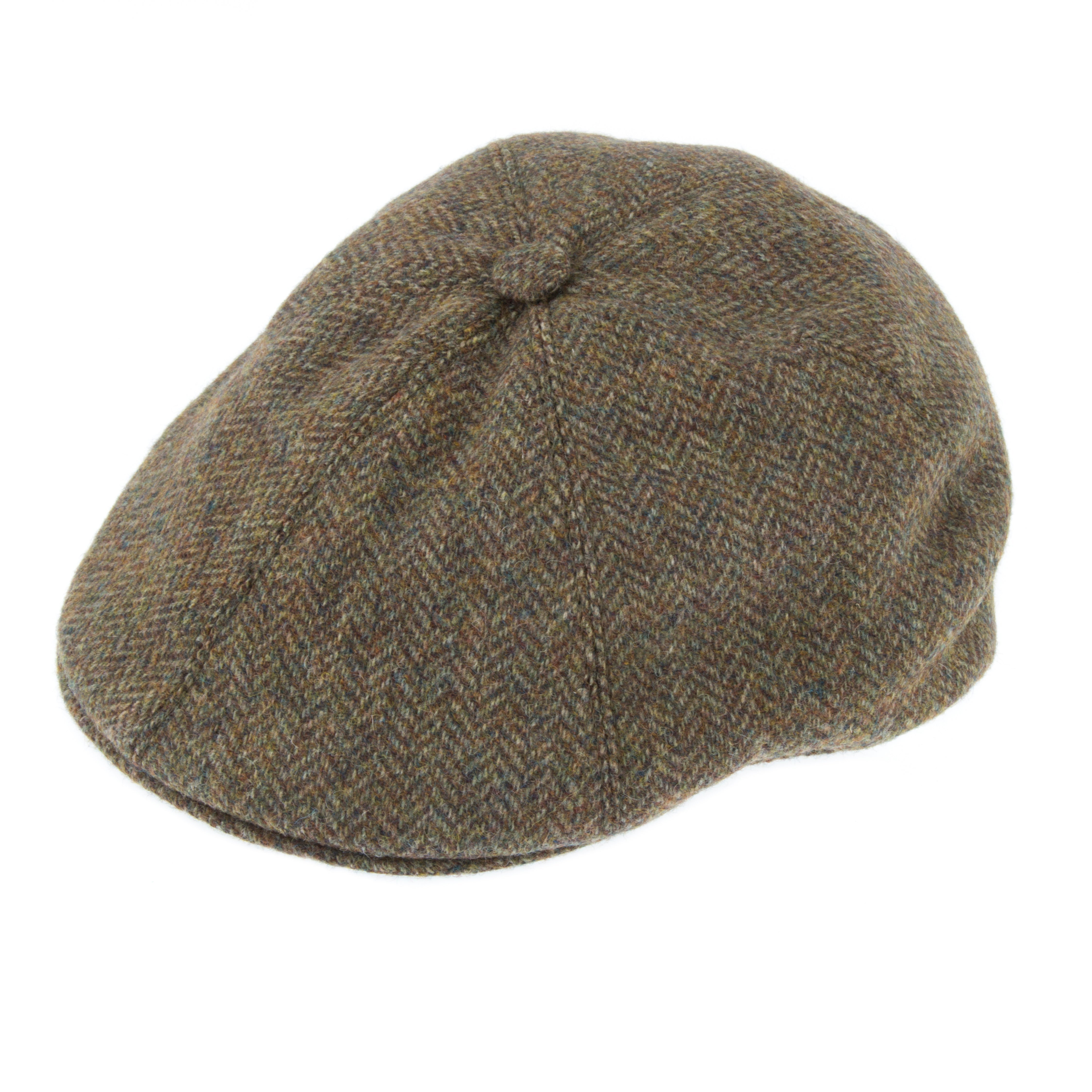
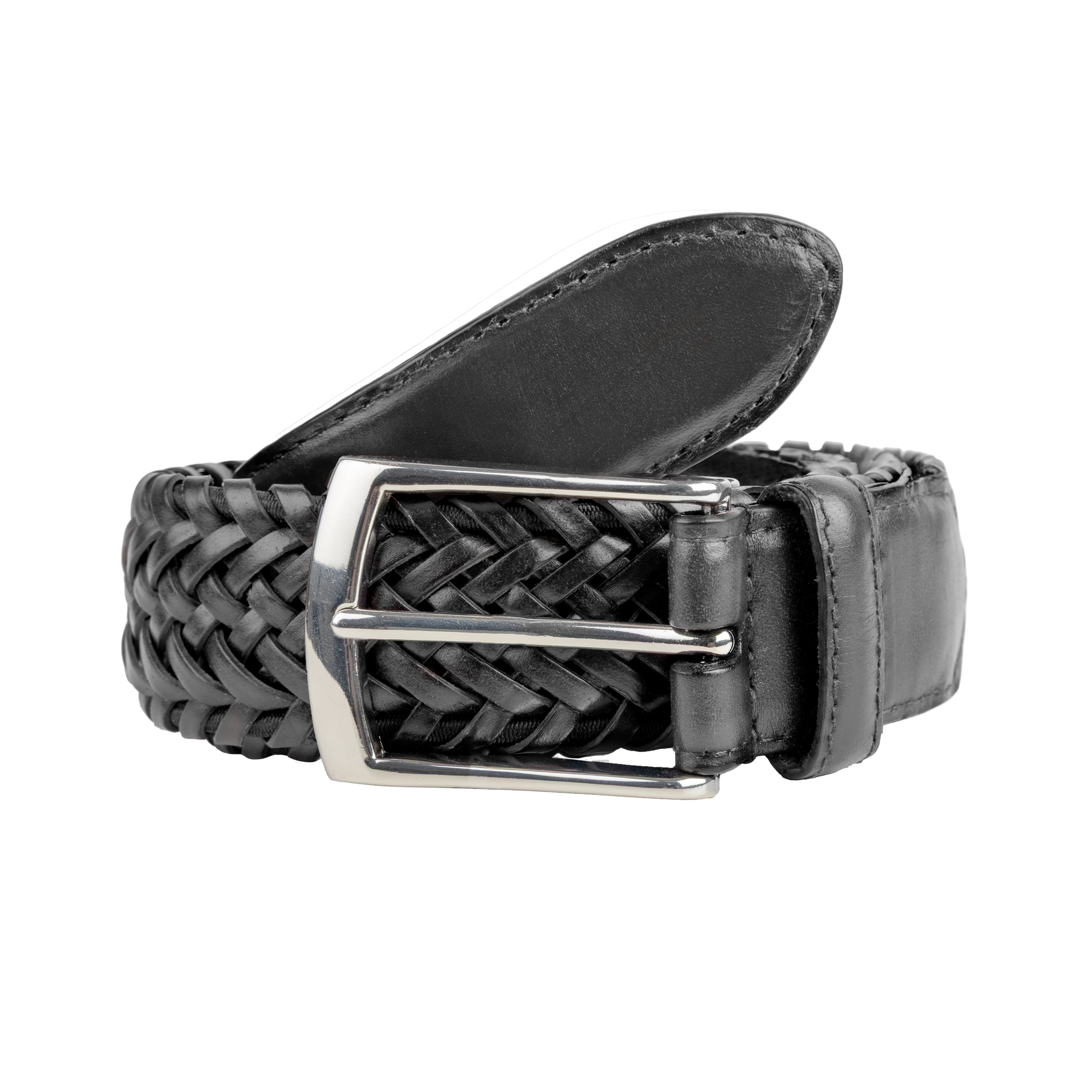
While gloves are its heart, Dents also crafts luxury handbags and small leather goods, and the Dents Collection has expanded to include belts, hats, serapes, and other accessories. The firm exports across Europe, North America, Asia, and Australia, so the name reaches well beyond its glove counter.
How do I care for leather gloves like these so they last?+
Treat fine leather kindly: ease them on by the fingers rather than yanking, let damp gloves air-dry away from direct heat so the leather does not crack, and store them flat. An occasional light leather conditioner keeps supple skins like hairsheep and deerskin from drying out. Looked after, a hand-finished pair is meant to bring enjoyment for many decades.