Brand · Swedish glovemaker est. 1936

Hestra

From lumberjack gloves to the ski slopes — family-made in Sweden since 1936.

Hestra
Re-checked daily
Founded in 1936 by Martin Magnusson in Hestra, Småland, Hestra is a family-owned Swedish company that designs and makes gloves — now run by the third and fourth generations of Magnussons.

The first gloves were work gloves for lumberjacks, made from strong leather and reinforced with rivets to survive hard work in the forest. When a slalom slope opened on the local mountain Isaberg in 1937, demand for ski gloves grew, steering the company toward the alpine skiing and freeskiing gloves it is known for today. The flagship store is in Stockholm.
The Hestra pieces worth knowing

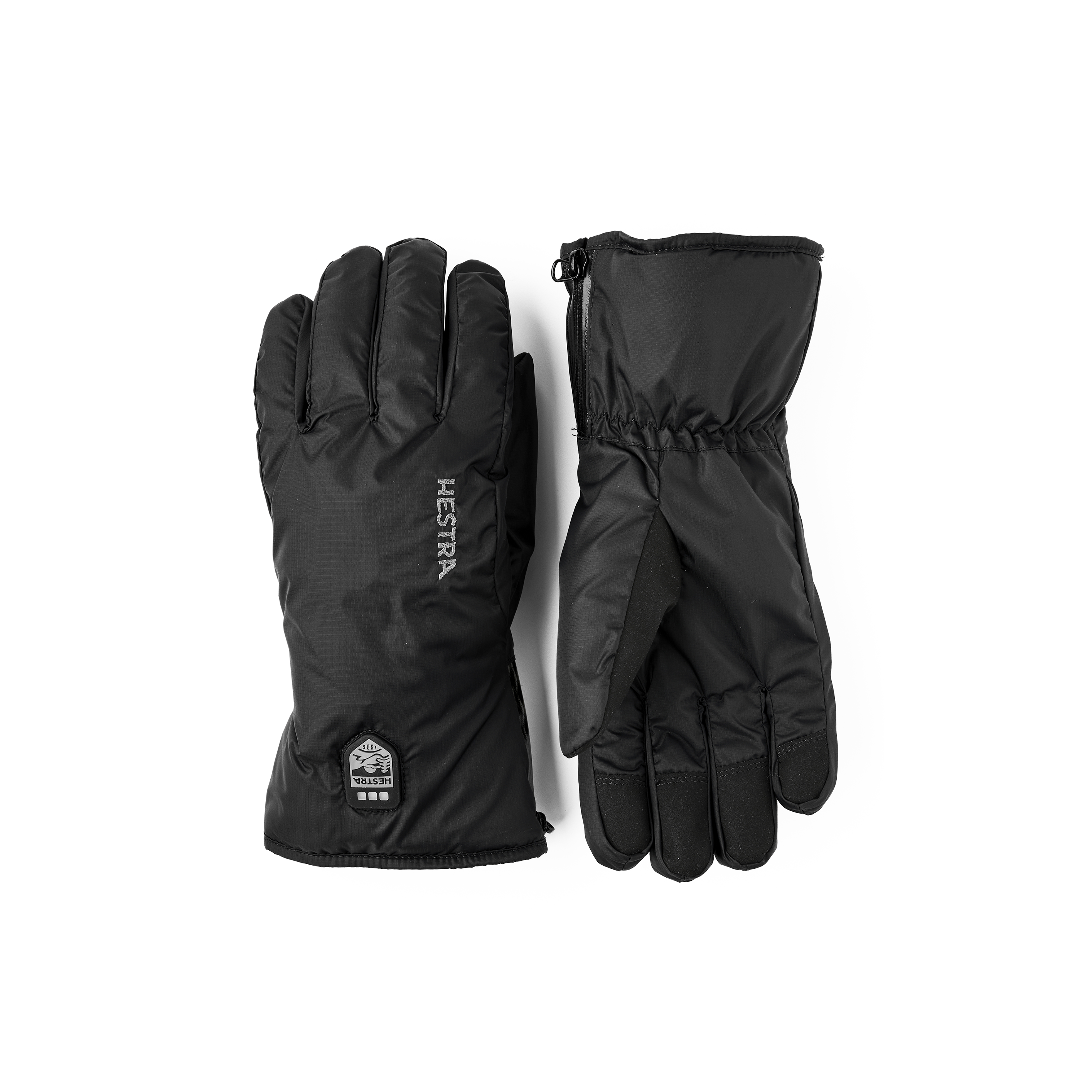
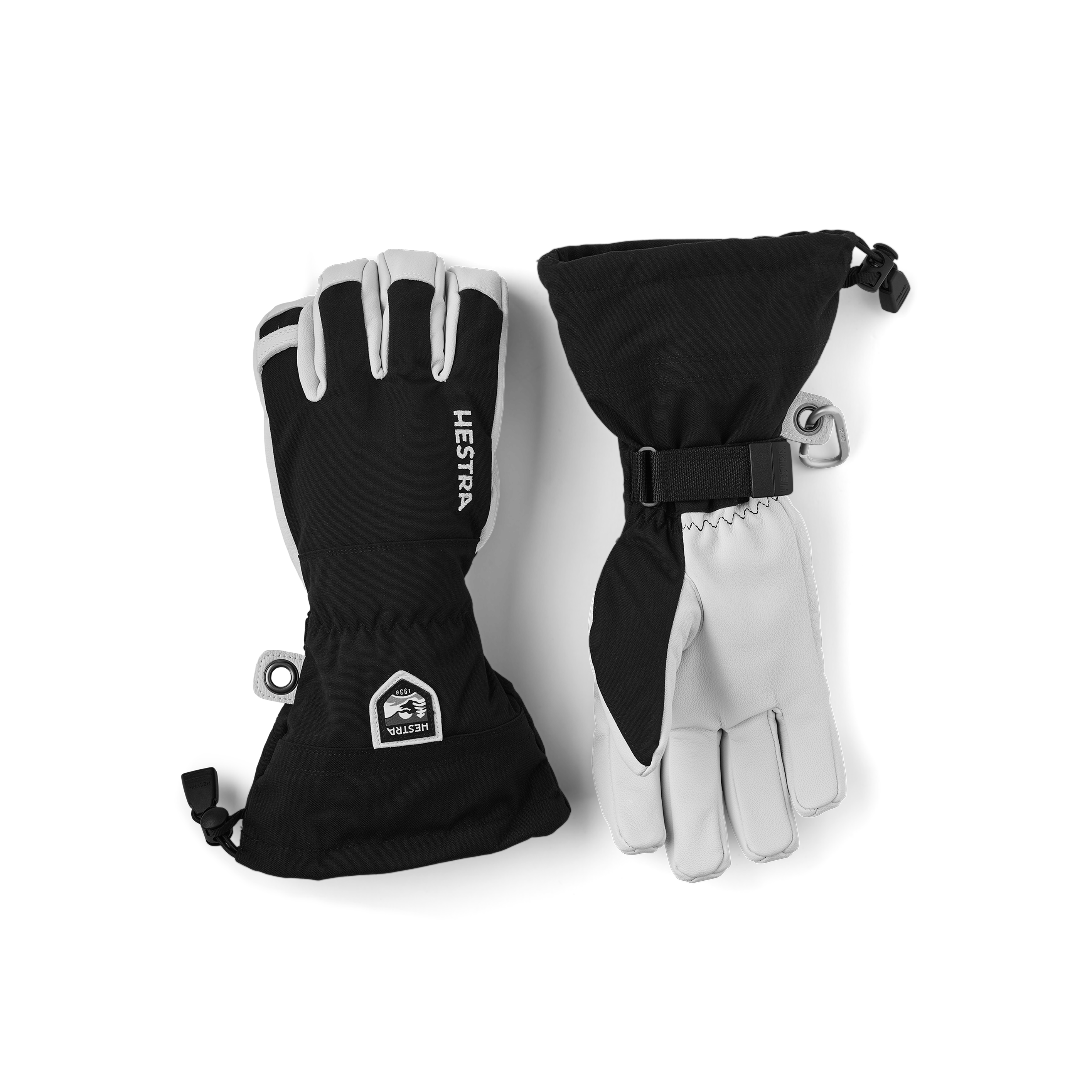
Army Leather Heli Ski Glove
Backcountry workhorse
Army Leather Heli Ski Glove
The long-gauntlet guide glove that defines Hestra for skiers.
$185 at HESTRA
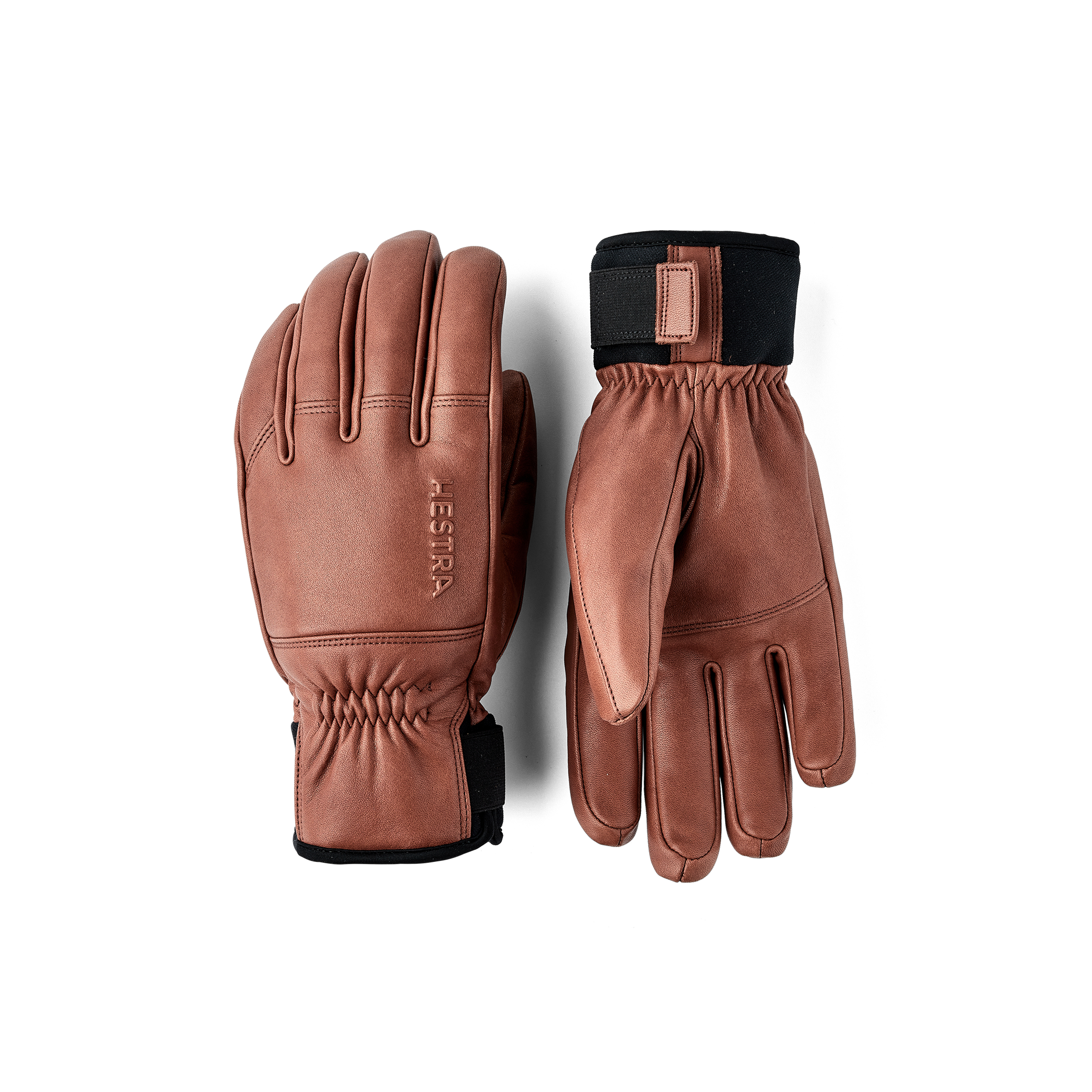
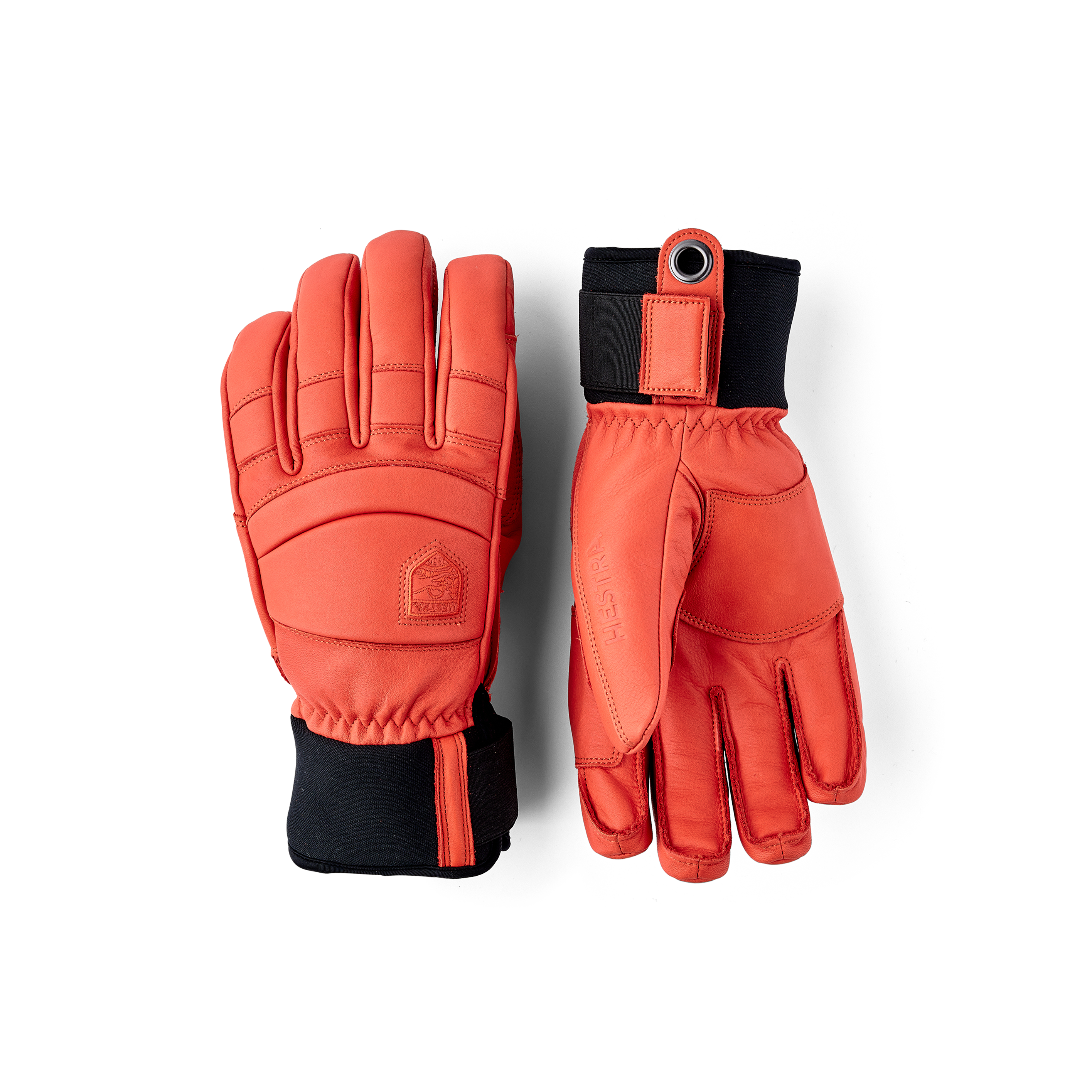
Fall Line Glove
Short-cuff freeride
Fall Line Glove
A leather under-cuff glove with enough attitude for piste, park and powder.
$190 at HESTRA
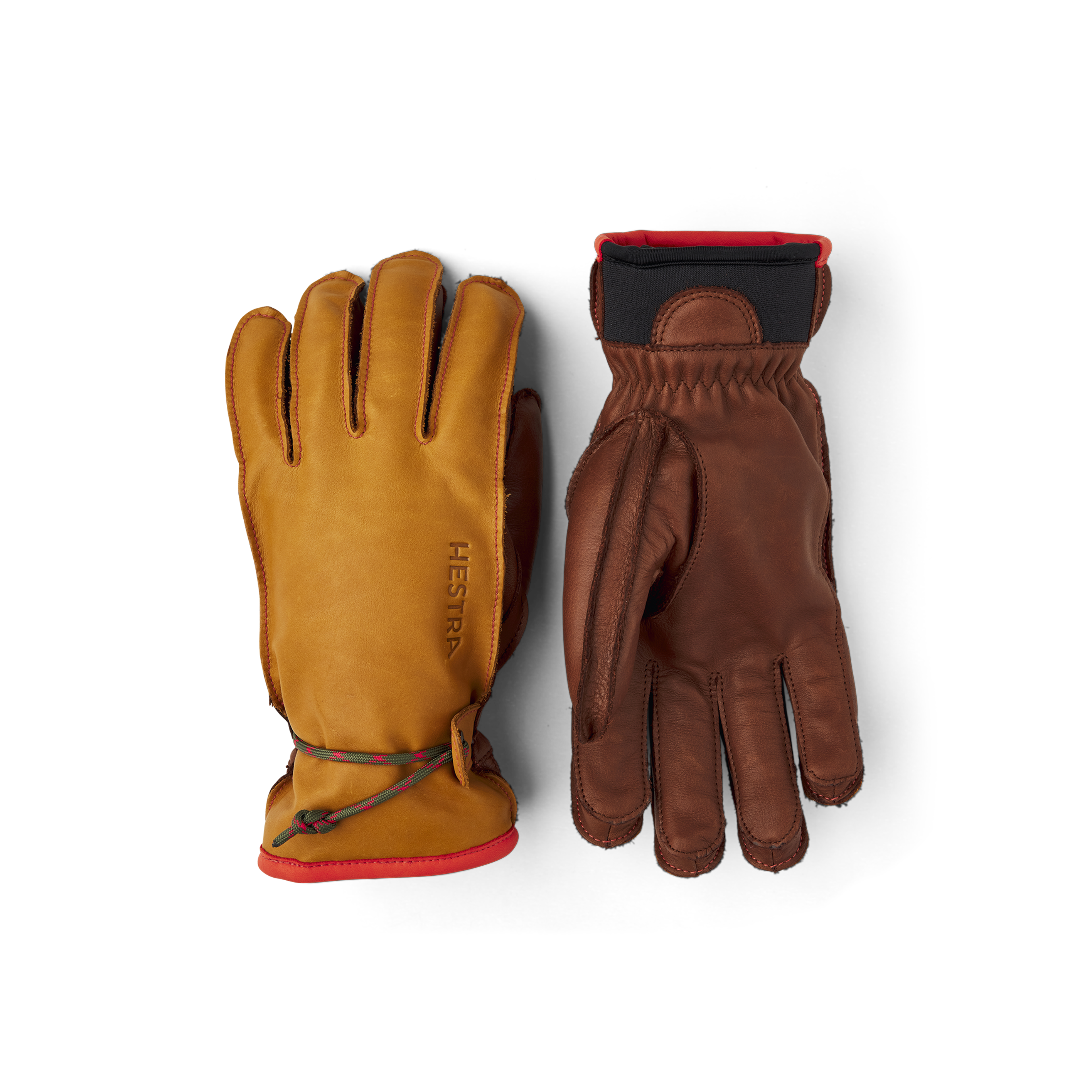
Wakayama Glove
Retro alpine
Wakayama Glove
The nostalgic leather glove that moves from chairlift to city coat.
$190 at HESTRA
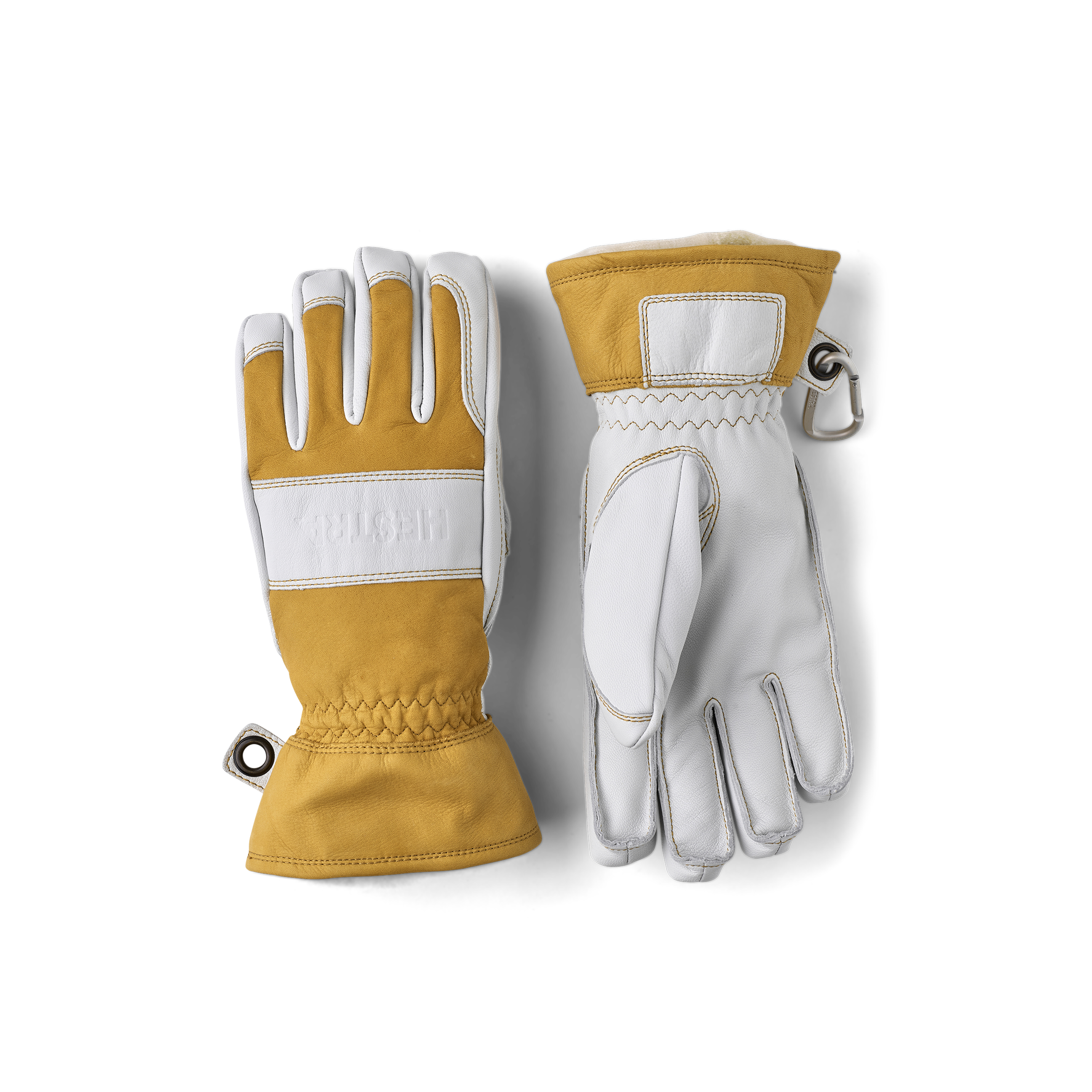
Fält Guide Glove
Survival-school brief
Fält Guide Glove
A spacious guide glove made for cold work, not just cold weather.
$210 at HESTRA
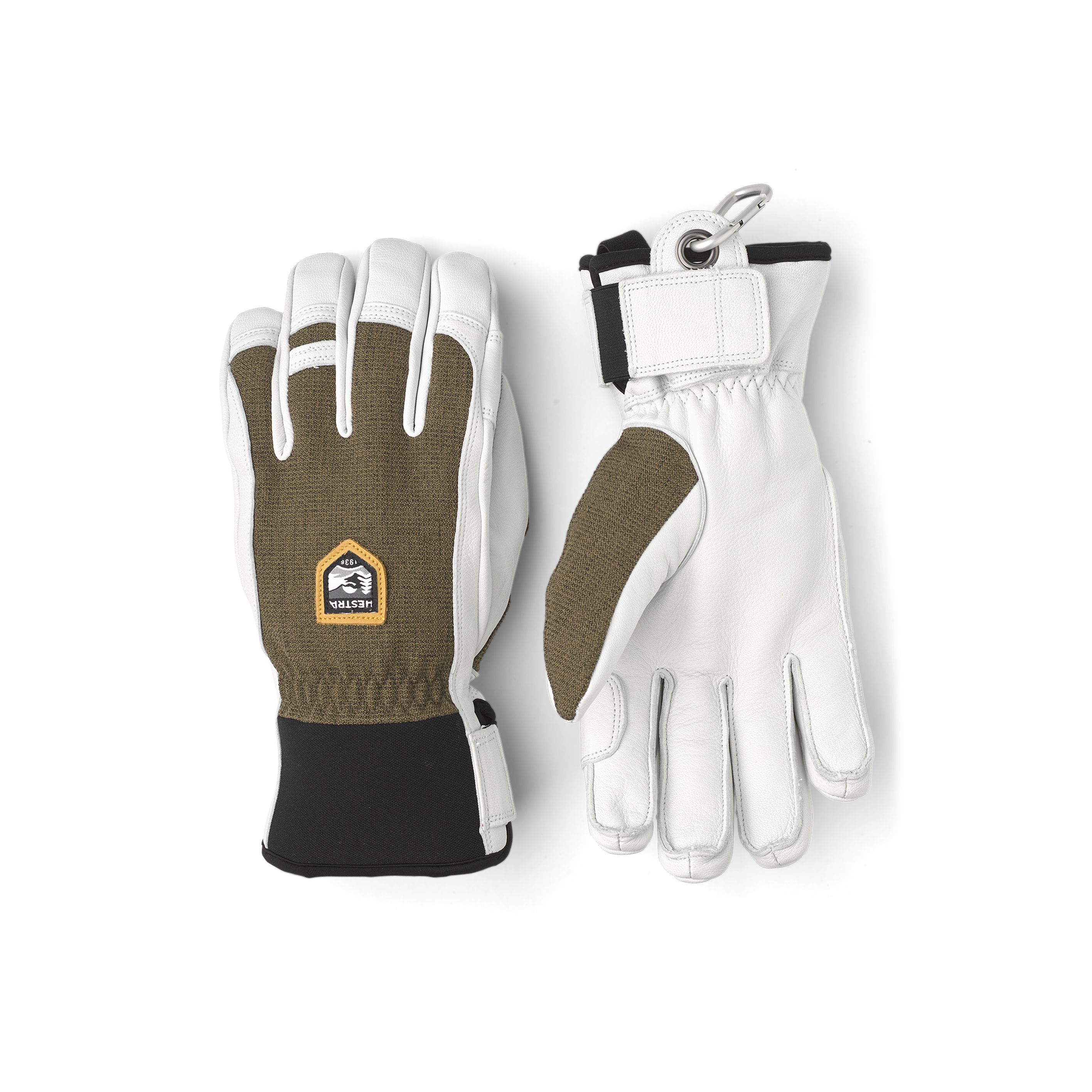
Army Leather Patrol Glove
Under-cuff patrol
Army Leather Patrol Glove
The Heli concept condensed into a shorter, cleaner patrol glove.
$175 at HESTRA
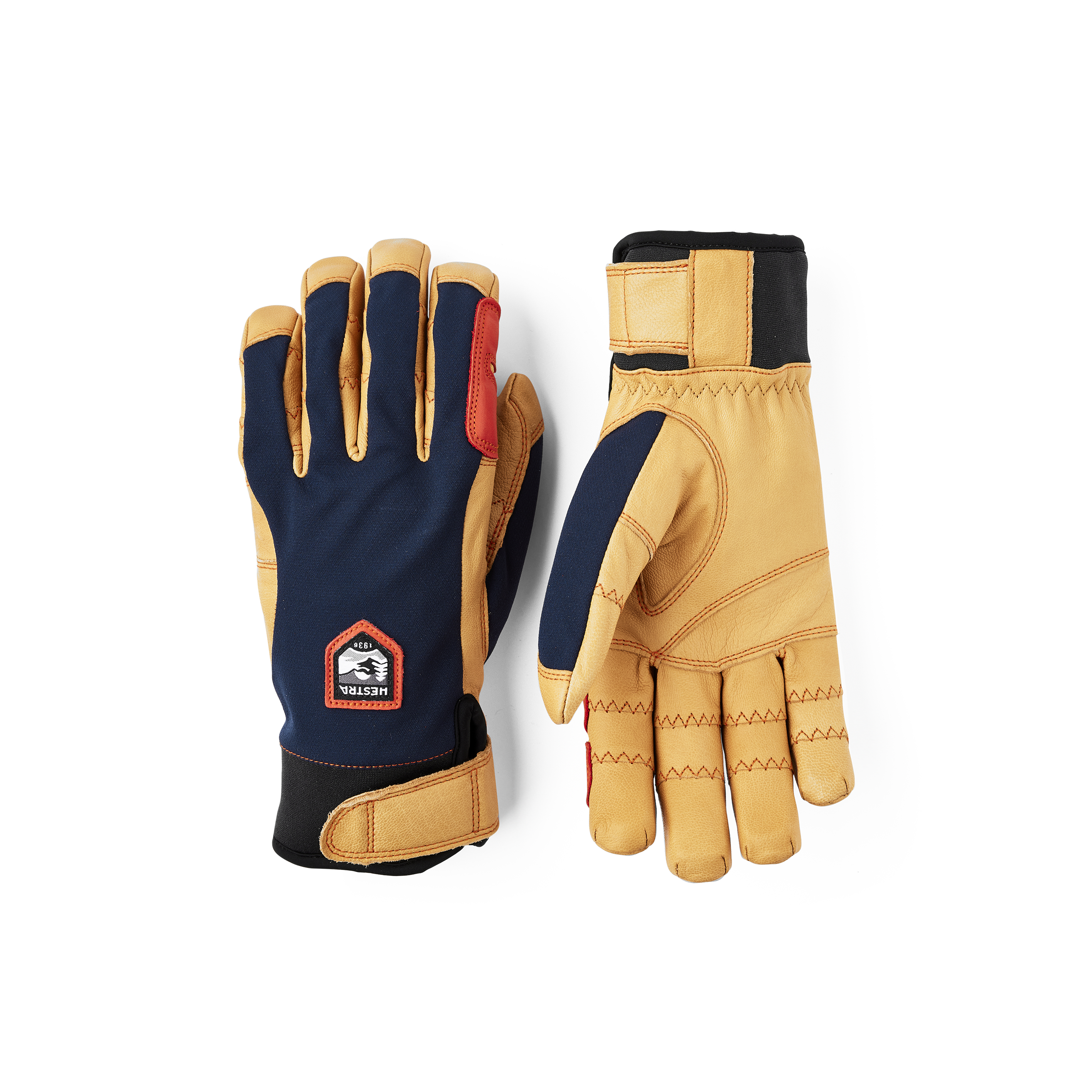
Ergo Grip Active Glove
Pre-curved precision
Ergo Grip Active Glove
The light outdoor glove built around Hestra’s movement-first Ergo Grip pattern.
$140 at HESTRA
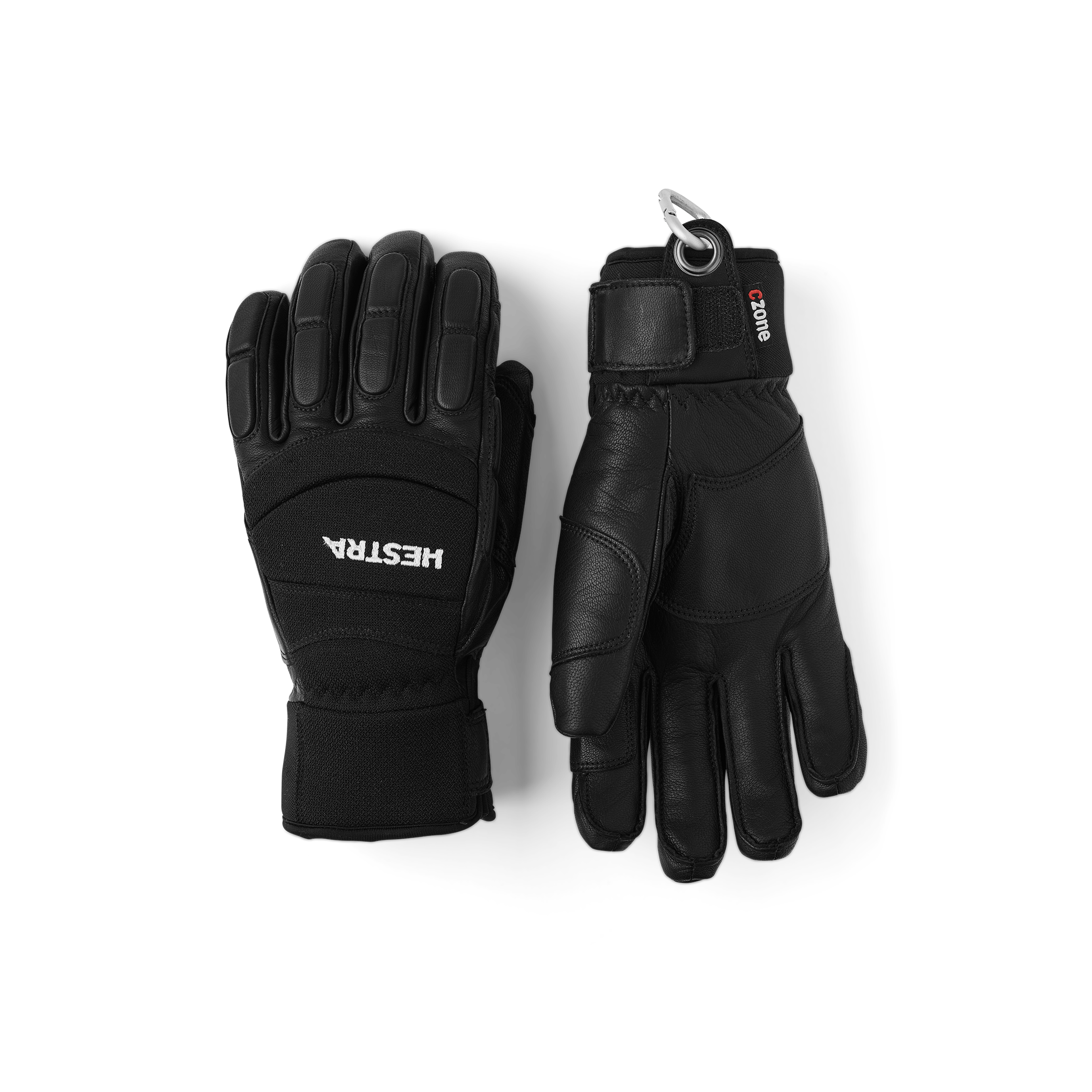
Vertical Cut CZone Glove
Waterproof freeride
Vertical Cut CZone Glove
A protected freeride glove with leather feel, CZone membrane and impact padding.
$220 at HESTRA
Omni Glove
Minimal freeride
Omni Glove
A short, clean freeride glove for riders who want leather without bulk.
$175 at HESTRA
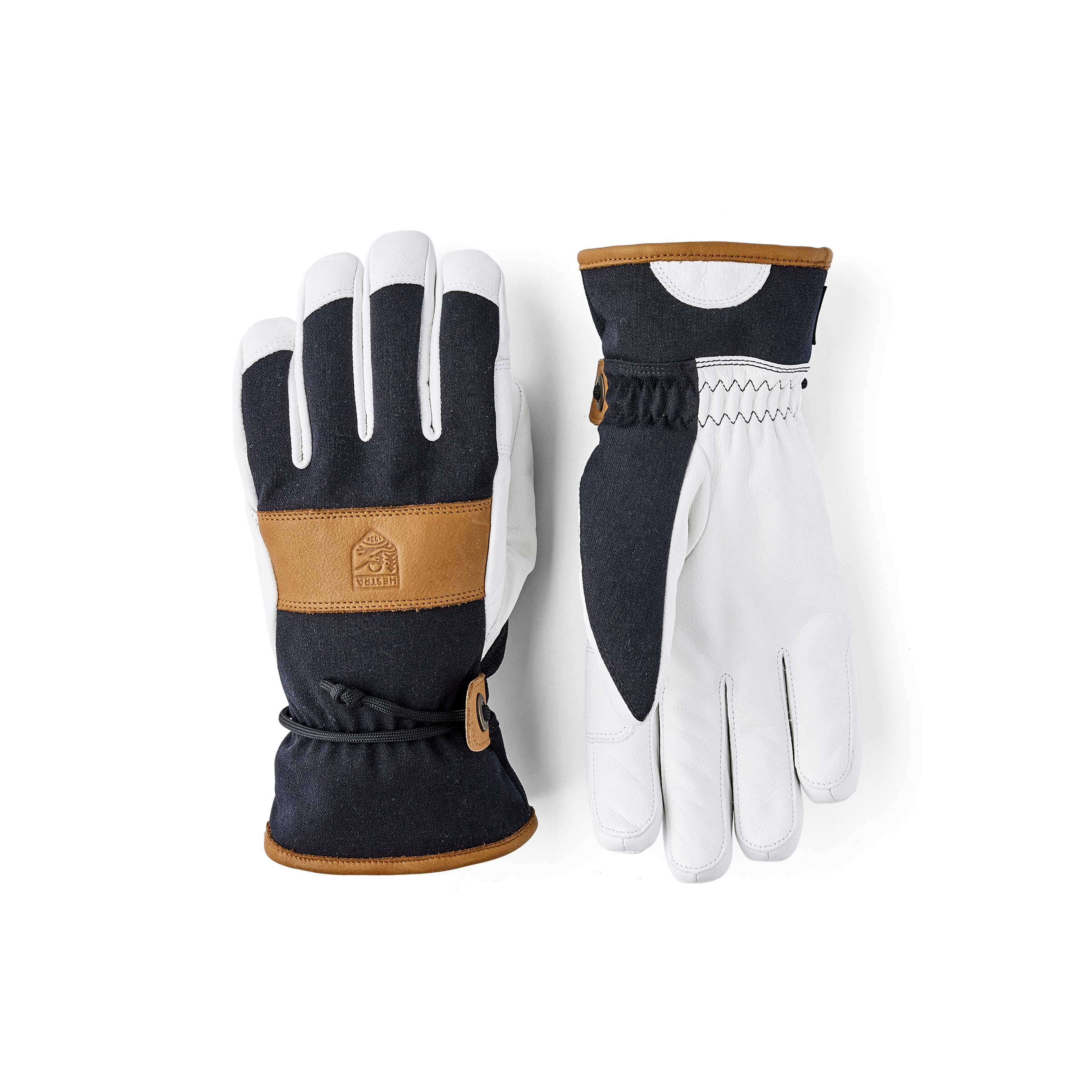
Voss CZone Glove
Clean all-mountain
Voss CZone Glove
A waterproof mountain glove stripped down to the useful details.
$150 at HESTRA
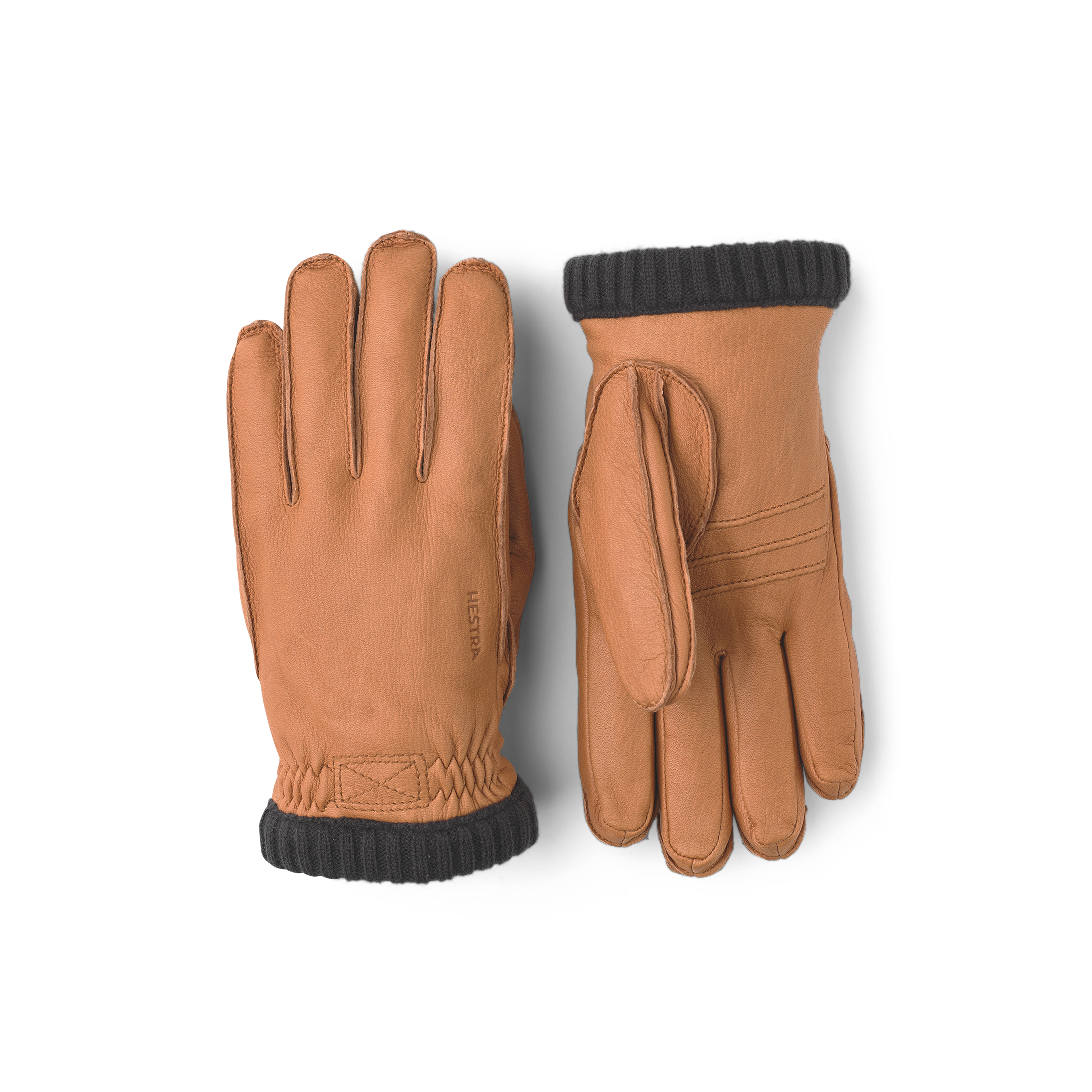
Deerskin Primaloft Rib Glove
City leather
Deerskin Primaloft Rib Glove
A warm deerskin glove that brings Hestra’s leather knowledge into town.
$175 at HESTRA
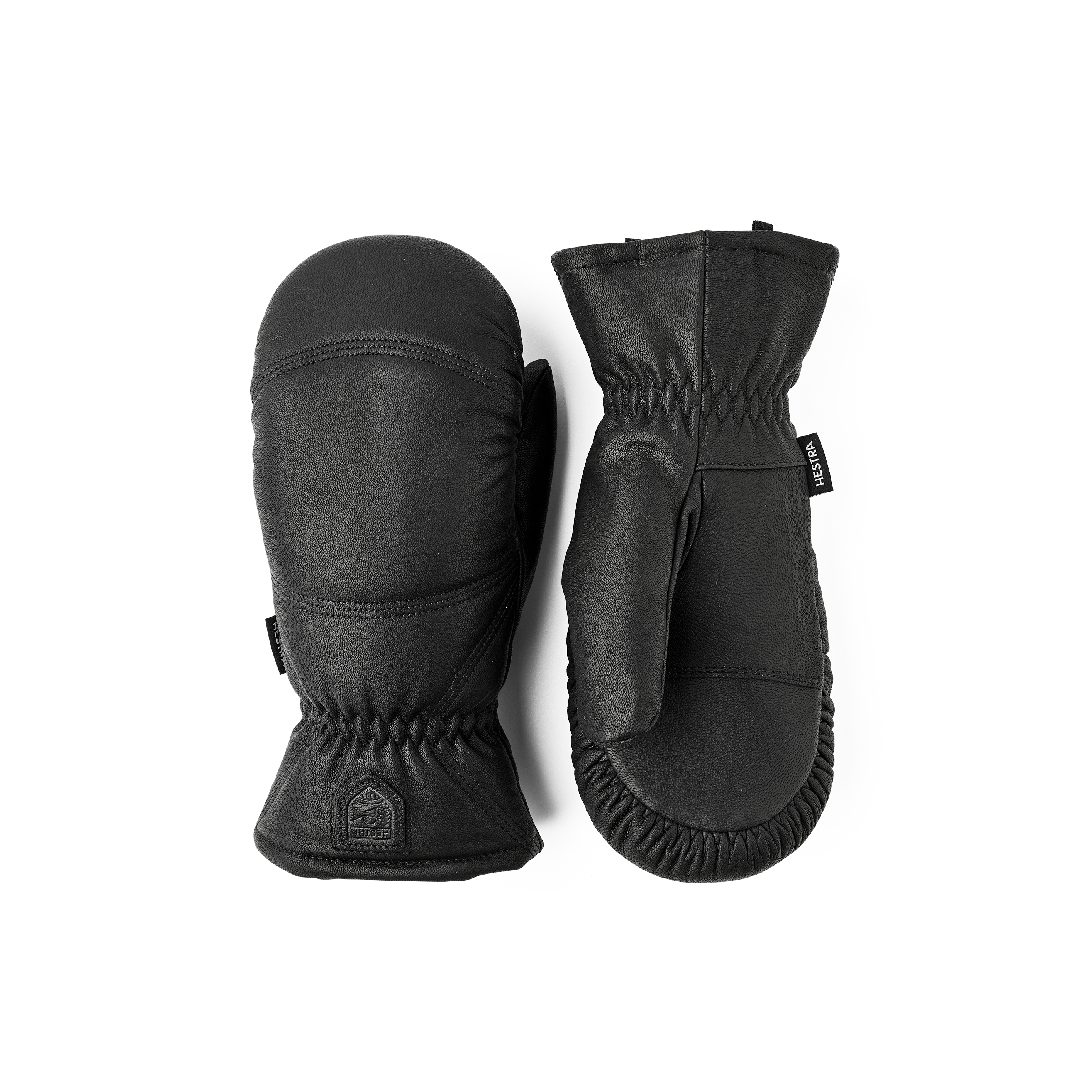
Leather Box Mitt
Everyday mitten
Leather Box Mitt
A simple goatskin winter mitt with the removable-liner logic of Hestra ski gloves.
$66 at HESTRA
Heated Liner
Modular warmth
Heated Liner
The battery-heated insert that turns Hestra’s removable-liner system into a cold-day upgrade.
$440 at HESTRA

Hestra shopping FAQ

Are Hestra ski gloves actually worth it?+

For serious cold-weather use, most skiers say yes. Hestra has been designing and making gloves since 1936 and the craft shows in the materials and construction, which is why a well-cared-for pair can last for many seasons. You are paying for durable leather, considered fit and a family company that has done one thing for generations — and that focus is exactly the point.

Heli, Fall Line or Pointer — which Hestra glove should you start with?+

It depends on how you ski. The Heli is the warm, roomy all-day favourite many reach for first; the Fall Line is loved as a comfortable, dexterous all-rounder; and the Pointer series is the friendliest way into Hestra quality. Try to match the warmth and fit to your conditions rather than simply buying the most expensive pair.

How does Hestra's number-based sizing work, and do the gloves run wide?+

Hestra sizes by hand circumference using a number system rather than S–M–L, so it pays to measure your hand before ordering. Reviewers often note the fit runs a touch wider than some rivals, which suits layering a liner underneath but can feel loose if you have slim hands. When in doubt, check Hestra's own size chart against your measurement.

How does Hestra compare to brands like Black Diamond?+

Hestra leans on heritage leatherwork and refined fit, with handmade construction on many models, while rivals such as Black Diamond often emphasise built-in waterproof membranes and maximum insulation. Neither is simply better — Hestra tends to win on dexterity and feel, others on outright warmth or weatherproofing. Choose for your terrain and how much finger sensitivity you want.

Why is Hestra a Swedish heritage name rather than just another glove label?+

Hestra was founded in 1936 by Martin Magnusson, who began manufacturing gloves in the village of Hestra in Småland, Sweden — the place that gave the company its name. It is still family-owned, now run by the third and fourth generations of Magnussons, with its flagship store in Stockholm. That continuity is rare in the glove world.

What were the very first Hestra gloves made for?+

Not skiing, but forestry. The first Hestra gloves were work gloves for lumberjacks, cut from strong leather and reinforced with rivets to survive hard labour in the forest. That rugged, leather-first heritage still underpins the brand's reputation for toughness today.

How did Hestra move from work gloves to ski gloves?+

A local slope made the difference. In 1937 a slalom run was established at the nearby mountain Isaberg in Hestra, and skiers arrived by train to try the new sport, which increased demand for ski gloves. From those forestry roots the company grew into the alpine and freeski specialist it is known as now.

How do I look after my Hestra leather gloves so they last?+

Treat the leather like good boots. Let damp gloves dry slowly and naturally, away from direct heat that can crack the hide, and condition the leather periodically to keep it supple. With this kind of care, Hestra's durable construction is built to give you many winters out of a single pair.