Brand · British menswear est. 1989

Duchamp

Cufflinks and bold ties as wearable art — everyday menswear icons, reimagined.

Duchamp
Re-checked daily
Duchamp is a British men's luxury clothing and accessories company, founded in 1989 by Mitchell Jacobs, a former buyer at Browns.

Jacobs named the house after the French artist Marcel Duchamp, with a clear thesis: "Duchamp turned everyday objects into art and I turned everyday icons of men's fashion into wearable art." The label started in cufflinks, branched into ties in 1992 with its characteristic bold colours and "futuristic" designs, and opened a small Notting Hill boutique in 1998.

In 2006 the founder sold to its management and the private-equity fund Kcaj LLP; Marc Psarolis became part-owner and chief executive, a Regent Street store opened and a line of shirts followed. By 2011 the company claimed to sell more than 60,000 ties a year alongside cufflinks, suits, jackets, socks and shirts.
The Duchamp pieces worth knowing

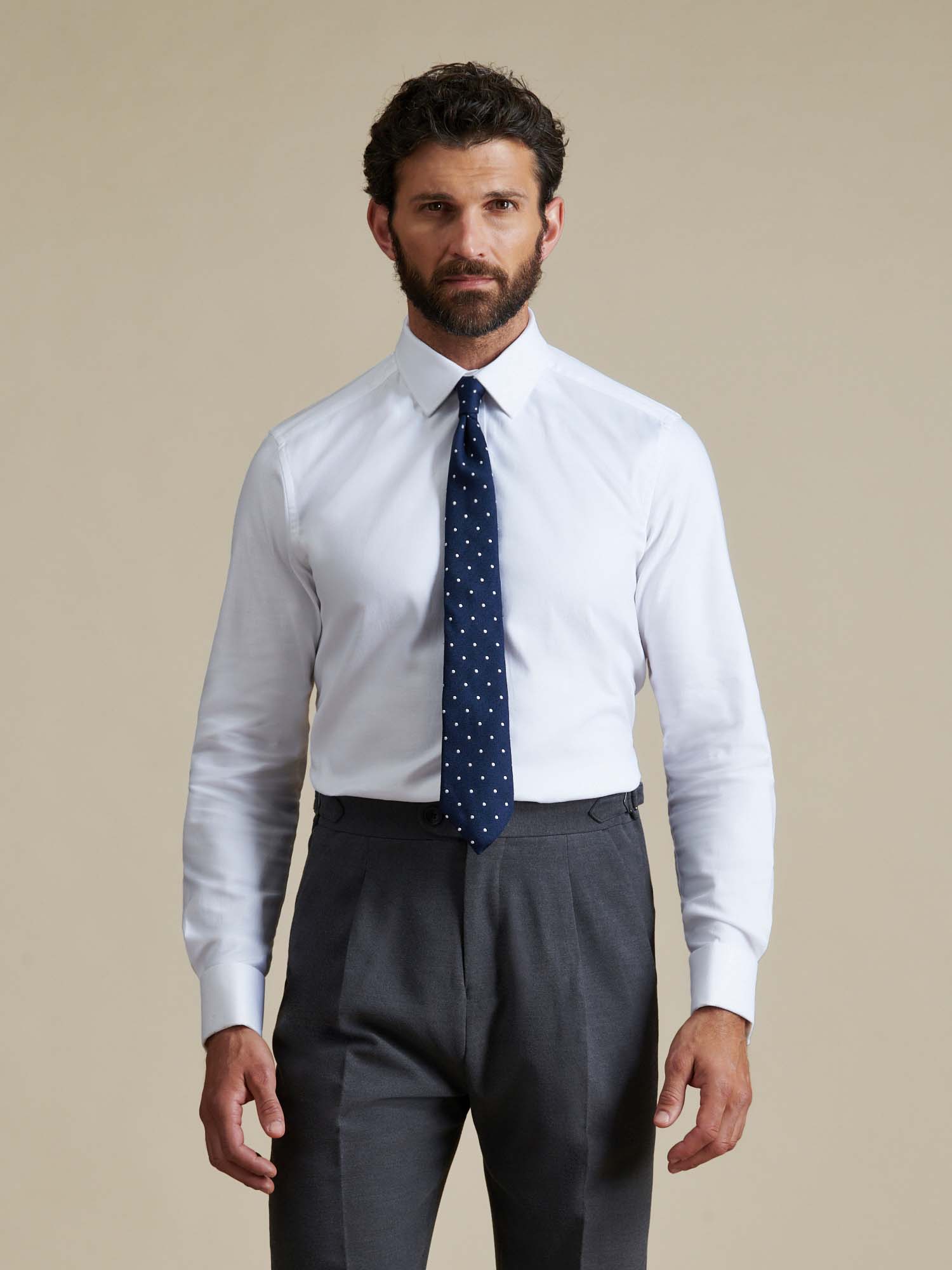
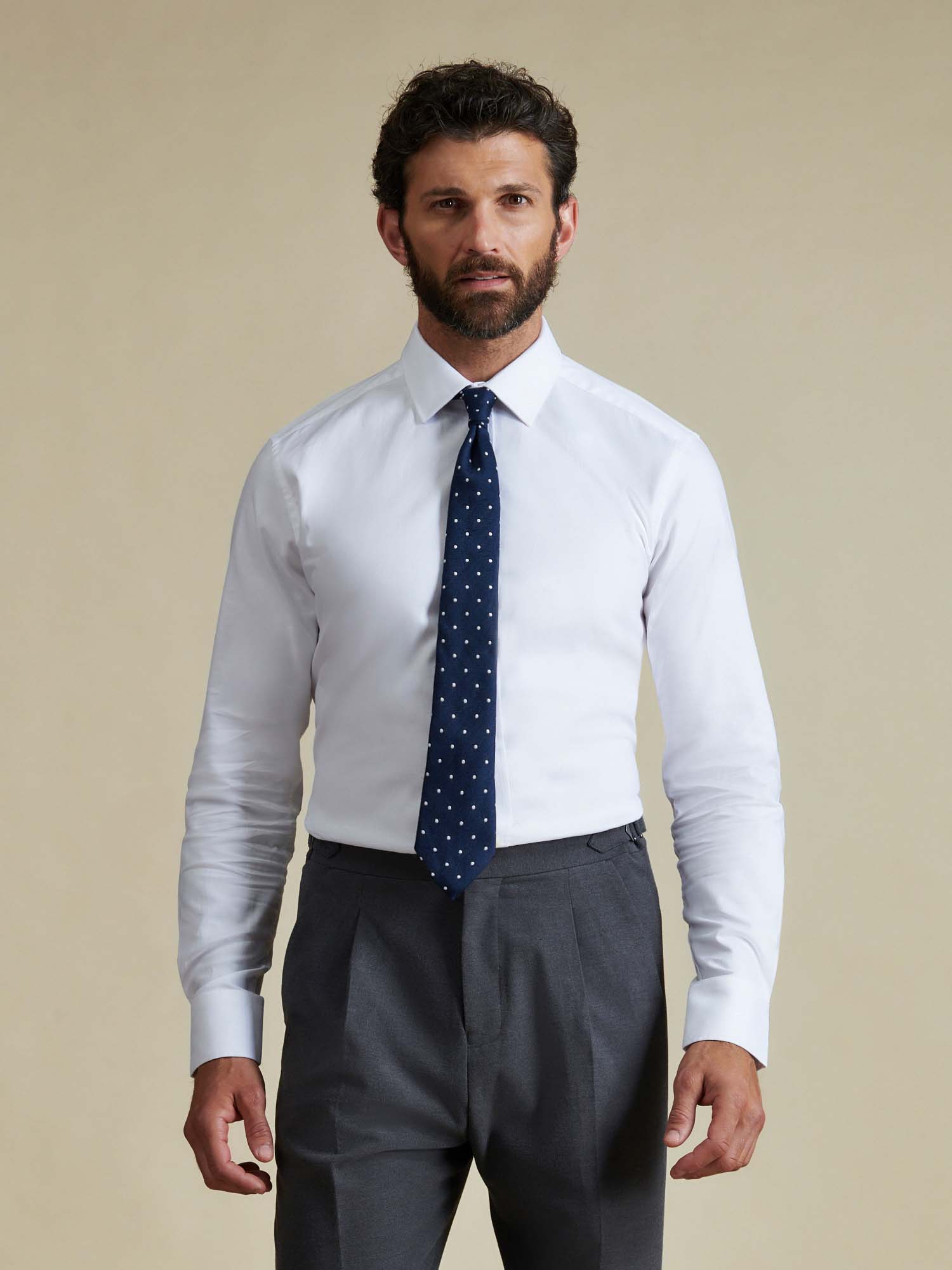
Royal Twill Double Cuff Shirt
2006 · Formal Shirt
Royal Twill Double Cuff Shirt
The Royal Twill Double Cuff Shirt anchors Duchamp’s formal offer with cotton twill and cufflink-ready cuffs.
$190 at Next US
Royal Oxford Shirt
Cotton Oxford
Royal Oxford Shirt
The Royal Oxford Shirt softens Duchamp formality into an everyday cotton staple.
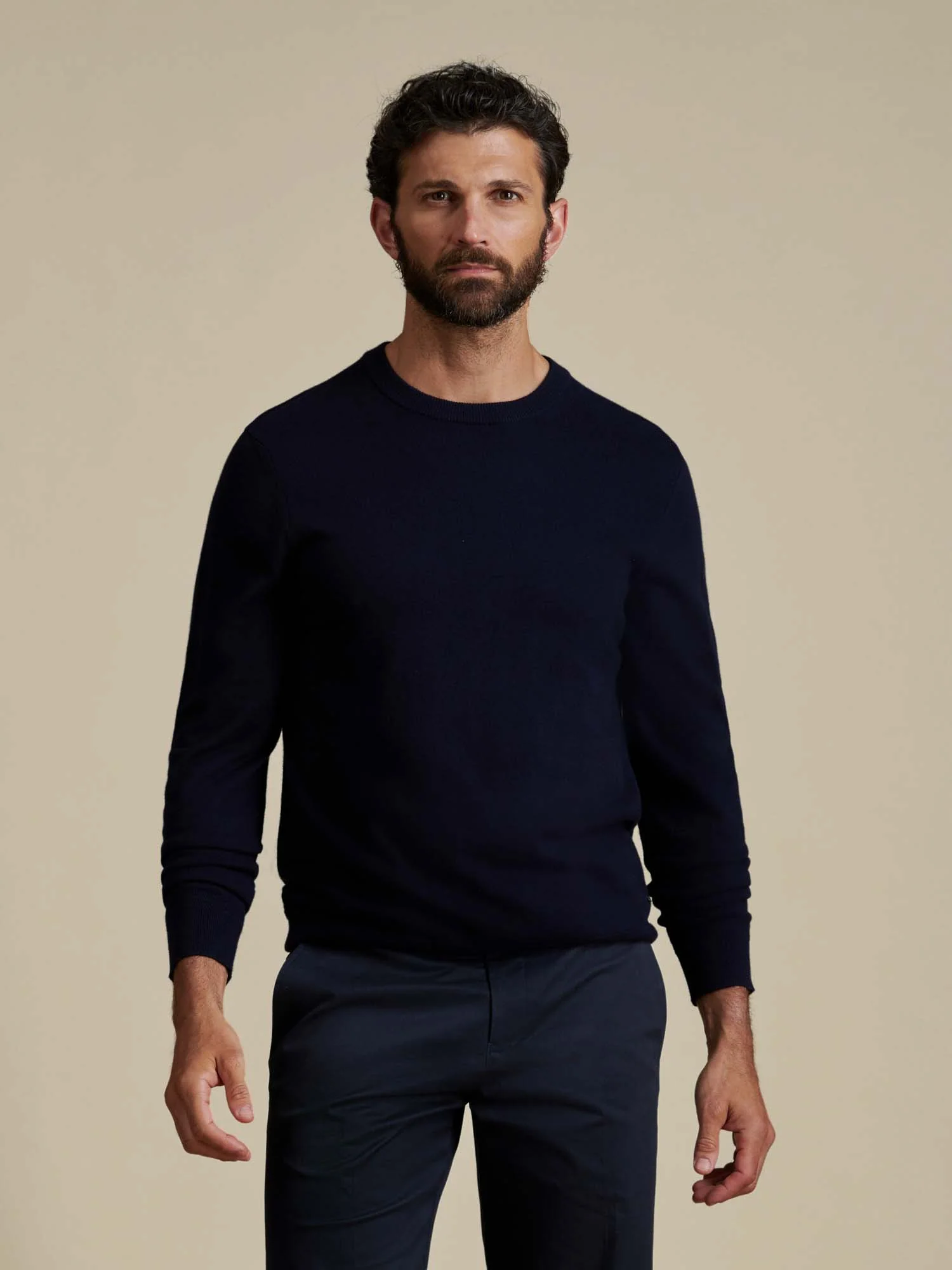
Crew Neck Knit
Understated Layer
Crew Neck Knit
The crew neck knit is Duchamp’s low-key bridge between tailoring, shirts and weekend dressing.
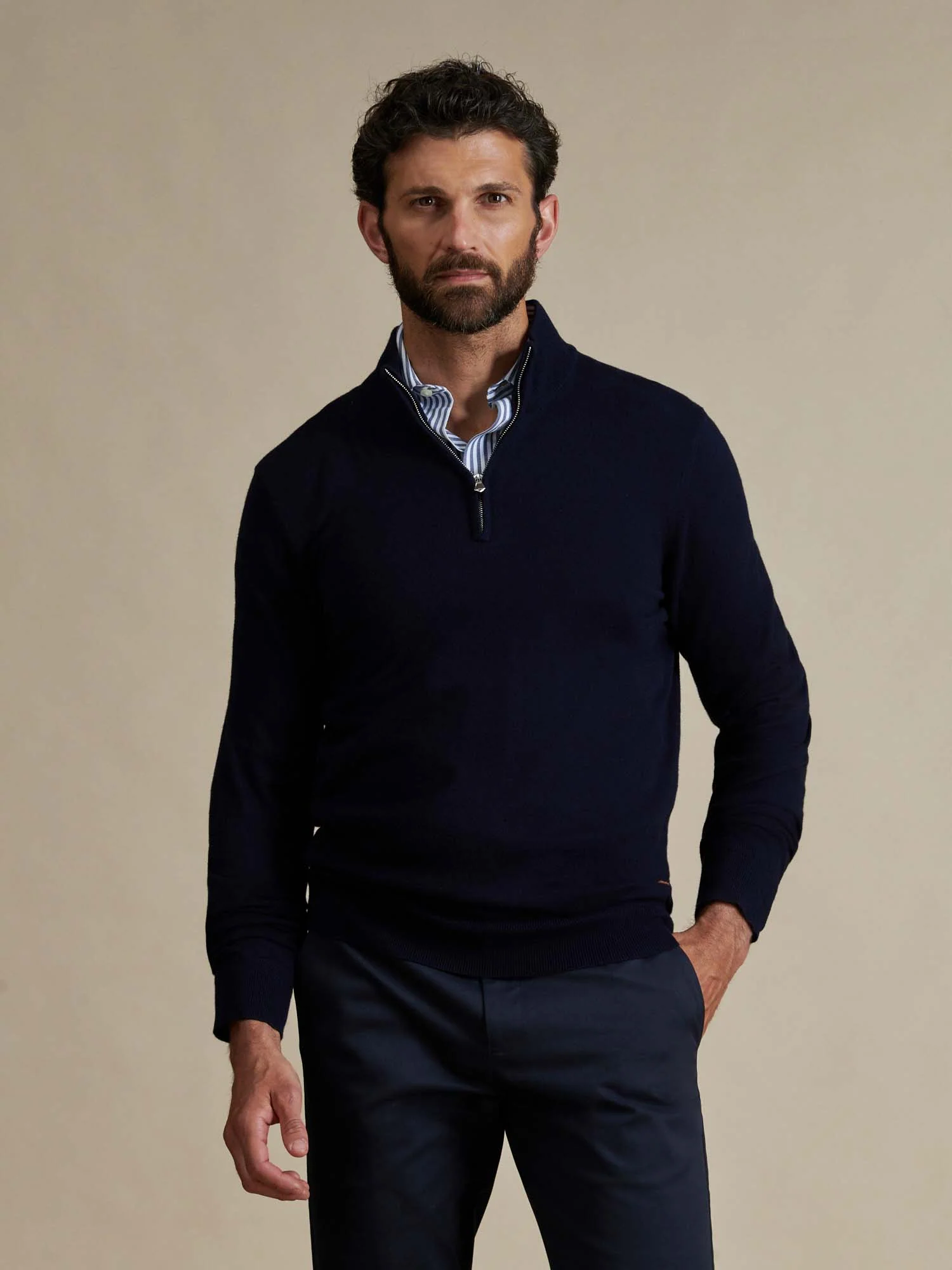
Quarter Zip Funnel Neck
Modern Knit Layer
Quarter Zip Funnel Neck
The quarter zip gives Duchamp knitwear a cleaner travel-and-office silhouette.
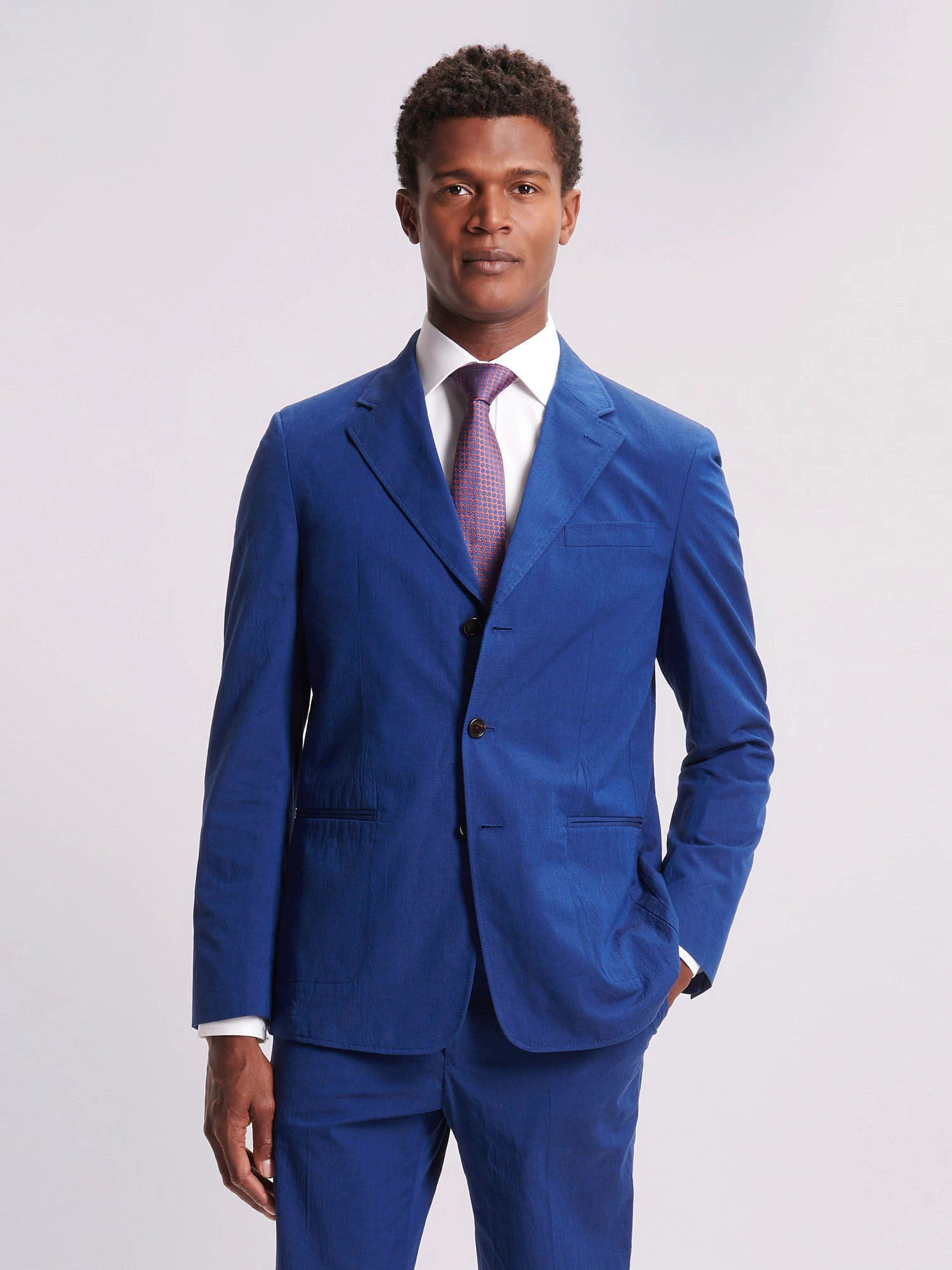
Single Breasted 3 Button Suit
Italian Cloth Tailoring
Single Breasted 3 Button Suit
The three-button suit brings Duchamp’s accessory colour into a tailored frame.
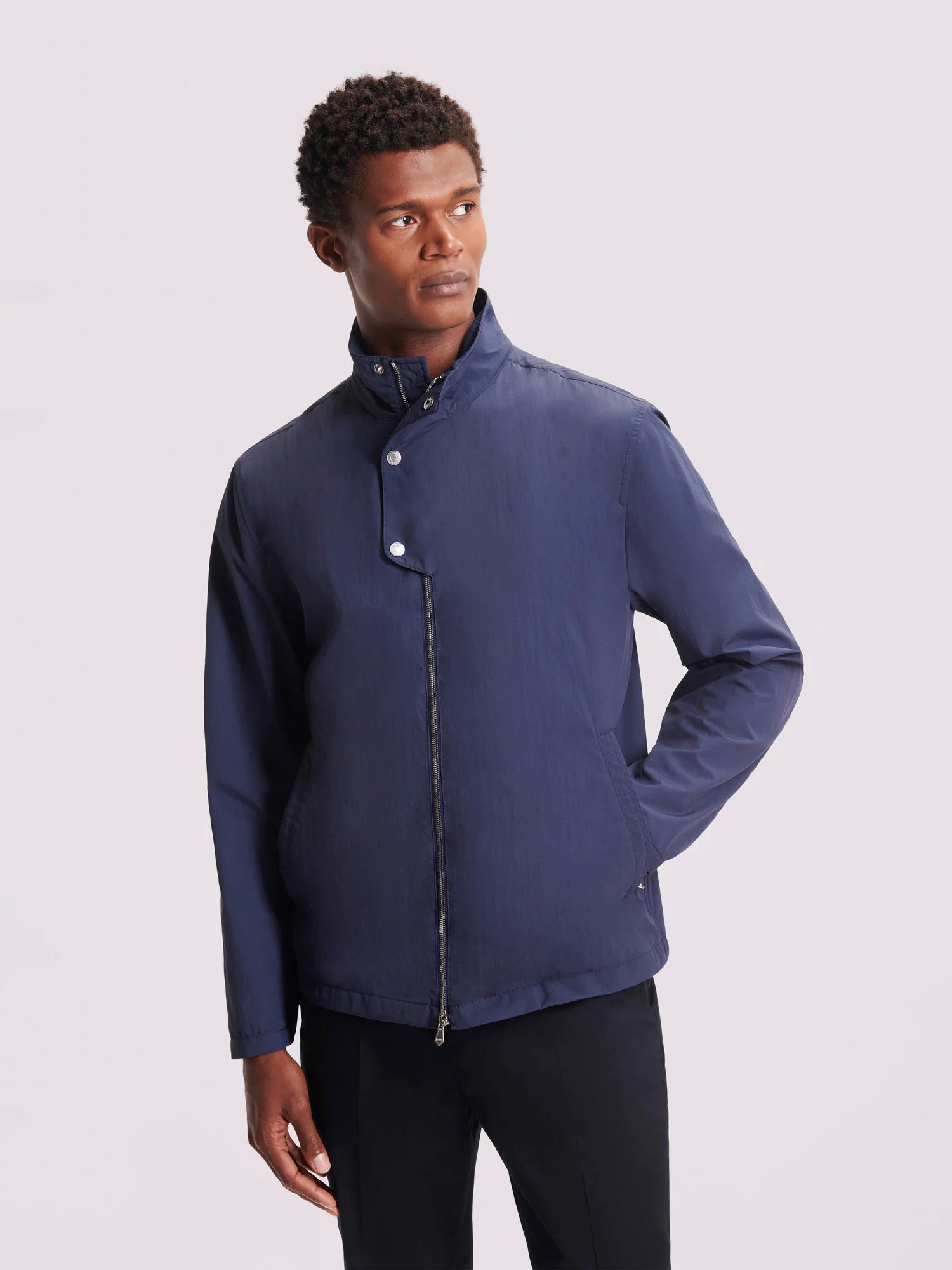
Windbreaker Jacket
Technical Outer Layer
Windbreaker Jacket
The windbreaker shows Duchamp translating polish into lightweight outerwear.
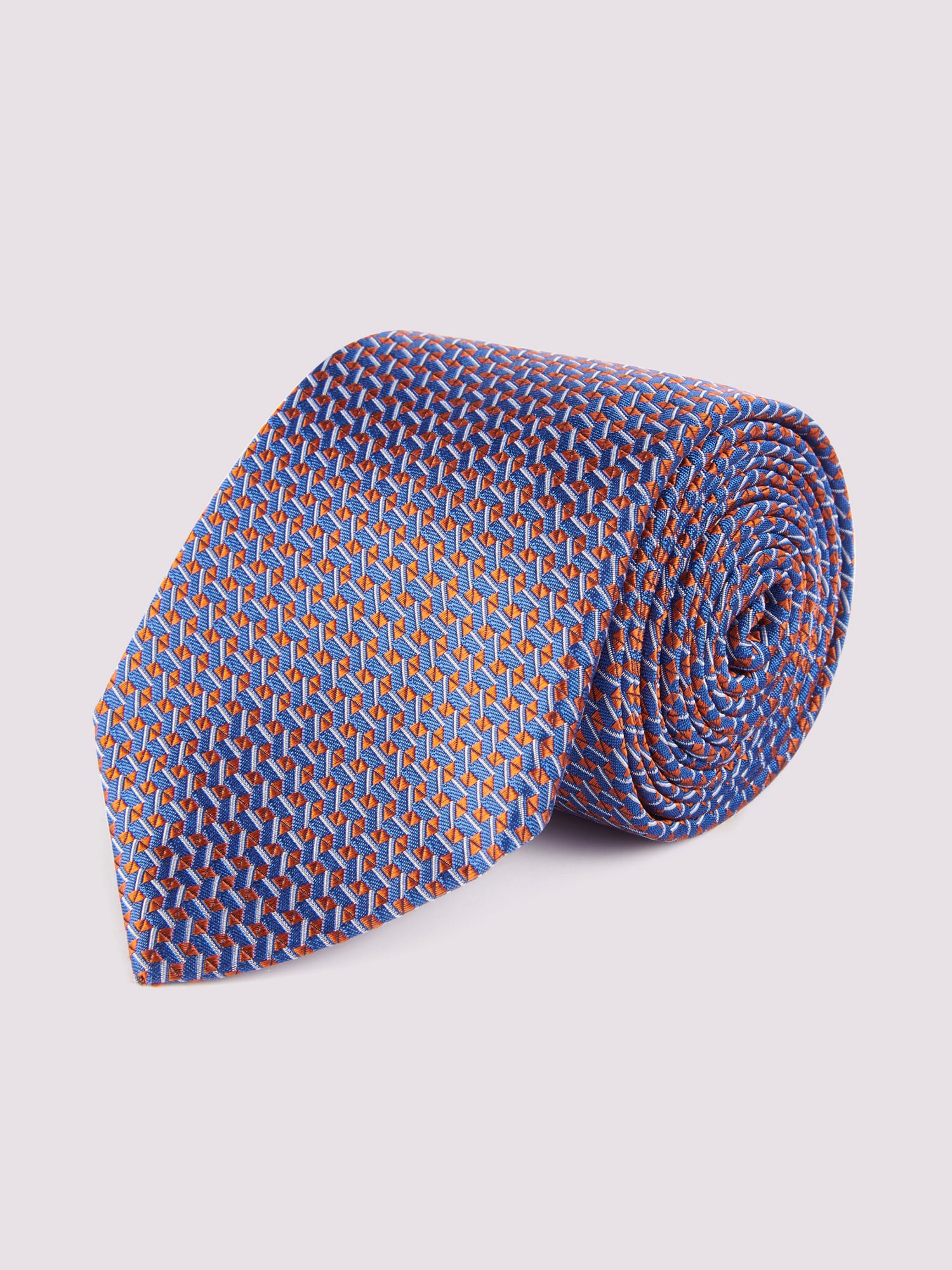
Silk Jacquard Tie
1992 · Bold Silk
Silk Jacquard Tie
The patterned silk tie is the most direct expression of Duchamp’s colour-forward menswear identity.
$26.97 at Nordstrom Rack
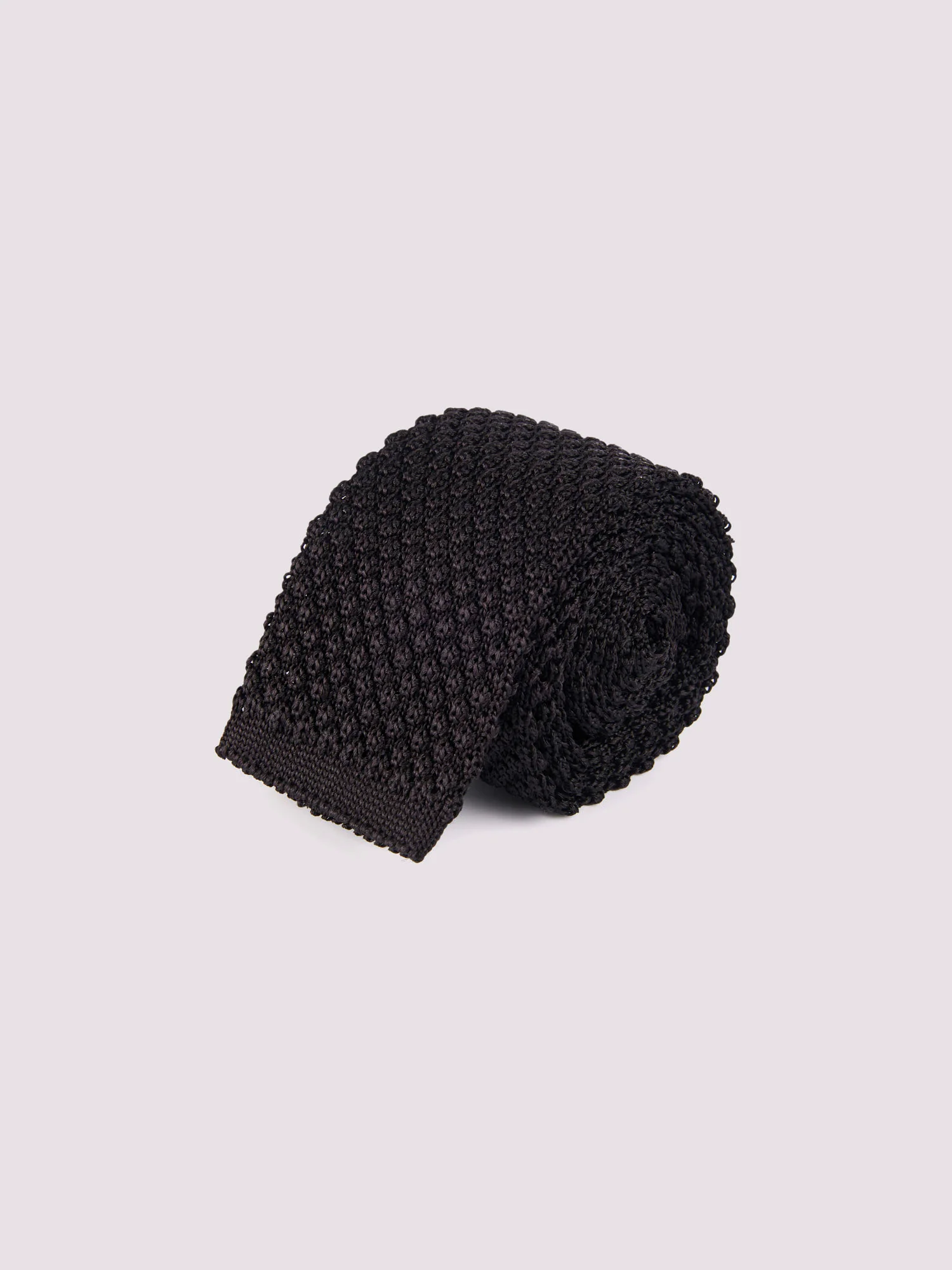
100% Silk Knitted Tie
Textured Silk
100% Silk Knitted Tie
The knitted tie translates Duchamp colour into a softer, less boardroom-strict texture.
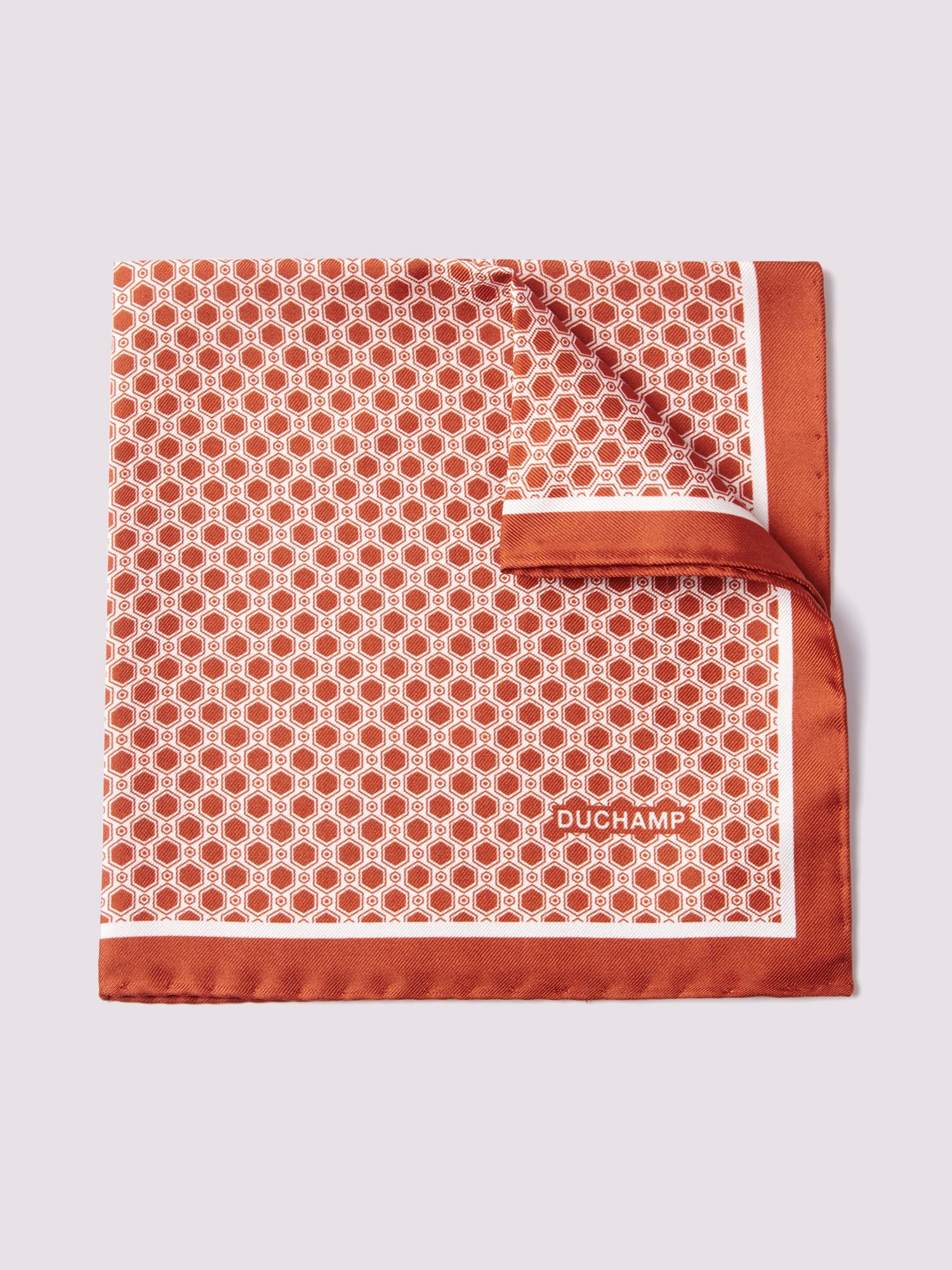
Silk Pocket Square
Italian Silk Accent
Silk Pocket Square
Duchamp’s pocket square compresses the house’s colour and pattern language into a jacket-pocket gesture.
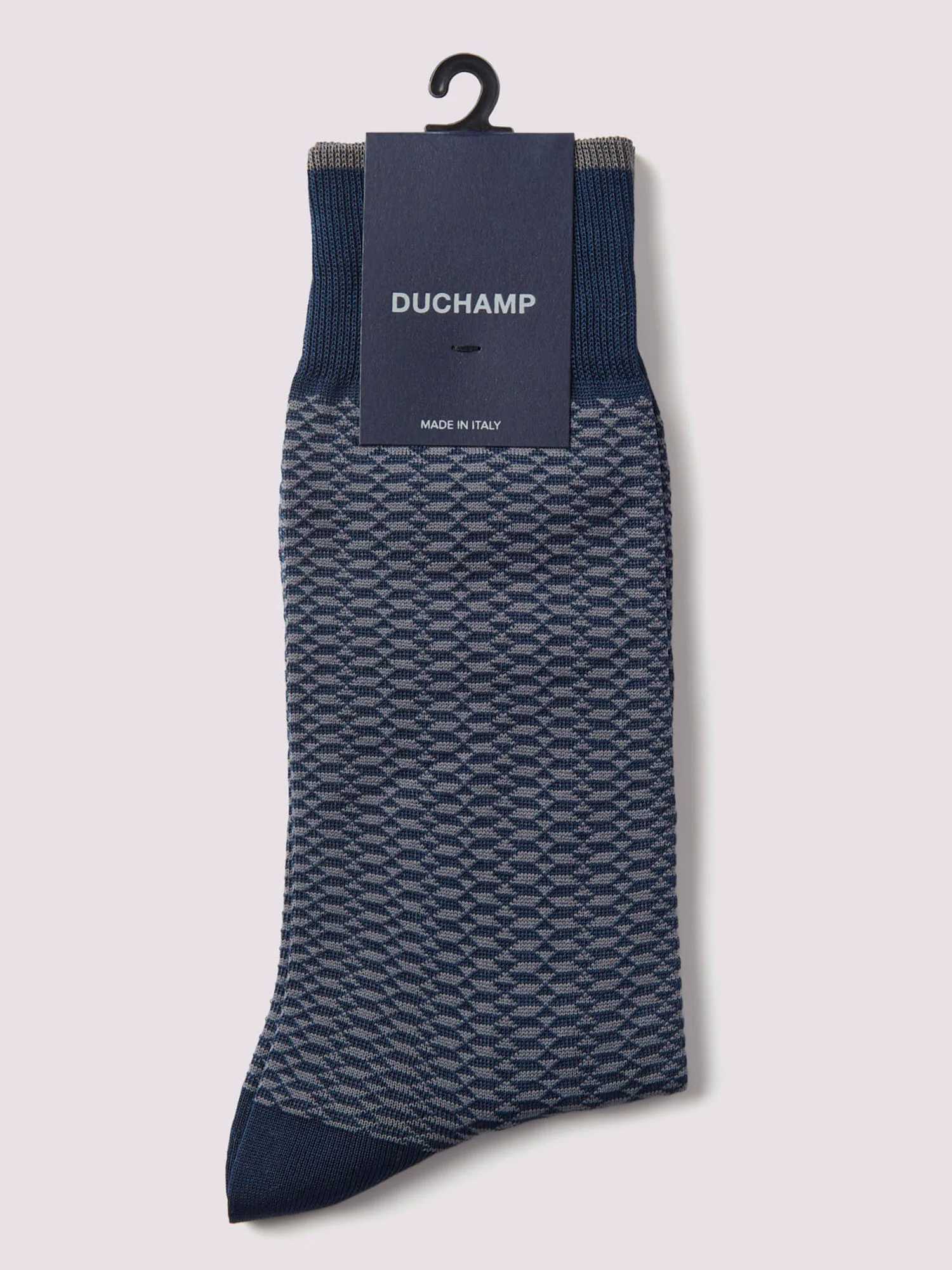
Signature Pattern Socks
Bold Sock Drawer
Signature Pattern Socks
Pattern socks keep Duchamp’s colour story visible even when the rest of the outfit is restrained.
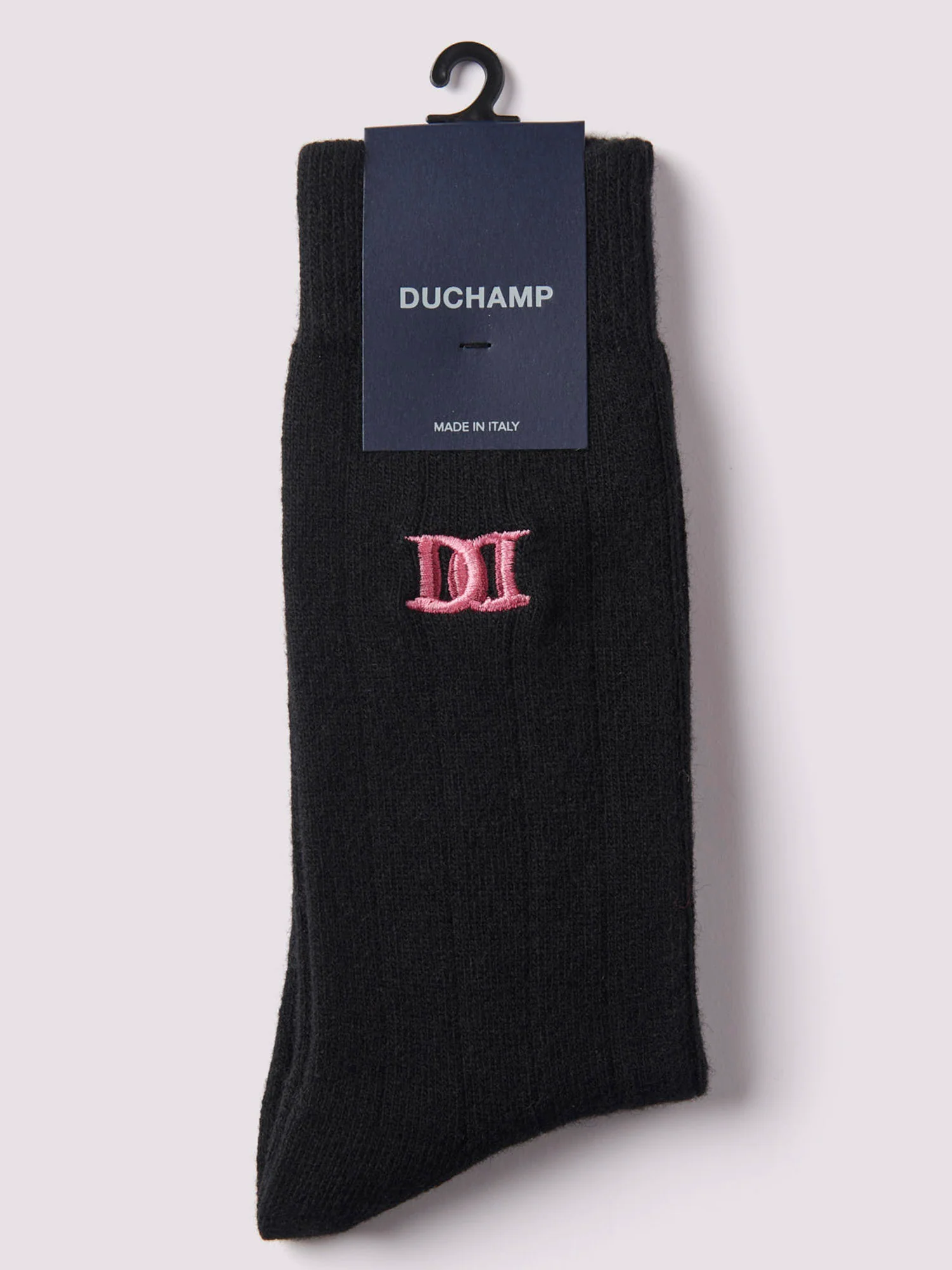
Cashmere Mix Rib Socks
Soft Ribbed Essential
Cashmere Mix Rib Socks
The cashmere-mix rib sock is Duchamp’s quieter answer to its graphic sock archive.
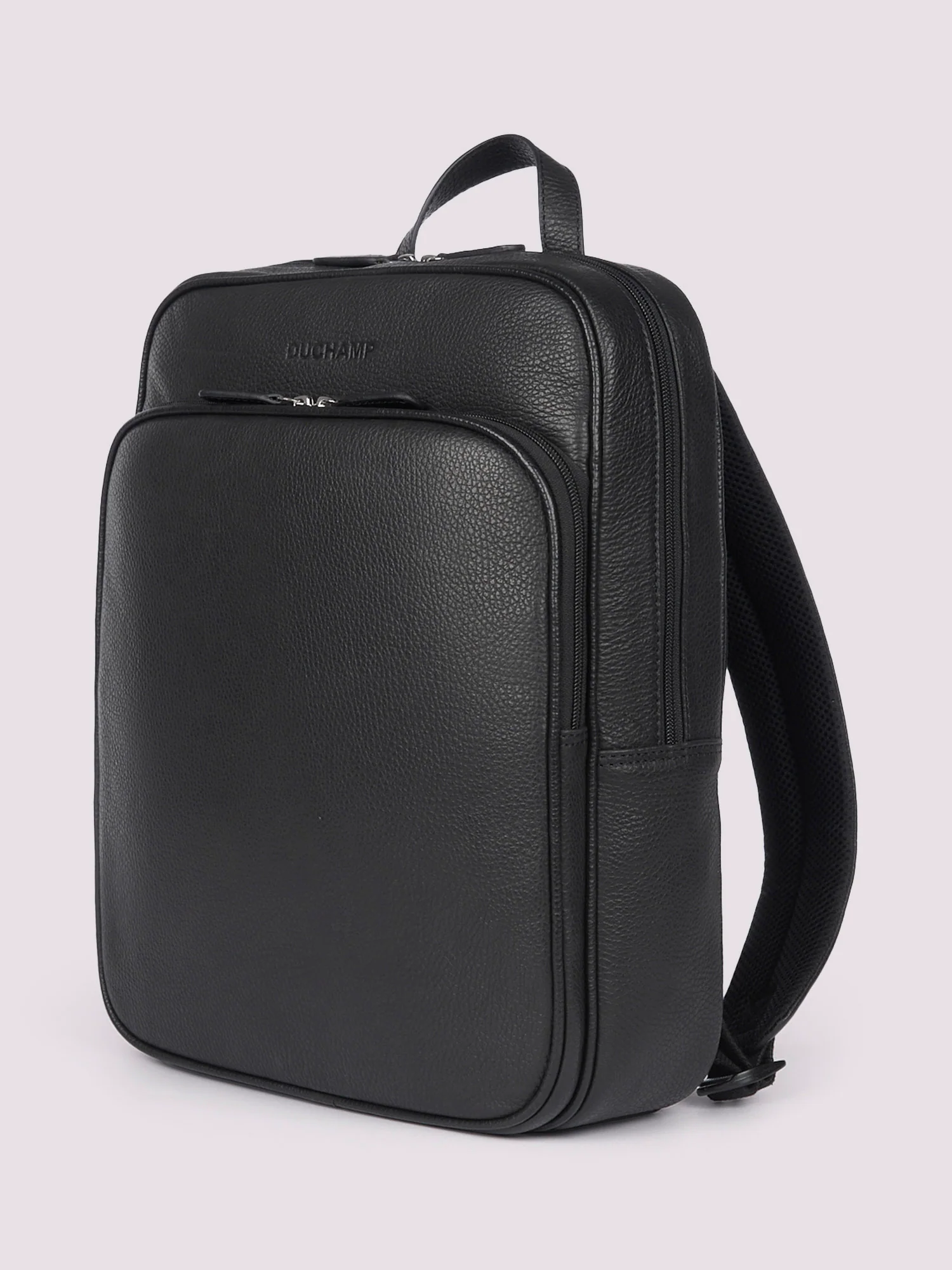
Backpack
Travel Utility
Backpack
The black backpack turns Duchamp’s dress-minded polish toward daily commuting and travel.
$239.50 at SHOP ROFFE
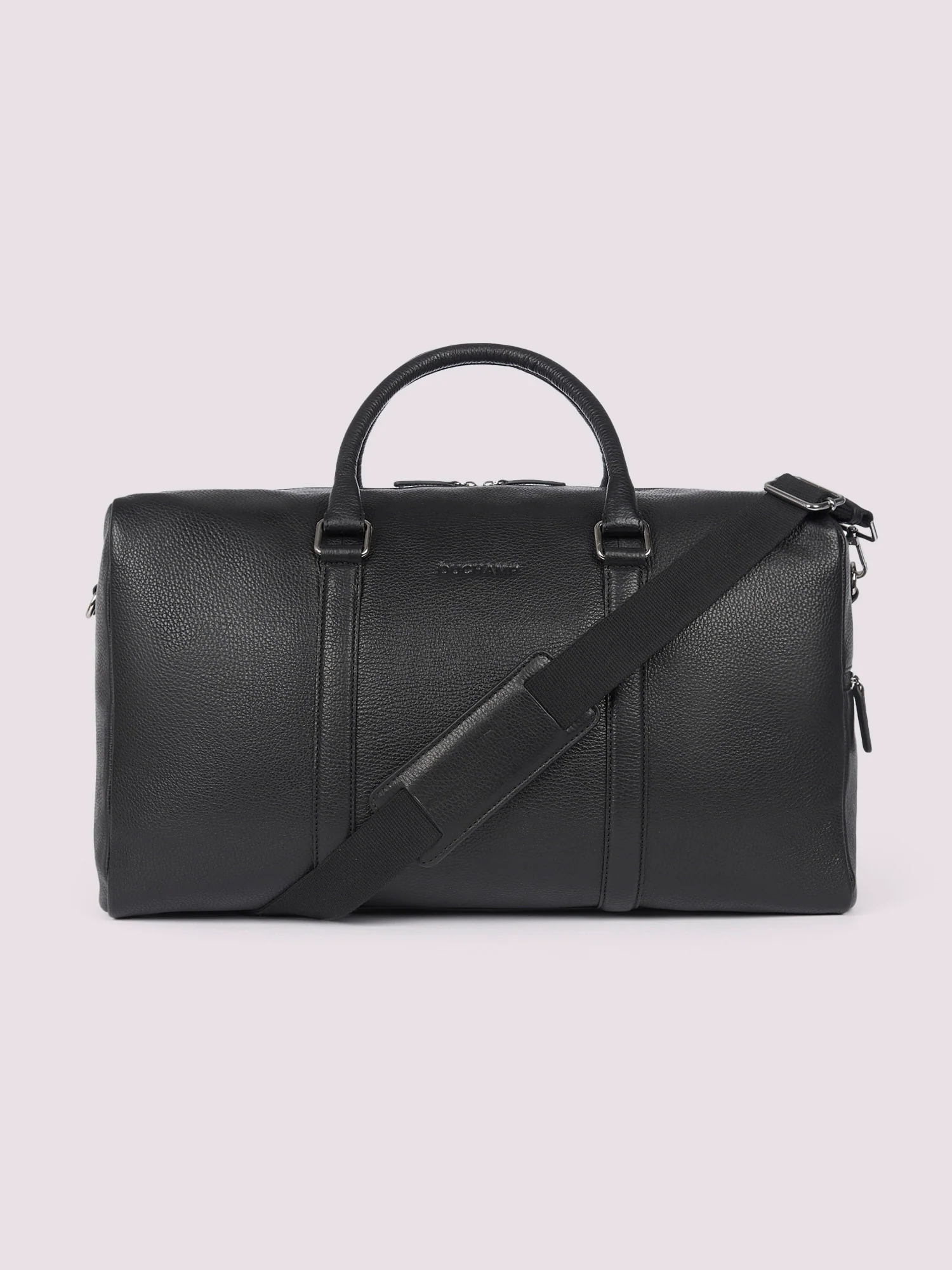
Weekend Bag
Short-Trip Holdall
Weekend Bag
The weekend bag gives Duchamp’s formal wardrobe a polished travel companion.
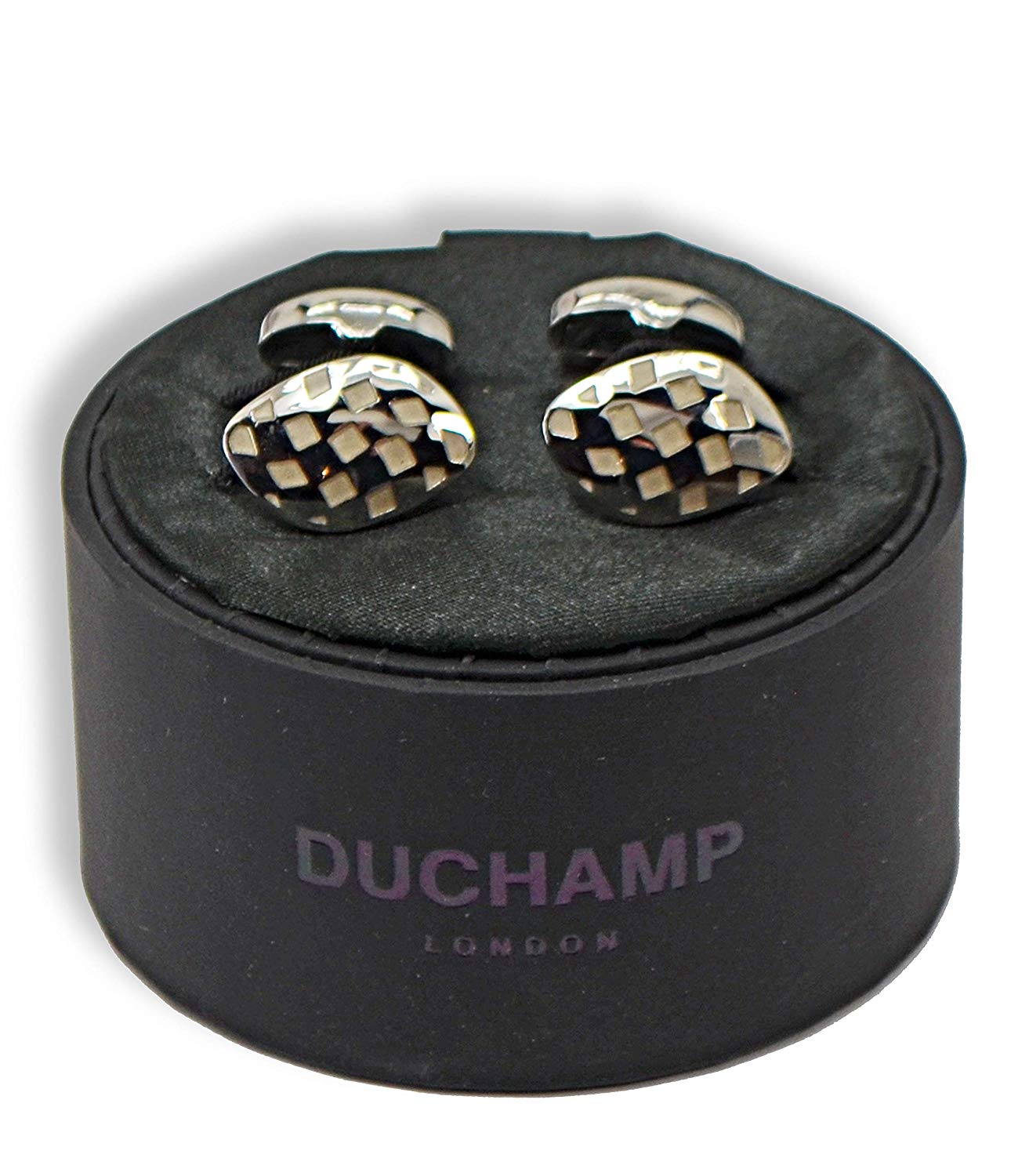
Cufflinks
1989 · First Category
Cufflinks
Cufflinks are the origin object of Duchamp: small, formal and intentionally expressive.
$98 at SHOP ROFFE

Duchamp shopping FAQ

Are Duchamp London ties worth it?+

Duchamp built its name on bold, colourful ties, and that is still the heart of its appeal for shoppers who want something with personality rather than a quiet stripe. The ties are characterised by bold colours and the so-called futuristic designs the brand introduced in 1992. If you want a tie that makes a statement, Duchamp is squarely aimed at you.

Is Duchamp London good quality?+

Duchamp positions itself as a British luxury house, having started in the rarefied world of cufflinks before expanding its accessories. Its reputation rests on bold design and finish across ties, cufflinks and tailoring. As with any brand that has changed hands over the years, it is worth judging a specific piece on its own merits.

What is Duchamp London best known for?+

Duchamp first specialised in cufflinks, then branched into ties in 1992 with the bold colours and futuristic designs that became its signature. From there it grew to offer shirts, suits, jackets and socks. By 2011 the company claimed to sell more than 60,000 ties a year.

Why is the brand called Duchamp?+

Founder Mitchell Jacobs named the company after the French artist Marcel Duchamp. His reasoning, in his own words: Duchamp turned everyday objects into art and I turned everyday icons of men's fashion into wearable art. The name signals the brand's intent to treat menswear staples as design objects.

When and where was Duchamp founded?+

Duchamp is a British men's luxury clothing and accessories company founded in 1989. It was started by Mitchell Jacobs, a former buyer at the London retailer Browns.

Who founded Duchamp London?+

Duchamp was founded in 1989 by Mitchell Jacobs, who had been a buyer at Browns before launching the brand. He built a wholesale trade and later opened a small boutique in Notting Hill in 1998. The brand traces its design instinct back to his idea of turning everyday menswear icons into wearable art.

How did Duchamp grow from cufflinks to a full menswear brand?+

Duchamp started narrowly, specialising in cufflinks, then added ties in 1992. After Jacobs established a wholesale trade and opened a Notting Hill boutique in 1998, the brand kept expanding, opening a Regent Street store and introducing shirts in 2006. By 2011 it offered ties, cufflinks, suits, jackets, socks and shirts.
Who owns Duchamp now?+

The founder sold the company in 2006 to its management and the private-equity fund Kcaj LLP. As part of that change, Marc Psarolis became part-owner and chief executive. The same year, the brand opened a 750-square-foot store on Regent Street and introduced shirts.

What makes a Duchamp tie distinctive?+

From the moment Duchamp moved into ties in 1992, the look has been about bold colours and futuristic designs rather than conservative classics. It is a deliberately expressive, dandyish style that puts colour and pattern front and centre. If your taste runs to statement neckwear, that is precisely the niche Duchamp occupies.

Which Duchamp piece should I buy first?+

A tie or a pair of cufflinks is the natural entry point, since these are the categories that built the brand. Start with a bold tie if you want the full Duchamp signature, or cufflinks for a smaller, well-finished statement. Both reflect the founder's idea of menswear as wearable art.

How should I style a bold Duchamp tie?+

Because Duchamp ties lean colourful and pattern-forward, the trick is to let the tie be the focal point and keep the rest restrained. Pair a bold tie with a plain shirt and a simple suit so the colour reads as intentional rather than chaotic. Cufflinks can echo the tie's palette for a pulled-together, dandyish finish.