Are ECCO shoes worth it?+
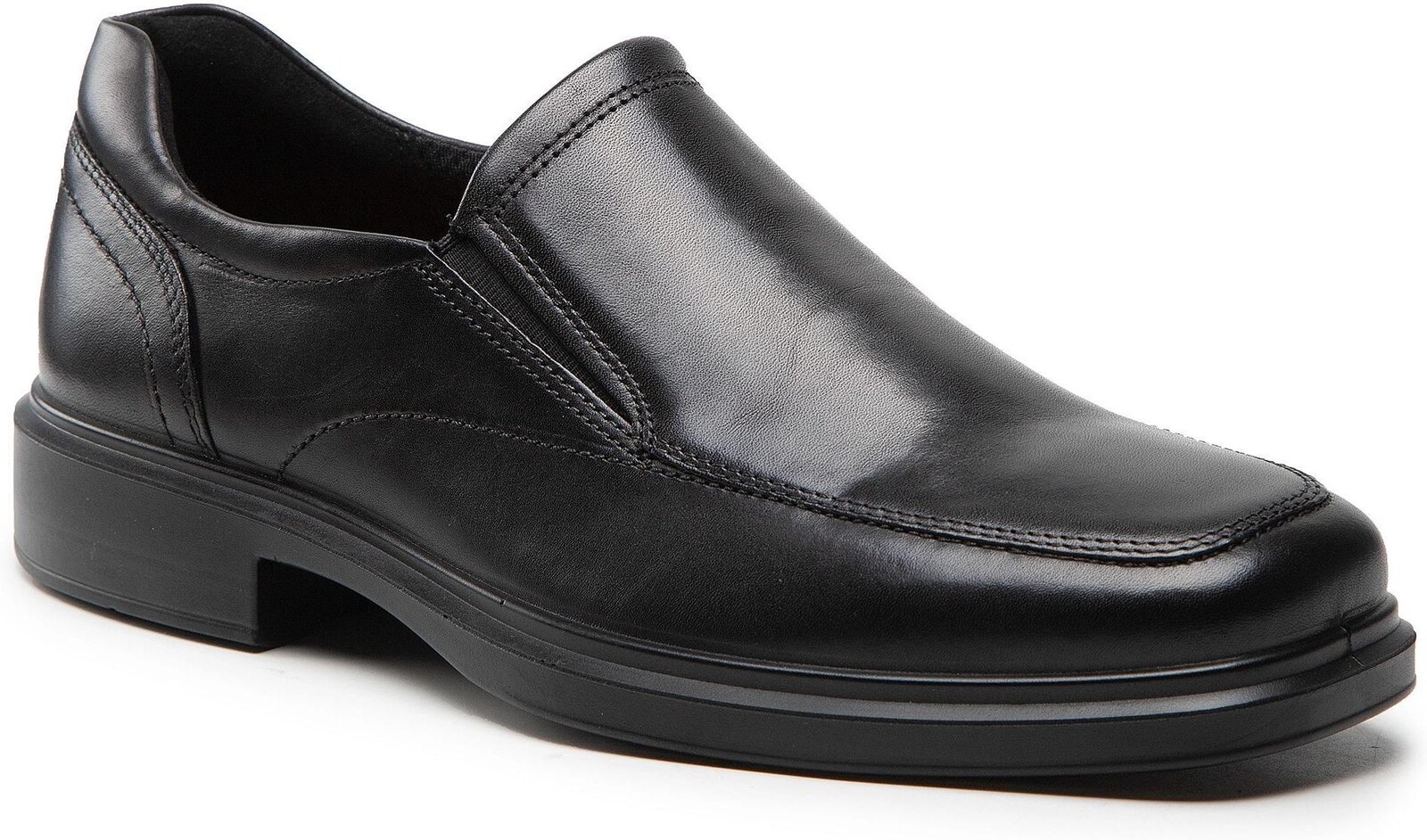
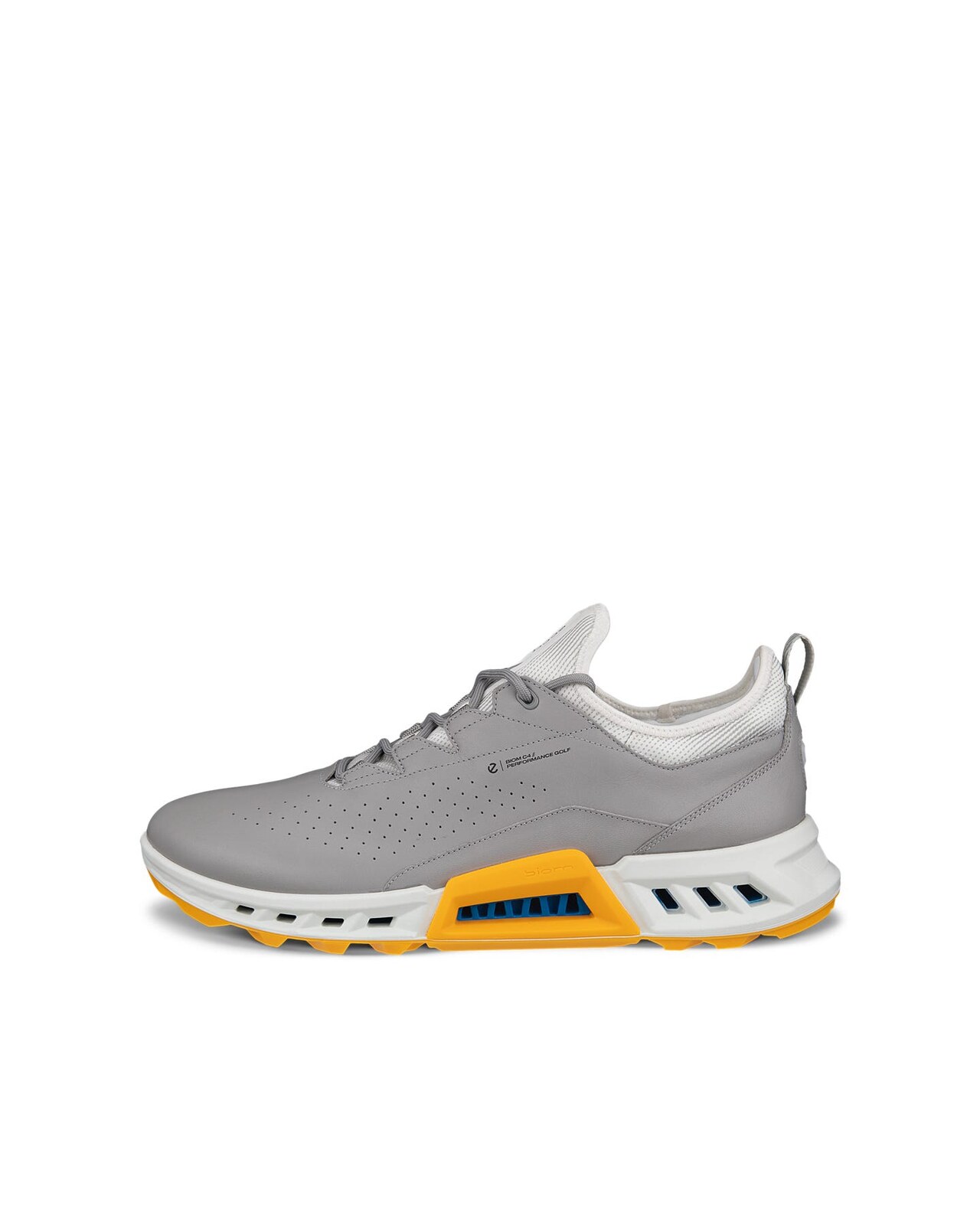
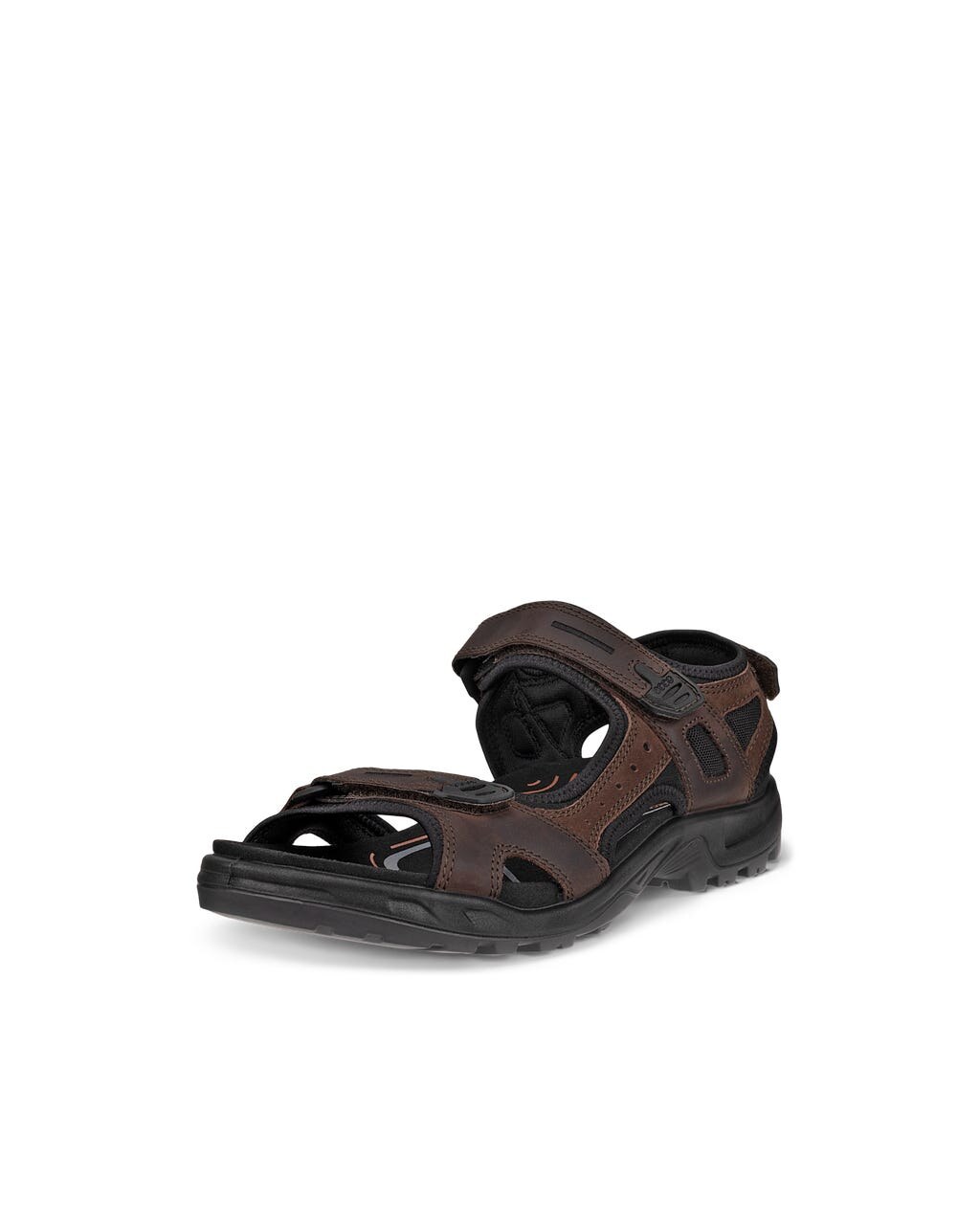
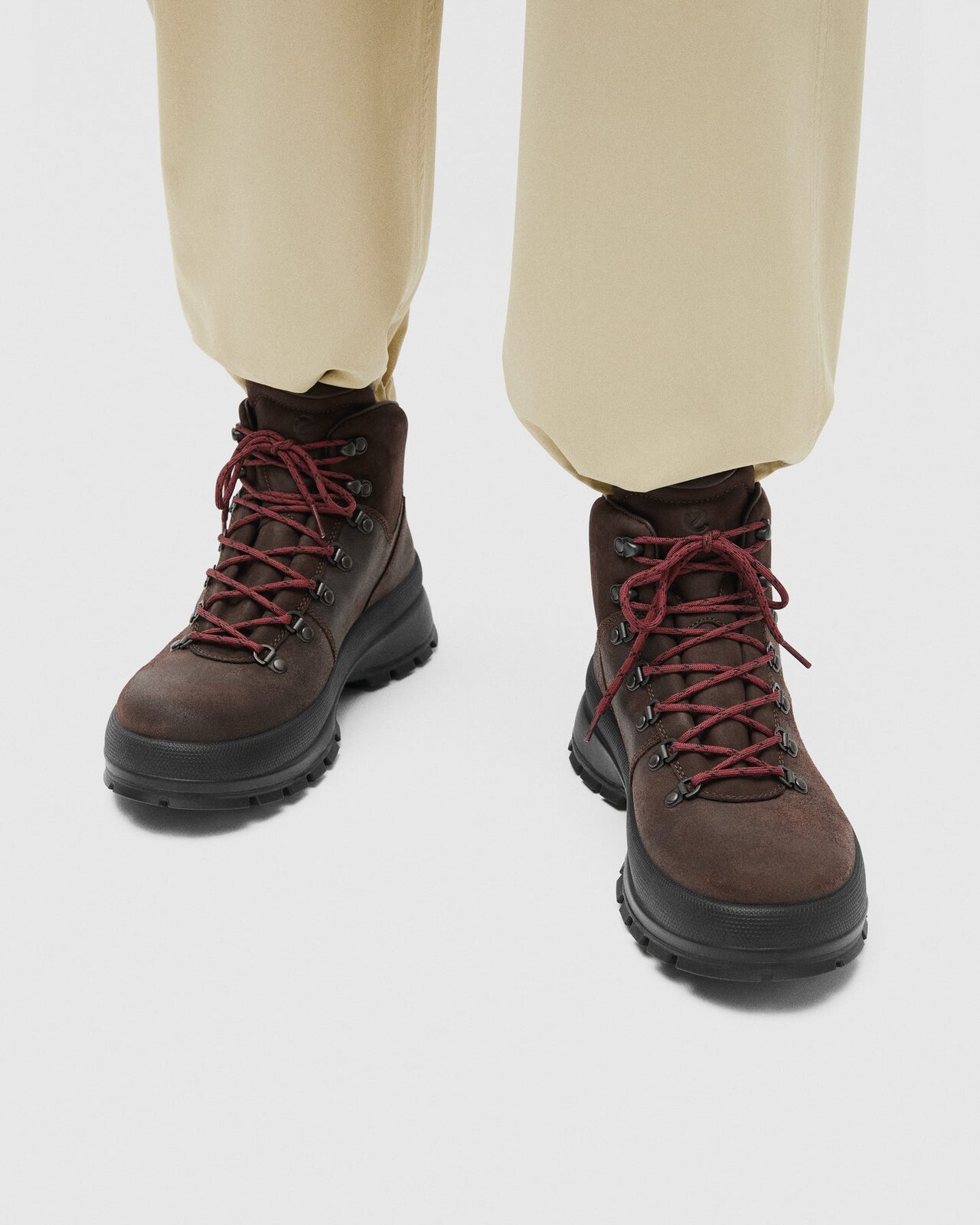
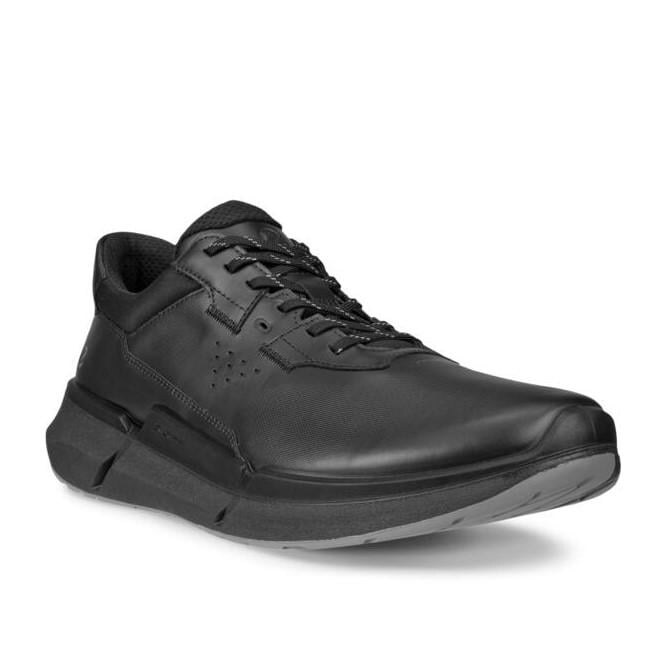
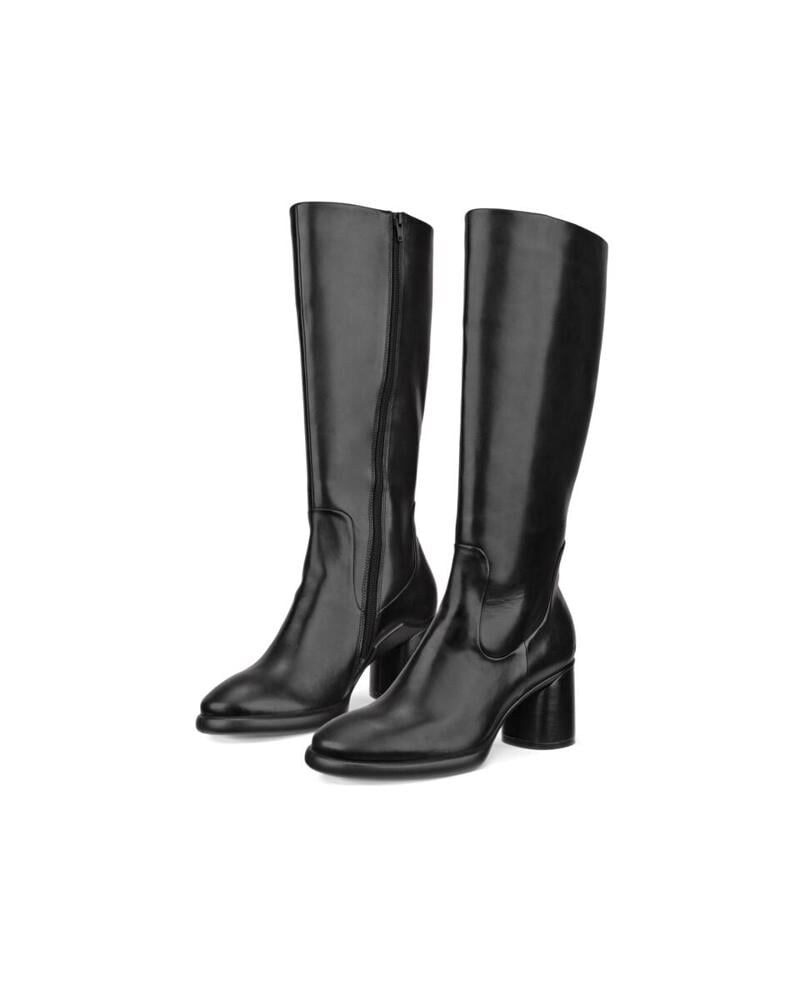
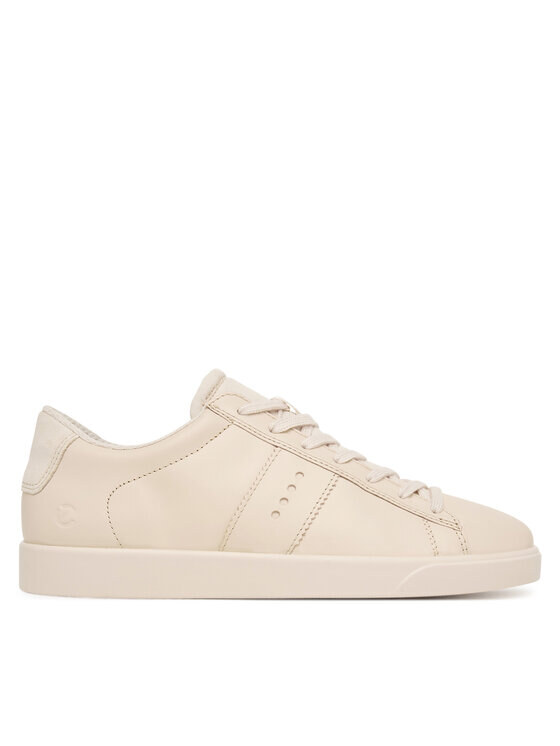
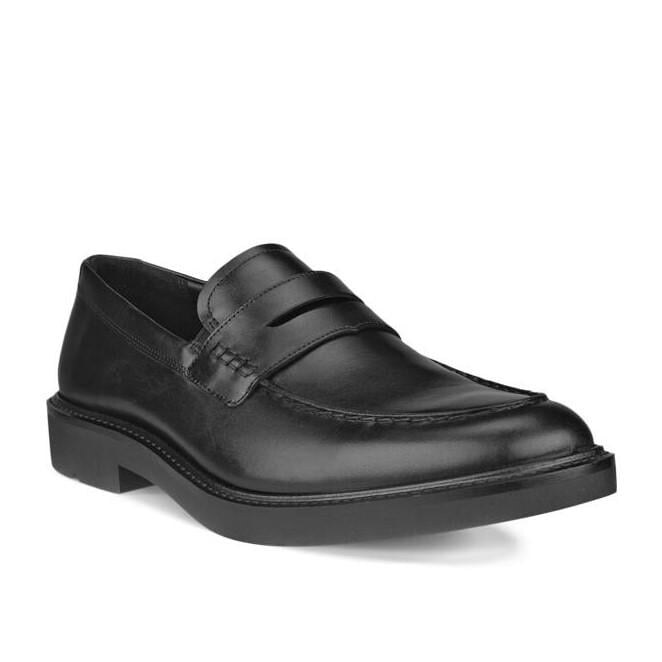
For an everyday walking or travel shoe, most wearers feel ECCO earns its price. The draw is comfort that arrives out of the box rather than after a break-in, plus uppers and soles built to be worn for years. If you want a dressy statement shoe, look elsewhere; if you want something you can stand and walk in all day, ECCO is a dependable pick.
Why are ECCO shoes so comfortable?+
A lot of it comes down to how they are built. ECCO pioneered direct-injection sole construction, bonding the sole straight to the upper for a lightweight, flexible, shock-absorbing feel. Add anatomically shaped footbeds and ECCO's own soft leathers, and you get a shoe that tends to feel supportive on long days without a stiff break-in period.
Where are ECCO shoes made?+
ECCO is unusual in owning nearly every step of its production. Roughly 98% of its shoes are made in ECCO's own factories in Portugal, Slovakia, Thailand, Indonesia, Vietnam and China, with some made under licence in India. By 2000 the company controlled the whole chain, from design to leather to retail.
Does ECCO really make its own leather?+
Yes, and that vertical control is core to the brand. ECCO owns tanneries in the Netherlands, Thailand, Indonesia and China, and they are among the leading leather suppliers to the fashion, sports and even car industries. Owning the tanneries lets ECCO dictate the softness and consistency of the leather that goes into its shoes.
What is ECCO's FLUIDFORM technology?+
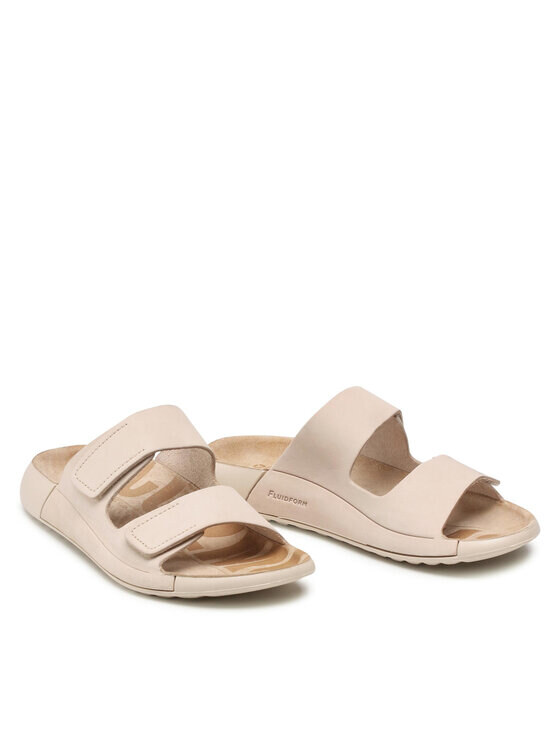
It is ECCO's name for its direct-injection sole process, where the sole is formed and bonded directly to the upper rather than glued on as a separate piece. The result is a lightweight, flexible sole that flexes with the foot. ECCO has long been a pioneer of this polyurethane sole construction, which is a big reason its shoes feel cushioned yet supportive.
ECCO vs Clarks: which should I choose?+
Both are go-to comfort brands, but they lean different ways. Clarks is often the more budget-friendly, breathable everyday option, while ECCO leans toward innovation and structured support, with its direct-injection soles and own-tannery leather. If you prioritise long-term support and a snugger, engineered fit, ECCO tends to win; for value and variety, many reach for Clarks.
Who founded ECCO and when?+
ECCO was founded in 1963 by Karl Toosbuy in the small town of Bredebro in southern Denmark. It remains family-owned to this day and now employs more than 21,000 people, selling in over 100 countries. That family ownership is part of why the brand has kept its long-term, craft-first approach.
Is ECCO a Danish brand?+
Yes. ECCO Sko A/S is a Danish company, founded and still headquartered in Denmark, with its R&D rooted in the country before later moving to Portugal. Its first retail store opened in Denmark in 1982, and its design heritage is firmly Scandinavian even as production spread worldwide.
Did ECCO ever have a problem with soles falling apart?+
It did, once. In 1998 a production fault caused hydrolysis in the molded polyurethane soles of a batch, so the soles disintegrated after one to five years. ECCO traced the cause and changed its sole composition. It is a useful reminder to store leather shoes well, but the issue was tied to that specific older batch.
When did ECCO open its first flagship store?+
ECCO's first flagship retail store opened on Oxford Street in London in 1998, a milestone in its move from wholesale into branded retail. By 2000 it owned the entire chain from design and leather through to its own shops, which is rare for a footwear company of its scale.
How should I care for my ECCO leather shoes?+
Treat them like the quality leather they are. Let them dry naturally away from direct heat, wipe off dirt and salt before it sets, and condition the leather periodically to keep it supple. Rotating between pairs and storing them in a dry, ventilated spot also helps the soles and uppers last for the years ECCO shoes are built to give.