Is Emilio Pucci worth it?+
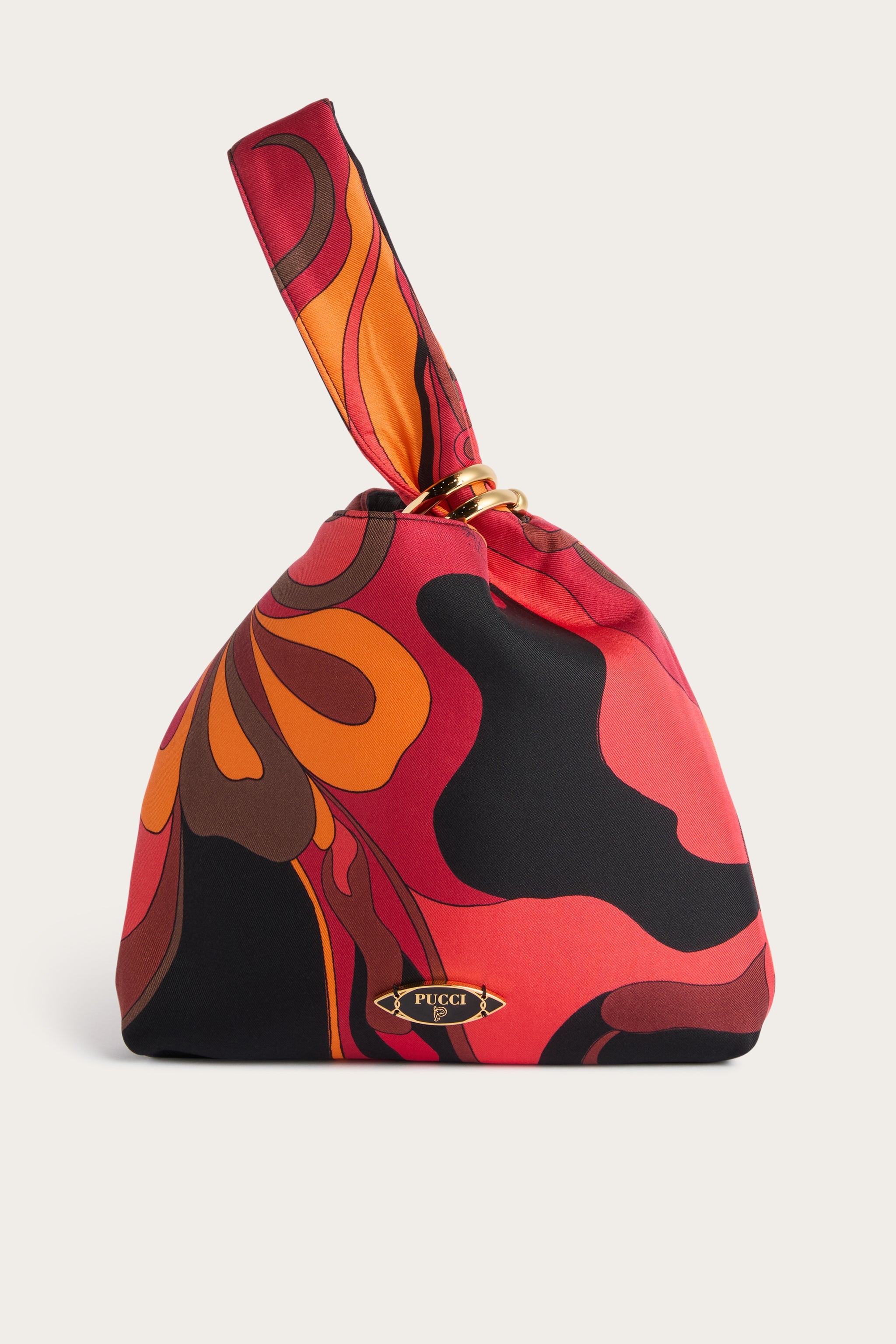
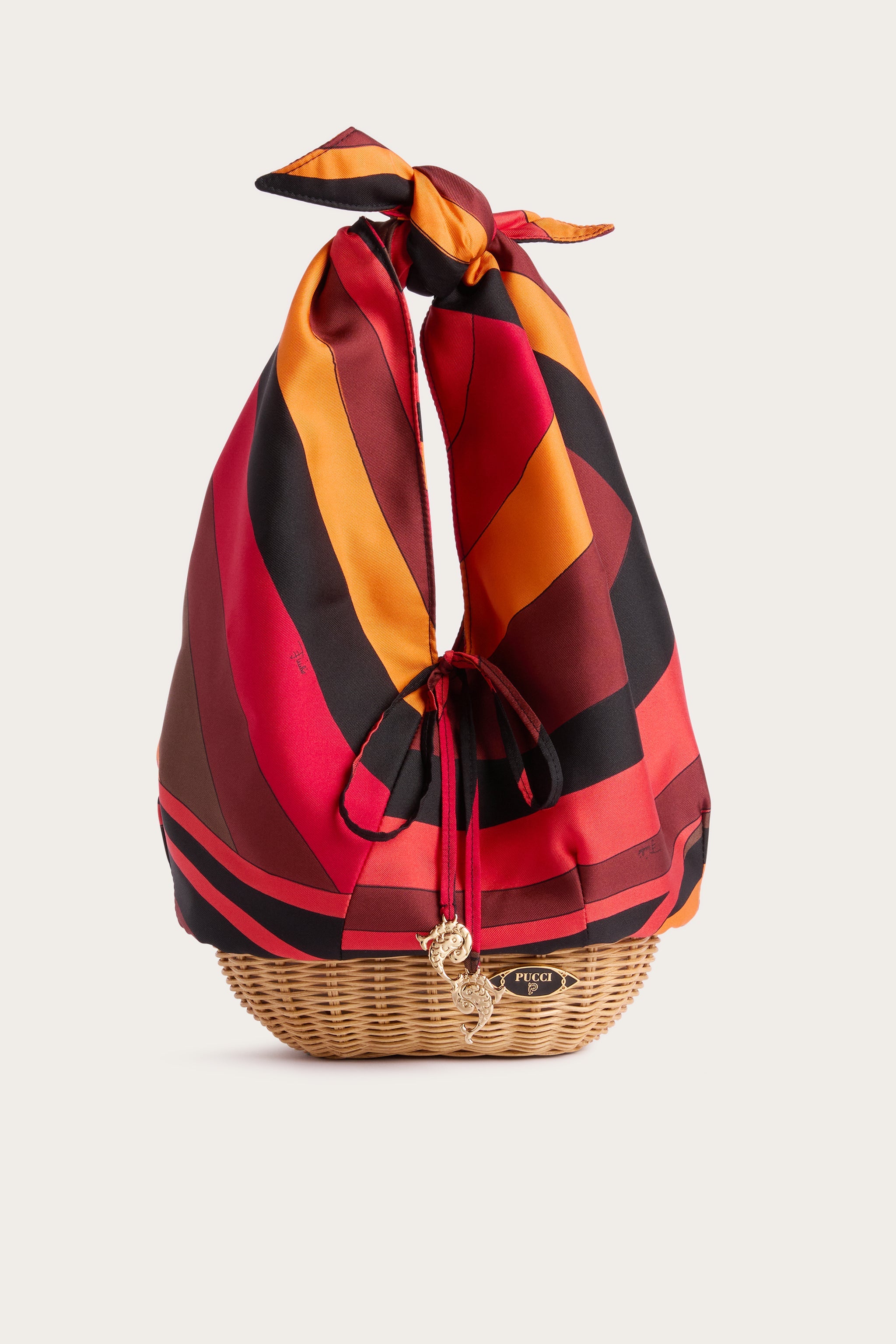
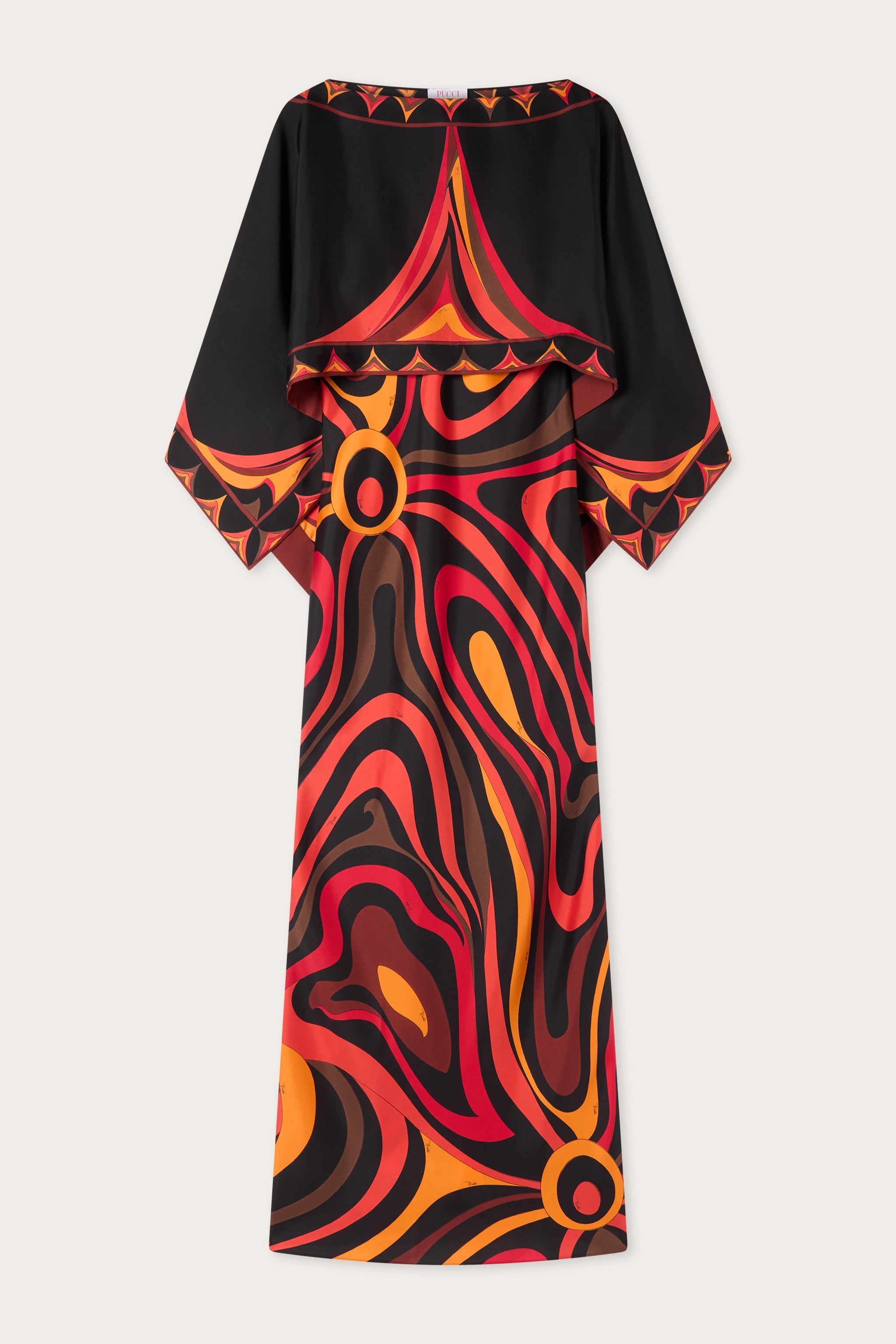
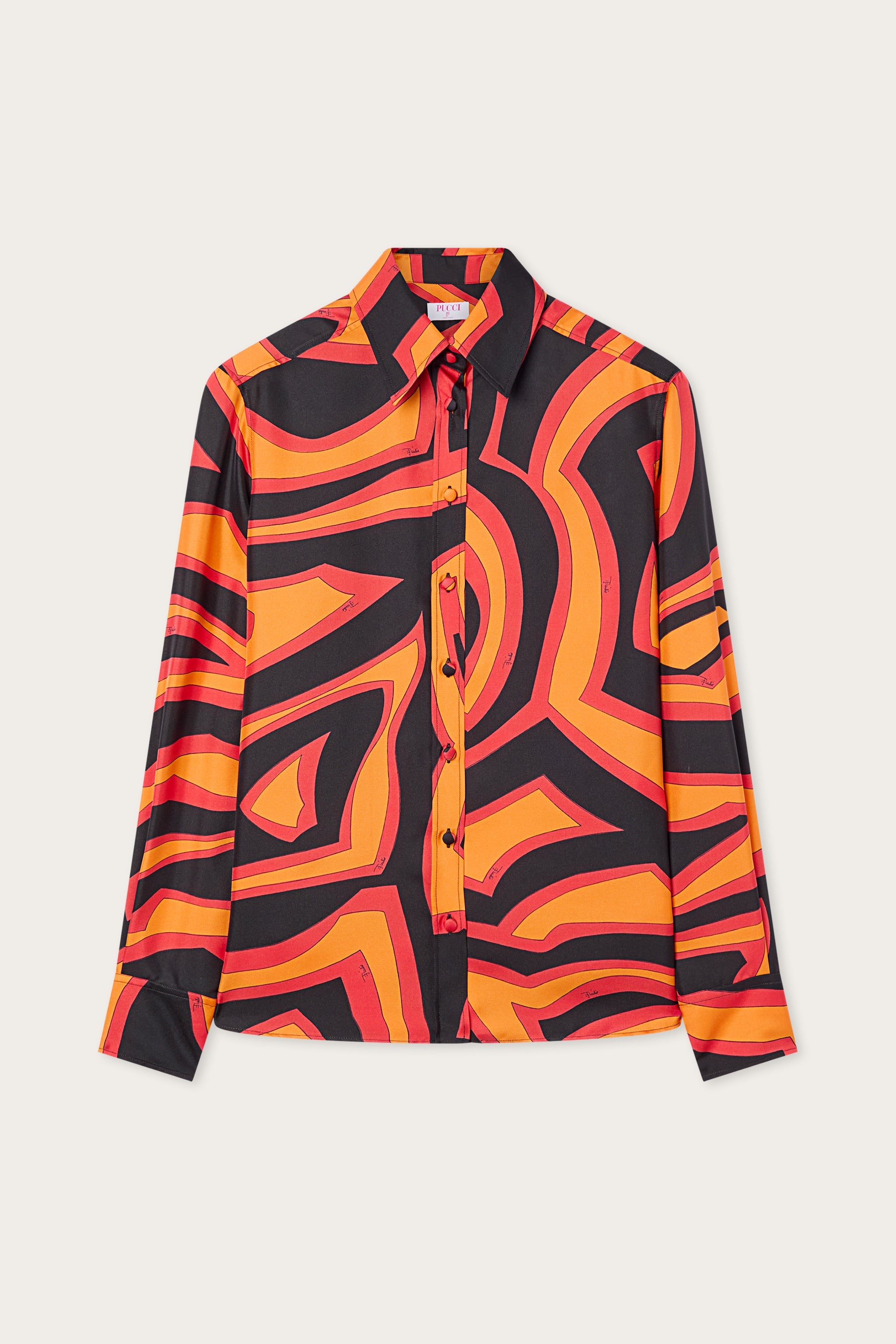
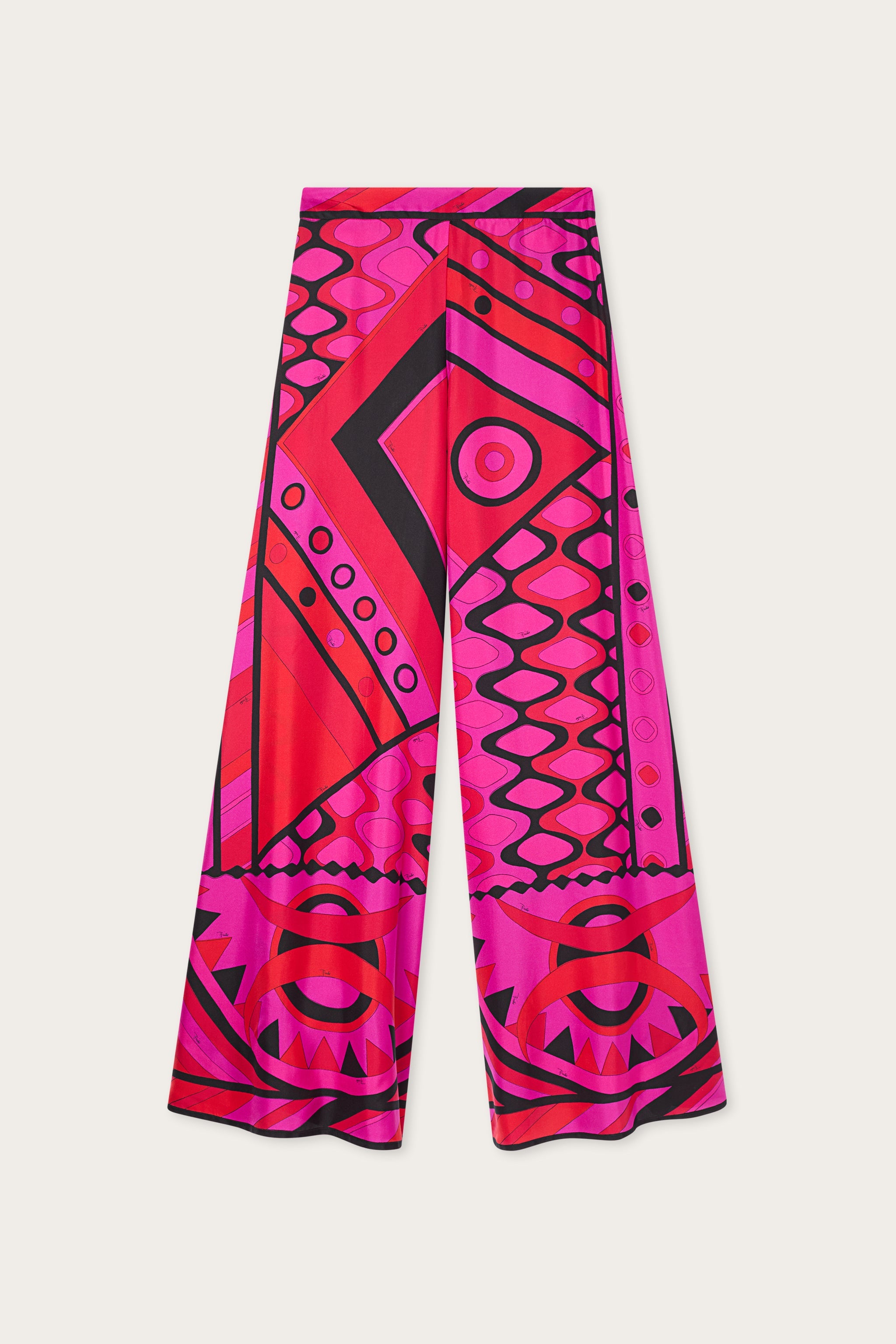
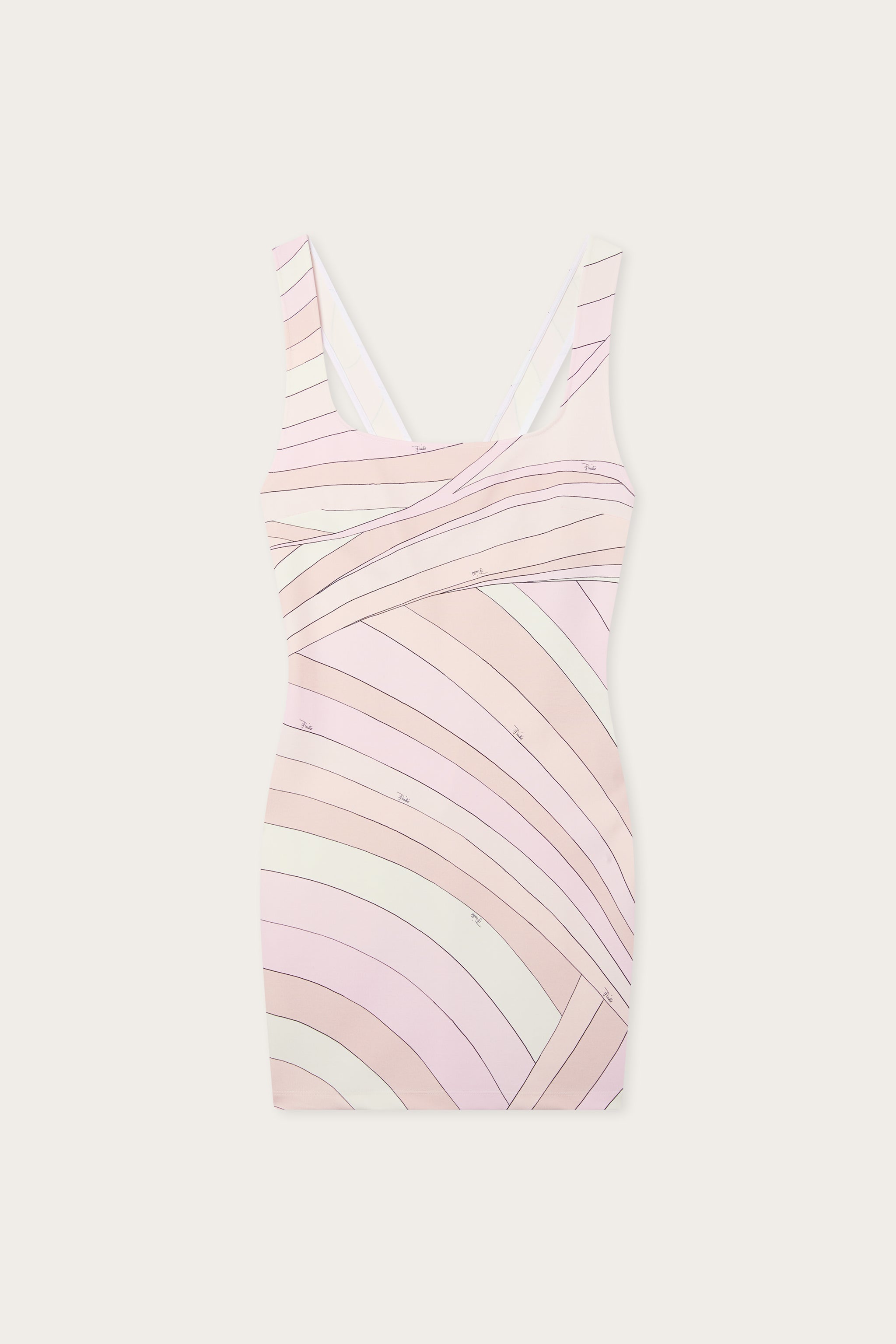
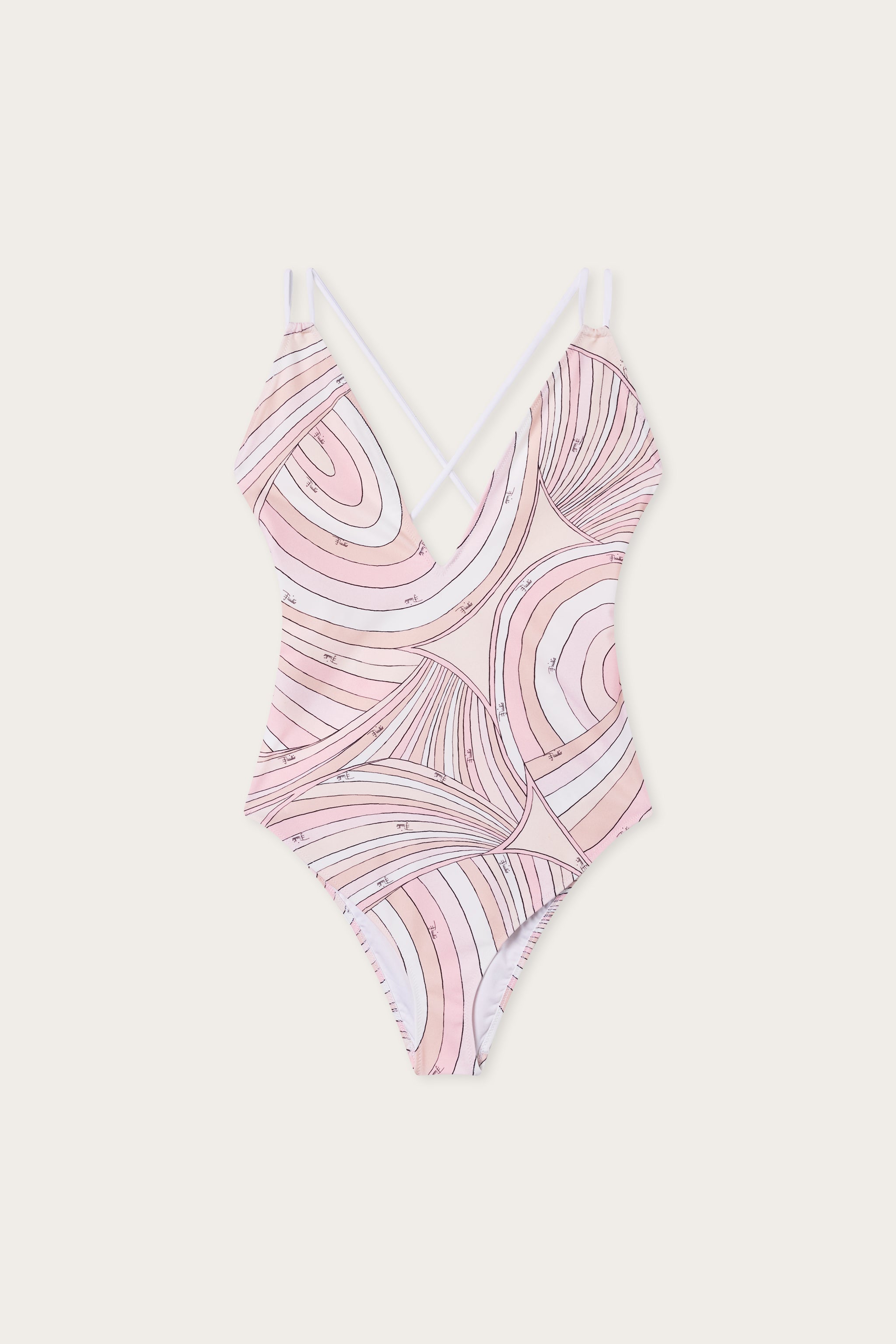
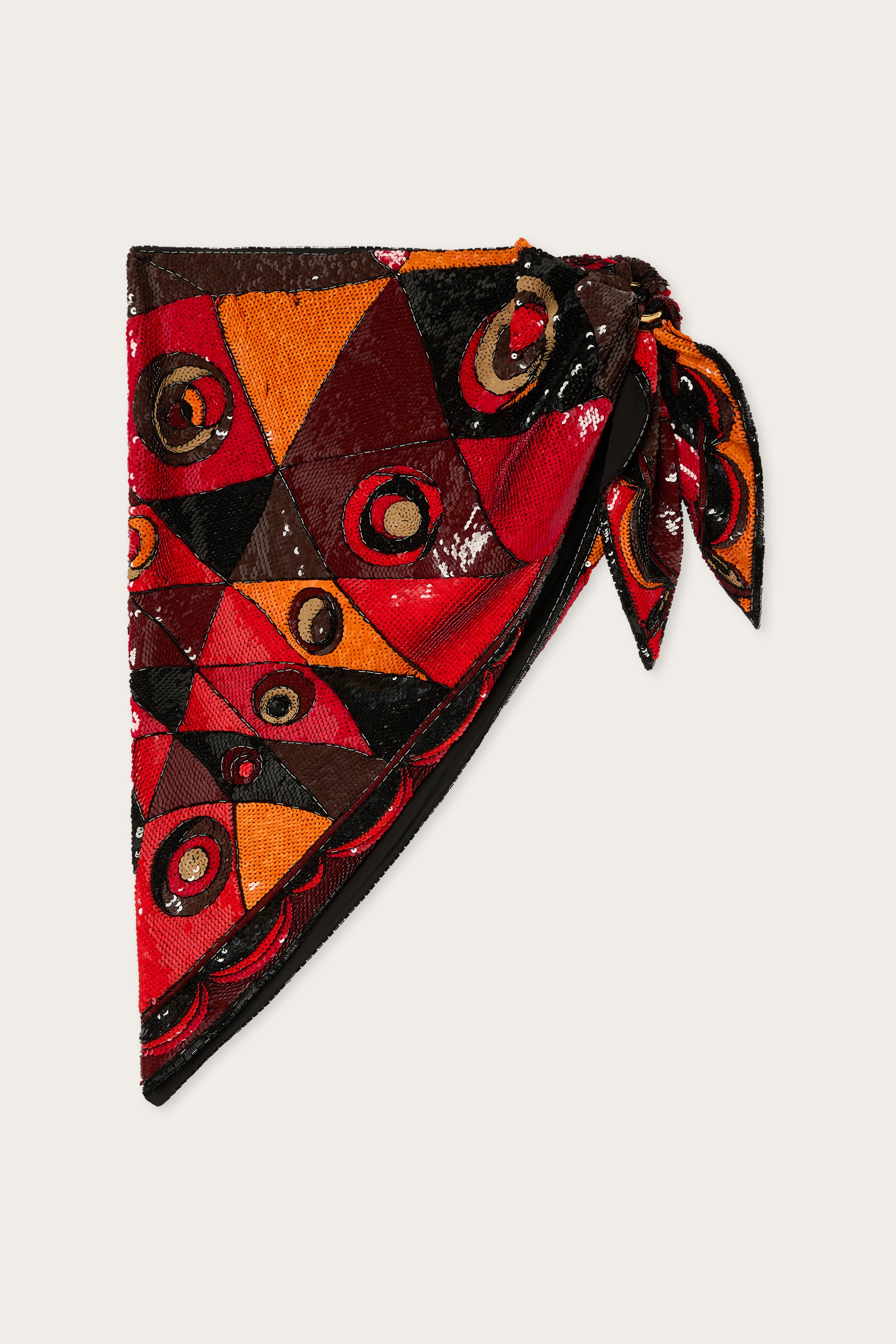
For lovers of colour and print, Pucci is one of the most distinctive luxury names you can buy. The house is built on geometric prints in many colours, and a genuine Pucci piece is instantly recognisable as art you can wear. That iconic identity is exactly why vintage and current pieces hold their cachet, so you are investing in a look, not just a label.
Why is Emilio Pucci called the "Prince of Prints"?+
Because print is the entire heart of the house. Pucci and his company designed bold geometric prints in many colours, and from his early swirly silk pieces onward those kaleidoscopic patterns became his signature. His acid-yellow, lime-green, turquoise and pink designs captured 1960s psychedelia, which is why the prints remain the first thing anyone associates with the name.
What should I buy first from Pucci?+
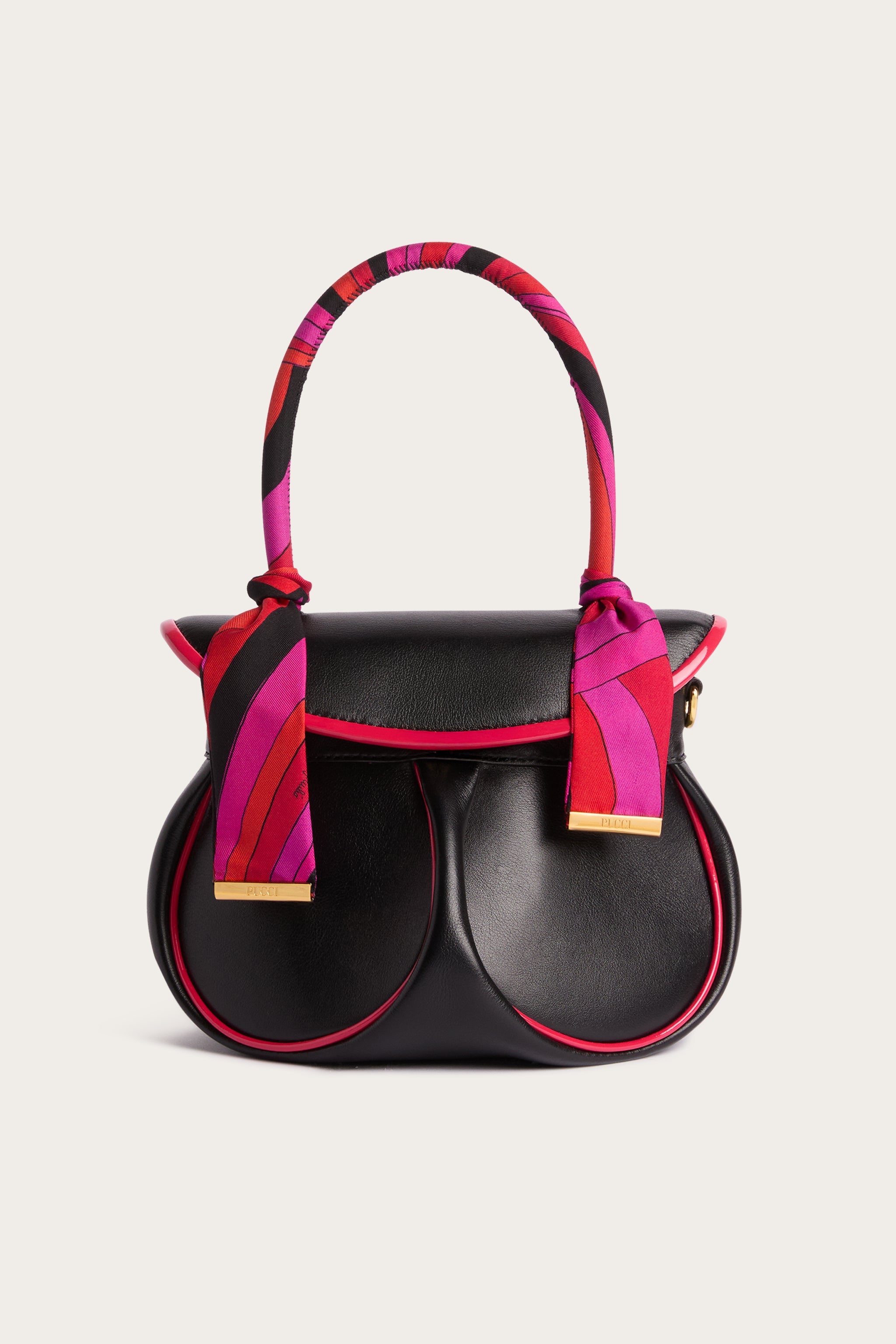
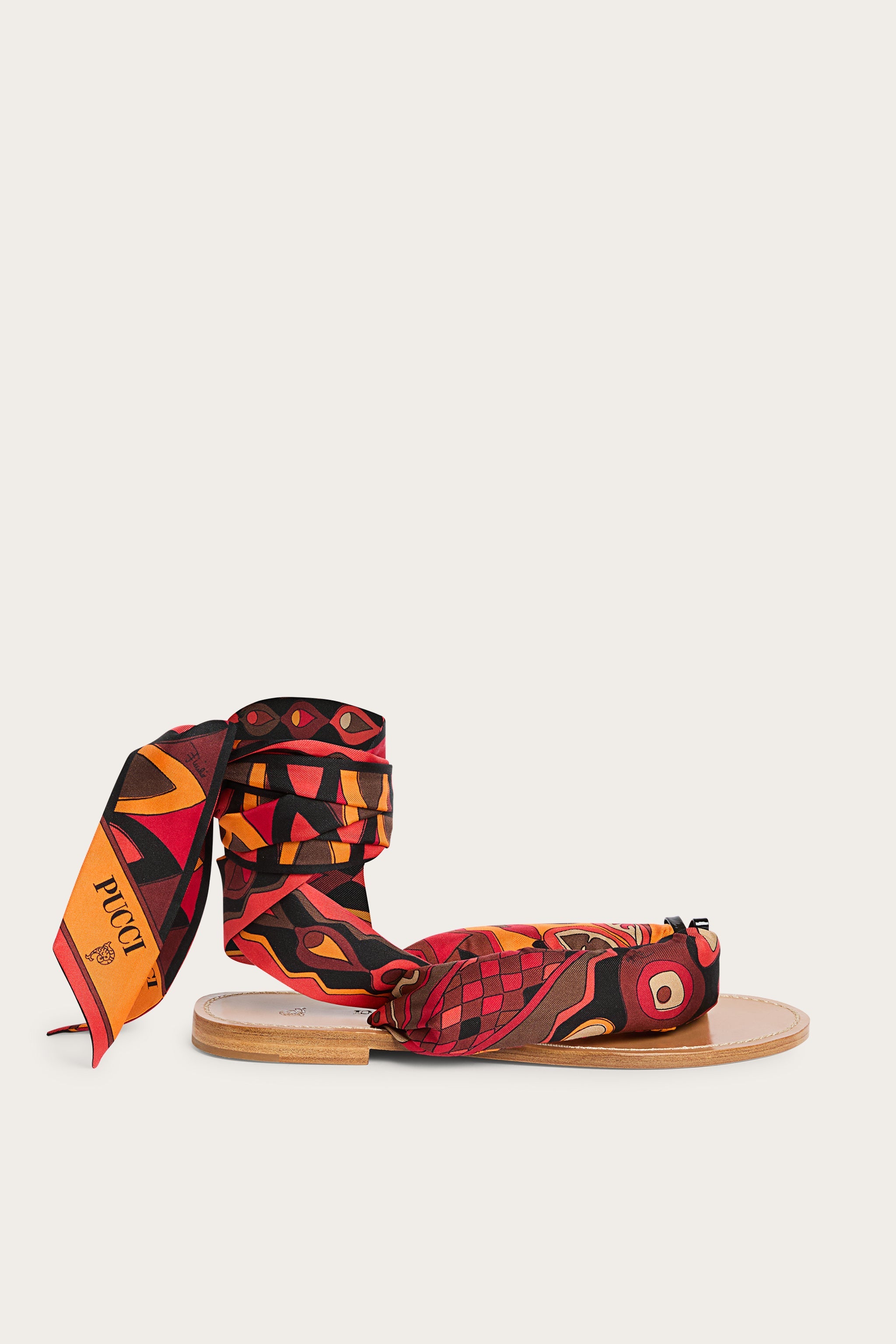
A piece that shows off the print, ideally in silk. Pucci's breakthrough came with brightly coloured, boldly patterned silk scarves, and then a popular line of wrinkle-free printed silk dresses. A printed silk scarf or a silk-jersey dress is the most authentic way into the house, since lightweight, easily packed silk jersey dresses are what made Pucci a jet-set staple.
Who was Emilio Pucci?+
An Italian aristocrat, fashion designer and politician, full title Emilio Pucci, Marchese di Barsento, who lived from 1914 to 1992. Born in Naples to the Pucci family, he lived and worked in the Pucci Palace in Florence for much of his life. His clothes carry that genuine Florentine, aristocratic heritage, not a manufactured backstory.
How did Emilio Pucci start in fashion?+
On the ski slopes, of all places. The first clothes he designed were for the Reed College skiing team, and his work drew wider attention in 1947 when skiwear he had made for a friend was photographed in Zermatt for Harper's Bazaar. He was the first person to design a one-piece ski suit, then set up a couture house on Capri and moved into swimwear and silk.
Where is Emilio Pucci made and based?+
Its roots are firmly Italian. Pucci was based in Florence, where the designer lived and worked in the Pucci Palace, and he opened his first couture house in the resort of Canzone del Mare on the Isle of Capri, later adding a boutique in Rome as business thrived. That Capri-and-Florence origin is core to the brand's sun-soaked identity.
Did famous people really wear Emilio Pucci?+
Yes, and the list is remarkable. Marilyn Monroe was photographed in Pucci and was even interred wearing a Pucci dress, while his designs were worn by Sophia Loren, Jacqueline Susann, First Lady Jackie Kennedy and later Madonna. Whenever the Sixties were revived in fashion, Pucci was likely to be referenced, which speaks to how iconic the prints became.
What were the Pucci Braniff airline uniforms?+
One of his most collectible projects. Braniff International Airways commissioned Pucci to design uniforms in 1968 and again in 1972, and he created six complete collections for hostesses, pilots and ground crew between 1965 and 1974. The pieces were modular, with turtlenecks, crop jackets and culottes, and they are sought after by collectors today.
Who owns Emilio Pucci now?+
After the designer's death in 1992, his daughter Laudomia Pucci continued designing under the name, and the French luxury group LVMH acquired a 67% stake in 2000, taking full ownership by June 2021. Laudomia remained in charge of the house's archives and heritage, so there is real continuity behind the modern brand.
What materials and prints define a true Pucci piece?+
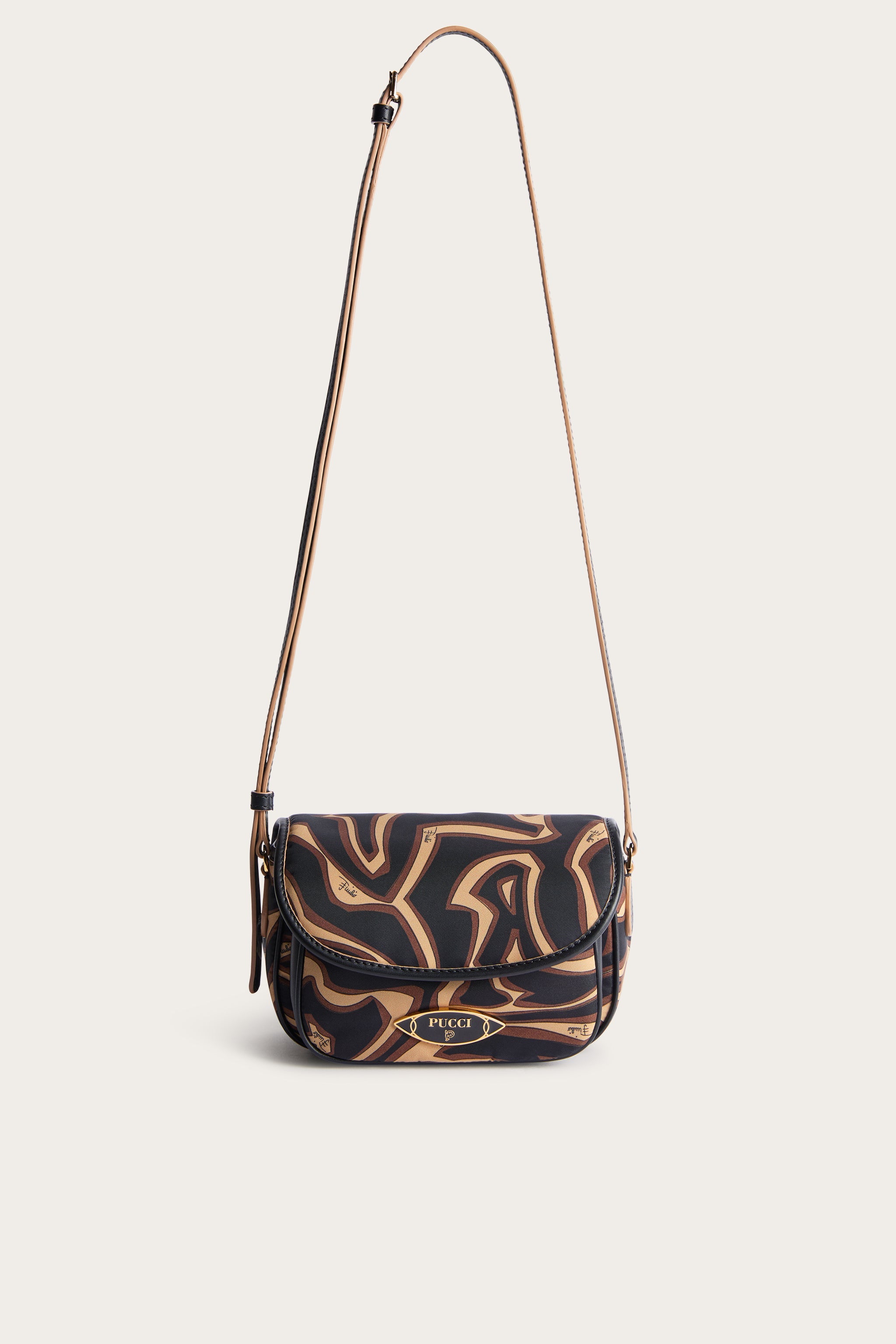
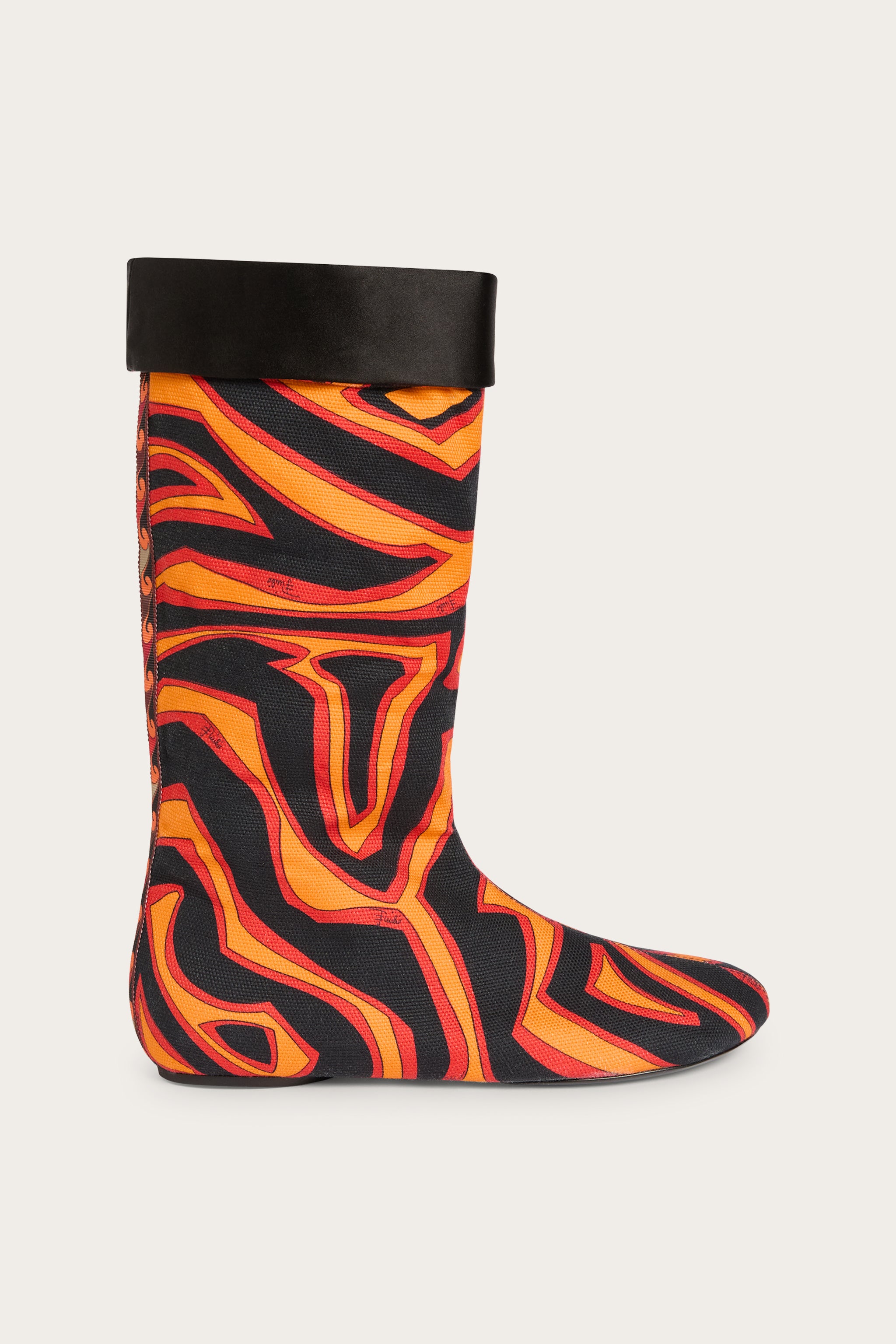
Look for fine fabrics carrying his unmistakable patterns. His prominent fabrics were silk, satin, wool and jersey, and the hallmark is a swirling mass of abstract shapes and wild colour, drawn from inspirations like Sicilian mosaics and Mediterranean landscapes. A real Pucci print should feel vivid, fluid and unmistakably his.
How do I shop vintage Pucci wisely?+
Let the print and the fabric guide you. The most coveted vintage pieces are the printed silk scarves and silk-jersey dresses, plus the collectible Braniff uniforms from 1965 to 1974. Check that the colours are vivid and the pattern has that signature swirling, kaleidoscopic energy, since the print quality is the surest sign you are holding the real thing.