Is Faherty clothing worth the money?+
If you value pieces that last over fast-fashion churn, Faherty tends to earn its price. The brand is built around soft, durable fabrics and minimal shrinkage, so the cost-per-wear works out reasonably over a few years of real use. Reviewers are mostly positive, though a minority report durability concerns after washing, so follow the care instructions closely.
Why is Faherty so expensive?+
Faherty positions itself against fast fashion, leaning on organic cotton, recycled materials and responsible manufacturing, all of which carry a higher cost. The brand is a certified B Corporation and donates 1% of its revenue to environmental initiatives through One Percent for the Planet, so part of the price funds those commitments. You are paying for quality basics designed to be kept rather than discarded.
What should I buy first from Faherty?+
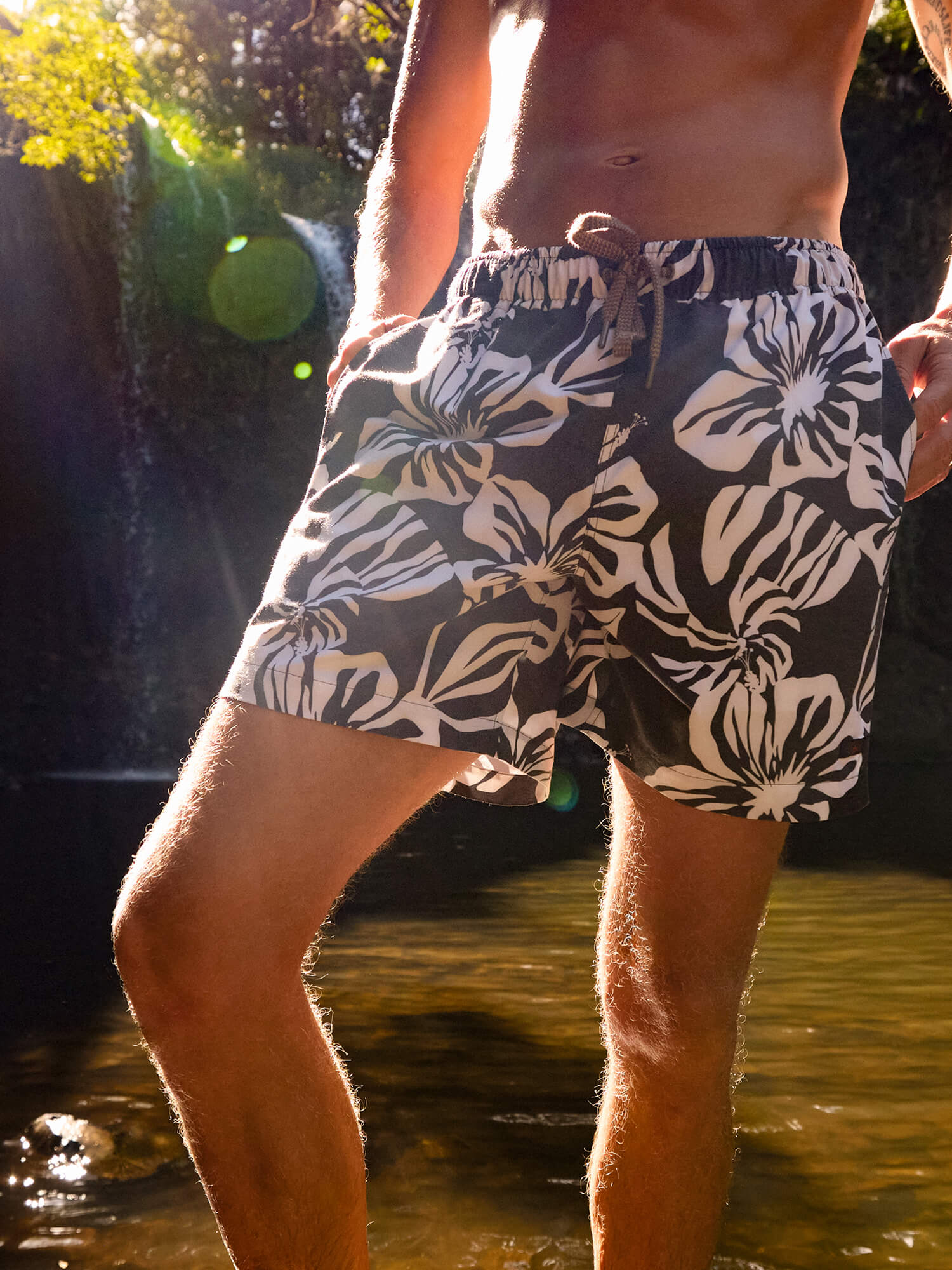
The board short is the natural starting point, since the whole company began with the brothers' quest for the 'perfect' one, a shorter inseam with added cotton and a wash technique for softness. From there, the women's dresses are a strong bet; when Faherty launched its full women's collection in spring 2020, dresses proved especially popular, accounting for around 40% of all women's sales. Pick whichever fits the beachy, laid-back life you are dressing for.
How does Faherty compare to Vuori or Buck Mason?+
All three are quality-focused American casual brands, but they sit in slightly different lanes. Faherty leans into a beach-and-surf aesthetic that The New York Times called 'surf hippie,' Vuori is closer to athleisure, and Buck Mason is built on classic everyday basics. If you want laid-back, ocean-inspired pieces with a sustainability backbone, Faherty is the most on-theme of the three.
Who owns and founded Faherty?+
Faherty Brand was founded in 2013 by twin brothers Alex and Mike Faherty. Alex had previously worked in private equity at Cerberus, while Mike worked as a fashion designer at Ralph Lauren, where he learned about fabric mills, design and pattern-making. The company began exploring the sale of a minority stake to an external investor in late 2023.
Where is Faherty from?+
Faherty is an American brand rooted in the Jersey Shore. The Faherty brothers grew up in Spring Lake, New Jersey, where they spent their childhood surfing, and that beach upbringing shaped the brand's whole sensibility. Its supply chain now spans Europe, South America, North America and Asia.
Is Faherty actually sustainable?+
Faherty's sustainability is more practical than political. It is a certified B Corporation and a member of One Percent for the Planet, donates 1% of revenue to environmental initiatives, and uses recycled polyester yarn made from water bottles. In February 2025 it began selling a t-shirt made from regenerative cotton that requires less water to produce.
Can I buy or sell Faherty second-hand?+
Yes, through the brand's own resale program. In June 2023 Faherty launched 'Second Wave' in partnership with Archive, designed to let customers buy and sell pre-owned Faherty pieces. It is a good route both for finding sold-out styles and for passing on items you no longer wear.
Where can I shop Faherty in person?+
Faherty has grown from 13 stores in early 2020 to over 80 by 2026, with a retail presence in major cities including New York, Boston, Washington and Los Angeles, plus resort towns. In March 2026 it opened its first international store in Biarritz, France, and the brand is sold in over 250 stores worldwide.
How did Faherty start out?+
It began on the road. In 2013 Faherty released its first full clothing line in a 'Beach Shack on Wheels,' which the brothers drove cross-country, selling through local boutiques. By 2014 it had reached department stores such as Barney's, Bloomingdale's and Nordstrom, and it opened its first store in Malibu in 2016.
How does Faherty work with Native American communities?+
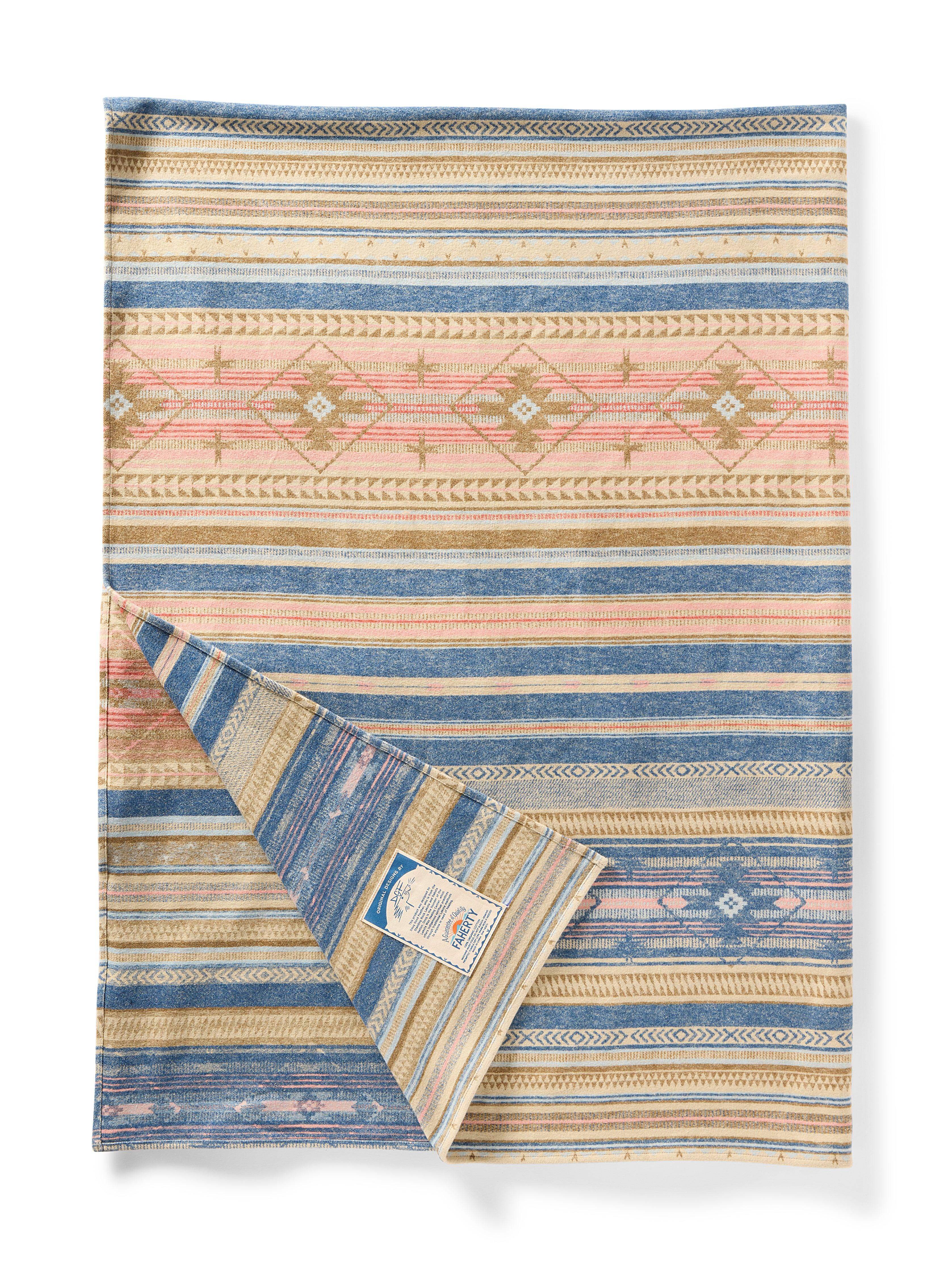
Faherty has made the Native American community one of its focus areas. Anticipating criticism over the use of Native American designs, the brand announced plans to build long-term relationships with Native American designers rather than simply borrowing the motifs. It is part of how the brand frames its community investment.