Is H&M worth it?+
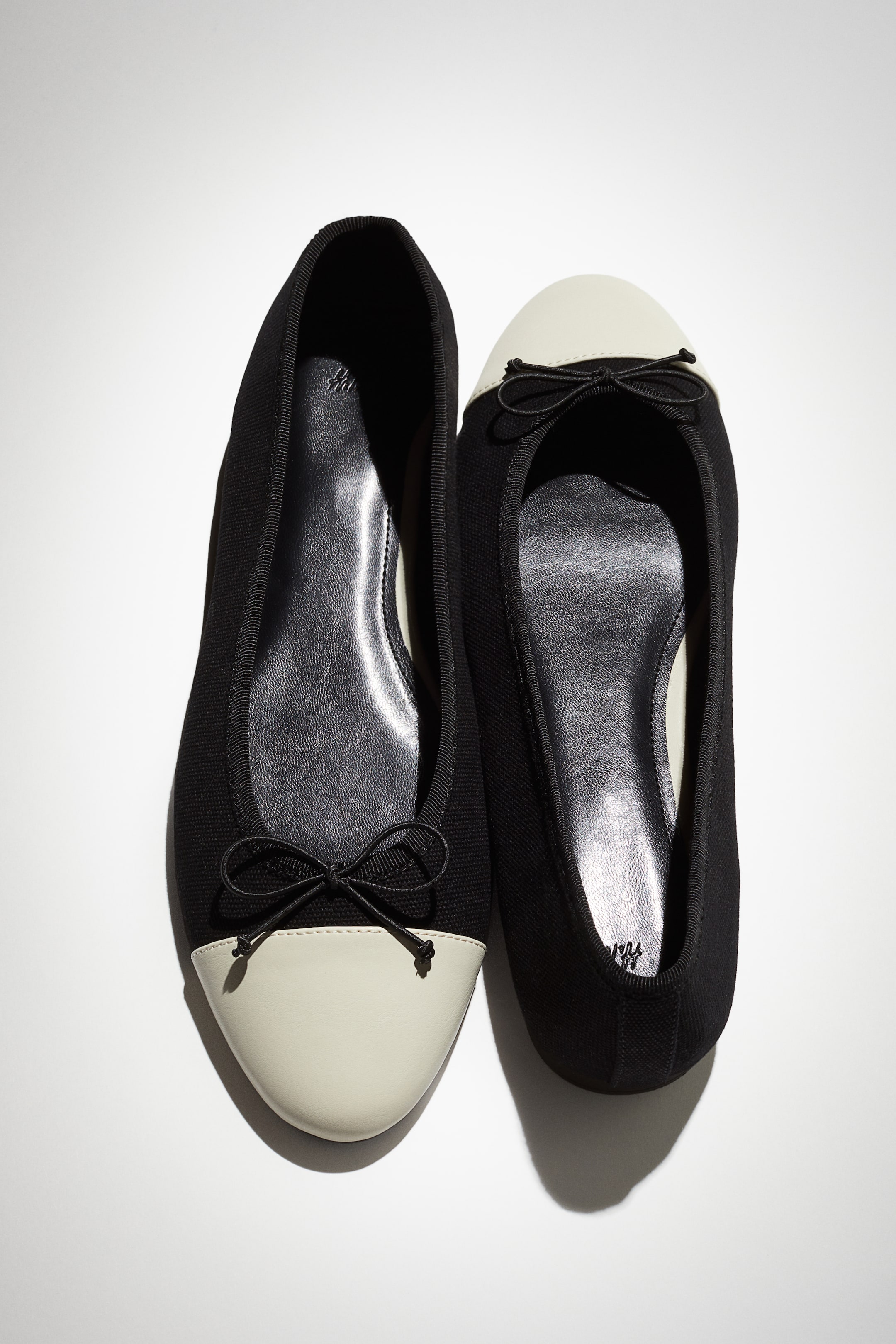
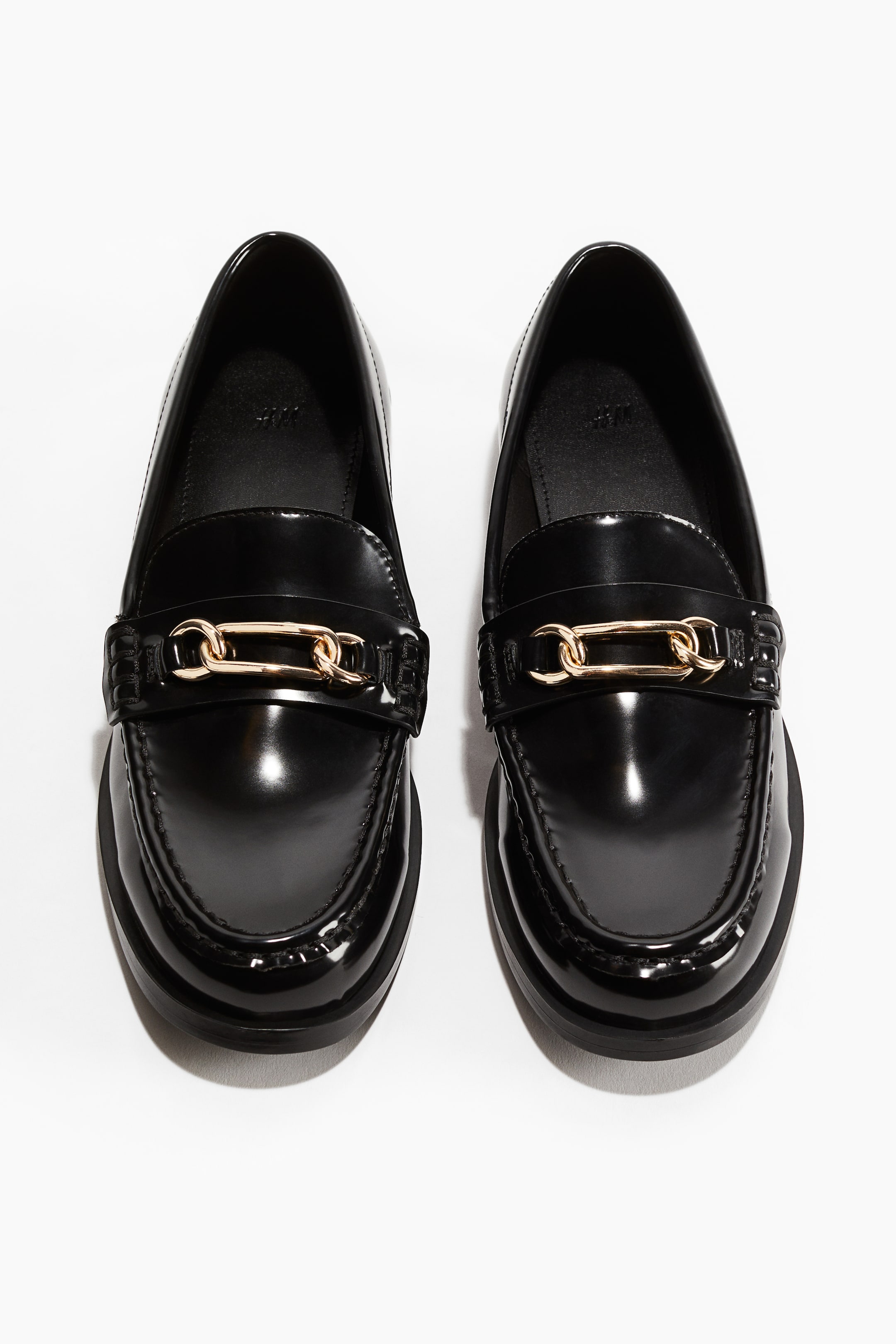
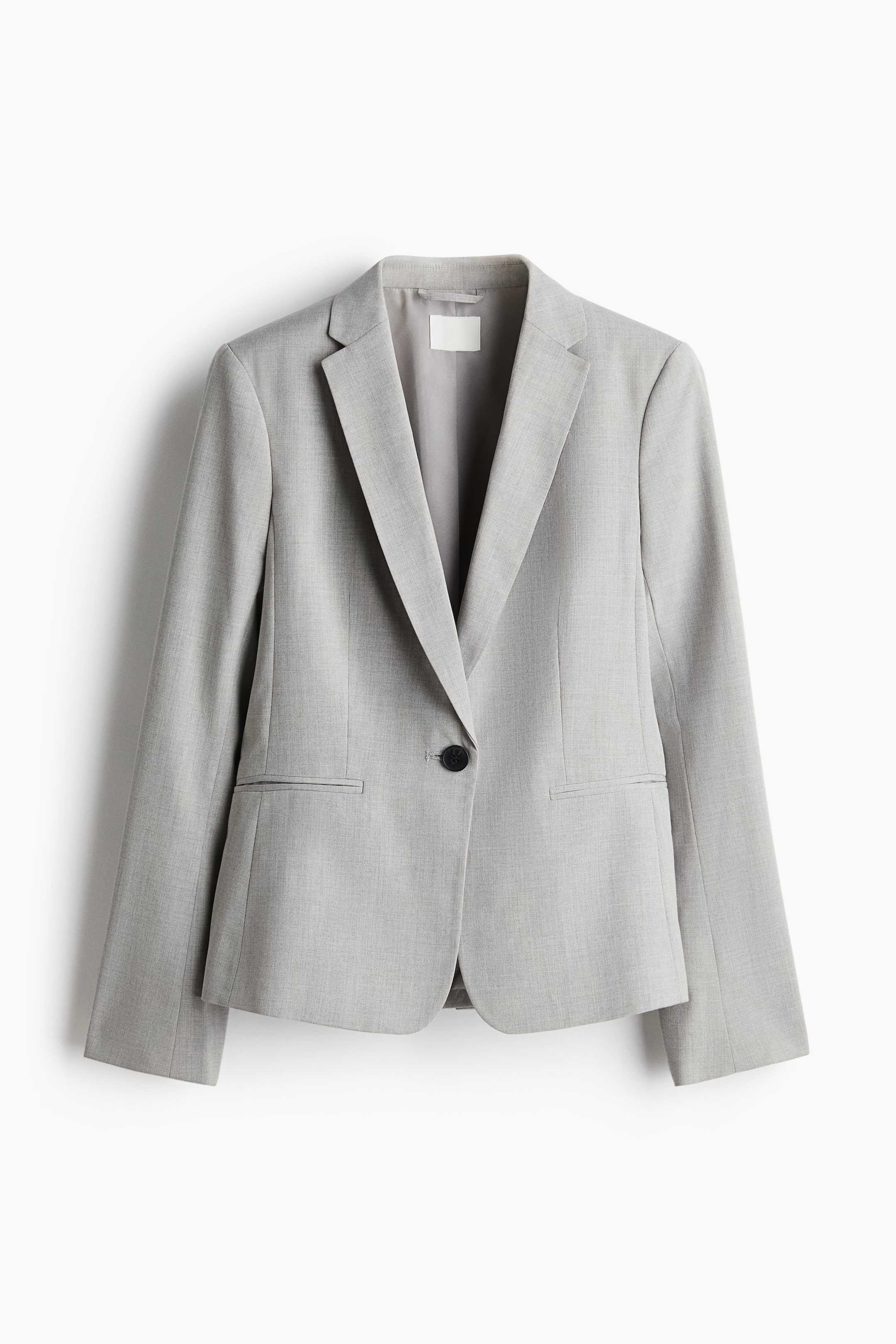
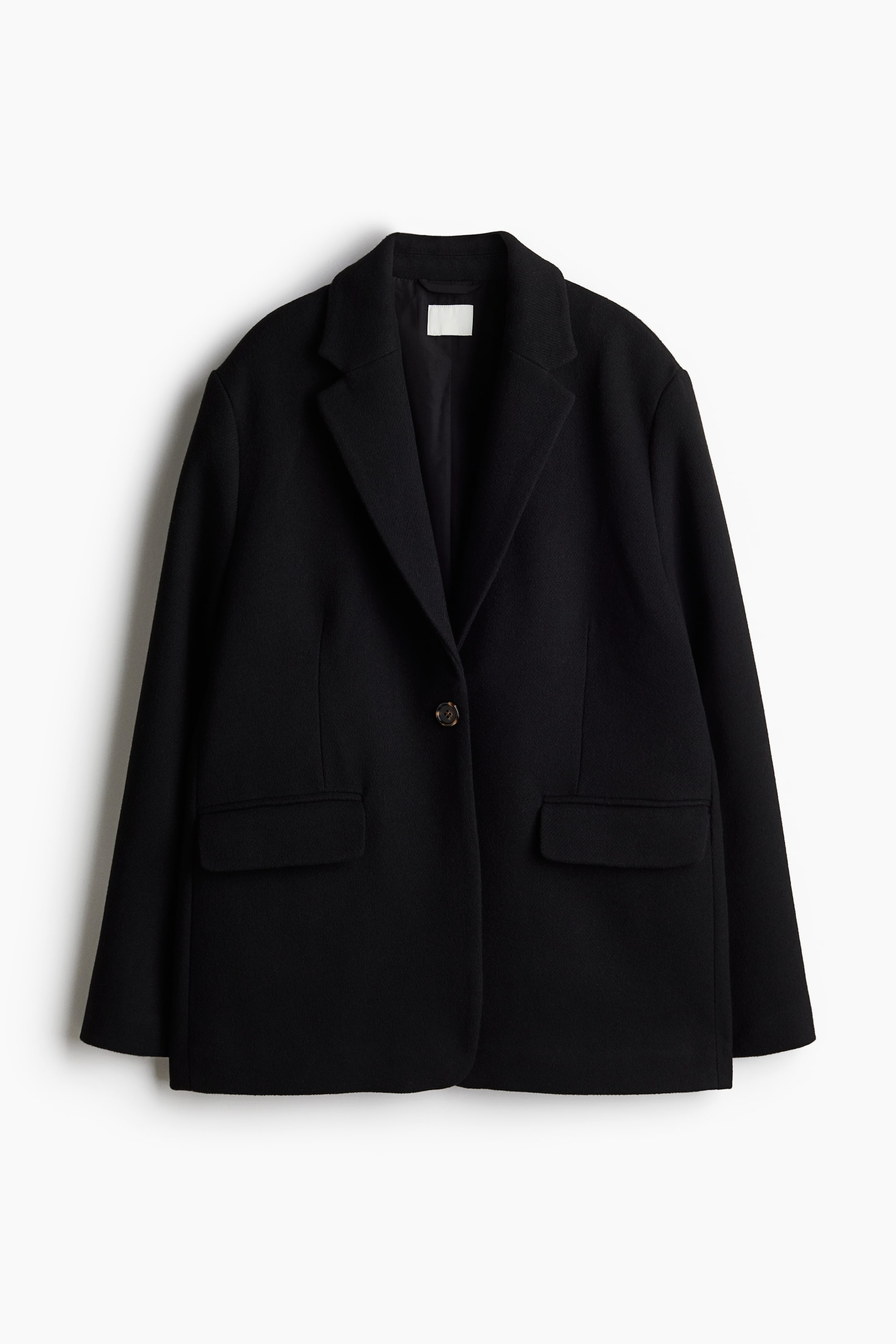
H&M is built for affordable, trend-driven fashion rather than long-lasting wardrobe staples. As a Swedish fast-fashion giant, the second-largest international clothing retailer after Inditex, it excels at current styles and inclusive sizing at low prices. If you want of-the-moment pieces without overspending it delivers, though you trade some durability for that value.
Is H&M good quality?+
H&M's quality is mixed by design: its fast-fashion model prioritises low price and quick trends, so durability varies by item. Basics like tees and activewear tend to hold up better than more disposable trend pieces. Treat it as a place for budget-friendly, current-season clothing rather than heirloom construction.
How does H&M compare to Zara?+
They are the two titans of fast fashion, but with different leanings. H&M is the lower-priced, broadly accessible option with wide sizing, while Zara (owned by rival Inditex) skews more trend-forward and design-led. Notably, H&M is the second-largest international clothing retailer after Inditex, Zara's parent, so the two are direct heavyweight competitors.
When and where was H&M founded?+
H&M was founded in 1947 by Erling Persson, who opened his first shop in Västerås, Sweden. It was originally called Hennes, Swedish for 'hers', and sold only women's clothing. That Swedish heritage and its Stockholm headquarters still anchor the brand today.
What does the H&M name mean?+
The two letters come from Hennes & Mauritz. The brand began as Hennes ('hers') in 1947, then in 1968 Persson acquired the hunting-apparel retailer Mauritz Widforss in Stockholm, which brought menswear into the range and changed the name to Hennes & Mauritz. It has been known as H&M ever since.
Who owns and runs H&M now?+
H&M's full name is H & M Hennes & Mauritz AB, a Swedish multinational listed on the Stockholm Stock Exchange since 1974 and closely tied to the founding Persson family. Helena Helmersson was CEO from 2020 to 2024, and as of January 2024 the current CEO is Daniel Ervér. The company operates thousands of stores across 75 markets and employs over 171,000 people.
What are H&M's famous designer collaborations?+
H&M pioneered the high-fashion-meets-high-street collaboration. It began with an exclusive Karl Lagerfeld collection in November 2004, which sold out in big cities within an hour, and went on to partner with Stella McCartney, Viktor & Rolf, Madonna, Roberto Cavalli, Comme des Garçons, Jimmy Choo, Lanvin and Versace, among others. These limited-edition drops became a defining part of the brand's identity.
What other brands does the H&M Group own?+
Beyond the main H&M label, the group runs six separate concept brands: Afound, Arket, COS, Monki, Weekday, and & Other Stories. COS, for instance, leans into minimalist, architecture-inspired design meant to be worn beyond a single season. Together they let the group reach different shoppers and price points.
What is H&M doing about sustainability?+
H&M has launched several recycling and sourcing initiatives, including a 2013 used-clothing voucher scheme processed by recycler I:CO and a goal of using only recycled or sustainably sourced materials by 2030. The Persson family also established the H&M Foundation in 2014 with an initial $180 million investment, funding projects like recycling technology and the Global Change Award. That said, the brand produces around 3 billion garments a year, so its overall footprint remains large.
Has H&M faced controversies over labor and sourcing?+
Yes, several documented ones. H&M was among retailers tied to the 2013 Rana Plaza factory collapse in Bangladesh that killed over 1,100 people, and it has faced ongoing scrutiny over wages and conditions at suppliers in Cambodia, Bangladesh and elsewhere. It also drew a US class-action over alleged greenwashing of its Conscious Choice range (dismissed) and a Norwegian regulator's warning over environmental marketing claims.
Why was H&M boycotted in China?+
In March 2021, after H&M's statement that it would not use cotton from Xinjiang over forced-labor concerns resurfaced, it was criticised by the Communist Youth League of China and a public boycott followed. Chinese e-commerce platforms and apps blocked the brand and ambassadors cut ties, and its China sales fell sharply that year. H&M resumed sales in China in 2022, though its image there remained damaged.
How should I care for H&M clothes so they last?+
Because much of H&M's range is fast-fashion weight, gentle care makes a real difference: wash cold, turn garments inside out and air-dry where you can to slow fading and wear. Choosing the brand's better basics and natural-fibre pieces over thin trend items also helps them survive more than a handful of wears. Following the label closely is the simplest way to stretch their life.