 Zara
Zara
Up to 60% Off
Zara Mid-year Sale
- Zara Mid-Year Sale up to 50% off.
- Shipping $4.95 or free in-store pickup.
Runway to rail in weeks — the Galician house that rewrote the speed of fashion.
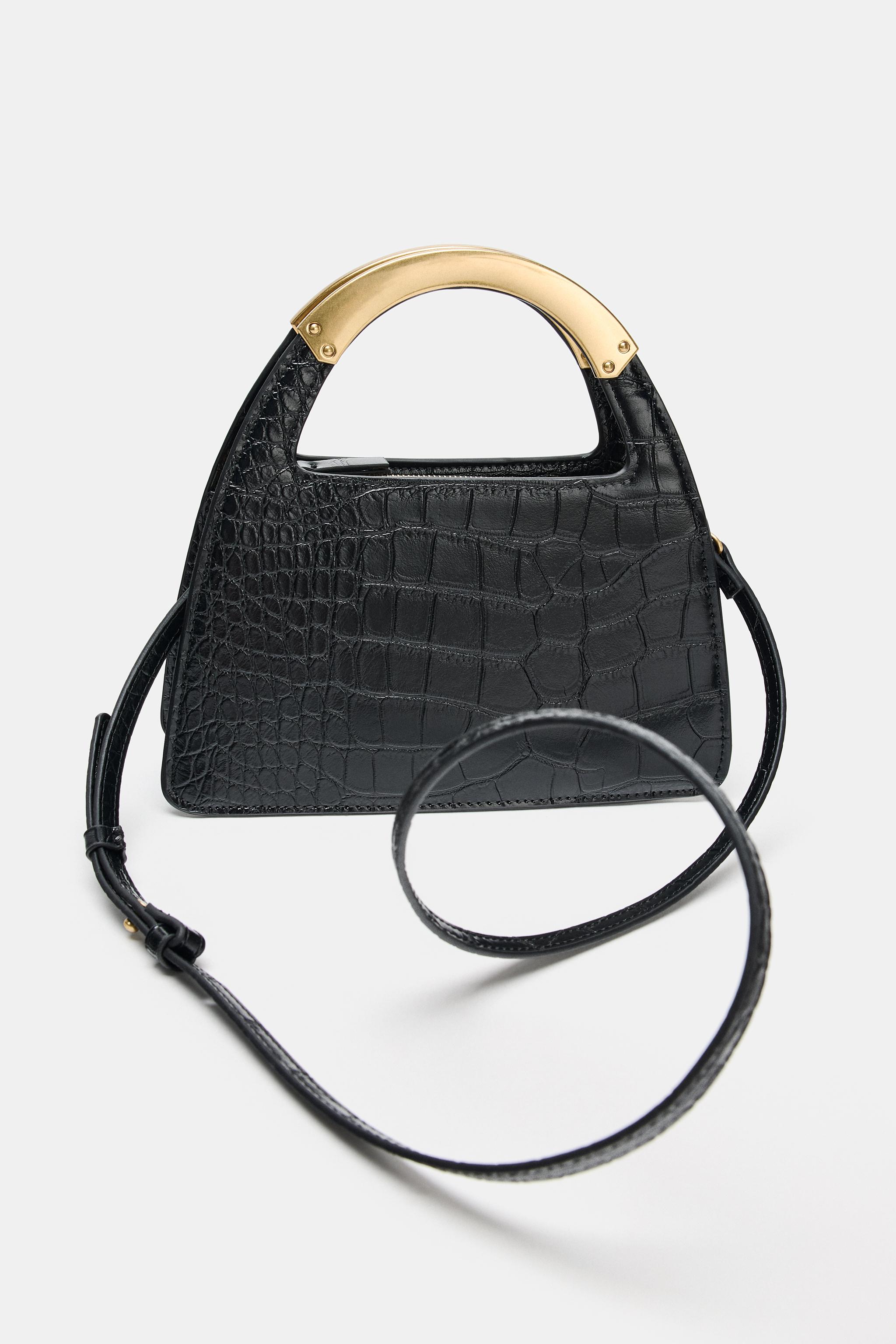
Live sales that include Zara, across the retailers we track — tap any to open it on the store, pinned to the top.
Zara
 Zara
Zara
 Zara
Zara
 Zara
Zara
 Zara
Zara
 Zara
Zara

 Zara
Zara
 Zara
Zara
 Zara
Zara
 Zara
Zara
 Zara
Zara
 Zara
Zara
 Zara
Zara
 Zara
Zara
 Zara
Zara
 Zara
Zara
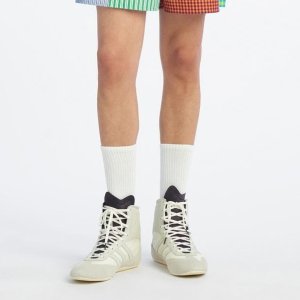

Real verified markdowns across Zara — filter by category, retailer & price. Heart anything to track its price.
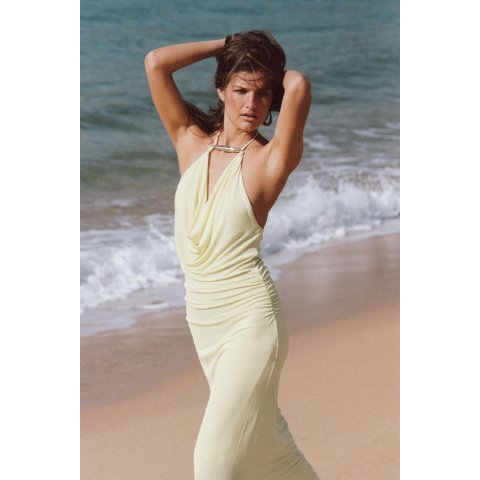
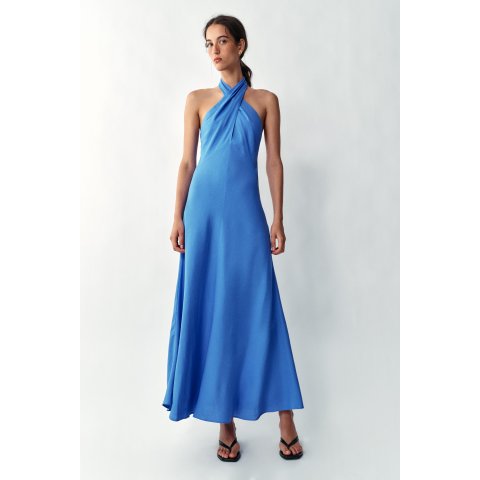
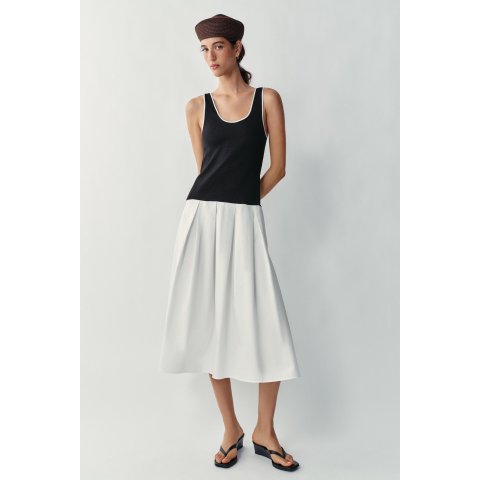
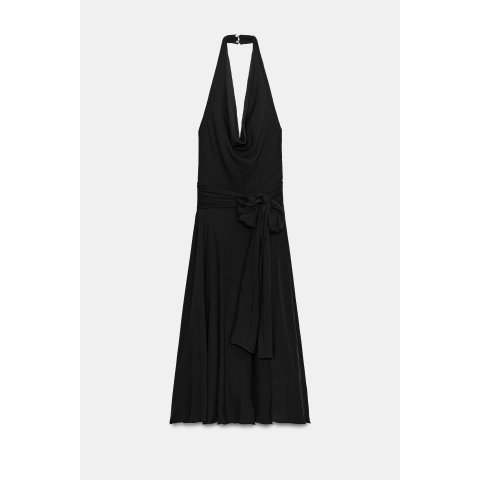

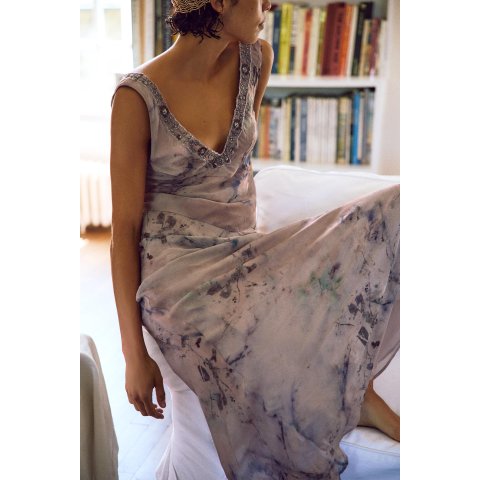
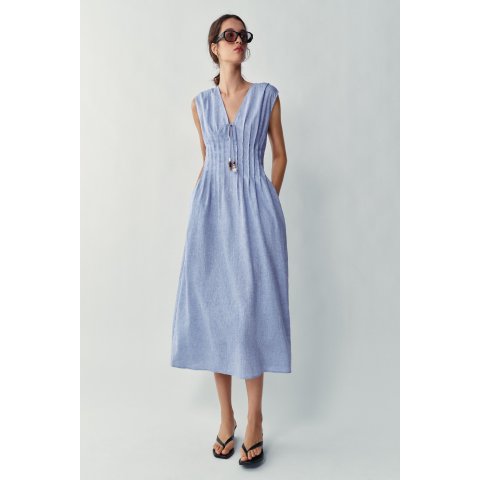
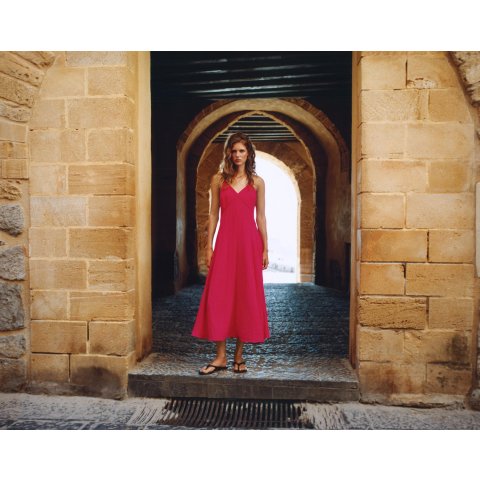
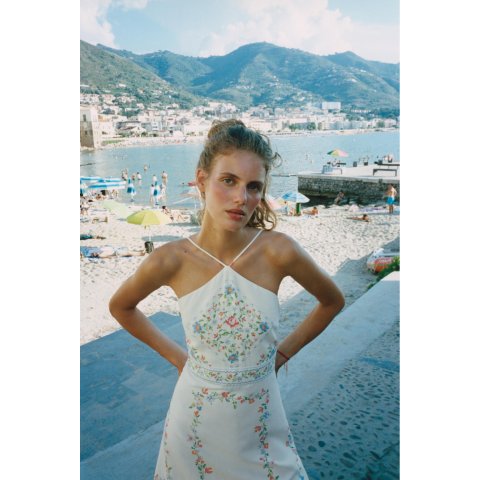
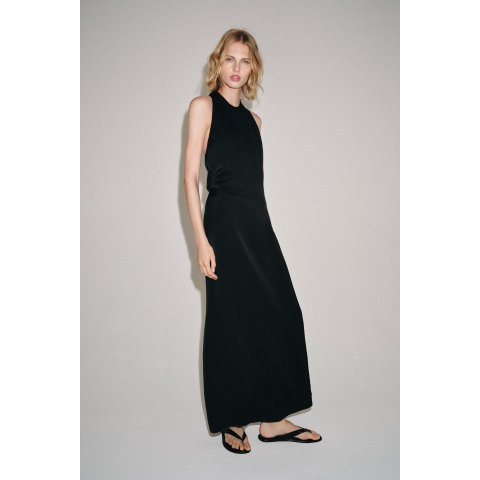
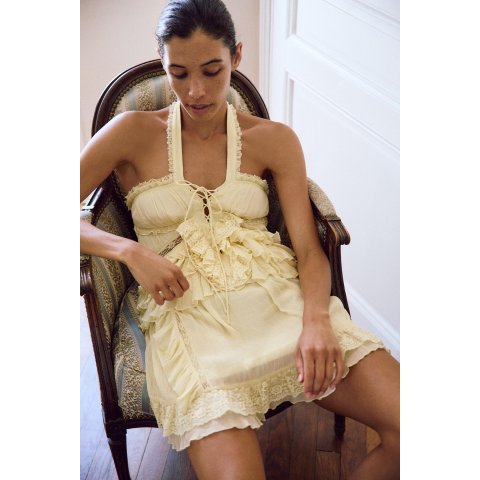

The first shop was nearly called 'Zorba', after the 1964 film, before the letters were rearranged to 'Zara'. Through the 1980s the company rebuilt design, manufacturing and distribution to slash lead times, opening its first international store in Porto in 1988 and reaching the U.S. in 1989.
Zara can design a product and put it in stores in as little as four to five weeks — against a six-month industry average — making roughly 40,000 designs a year and producing over 450 million items, with much of its most fashionable merchandise made in company-owned factories in Spain, Portugal and Turkey. The brand famously runs a zero-advertising policy, investing instead in new stores.
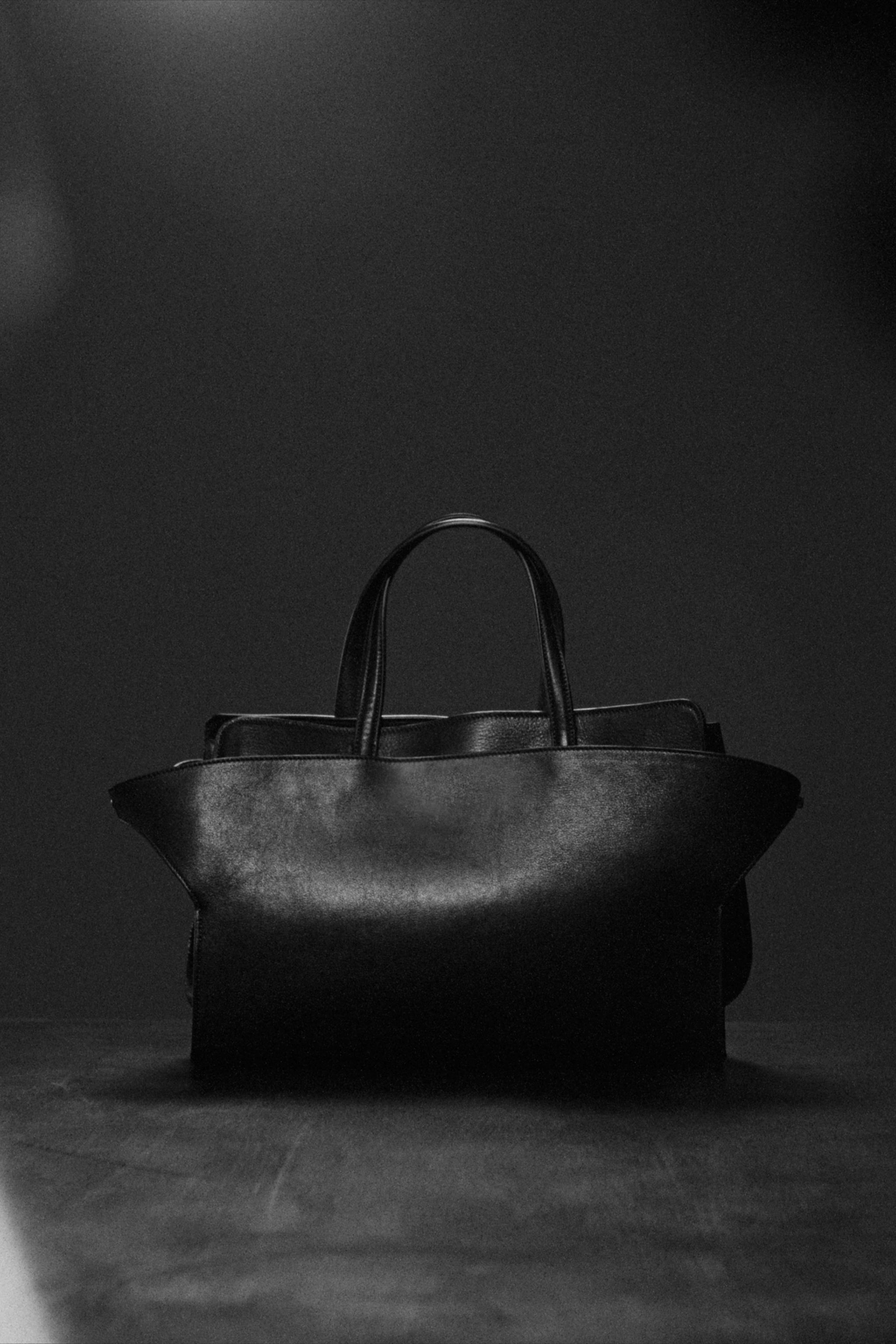
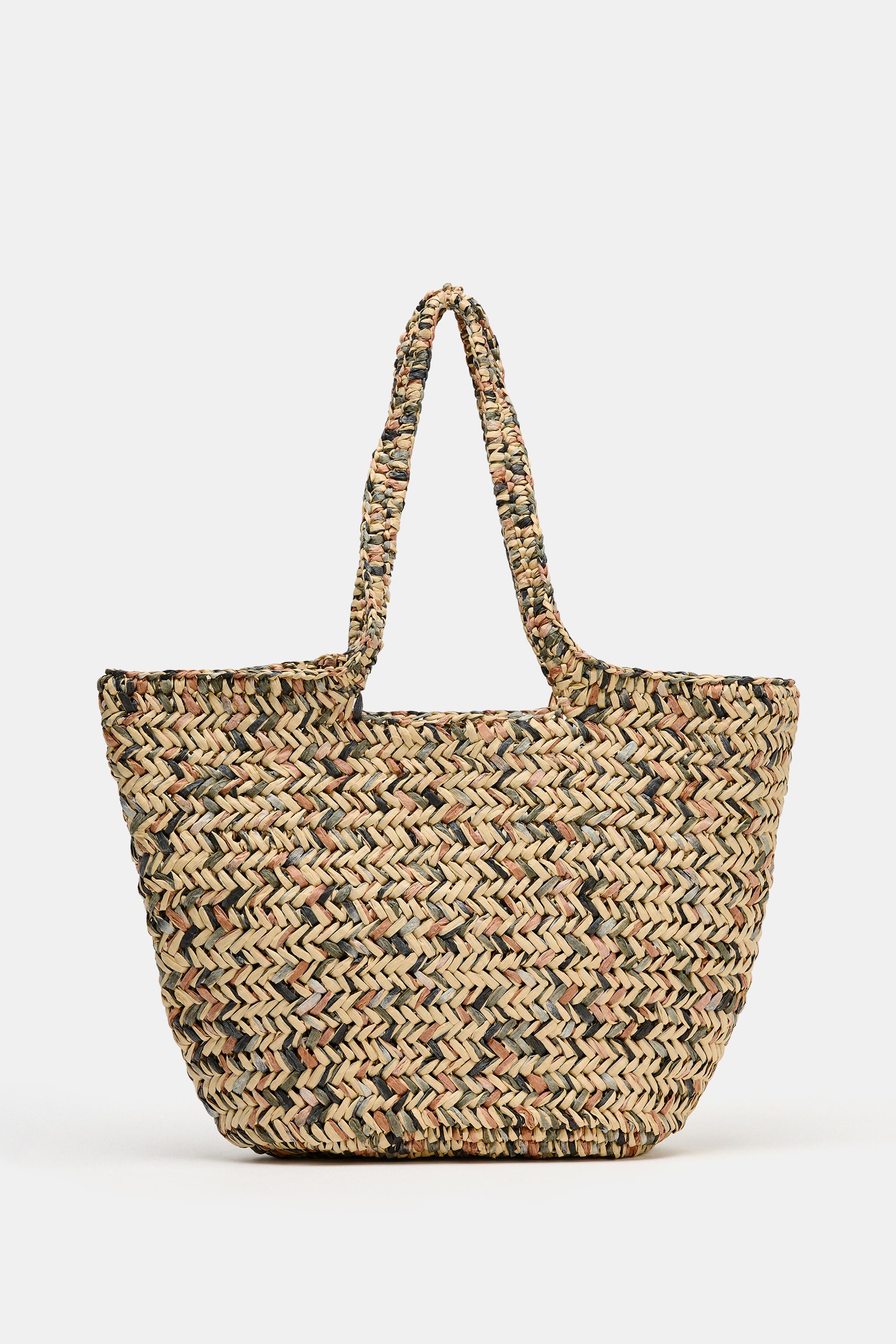
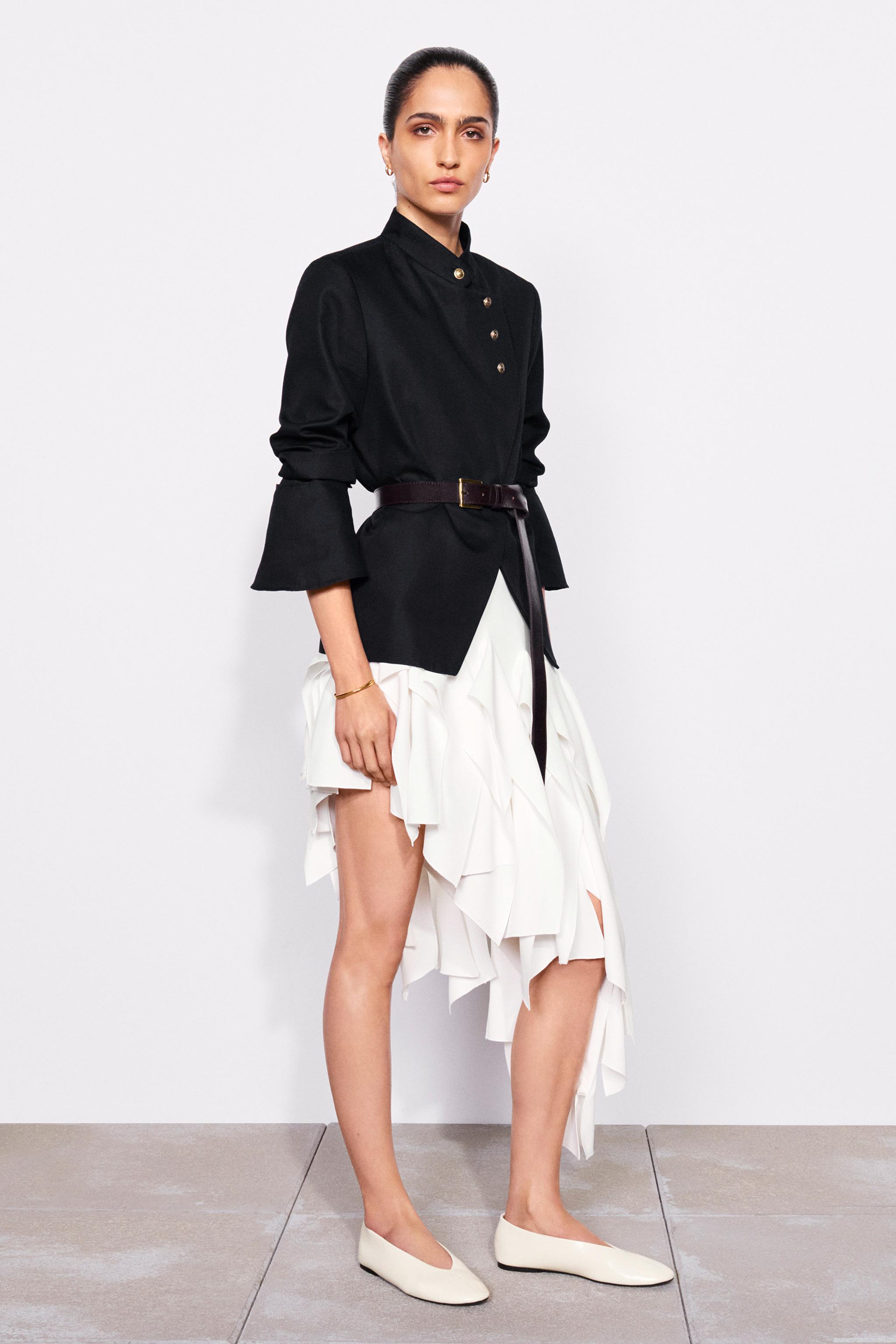
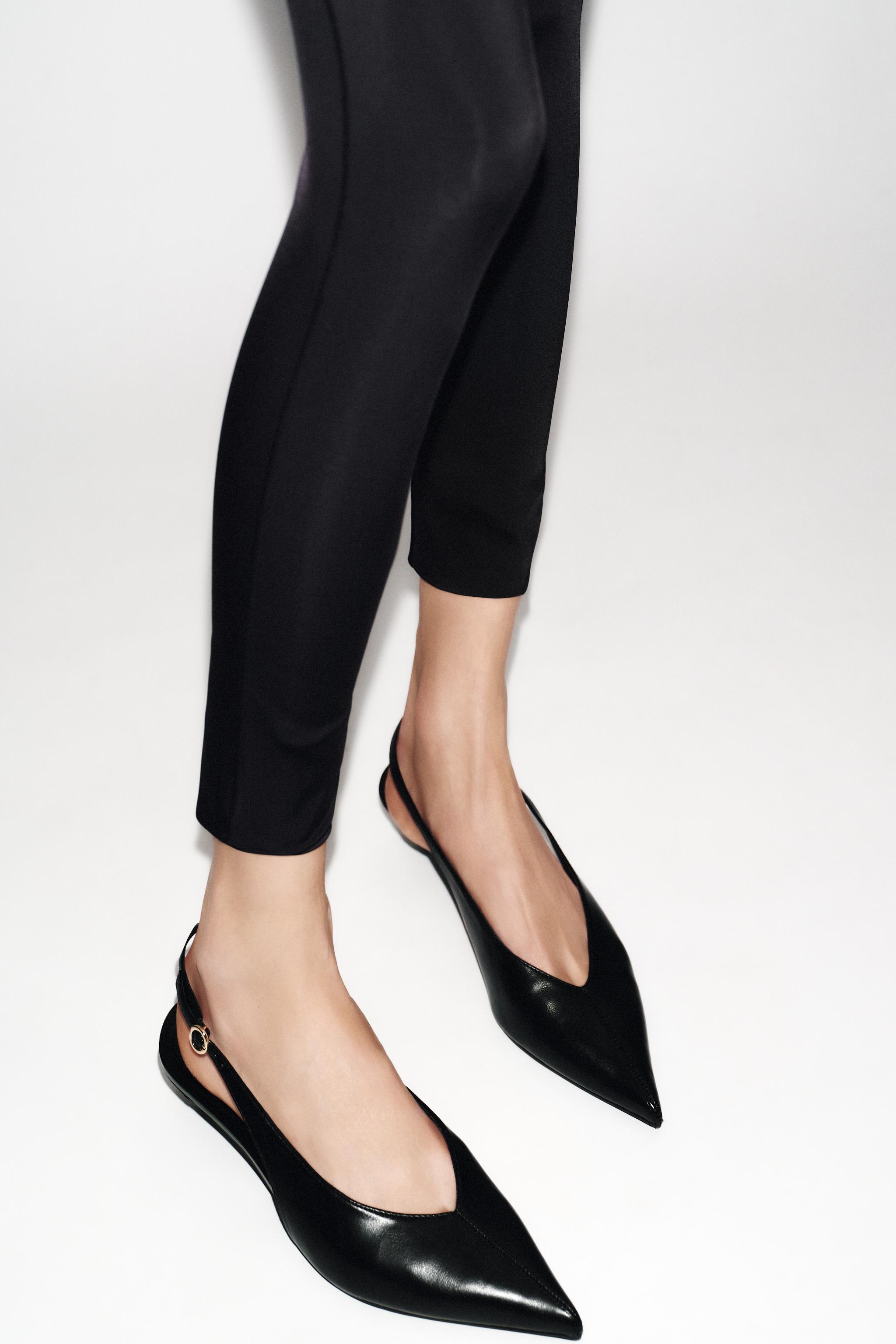
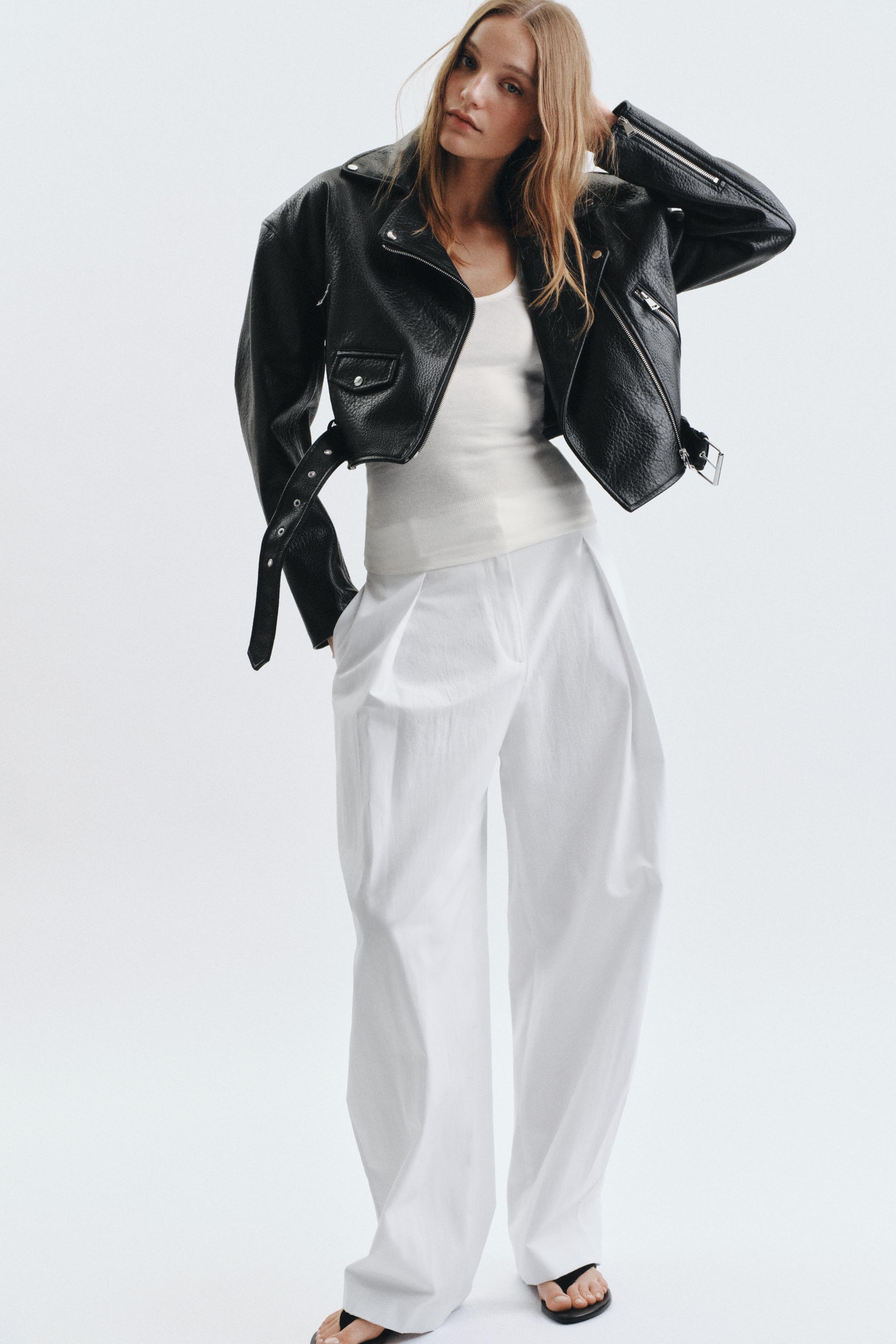
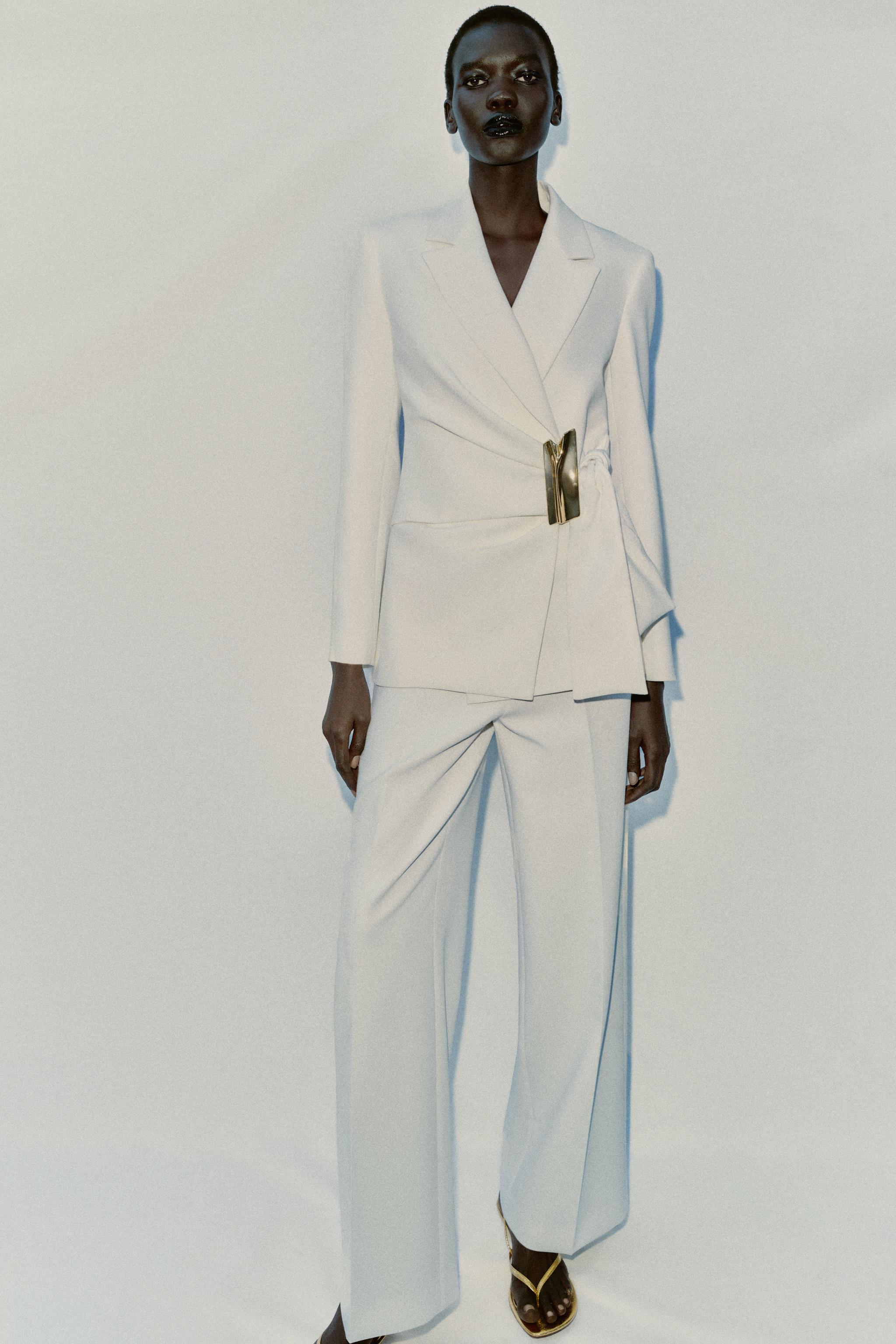
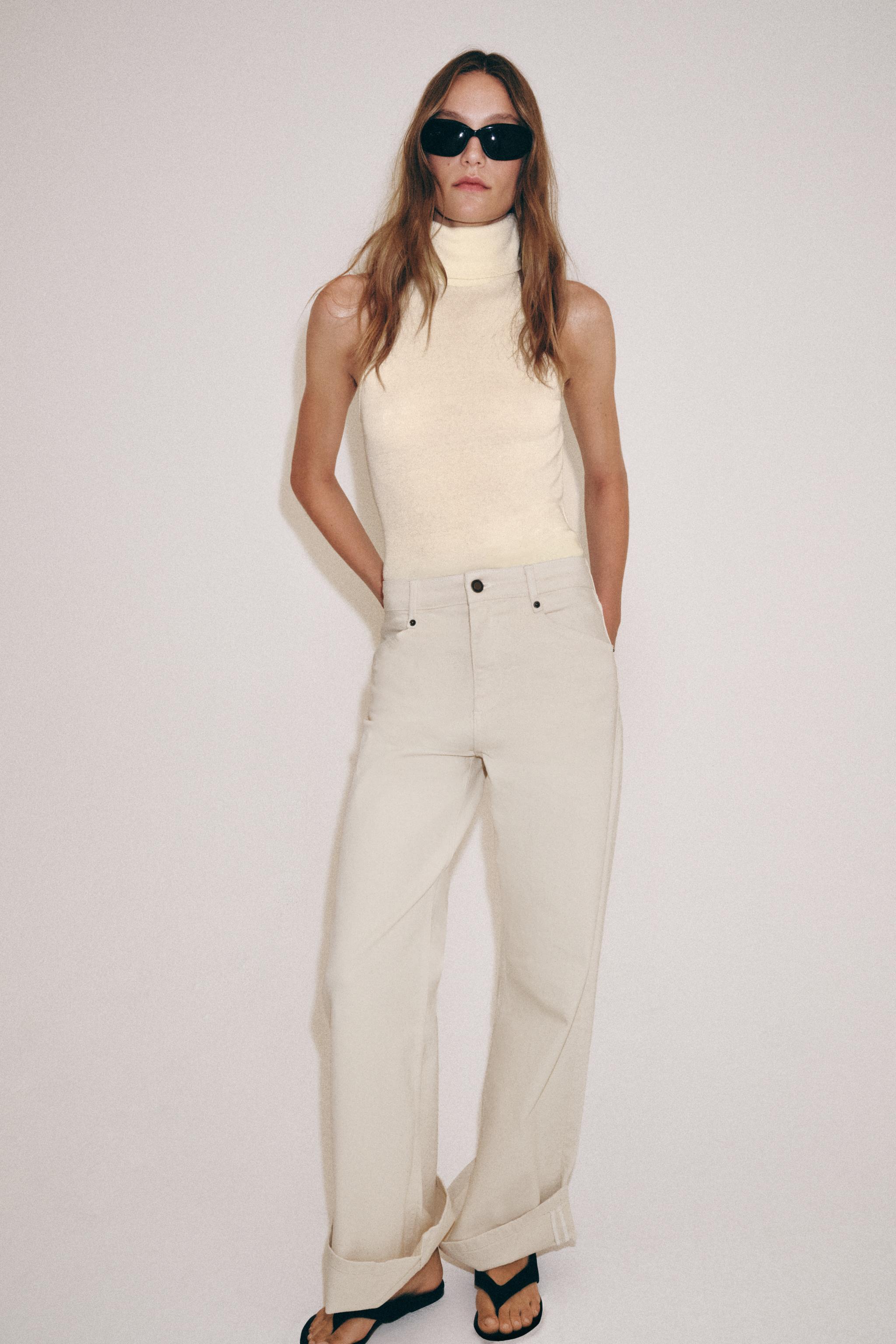
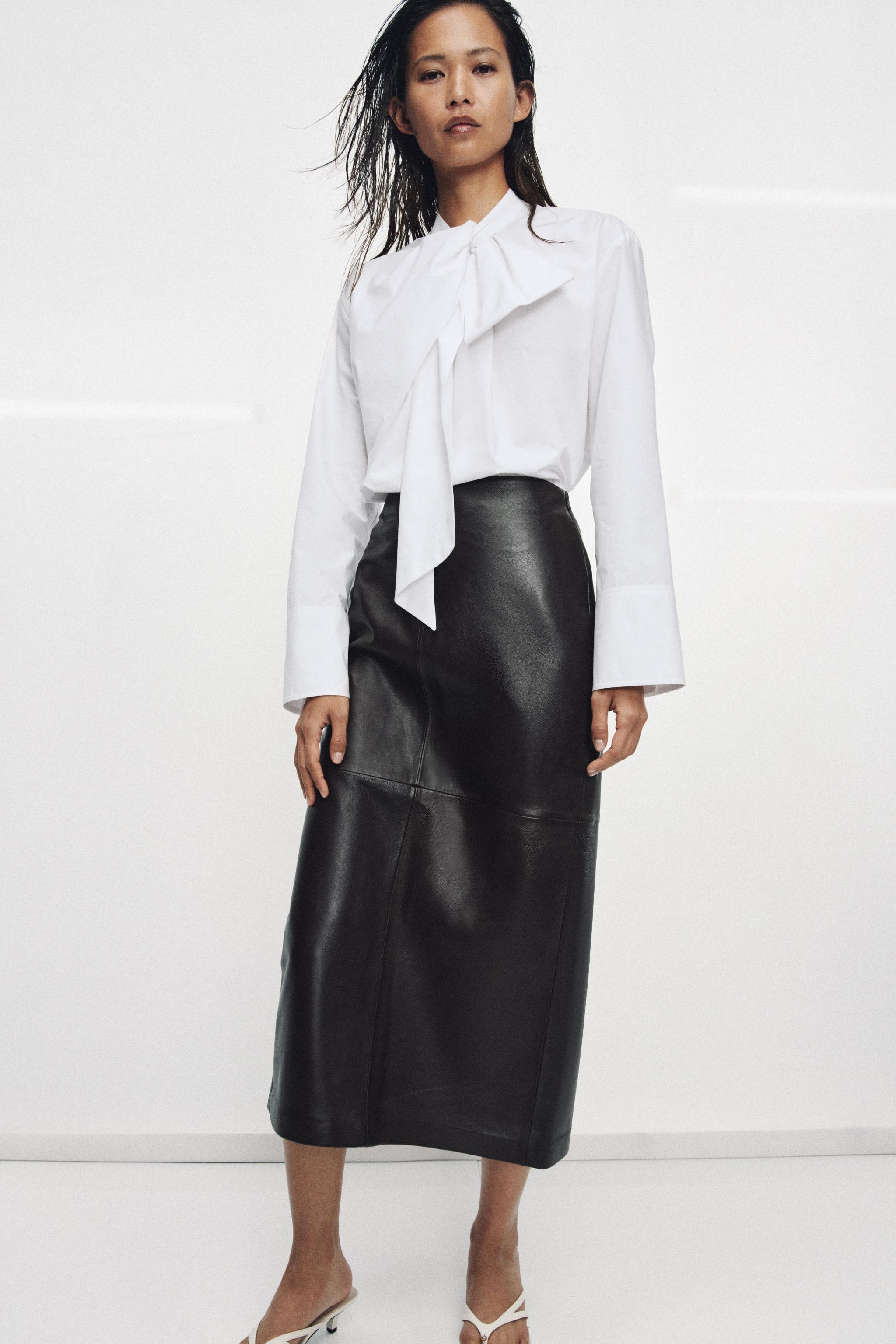
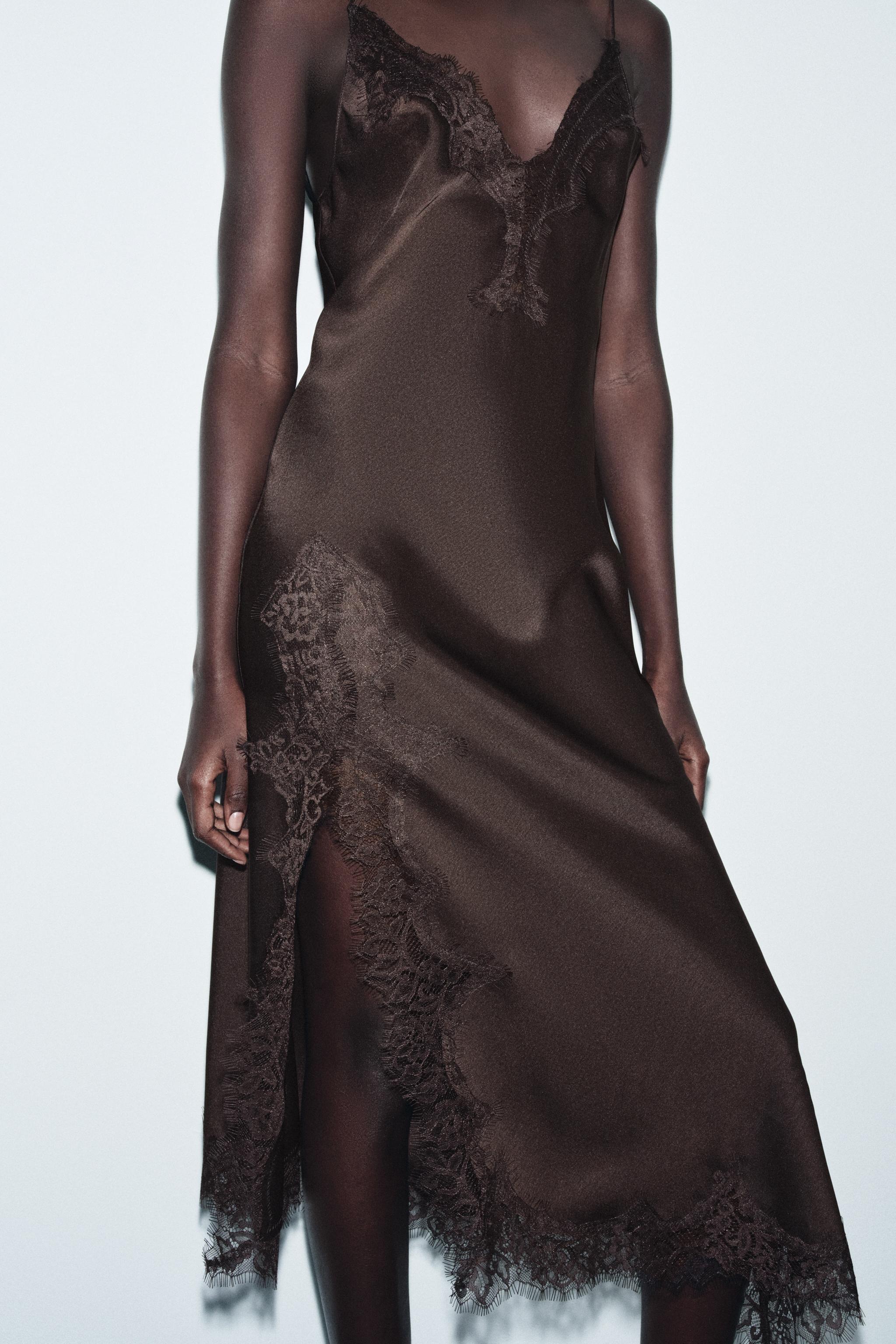
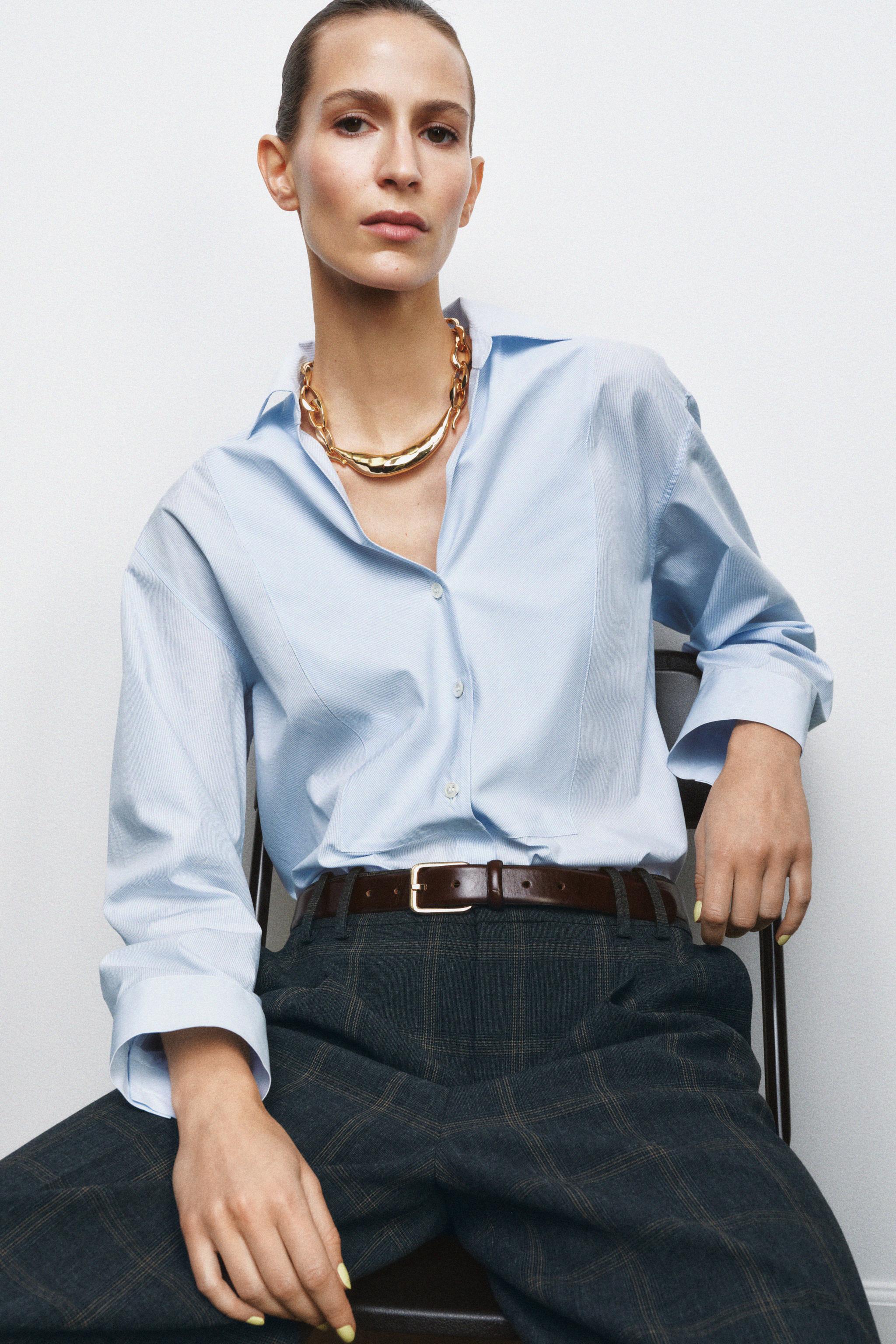
Size and fit guides, honest reviews and comparisons that cover Zara — from our editors.
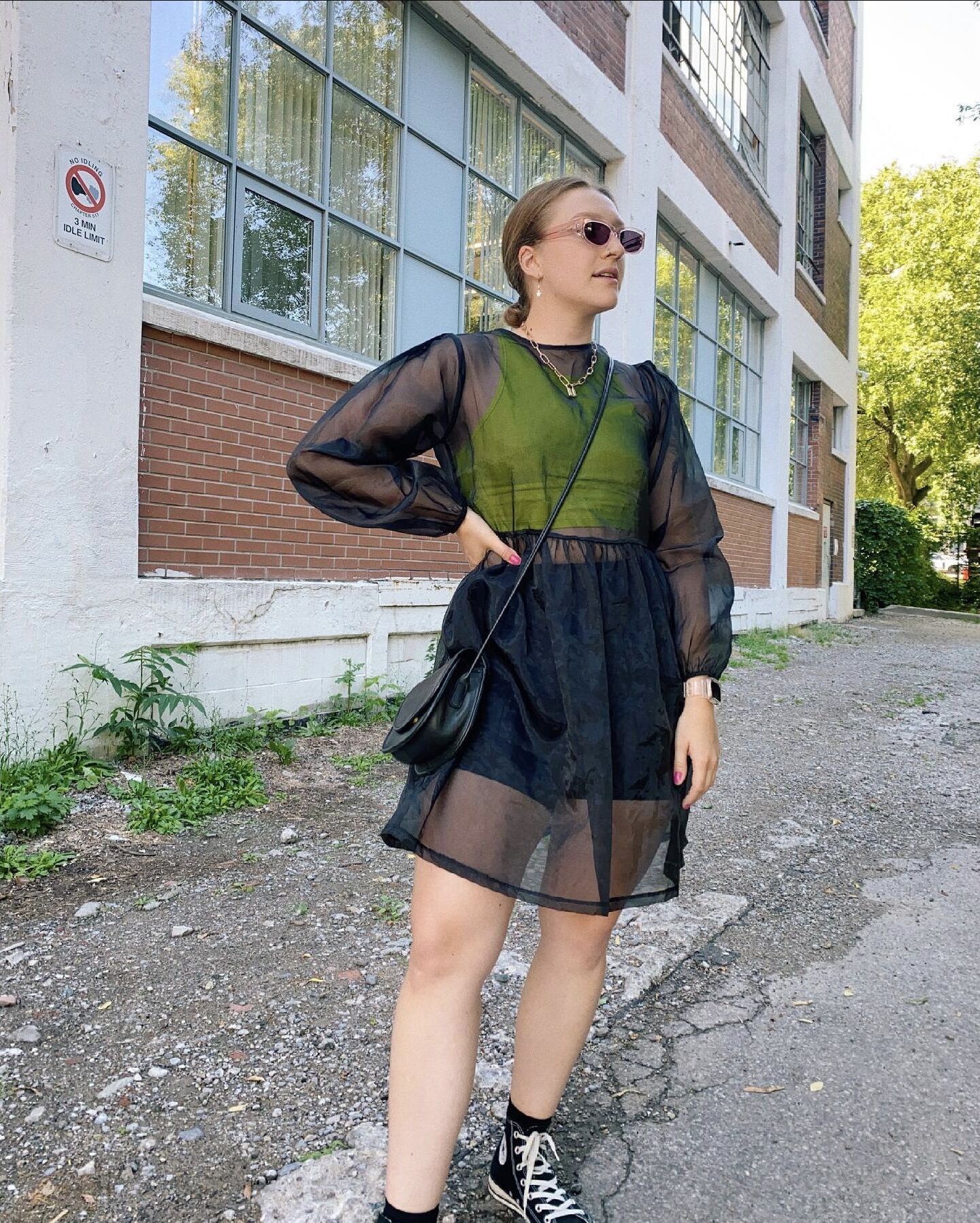
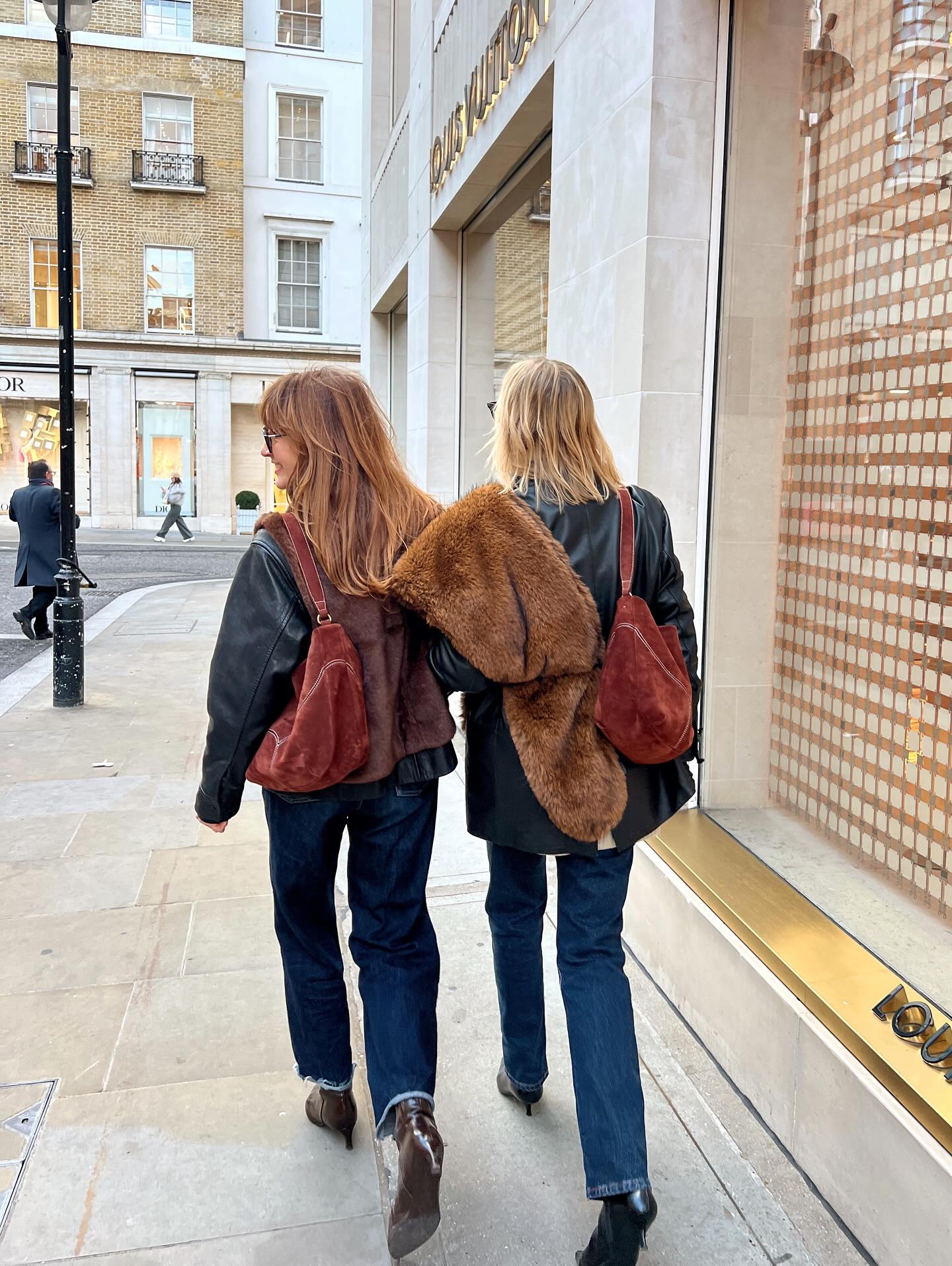

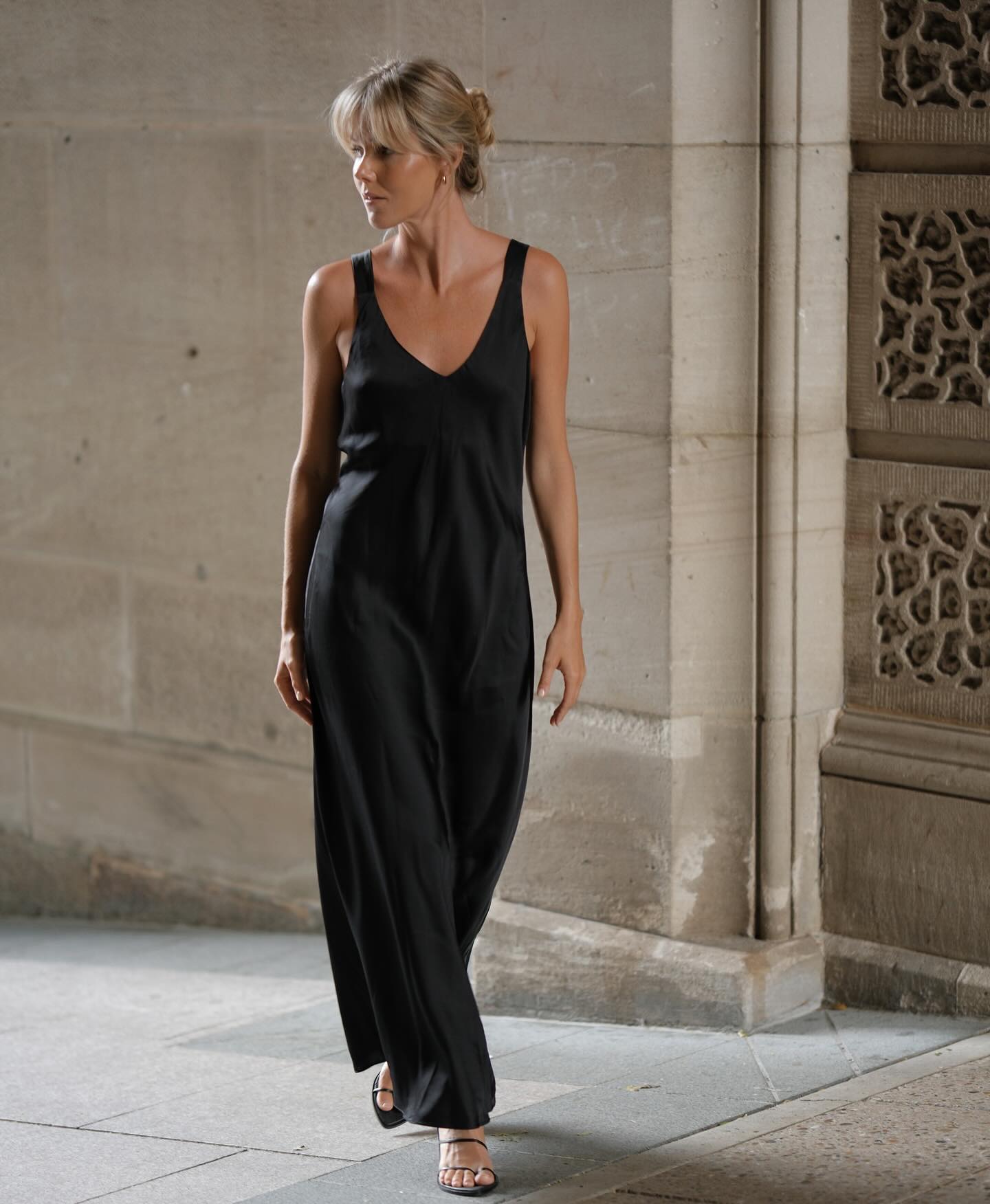
Tap any category to shop every Zara deal in it.
Same authentic Zara, different prices & codes. We watch all of them so you don't have to tab-hop.
Same quiet-luxury, craft-first sensibility — follow any to widen your alerts.


Zara shines for fashion-forward, of-the-moment pieces at a mid-tier price rather than lifelong durability. As Inditex's flagship fast-fashion brand, it turns runway-inspired trends into store-ready clothing remarkably fast. It is best for trendy statement pieces and structured basics like blazers and select denim, less so for items you expect to wear for many years.
Zara's quality varies sharply by category: tailored pieces such as blazers and some denim tend to hold up, while basic tees and knits can feel flimsier. That spread comes from its model, where roughly half its most fashionable merchandise is made at company-owned factories in Spain, Portugal and Turkey, and longer-life basics are outsourced to Asia. Shopping by fabric and line is the way to get the most from it.
Zara built a famously rapid supply chain: it can design a product and have finished goods in stores in about four to five weeks, and modify existing items in as little as two. In the 1980s it reworked its design, manufacturing and distribution to cut lead times, later adopting a Toyota-style just-in-time (JIT) system from its own La Coruña factory. All clothing flows through its Spanish distribution center, often reaching stores within 48 hours.
They are the two giants of fast fashion but with different leanings. Zara, owned by Spain's Inditex, is more trend-led and design-driven, while H&M tends to be lower-priced with broader sizing. A defining Zara difference is speed and a near-zero advertising policy, investing instead in opening stores and refreshing collections constantly.
Zara was established in 1975 by Amancio Ortega Gaona and Rosalía Mera Goyenechea, with their first shop in central A Coruña, in Galicia, Spain. The company is still based there, with its head office in Arteixo. It began by selling low-priced lookalikes of popular higher-end fashions.
The founders first wanted to call the shop Zorba, after the 1964 film Zorba the Greek. After discovering a bar two blocks away with the same name, they rearranged the letters to read Zara. It is believed the extra 'a' came from an additional set of letters that had been made for the company.
Zara is the fast-fashion subsidiary of Inditex, the Spanish multinational fashion design, manufacturing and retailing group. Inditex was built around the brand by co-founder Amancio Ortega, and it also owns sister chains like Bershka. Zara remains Inditex's flagship and best-known label.
Zara produces around 40,000 designs a year, of which roughly 12,000 are selected and produced, deliberately keeping the cycle short. If a design does not sell well within a week it is pulled, further orders cancelled, and a new design pursued. Some fashion-forward pieces stay on shelves less than four weeks, which is exactly what keeps fans coming back for repeat visits.
Zara has pushed several initiatives: after Greenpeace's 2012 Detox campaign it committed to eliminating hazardous chemicals from its supply chain by 2020 and switched to toxic-free production. It has also expanded Zara Pre-Owned, a platform to sell, donate or repair used items, reaching the US in October 2024. Under Zara Home it even helped develop a detergent claimed to cut microfibre release by up to 80 percent.
Yes, several are documented. A Brazilian factory producing Zara clothing was closed in 2011 over poor labour conditions, the BBC reported evidence of child labour at Turkish suppliers in 2016, and in 2017 shoppers in Istanbul found notes from unpaid workers tucked in garments after a third-party manufacturer went bankrupt. Inditex shop assistants in Spain have also struck for better pay, winning raises and bonuses in 2022 and 2023.
Zara has faced repeated criticism over products and ads. Independent designers including Tuesday Bassen accused it of copying their work in 2016, and it pulled items such as a 2014 striped toddler shirt with a yellow star that resembled concentration-camp uniforms. In December 2023 its The Jacket campaign drew dozens of complaints and boycott calls over imagery some likened to scenes from Palestine; Zara removed the campaign and said it regretted the misunderstanding.
Because durability varies, focus on Zara's stronger categories, structured pieces, blazers and select denim, and check fabric content before buying. With proper care many items last one to three years, so wash cotton cold and avoid harsh drying to limit shrinking and fading. Treat trend-led buys as seasonal statements and your investment pieces will reward gentle handling.