
 Helly Hansen
Up to 50% Off
Helly Hansen Sale
- Helly Hansen Sale: up to 50% off.
- Free shipping within the US on orders over $99.
Oilskins for sailors that became technical layering for mountains — a Norwegian sea-to-summit brand built on staying dry.
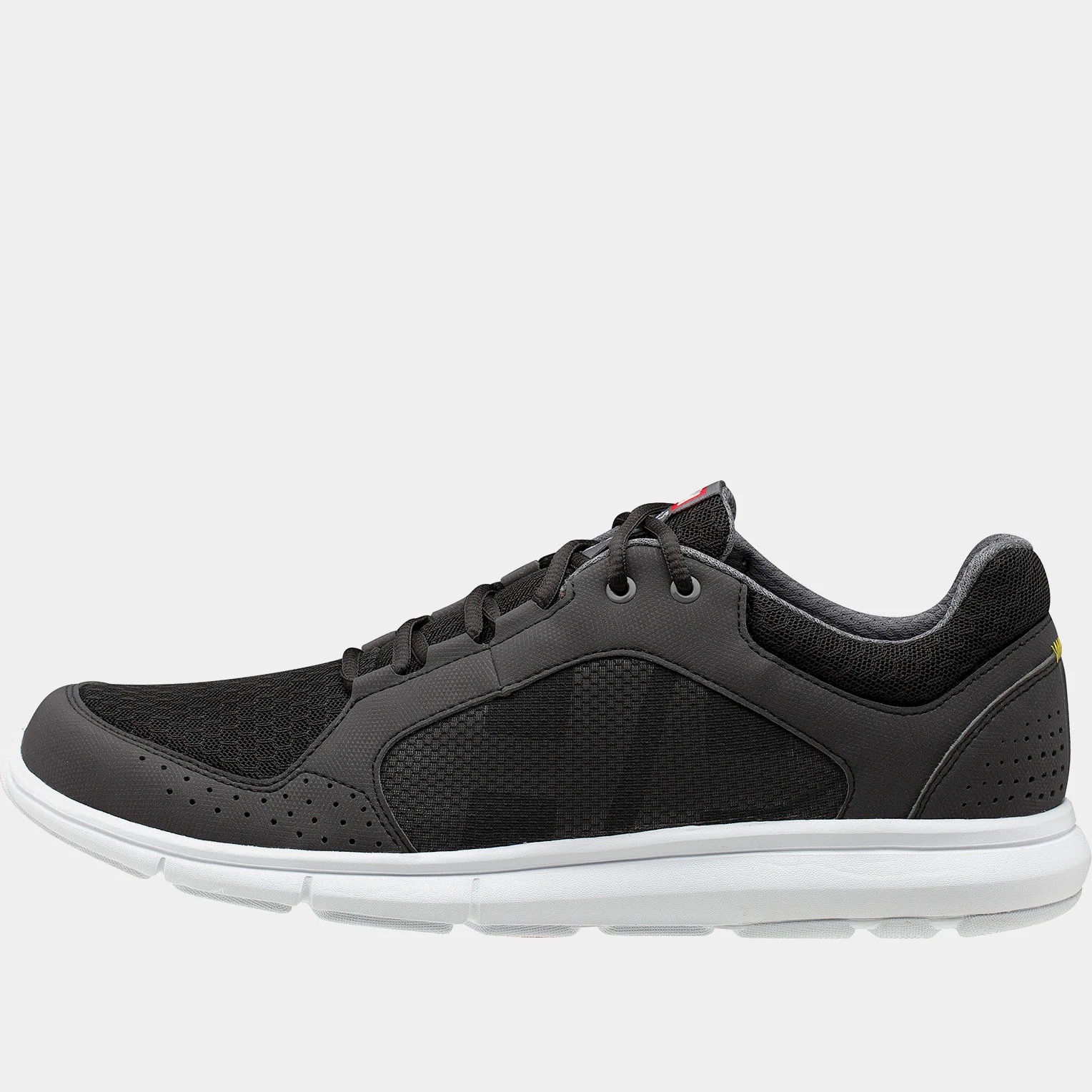
Live sales that include Helly Hansen, across the retailers we track — tap any to open it on the store, pinned to the top.
Helly Hansen
Real verified markdowns across Helly Hansen — filter by category, retailer & price. Heart anything to track its price.
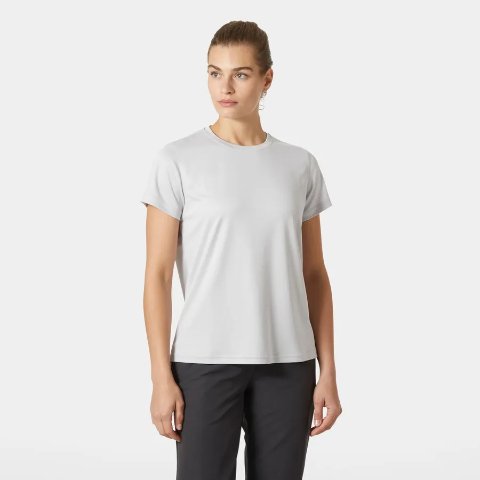
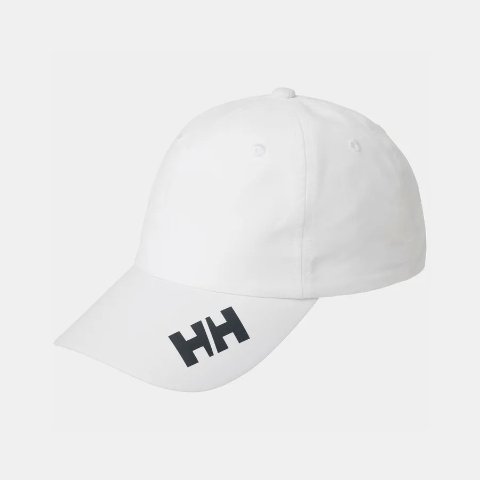
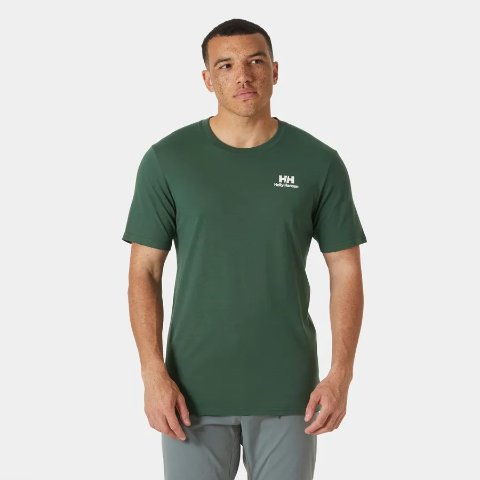
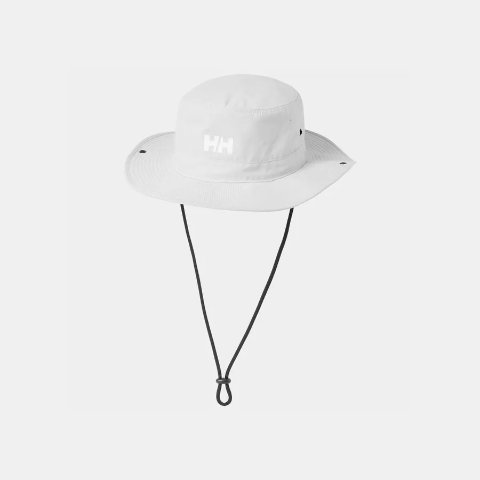
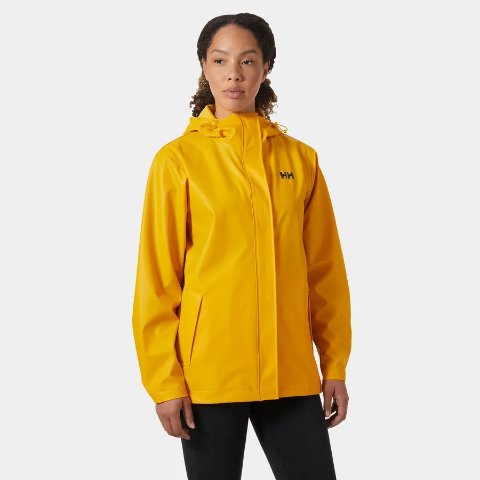
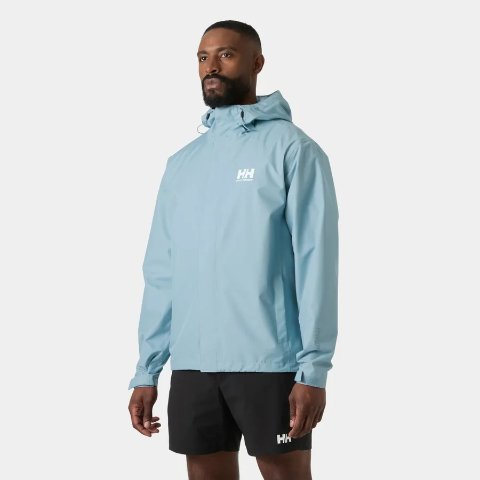
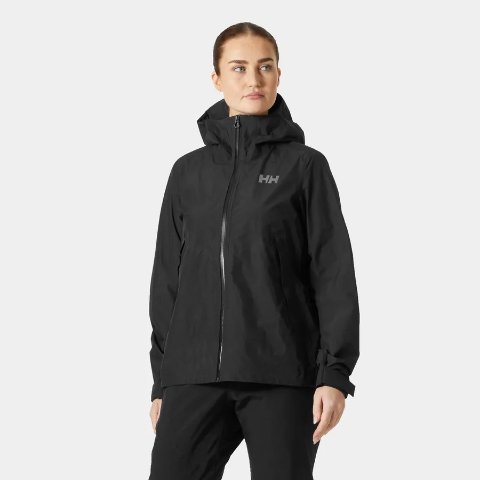
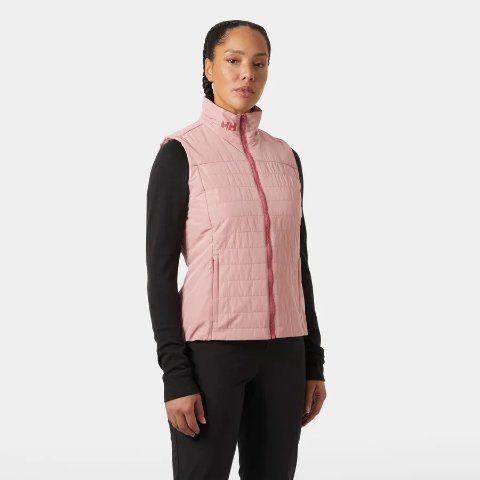
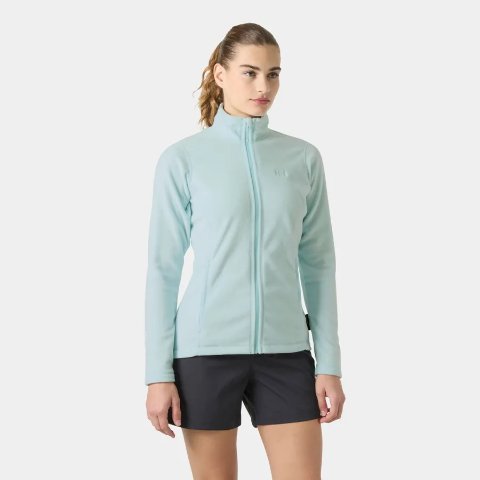
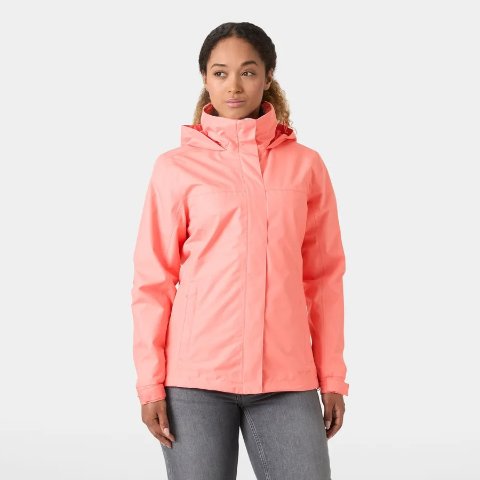
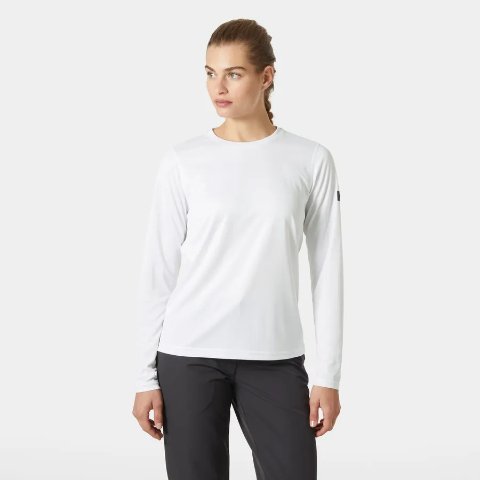
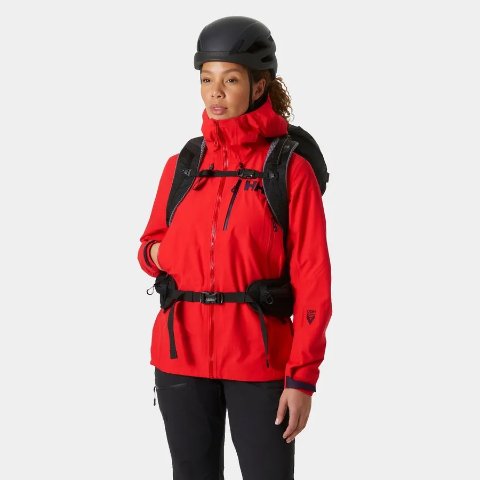
The Norwegian house effectively invented modern layering: Fibrepile insulation, then LIFA base-layers in the 1970s, and the breathable, waterproof Helly Tech system launched in 1980. It also built survival suits for North Sea oil workers, and its Odin mountaineering collection won a Red Dot Design Award in 2008.
Once based in Moss and now headquartered in Oslo, Helly Hansen has passed through Orkla, Investcorp, Altor and the Ontario Teachers' Pension Plan before Canadian Tire bought it in 2018; in June 2025 it was acquired by Kontoor Brands for $1.3 billion.
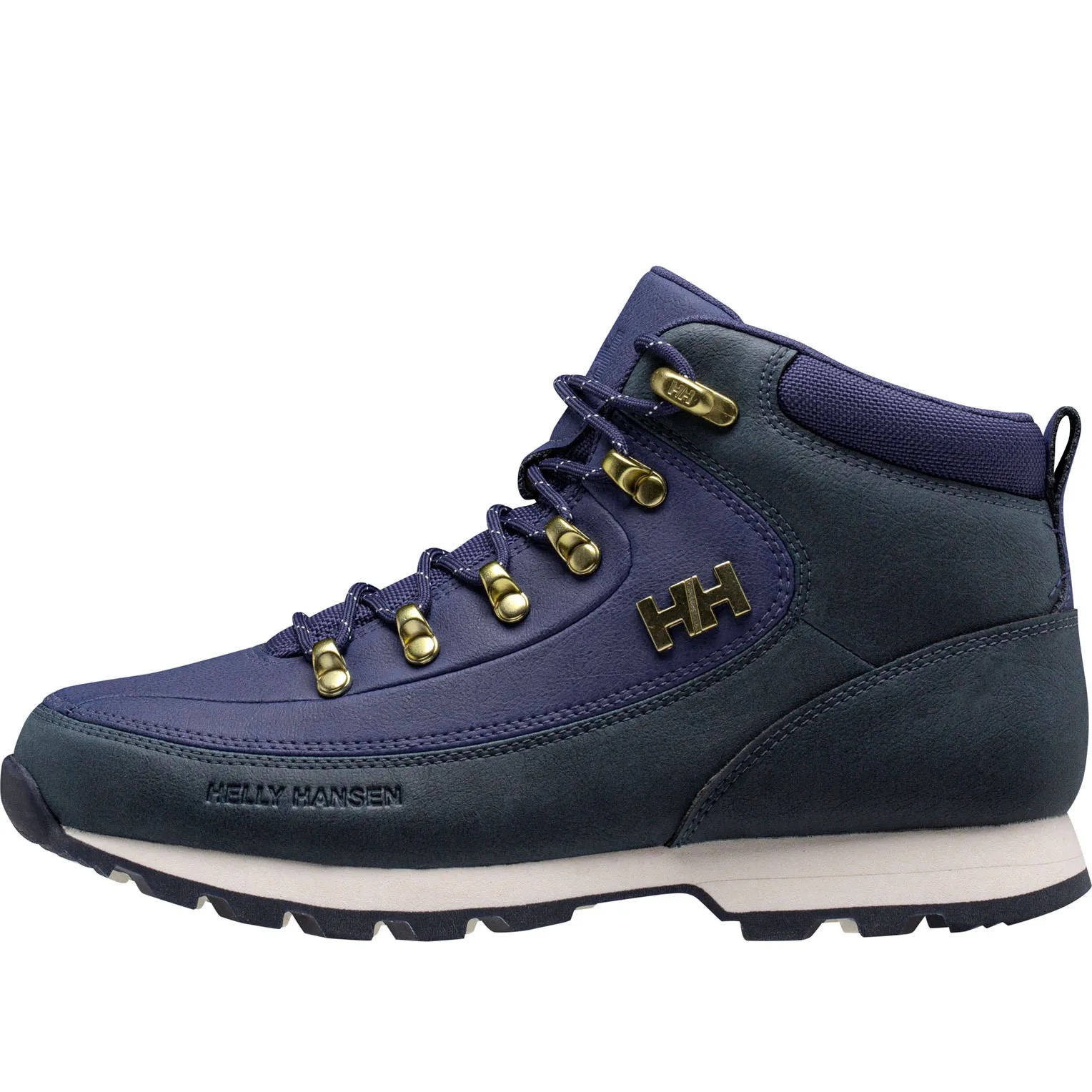
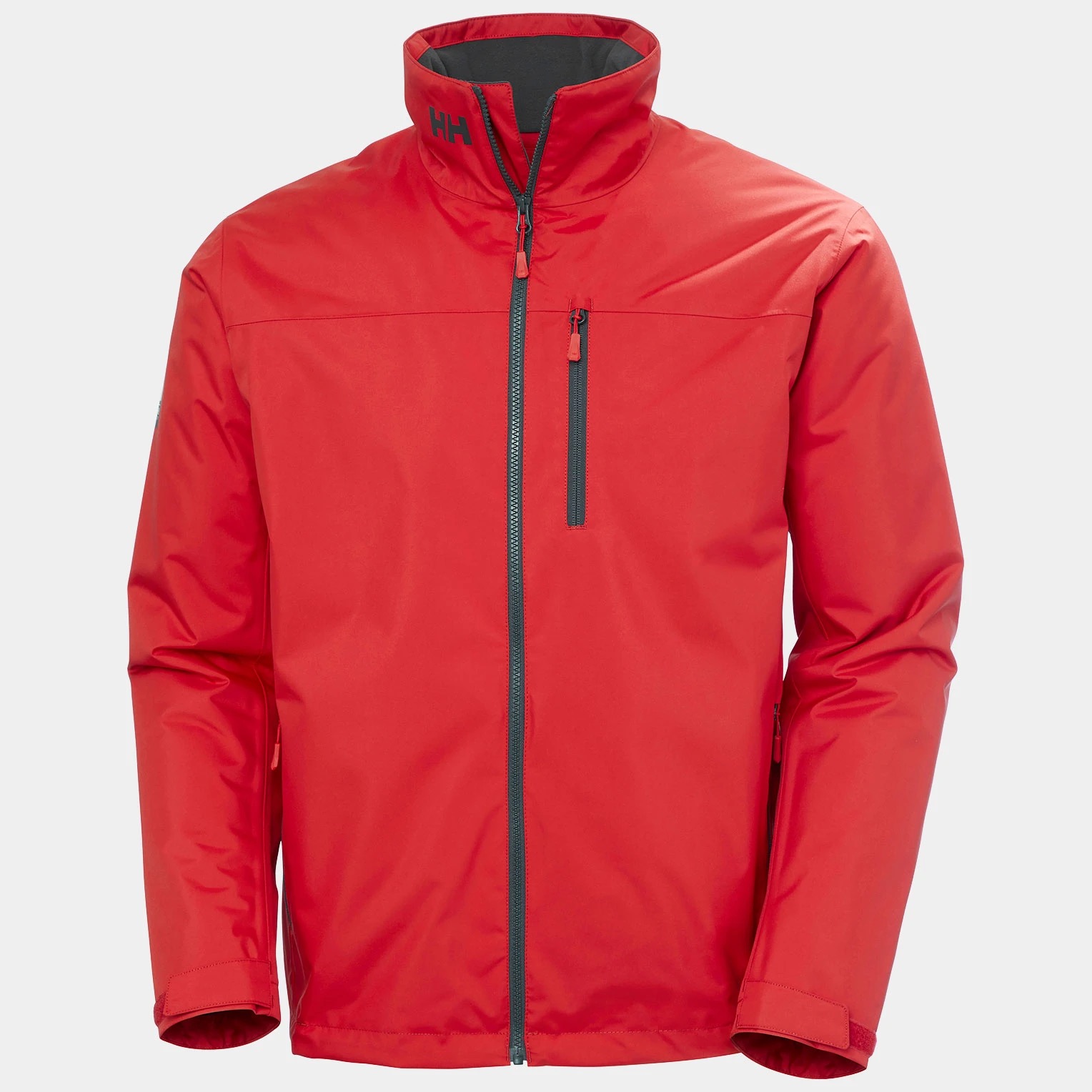
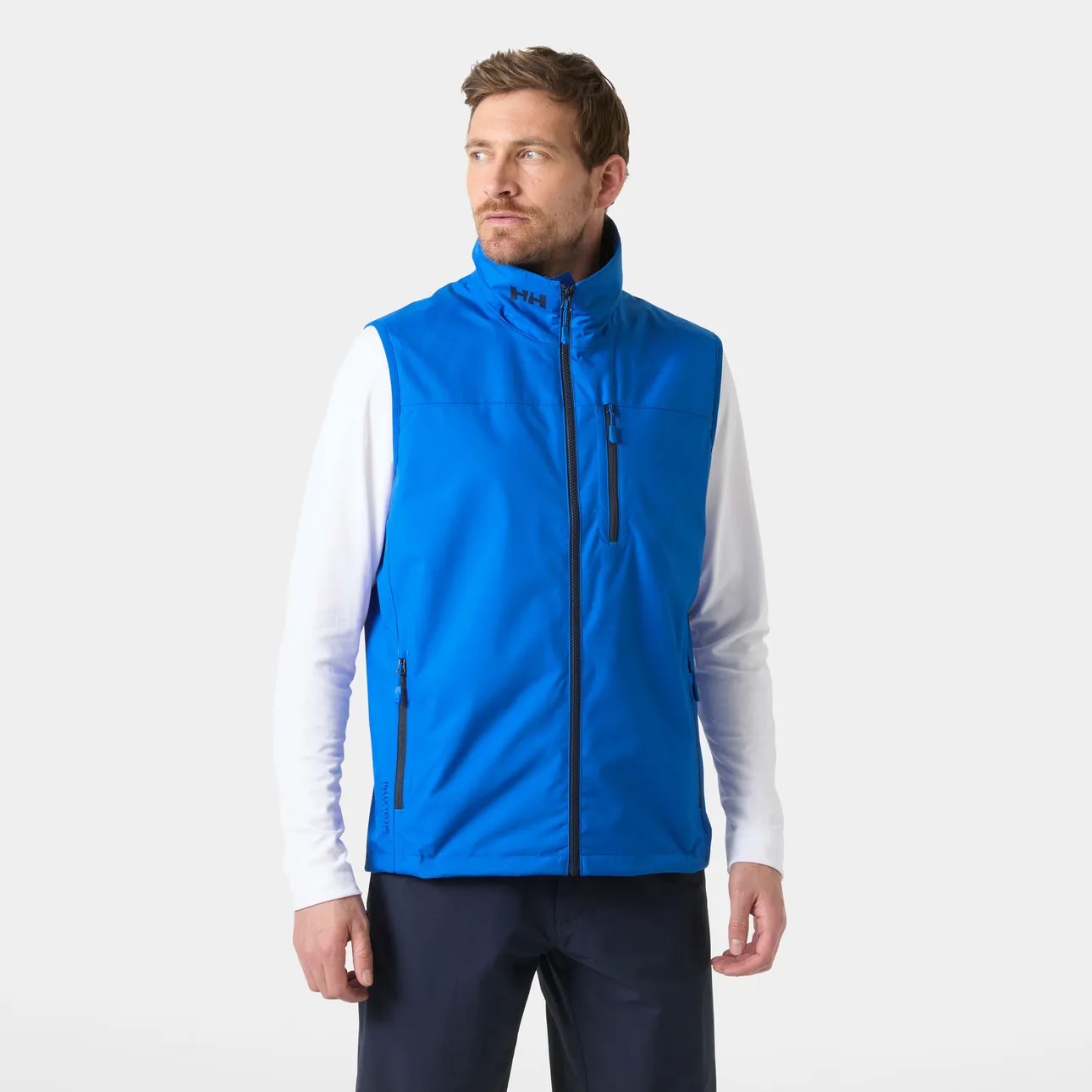
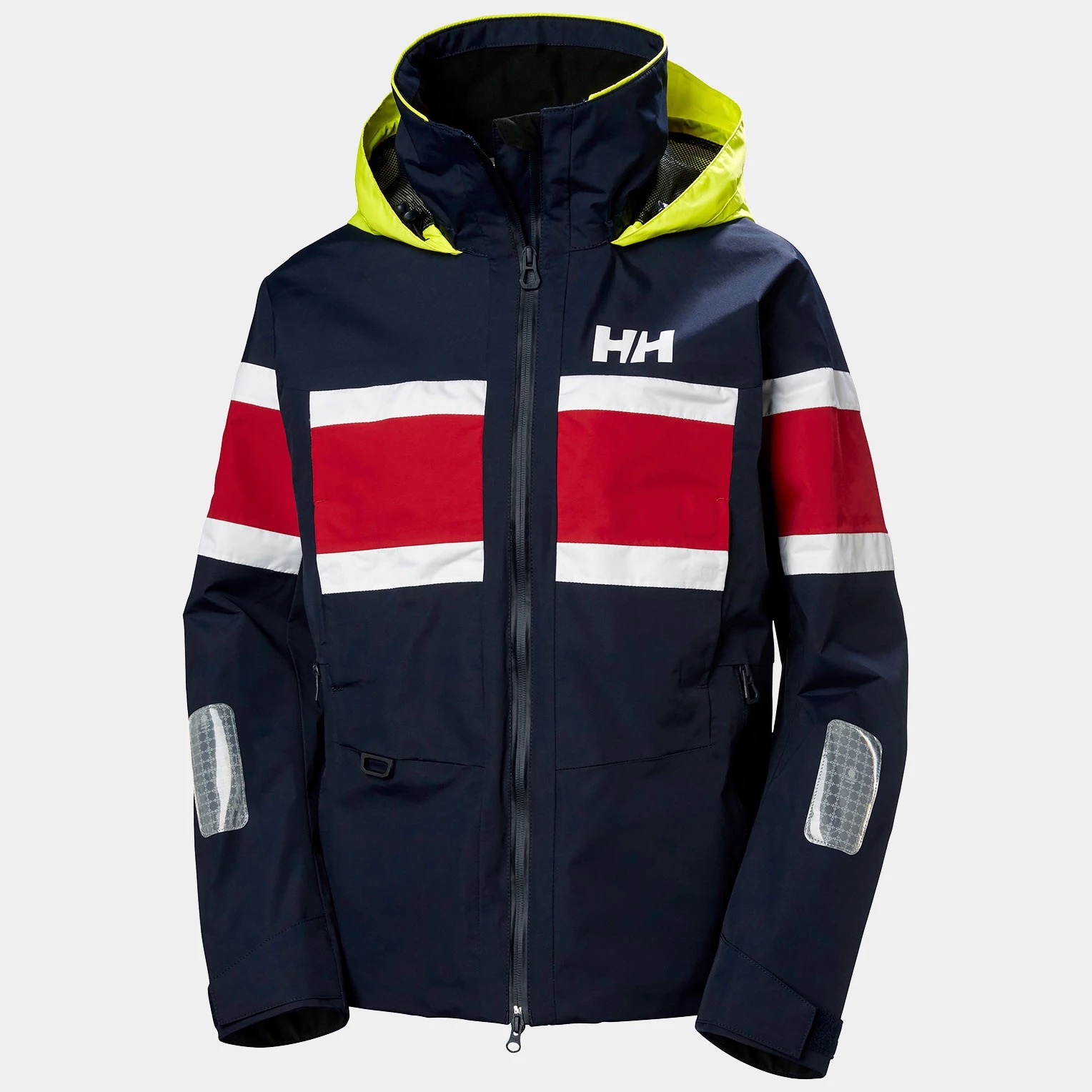
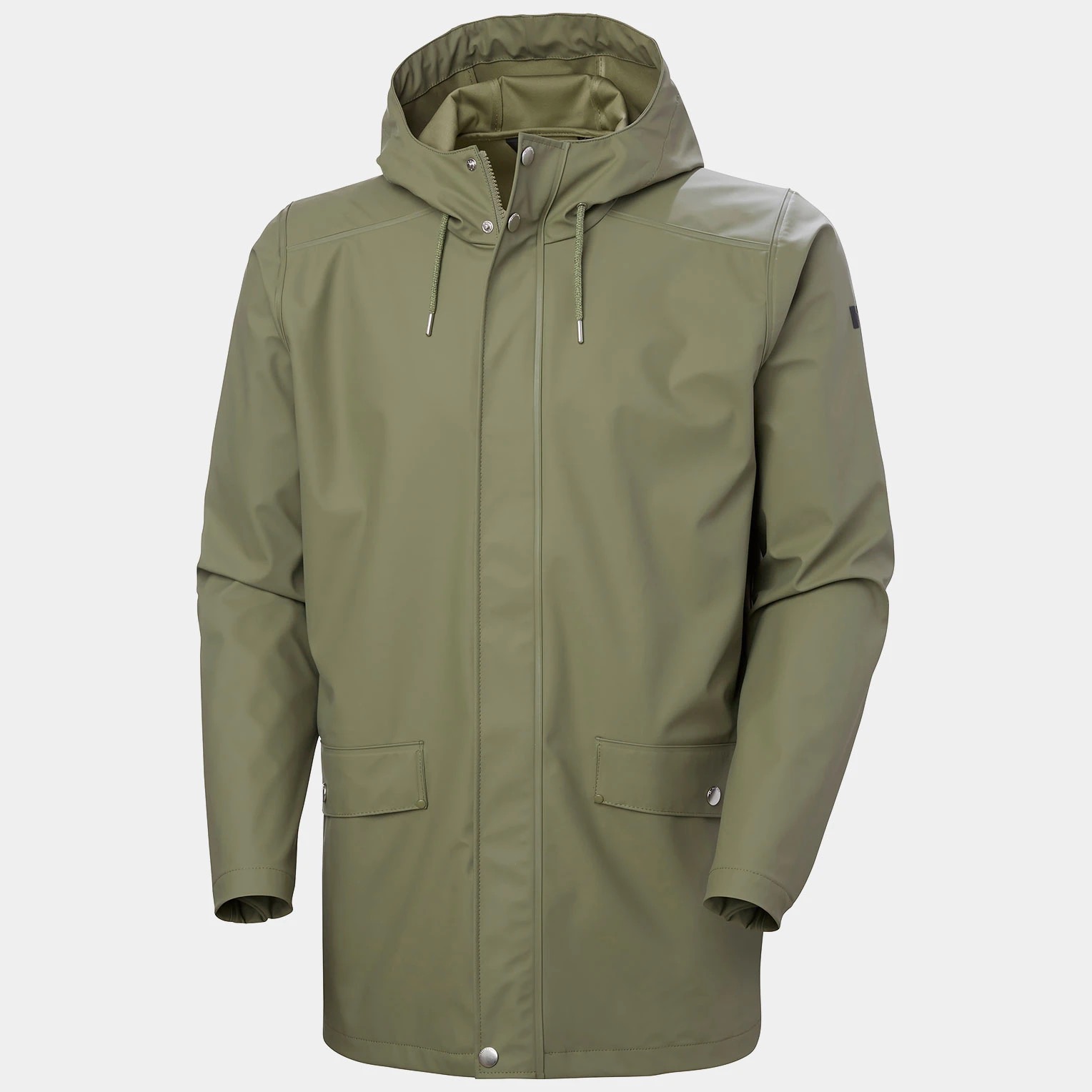
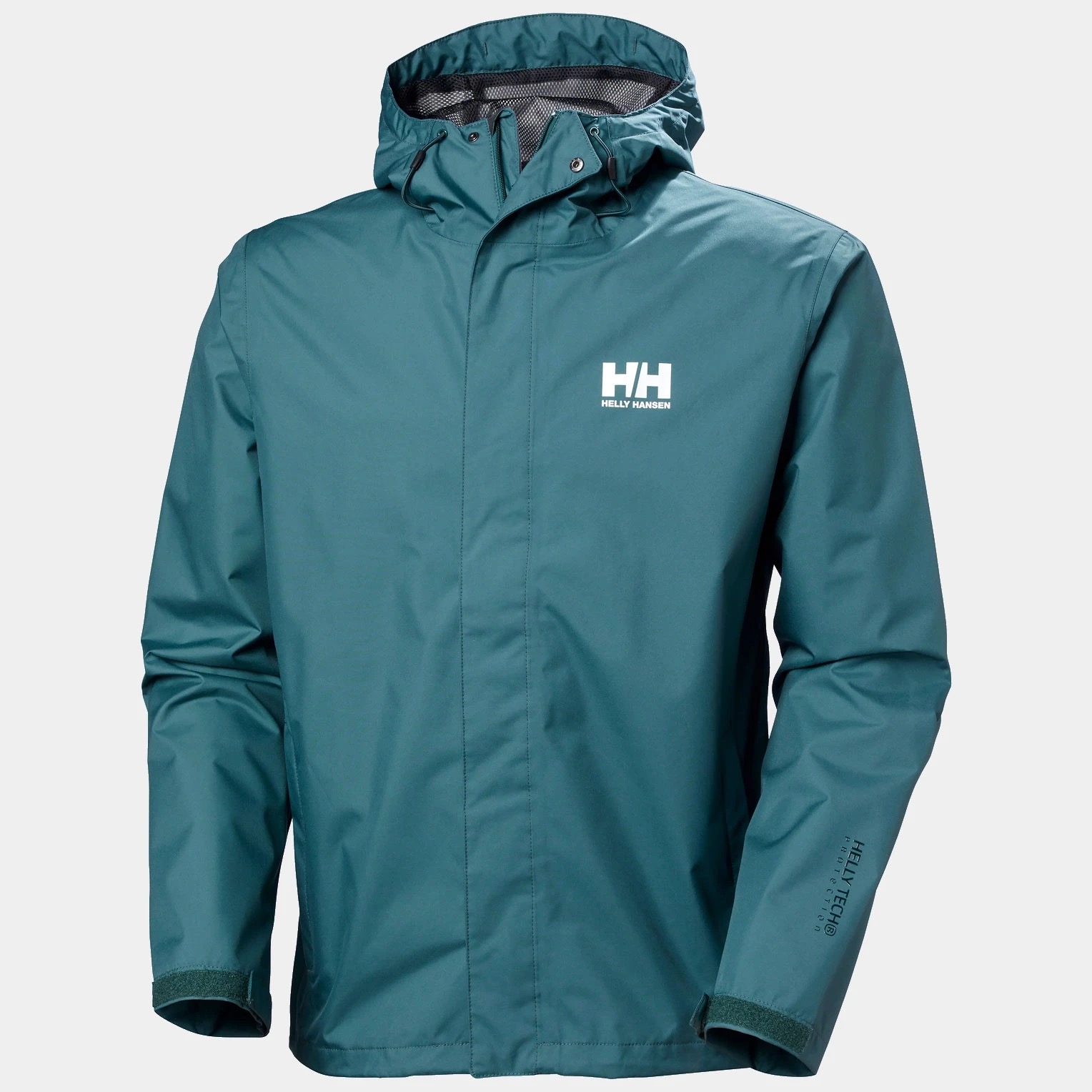
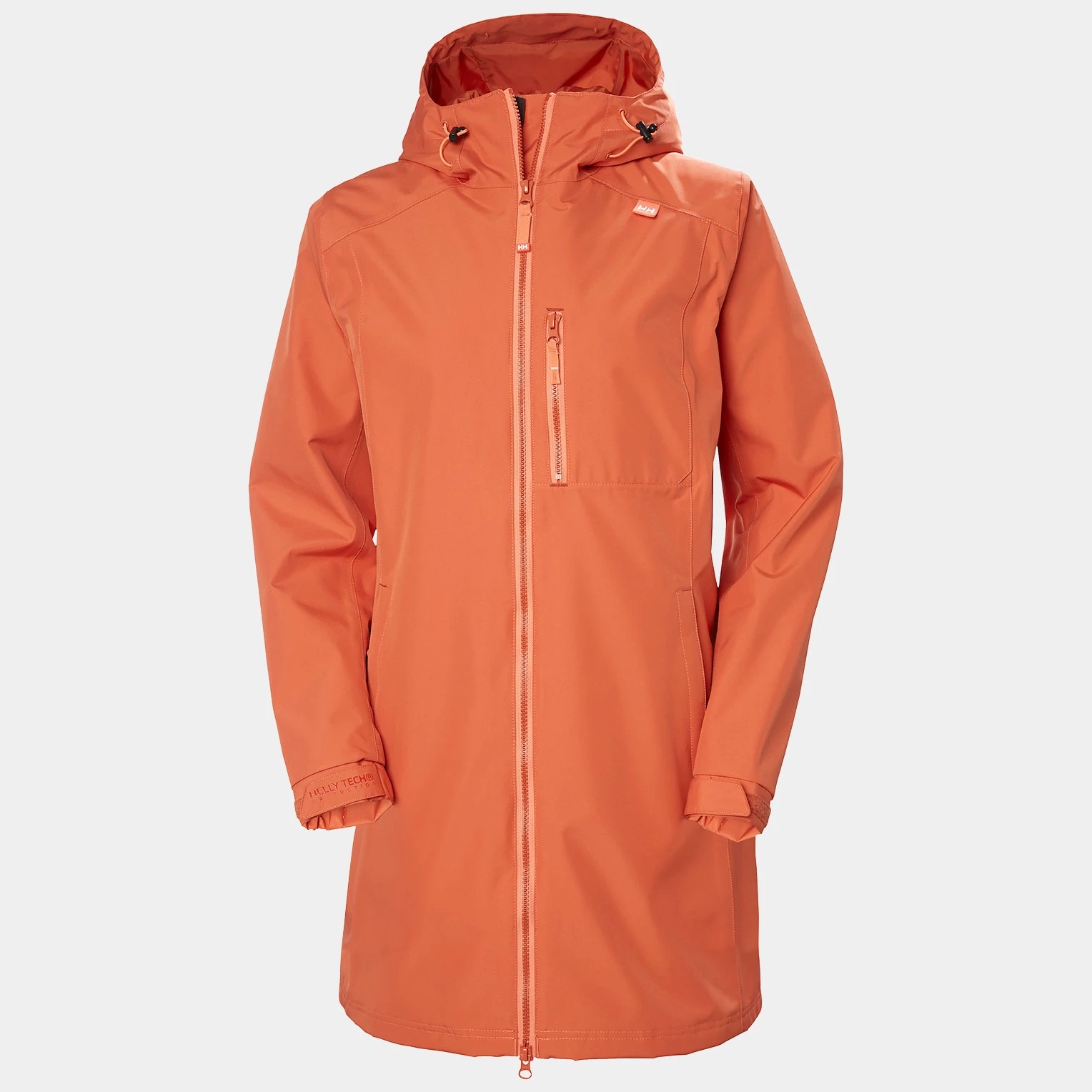
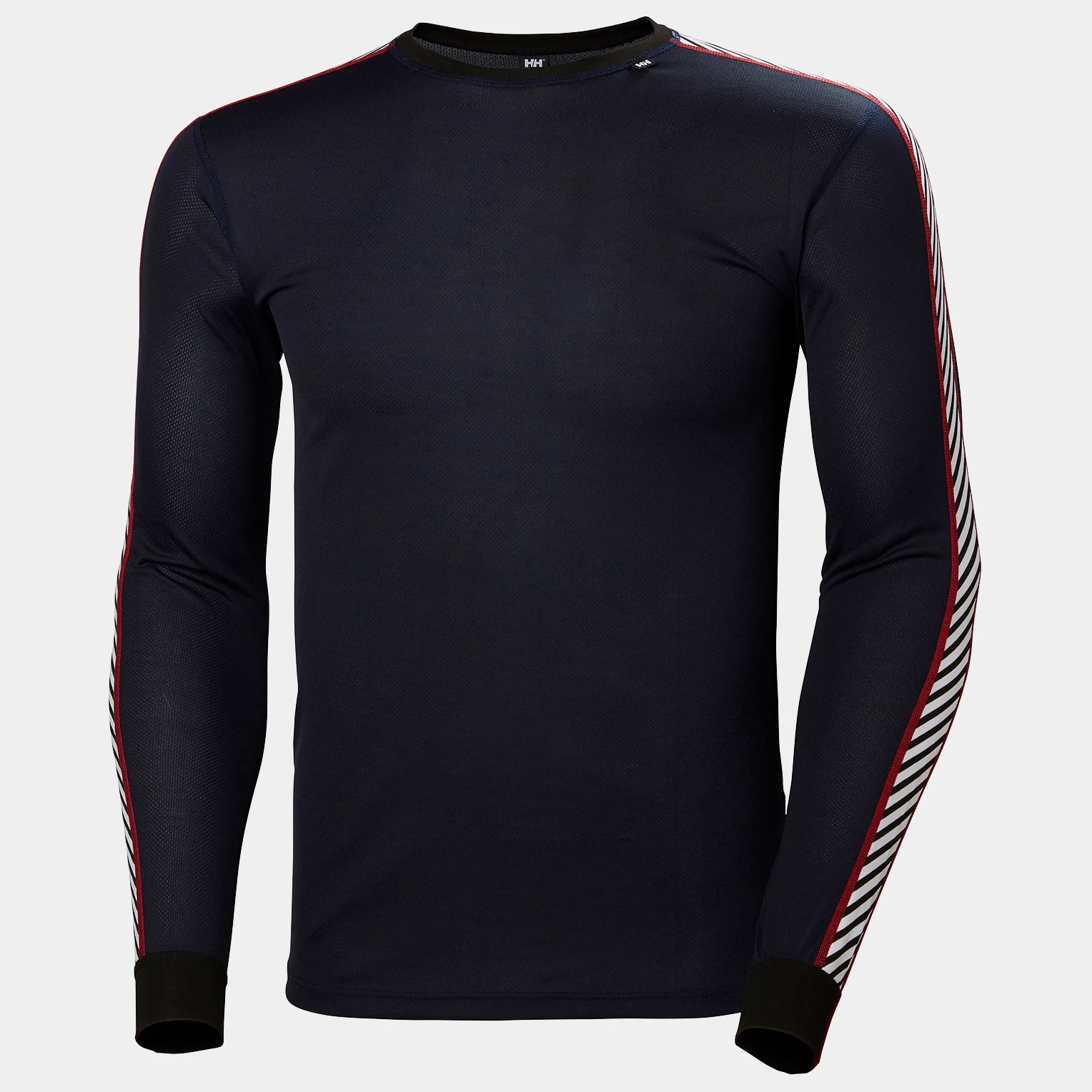
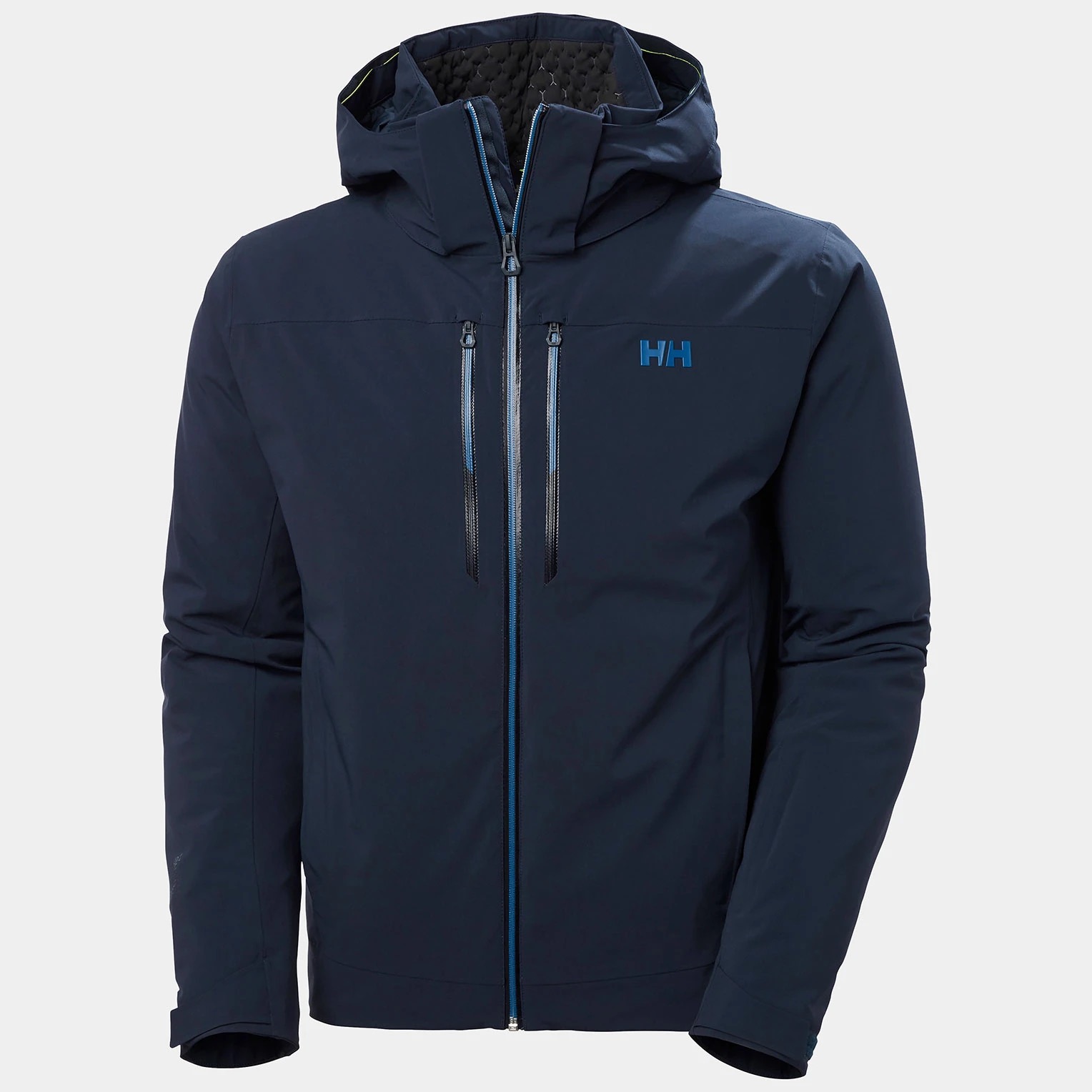
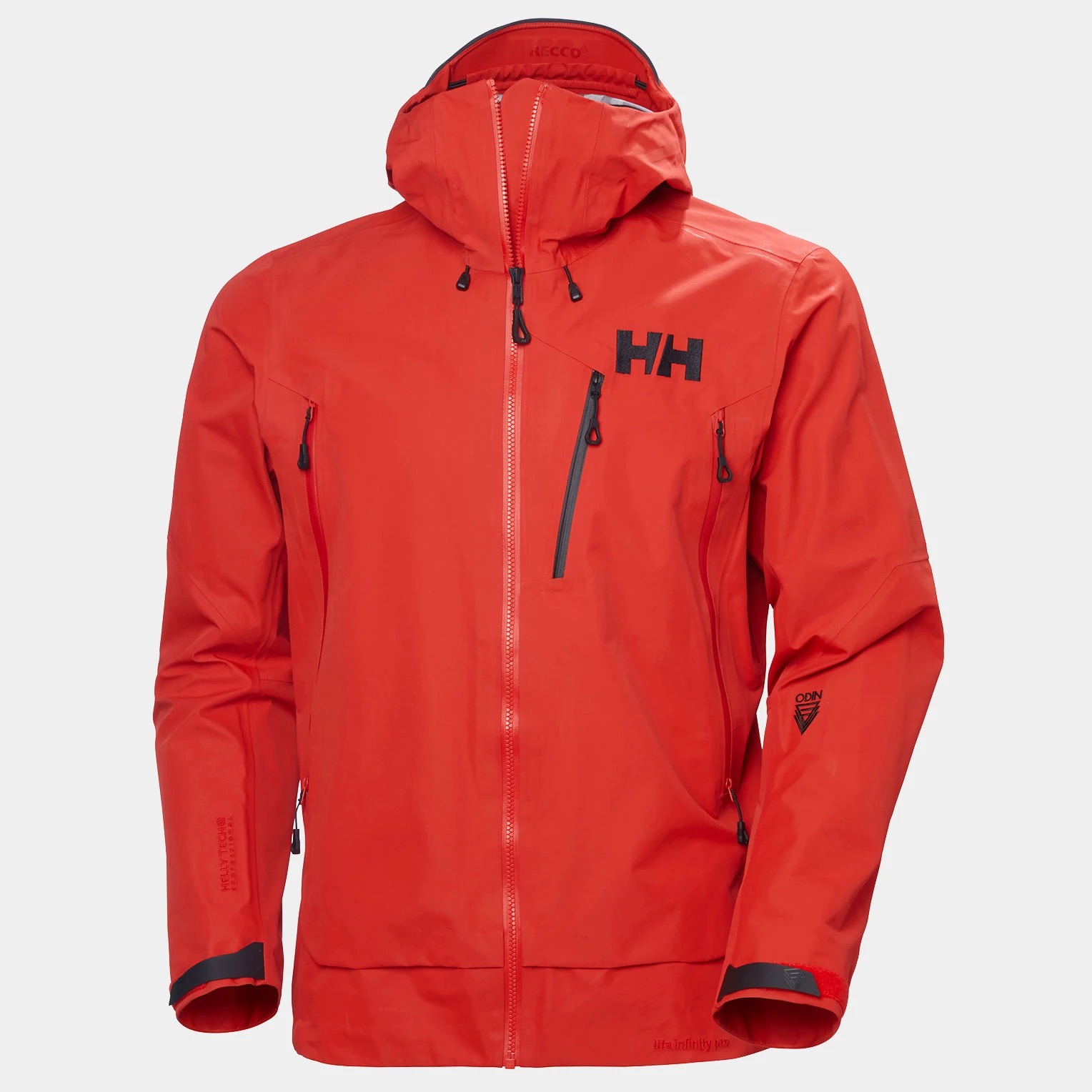
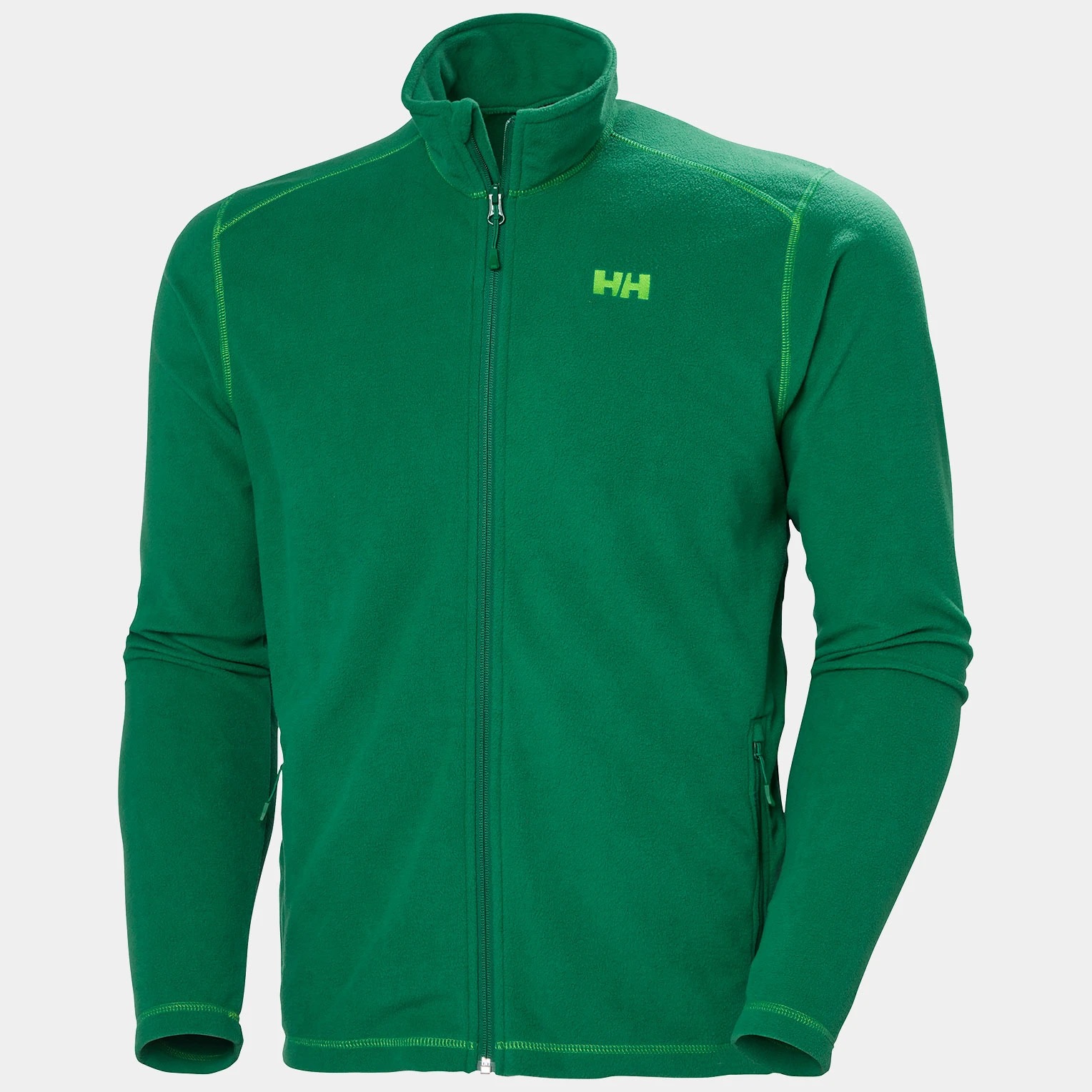
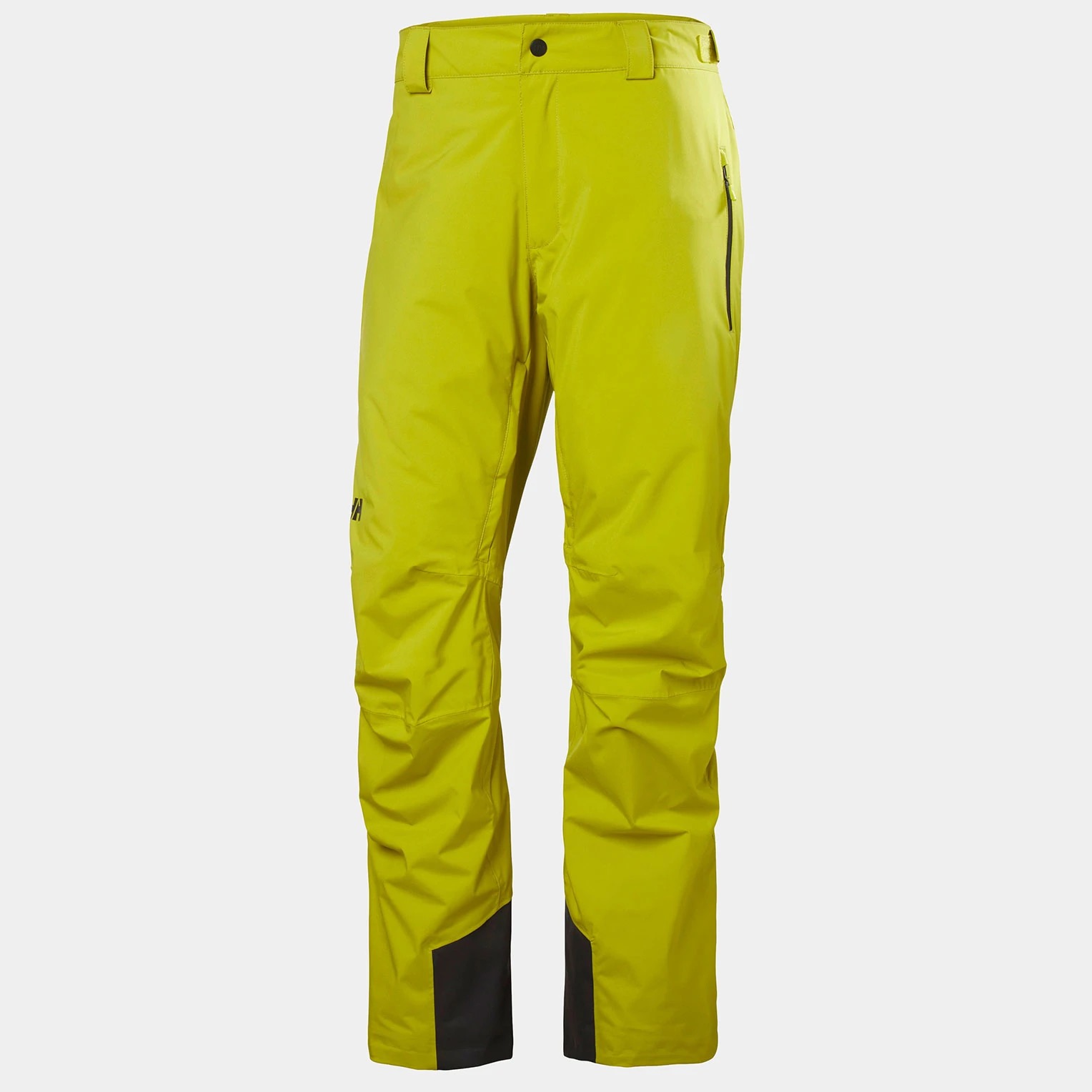
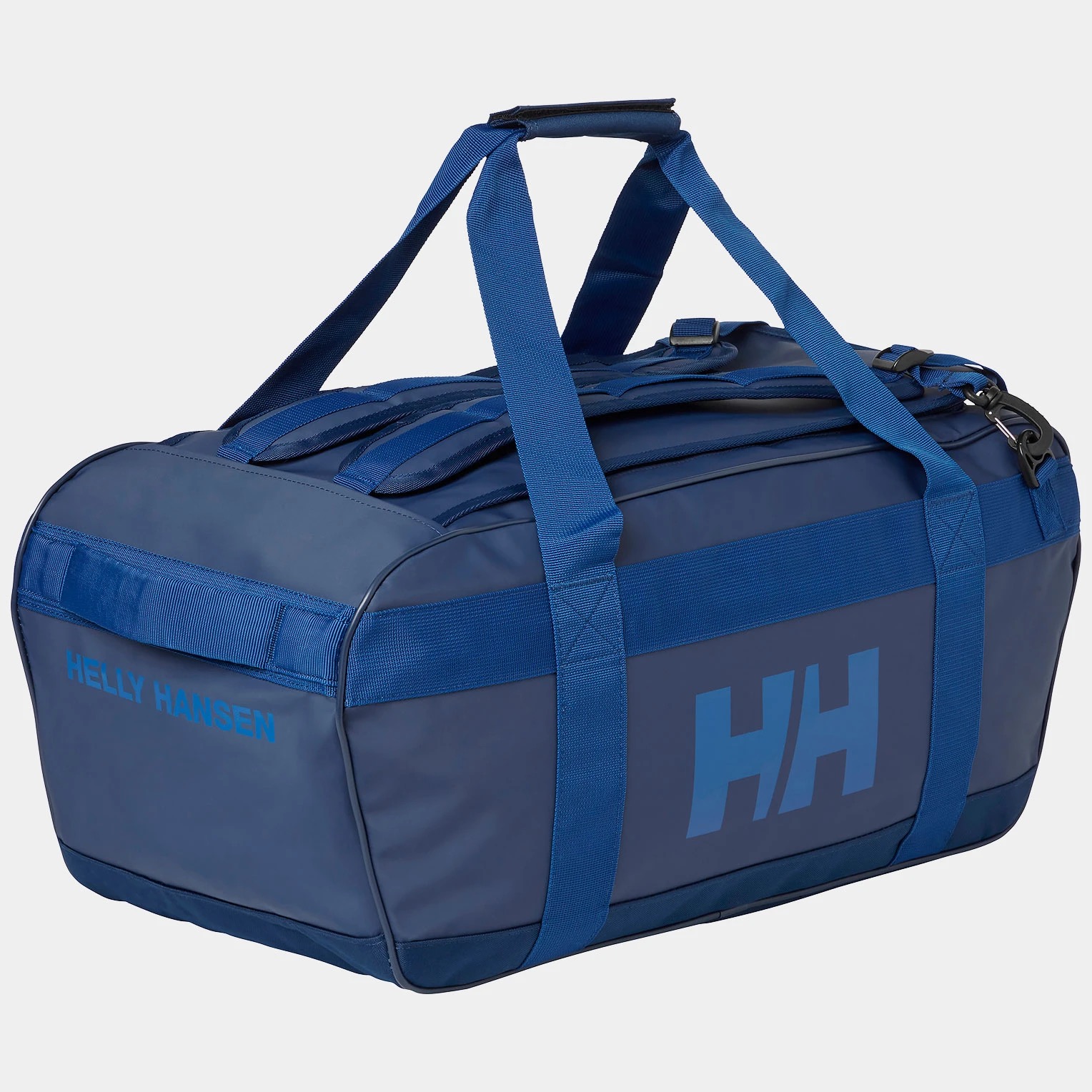
Tap any category to shop every Helly Hansen deal in it.
Same authentic Helly Hansen, different prices & codes. We watch all of them so you don't have to tab-hop.
Same quiet-luxury, craft-first sensibility — follow any to widen your alerts.



For sailing, skiing and hiking, most owners say Helly Hansen earns its keep, balancing insulation, breathability and weatherproofing in flexible fits. The brand spans everything from cheaper everyday pieces to high-end arctic gear, so the value really depends on matching the product to your conditions. If you only need a jacket for winter errands, the technical end of the range can be overkill, but for genuine outdoor use it is a worthy first stop.
Helly Hansen has built nearly 150 years of reputation on weatherproof clothing, beginning with oilskins for sailors in 1877. Owner reviews are mostly strong on durability and airflow, though a few flag inconsistency between the premium and budget lines. As a rule, the more technical the piece, the more its build quality shows.
Both are well-respected technical brands, but they lean different ways. Helly Hansen, with roots in 140-plus years of waterproof seafaring kit, tends to offer strong value for resort skiing and everyday weather protection through its Helly Tech fabric. Arc'teryx pushes harder into elite alpine performance and tends to cost more, so backcountry tourers often gravitate to it while resort skiers find Helly Hansen the better-value pick.
Helly Tech is Helly Hansen's breathable, waterproof fabric system, launched in 1980. It combines hydrophilic technology, which uses water-loving molecular chains to pass vapour outward, with microporous technology, where tiny pores let vapour escape while blocking rain droplets. That dual approach is what lets a Helly Tech shell keep rain out while still venting sweat.
LIFA is Helly Hansen's foundational base layer, developed in the 1970s from a polypropylene fibre that pushes moisture away from the skin to keep you dry and warm. It is a sensible first purchase because it completes the brand's classic three-layer system: LIFA close to the body, Fibrepile for insulation, and a waterproof shell on top. Get the base layer right and everything you wear over it works better.
It comes straight from the founder, Helly Juell Hansen, a Norwegian who had been at sea since age 14. In 1877, at 35, he and his wife Maren Margarethe began producing oilskin jackets, trousers, sou'westers and tarpaulins from coarse linen soaked in linseed oil. Within five years they had sold around 10,000 pieces.
Sailing is in its origin story: the company started by making oilskins for sailors and has stayed close to the water ever since. It is the official apparel sponsor of the NOOD Regatta sailing races, which keeps its foul-weather gear tested by real crews. That heritage is a big part of why its waterproof layering is taken seriously on deck.
Yes, ski and base-layer credibility runs deep here. In 2012 Helly Hansen became the official baselayer provider to the US Ski and Snowboard Association, and the US Alpine Ski Team wore Helly Hansen baselayer competing at Sochi. For resort skiing in particular, owners often single it out for solid warmth-to-value.
H2 Flow is a temperature-regulating system Helly Hansen introduced in 2012 with the H2 Flow Jacket. The idea is to let the wearer actively manage body heat rather than relying on insulation alone. It is one of several layering innovations, alongside Helly Tech and LIFA, that define the brand's technical identity.
Helly Hansen passed through several owners, including Investcorp, Altor, the Ontario Teachers' Pension Plan and Canadian Tire, before its most recent change of hands. In February 2025, Kontoor Brands agreed to acquire it for $1.3 billion, with the deal completed in June 2025. It is now a wholly-owned subsidiary of Kontoor Brands.
Buyers frequently praise the brand's after-sale support, citing a strong warranty and a responsive approach to issues. A roughly 90-day return window is commonly reported, which gives you room to test gear before committing. As always, keep tags and proof of purchase to make any claim straightforward.
Technical outerwear is usually keenest in value at the end of its season, so look at ski and winter shells in early spring and warm-weather sailing kit in autumn, when retailers clear stock for the next range. Buying a season ahead of when you need it is the calmest way to get the piece you want. Focus on fit and the right layer for your activity rather than chasing the lowest sticker.