Brand · Swiss alpine gear est. 1862

Mammut

From ropemaker to mountain house — 160 years of Swiss kit for climbing, snow and the trail.

Mammut
Re-checked daily
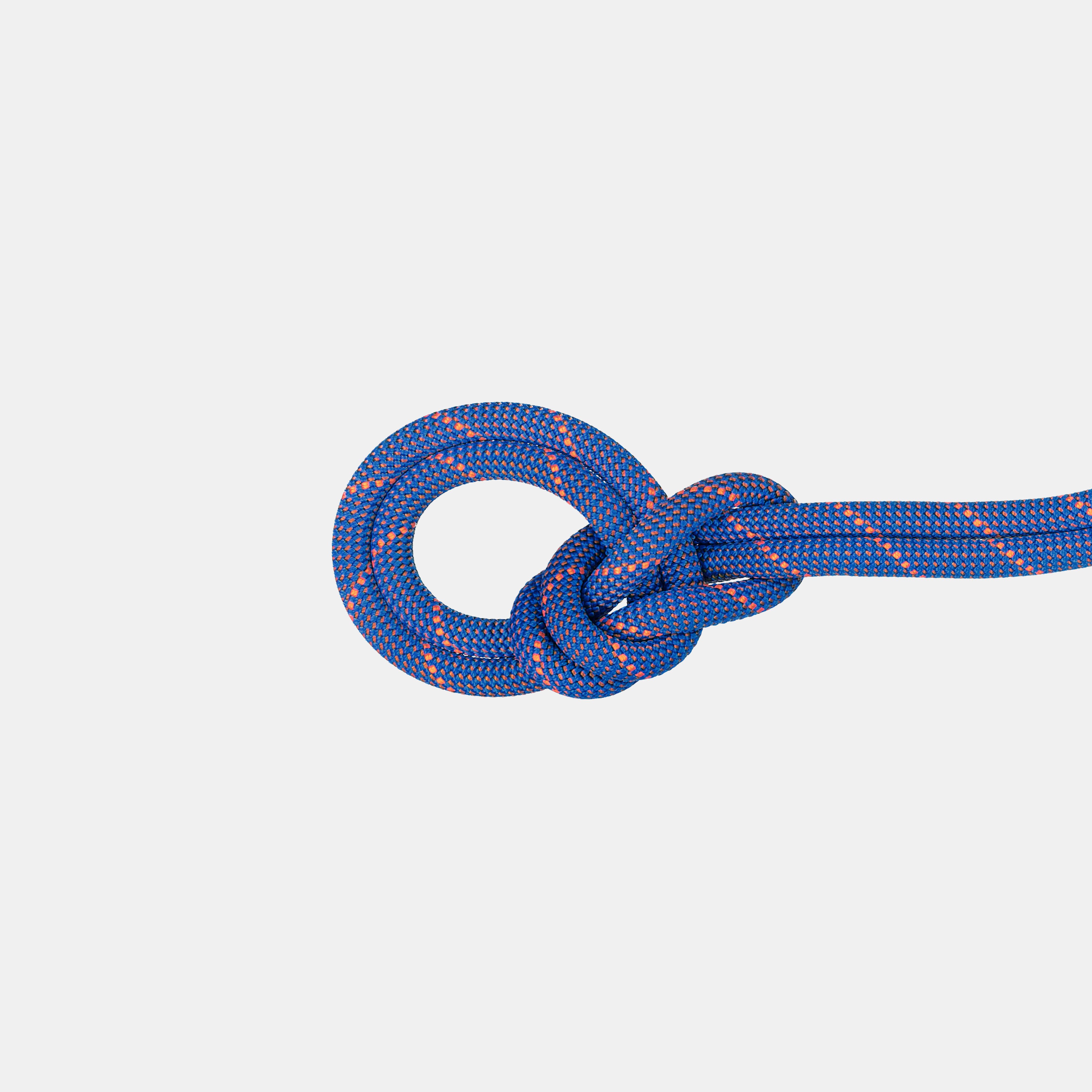
Mammut Sports Group was originally founded in 1862 as a ropemaker, in the Swiss village of Dintikon by Kaspar Tanner — the climbing rope still at the heart of what it makes.

The ropery moved to Lenzburg in 1878 and, from 1943, marketed its products under the brand Mammut, introducing the mammoth as its logo. As the original rope business met crisis in the 1970s and 80s, the company reinvented itself as an outdoor clothing maker, launching its first outdoor collection in 1981 and adopting the name Mammut Sports Group AG in 2003.

Based in Seon, Switzerland, Mammut employs around 800 people and is active in over 40 countries, making clothing and equipment for climbing, snow sports, trail running and trekking. It has grown by acquisition — taking in the sleeping-bag maker Ajungilak and the avalanche-airbag firm Snowpulse — and has been part of investment company Telemos Capital since 2021.
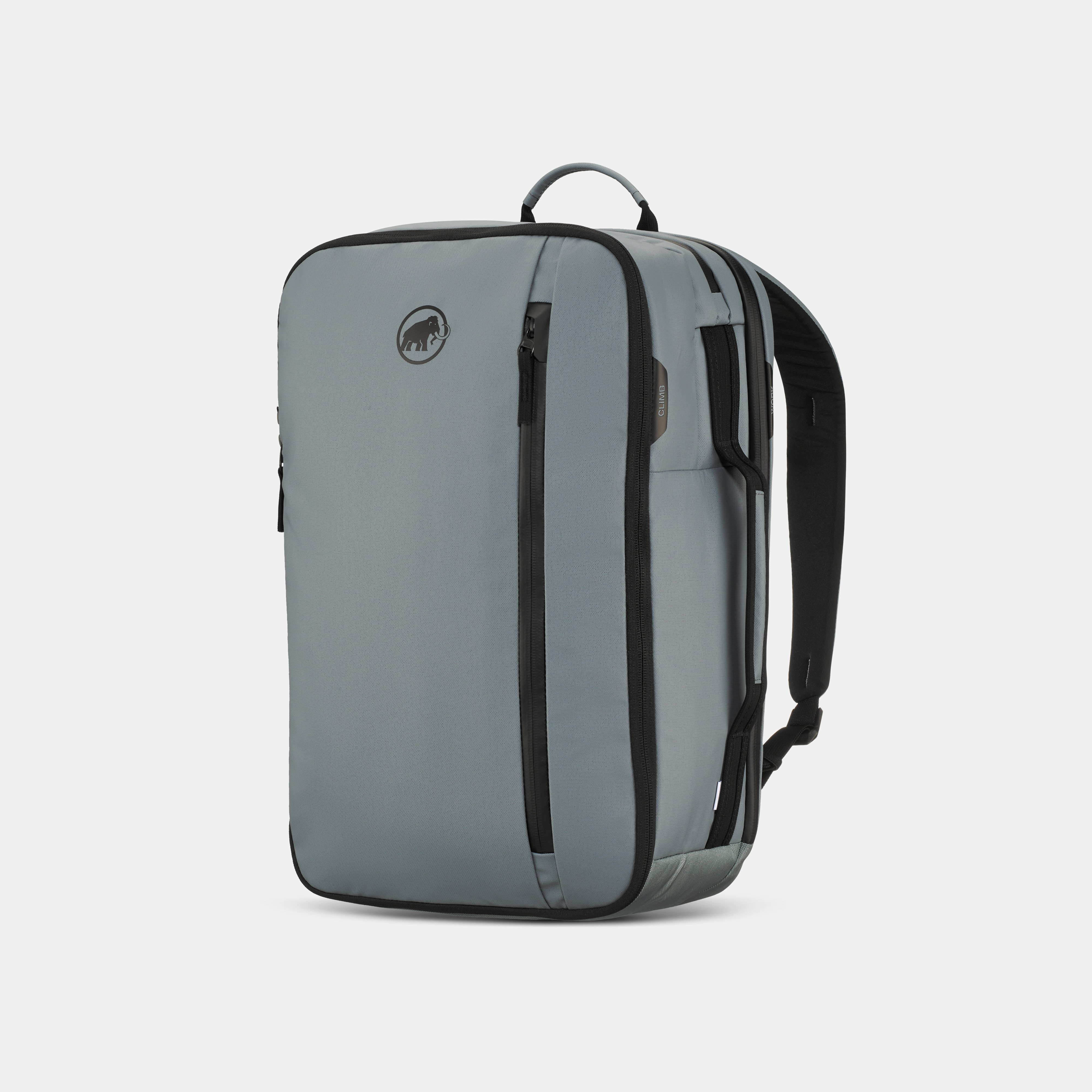
The Mammut pieces worth knowing

Mammut shopping FAQ

Are Mammut jackets worth it?+

For people who actually get into the mountains, most reviewers say yes. Mammut leans on technical fabrics and serious construction for climbing, snow sports and trekking, and the brand's century-and-a-half of mountain heritage shows in the durability. The honest caveat is use case: if you mainly want a city coat, you're paying for performance you won't tap, but for alpine climbers and skiers the investment tends to pay off.

Why is Mammut gear, especially its climbing ropes, so expensive?+

Mammut has been making ropes since 1862, and that expertise is baked into the price. Premium rope treatments and careful construction make their ropes durable and reliable, and with a climbing rope you are quite literally trusting it with your safety, so the brand prices for performance rather than for the bargain shelf. The same logic carries through its hardshells and packs.

How does Mammut compare to Arc'teryx?+

Both are trusted premium outdoor brands, and the choice usually comes down to budget, fit and intended use. Mammut is generally a bit more accessible on price and tends toward a more relaxed, layer-friendly fit, while keeping a clear edge in one area: it has manufactured climbing ropes for over 150 years, longer than almost anyone. If ropes and alpine safety gear matter to you, that heritage is hard to beat.

What is Mammut best known for?+

Mammut started life as a ropemaker in 1862 and that remains its signature: mountain ropes alongside clothing and equipment for climbing, snow sports, trail running and trekking. Over the years it broadened into a full alpine outfitter, but the rope-maker's DNA is still the thing the brand is most respected for among serious climbers.

What does the Mammut logo and name mean?+

The name is the German word for mammoth, and a mammoth is the brand's emblem. It was introduced in 1943, when the products of the old Seilwarenfabrik AG Lenzburg rope factory were first marketed under the Mammut brand and the mammoth was adopted as the company logo. The animal nicely signals the strength and endurance the gear is built for.

Who founded Mammut and when?+

Mammut was founded in 1862 by Kaspar Tanner in the Swiss village of Dintikon as a ropery. It moved to nearby Lenzburg in 1878, and in 1898 Kaspar's son Oscar took over and grew the business significantly in the following decades. So the company's roots run back more than a century and a half.

Where is Mammut from and where is it based?+

Mammut is a Swiss brand, founded in the village of Dintikon and now headquartered in Seon, Switzerland, where it also runs a factory outlet. Its central distribution warehouse for Europe sits in Wolfertschwenden in Bavaria, and the company is active in over 40 countries.

When did Mammut move from ropes into outdoor clothing?+

When the original ropery core business hit a crisis and comparable rope factories were closing, Mammut gradually shifted toward outdoor clothing through the 1970s and 1980s. Its first outdoor collection launched in 1981, and in 1989 it acquired the backpack manufacturer Fürst, broadening from ropes into a full equipment range.

Who owns Mammut now?+

Since 2021 the Mammut Sports Group has been owned by the London-based investment firm Telemos Capital. Before that it had been part of the Swiss conglomerate Conzzeta, which announced in December 2019 that it intended to divest Mammut to focus on its sheet-metal core business.

Does Mammut still make its own ropes in Switzerland?+

Not in-house any longer. In 2016 Mammut closed its rope production in Seon, citing the strong Swiss franc and the resulting high production costs, and sold the mountain-rope manufacturing facilities to the Austrian company Teufelberger. The brand still stands on its rope heritage, but that specific production line in Seon has ended.

What other outdoor brands has Mammut absorbed?+

Mammut has grown by acquisition over the years. The Norwegian sleeping-bag maker Ajungilak joined in 2001, the Swiss footwear maker Raichle in 2003 (its products folded fully into the Mammut brand by 2009), and the avalanche-airbag maker Snowpulse in 2011. That string of buys is how the rope company became a head-to-toe alpine outfitter.

Which Mammut product should I buy first?+

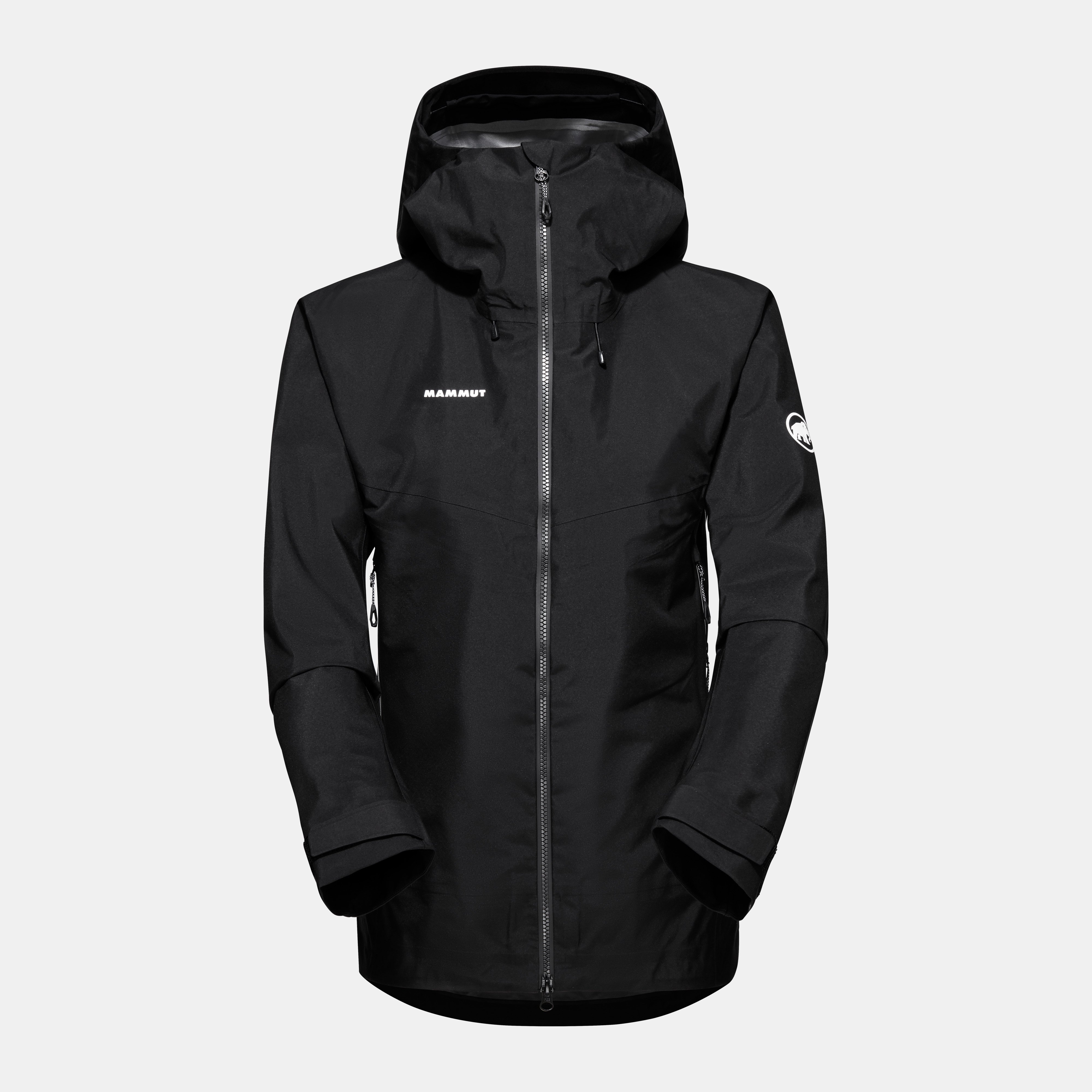
Match the buy to where you'll be. If you head into wet alpine terrain, a Gore-Tex hardshell is the workhorse first purchase; if your priority is rock or ice, the brand's ropes are its most pedigreed product. For everyday cold-weather wear an insulated piece makes more sense, since you'd be over-buying the most technical mountaineering gear for the trailhead car park.