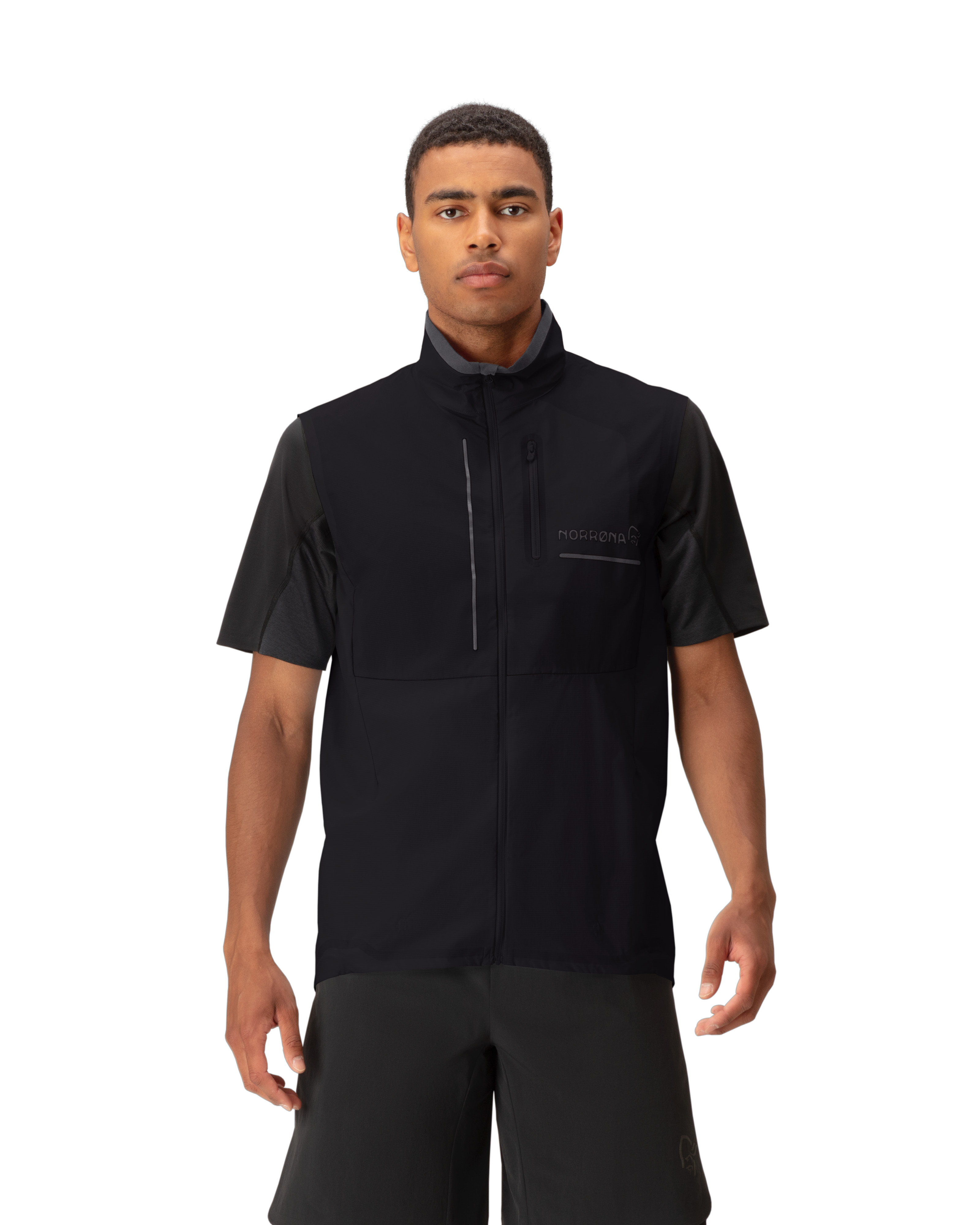
Is the Norrøna Lofoten worth it, and why is it so expensive?+
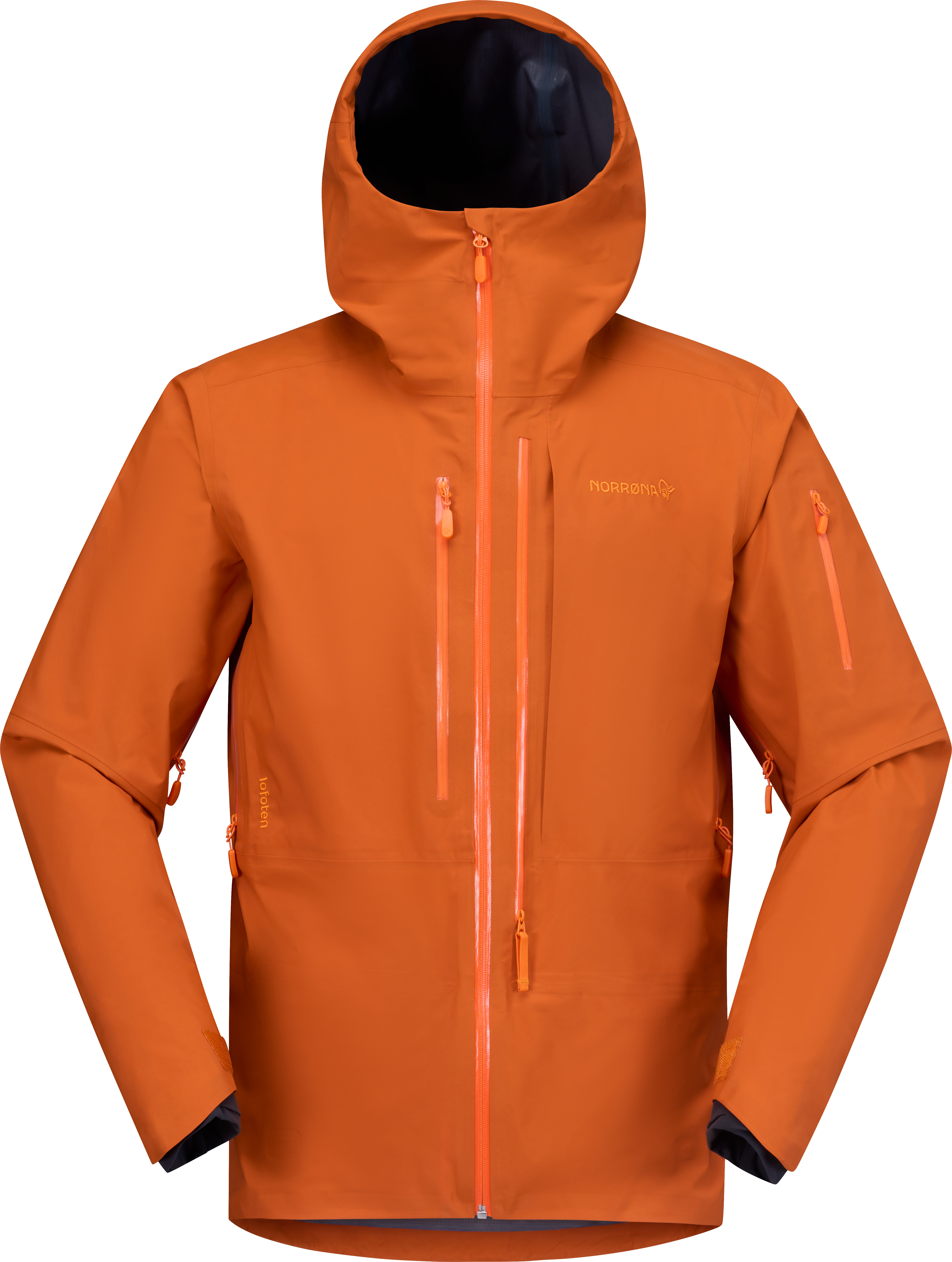
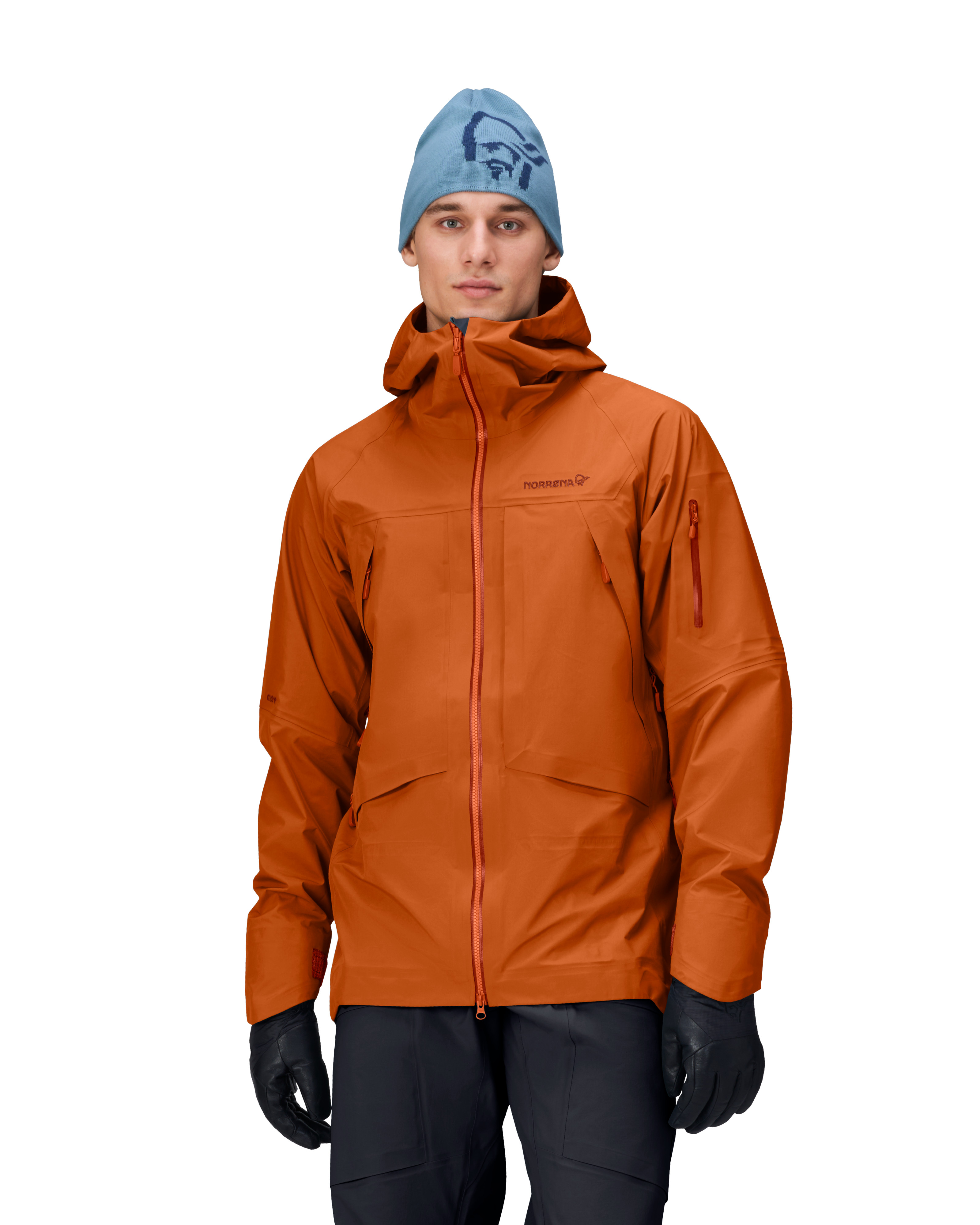
The Lofoten is Norrøna's flagship product, a snow suit with a roomy cut that adapts to cross-country or downhill skiing or snowboarding, and it has been so influential it's been widely imitated. The price reflects a brand that invests heavily in development, employing 17 of its 55 staff in research and development. For a committed skier who wants the design others copy, it tends to justify itself; for occasional resort days it may be more than you need.
How does Norrøna compare to a brand like Arc'teryx?+
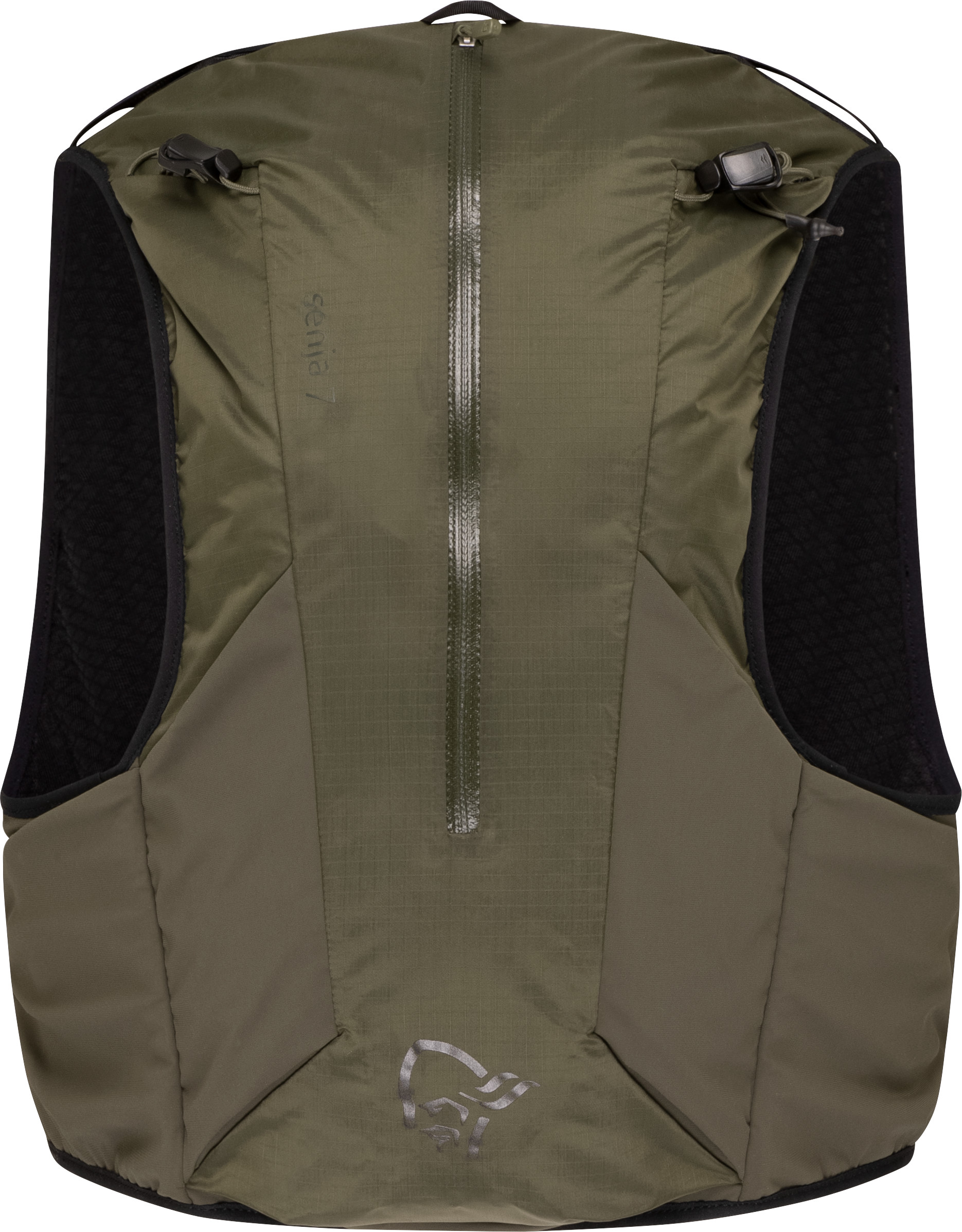
Both sit at the premium technical end, but Norrøna's story is distinctly Norwegian, founded in 1929 and built around innovation for harsh conditions. Norrøna introduced Gore-Tex to Europe, created the first tunnel tent for mountaineers, and developed an ergonomic standard for backpacks. If brand heritage and a deep R&D pedigree matter to you, that track record is a real point of difference.
Which Norrøna collection should I buy first?+
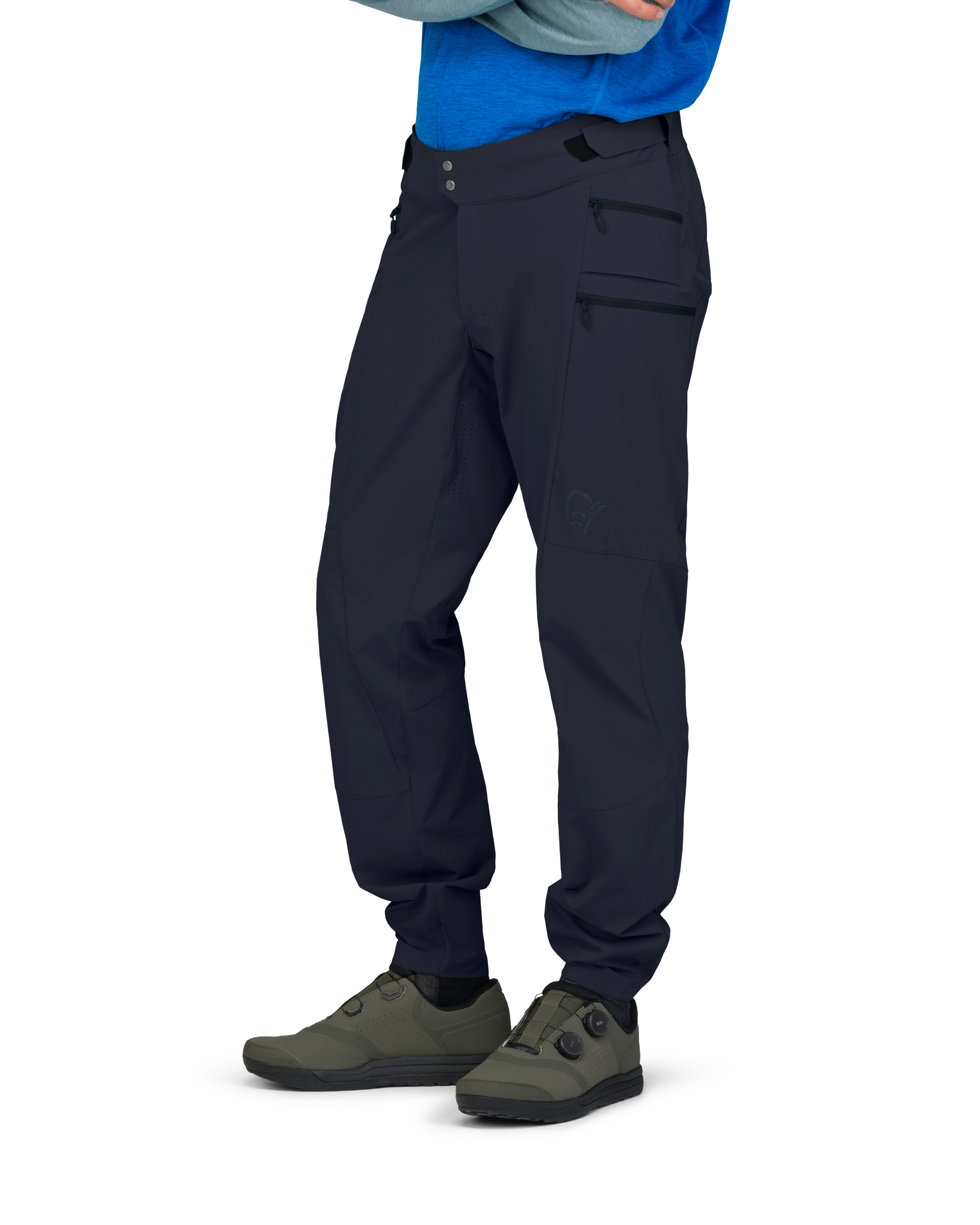
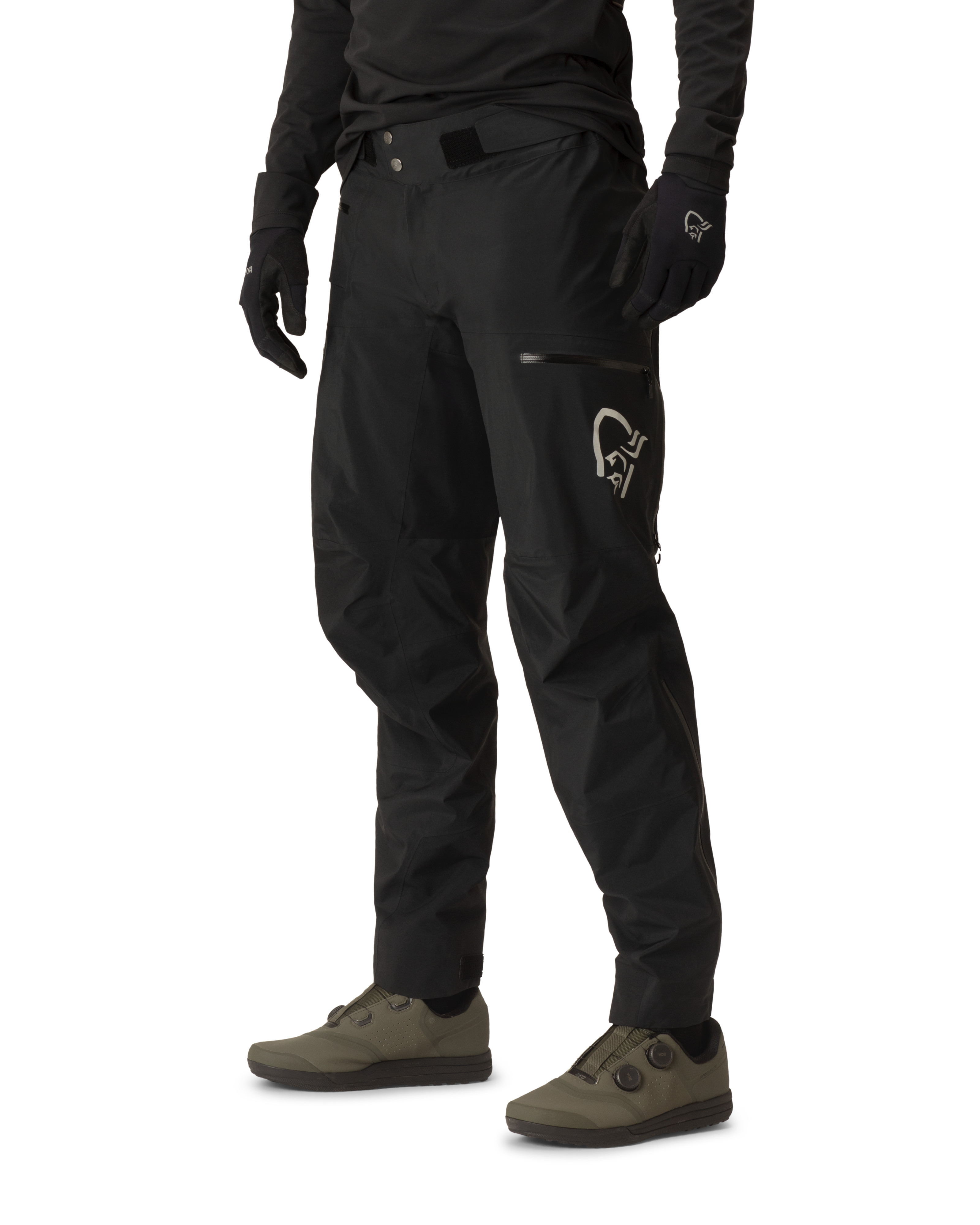
Match the collection to your sport, because that's literally how they're built. Norrøna's collections are traditionally named for the locations where those garments were designed to be worn, so the lofoten line is made for the big-mountain freeriding found in Lofoten, Norway, while the fjørå collection is built for single-track mountain biking. Decide what you'll actually do outdoors and the right line names itself.
What does the name Fjørå mean in Norrøna's range?+
Fjørå is a place, and that's the whole logic of Norrøna's naming. The fjørå collection is designed for single-track mountain biking and was inspired by the village of Fjørå, located in Norway's Sunnmøre fjords and home to a network of single-track mountain bike trails. The name tells you exactly what terrain the gear was made for.
Who founded Norrøna and who runs it now?+
Norrøna was founded on 29 April 1929 by Jørgen Jørgensen. The company stayed in the family across generations, and it is now run by his great-grandson, also named Jørgen Jørgensen, who opened the company's first shop in November 2009. That continuity is a big part of the brand's identity.
Where is Norrøna made?+
Everything is designed in-house at the company's headquarters in Oslo, Norway, and produced mostly in Europe. The Oslo headquarters even showcases a picturesque waterfall at the back of the property, where the arctic surf collection, Unstad, was first tested in the river flowing from it. That in-house, close-to-home approach is central to how the brand works.
What makes Norrøna stand out in outdoor gear?+
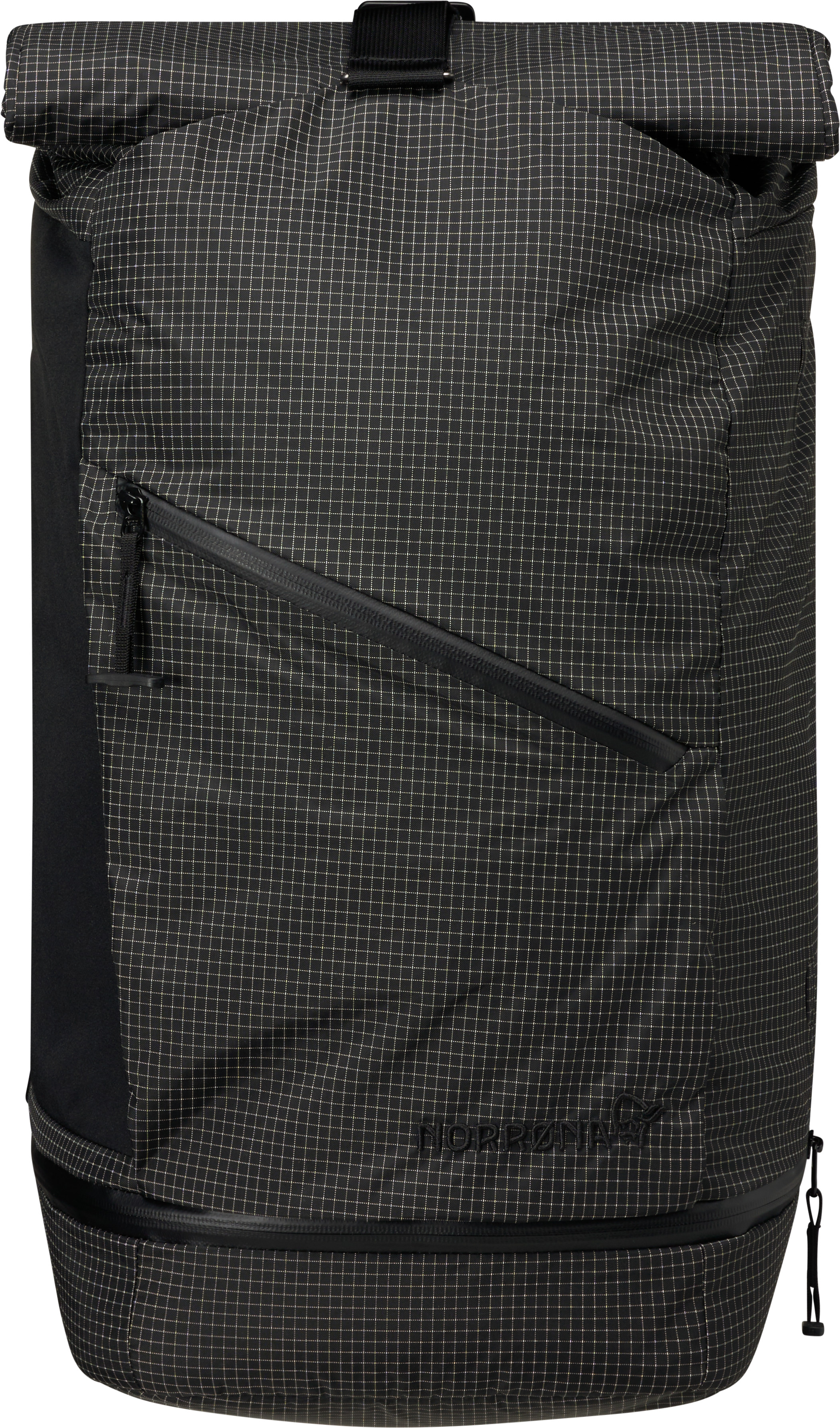
A genuine commitment to innovation. Norrøna employs 17 of its 55 staff in research and development, introduced the first tunnel tent for mountaineers, developed an ergonomic standard for backpacks, and brought Gore-Tex to Europe. It also popularised "flashy" colours in outdoor wear, helping set a more expressive look on the mountain.
What does Norrøna actually make besides ski jackets?+
Quite a lot. The company concentrates on outdoor clothing and expedition equipment for a range of sports including skiing, snowboarding, mountain biking, climbing, hiking, trekking, hunting, and arctic surfing. So while the Lofoten ski kit is its headline act, the catalog spans most serious outdoor pursuits.
Has Norrøna worked with notable athletes and explorers?+
Yes, and those partnerships shape the gear. Norrøna has worked with expedition leaders and sportsmen including Lars Monsen, cyclist Kurt Asle Arvesen, polar explorer Børge Ousland, freerider Christine Hargin, and snowboarder Andreas Wiig. Field input like that is part of why the products read as genuinely tested rather than just styled.
Why are Norrøna's collections named after places?+
Because the place is the design brief. Norrøna's collections are traditionally named for the locations where those particular garments were meant to be worn, so the name doubles as a guide to the terrain and conditions each line was built for. Knowing that turns the lineup from confusing to genuinely useful when you're choosing.