Birkin
The most coveted bag in the world, sketched mid-flight for an actress who wanted pockets.
Story & heritage
The Birkin was born of a chance encounter on a flight from Paris to London in 1984, when actress and singer Jane Birkin found herself seated beside Jean-Louis Dumas, then head of Hermès. When she complained that she couldn't find a bag practical enough for a young mother, Dumas sketched a roomy, open-topped design on the spot and promised to make it under her name.
Built on the structural logic of the house's earlier Haut à Courroies — a 19th-century bag made to carry a rider's saddle and boots — the Birkin became the defining object of modern luxury. Famously hard to obtain (Hermès does not wholesale its leather goods, and there is no online sale), it is sold only through boutiques, which is exactly why it has never lost its mystique.
Materials & craft
Each Birkin is made by a single craftsman in one of Hermès' French ateliers, taking roughly fifteen to twenty hours and using the saddle-stitch technique the house has practised since the 1800s — two needles passing through the same hole so a cut thread cannot unravel. The bag is offered in calfskin (Togo, Epsom, Clemence), and in exotic skins such as lizard, ostrich and crocodile, and lined in matching goatskin.
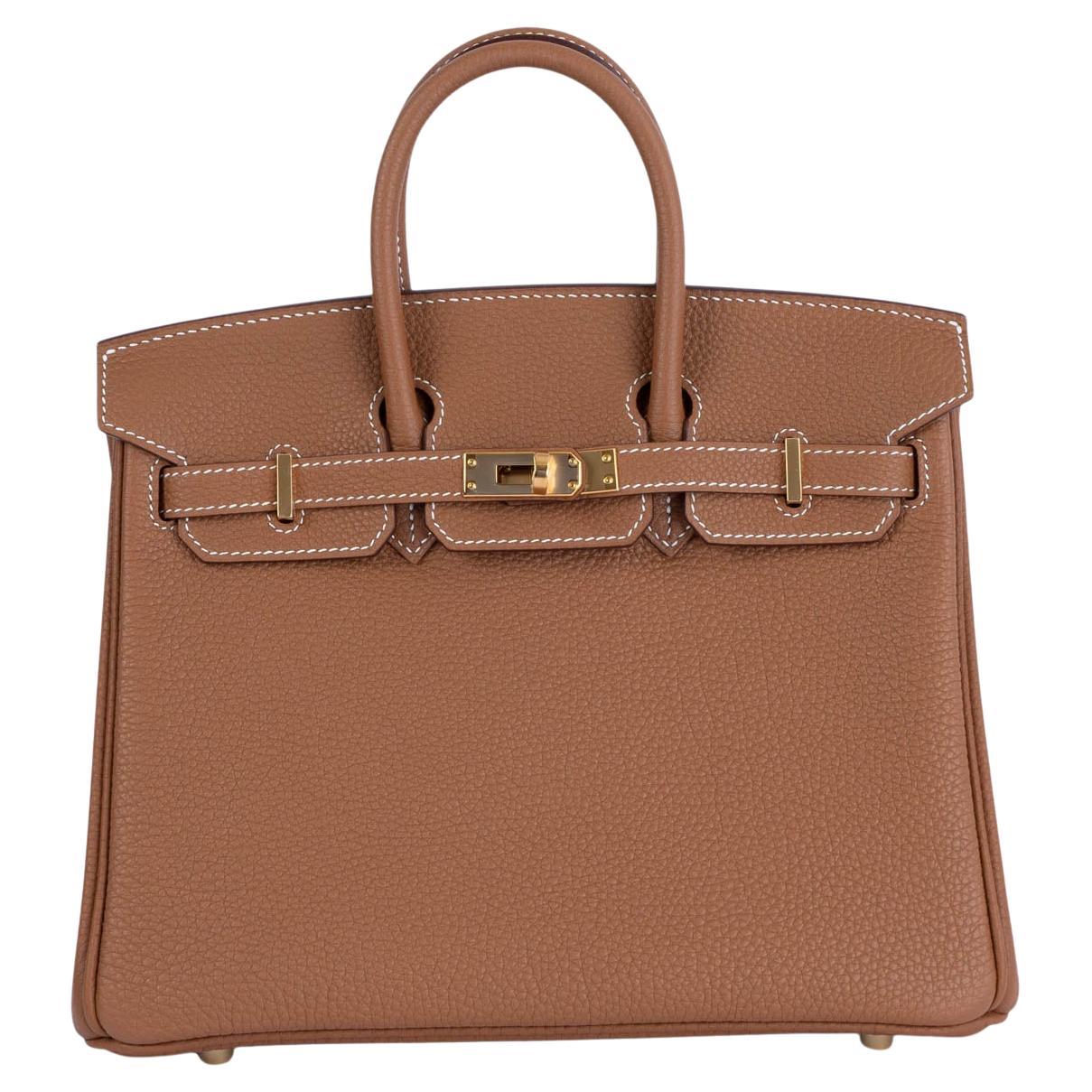
Its signature hardware — the flap straps, the turn-lock, the padlock and the leather-sheathed clochette holding the keys — is plated in palladium or gold. Hermès trains its leatherworkers for around two years before they touch a Birkin, and longer still for precious skins.
How to choose & style
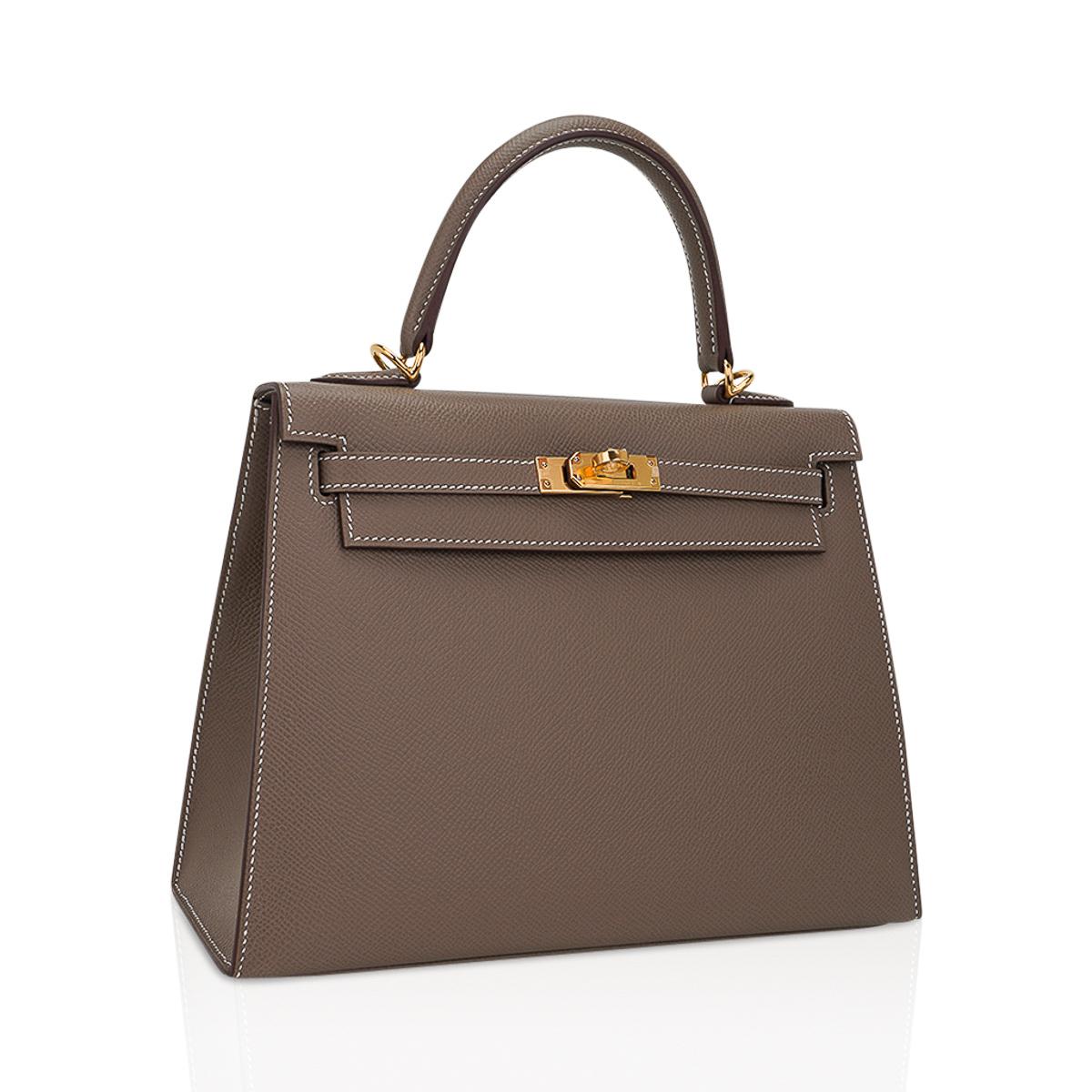
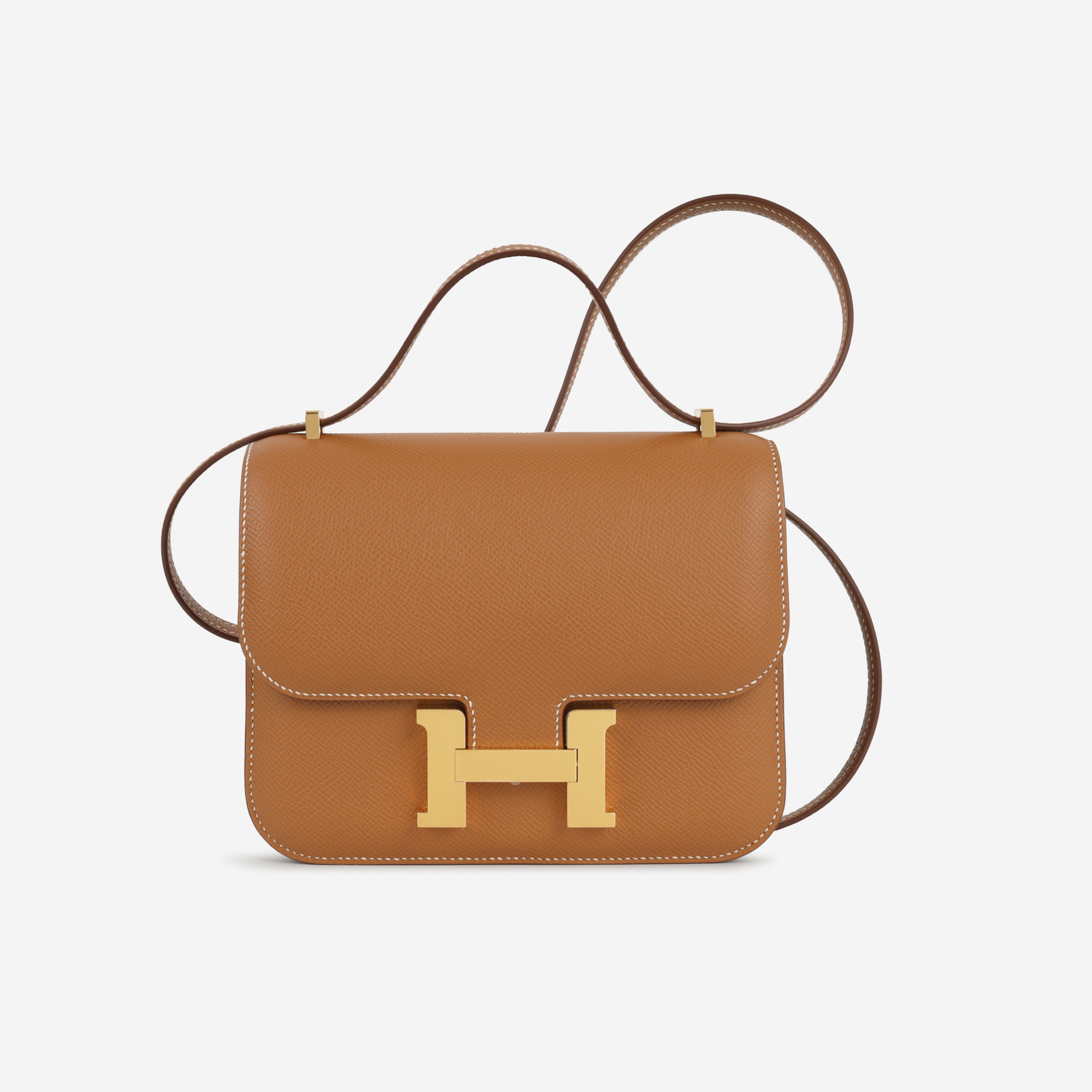
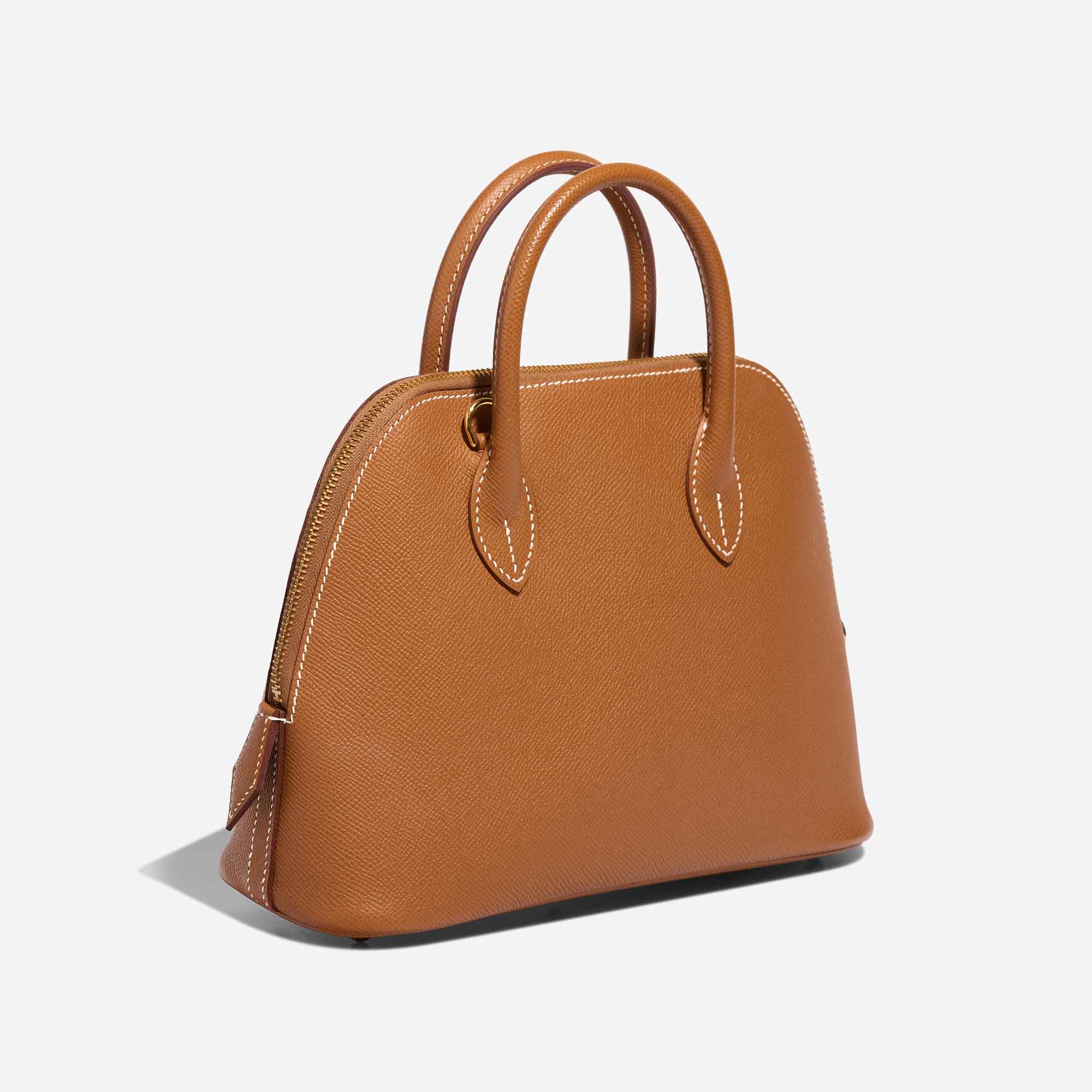
Sizes run 25, 30, 35 and 40, with the 30 and 25 the most carried today. Gold (a warm tan) and étoupe are the most versatile neutrals; black with palladium reads sharp and urban. The Birkin is a daytime workhorse by design — generous, structured, carried in the hand or the crook of the arm — and looks most at ease dressed down, against tailoring or denim rather than evening wear.