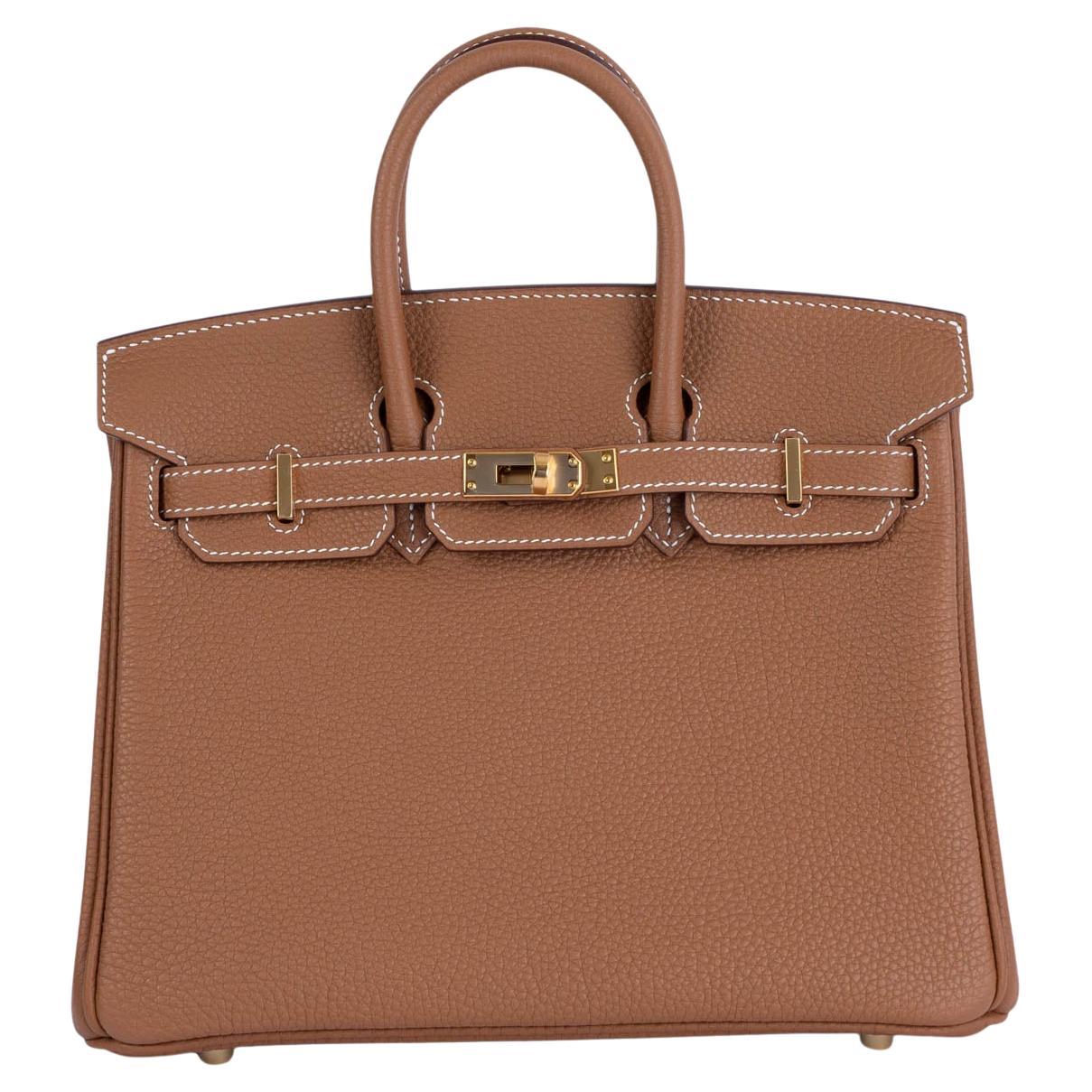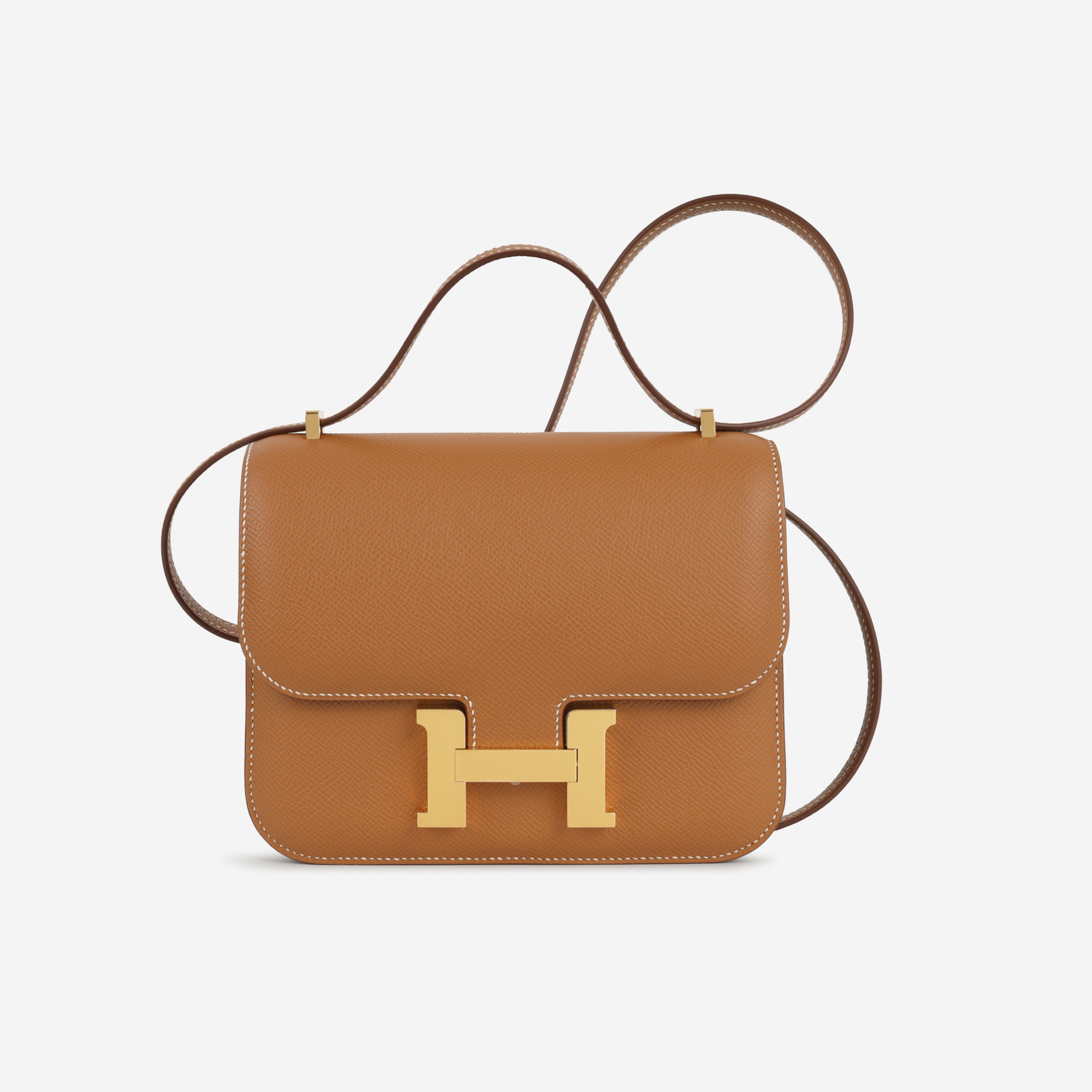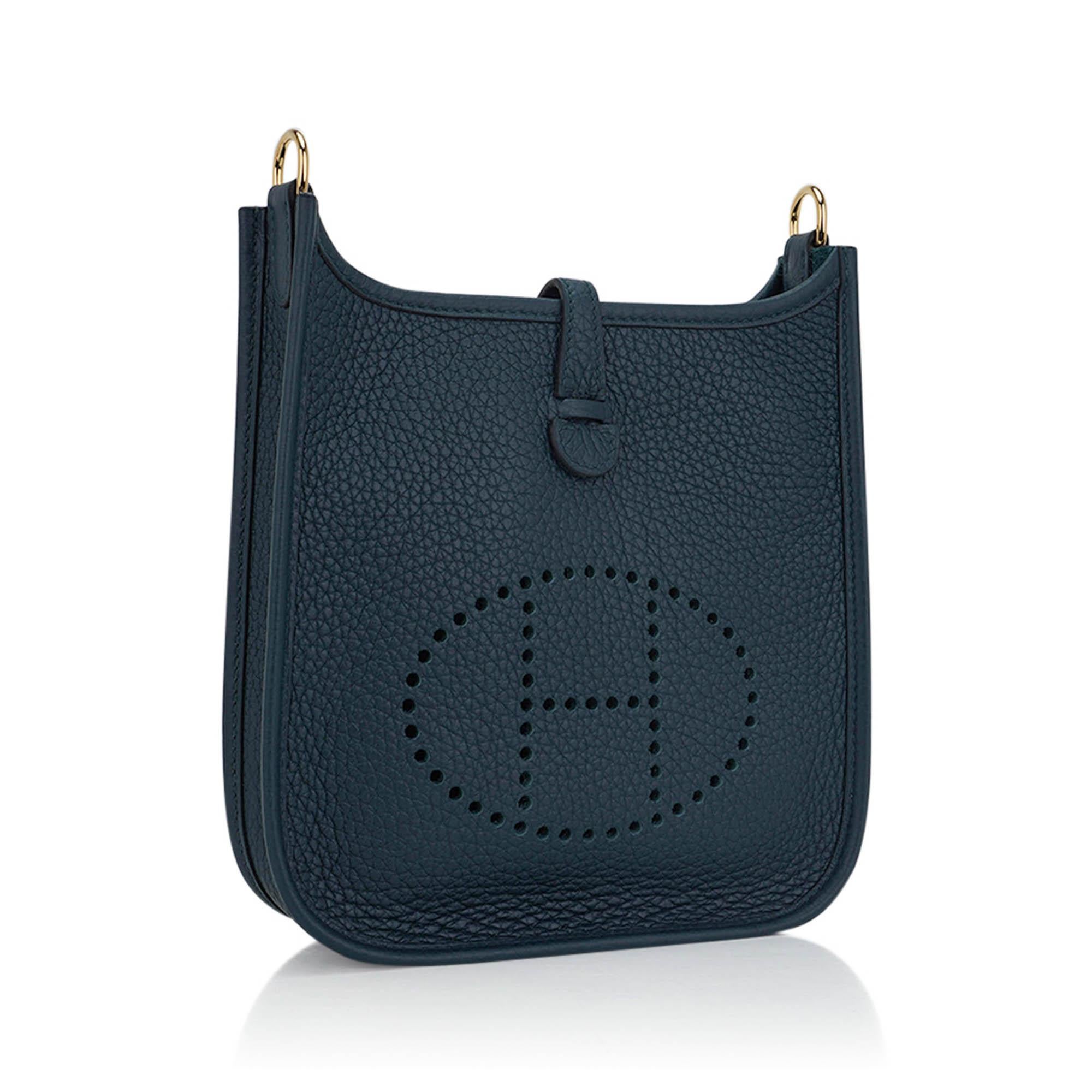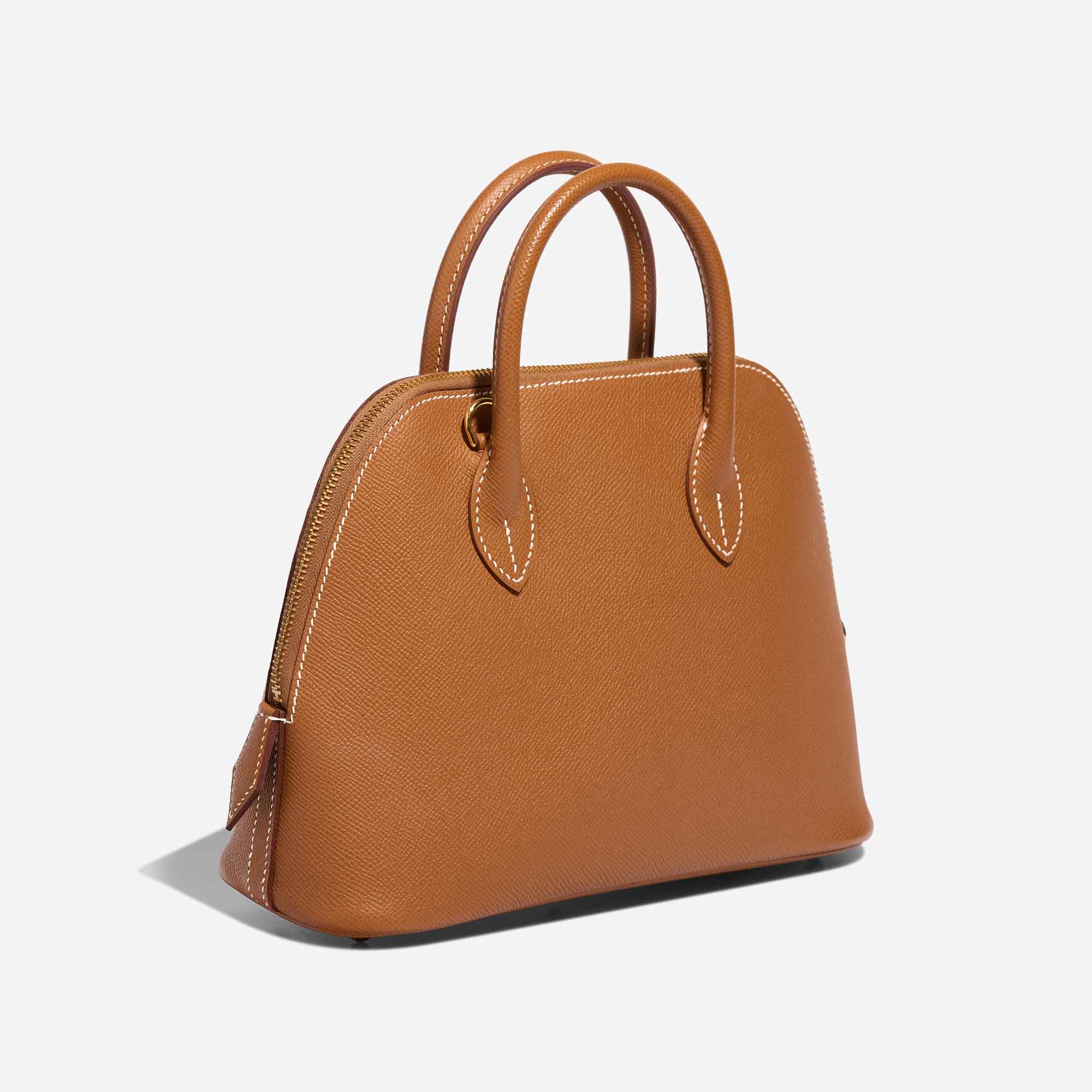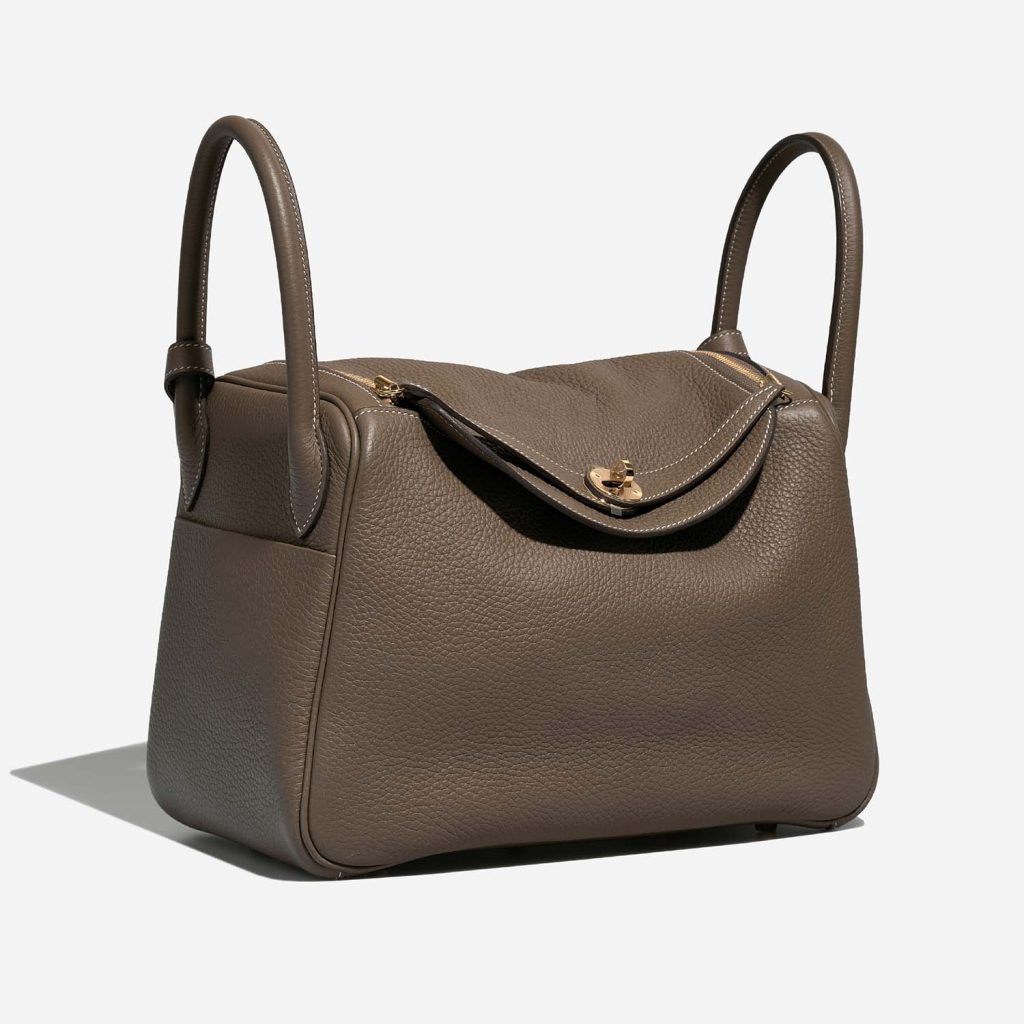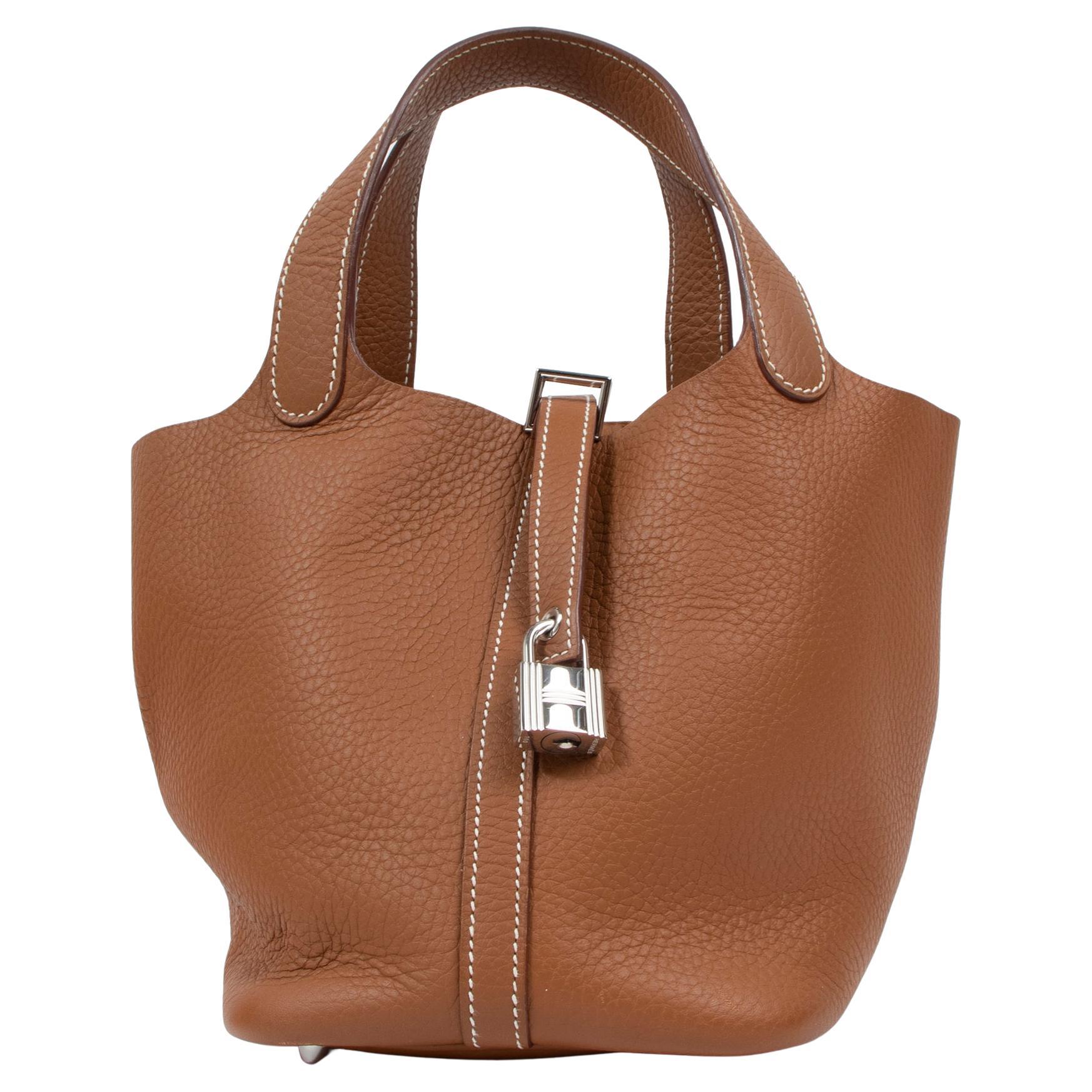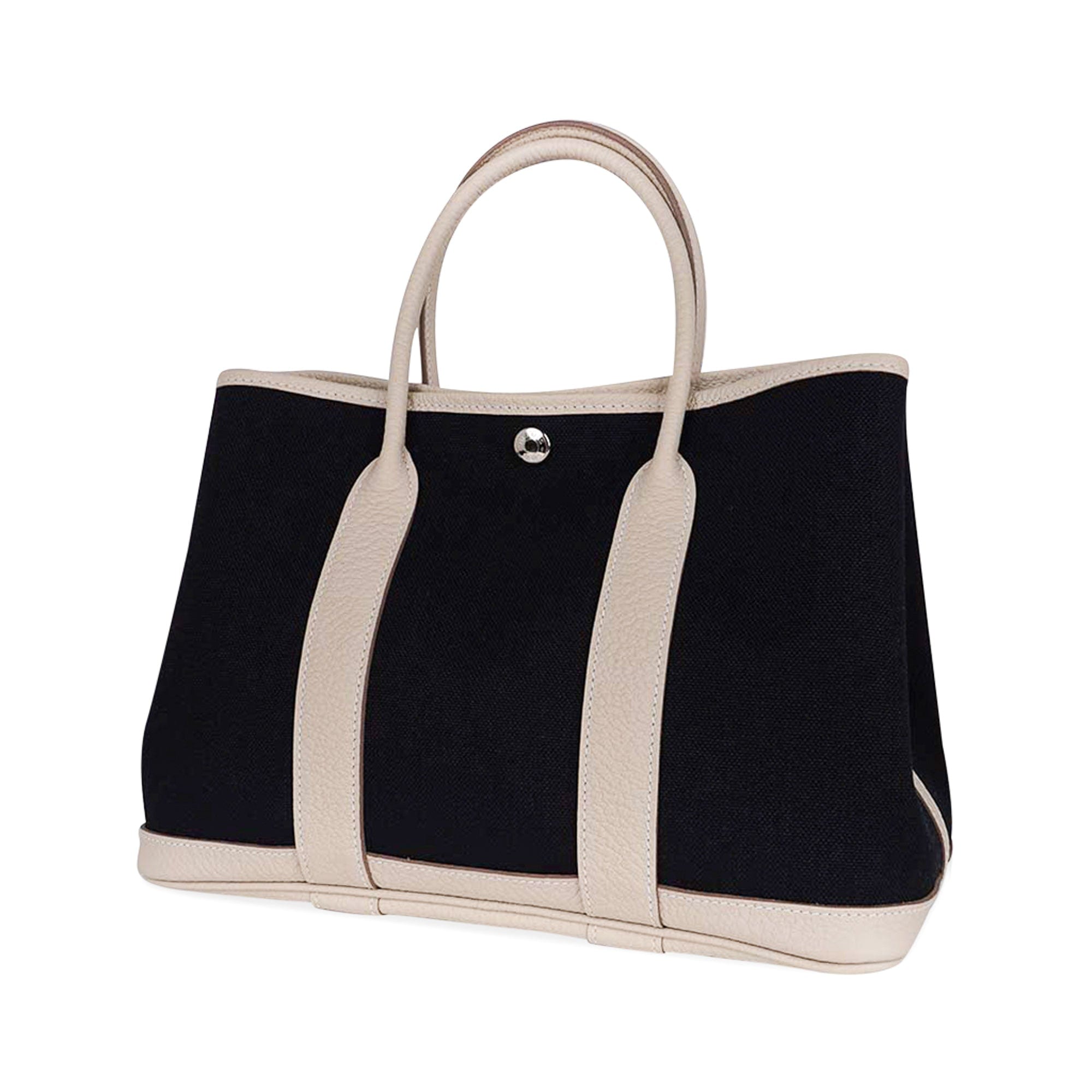
Kelly
A 1930s saddle bag that a princess turned into a legend with a single photograph.
Story & heritage
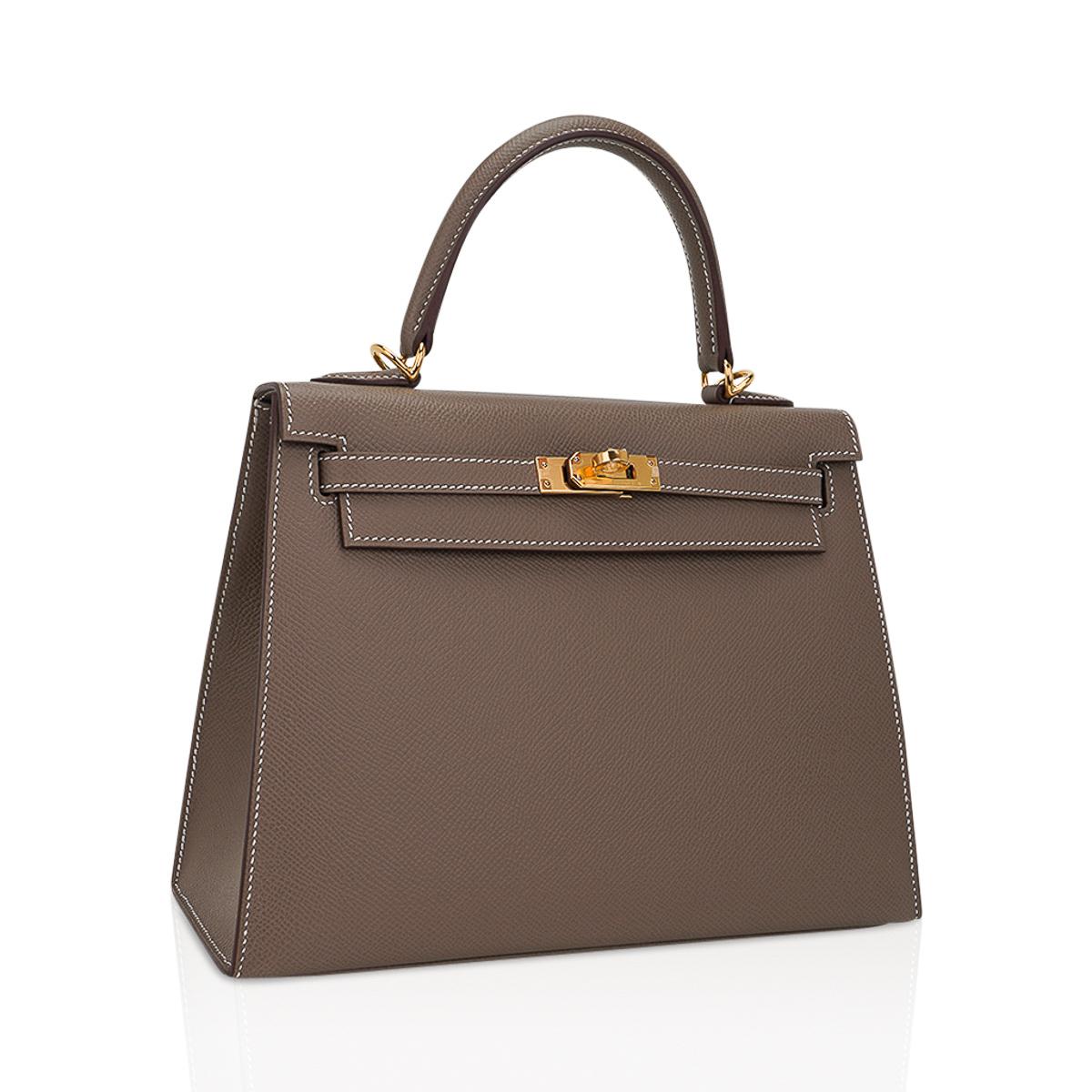
The Kelly descends from the house's equestrian roots: the Haut à Courroies of the 1890s, scaled down by Robert Dumas in the 1930s into a compact ladies' bag with straps. Launched around 1935 as the Sac à dépêches, it had the trapezoidal body and single top handle still recognisable today.
Its name came from cinema and royalty. Grace Kelly carried the bag in Hitchcock's To Catch a Thief and, soon after becoming Princess of Monaco, was photographed in 1956 using it to shield her pregnancy from photographers — an image that travelled the world in Life magazine. Demand surged, and Hermès eventually renamed the design in her honour.
Materials & craft
Nearly entirely handmade, a Kelly takes around eighteen to twenty hours to build. It comes in two constructions: Sellier, with the seams stitched on the outside for a crisp, architectural edge, and Retourné, sewn inside-out for a softer, more supple body. The base is reinforced with several layers of leather and protective metal feet.
The bag is offered across roughly twenty leathers — Epsom and box calf for structure, Togo and Clemence for suppleness, plus exotics — and finished with the two-strap sangles closure, a turn-lock, a padlock and a leather clochette. Craftsmen train for around eighteen months before assembling one.
How to choose & style
Sizes range from the Mini Kelly 20 up to the 35. The 25 and 28 are the contemporary sweet spot — dressy enough for evening on the shoulder strap, neat enough for day in the hand. Sellier in Epsom reads the most formal and graphic; Retourné in Togo is the relaxed, everyday choice. Étoupe, gold and black are the enduring neutrals; box-calf versions carry the deepest archive feeling.