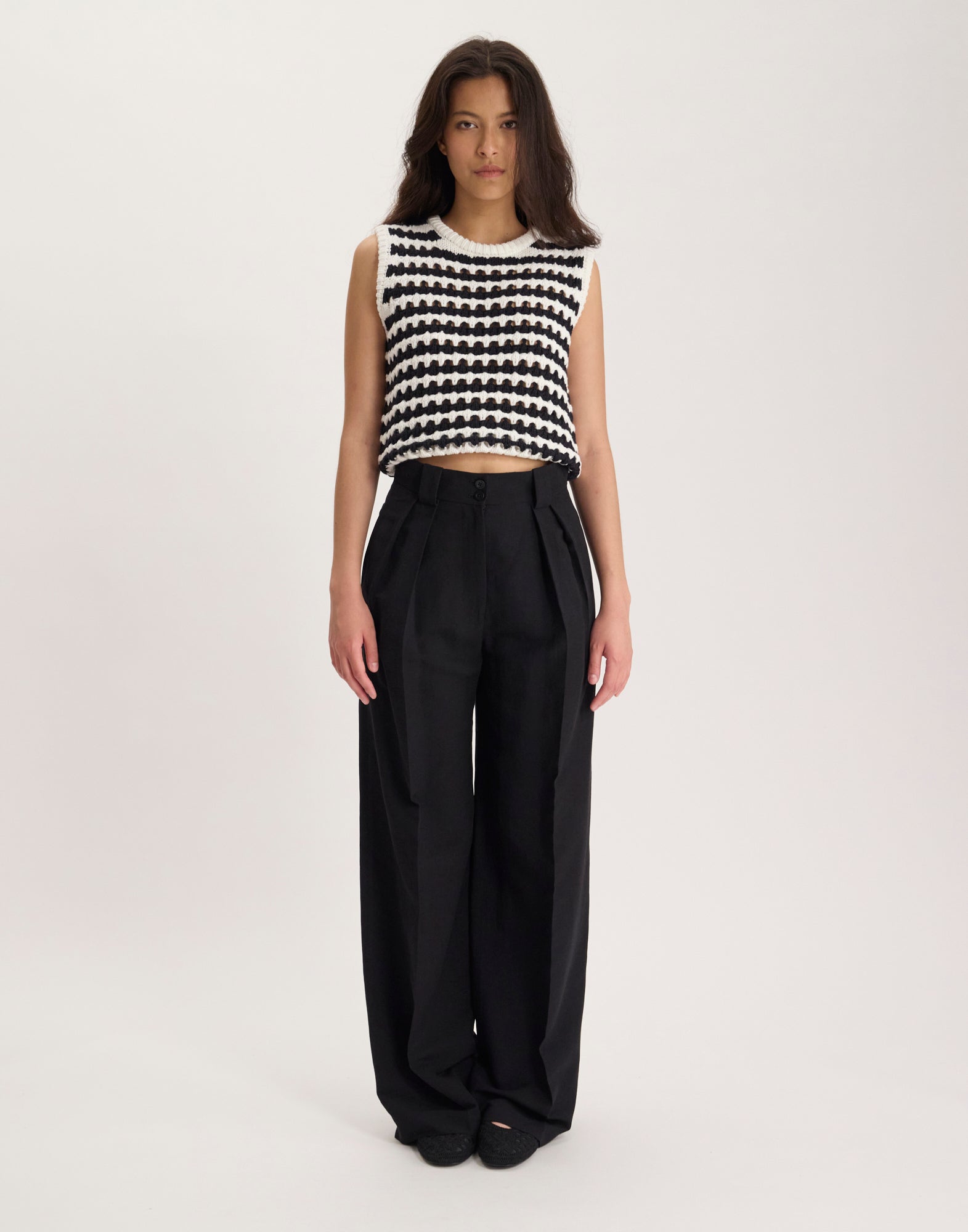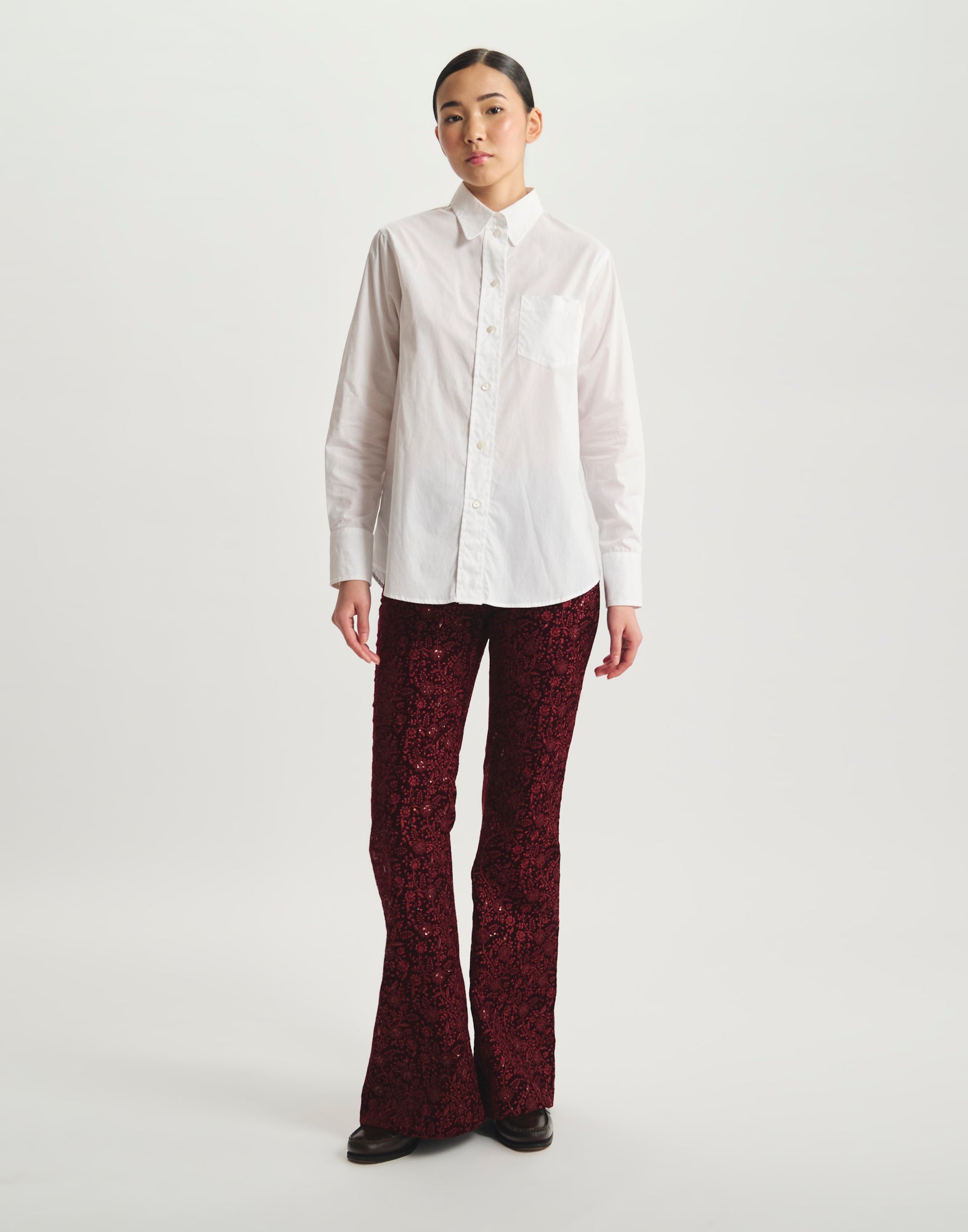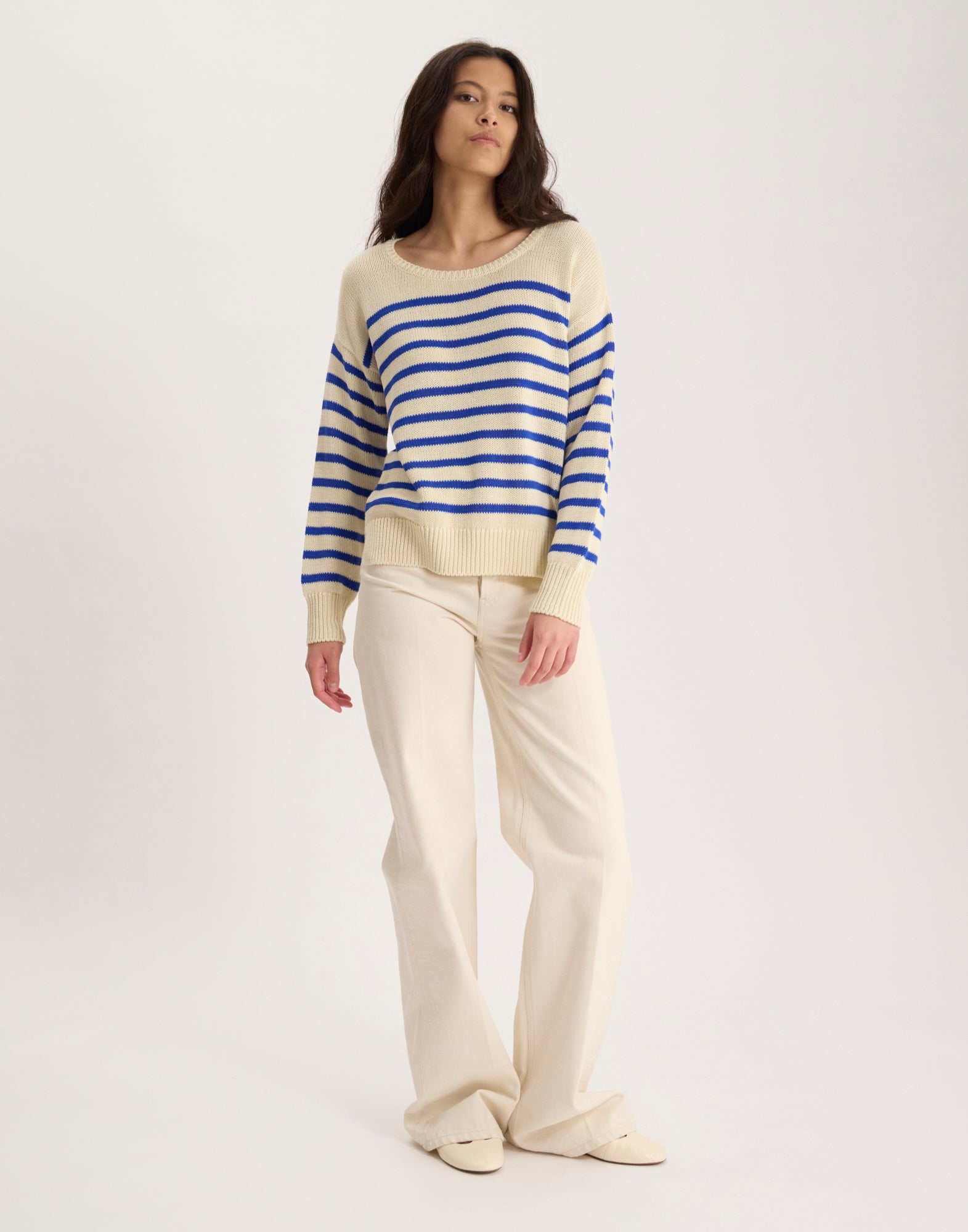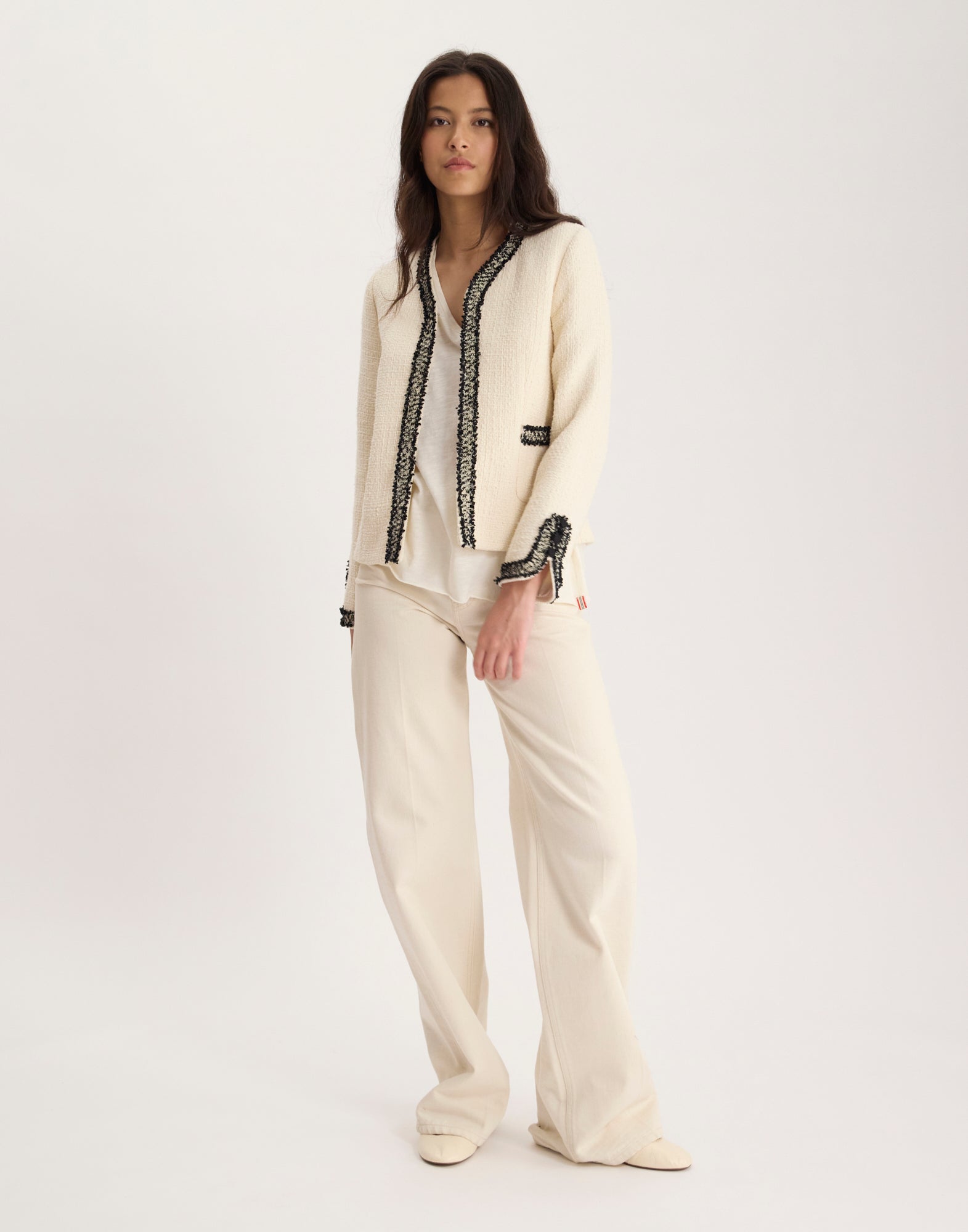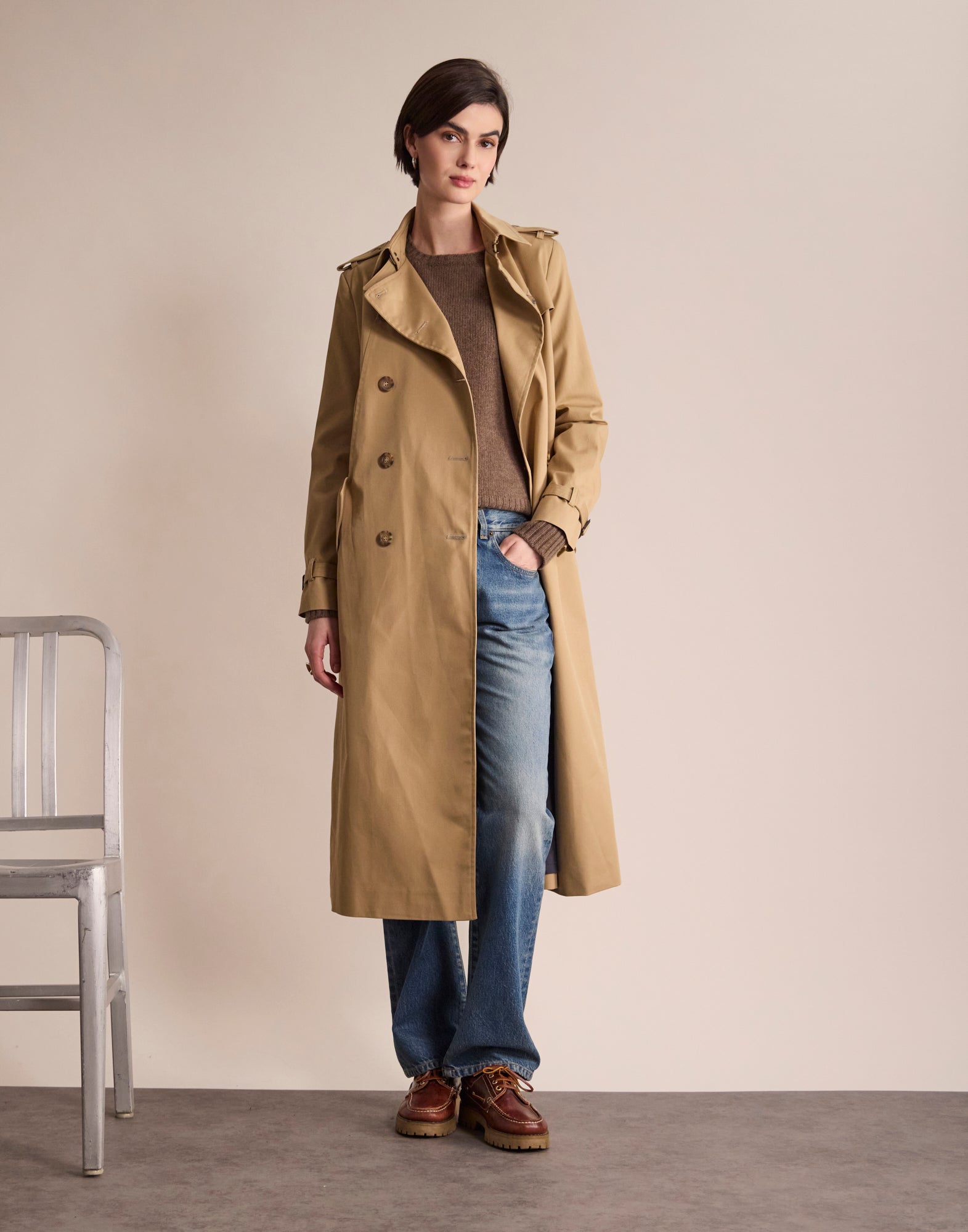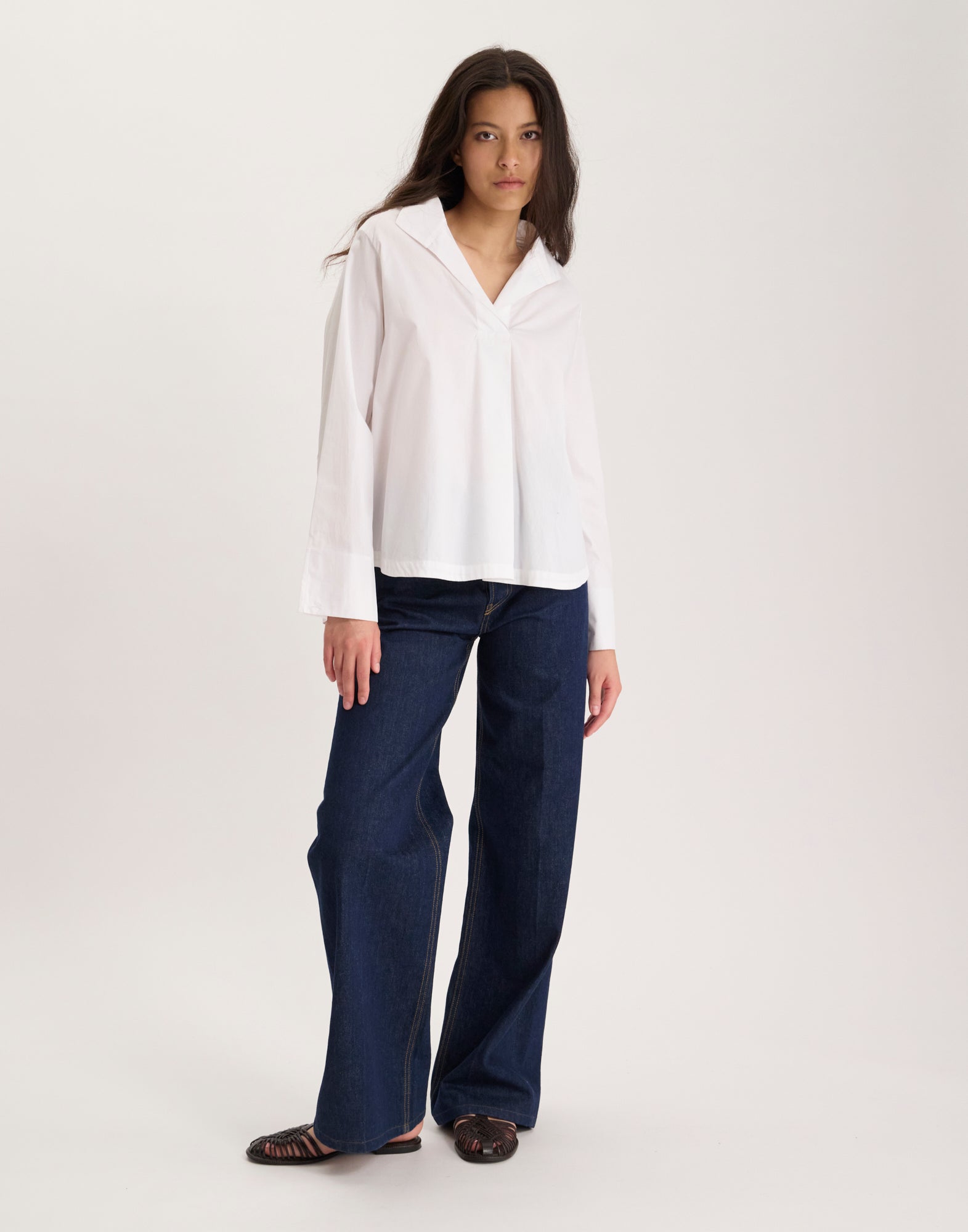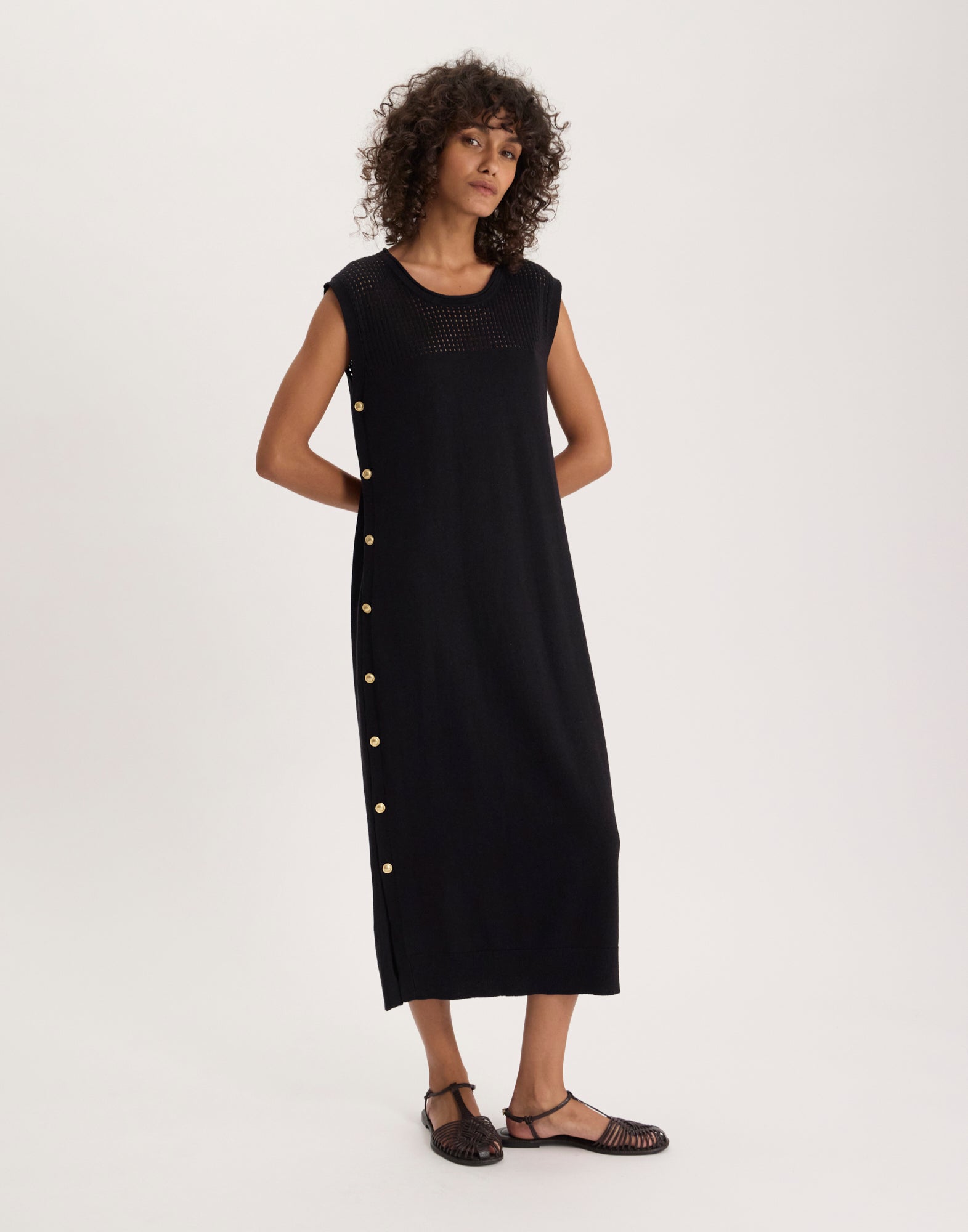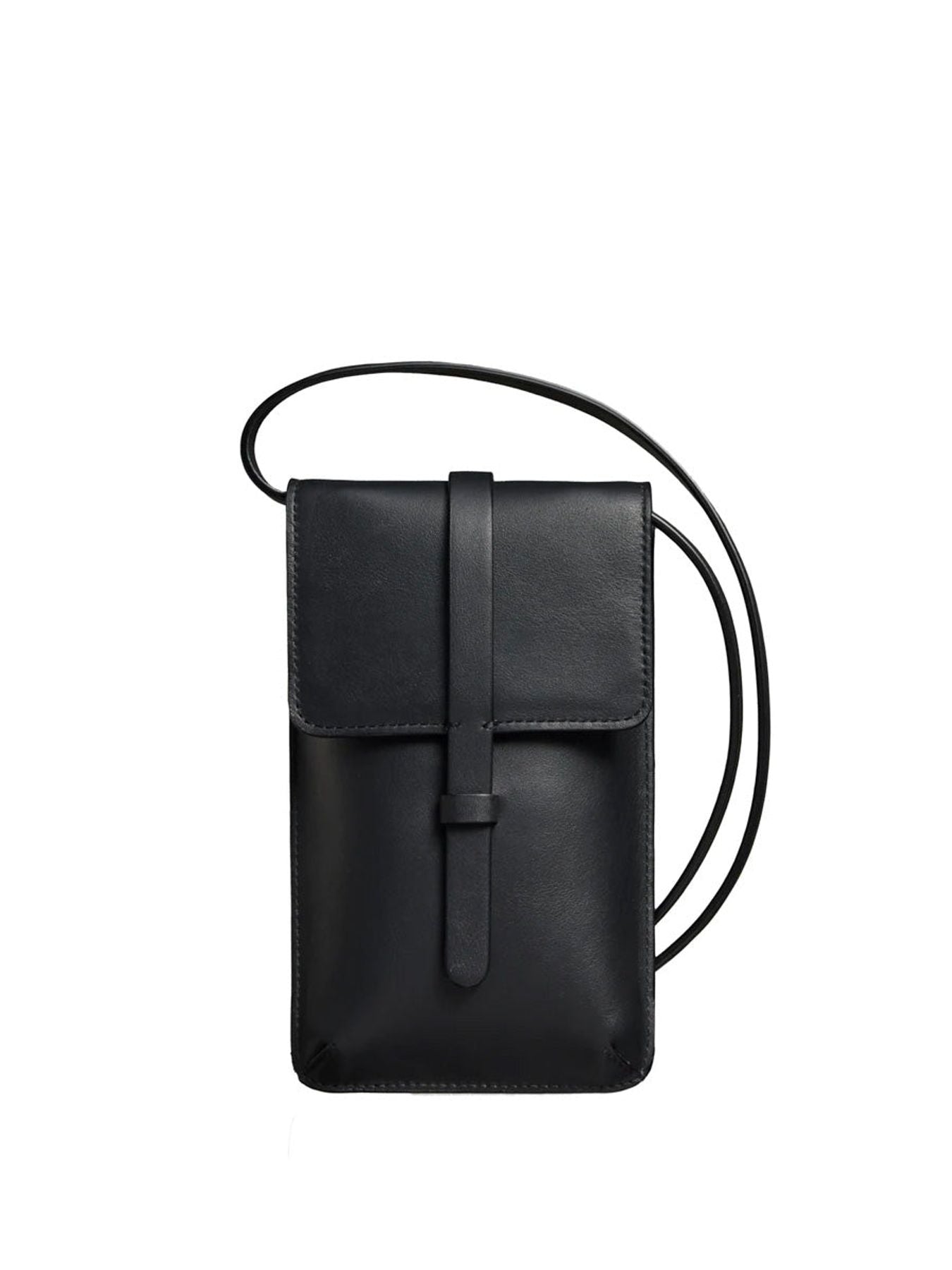
Brand · Parisian chic, by a Chanel muse

Ines De La Fressange Paris

The original 'talking mannequin' — Karl Lagerfeld's muse, bottled into effortless French style.

Ines De La Fressange Paris
Re-checked daily
Inès de La Fressange is a French supermodel, designer and perfumer — the first model to sign an exclusive contract with Chanel, becoming Karl Lagerfeld's muse, and now the face of her own house of Parisian chic.

Born in Gassin in 1957, La Fressange began modelling at 17 and signed exclusively with Chanel in 1983, her resemblance to Coco Chanel making her Lagerfeld's muse until the two parted ways in 1989. In 1991, with backing from the luxury group Orcofi, she created her own brand and opened a boutique on Avenue Montaigne — an immediate success in France, the US and Japan.

After losing the rights to her own name in a corporate dispute, she won them back and relaunched her eponymous clothing line in 2016. Since 2013 she has also designed for Uniqlo, and in 1998 was named to the International Best Dressed List Hall of Fame.
Ines De La Fressange Paris shopping FAQ

Is the Inès de la Fressange Uniqlo collaboration worth buying?+

It is the most accessible way into her brand of Parisian style. Since 2013 Inès de la Fressange has designed for the Japanese label Uniqlo, translating her relaxed-chic eye into everyday wardrobe staples at high-street prices. If you love the look she stands for but not the designer price tag, the collaboration is the obvious starting point.

Who is Inès de la Fressange, and why does her name carry such weight in fashion?+

She is a French supermodel, designer and perfumer, born in 1957 in Gassin, who in 1983 became the first model to sign an exclusive contract with a haute couture house, Chanel. Karl Lagerfeld made her his muse, drawn to her resemblance to the brand's founder, Coco Chanel. She was named to the International Best Dressed List Hall of Fame in 1998.

What is the "Parisian chic" style Inès de la Fressange is known for?+

It is the effortless, undone elegance she literally wrote the book on. With fashion journalist Sophie Gachet she co-wrote Parisian Chic: A Style Guide in 2011, followed by Parisian Chic Encore in 2019. The philosophy mixes a few good classics with relaxed, even cheap or vintage pieces, the same instinct that earned her the nickname "the talking mannequin" for speaking her mind about fashion.

When did Inès de la Fressange start her own label, and why did she lose it?+

In 1991, with backing from the luxury group Orcofi, she created the Inès de la Fressange brand and opened a boutique at 12 Avenue Montaigne in Paris, an immediate success in France, the US and Japan. In December 1999, holding only a minority stake, she was forced out of her own company and even lost the right to use her name, a dispute she eventually won in court.

Is the brand on sale today the same one she founded in 1991?+

Not directly. After being made redundant from her original company in 1999 and reclaiming the rights to her name through legal action, she relaunched her eponymous clothing line in 2016. So today's Inès de la Fressange Paris is her own second act, built on the same Parisian sensibility but under her renewed control.

What's the connection between Inès de la Fressange and Karl Lagerfeld's Chanel?+

She was at the centre of it for years. Lagerfeld signed her to Chanel in 1983 and she became his muse and the face of the house. They fell out in 1989, in part over her decision to lend her likeness to a bust of Marianne, the symbol of the French Republic; Lagerfeld dismissed Marianne as everything bourgeois and provincial and said he would not dress historic monuments.

Did Inès de la Fressange model for designers other than Chanel?+

She did, widely. She began modelling in 1974 at 17, appeared in 1975 in photos by Oliviero Toscani for Elle, and walked for Thierry Mugler among others. Decades later she was still on the runway, walking for Jean Paul Gaultier in 2008 at the age of 51 and appearing at Chanel's spring-summer 2011 show.

Why was Inès de la Fressange chosen as the face of Marianne?+

By the late 1980s she embodied an idealised French elegance, which is exactly what made her a fitting model for Marianne, the national emblem of the French Republic. The honour proved costly within fashion: it was reportedly the trigger for her 1989 split from Karl Lagerfeld, who scorned the symbol, but it cemented her standing as a national style figure.

What kind of pieces define the Inès de la Fressange aesthetic?+

Her work has always reached beyond clothing into a whole way of dressing, and even into scent, as she is a perfumer as well as a designer. The 1991 boutique sold perfumes inspired by the region where her grandfather lived alongside other products. Across her ventures the throughline is the same: classic French pieces worn with a deliberately relaxed, individual touch.