 A.P.C. US
Up to 50% Off
A.P.C. Spring Sale
- A.P.C. Spring/Summer Sale up to 50% off.
- Free standard shipping within the US on orders over $350.
Atelier de Production et de Création — minimalist French essentials and the raw denim that built a cult.
Live sales that include A.P.C., across the retailers we track — tap any to open it on the store, pinned to the top.
A.P.C. US
Real verified markdowns across 3 retailers — filter by category, retailer & price. Heart anything to track its price.
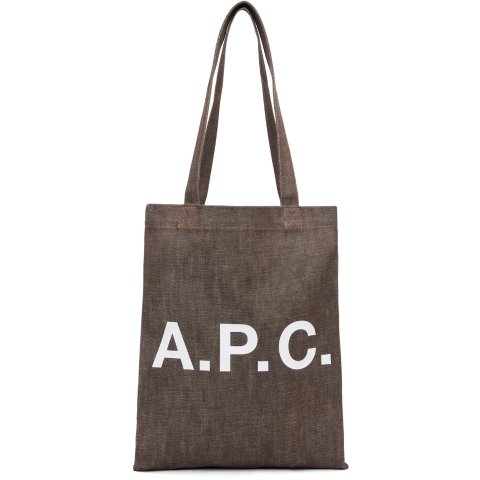
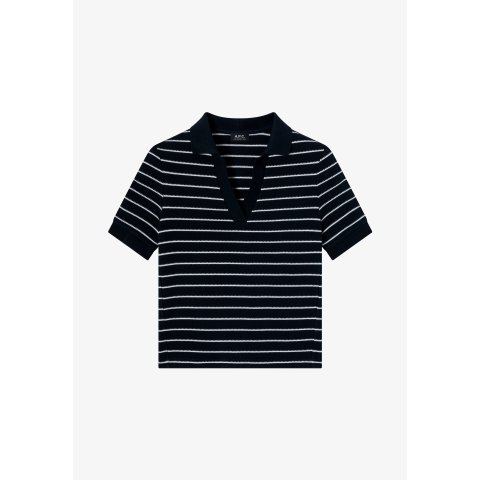
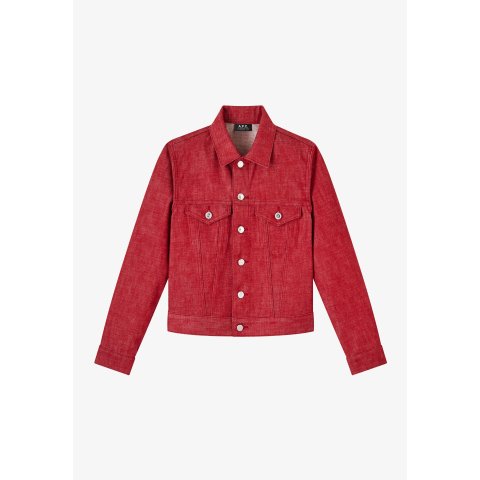
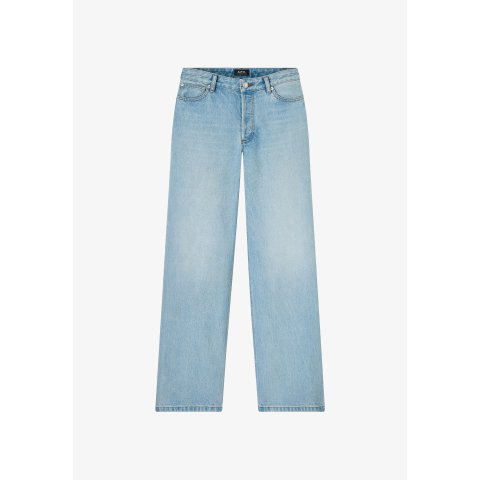
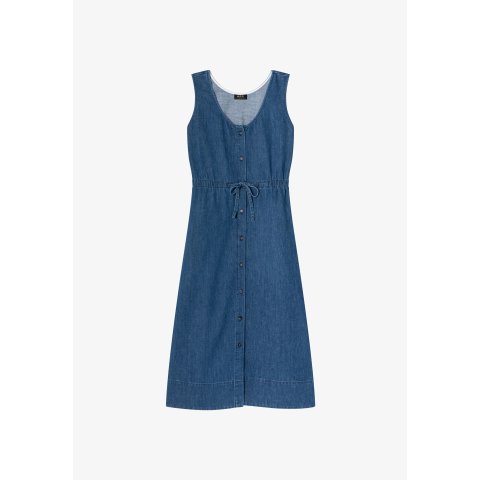
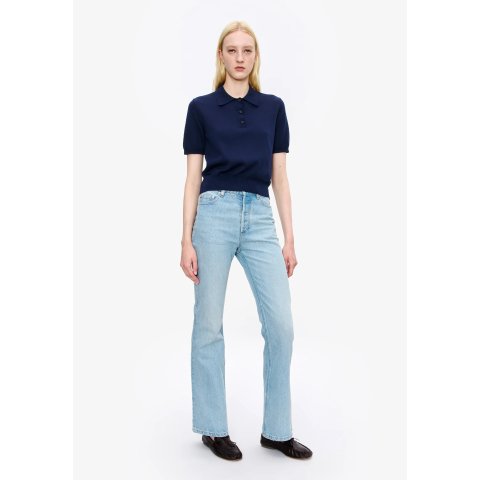
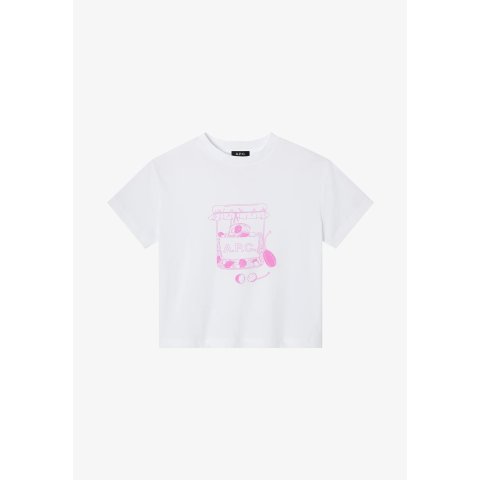
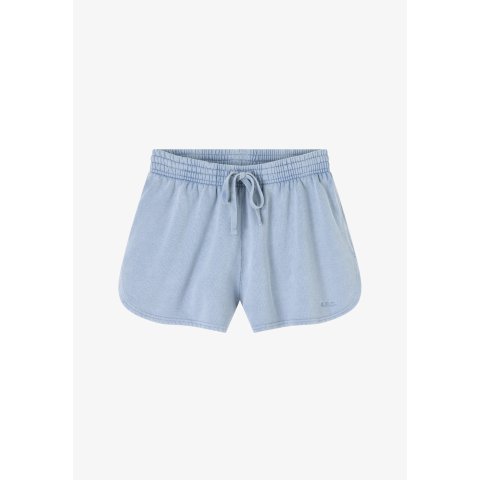
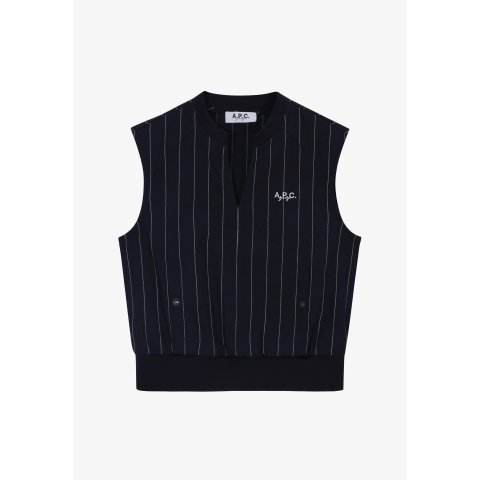
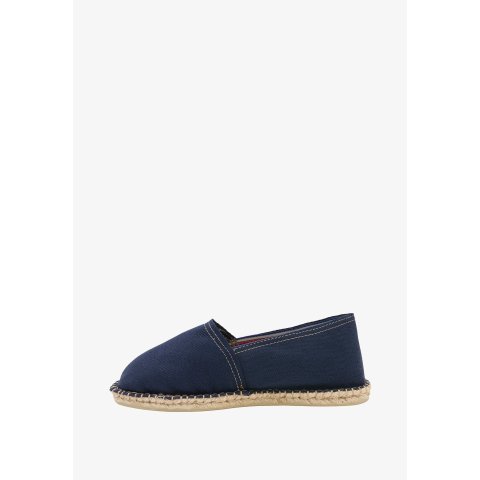
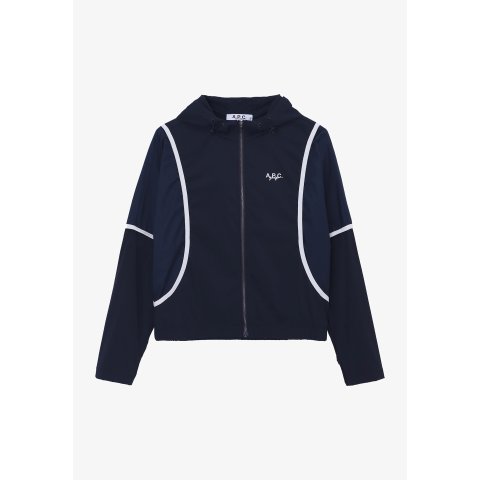
The first menswear collection was so spare its labels read only "HIVER 1987"; A.P.C. labels proper appeared in 1989. The house built its name on minimalist design, clean lines and, above all, raw Japanese denim, opening early international stores in Tokyo's Daikanyama in 1991 and on New York's Mercer Street in 1993.
Touitou has kept the brand collaborative — partners have ranged from Kanye West and Kid Cudi to Carhartt WIP, Lacoste and Brain Dead. In 2023, A.P.C. agreed to sell a majority stake to investment firm L Catterton to grow internationally.
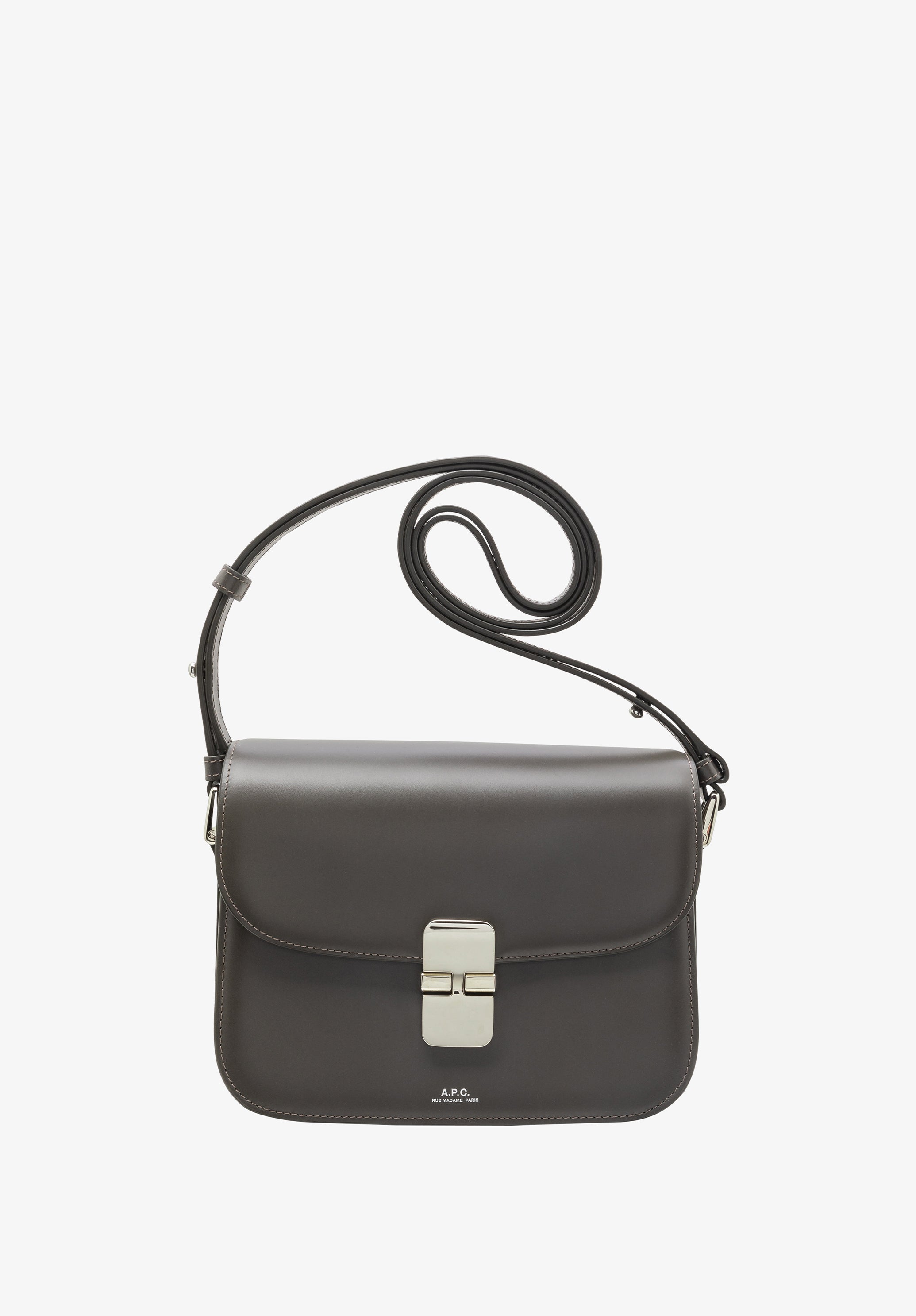
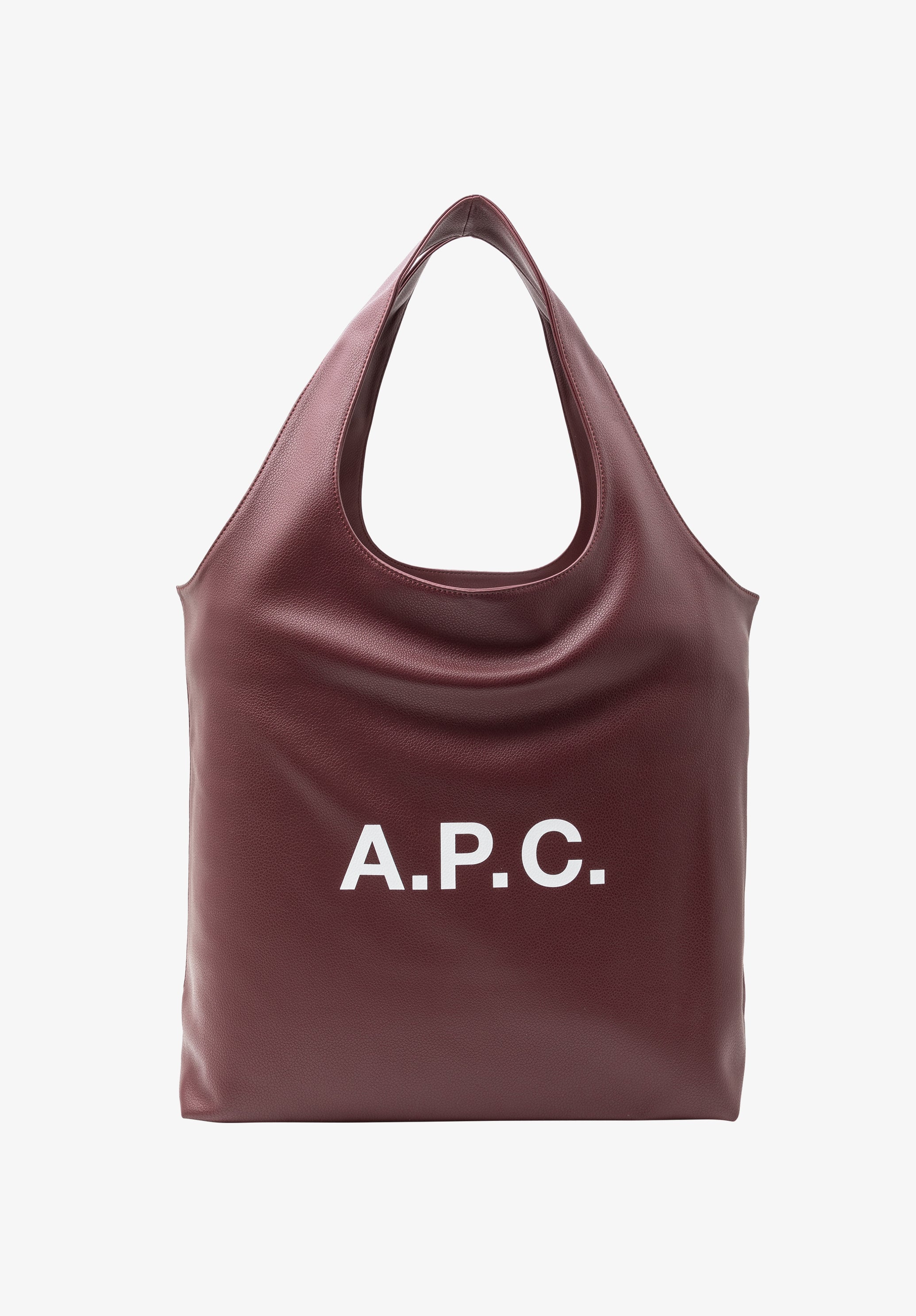
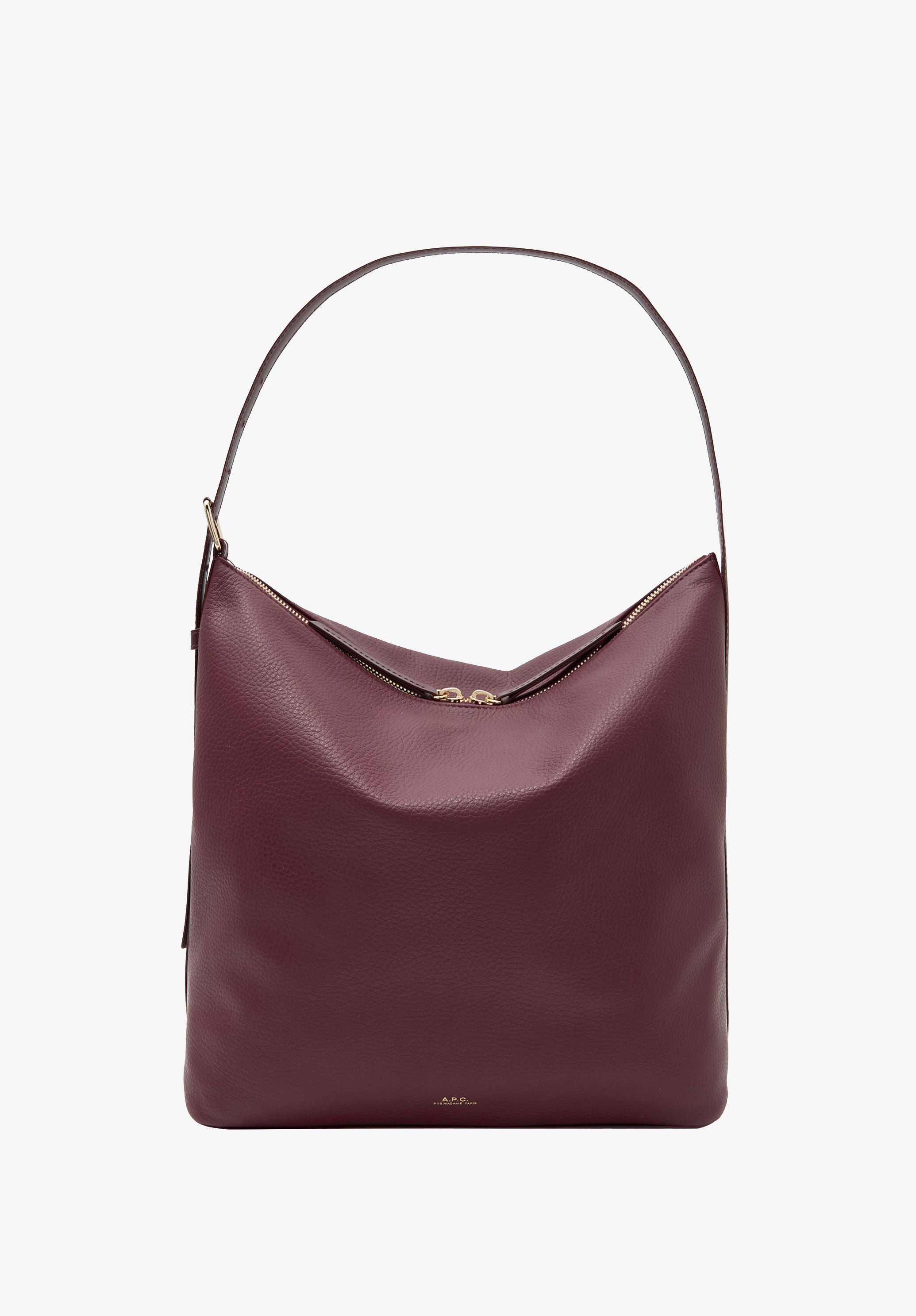
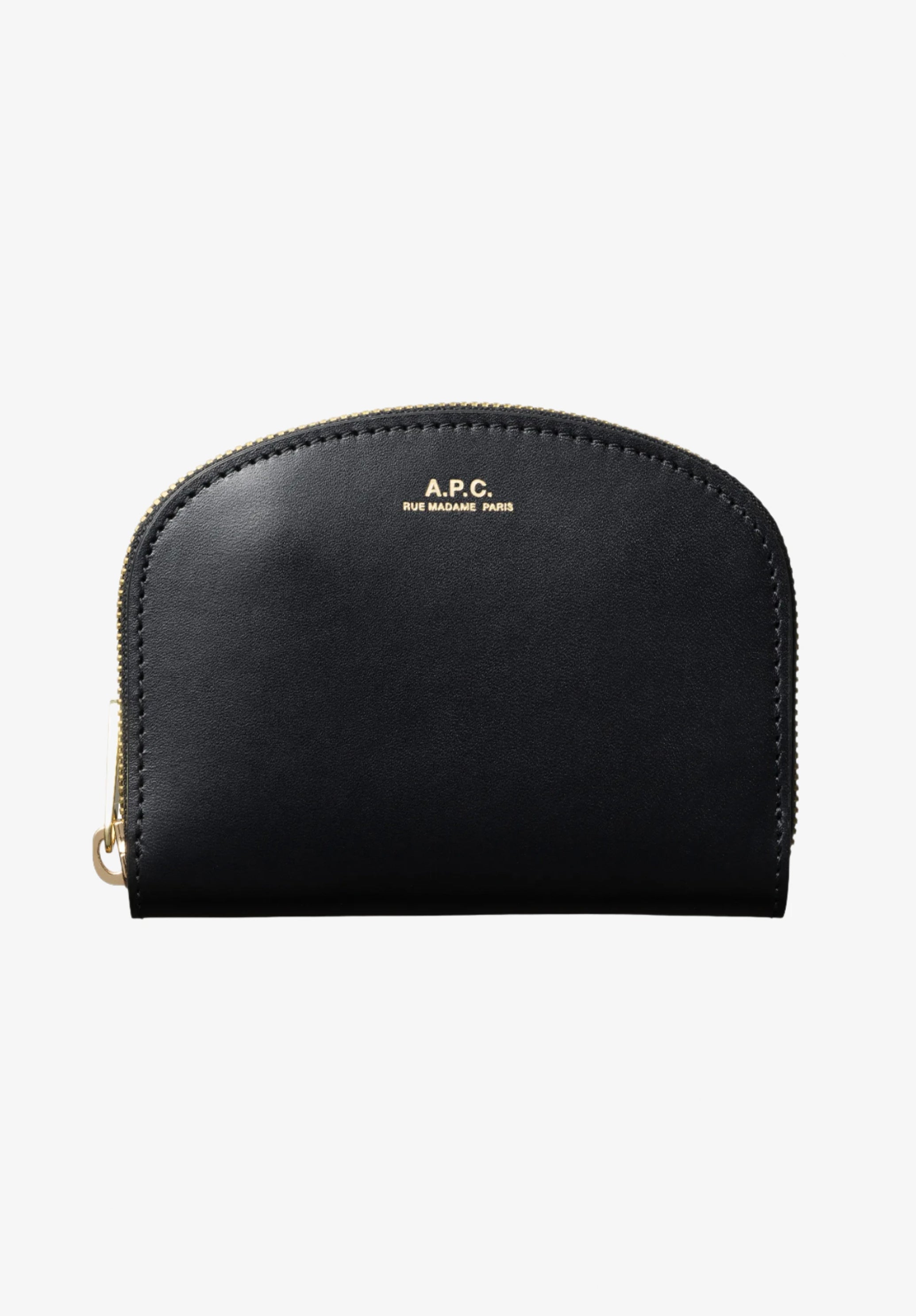
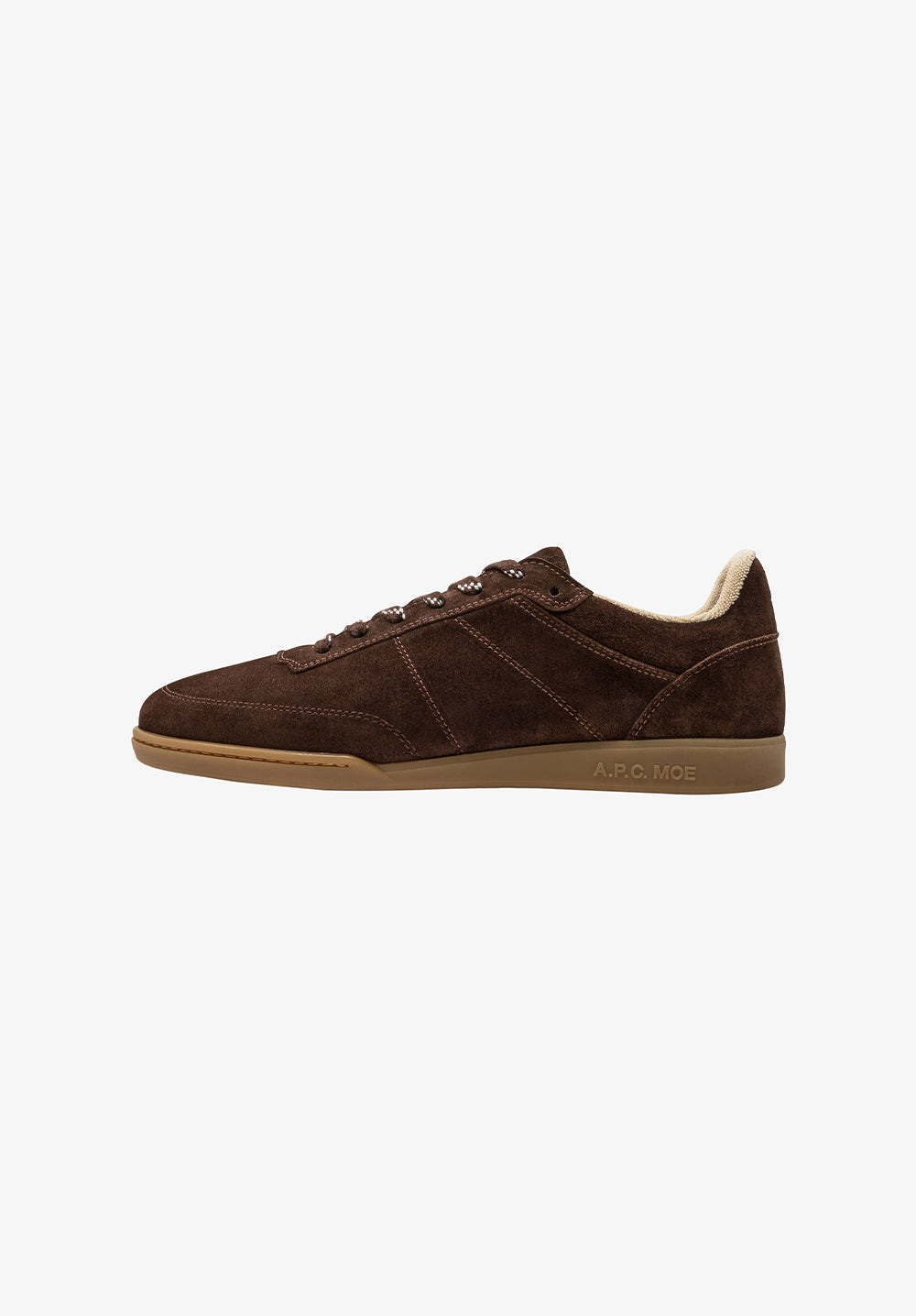
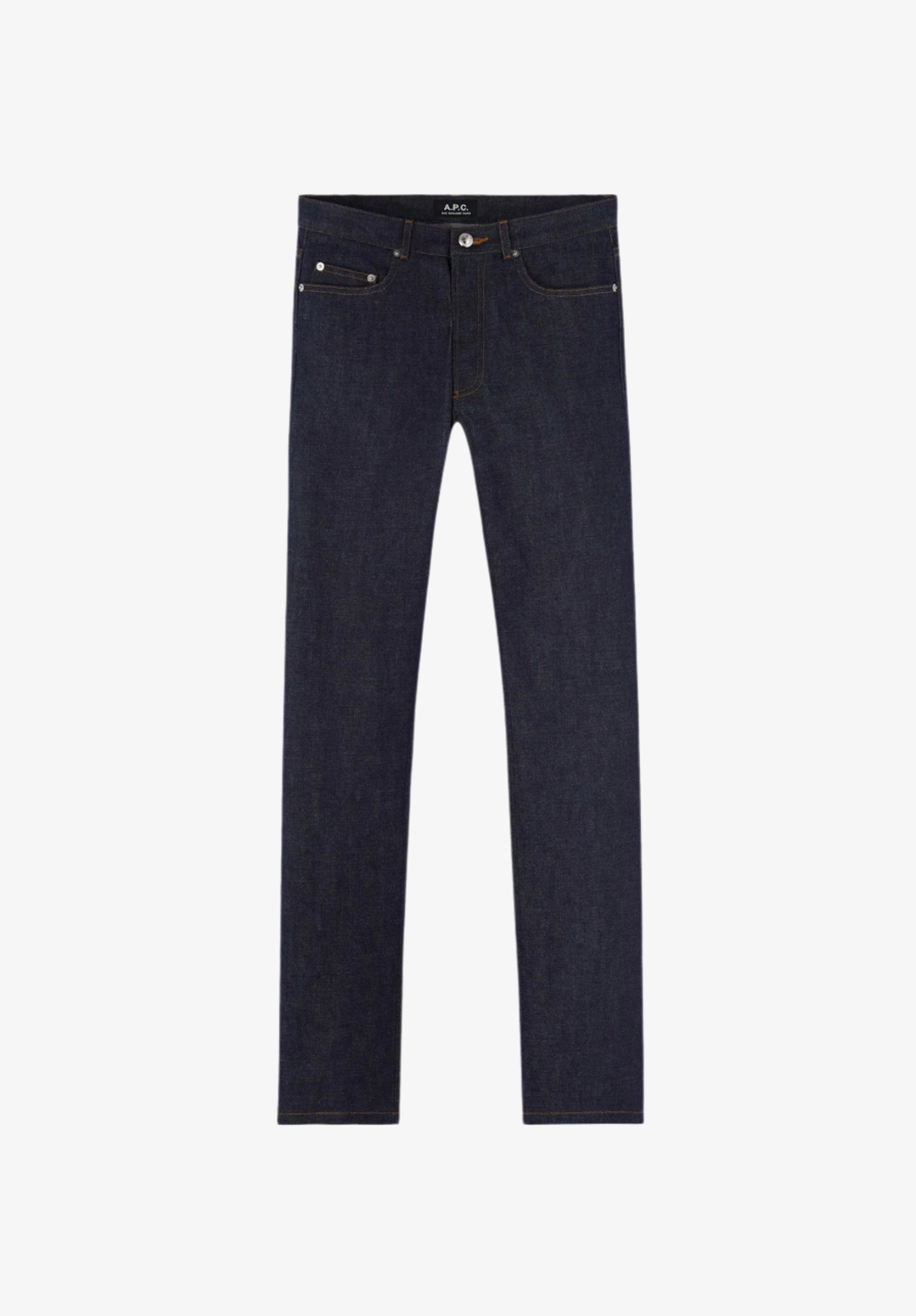
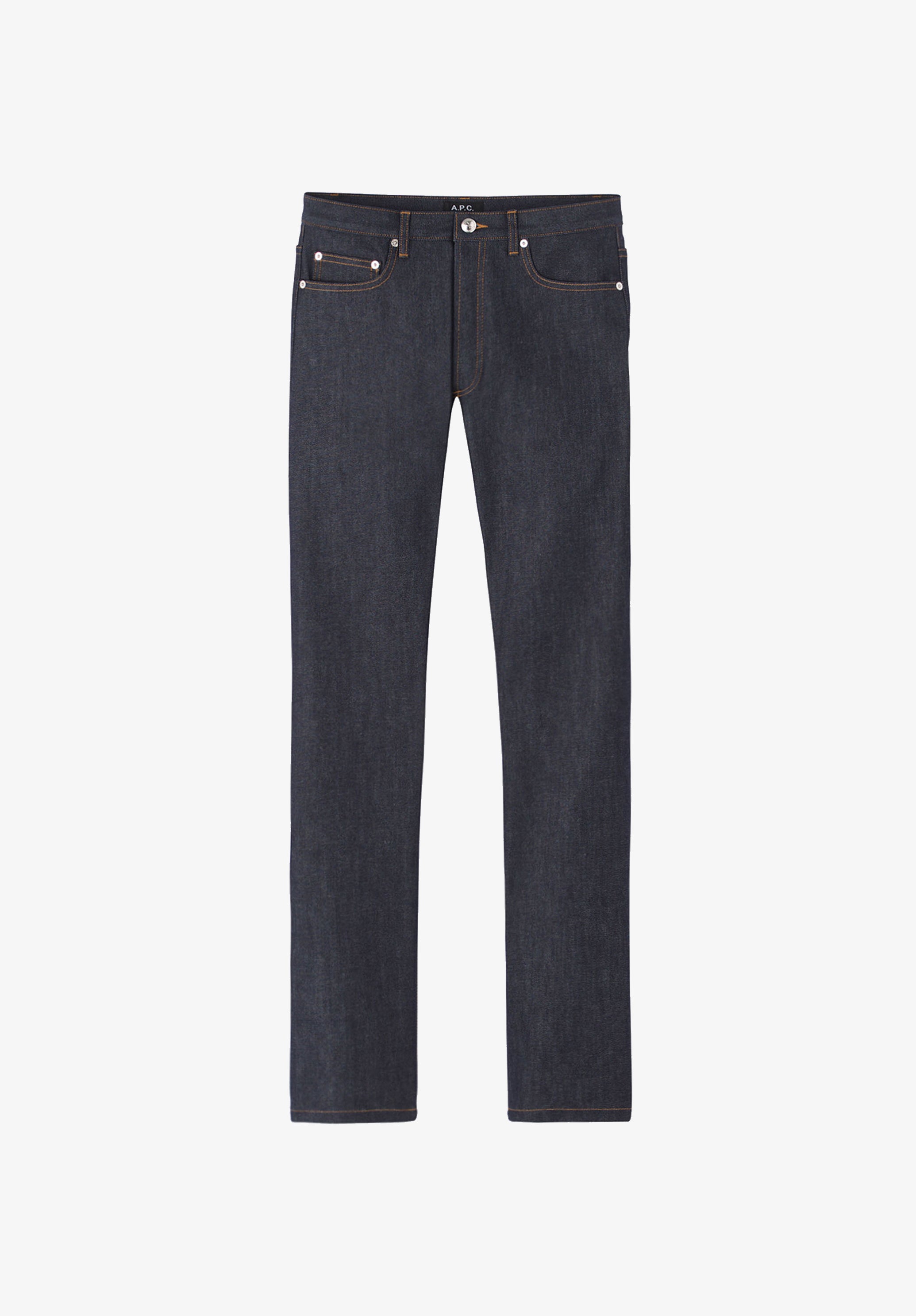
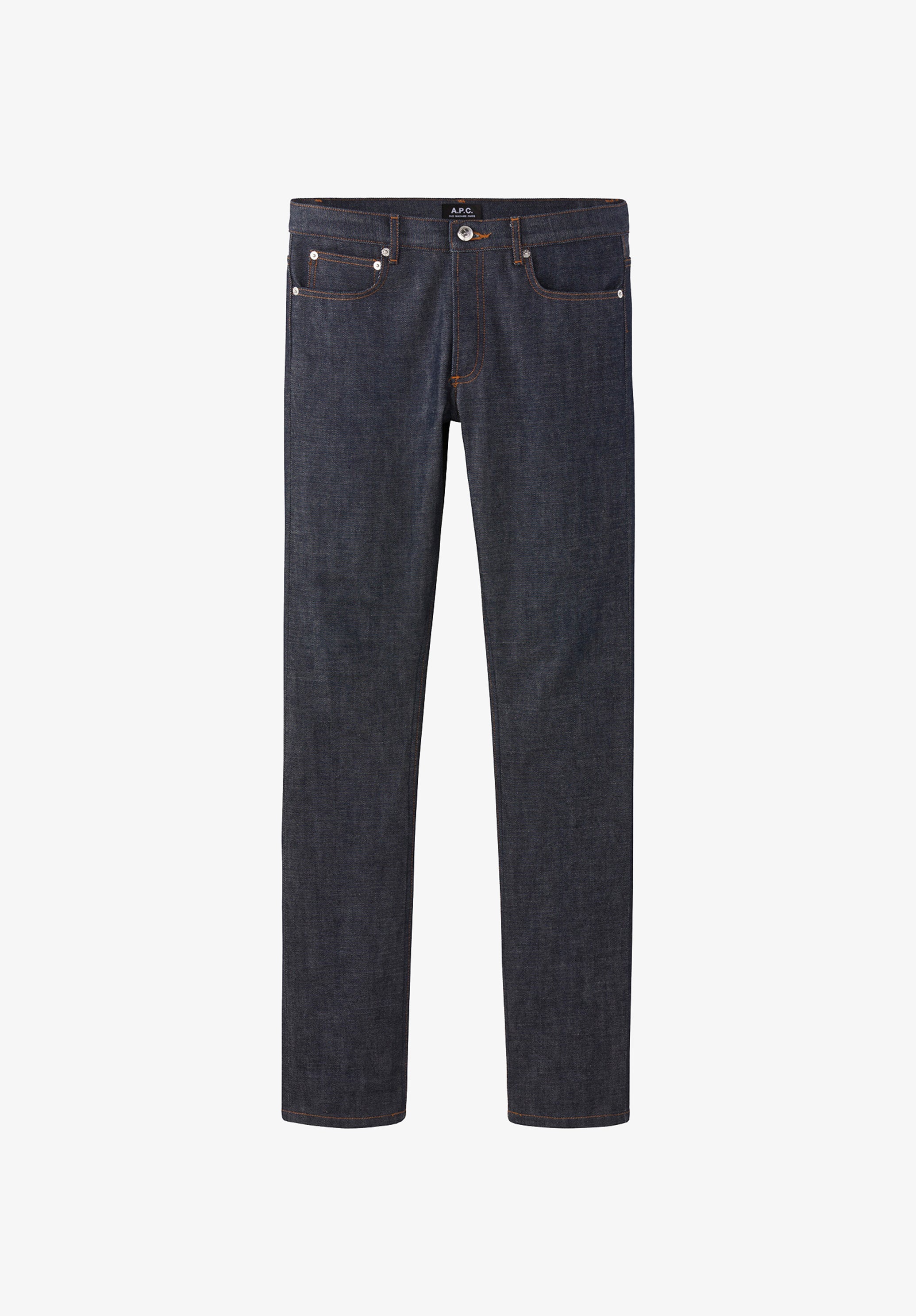
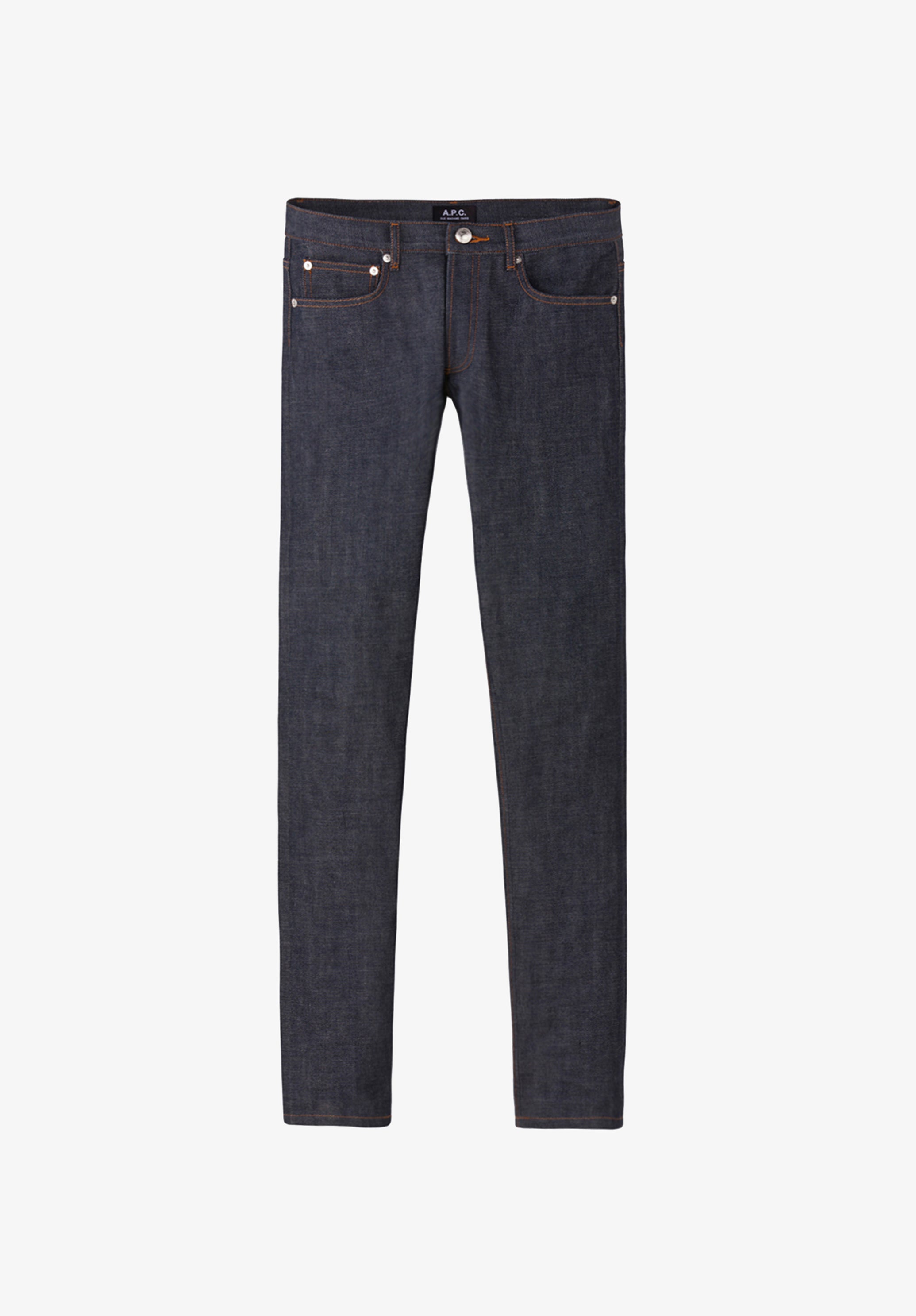
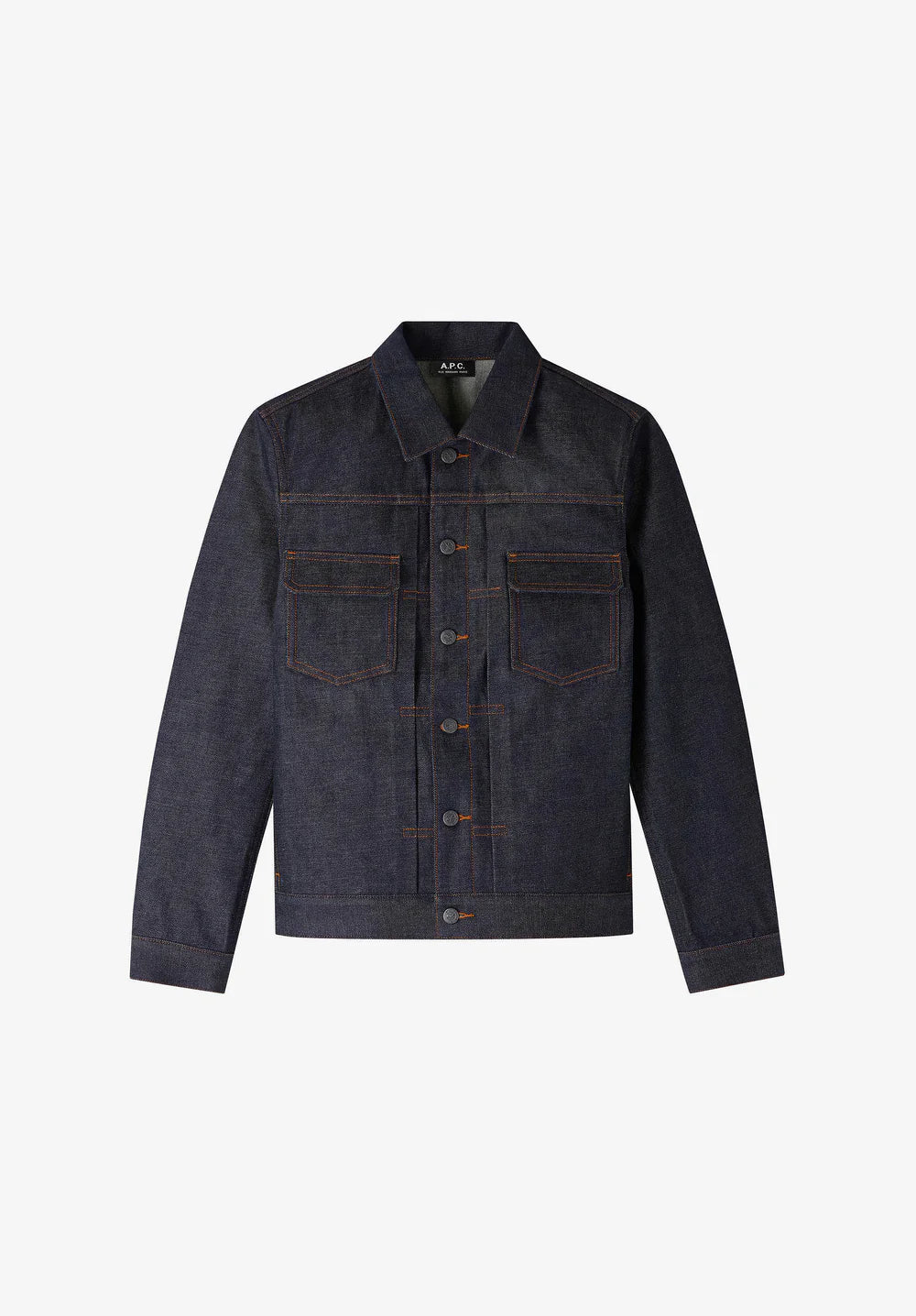
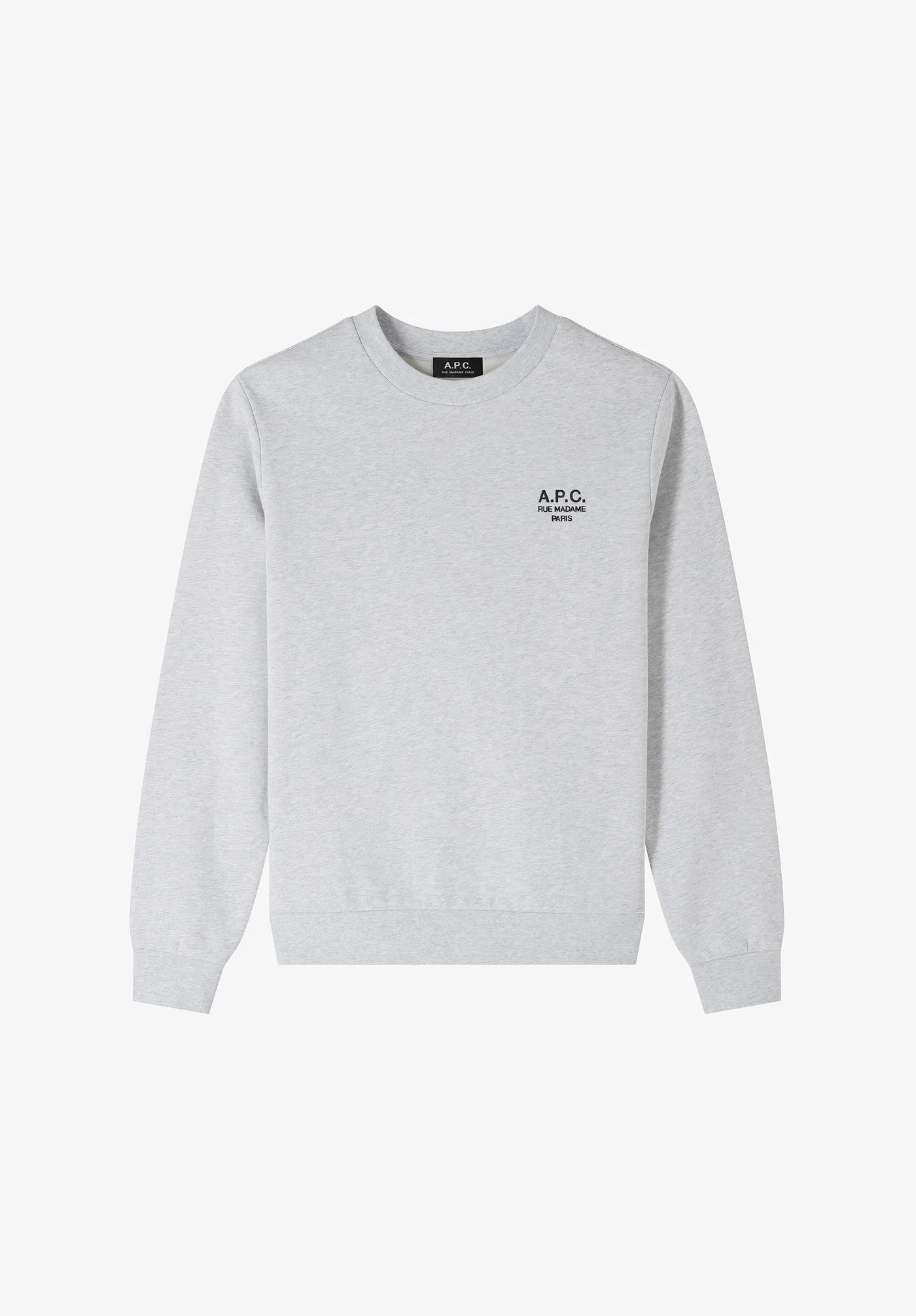
Tap any category to shop every A.P.C. deal in it.
Same authentic A.P.C., different prices & codes. We watch all of them so you don't have to tab-hop.
Store codes that stack on A.P.C. orders — re-tested in the last few hours. Tap to reveal, copy without leaving the page.
Same quiet-luxury, craft-first sensibility — follow any to widen your alerts.


A.P.C. is short for Atelier de Production et de Création — French for "workshop of production and creation." Most people simply say the three letters, English-style ("ay-pee-see"), though French speakers run them together as "ah-pay-say." The mouthful behind the initials hints at the brand's ethos: a quiet, design-led atelier rather than a logo-driven label.
A.P.C. was founded in 1987 by Jean Touitou in Paris. That first menswear collection carried labels reading only "HIVER 1987"; the now-familiar A.P.C. labels didn't appear until 1989, which is when the brand as we know it was truly confirmed. Touitou built it around minimalist designs, clean lines, and simple patterns rather than seasonal noise.
A.P.C. helped pioneer the idea of raw Japanese denim as everyday fashion, and the price reflects that heritage plus the quality of the cloth: deep, starchy indigo that fades into character that's unique to the wearer. If you want a pair you'll wear for years and that ages into something personal, most denim enthusiasts consider it worth it. If you only want a pre-distressed look out of the box, a cheaper washed jean will scratch that itch — A.P.C. raw denim rewards patience, not instant gratification.
These are A.P.C.'s core raw-denim cuts, and the names describe the leg rather than anything else. The New Standard is the original straight cut; the Petit Standard trims it slimmer; and the Petit New Standard is the brand's most enduring, slim-straight silhouette that most newcomers reach for first. All three start from the same minimalist, label-light A.P.C. philosophy — pick the leg shape, then size carefully, because raw denim has no stretch.
A.P.C.'s signature jeans are cut from raw Japanese denim — the dense, dry, deep-indigo selvedge cloth that the brand became known for after its early minimalist collections. Touitou was working with this kind of denim long before many people had heard of Japan's now-iconic mills, which is a big part of why the jeans fade so cleanly and develop a sheen and color all their own.
Wear them as much as possible before the first wash — many owners go several months — so the indigo rubs off naturally at the knees, thighs and pockets where you bend and move. When you finally wash, turn them inside out, use cold water and a gentle detergent, skip the spin cycle, and hang them to dry rather than tumble drying. The slower and gentler you are, the sharper and more personal the fades A.P.C. denim is famous for.
Because A.P.C.'s raw denim has no stretch, buy it snug — it should feel close, even a touch tight, when new. Rigid denim relaxes and molds to your body with wear, so a pair that fits perfectly in the fitting room will likely end up loose after a few weeks. If you're between sizes in a slim cut like the Petit New Standard, size down rather than up.
A.P.C. is a full French ready-to-wear house, not just a denim label. Co-designer Louis Wong runs a small line of high-end jackets called Louis W. under the A.P.C. umbrella; Jessica Ogden launched the brand's distinctive quilts in 2011, pieced from fabric remnants; and Vanessa Seward built out a dedicated women's wear line after joining in 2012. The brand added its first sneaker line in 2018 and its first unisex sunglasses — a tribute to The Velvet Underground — in 2024.
Founder Jean Touitou ran A.P.C. independently for decades, but in 2023 the brand sold a majority stake to the investment firm L Catterton in a strategic partnership aimed at growing it internationally. The deal is built around expansion rather than a change of creative direction, so the minimalist, denim-rooted identity Touitou established remains the brand's anchor.
Yes — A.P.C. has a long history of collaborating across music, fashion and sportswear. Notable partners include Kanye West (2013), Kid Cudi (2019), Brain Dead, Carhartt WIP, Lacoste (2023) and Asics Tennis (2024), among others. These capsules tend to apply A.P.C.'s clean, restrained aesthetic to a partner's world rather than chasing hype for its own sake, which is why they often hold interest after the drop.
Both sit in the minimalist, quiet-luxury denim space, but they come at it differently. A.P.C. is the Parisian, denim-purist option — built on raw Japanese selvedge and a label-light, stripped-back aesthetic that prizes longevity and personal fading. Acne Studios leans more Scandinavian and fashion-forward, offering a wider range of cuts and stretch fabrics. Choose A.P.C. if you want classic raw denim that ages with you; choose Acne if you want a broader, more trend-driven lineup.
A.P.C.'s core raw-denim cuts are carried-over staples rather than seasonal pieces, so there's no urgency to chase a launch — the Petit New Standard you want today will almost certainly be there next month. The traditional end-of-season sale windows in winter and summer are when seasonal ready-to-wear gets marked down, but the signature jeans rarely discount deeply. Buy the denim when you're ready to commit to breaking it in, and save the sale-watching for jackets, knits and seasonal pieces.