Is Kapital denim worth it?+
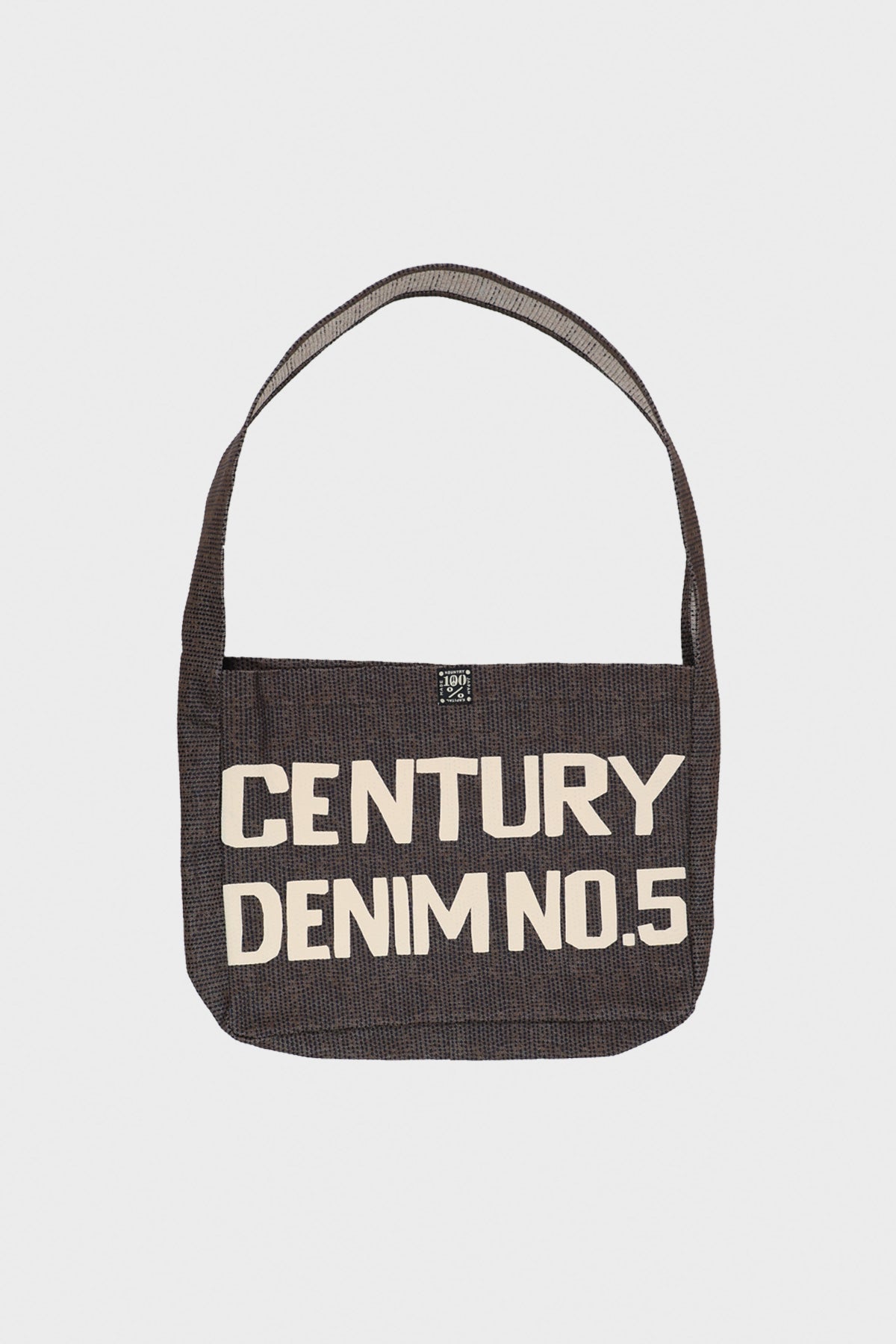
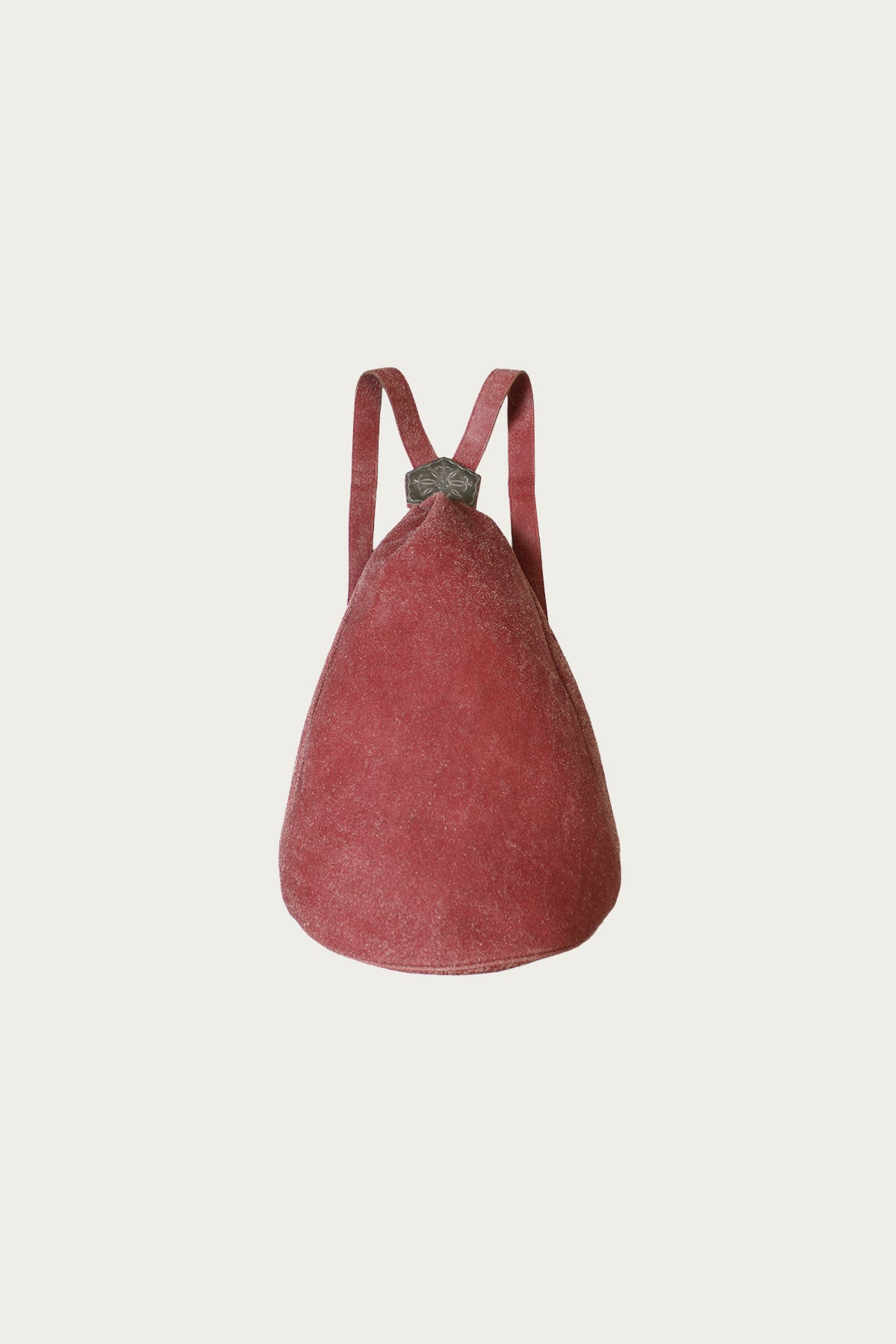
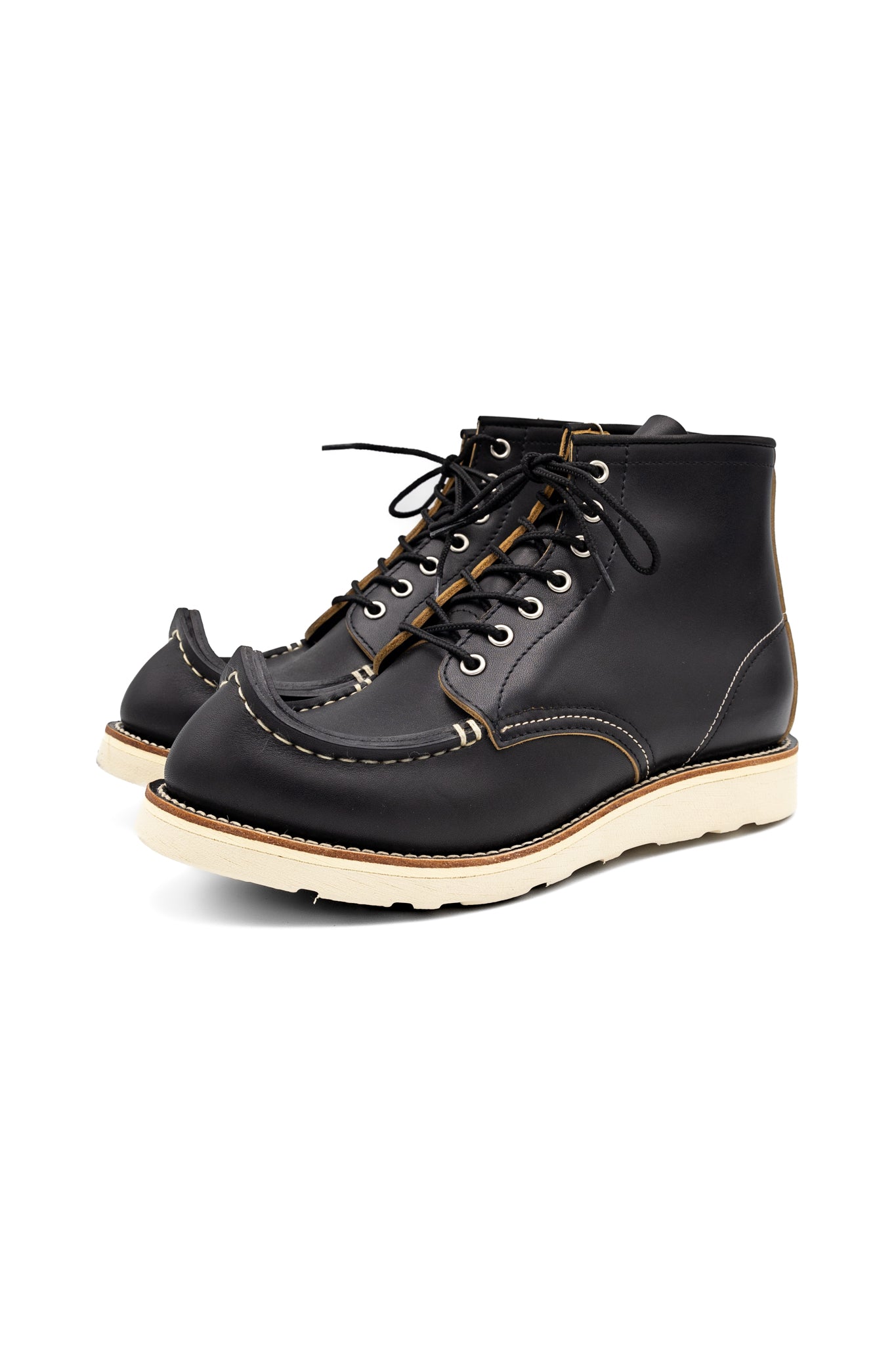
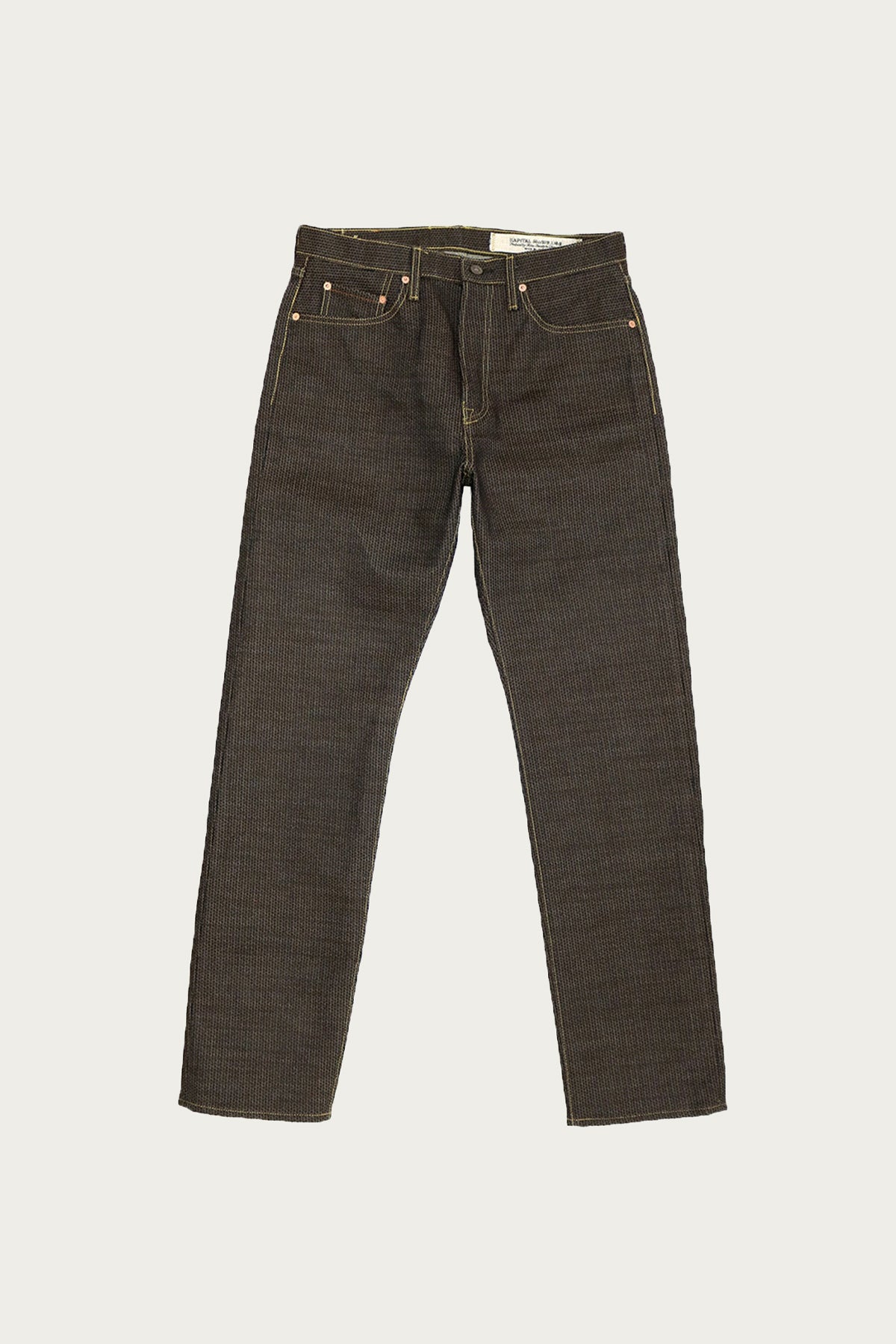
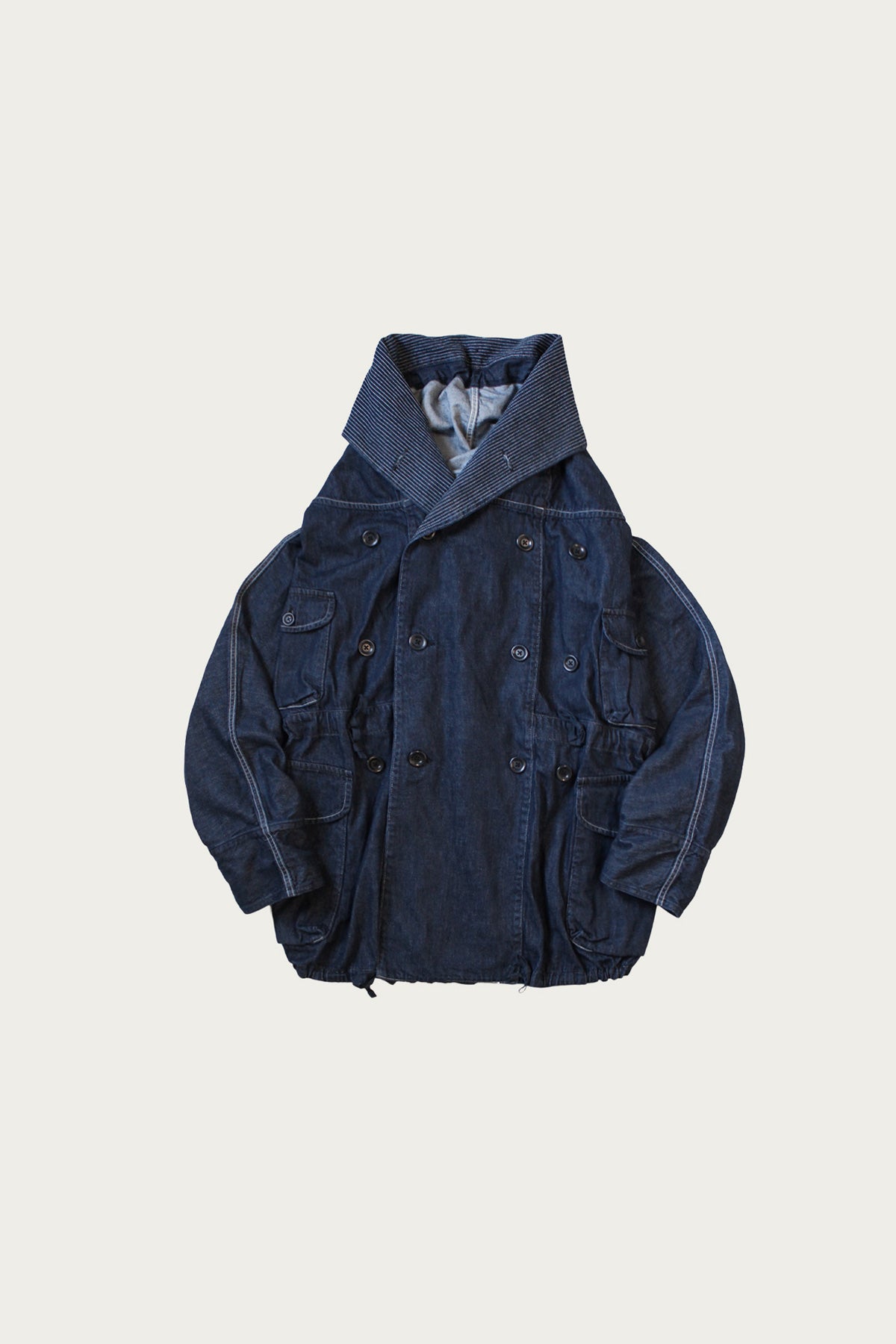
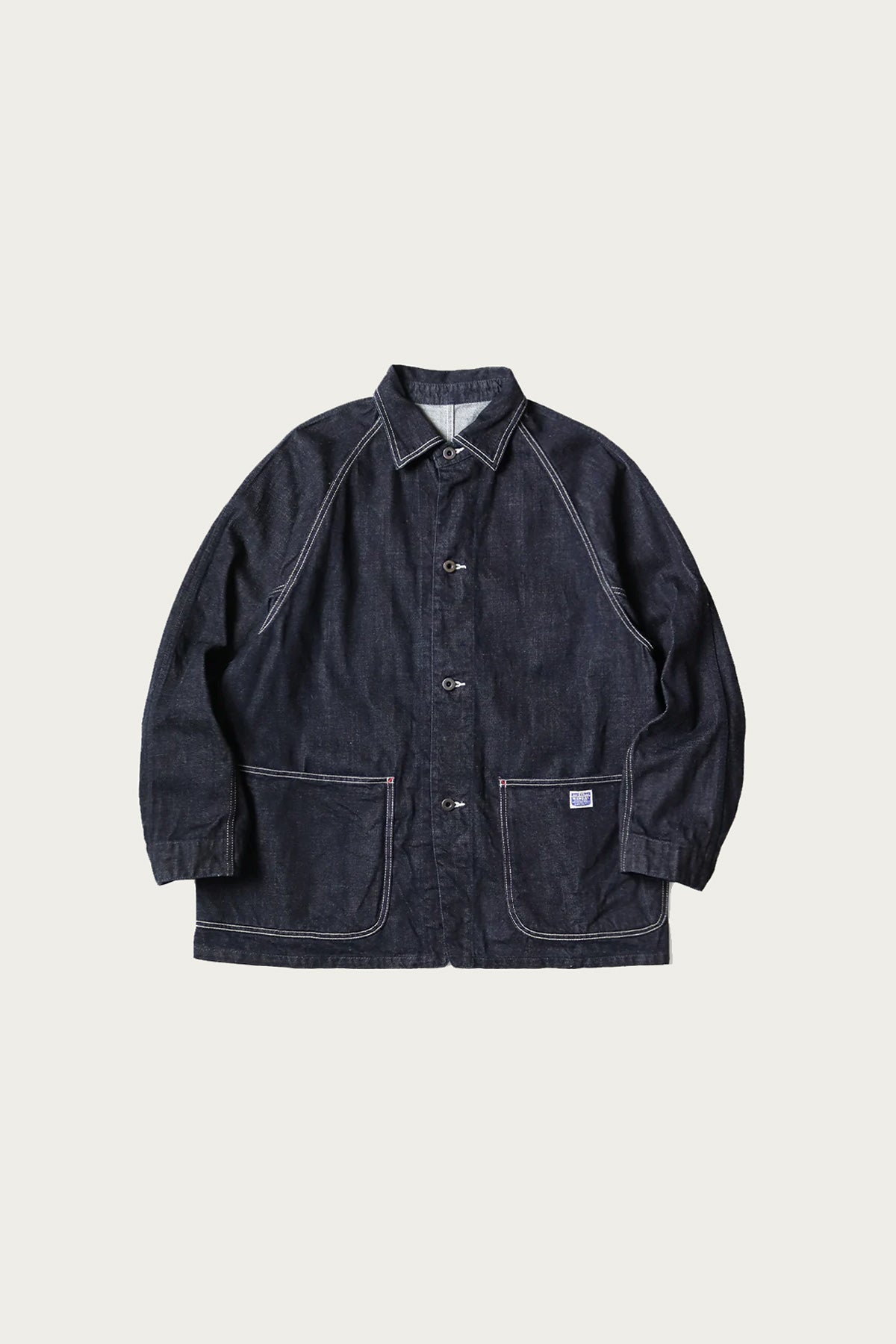
If you value craft and character over convention, many enthusiasts say it is. Kapital is renowned for its denim and limited-production garments, built on traditional and artisanal techniques rather than mass output. It is a polarising, handcraft-driven label, so it tends to reward buyers who genuinely love its eclectic, made-in-Japan approach rather than those after plain basics.
Why is Kapital so expensive?+
The price reflects labour-intensive, traditional craft. Kapital specialises in techniques like sashiko, boro, quilting, patchwork, distressing, mending and appliqué, plus stone and enzyme washing on its denim, much of it hand-finished and made in limited production. That handicraft-heavy process, run across the brand's own factories in Japan, is what pushes it well beyond ordinary denim.
What is Kapital best known for?+
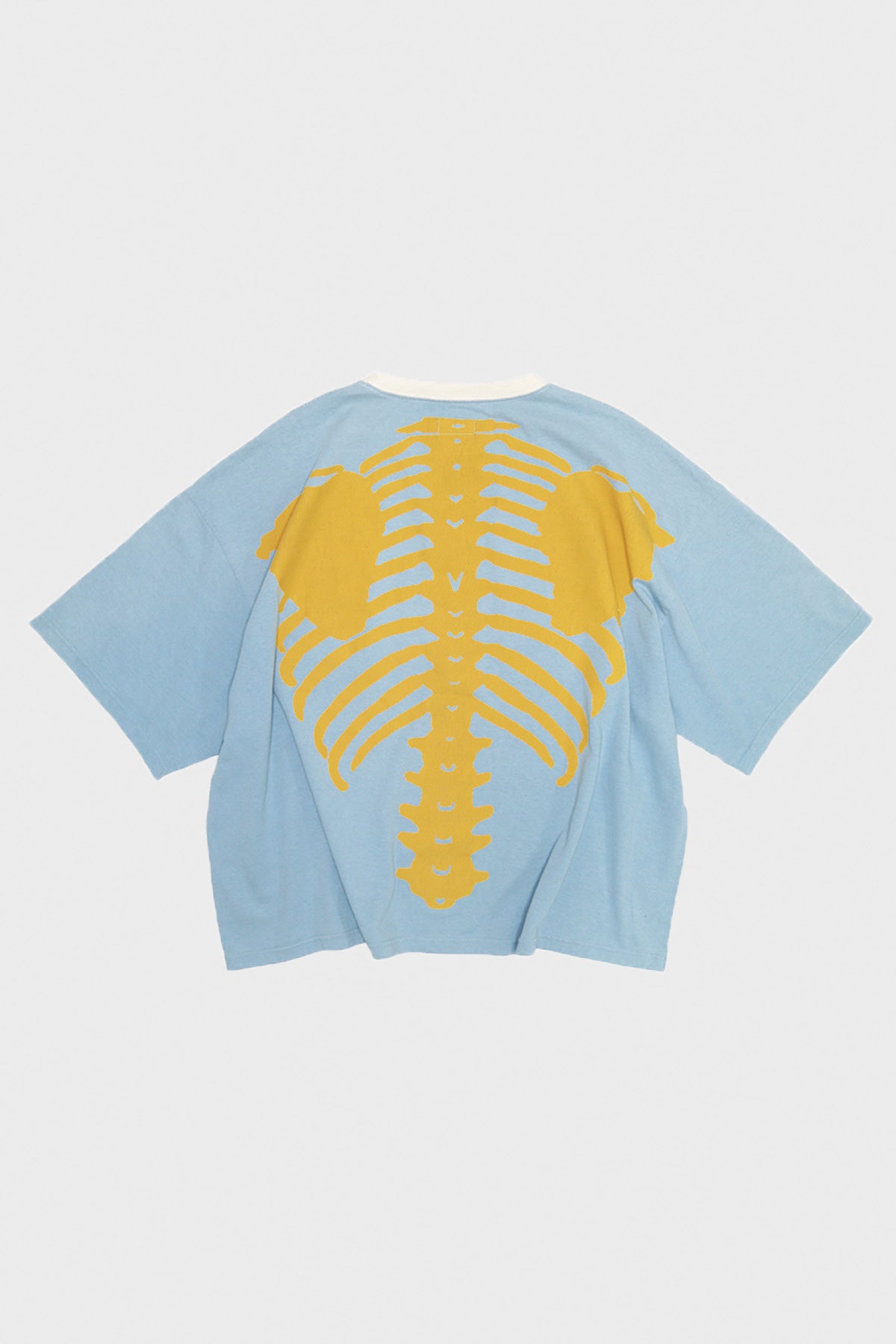
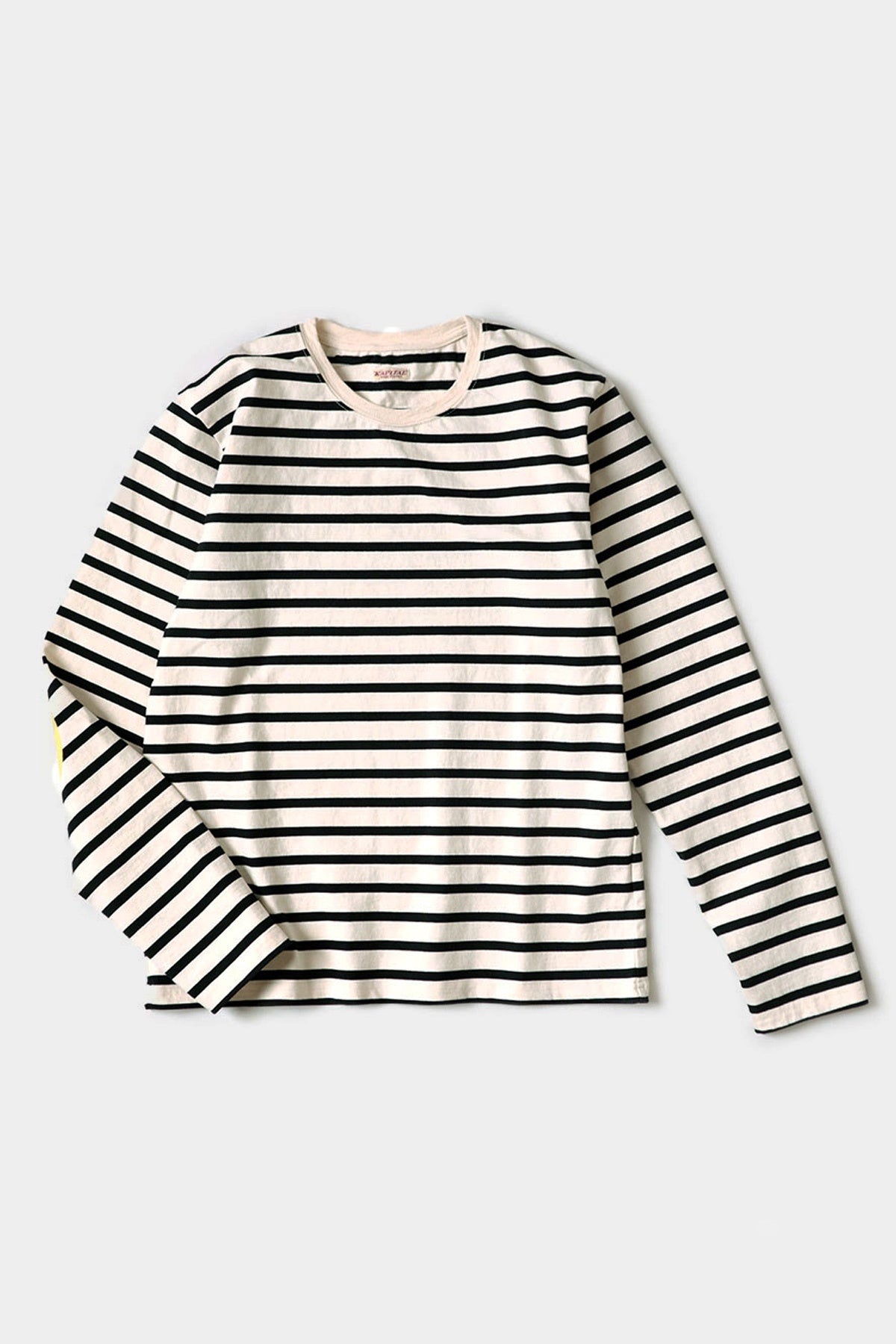
Denim, workwear and Americana-inspired clothing made with traditional Japanese textile and patchwork methods. It has been described as perhaps the best-known Japanese workwear brand on the planet, and has built a cult following for its eclectic, handicraft-led designs and limited-production denim. The boro and sashiko stitching it is famous for are central to that identity.
What do boro and sashiko mean on a Kapital garment?+
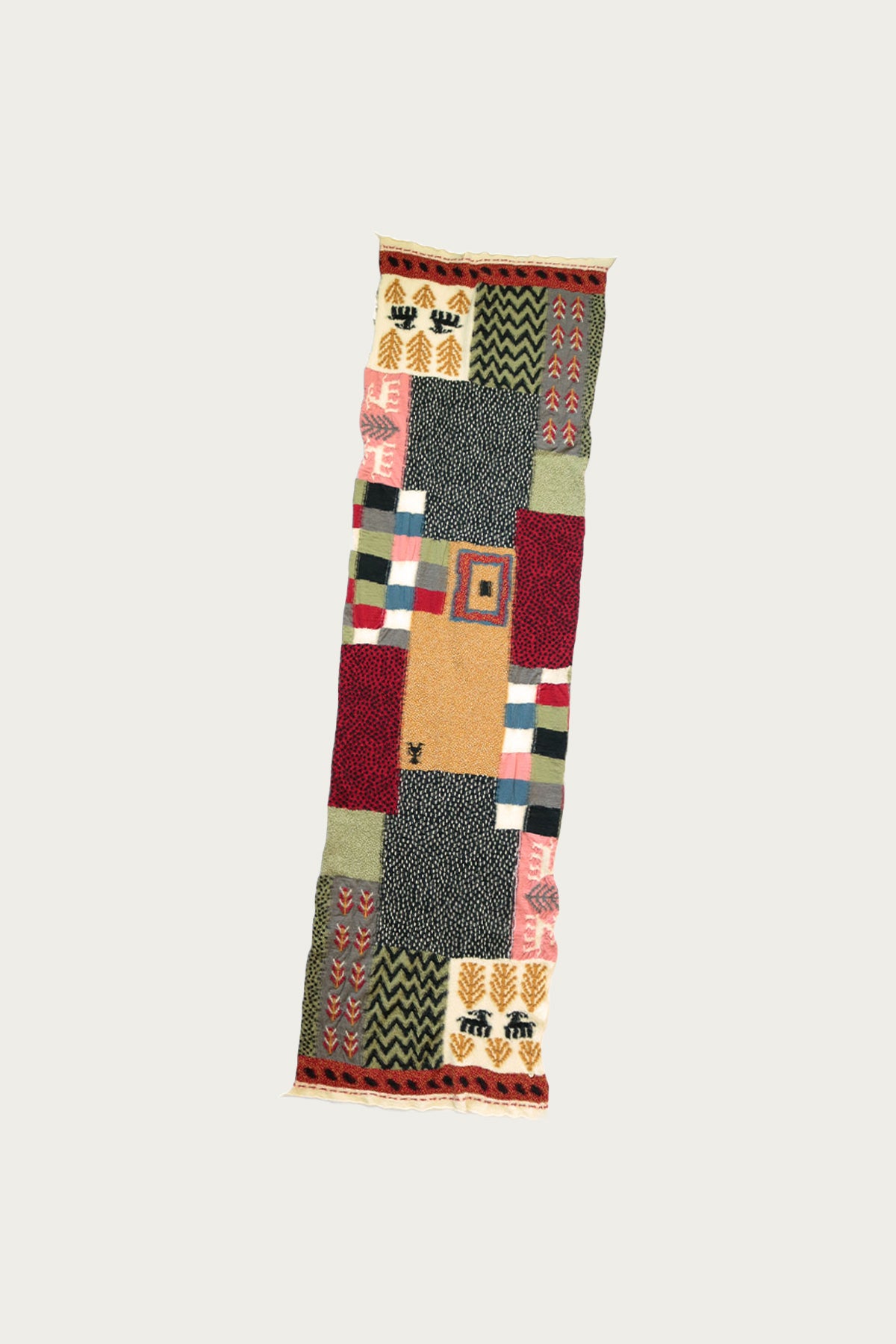
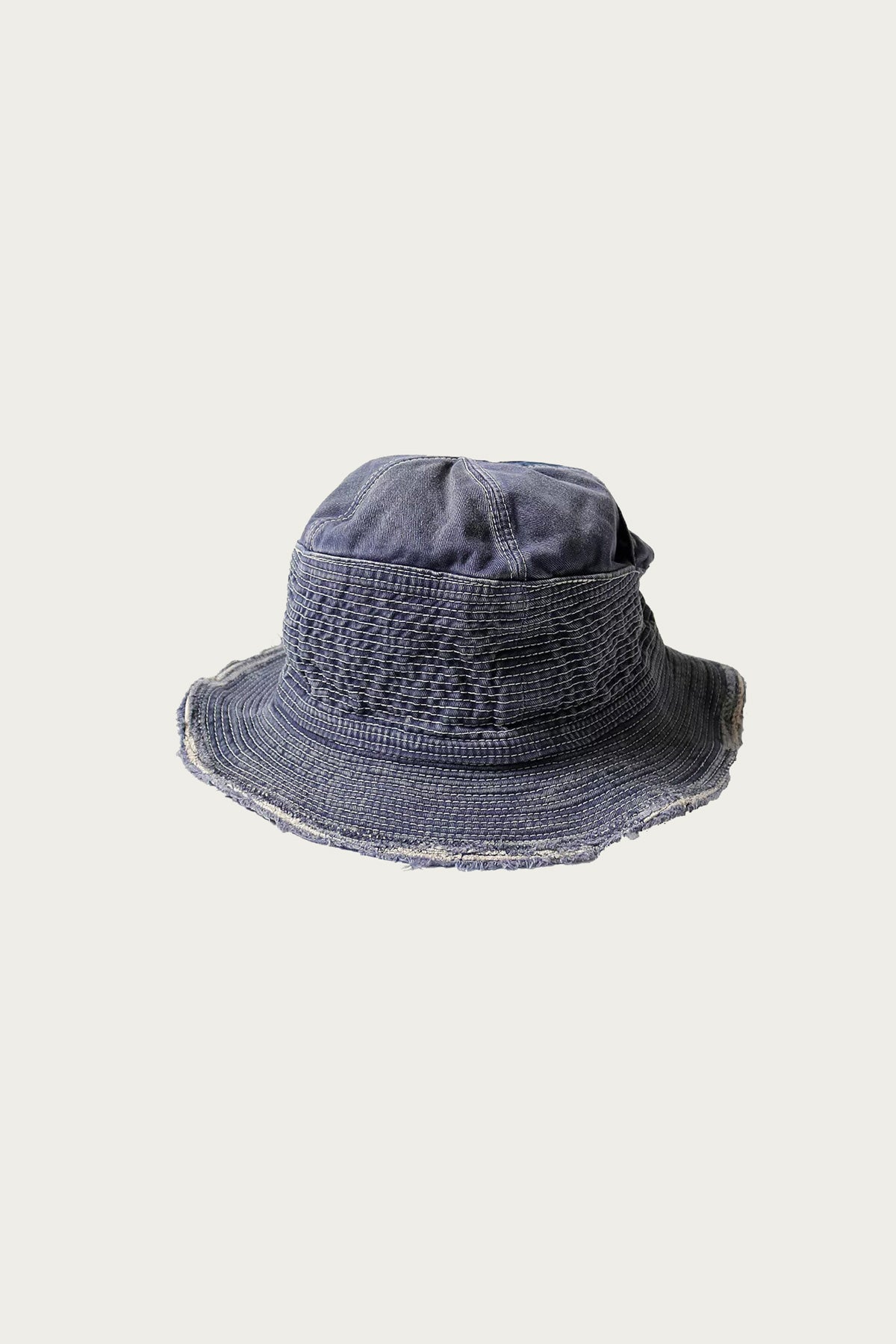
They are two of the traditional Japanese techniques at the core of the brand. Sashiko is a running-stitch method and boro is a patched, layered textile tradition, both of which Kapital adapts for contemporary garments alongside quilting, patchwork, distressing, mending, cut-and-sew and appliqué. These methods are exactly why each piece looks hand-built rather than machine-made.
Where does the name Kapital come from?+
It comes from the brand's birthplace. Kapital takes its name from the Kojima District in Okayama, the area where the company was founded and which is known as Japan's 'Denim Capital'. The founder had studied denim-making techniques in Kojima before establishing the label.
When and where was Kapital founded?+
Kapital was founded in 1985 by Toshikiyo Hirata, in Japan. Hirata was inspired after visiting the United States in the 1980s to teach karate, where he encountered mid-century American denim. On returning home he studied denim-making in Kojima and started a denim factory in 1984 to replicate mid-century American-made denim, formally founding the Kapital brand soon after.
Who designs Kapital now?+
Kiro Hirata, the founder's son, helms the brand as creative director. He joined in 2002 to bring contemporary fashion and marketing appeal, and that arrival is when Kapital began branching into more niche, eclectic artisan designs on top of its denim expertise. After founder Toshikiyo Hirata died in April 2024, Kiro continued to lead the label.
Who owns Kapital?+
In 2024, L Catterton, a private equity firm associated with the French conglomerate LVMH, acquired a majority stake in Kapital. The brand had been founder-led from 1985 until then, and its creative direction remains with founder's son Kiro Hirata even after the investment.
Where is Kapital actually made and where can I buy it?+
Production is in Japan, across four sewing factories and one dyeing factory. The brand operates 13 stores across Japan and is also sold through select retailers globally, so outside Japan you will mostly find it via curated stockists rather than on every high street.
Why does Kapital have such a cult following?+
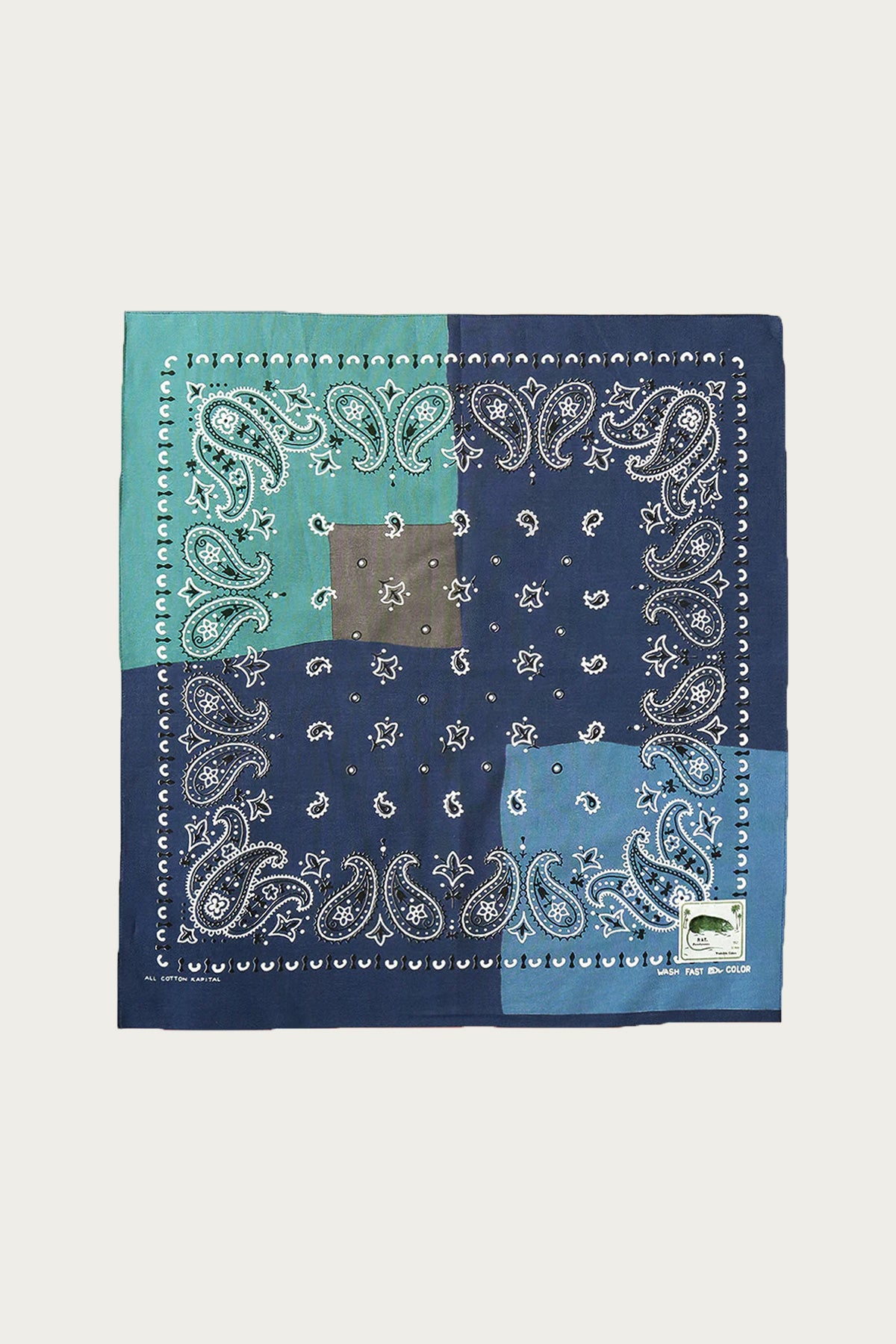
It blends genuine traditional craft with playful, unconventional design. From the early 2000s the brand experimented with natural and synthetic dyes, hand overstitching, bandanas and an ever-widening range beyond denim bottoms into tops, outerwear, footwear and accessories. That mix of artisanal technique and eccentric creativity is what earned its devoted, almost collector-like following.
Is Kapital good for someone new to Japanese denim?+
It can be a wonderful entry point if you go in for the design as much as the denim. Because Kapital leans into eclectic, handicraft-led pieces and limited production, it is a more expressive choice than a plain raw-denim purist brand. Newcomers who love its look tend to fall hard for it, while those wanting understated basics may prefer something simpler first.