Brand · Italian fashion · Milan, est. 1954

Krizia

Mariuccia Mandelli's Milanese house — the label that gave high fashion the hot pant and a knitted animal a season.

Krizia
Re-checked daily
Krizia is an Italian ready-to-wear label founded in 1954 in Milan by Mariuccia Mandelli (1925–2015), with her husband Aldo Pinto as chairman.

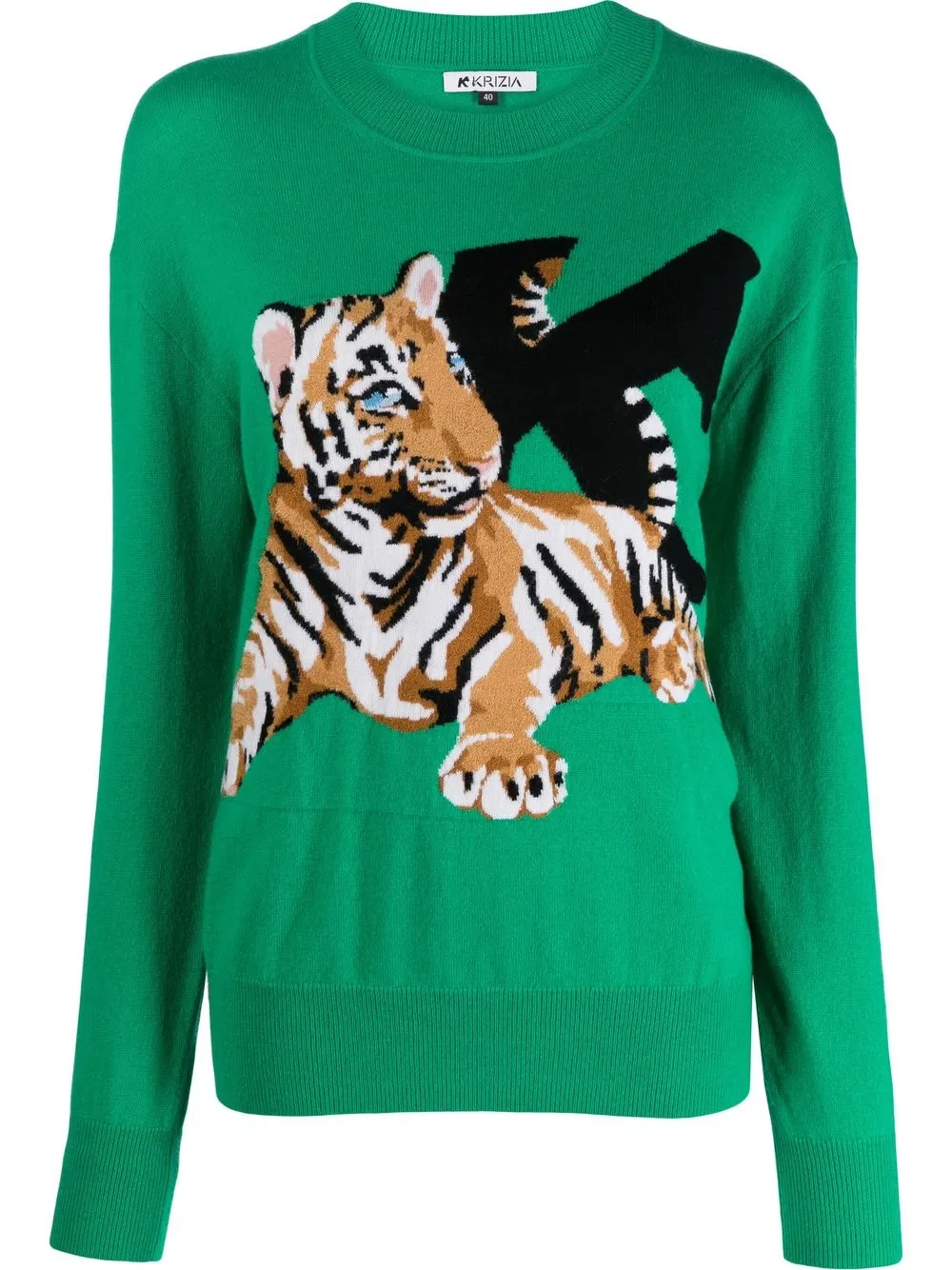
Mandelli showed her first black-and-white collection at the Palazzo Pitti in Florence in 1964, winning a Critica della Moda award. From its historic home on Via della Spiga, Krizia expanded fast through the 1960s and 70s — introducing an early form of hot pants in 1971 and knitting a different animal onto selected pieces each year.

At its 1990s height the house was doing half a billion dollars a year and opened Spazio Krizia, a private art showroom on Via Manin. In 2014 the Chinese group Shenzhen Marisfrolg, owned by designer Zhu Chongyun, bought the company and Mandelli stepped down.

Krizia shopping FAQ

Is Krizia knitwear worth seeking out?+

Krizia knitwear is among the most collectible in Italian fashion, prized for the inventive way it treats a sweater as a canvas. Vintage pieces in particular hold their appeal because each animal motif feels like a small artwork rather than a logo. If you love sculptural, expressive knits with real heritage, Krizia rewards the hunt.

What is Krizia's signature animal motif about?+

Every year, founder Mariuccia Mandelli would knit a different animal onto selected items in her collection, turning the motif into a beloved house ritual. It became the detail collectors look for first when identifying a piece. That playful, ever-changing menagerie is a large part of why Krizia knits feel so distinctive.

Who founded Krizia and when?+

Krizia was established in 1954 in Milan by Mariuccia Mandelli, who lived from 1925 to 2015. Her husband, Aldo Pinto, served as chairman of the company. Together they built one of the defining names of Italian ready-to-wear.

What was Krizia's breakthrough moment?+

Mandelli unveiled her first black-and-white collection at the Palazzo Pitti in Florence in 1964, and it earned her a Critica della Moda award. That early recognition set Krizia on a path of rapid growth through the 1960s and 1970s. It remains the moment most associated with the label's arrival.

Did Krizia really popularise hot pants?+

Yes, in 1971 Krizia released a version of shorts cut very short, an early form of what became known as hot pants. Mandelli is credited with introducing the high-fashion world to the style. It's one of the boldest examples of the brand's appetite for the new.

Where is Krizia made and where was its first store?+

Krizia is an Italian house, founded and headquartered in Milan, the heart of Italian fashion. Its first and historic store stood on Via della Spiga 23 in Milan, a address still tied to the brand's identity. The location was later revamped in 2015 by designer Vincenzo de Cotiis.

What is Spazio Krizia?+

In 1985 Krizia opened a private art showroom called Spazio Krizia on Via Manin 21 in Milan, blending the worlds of fashion and art. It reflected Mandelli's view of clothing as a creative, cultural pursuit. The space later reopened in March 2017.

Is there a more affordable Krizia line?+

In 1992 the company launched MM by Krizia, an affordable diffusion brand, the year after its licence-holder Hartmarx suggested the idea. It offered a more accessible way into the house's aesthetic. For shoppers, it's worth knowing the difference between mainline Krizia and the MM label.

Who owns Krizia now?+

In February 2014 the Chinese corporation Shenzhen Marisfrolg, owned by entrepreneur and designer Zhu Chongyun, bought Krizia, and Mandelli stepped down from her leadership role. The change marked a new chapter after six decades under its founder. The house has continued under that ownership since.

What was Krizia's heyday like?+

At its height in the 1990s, the fashion house was doing around half a billion dollars in annual business, a sign of how far Mandelli's vision had carried it. That scale grew from a label that began with dresses and separates and made its name on inventive knitwear. It's the peak that vintage collectors still look back to.