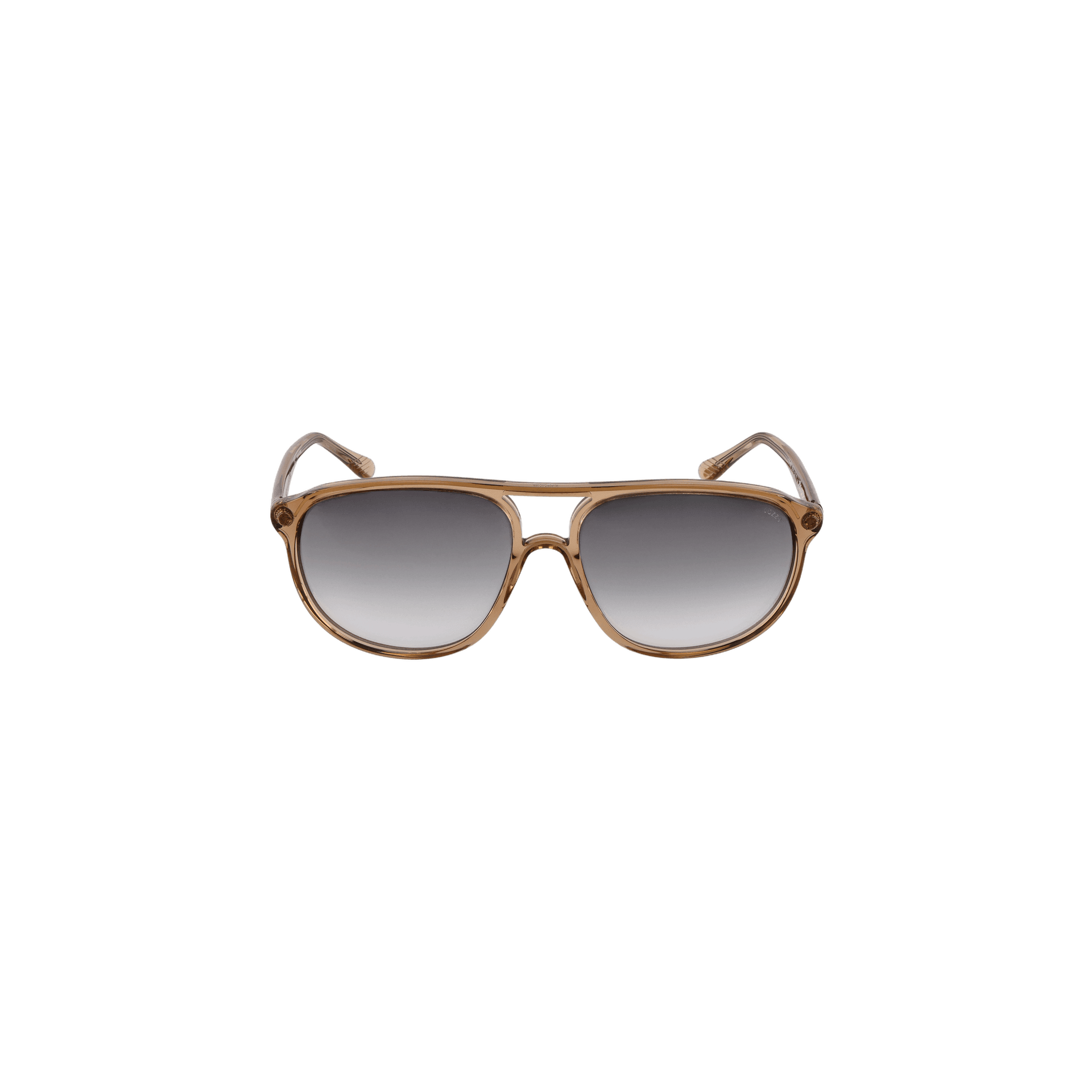
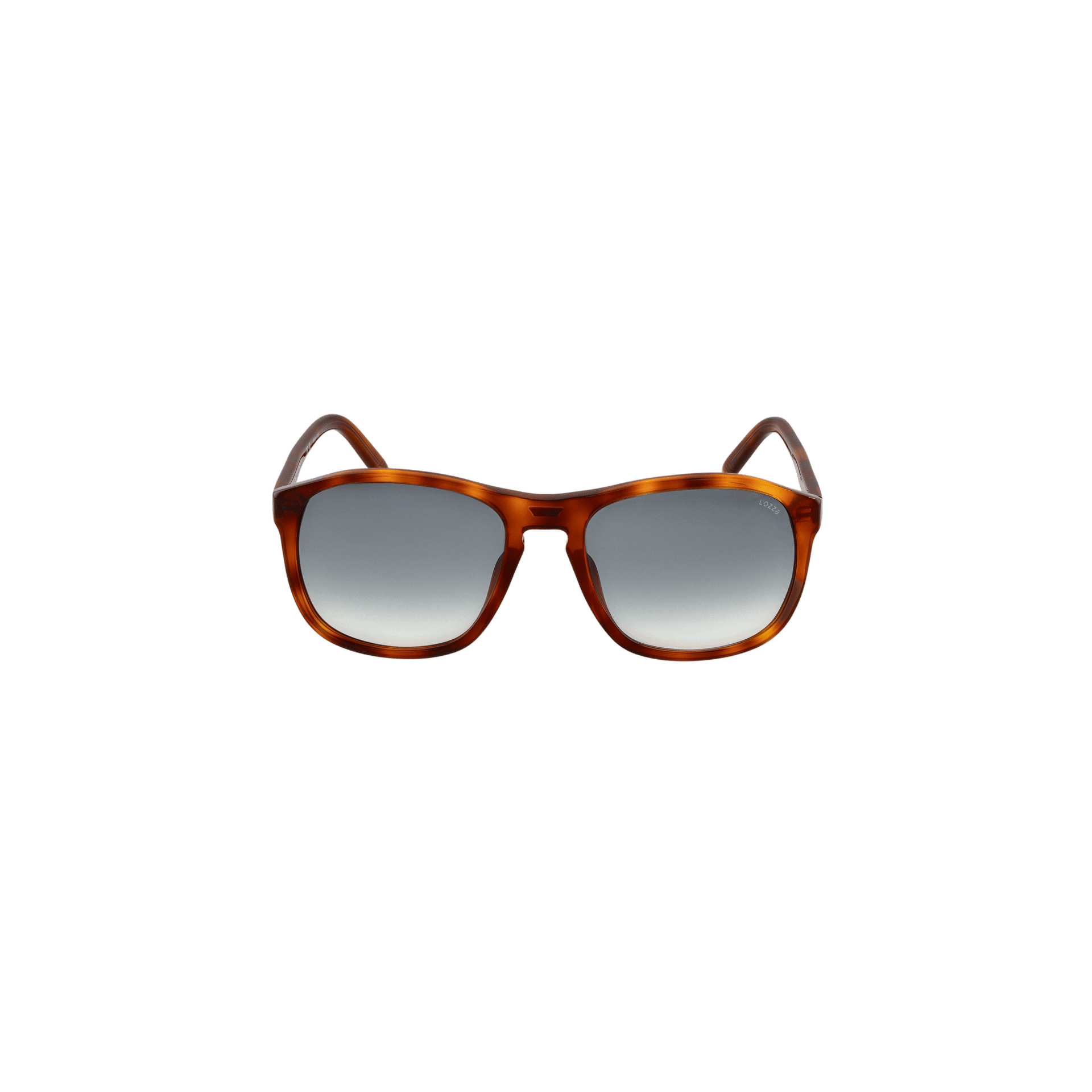
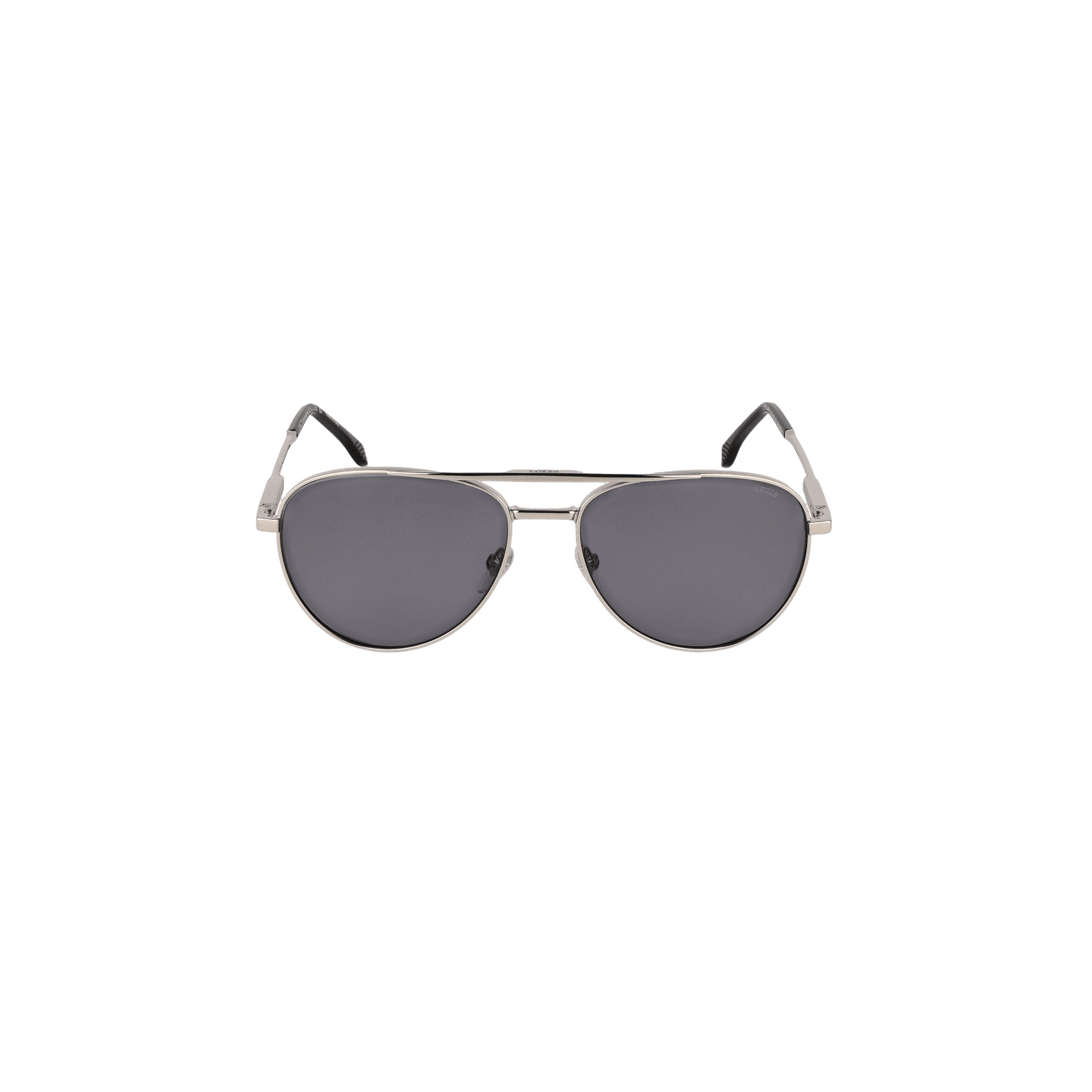
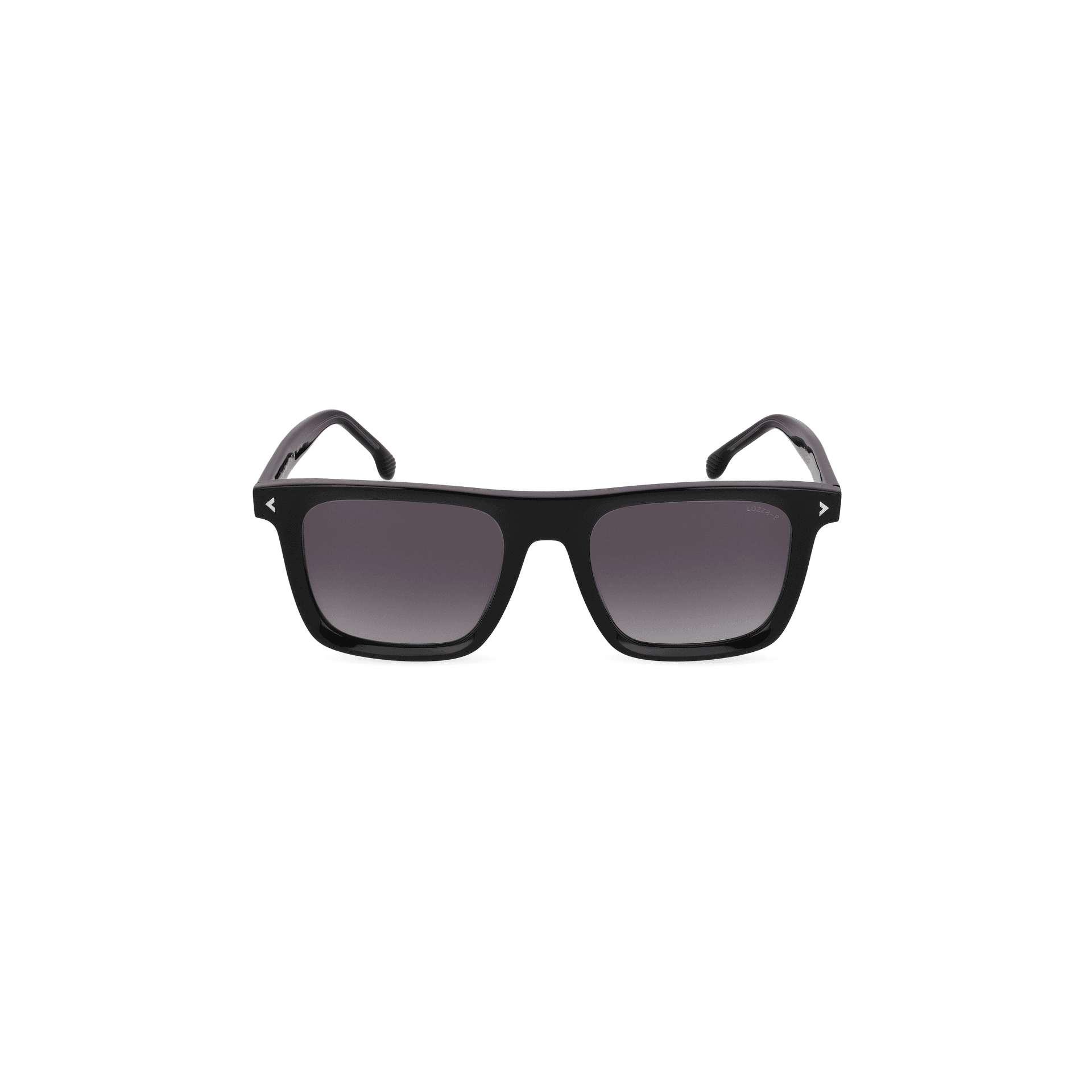
Is Lozza eyewear worth it?+
For lovers of Italian heritage frames, Lozza is an easy yes. It is the oldest Italian eyewear company and one of the oldest in the world, founded in 1878, so you are buying into nearly a century and a half of frame-making rather than a fashion licence. The appeal is classic, understated Italian design at a price that sits below the big luxury houses while still carrying real provenance.
Is Lozza really the oldest Italian eyewear brand?+
Yes. Lozza is recognised as the oldest Italian eyewear company and one of the oldest eyewear makers anywhere in the world. It was formed in 1878 by Giovanni Lozza together with two travelling eyewear salesmen, who set up a factory in Italy's Veneto region, the area that went on to become the heart of the global eyewear industry.
Where are Lozza frames made?+
Lozza's roots are in the Veneto region of Italy, where Giovanni Lozza and his partners opened their original eyewear factory in 1878. The Veneto remains the centre of gravity for Italian eyewear, and that location is a big part of why the name carries weight with people who care about where their frames come from.
Who owns Lozza now?+
Lozza is owned by De Rigo, one of the major Italian eyewear manufacturers. Being part of a large, established eyewear group means the historic Lozza name is produced and distributed with modern scale and reach behind it, rather than surviving as a small independent workshop.
Does Lozza make sunglasses or prescription glasses?+
Both. Lozza specialises in manufacturing sunglasses and optical frames, so you can find it whether you are after a sun pair or everyday prescription eyeglasses. Optical frames from the brand can typically be glazed with your own lenses through an optician.
How does Lozza compare to bigger Italian eyewear names?+
Lozza tends to be the connoisseur's pick rather than the obvious status buy. Where the largest Italian houses trade heavily on a famous fashion logo, Lozza's pitch is heritage and longevity, being the oldest Italian eyewear company, paired with quieter, classic design. It is owned by De Rigo, a serious manufacturer, so the engineering pedigree is there even if the name is less shouted-about.
What is Lozza's design aesthetic?+
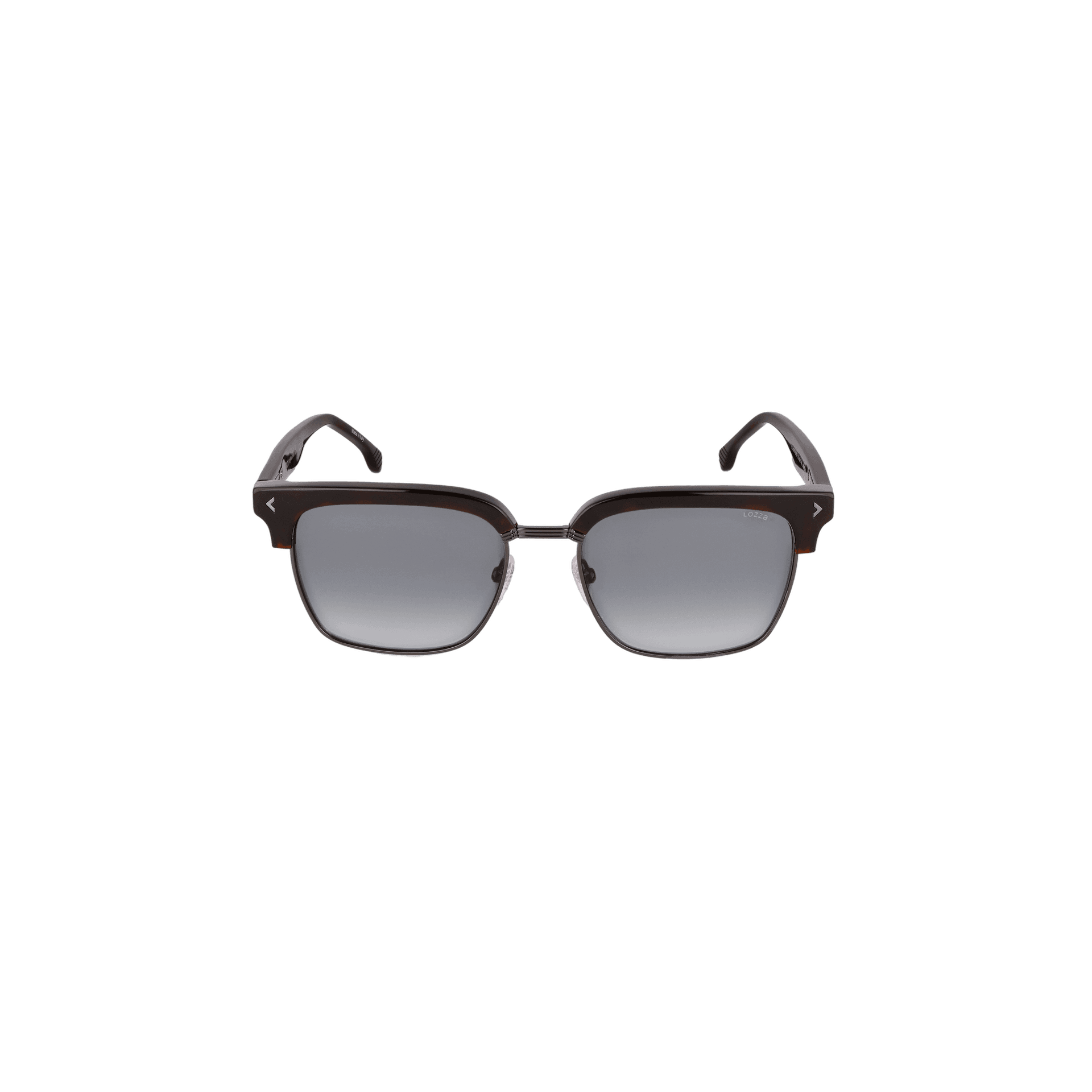
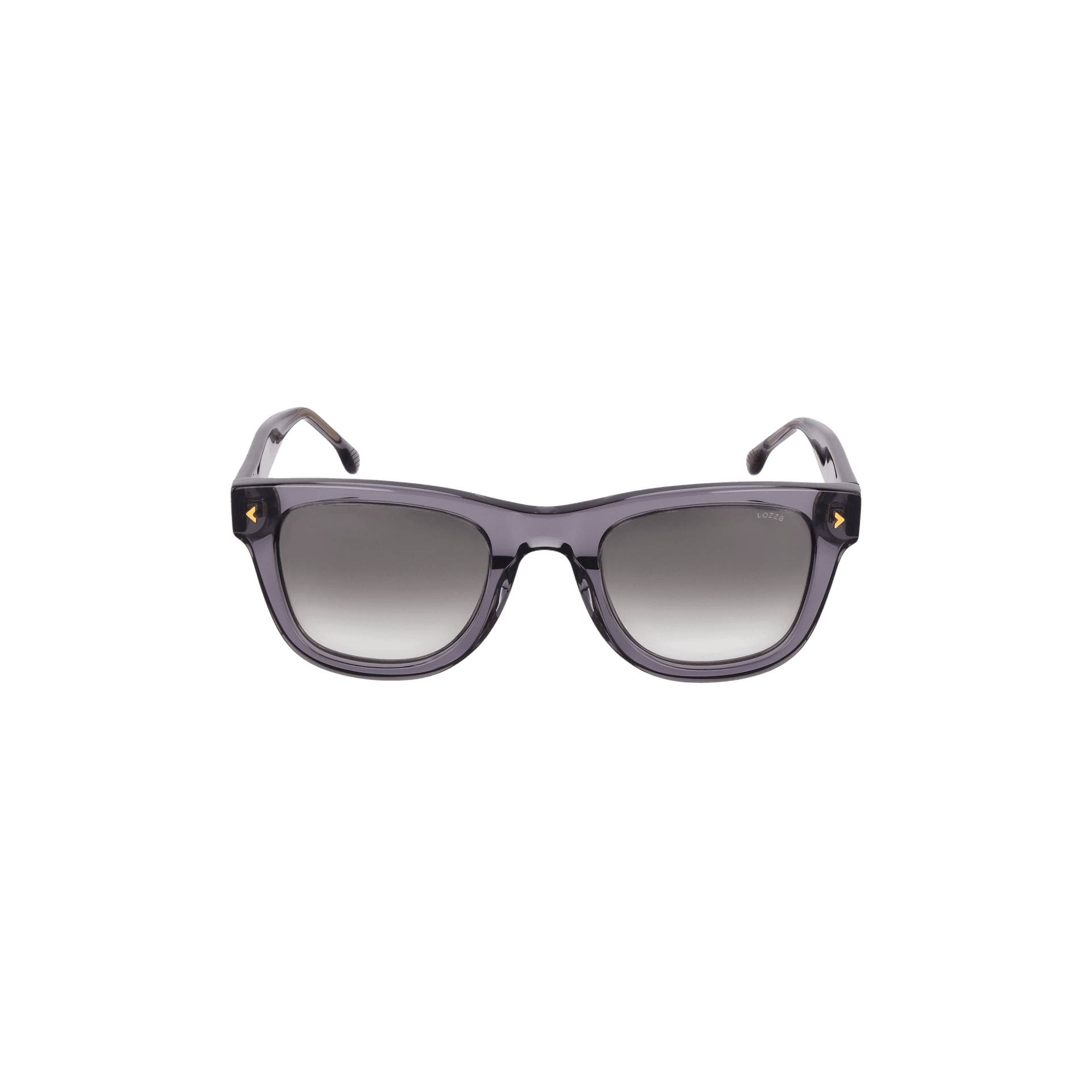
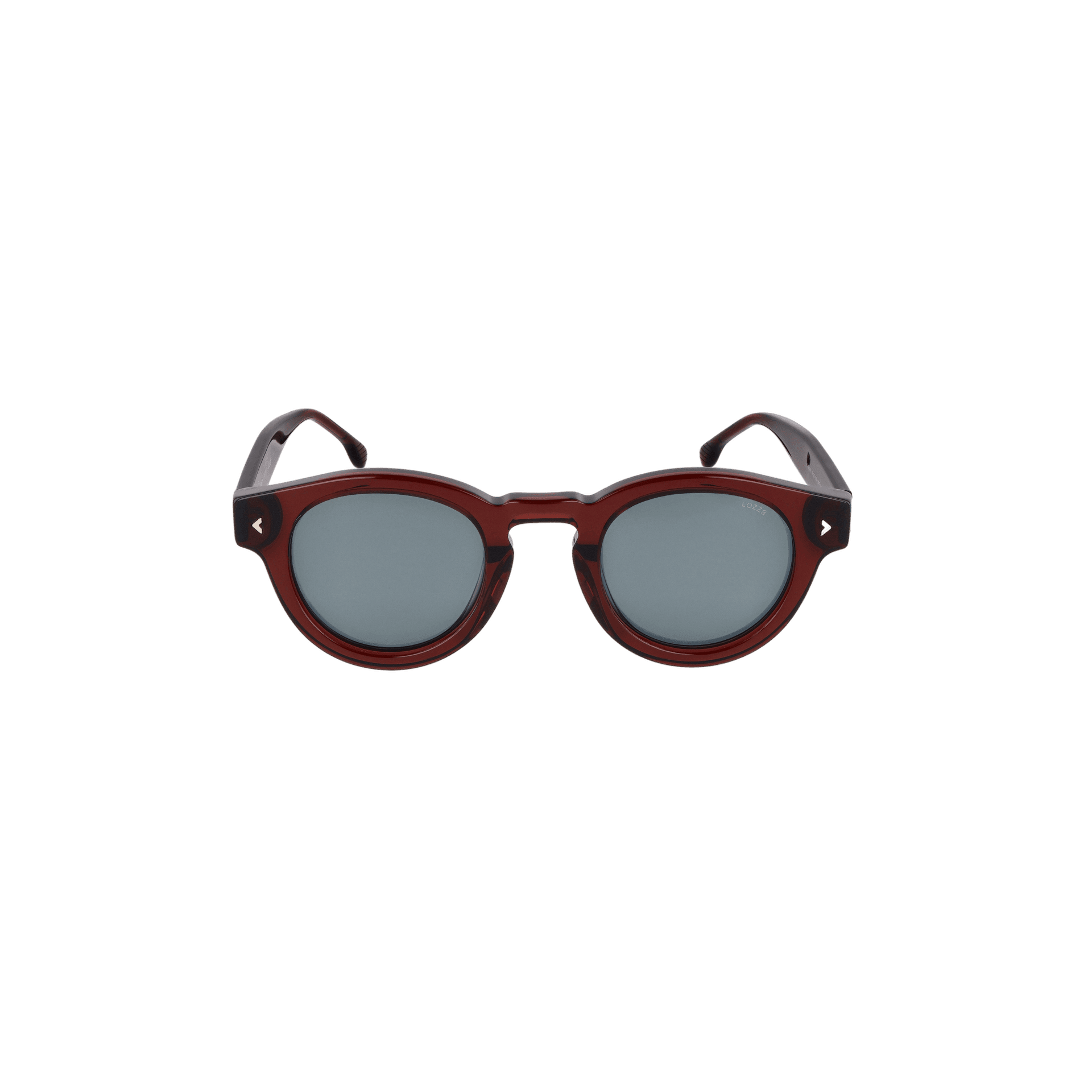
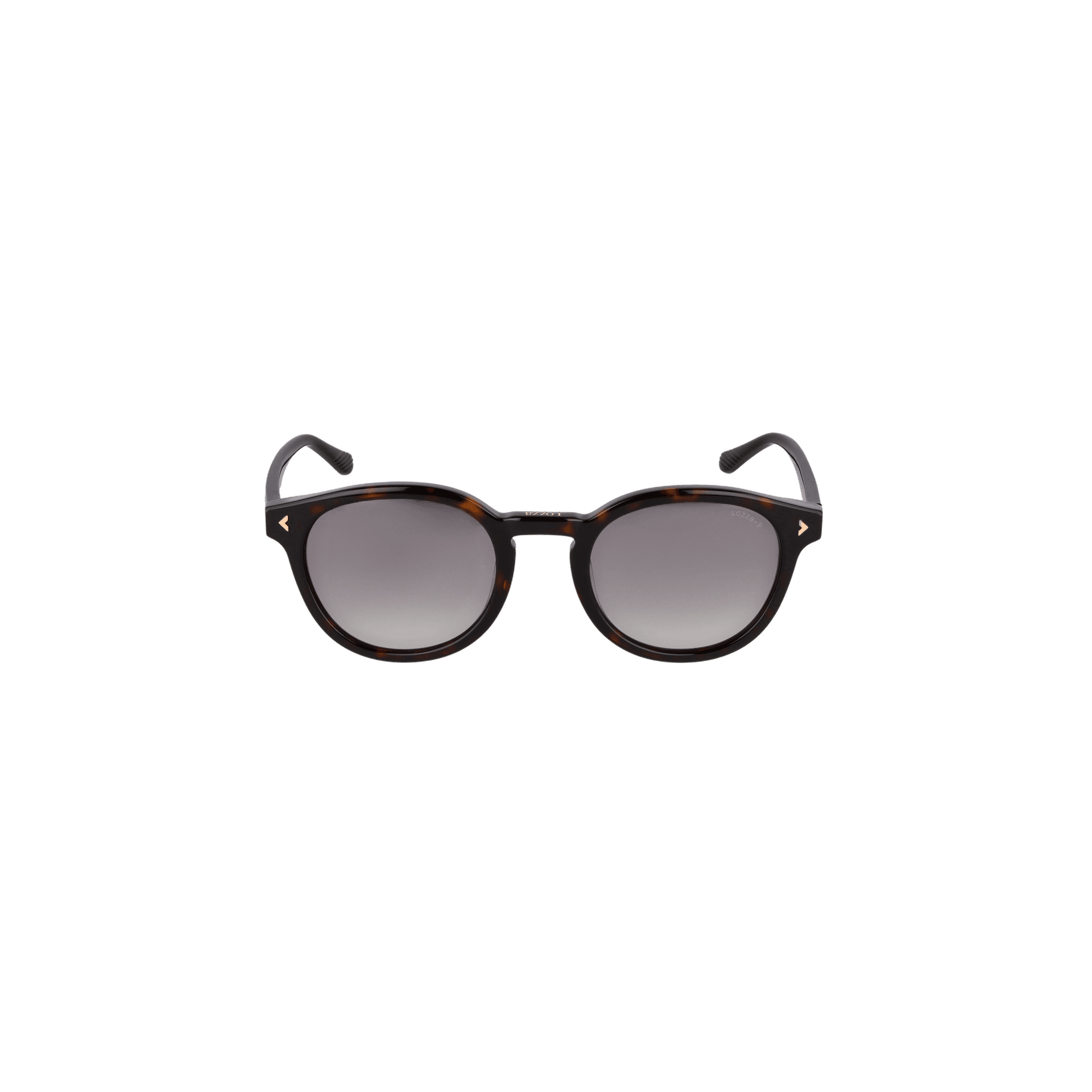
Lozza leans classic and restrained, which fits a brand that has been making frames since 1878. Rather than chasing loud seasonal trends, it tends toward timeless Italian shapes that age well, the kind of frames you keep for years. If you want a frame that looks considered rather than flashy, that quiet sensibility is the draw.
How should I care for my Lozza glasses?+
Treat them as you would any quality Italian frames: clean the lenses with a microfibre cloth and a little lens spray rather than your shirt, store them in a hard case, and avoid leaving them in a hot car where heat can stress the frame. For optical pairs, an optician can re-tighten hinges and adjust the fit over time so they keep sitting well.
Where can I buy authentic Lozza eyewear?+
Because Lozza is owned by the eyewear group De Rigo, the safest route is its authorised opticians and reputable eyewear retailers, who can also fit prescription lenses properly. Buying through recognised sellers protects you against the lookalikes and counterfeits that follow any long-established brand.
Why does a heritage eyewear brand like Lozza appeal to collectors?+
Longevity is the whole story. As the oldest Italian eyewear company, founded in 1878, Lozza carries a provenance very few frame brands can claim, which is exactly what draws people who collect or simply appreciate Italian craft. Owning a pair is a small way of wearing a piece of eyewear history.