Marimekko
Marimekko Summer Sale
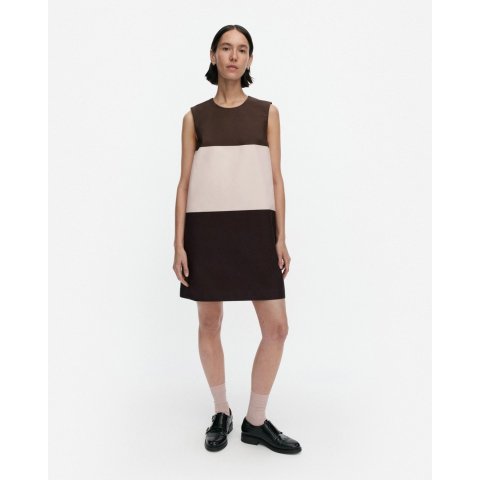
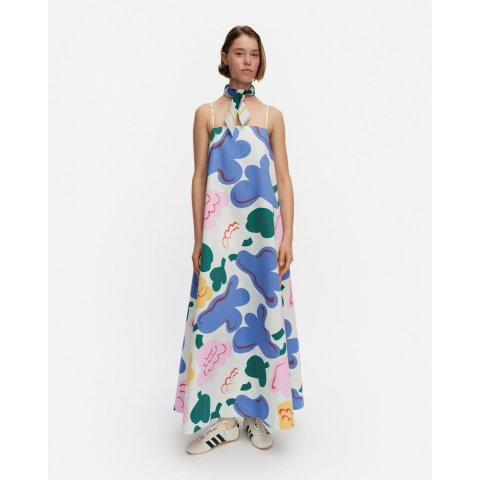
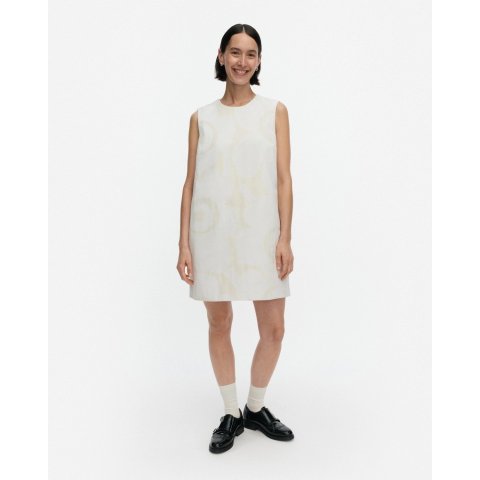
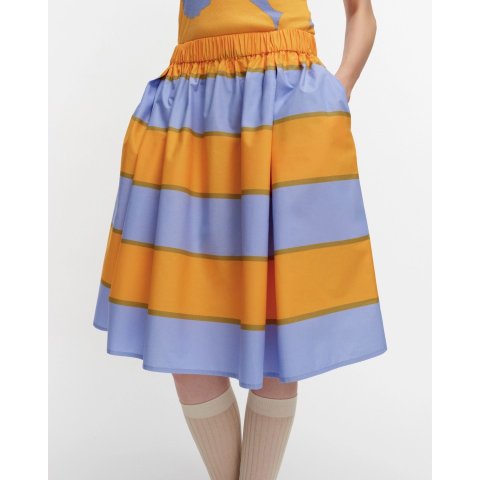
- Marimekko's Color Aesthetics Up to 50% off.
- Selected Bedding20% off on all items.
- Members enjoy free shipping within the US.
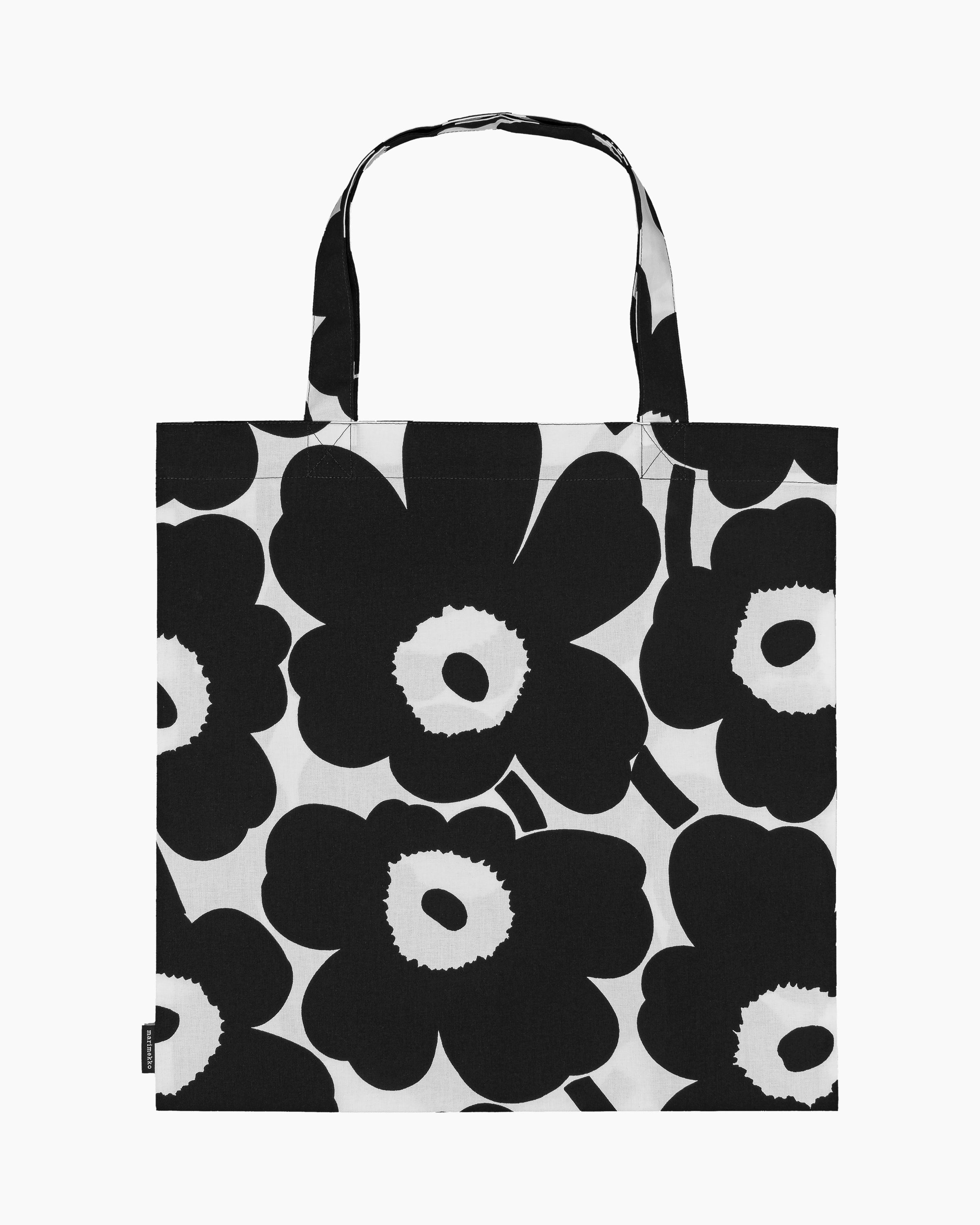
Bold print, simple cut — the Helsinki house that made the Unikko poppy a household name.
Live sales that include Marimekko, across the retailers we track — tap any to open it on the store, pinned to the top.

Marimekko

Marimekko
Real verified markdowns across Marimekko & Rue La La — filter by category, retailer & price. Heart anything to track its price.
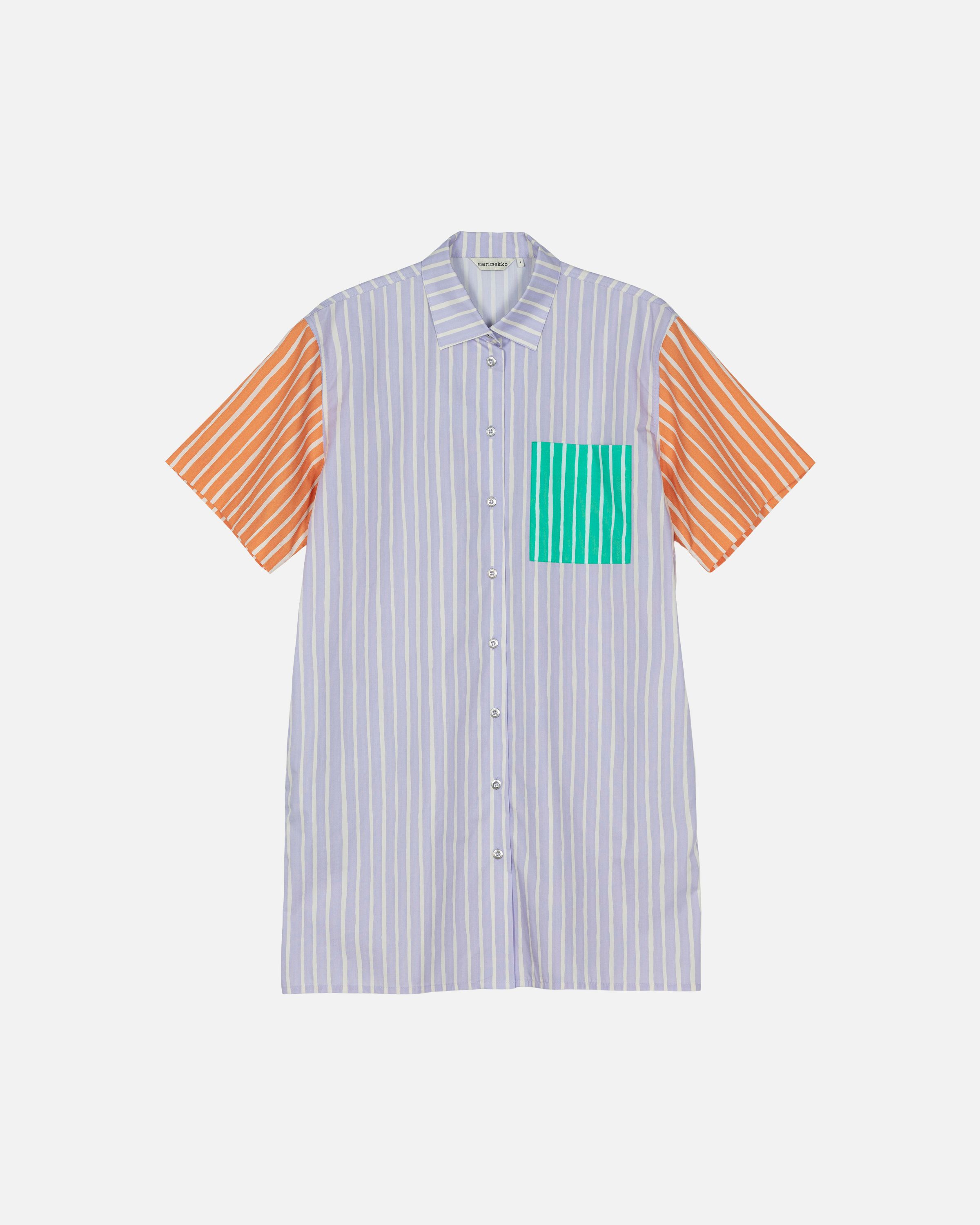
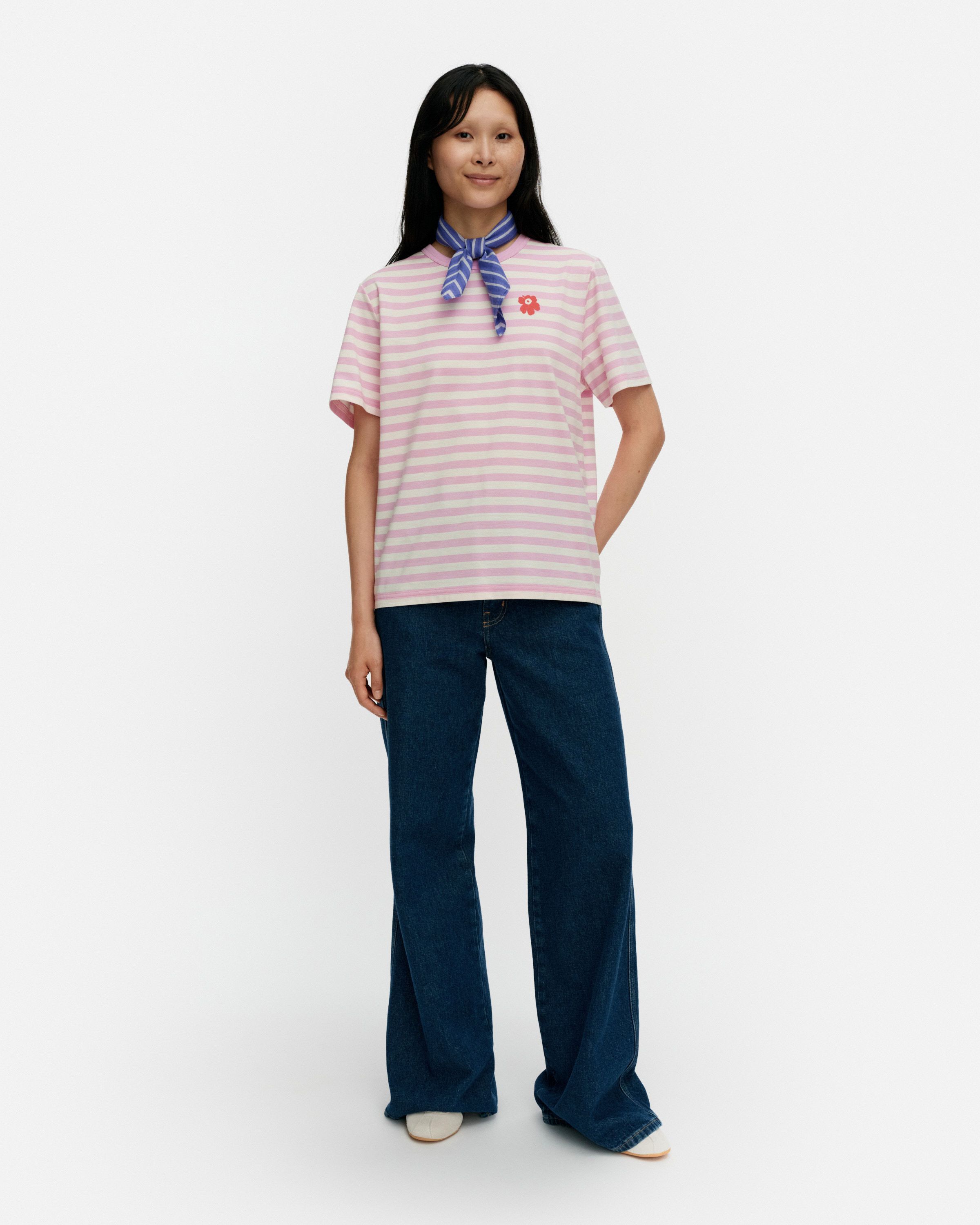
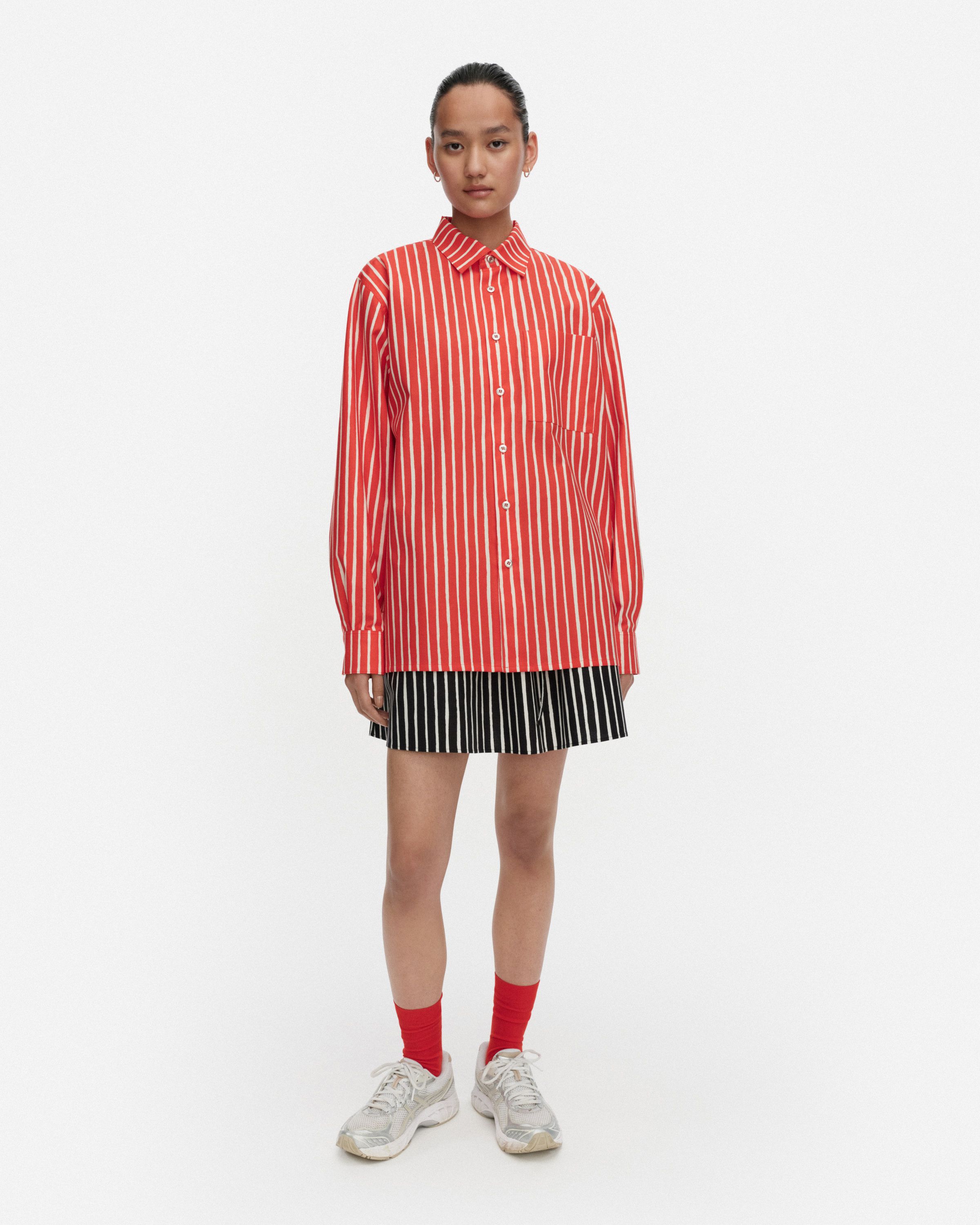
The name came when Armi Ratia heard people in her home town talk about dresses — mekko — and joined it to her own shortened name, Mari. Two designers set the tone: Vuokko Nurmesniemi, who drew the striped Jokapoika shirt in 1956, and Maija Isola, whose Unikko poppy print of 1964 remains in production and became the house signature.
Marimekko reached America in the 1960s through architect Benjamin Thompson's Design Research stores, and was made famous when future first lady Jacqueline Kennedy bought eight of its dresses during the 1960 presidential campaign. Brought back from near-bankruptcy in the early 1990s by Kirsti Paakkanen, the company prints its fabrics at its own textile factory in Helsinki.
Tap any category to shop every Marimekko deal in it.
Same authentic Marimekko, different prices & codes. We watch all of them so you don't have to tab-hop.
Nocodeonlylinktosavemoney
Store codes that stack on Marimekko orders — re-tested in the last few hours. Tap to reveal, copy without leaving the page.
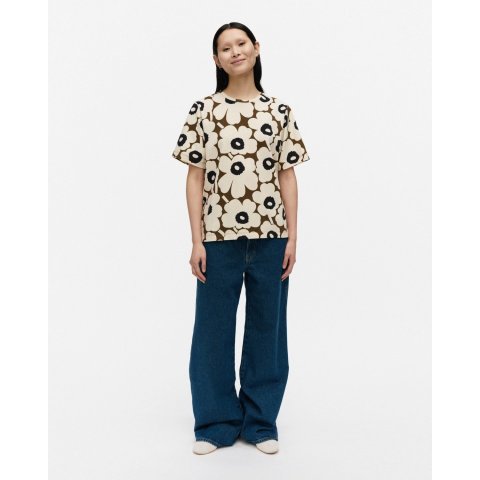
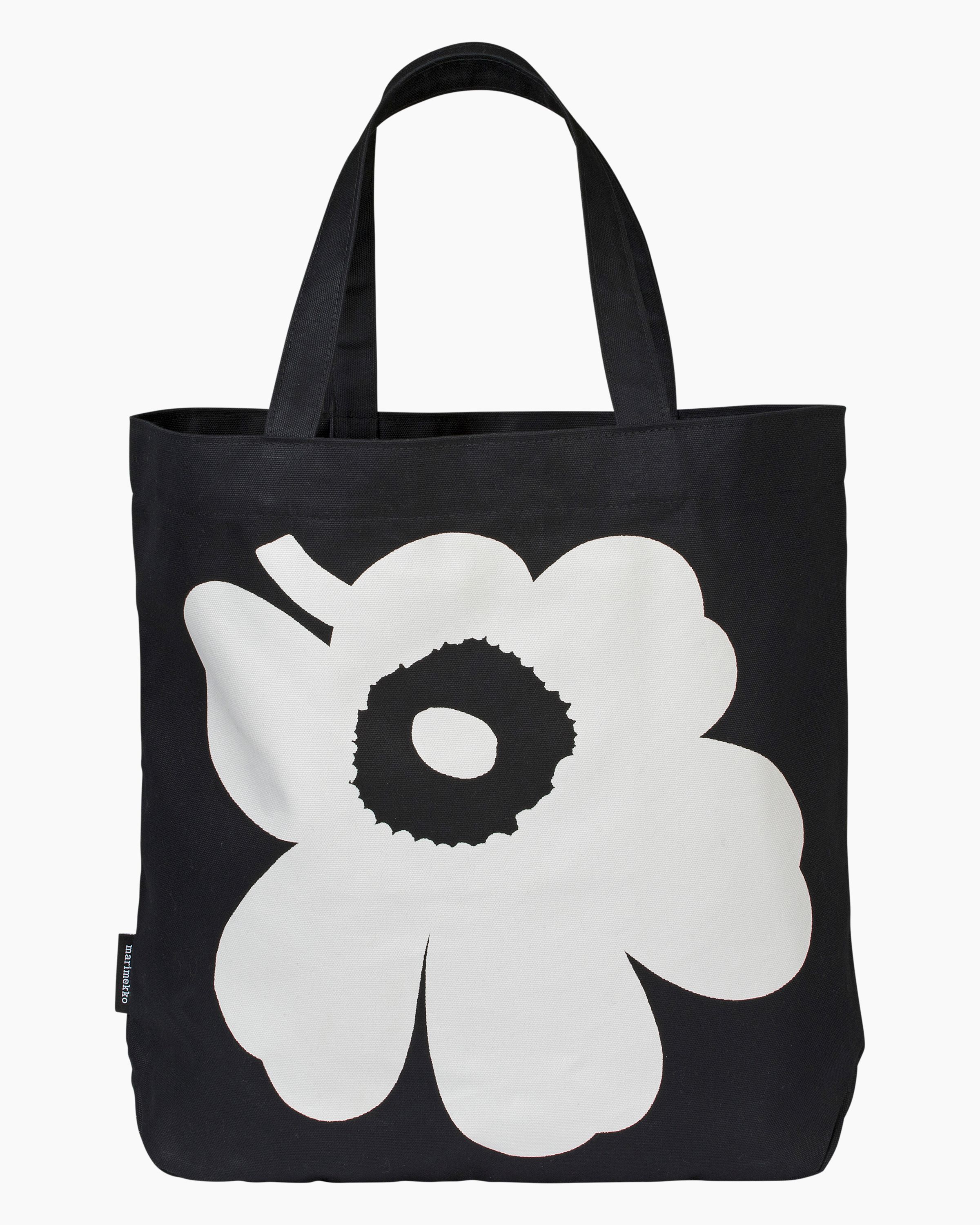
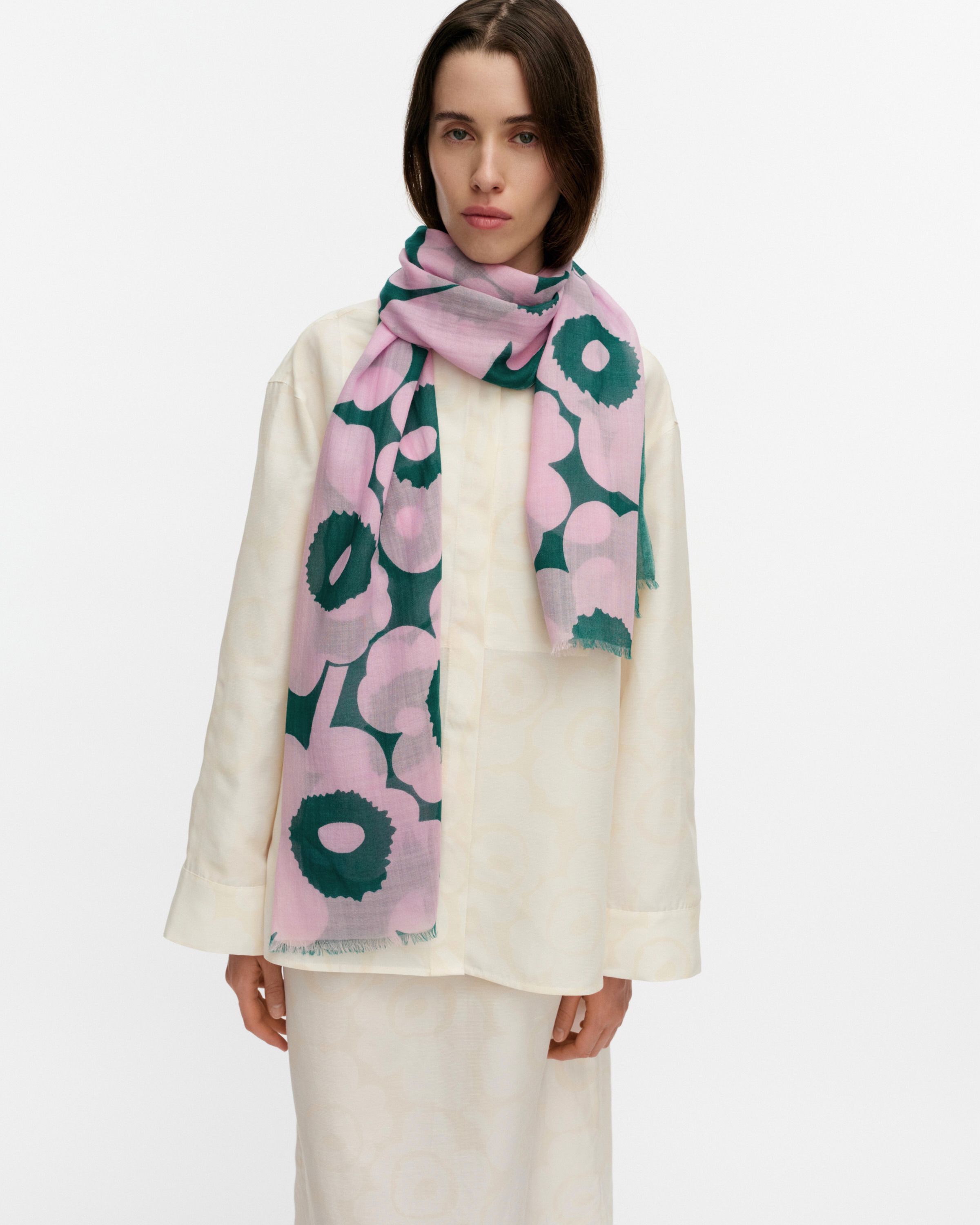
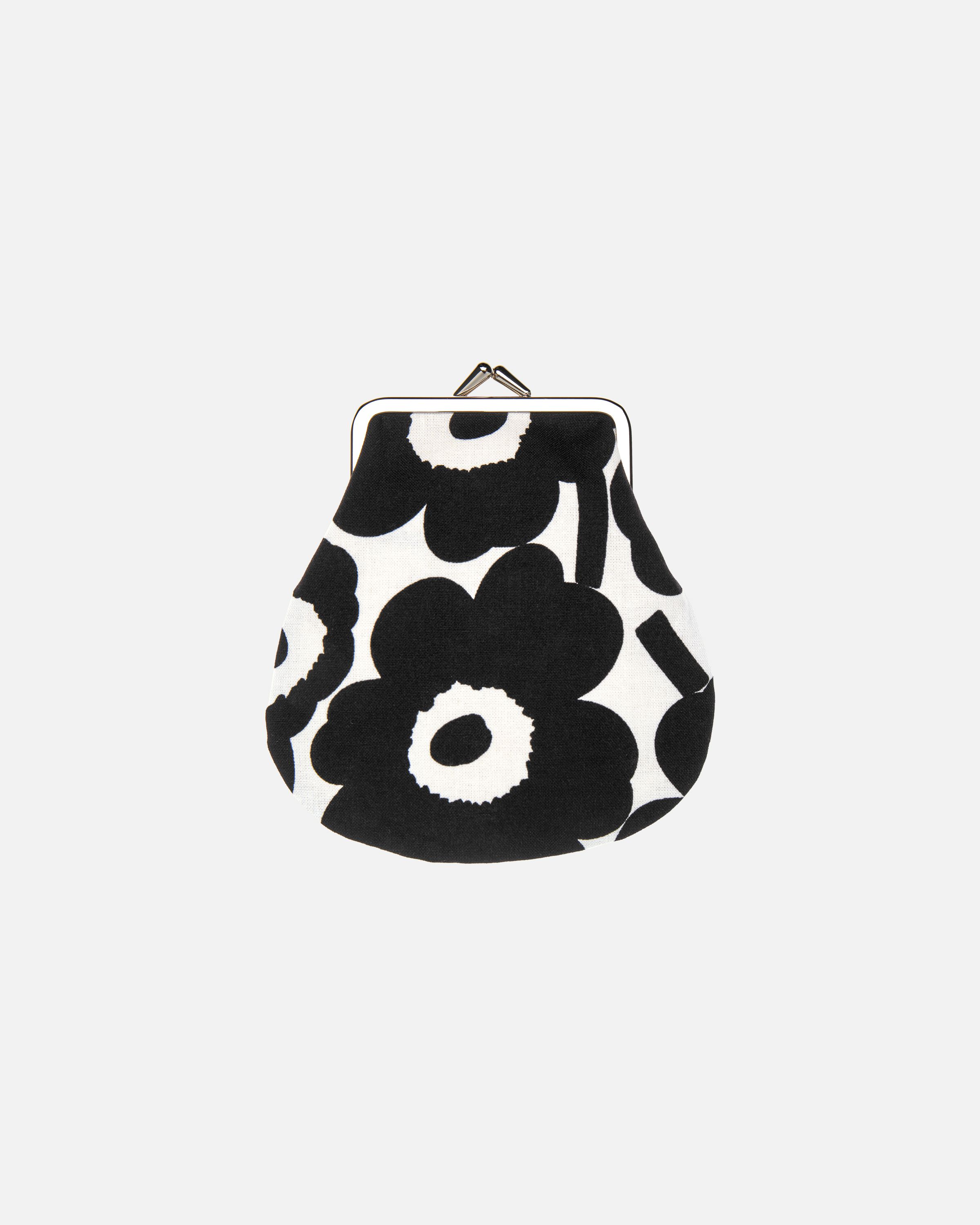
If you are buying the design as much as the object, it tends to feel worth it. Unikko, the bold poppy pattern Maija Isola created in 1964, has stayed in production for decades and is the motif most people picture when they think of the brand. You are paying for a genuinely iconic print rather than a fleeting trend, which is why it holds up on everything from fabric to homeware.
Much of it is the design heritage rather than the raw materials alone. These are original prints with real lineage, and the fabrics are still screen-printed at Marimekko's own textile factory in Helsinki. You are paying for that printmaking craft and for patterns that have stayed desirable for half a century rather than for fast-fashion turnover.
They are two sides of Finnish design. Marimekko is built on bold, brightly coloured printed pattern across textiles, clothing and home furnishings, where the better-known Finnish names in glass and tableware lean minimal and unadorned. If you want expressive pattern rather than quiet form, Marimekko is the one that celebrates it.
The defining one is Unikko, the large poppy pattern designed by Maija Isola in 1964. Isola's big, simple flowered prints, along with Vuokko Nurmesniemi's bold stripes, created hundreds of distinctive patterns and helped make Marimekko a household name worldwide. Unikko remains in production to this day.
It is worth knowing that "Finnish design" does not mean "made in Finland" here. Marimekko products are manufactured in countries including China, India, Thailand, Portugal and Lithuania. The fabrics, however, are still printed at Marimekko's own textile factory in Helsinki, which is where the brand's craft really lives.
Marimekko was founded in Helsinki in 1951 by Viljo and Armi Ratia. It grew out of Viljo's failed oil-cloth factory, which was converted to a garment plant, after which Armi asked artist friends to apply their graphic designs to textiles. The brand made its most important contributions to fashion in the 1960s.
It is a small, personal piece of wordplay from co-founder Armi Ratia. Her middle name was Maria, shortened to Mari, and in her home town of Koivisto she heard people talking about dresses, which in Finnish is mekko. Put together, Marimekko roughly reads as "Mari's dress."
She played a real part in it. Marimekko spread to America in the 1960s, and future first lady Jacqueline Kennedy bought eight Marimekko dresses, which she wore throughout the 1960 presidential campaign. That visibility helped turn the Finnish label into an international name.
Yes, and it is part of the brand's record. In 2013, in-house designer Kristina Isola admitted copying design elements from a 1963 painting by Ukrainian artist Maria Primachenko, after the print had already been painted onto a Finnair plane. Several other designs were subsequently questioned, and the company's CEO later apologised over one of them.
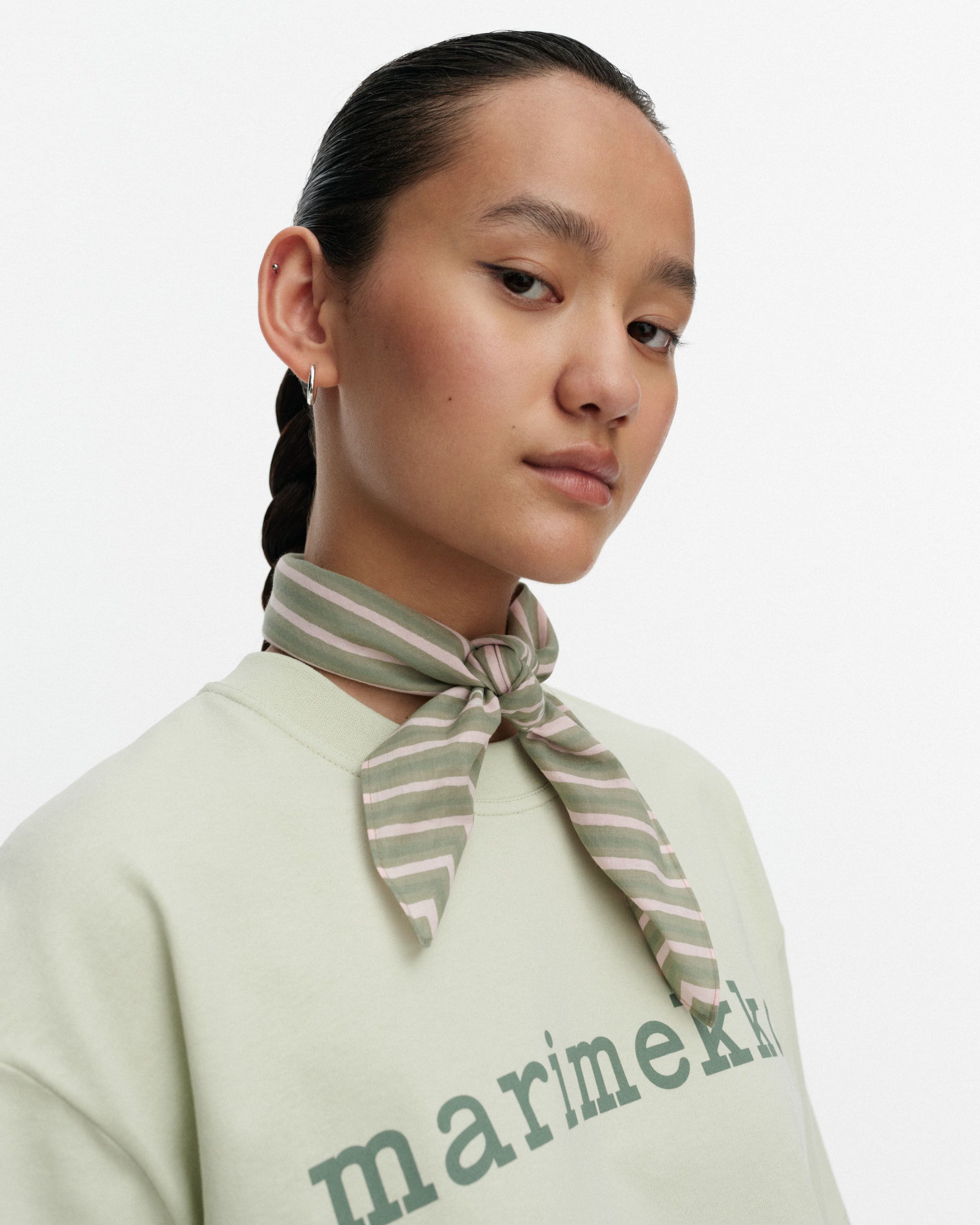
Older than most of the brand's famous prints. The logo has been in use since 1954, created by graphic designer Helge Mether-Borgström using modified versions of classic Olivetti typewriter letters. Armi Ratia wanted it to be simple and timeless, and it has stayed essentially unchanged.