Brand · German loopwheeled basics since 1911

Merz B. Schwanen

Organic cotton spun on century-old loopwheelers — a heritage shirt-maker reborn from a flea-market find.

Merz B. Schwanen
Re-checked daily
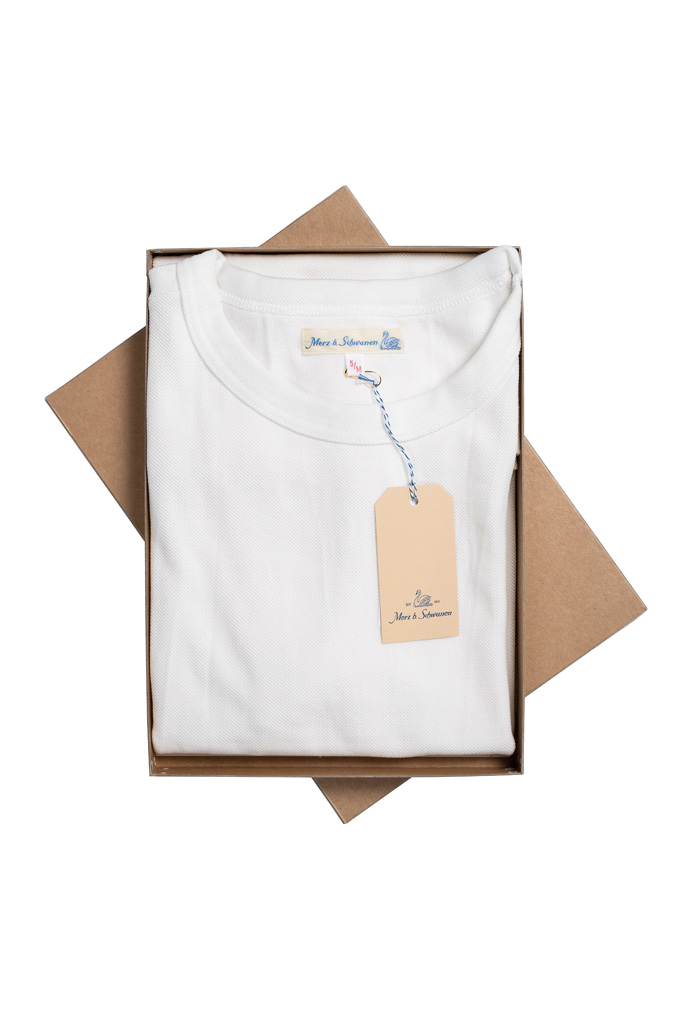
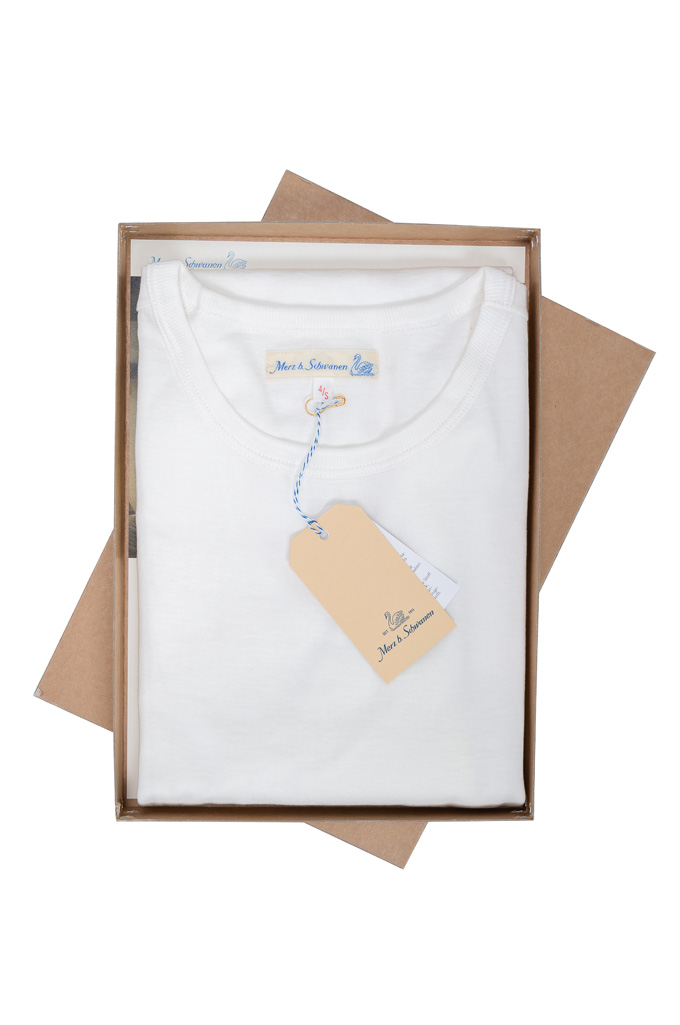
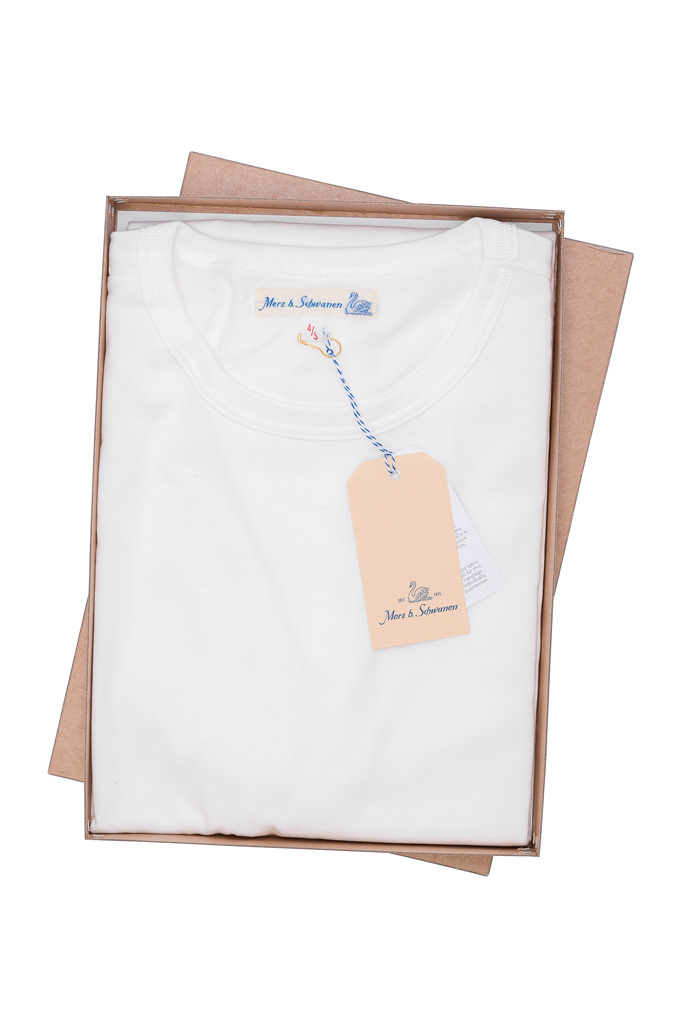
Merz b. Schwanen produces on original loopwheelers with organic materials in Germany, garments referencing vintage workwear and sportswear.

The company was founded by Balthasar Merz as Balthasar Merz beim Schwanen in the Swabian Alps in 1911 and remained family-owned until 2008, when the decline of the German textile industry forced it to close. After finding an original Balthasar Merz beim Schwanen Henley at a Berlin flea market, menswear designer Peter Plotnicki and his wife Gitta teamed up with one of the last remaining textile factories in Albstadt, secured the rights to the name, and relaunched the brand in 2011.

All products are designed by Peter and Gitta Plotnicki in Berlin, where the company is headquartered, while production remains in Albstadt. Garments are made of 100% organic cotton from Greece without chemical finishings, and each carries a woven label manufactured with hand-made punch cards on 19th-century looms. The brand sells in more than 35 countries and has collaborated with Nigel Cabourn, Junya Watanabe and Rowing Blazers.
You'll want these too

Same quiet-luxury, craft-first sensibility — follow any to widen your alerts.

Merz B. Schwanen shopping FAQ

Is a Merz b. Schwanen loopwheeled T-shirt worth it?+

If you care about how a T-shirt is made, this is close to the top of the craft. Merz b. Schwanen knits its shirts on original loopwheelers in Germany using organic materials, and that slow, low-tension process produces a fabric and texture you genuinely can't get from a fast-fashion tee. It's an investment piece bought for construction and comfort rather than a basics-pack price.

What are loopwheelers and why do they matter for Merz b. Schwanen?+

Loopwheelers are the historic knitting machines at the heart of the brand. Merz b. Schwanen is a German company known for producing on original loop-wheelers with organic materials in Germany, and after the relaunch the team revived production using the same old loopwheelers. The technique is what gives the garments their distinctive character and is the brand's whole reason for being.

What is Merz b. Schwanen known for making?+

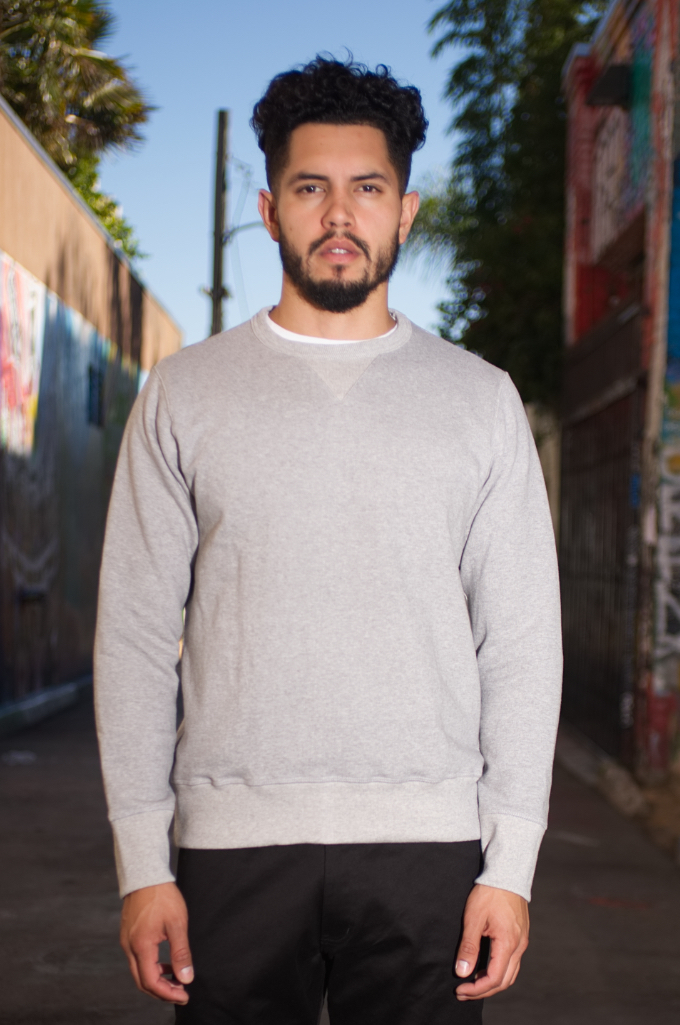
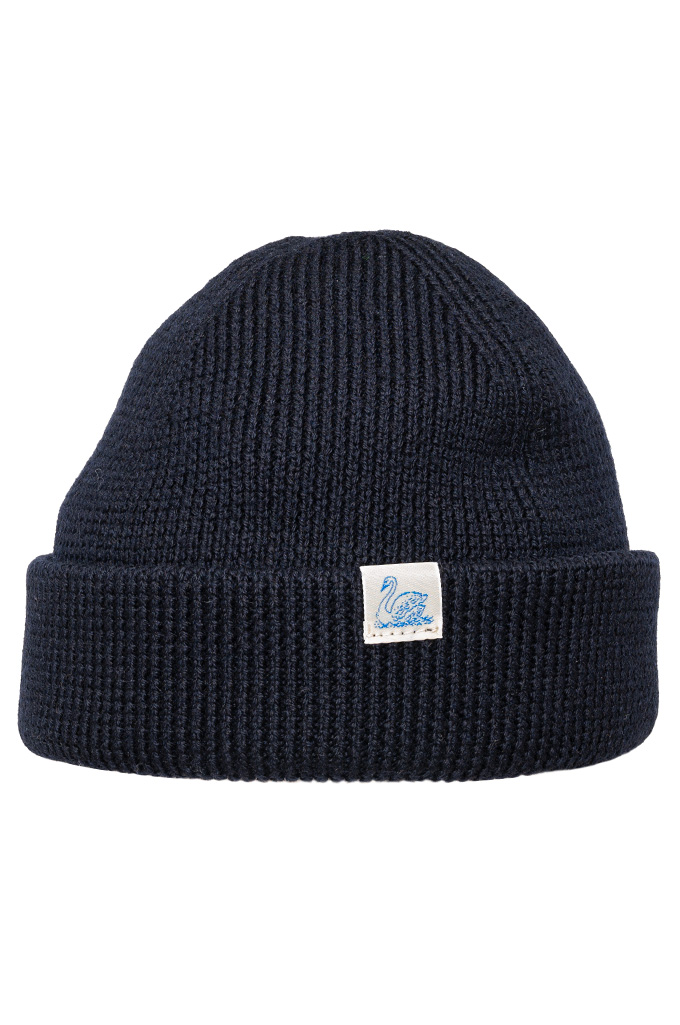
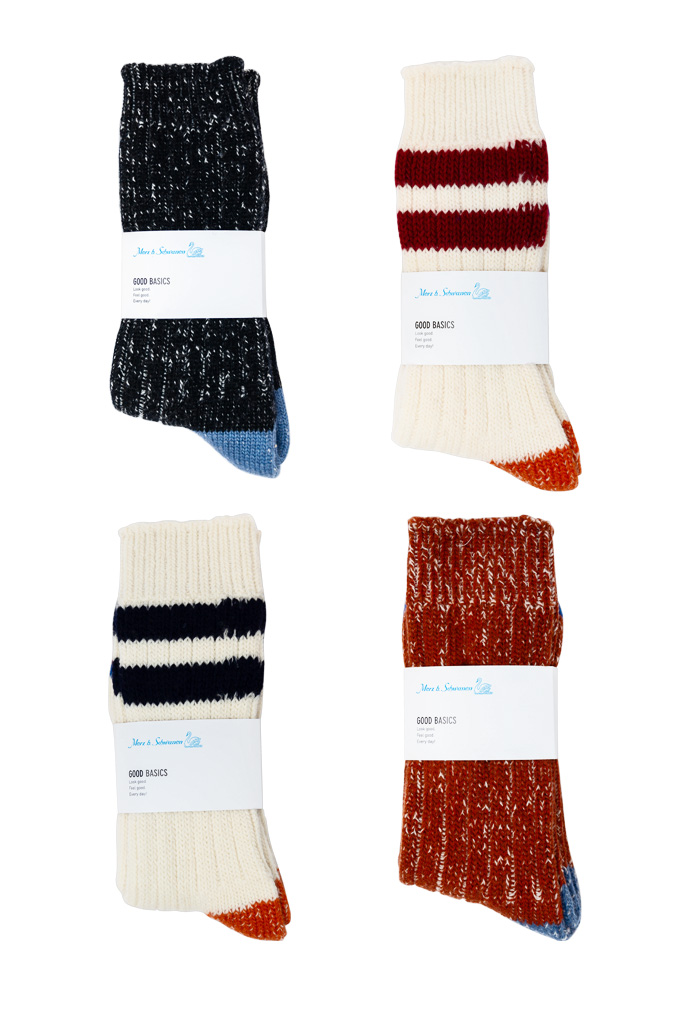
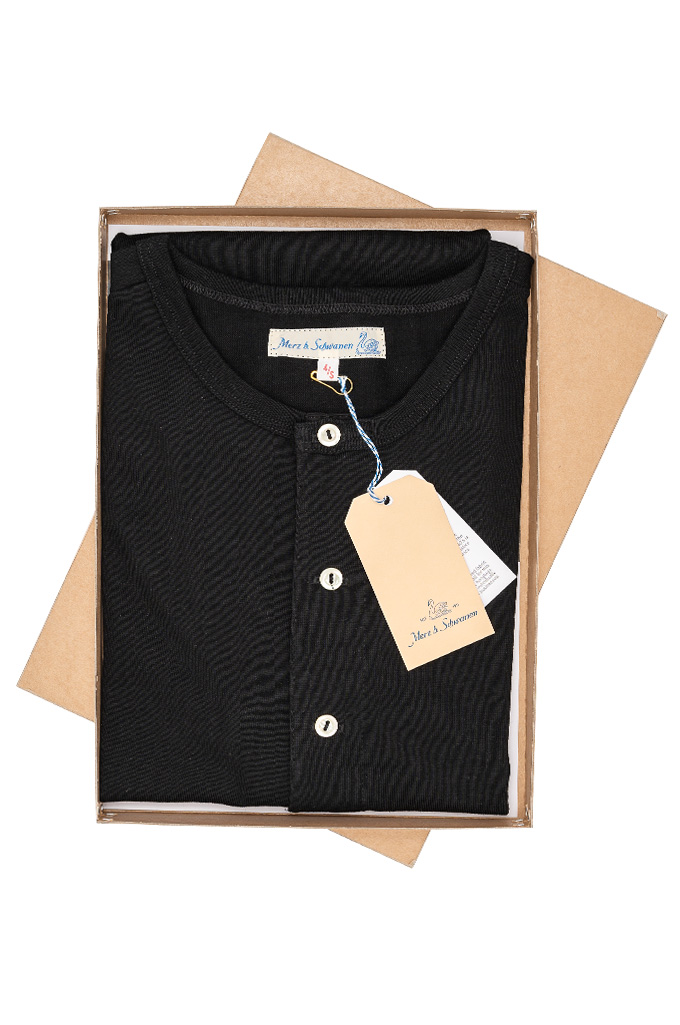
The company produces T-shirts, Henley shirts, sweatshirts, sweatpants, undergarments, and socks for men and women. The styles reference everything from vintage workwear and sportswear to contemporary garments, and the shirts in particular have been praised by fashion insiders such as Nick Carvell of British GQ as among the most comfortable and best-looking you'll own.

What materials does Merz b. Schwanen use?+

Most garments are made of 100% organic cotton from Greece without chemical finishings, available in different thicknesses. Some pieces use cotton blends with Viscose or Merino wool instead. The absence of chemical finishing is part of why the fabric feels the way it does straight out of the box.

When was Merz b. Schwanen founded, and what's its history?+

It was founded by Balthasar Merz as Balthasar Merz beim Schwanen in the Swabian Alps in 1911, and stayed family-owned until 2008. The decline of the German textile industry, as companies outsourced to low-wage countries, eventually forced the original firm to close its doors in 2008 due to a lack of orders.

How was the brand relaunched?+

Menswear designer Peter Plotnicki and his wife Gitta found an original Balthasar Merz beim Schwanen Henley shirt at a Berlin flea market. They teamed up with one of the last remaining textile factories in Albstadt, secured the rights to the name from Balthasar Merz's descendants, and relaunched the brand in 2011, showing the first menswear collection at the Bread & Butter tradeshow in Berlin that January.

Where is Merz b. Schwanen designed and made?+

The work is split between two German cities. All products are designed by Peter and Gitta Plotnicki in Berlin, where the company is headquartered, while production stays in Albstadt, a small town on the Swabian Jura. That kept-in-Germany approach is central to the brand's identity, and its goods now sell in more than 35 countries.

What is the woven label on Merz b. Schwanen garments?+

It's a small piece of heritage manufacturing in its own right. The brand's woven label is made using hand-made punch cards on historical looms from the 19th century. It's a characteristic detail that signals the same old-world process that defines the rest of the garment.

Has Merz b. Schwanen collaborated with other designers?+

Yes. The brand has collaborated with names including Nigel Cabourn, Junya Watanabe, Rowing Blazers, and Monocle. Those partnerships sit naturally alongside its workwear-and-sportswear references and have helped introduce the loopwheeled approach to new audiences.

Merz b. Schwanen vs Sunspel: how do the two compare?+

Both are premium T-shirt makers with different philosophies. Merz b. Schwanen's distinction is that it loopwheels its shirts on century-old machines, which removes the need for side seams and gives a soft, resilient, slightly throwback feel. Sunspel is the lightweight, refined British counterpoint. In a side-by-side, the loopwheeling is what sets Merz apart for craft-minded buyers.

Is Merz b. Schwanen a sustainable, ethical brand?+

Sustainability is woven through the proposition: organic cotton, no chemical finishings, and slow in-Germany production. The brand has also taken industry positions, signing a brand letter of intent in 2025 calling on the Australian wool industry to end the practice of mulesing. If responsible sourcing matters to you, it's a brand that puts it front and center.