Are SCARPA climbing shoes worth it?+
For most climbers, yes. SCARPA has built performance footwear for mountaineering, climbing, hiking, skiing and trail running since 1938, and the range is wide enough to cover a first pair through to expedition boots. The real test is fit rather than reputation, so it pays to try a pair on before committing.
Is SCARPA good quality?+
SCARPA's strength is the combination of Italian craftsmanship and technical innovation, with its boots trusted from the Alps to the Himalayas. The brand was the first to produce a Gore-Tex boot and the first to develop a plastic telemark skiing boot, which says a lot about its appetite for engineering. Made in the Asolo and Montebelluna region long renowned for handcrafted shoes, the build quality is part of the heritage.
How do SCARPA climbing shoes compare to La Sportiva?+
Both brands grew up in the same northern Italian shoemaking region and both are family-run, so the gap is smaller than the rivalry suggests. The usual rule of thumb is that SCARPA runs a touch roomier through the toe box while La Sportiva runs narrower. The honest answer is that it comes down to your foot shape, so test both lasts before choosing.
What does the name SCARPA stand for?+
SCARPA is an acronym for Società Calzaturiera Asolana Riunita Pedemontana Anonima, which translates roughly as the Associated Shoe Manufacturing Company of the Asolo Mountain Area. The founding mission was to unite the best shoemakers around Asolo to produce high-quality footwear. Fittingly, scarpa is also simply the Italian word for shoe.
Where are SCARPA boots made?+
SCARPA's headquarters and factories are still located in Asolo and Montebelluna, in the foothills of the Dolomite Mountains in northern Italy. These areas have a long reputation for handcrafted footwear, and the company has stayed rooted there since 1938. That continuity is a big part of why the brand leans on the phrase Italian craftsmanship.
Who founded SCARPA and when?+
SCARPA was founded in 1938 in the Dolomite region of northern Italy by Rupert Guinness, 2nd Earl of Iveagh. The early aim was simply to bring together the best local shoemakers in the Asolo area. From those workshop roots the company grew into a specialist in technical outdoor footwear.
Who owns SCARPA now?+
SCARPA is owned and operated by the Parisotto family, who purchased the company in 1956. The next generation, Sandro, Piero and Cristina Parisotto, continues to oversee production today. That family ownership has kept the brand independent and tied to its original region for decades.
What is SCARPA best known for in mountaineering history?+
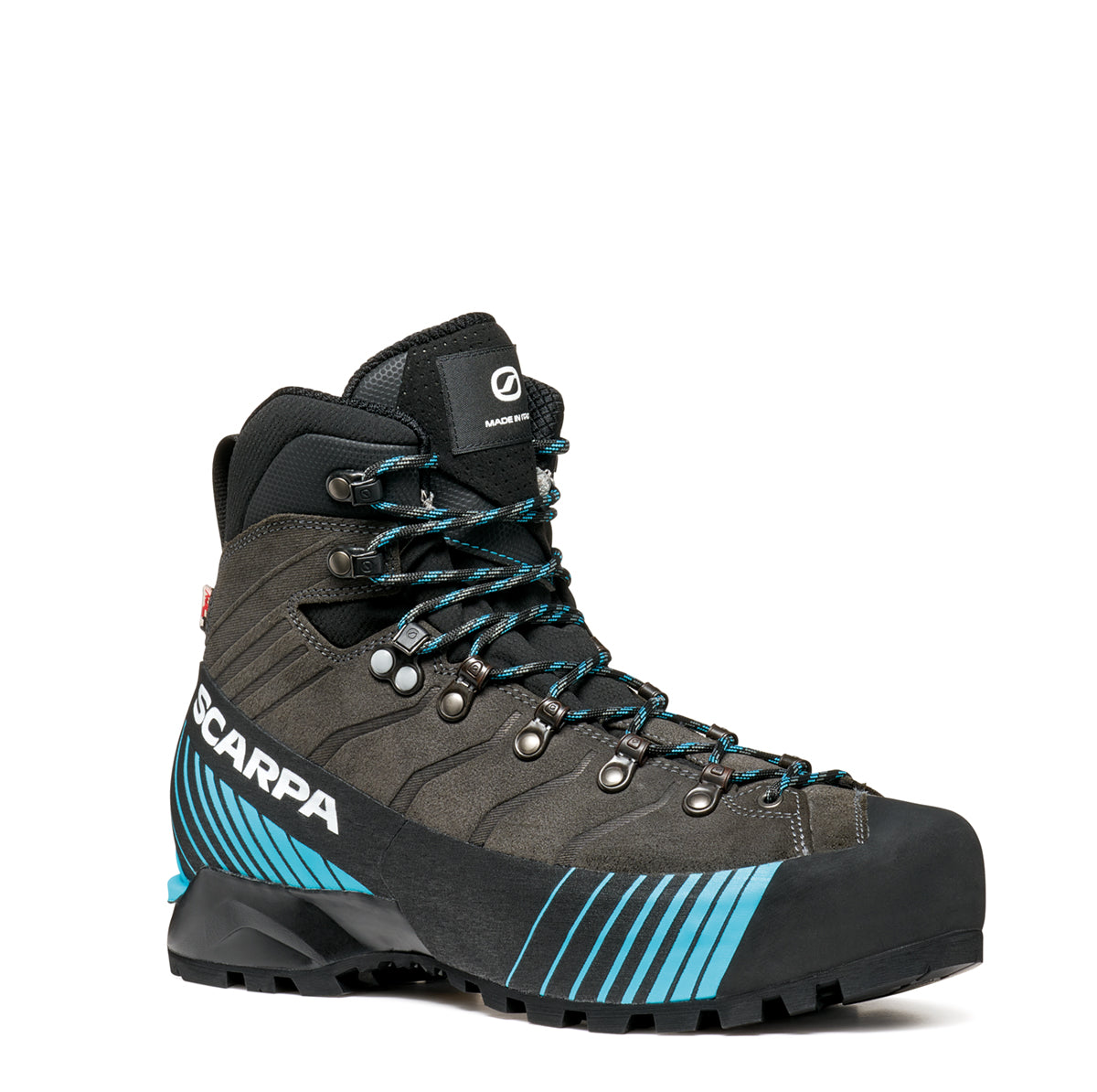
One landmark was developing one of the first high-altitude plastic mountaineering boots, first the Grinta and later the Inverno, known internationally as the Vega. That boot was used on expeditions in the Himalayas and Antarctica and adopted by military forces in Italy, the U.S., France and Spain. It cemented SCARPA's reputation for footwear built for the most extreme conditions.
Does SCARPA make ski boots as well as climbing shoes?+
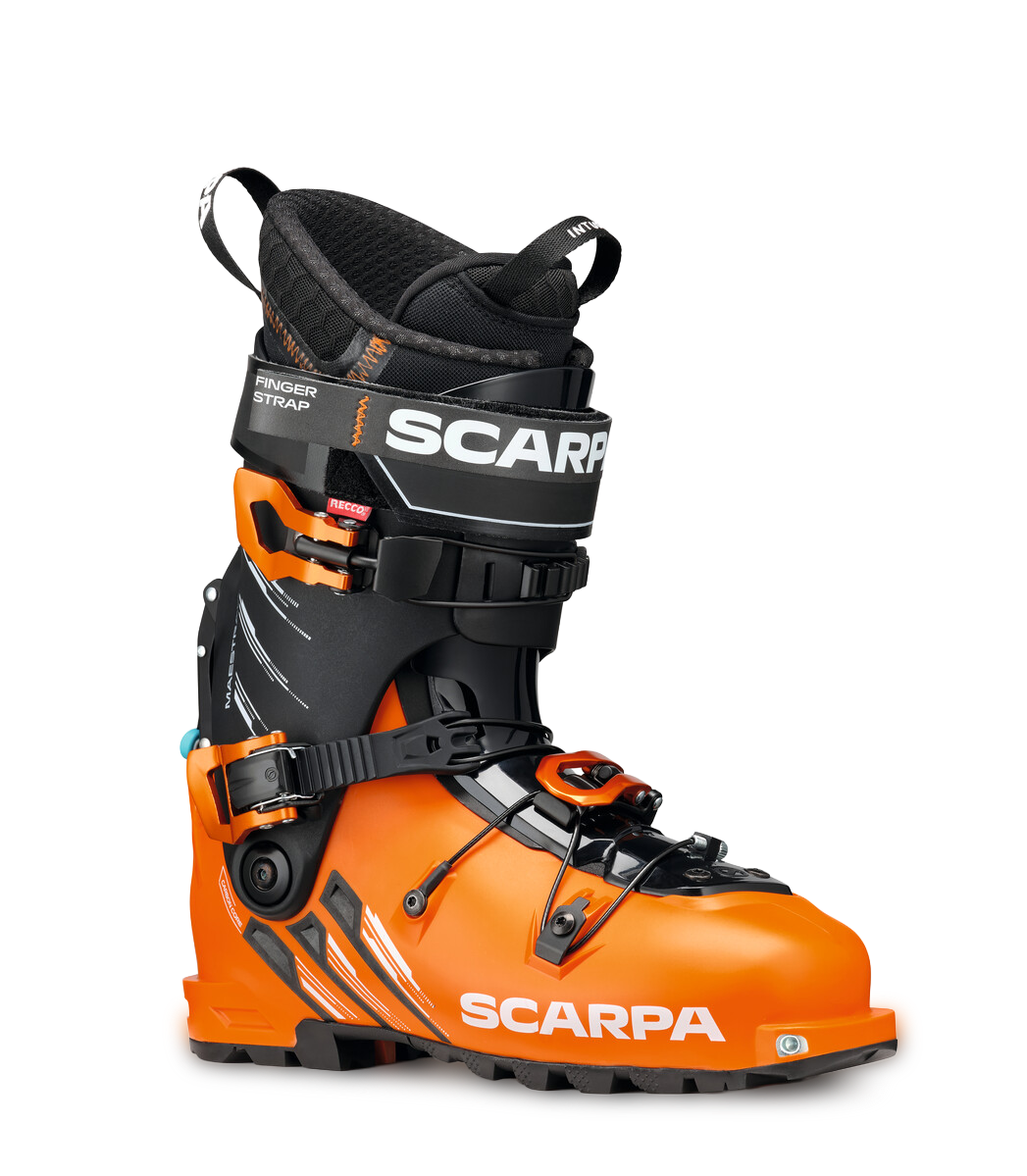
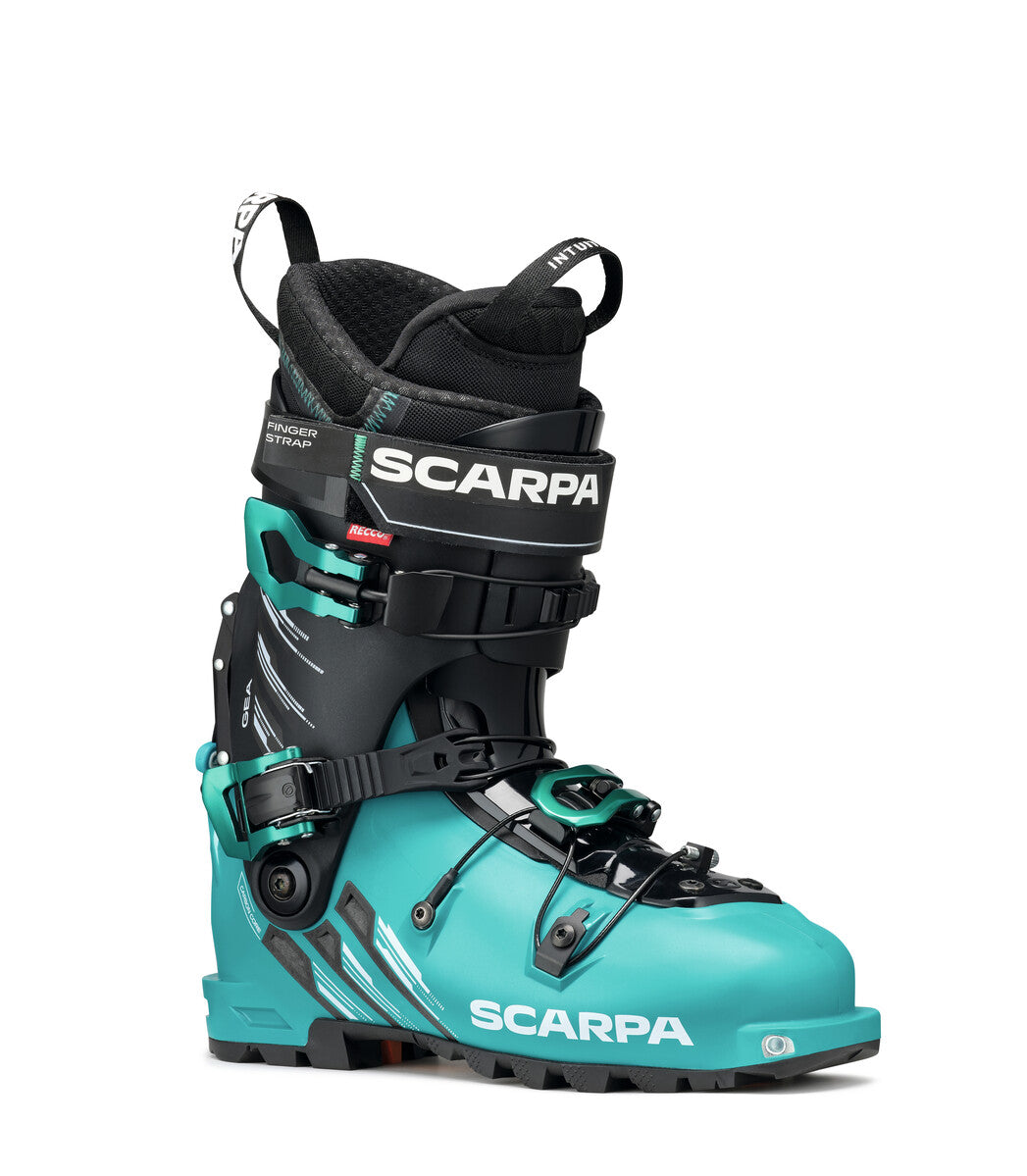
Yes. Alongside mountaineering boots, climbing shoes and trekking footwear, SCARPA makes alpine running shoes and ski boots. The brand introduced the Rally alpine ski boot in the 1970s and, in 2007, became the first to create a boot compatible with both telemark and alpine touring bindings. So the range spans the whole vertical world, from rock to snow.
When did SCARPA become available in the United States?+
SCARPA first reached the U.S. in 1965, when an Italian-American importer began bringing its boots to Boston, making it the first Asolo-based footwear brand exported to the States. Decades later, in 2005, the company opened its North American headquarters in Boulder, Colorado, to manage sales and product development for the U.S. and Canadian markets. So American climbers have had a long relationship with the brand.
Are SCARPA shoes worth resoling?+
High-quality climbing shoes are generally built to be resoled, and SCARPA's construction lends itself to it, so a well-loved pair can earn a second life rather than heading to landfill. When the rubber wears thin but the upper is still sound, a resole is usually the smarter move than replacing the whole shoe. Treat resoling as part of the ownership cost rather than an afterthought.
How should I choose my first pair of SCARPA climbing shoes?+
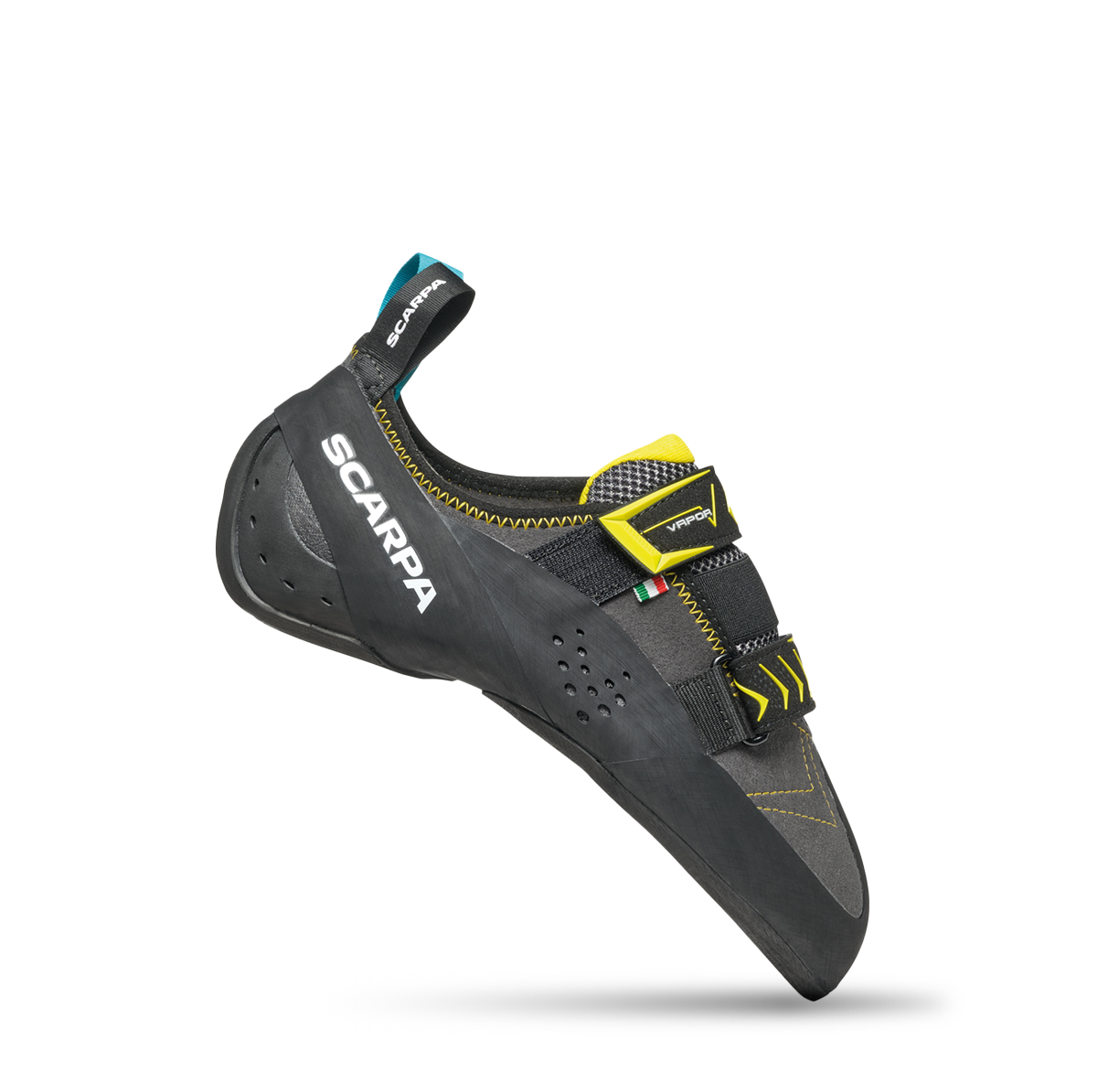
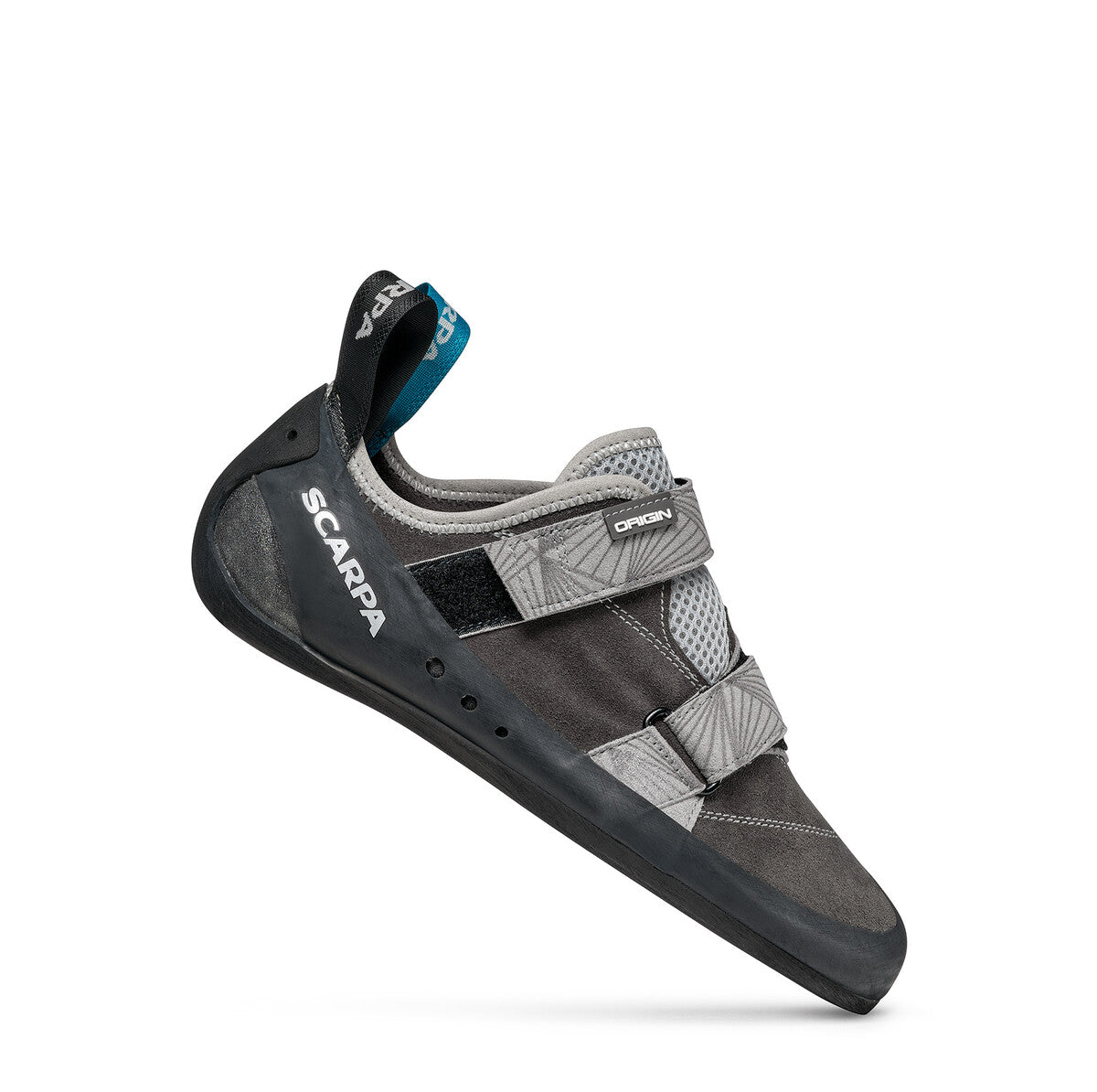
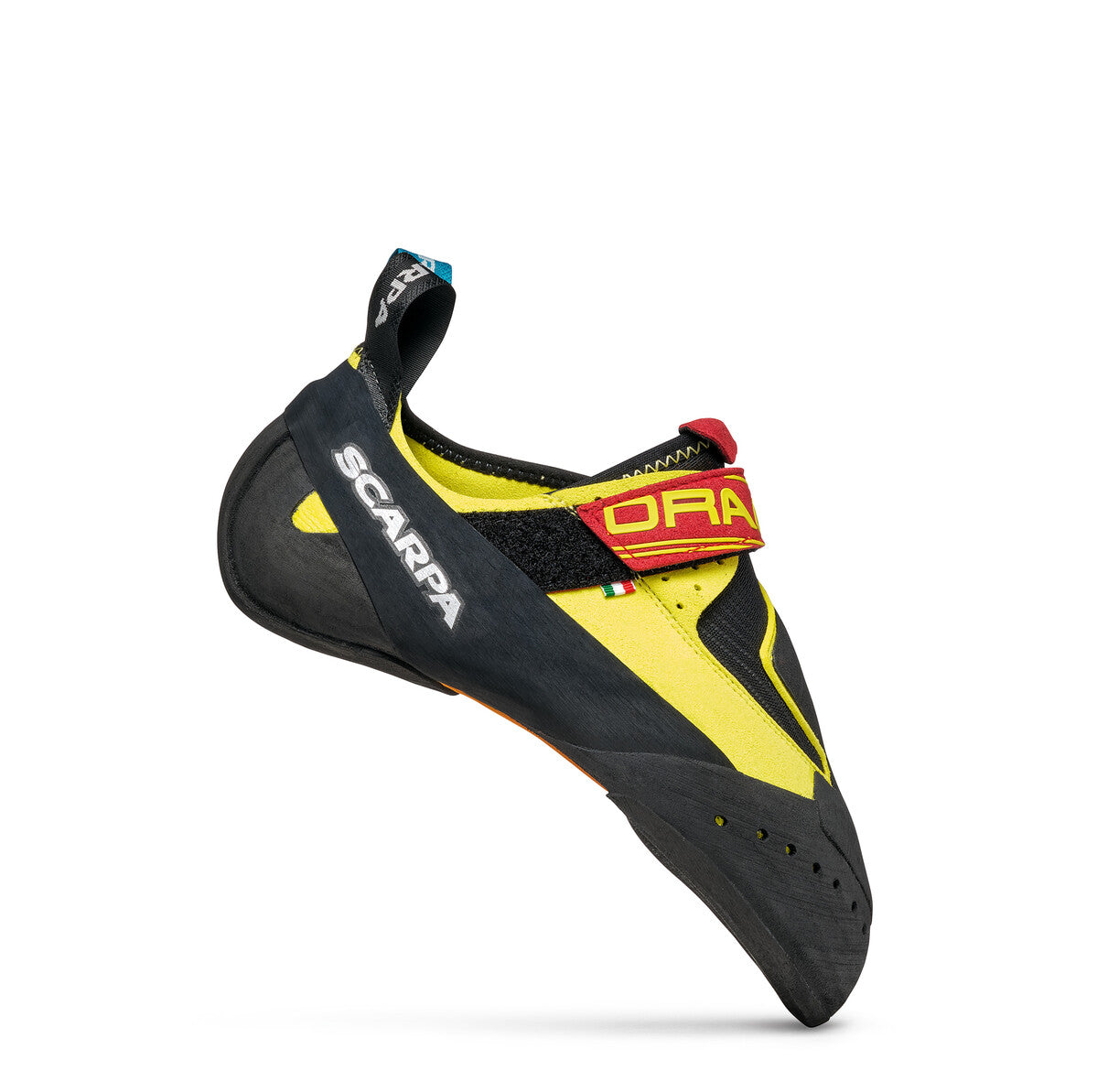
Start with fit and your intended terrain rather than the most aggressive model you can find. SCARPA's range runs from comfortable, gently shaped shoes aimed at beginners and intermediates up to stiff edging specialists, so match the shoe to where you actually climb. Because the brand tends to suit slightly wider feet, it is worth trying a pair on in person before buying.