Why is Stefano Ricci so expensive?+
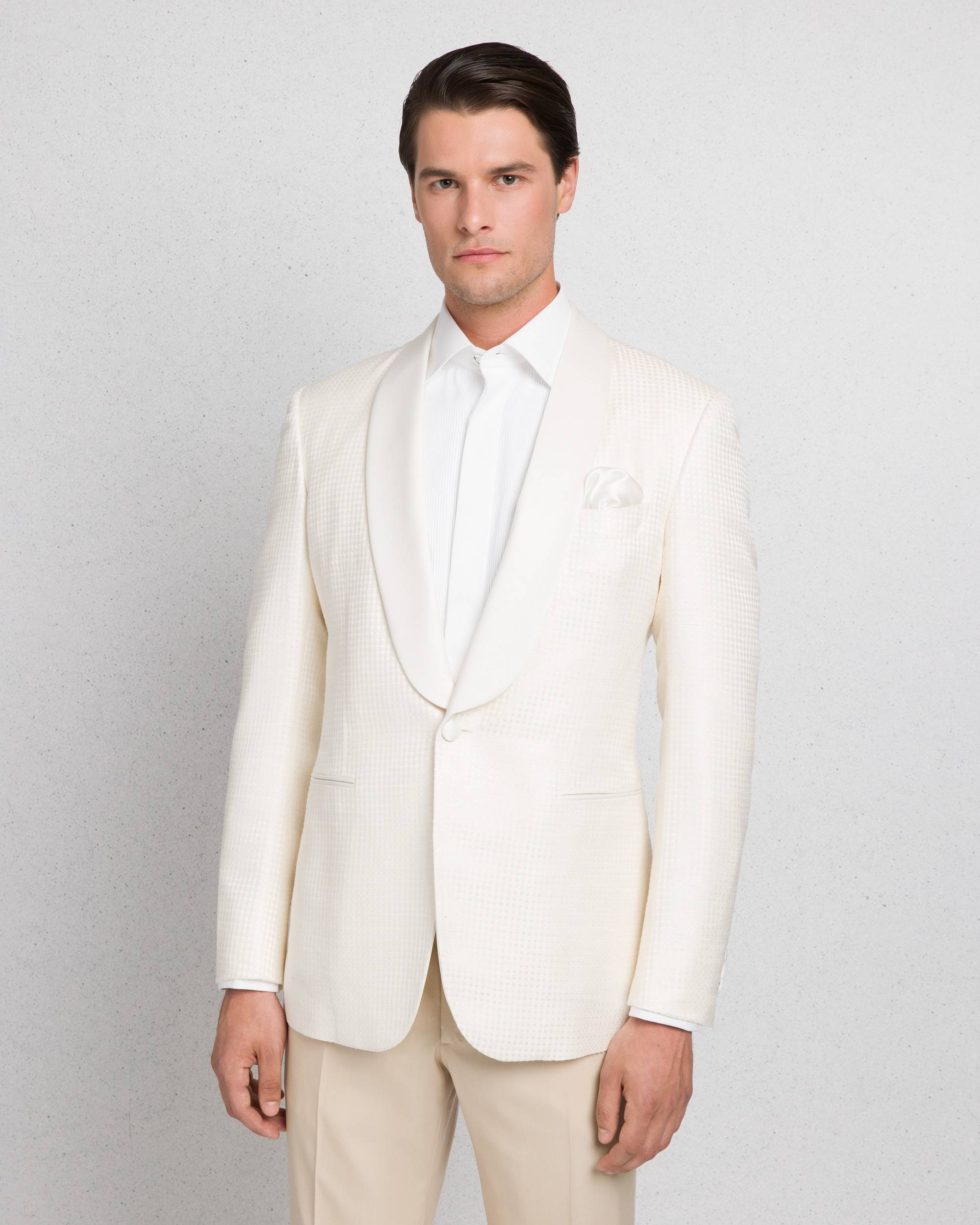
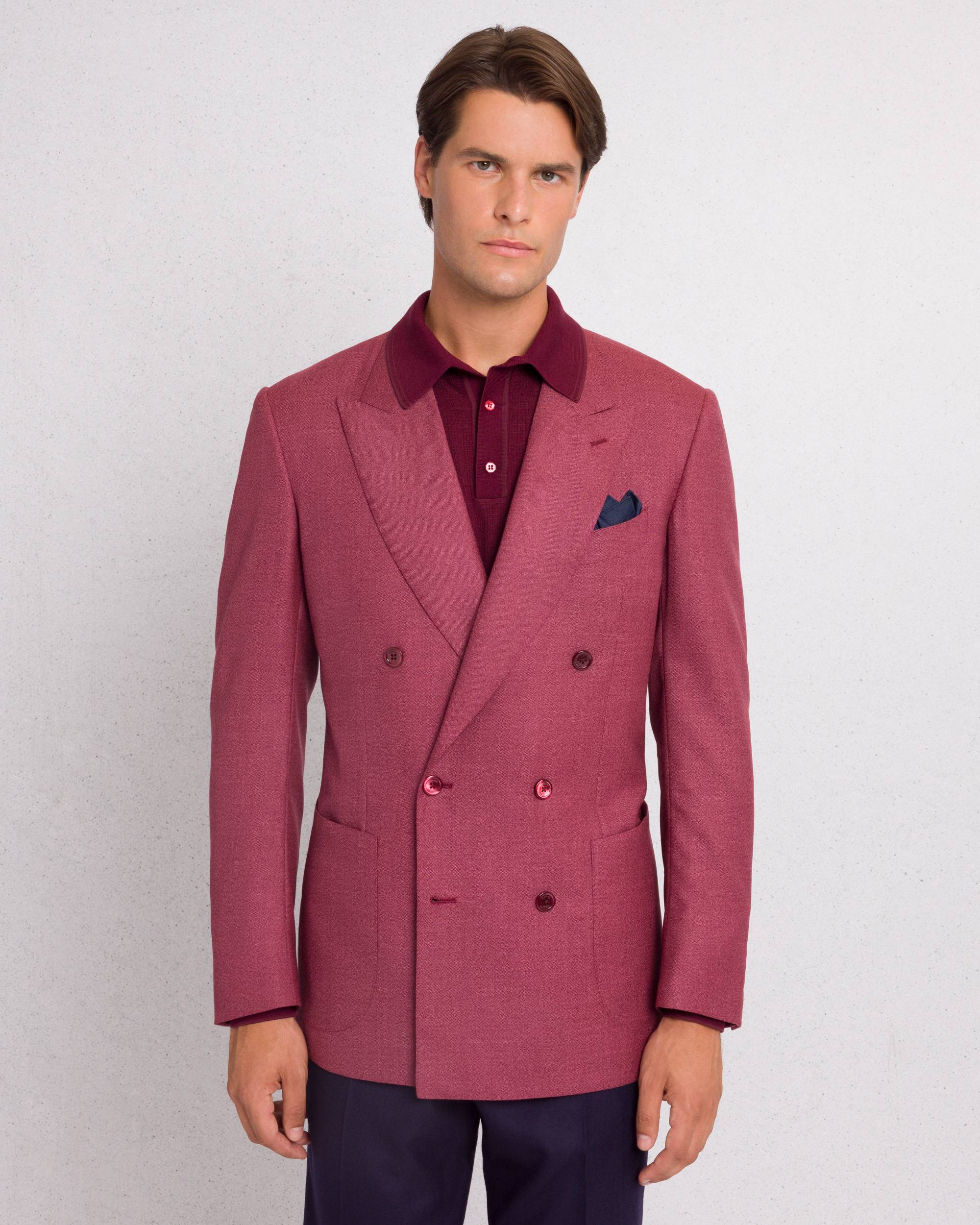
Stefano Ricci sits at the very top of Italian luxury, and the price reflects it. Everything is 100% Made in Italy, from design through manufacture and finishing, using hand-worked materials and traditional Florentine techniques. The New York Times has even called the brand "clothier to the 0.001 percent", which tells you the clientele it is built for.
Is Stefano Ricci worth it?+
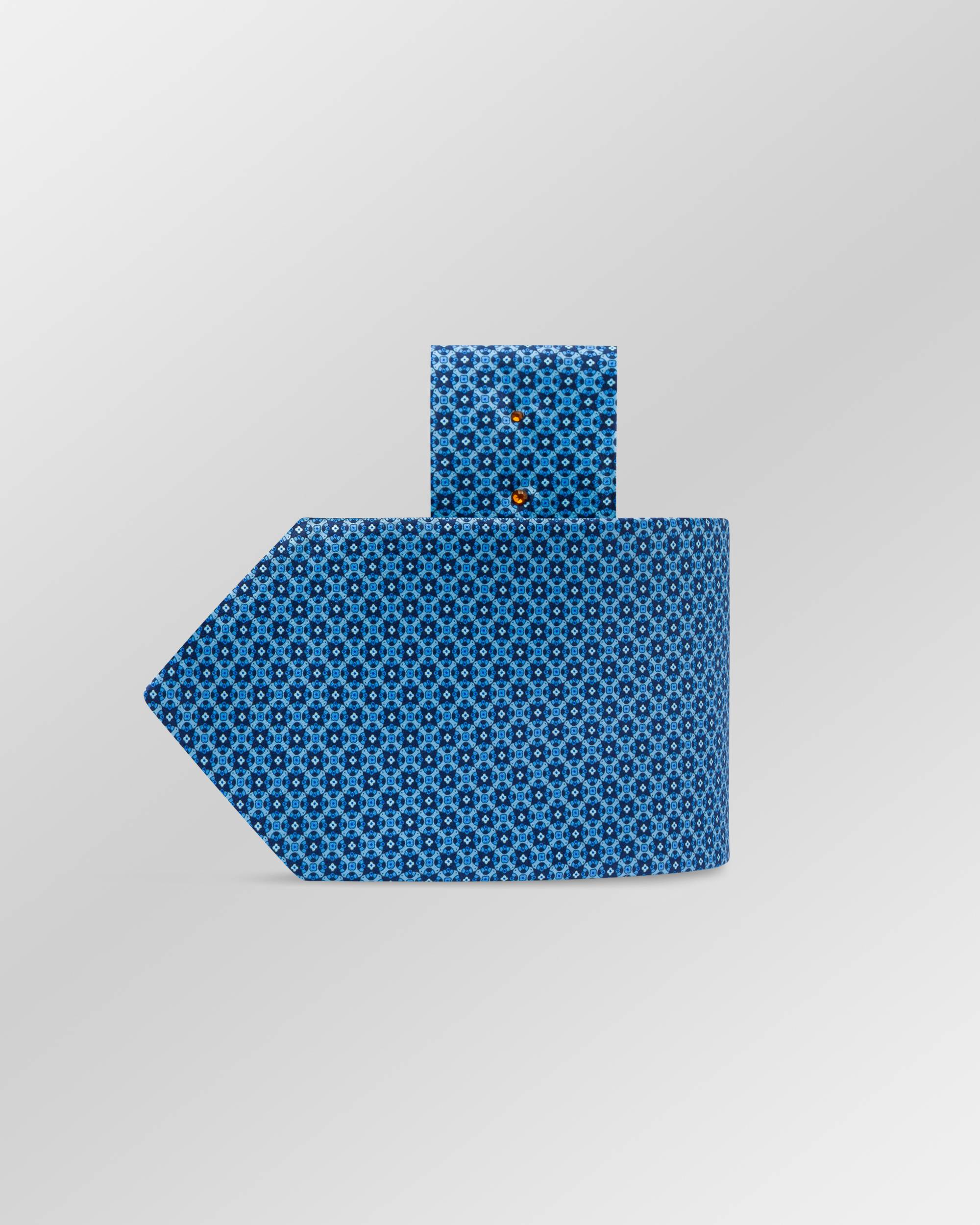
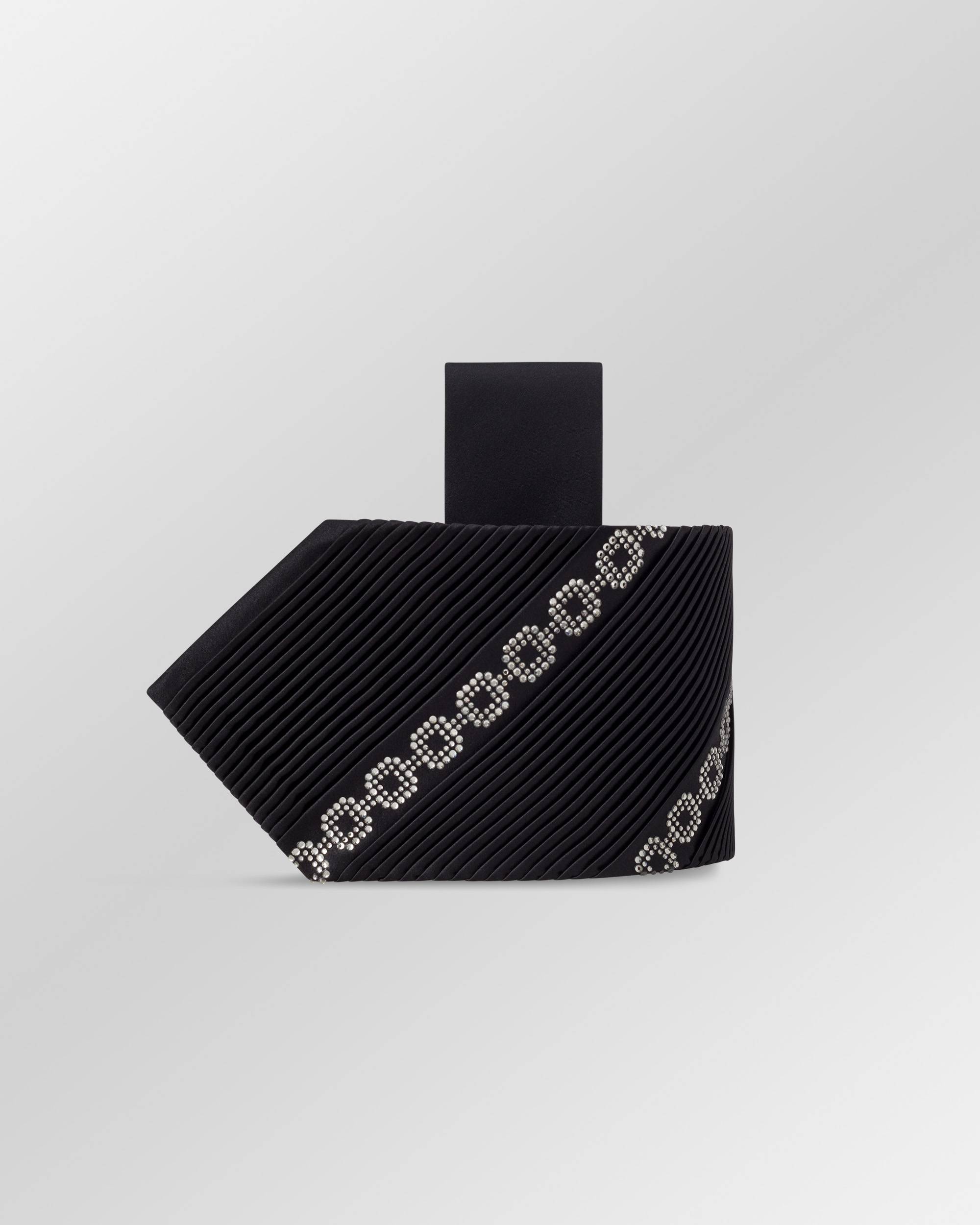
It depends on what you want from a wardrobe. If you are after the finest hand-finishing and rare materials made entirely in Italy, few houses operate at this level. The brand earns its standing through genuine craft rather than marketing, and pieces like its handmade silk ties are made to be kept rather than replaced, so for the right buyer it is very much an investment.
What product is Stefano Ricci best known for?+
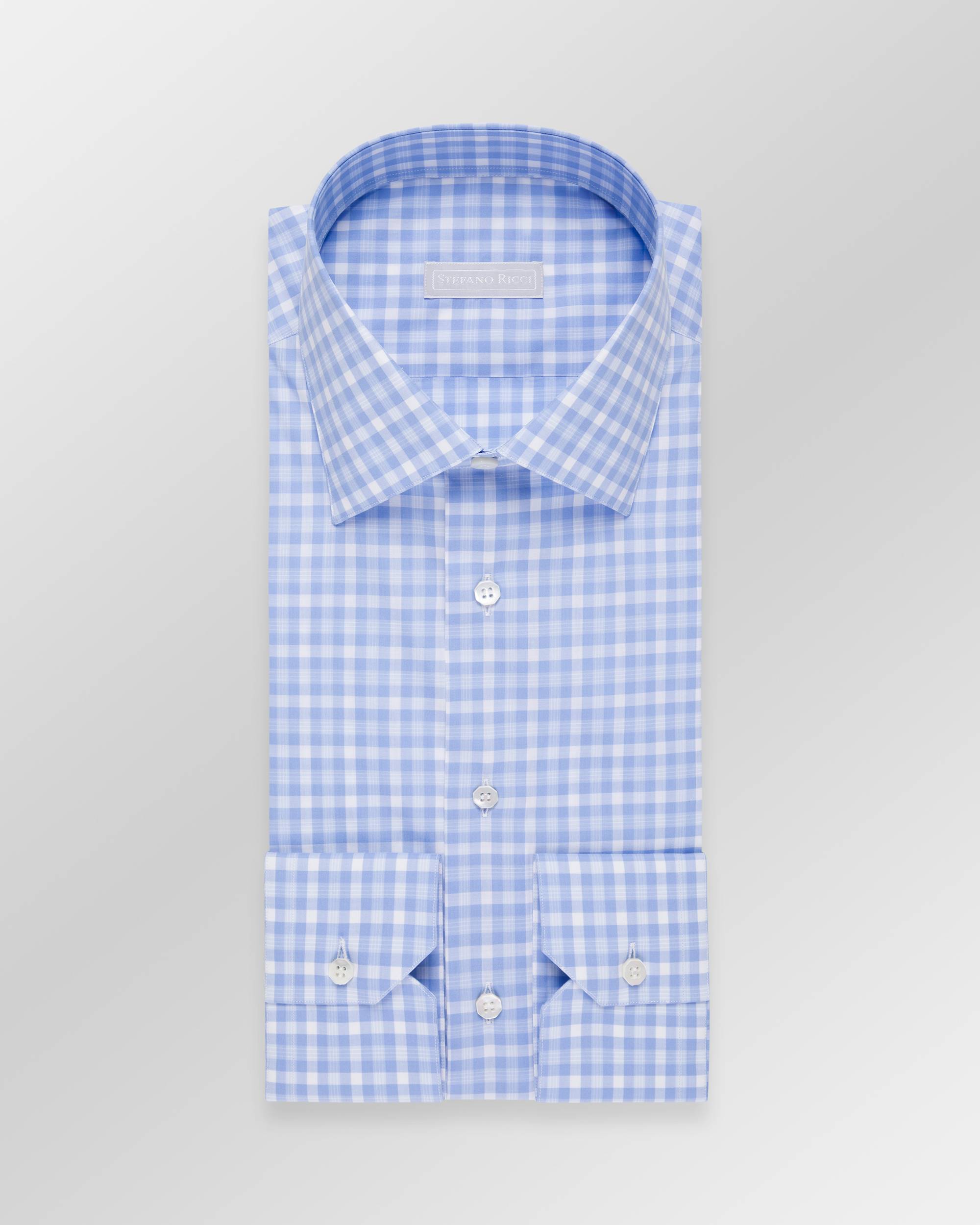
The house was built on the necktie. Its original production was based on Italian handmade ties, and the first commercial collection debuted at Pitti Uomo in 1974. From that foundation the brand expanded into dress shirts, suits, outerwear, leather goods and much more, but the handmade tie remains its signature calling card.
How does Stefano Ricci compare to Brioni or Kiton?+
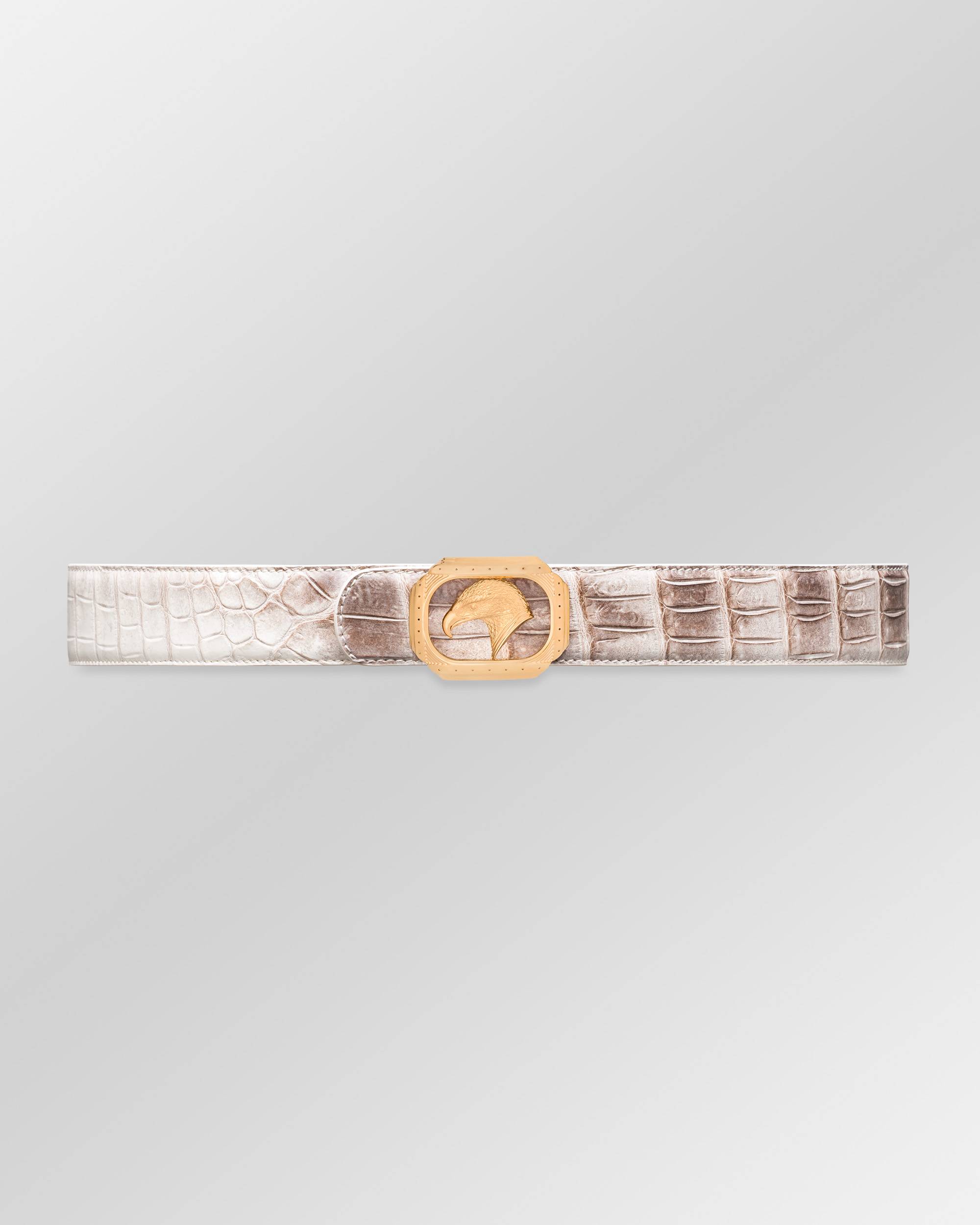
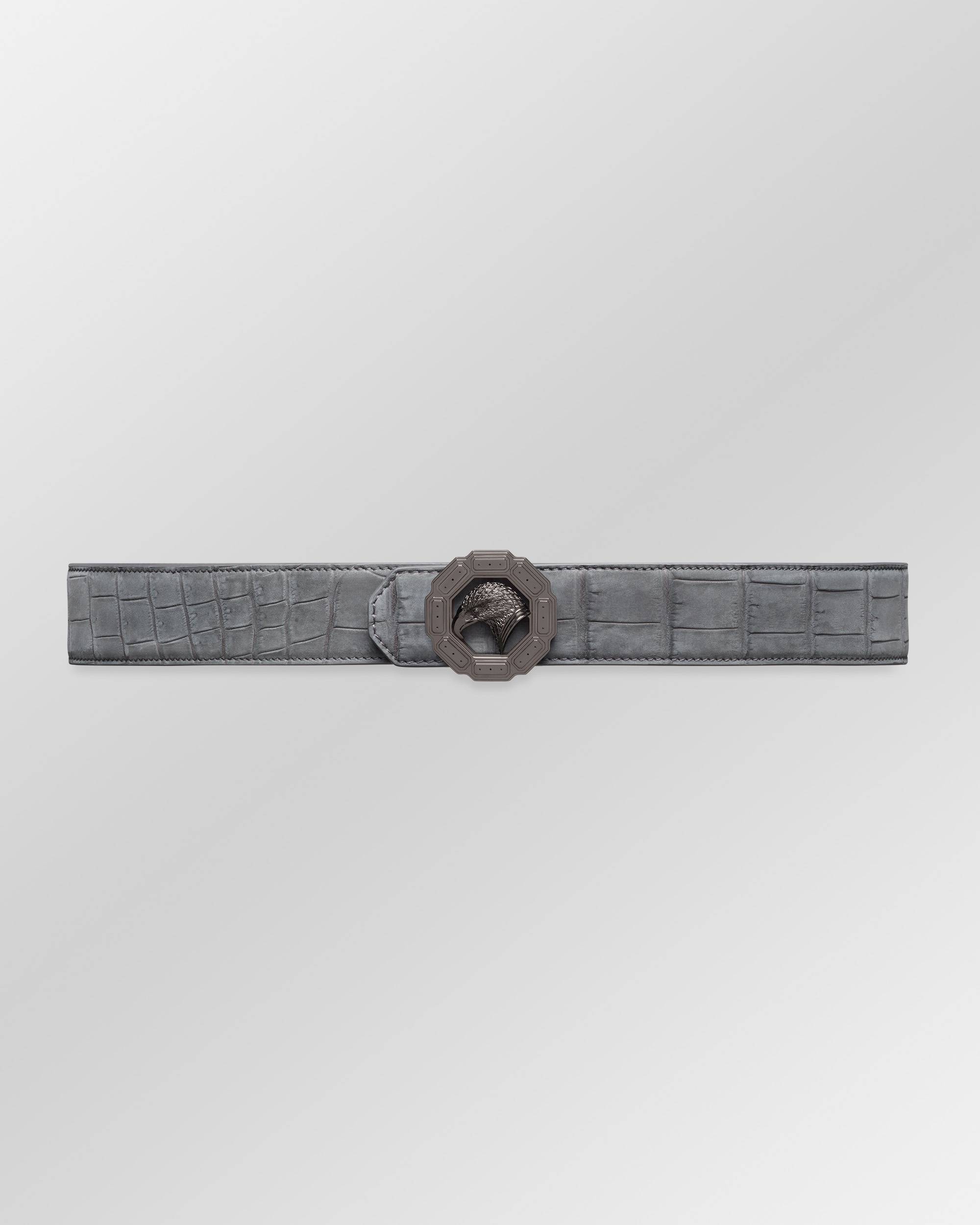
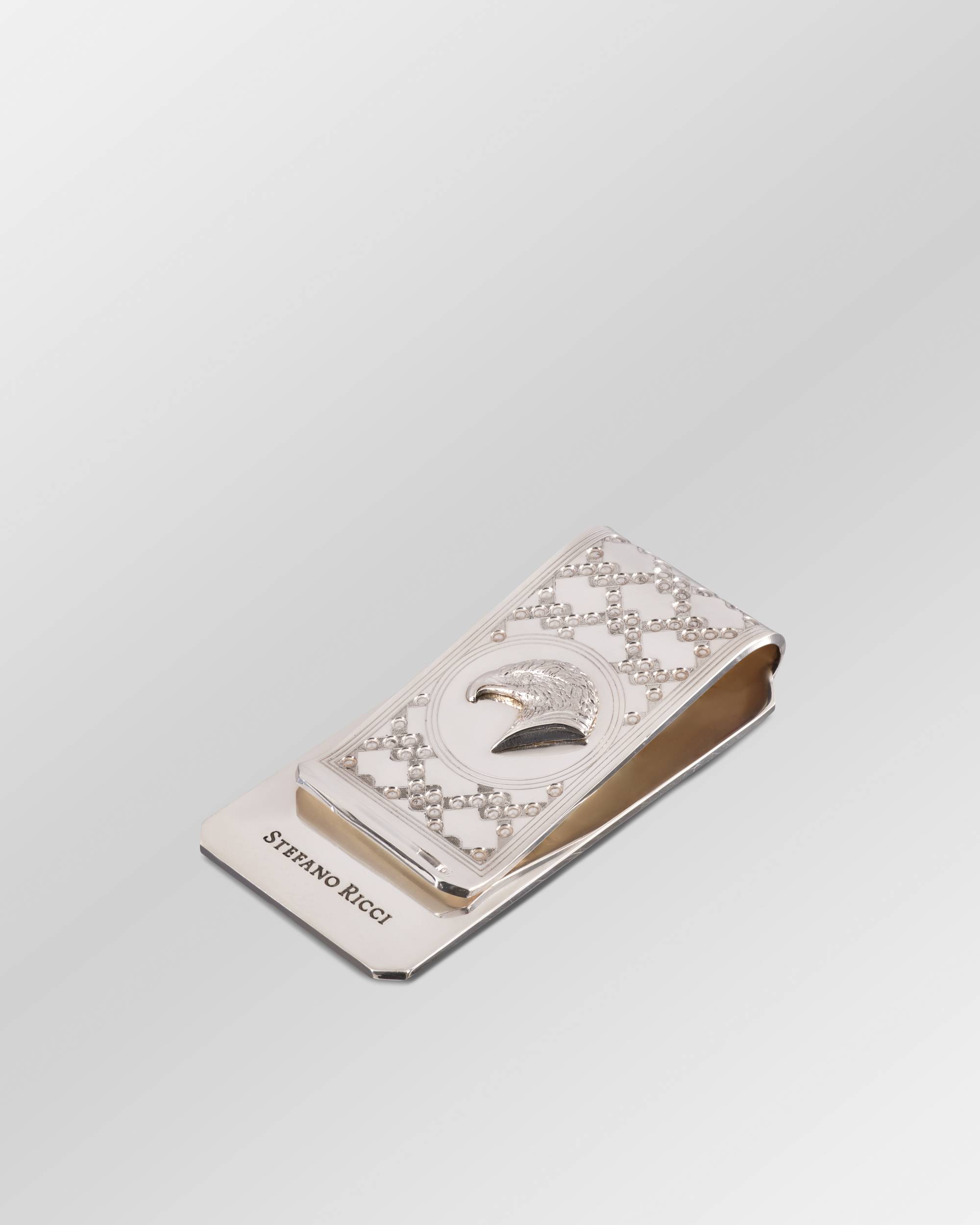
All three are upper-tier Italian menswear names, but Stefano Ricci is the youngest, founded in 1972. It distinguishes itself with a more opulent, maximalist aesthetic and a fully integrated Made-in-Italy operation, including its own goldsmith and silversmith workshop for belt buckles and hardware. Where some rivals lean understated, Stefano Ricci leans bold and unmistakably luxurious.
Who owns and runs Stefano Ricci today?+
It remains a private family-owned business. The current CEO is Niccolò Ricci, the founder's eldest son, while the youngest son, Filippo Ricci, serves as Creative Director. That keeps the house firmly in family hands, which is rare at this tier of luxury and central to how it presents its heritage.
Where was Stefano Ricci founded and by whom?+
The company was founded in 1972 by the Florentine designer Stefano Ricci and his wife Claudia. Their first location was the family home on Via dei Niccoli in Florence, which still operates as the company's bespoke tailoring atelier. Today the brand is headquartered in Fiesole, just outside Florence.
What is the eagle symbol on Stefano Ricci products?+
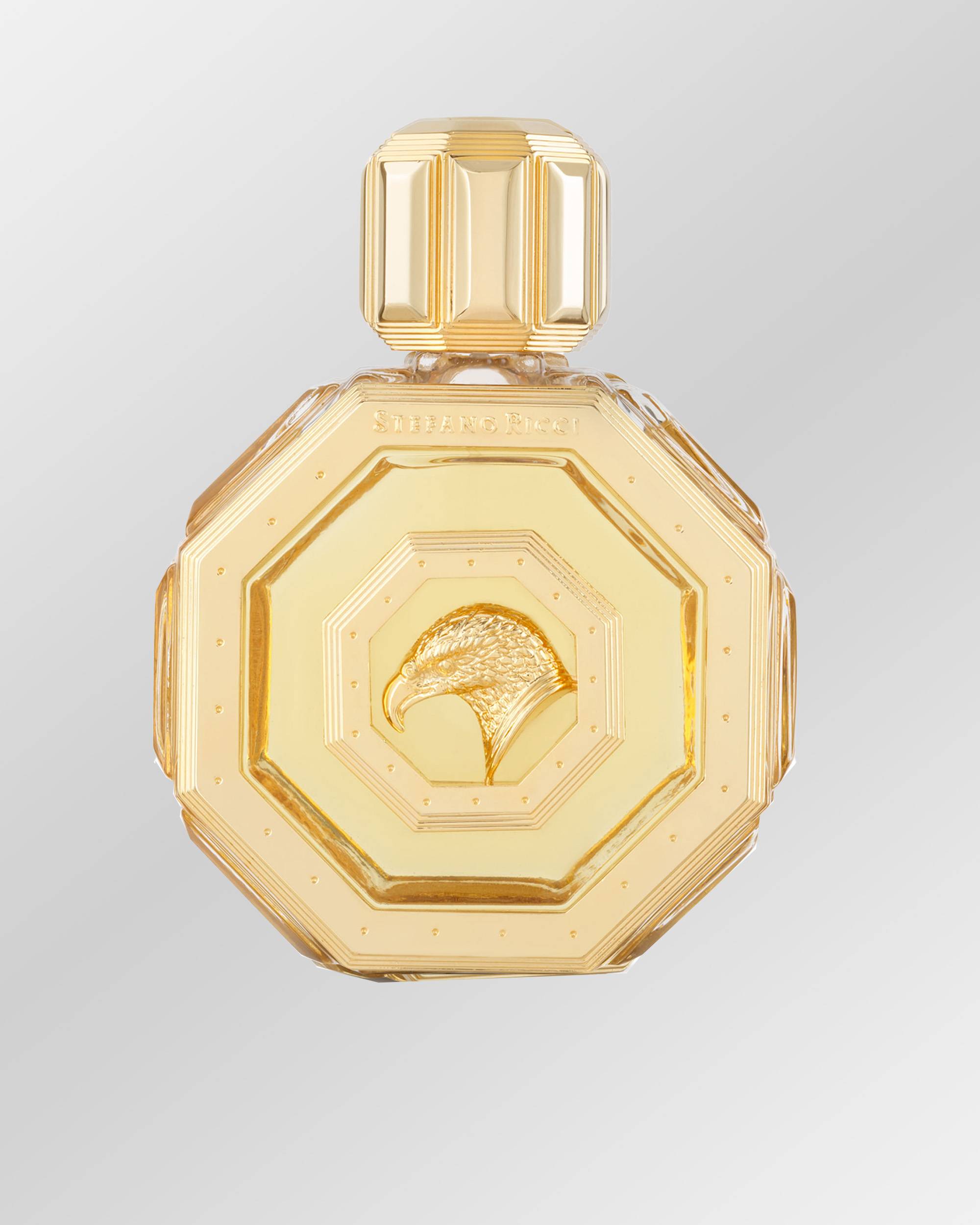
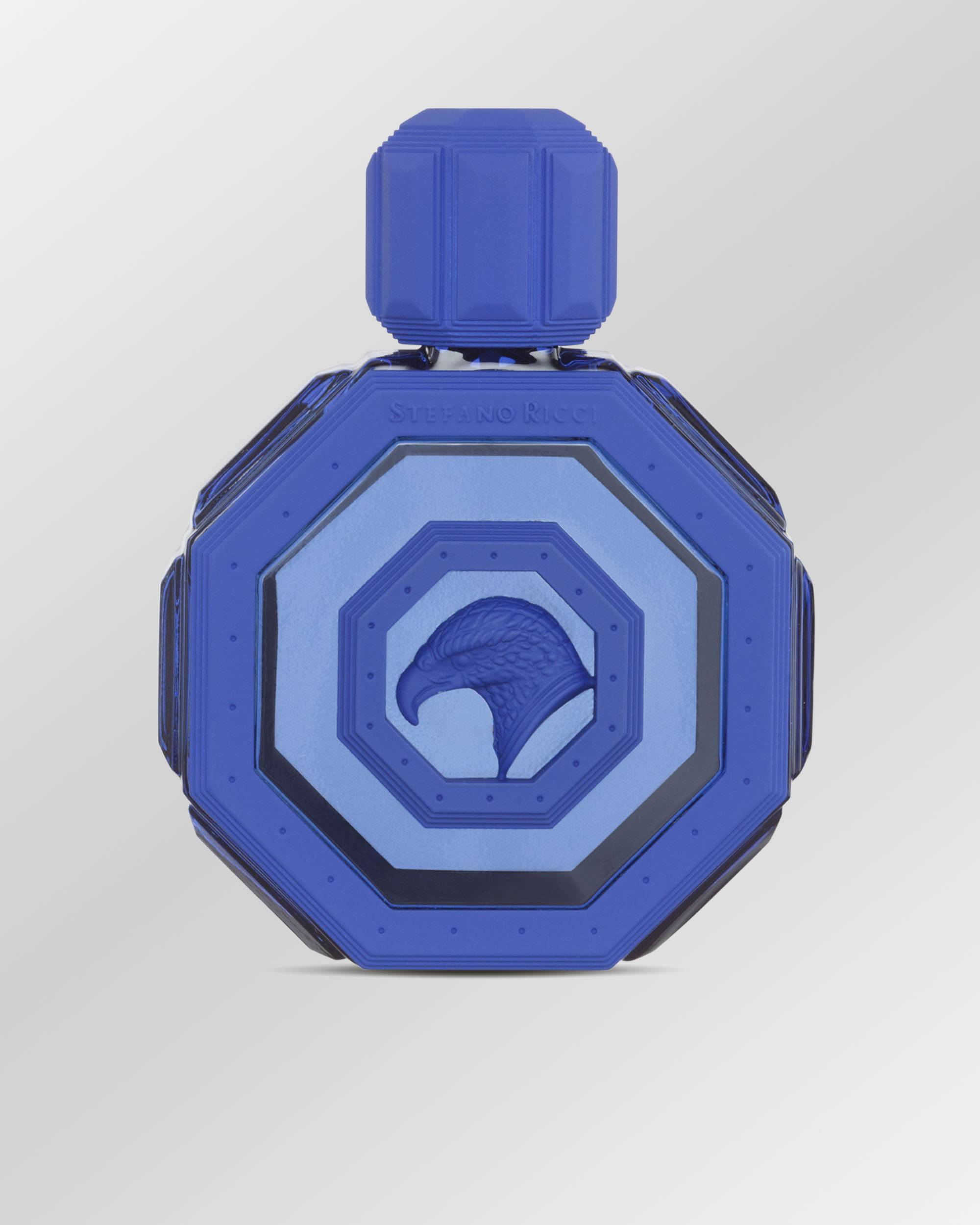
The eagle is the emblem of Stefano Ricci, an emblematic trait found across its merchandise. The motif even extends to the boutiques, where store mannequins display bronze eagle heads. If you spot that eagle, you are looking at one of the brand's defining identity cues.
Where are Stefano Ricci products made?+
Every Stefano Ricci product is manufactured 100% in Italy, covering design, manufacture and finishing. The brand even owns the historic Antico Setificio Fiorentino silk-weaving mill in Florence's Oltrarno area, and runs its own internal goldsmith and silversmith workshop. That vertical control is a big part of why the quality is so consistent.
What does the Stefano Ricci range cover beyond ties?+
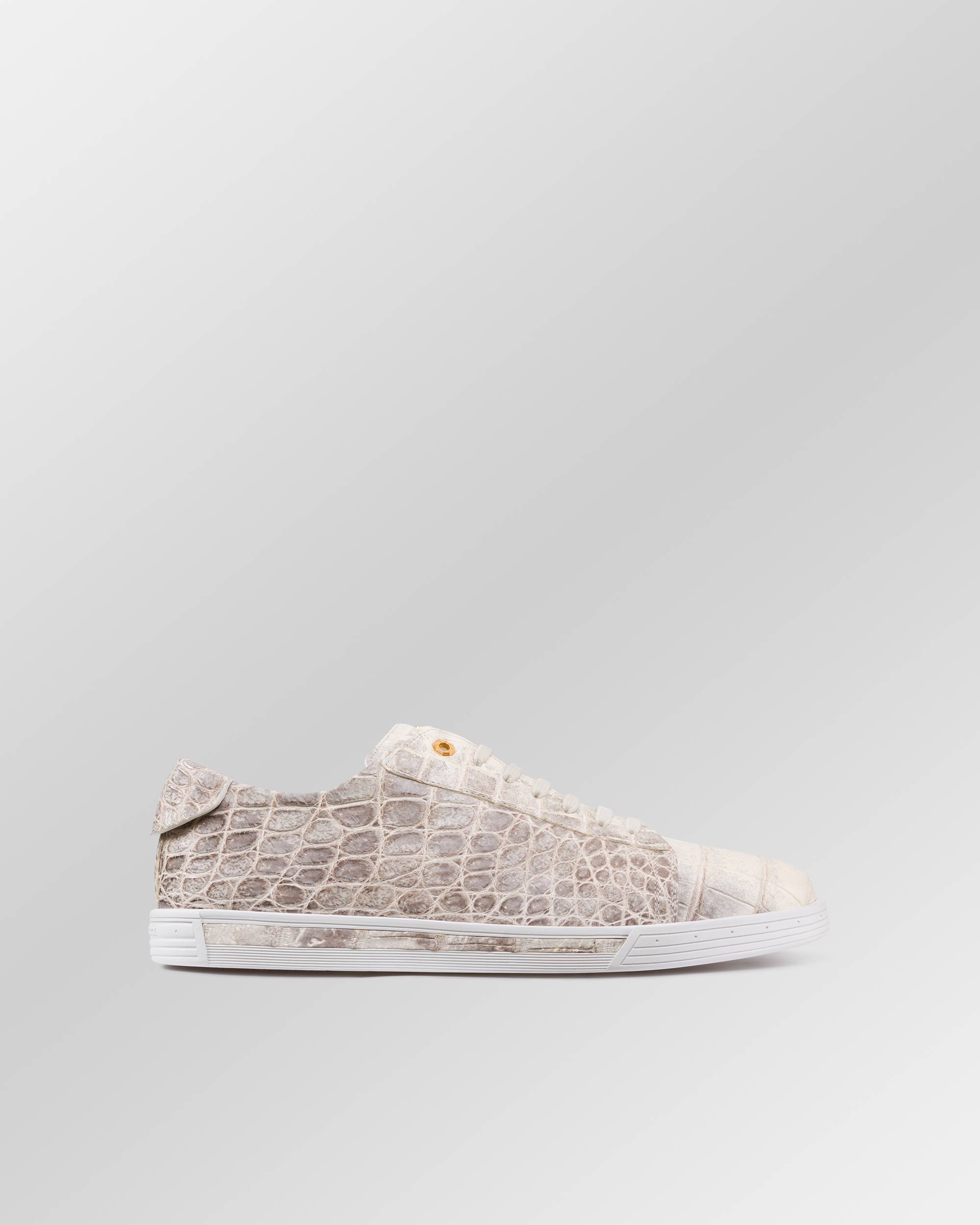
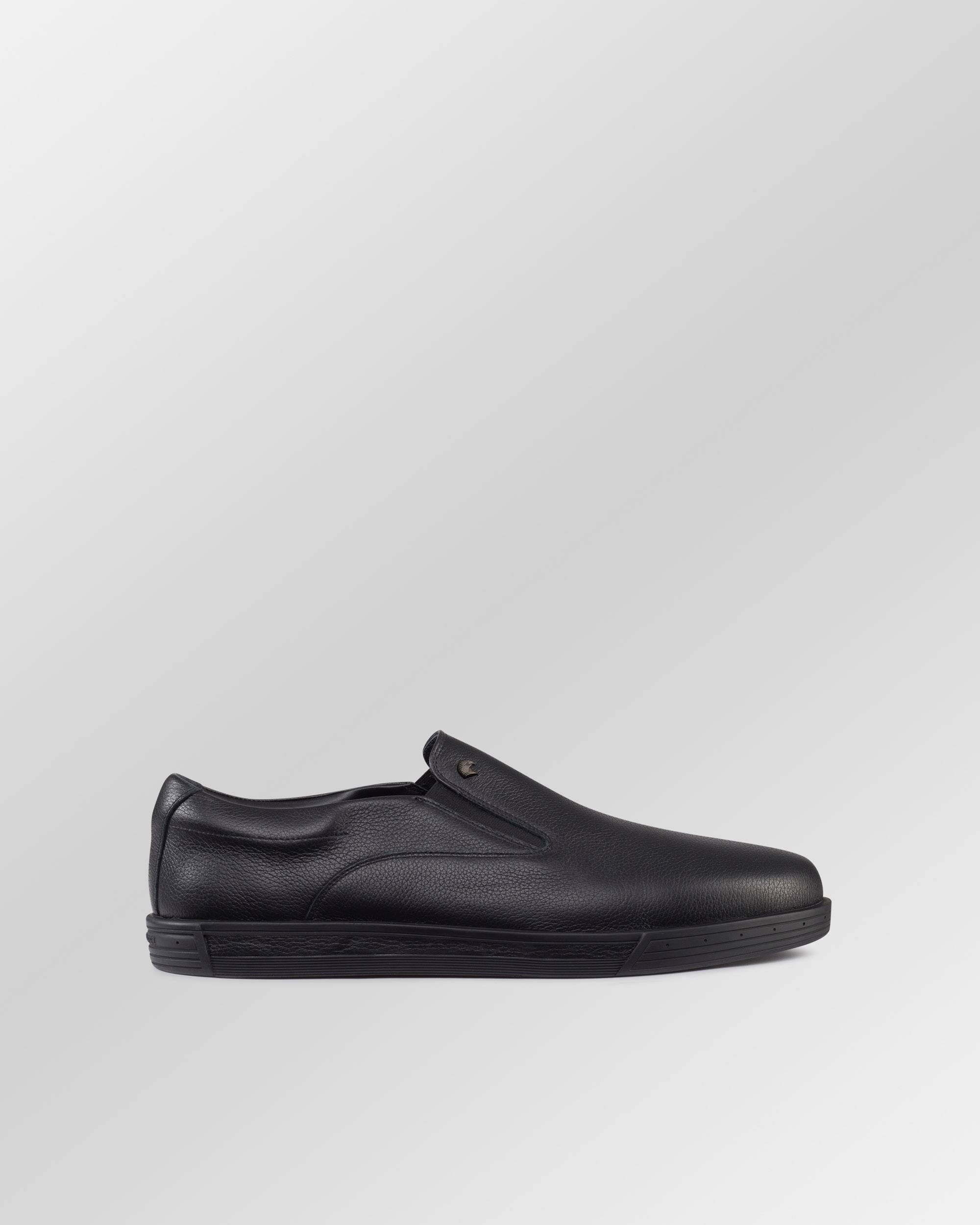
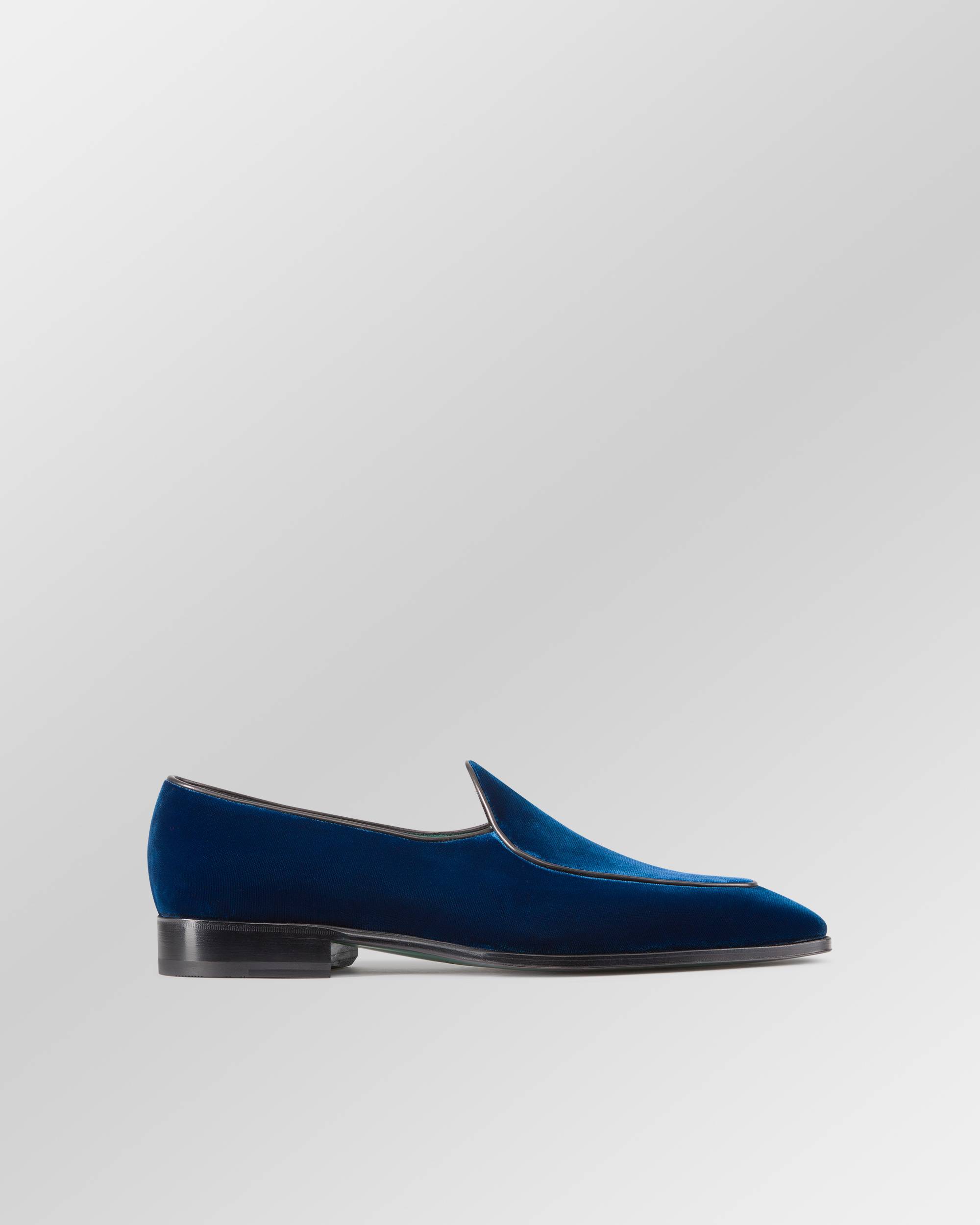
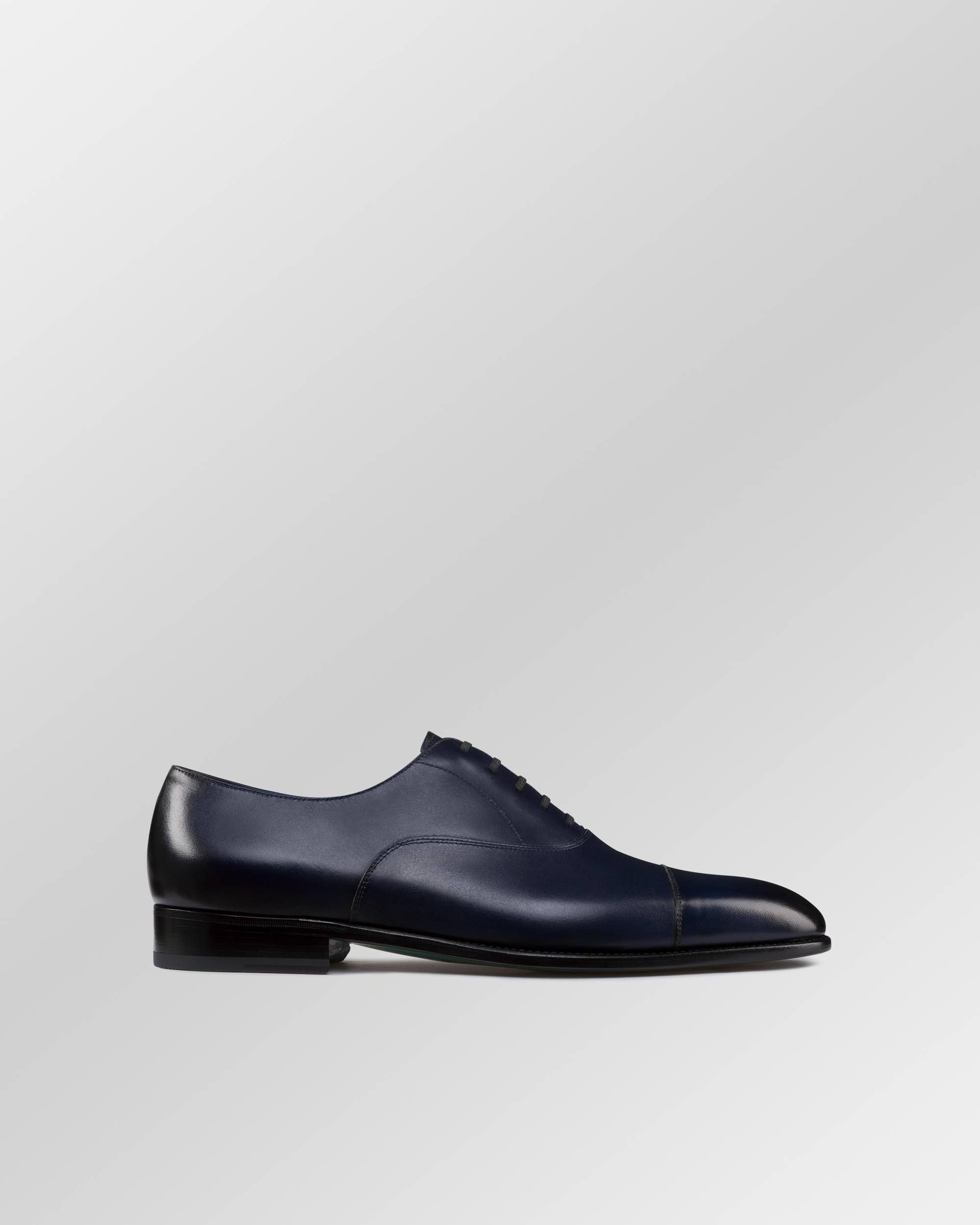
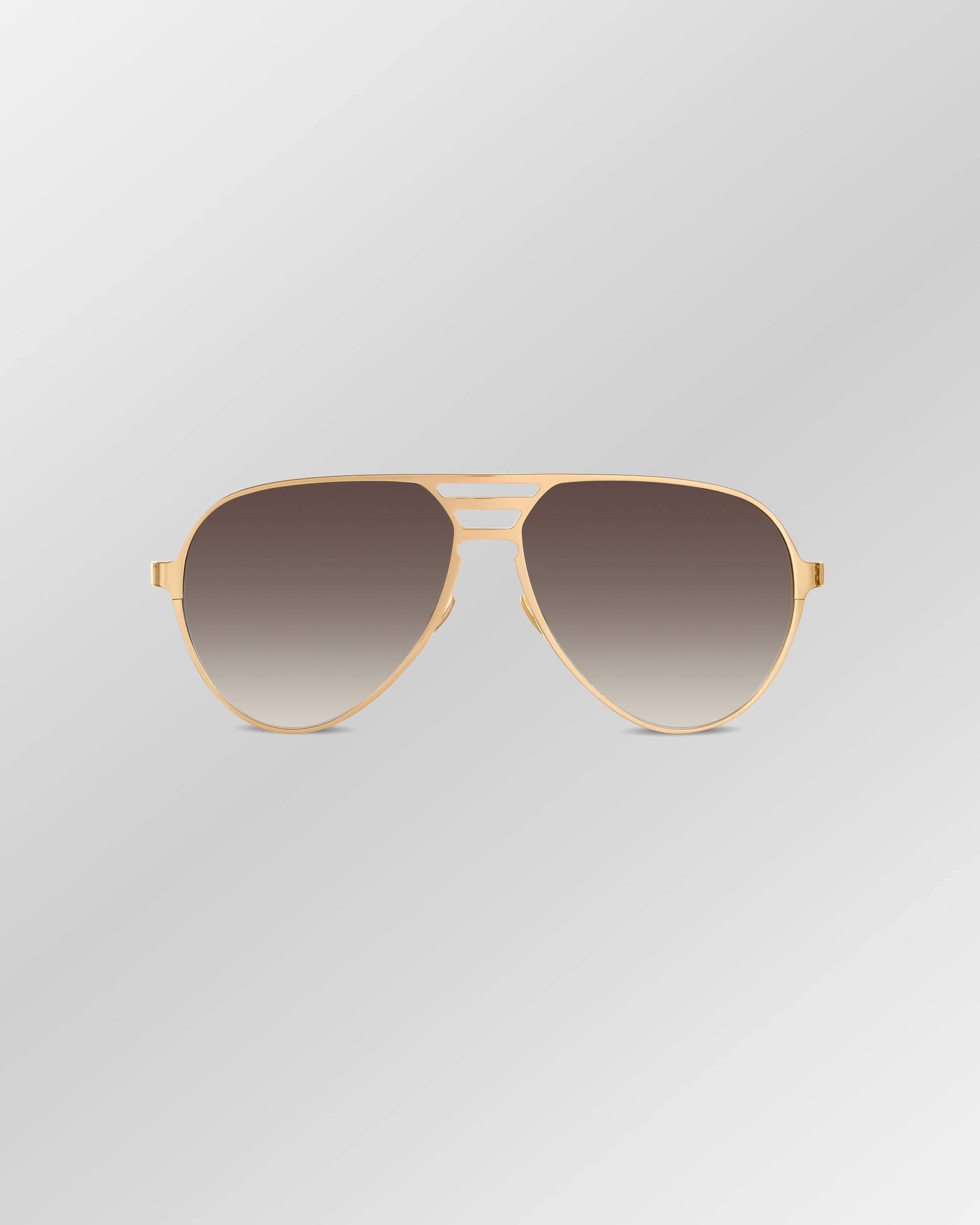
Far more than menswear. The company produces dress shirts, suits, casualwear, sportswear, outerwear, footwear, leather goods, eyewear, cufflinks and fragrances, plus a junior line called SR Junior and homeware under SR HOME. It even extends into wine, tableware, crystalware, fine linens and furniture, alongside bespoke and interior design services for yachts and residences.
Does Stefano Ricci have a notable heritage moment worth knowing?+
Several. The house remains the first and only brand to have staged a fashion show inside the Uffizi Galleries, held in 2012 for its 40th anniversary. For its 50th in 2022 it celebrated with a show at the Temple of Hatshepsut in Luxor, the first time Egypt authorised a fashion event at its temples, with Andrea Bocelli opening the evening.
How widely available is Stefano Ricci?+
The brand sells through its own monobrand boutiques, with 78 worldwide. Its first boutique opened in Shanghai in 1993, followed by flagships including Beverly Hills, New York, Florence, Milan, London and more. The boutiques themselves are part of the experience, finished in hand-worked materials such as briar-root wood, Tuscan travertine and crocodile leather.