 TOMS
TOMS
$15
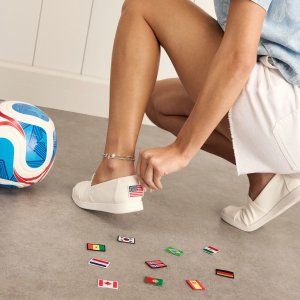
TOMS World Flag Patches
- TOMS World Cup Customizable Team Shoe Patches, now $15.
- Free domestic shipping in the US on orders over $45.
The alpargata that built a movement — a Los Angeles shoe brand that made giving part of the business model.
Live sales that include TOMS, across the retailers we track — tap any to open it on the store, pinned to the top.
TOMS
Real verified markdowns across TOMS — filter by category, retailer & price. Heart anything to track its price.
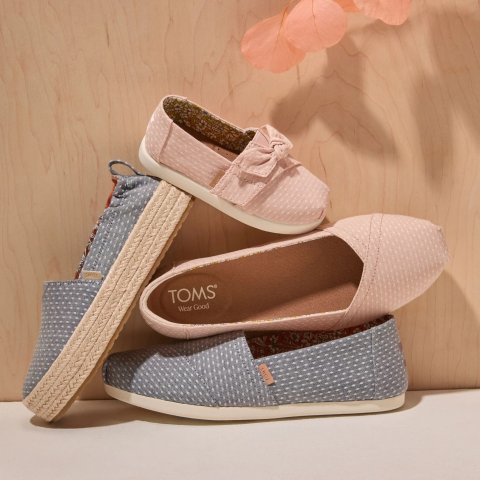
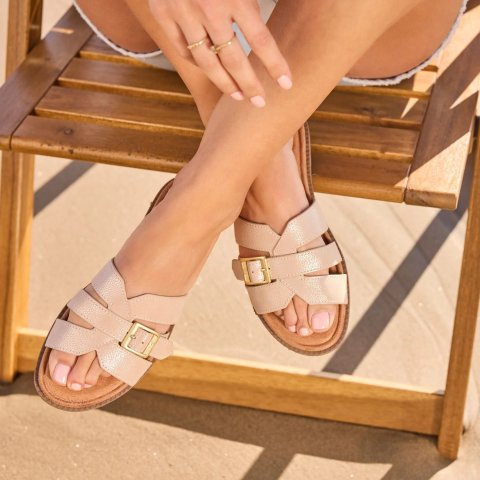
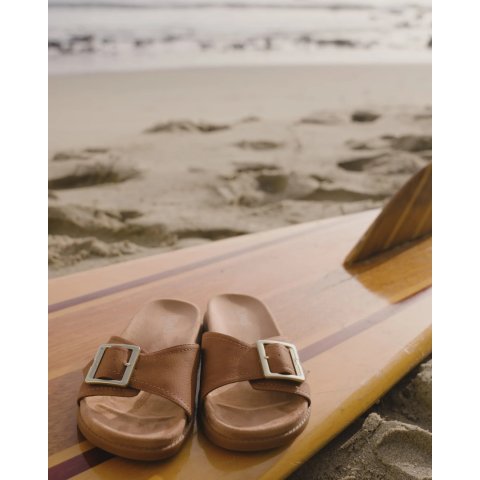
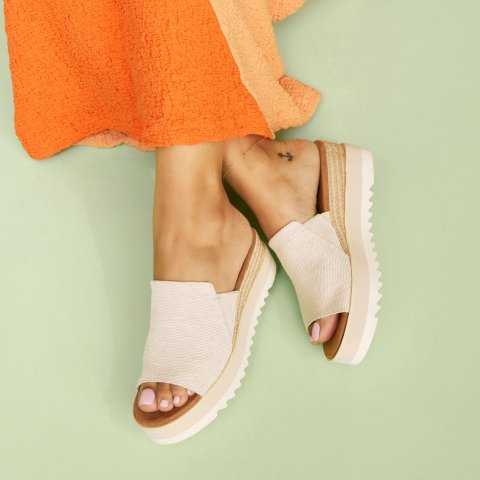
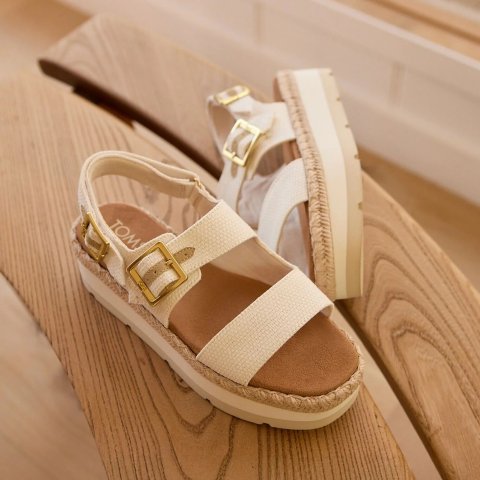
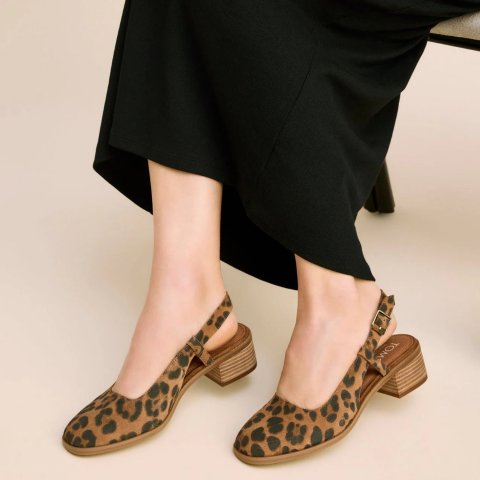
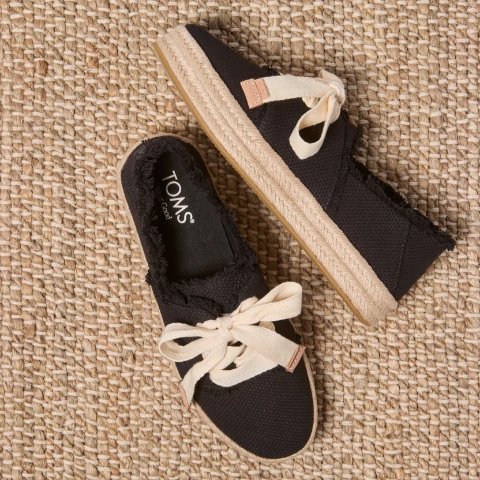
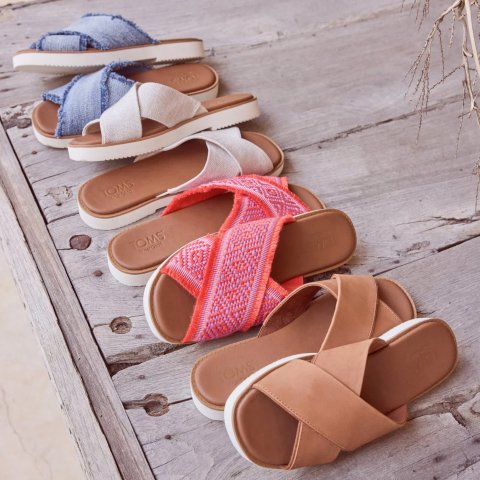
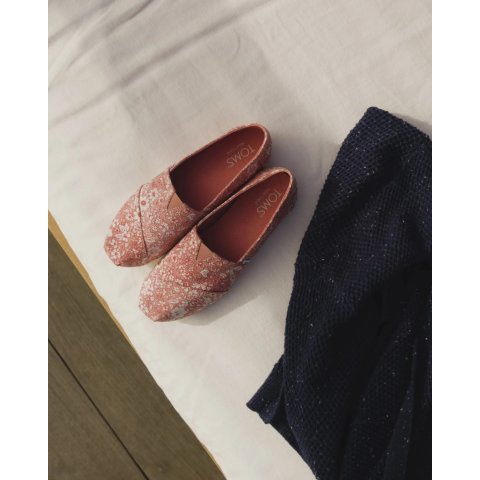
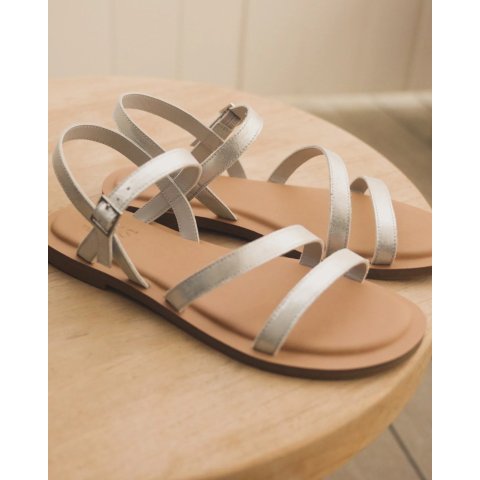
The idea came from a 2006 trip to Argentina, where Mycoskie met a woman delivering shoes to children; he adapted the local alpargata for North America and built the company around its trademarked "One for One" model — a free pair given for every pair sold. Sales began in May 2006, 10,000 pairs sold in the first year, and the brand later expanded into eyewear, coffee, apparel and handbags.
TOMS retired the strict One for One model in 2019, shifting toward impact grants for pressing causes. That December the company was taken over by its creditors — Jefferies, Nexus Capital Management and Brookfield — and Mycoskie ceased to be an owner.
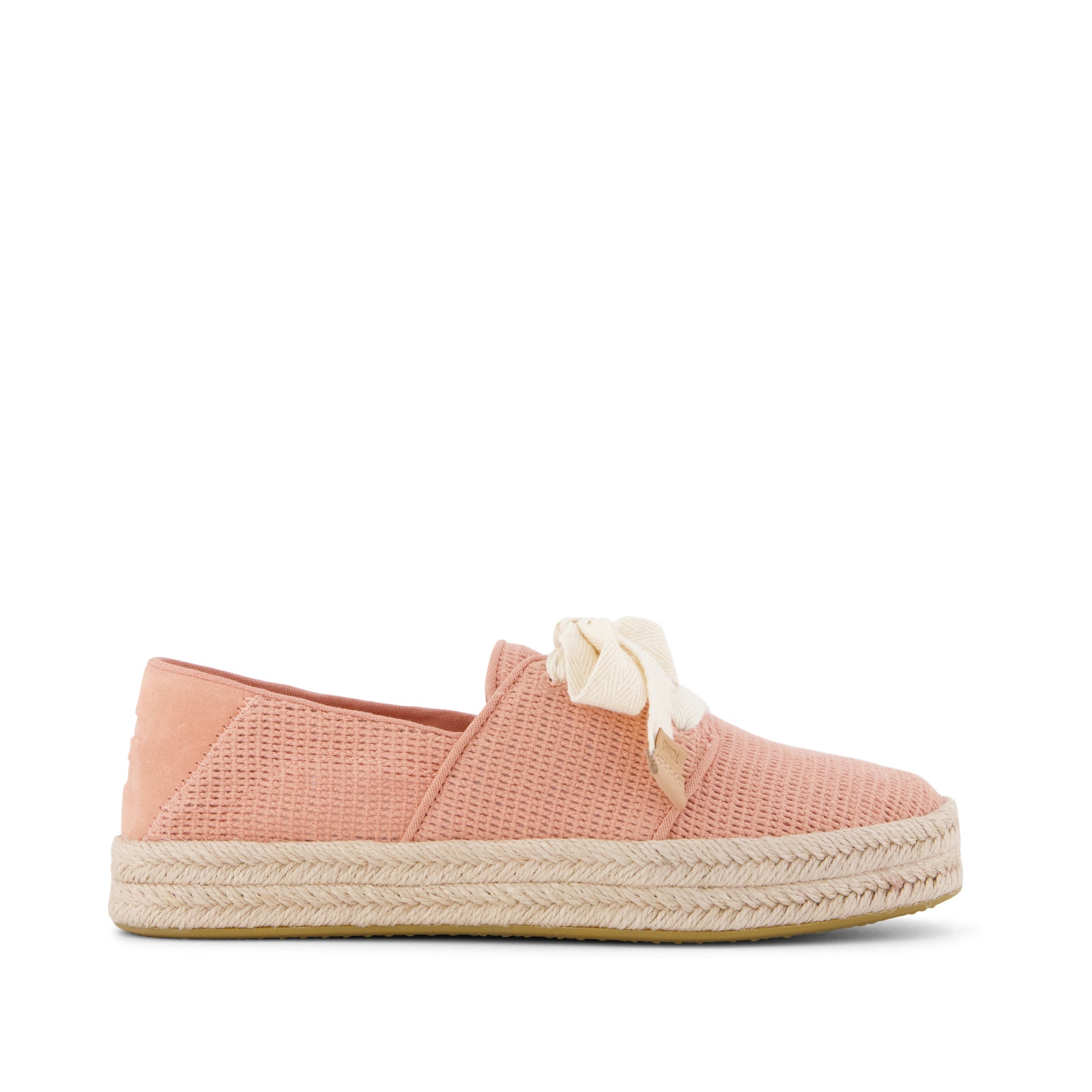
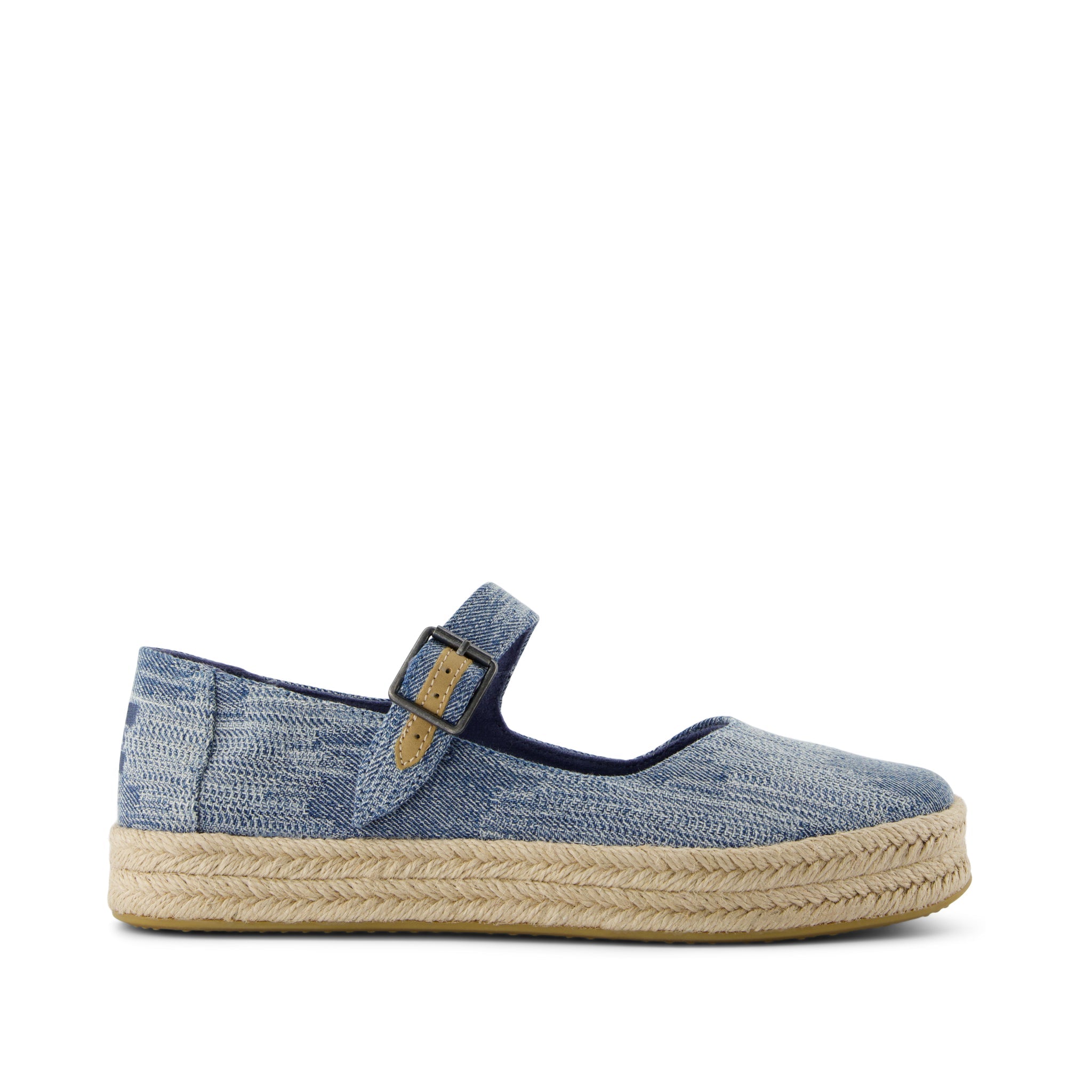
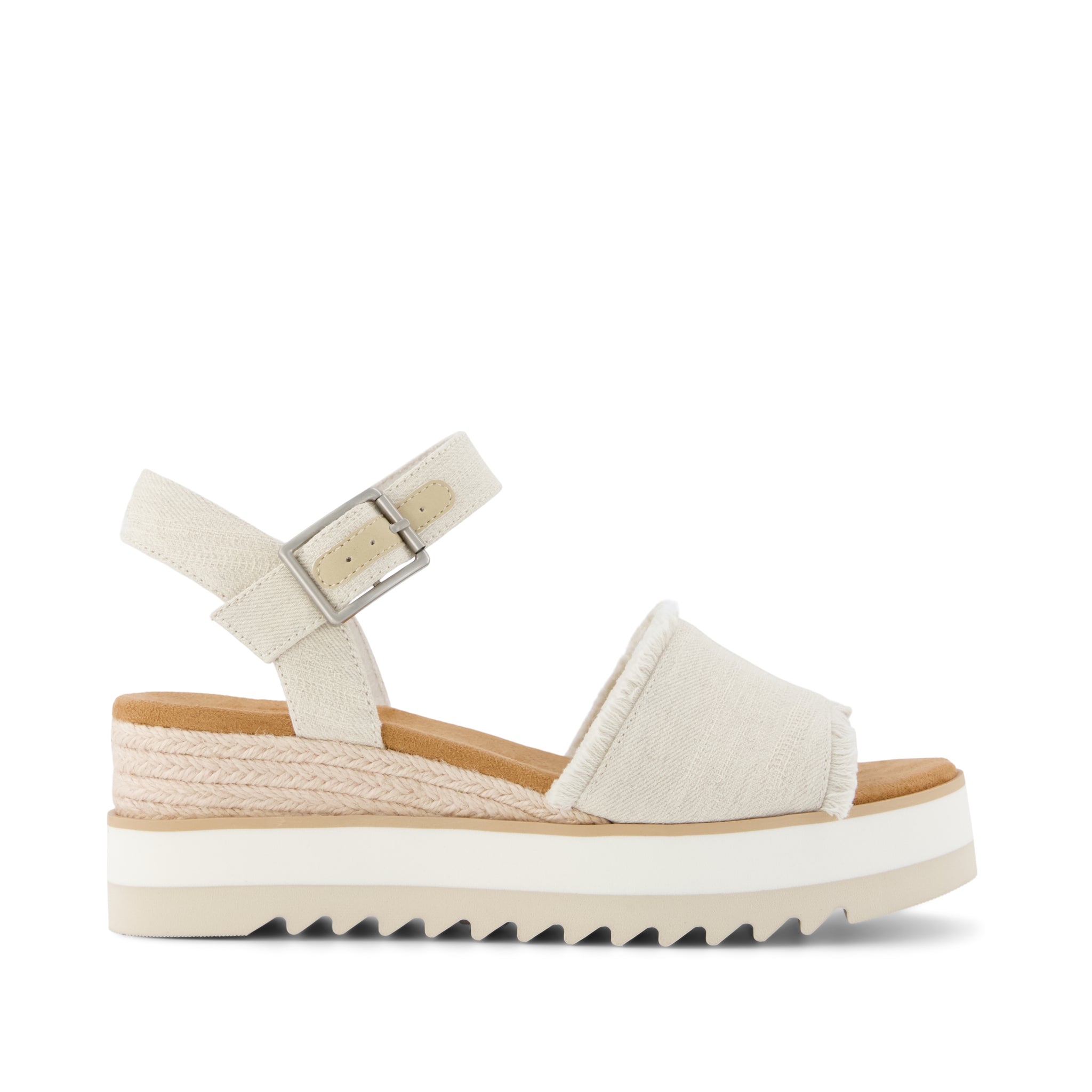
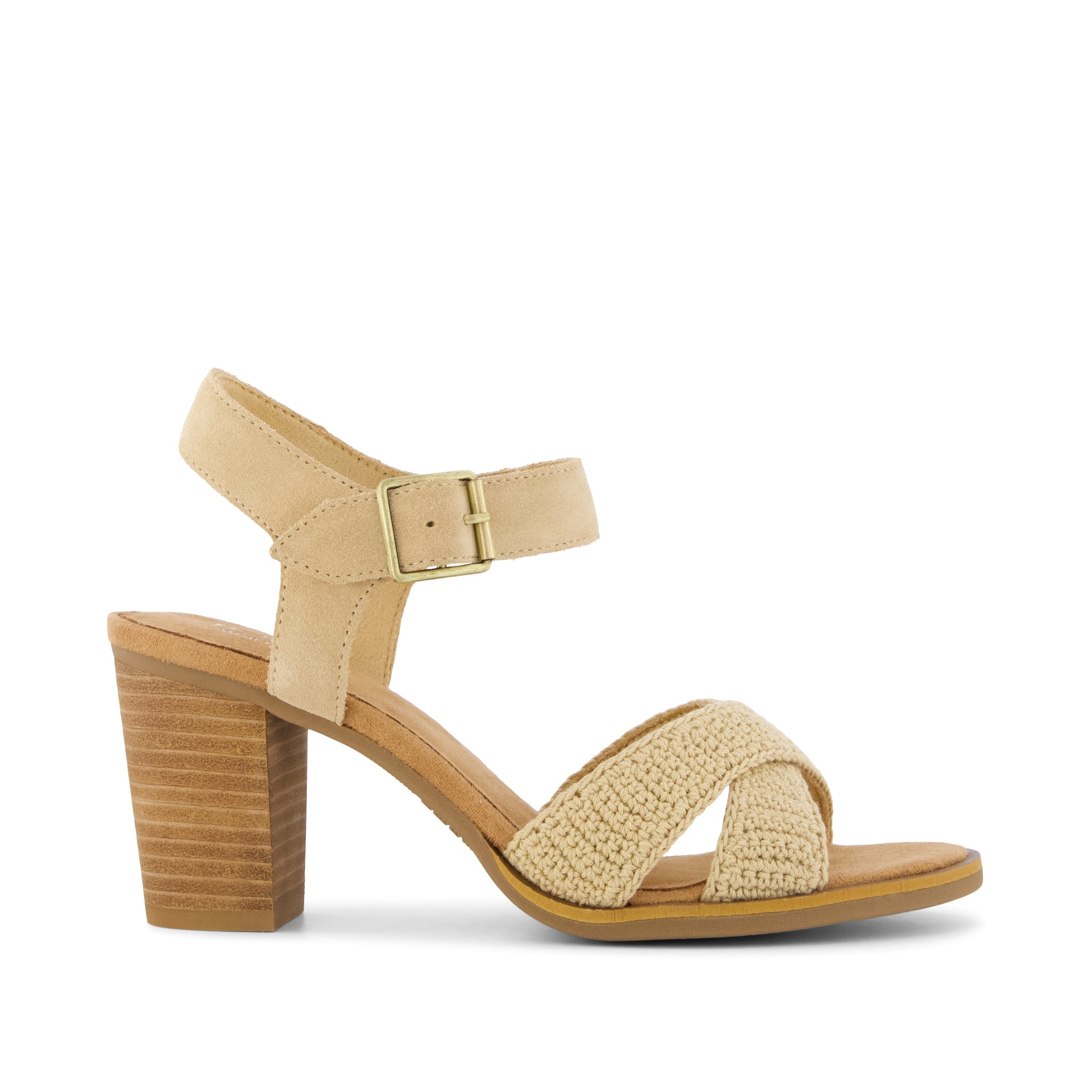
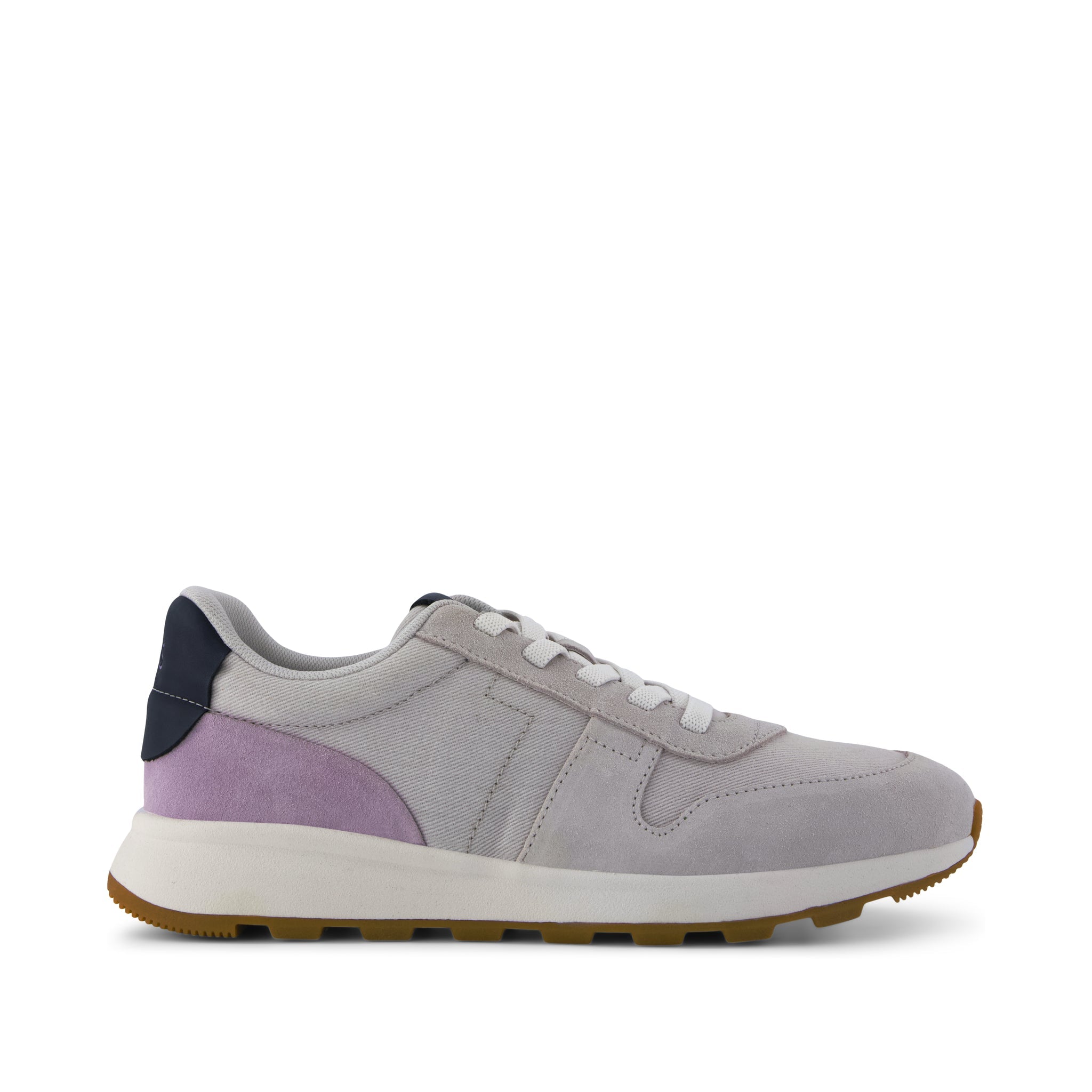
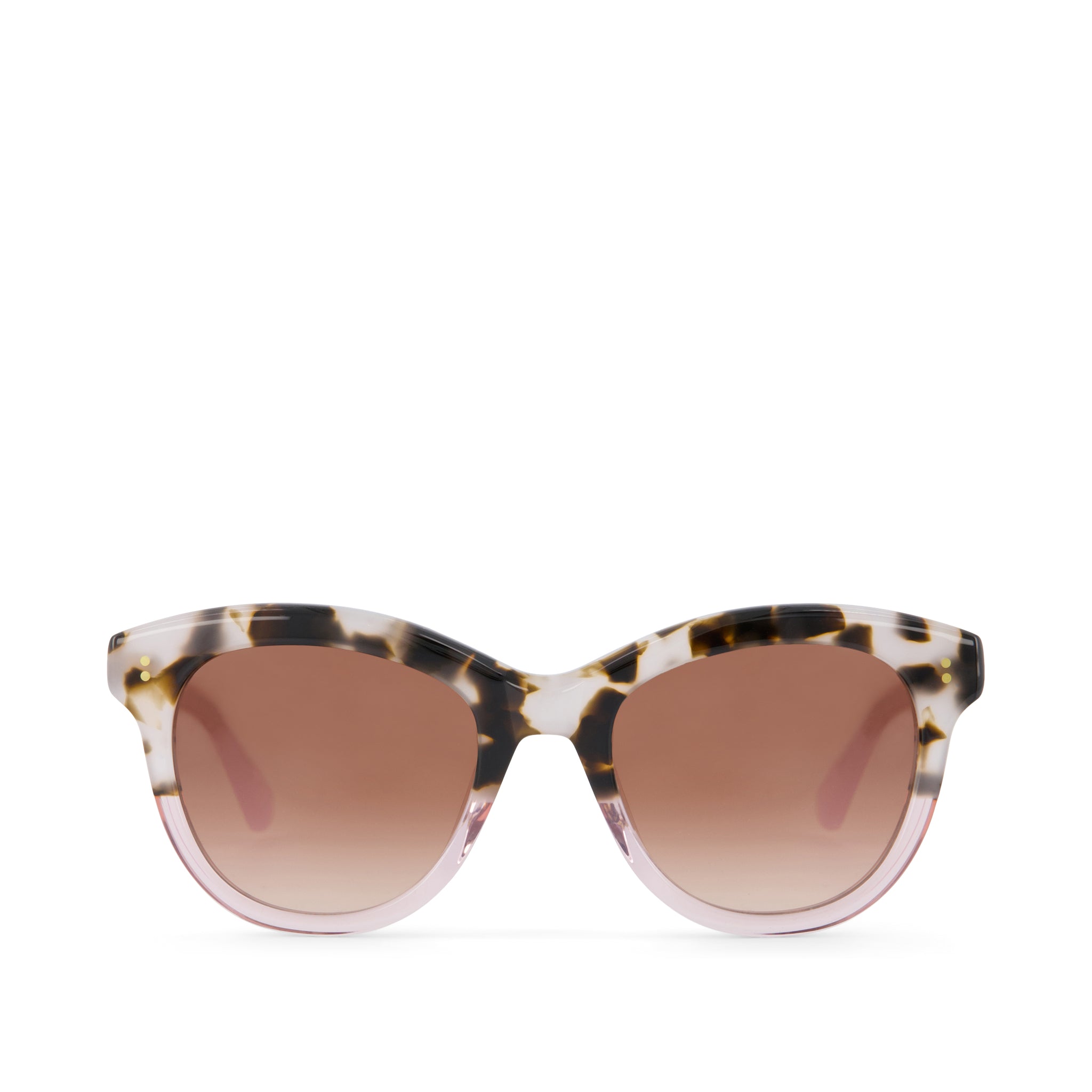
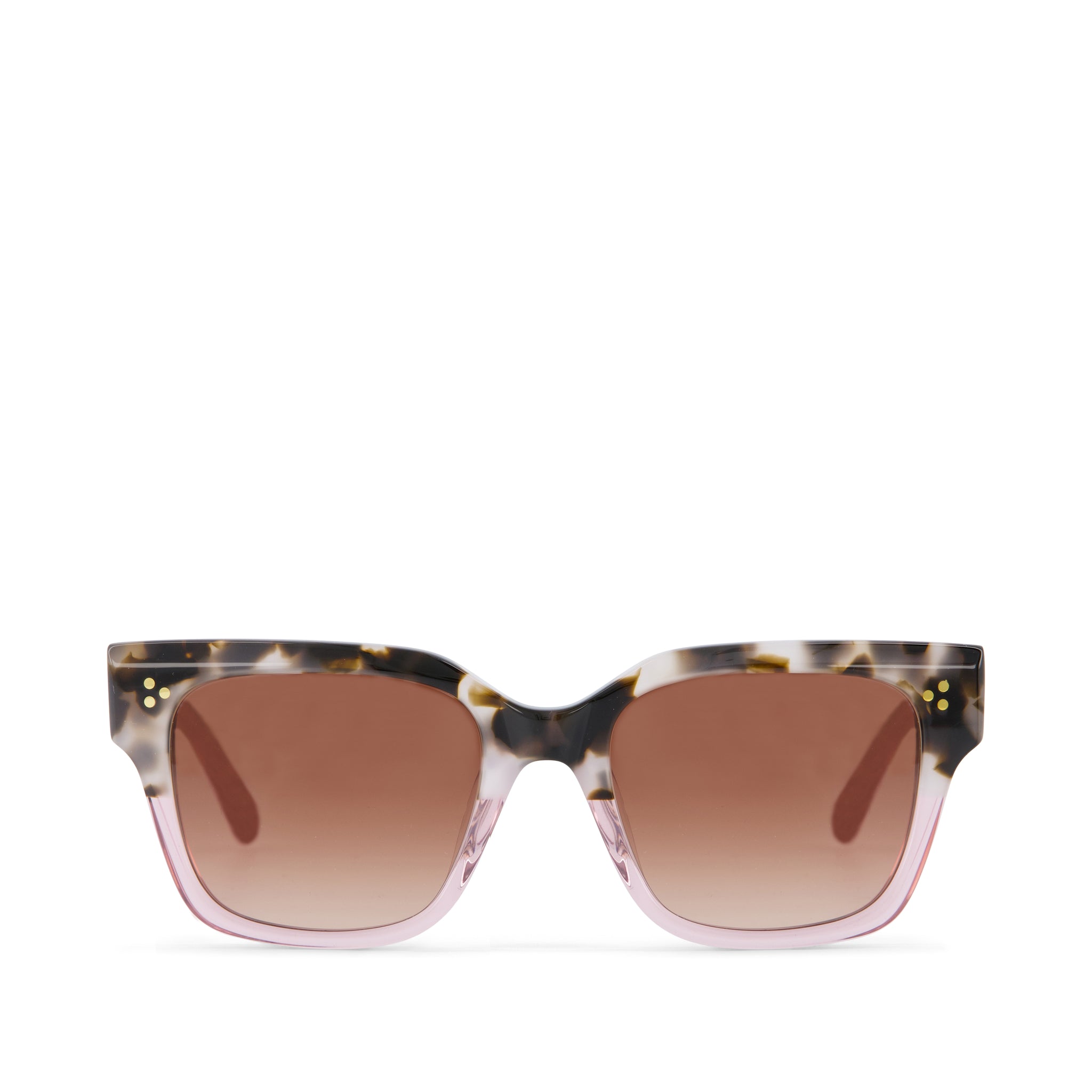
Tap any category to shop every TOMS deal in it.
Same authentic TOMS, different prices & codes. We watch all of them so you don't have to tab-hop.
Store codes that stack on TOMS orders — re-tested in the last few hours. Tap to reveal, copy without leaving the page.
Same quiet-luxury, craft-first sensibility — follow any to widen your alerts.
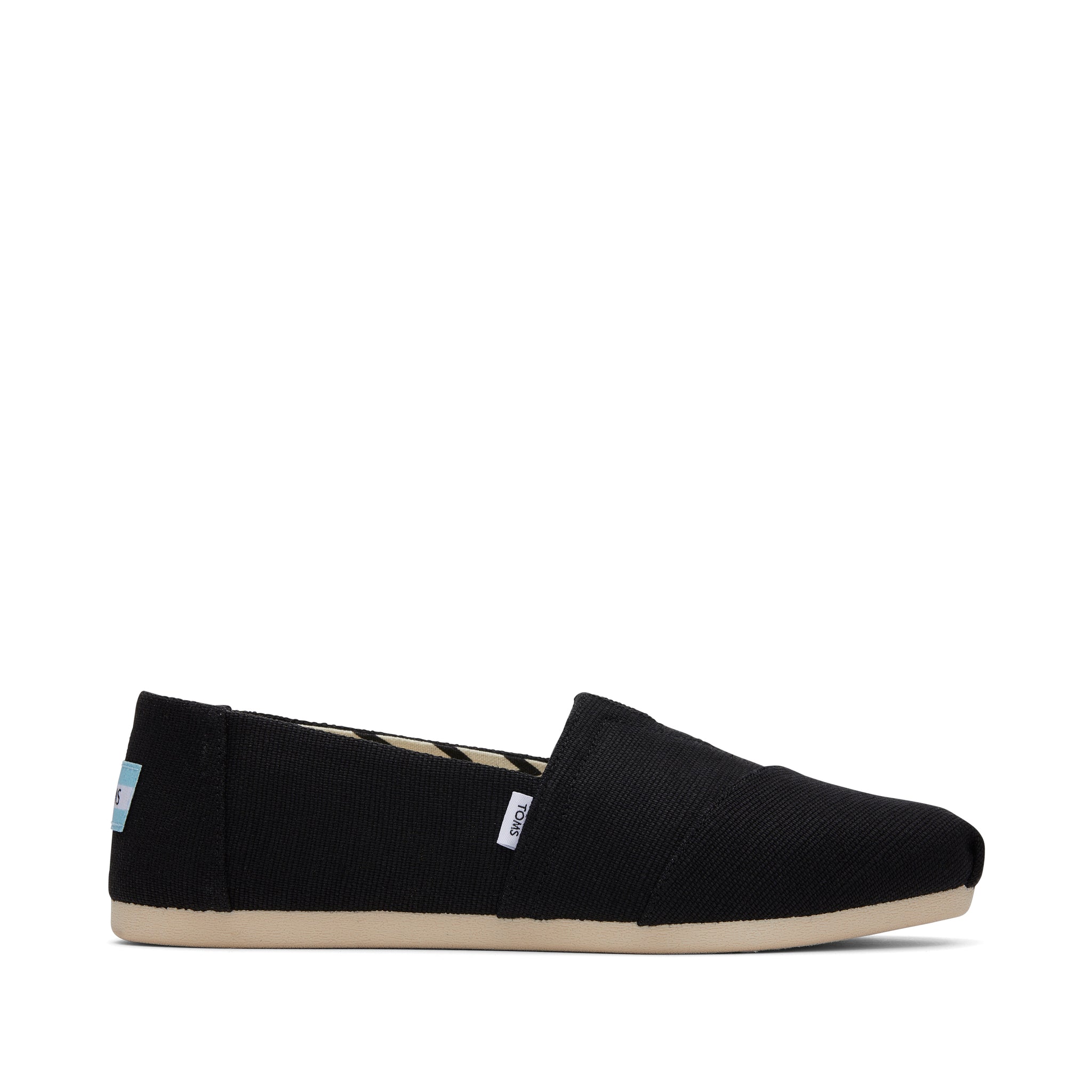
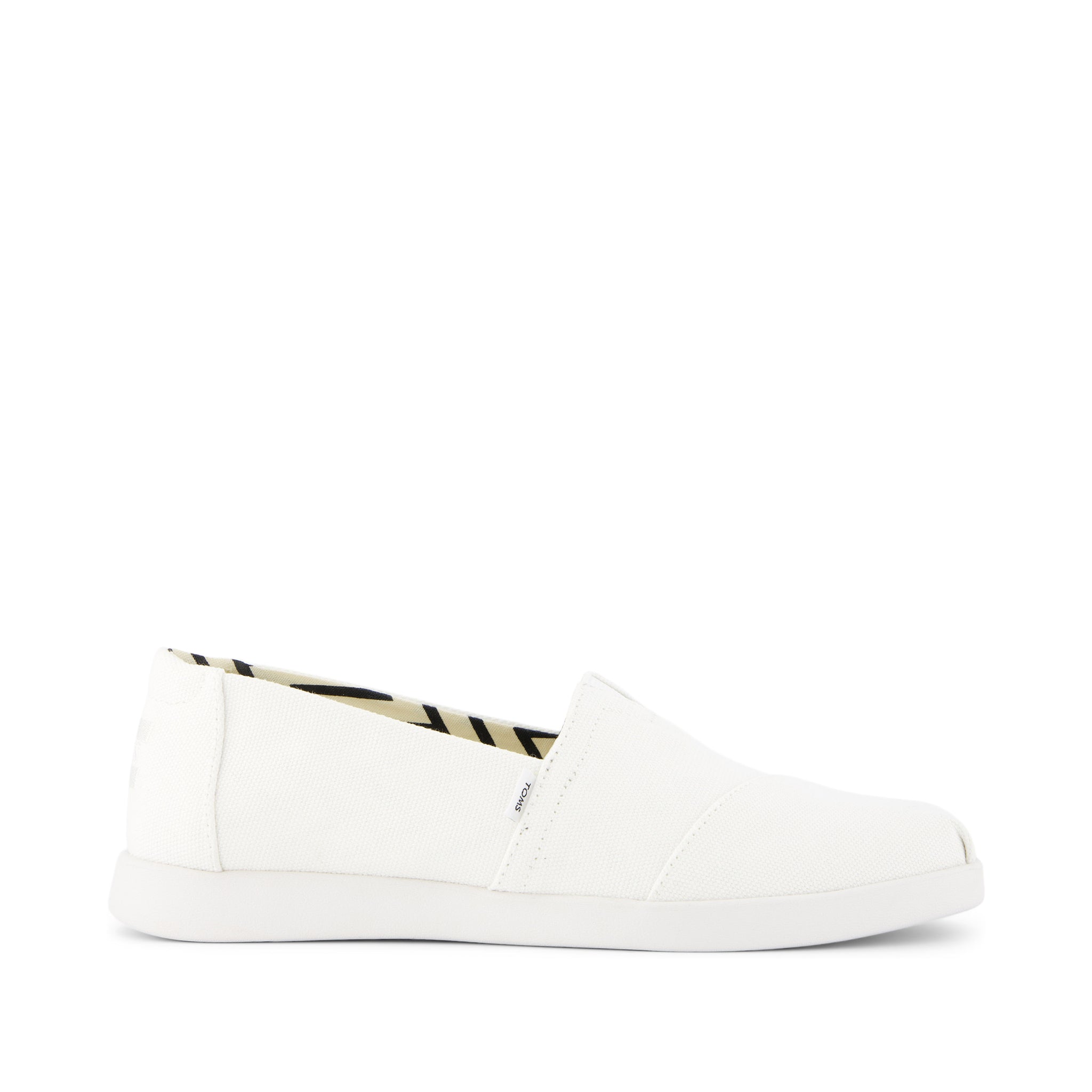
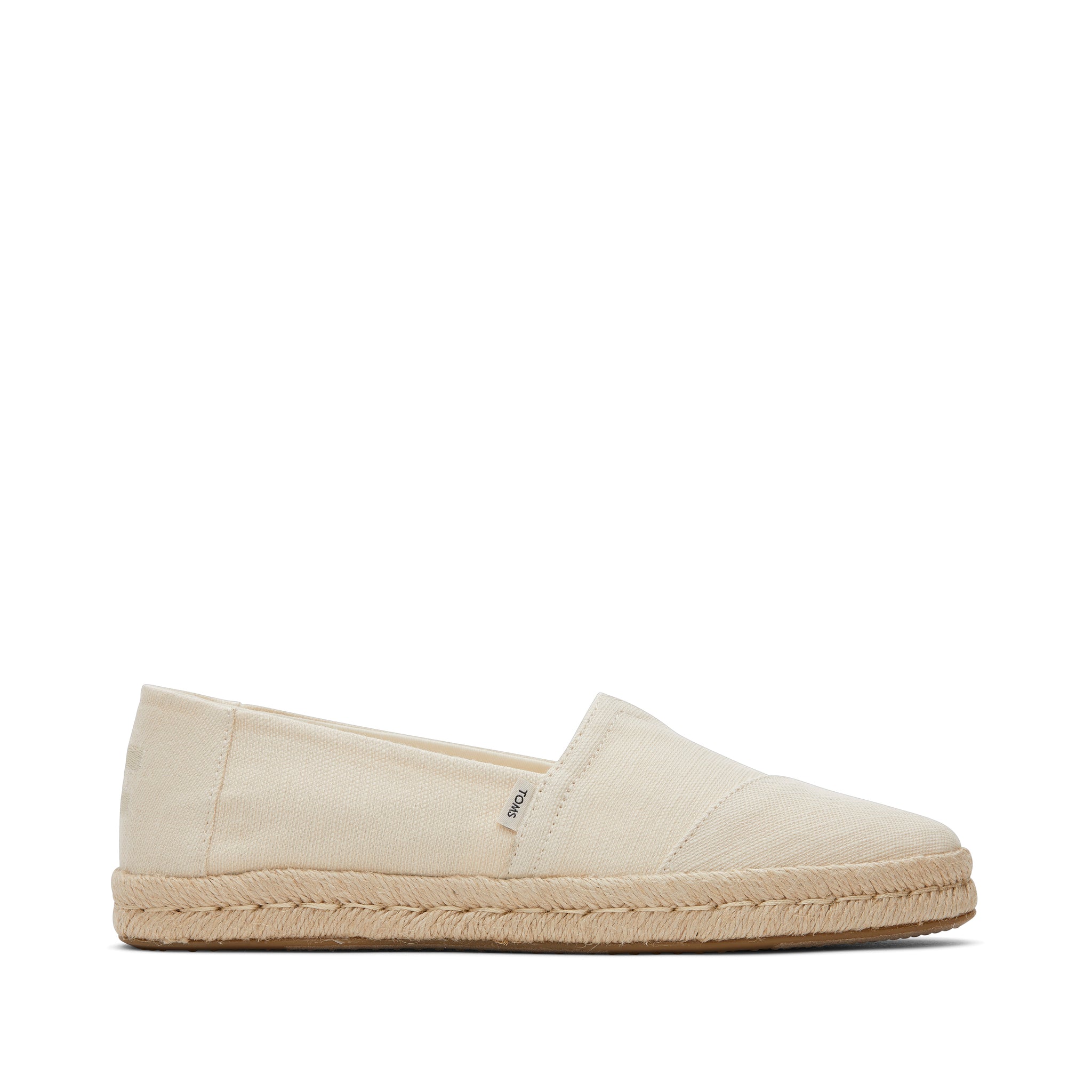
The TOMS Alpargata is a simple canvas slip-on adapted from the Argentine espadrille, and it shines as a light, easy, broken-in casual shoe rather than a support-heavy one. Plenty of wearers love how soft and effortless it feels day to day. It is worth it if you want a relaxed, lived-in slip-on for warm weather and short days on your feet; if you need real cushioning or arch support for long miles, the thin sole is its honest limitation.
Not anymore. One for One was TOMS' founding model, a promise to deliver a free pair of shoes to a child in need for every pair sold, a phrase the company even trademarked. In 2019 TOMS announced it would move away from One for One and instead expand its giving to include impact grants, so today the brand still gives, but no longer one-pair-for-one-pair.
TOMS are sold at more than 500 stores internationally, including Neiman Marcus, Nordstrom and Whole Foods Market, alongside the brand's own site. On the manufacturing side, TOMS presently makes shoes in Kenya, India, Ethiopia and Haiti, having moved a chunk of its supply chain to countries where it actively gives. So you have plenty of mainstream stockists, with production spread across those four countries.
The alpargata is a simple canvas slip-on that is popular in Argentina, and it is the shoe TOMS was built around. Founder Blake Mycoskie decided to develop a version of it for the North American market after a 2006 trip to Argentina where he met a woman volunteering to deliver shoes to children. That canvas slip-on, light and unstructured, has stayed the brand's defining product ever since.
No, it is not a man named Tom. The name is derived from the word tomorrow and evolved from the original concept, the Shoes for Tomorrow Project. That tomorrow-focused idea ran through the early business, which set out to give a new pair of shoes to children in Argentina and other developing nations for every pair sold.
TOMS was founded in 2006 by Blake Mycoskie, an entrepreneur from Arlington, Texas, and the company is based in Los Angeles, California. The idea came after Mycoskie visited Argentina, encountered many shoeless children, and decided to build a business that paired sales with giving. He financed it by selling an online driver-education company he had been running for $500,000.
No, Mycoskie is no longer an owner. In December 2019 the company was taken over by its creditors, Jefferies Financial Group, Nexus Capital Management and Brookfield Asset Management, and founder Mycoskie ceased to be an owner at that point. Earlier, in 2014, Bain Capital had acquired 50 percent of TOMS in a deal that valued the company at $625 million, with Mycoskie keeping the other half before the later creditor takeover.
It has grown well beyond footwear. TOMS designs and markets shoes plus eyewear, coffee, apparel and handbags. The eyewear line launched in 2011, TOMS Roasting Co. coffee arrived in 2014 with each purchase tied to providing safe water, and the TOMS Bag Collection launched in 2015 to support maternal health. So the brand now spans several categories beyond its canvas slip-ons.
TOMS lean softer and more relaxed than a structured skate-style slip-on, with a flexible canvas upper and a thin, easygoing sole built for comfort rather than grip or durability. Their appeal is the lightweight, barely-there feel and the brand's giving heritage. If you want a structured footbed and a tougher build for heavy wear, a sturdier canvas sneaker may serve you better; if you want the lightest, most laid-back slip-on, TOMS is squarely in that lane.
TOMS has faced criticism from parts of the international development community, who argued the One for One model was designed to make consumers feel good rather than address the underlying causes of poverty, and who questioned whether donated shoes help more than a cash donation would. TOMS responded by moving a meaningful share of its donation supply chain into the countries it gives in. It is a fair debate to be aware of, and it is part of why the brand evolved its giving in 2019.