Is a Vacheron Constantin Overseas worth it?+
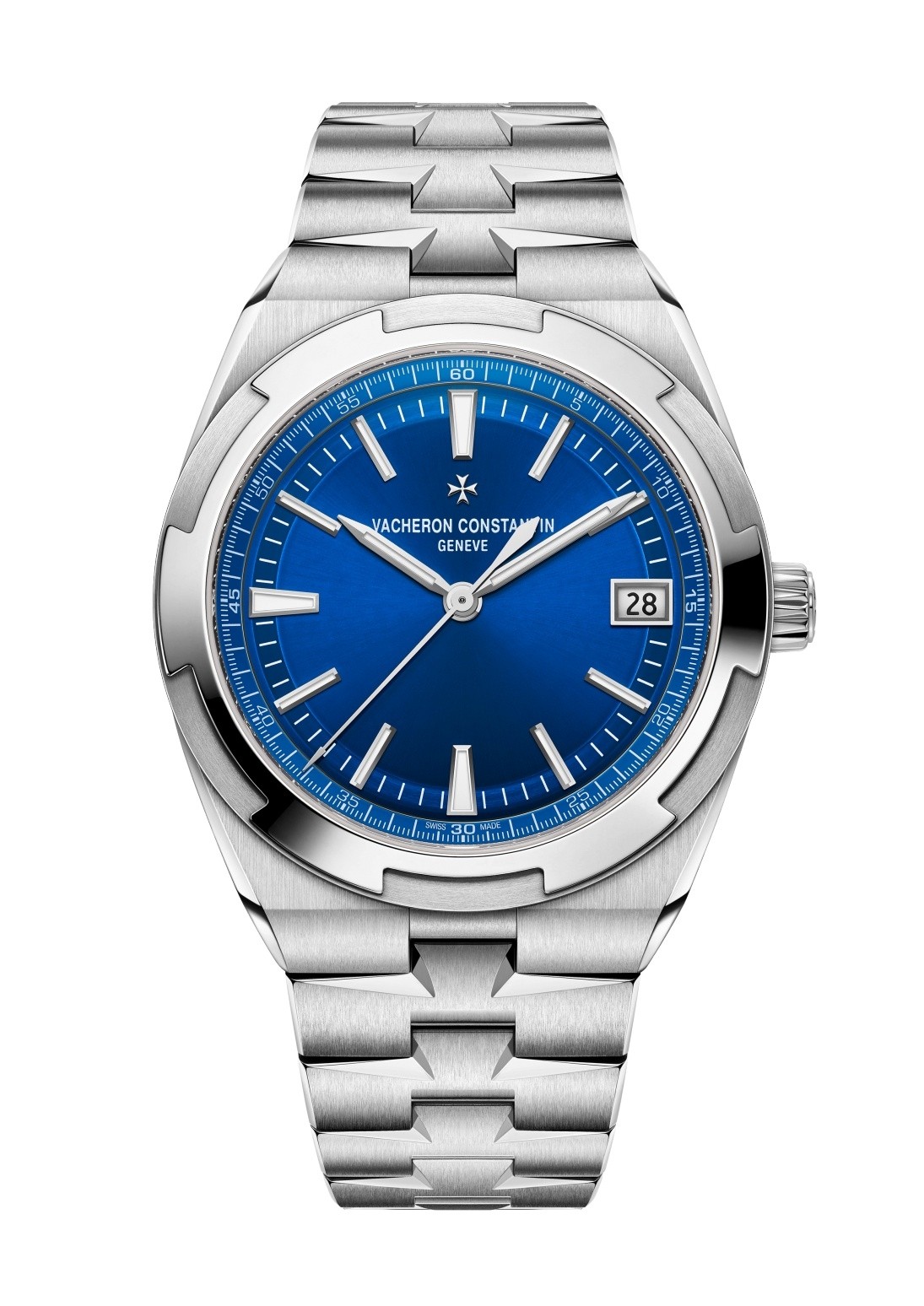
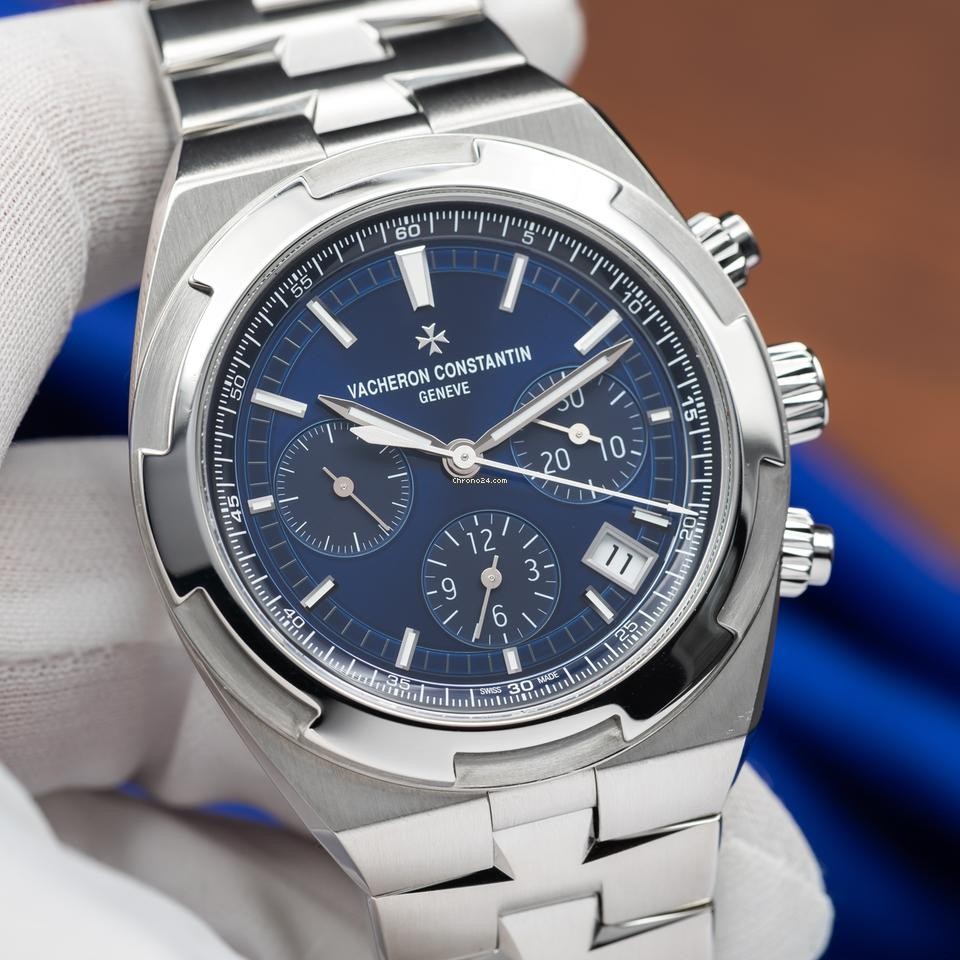
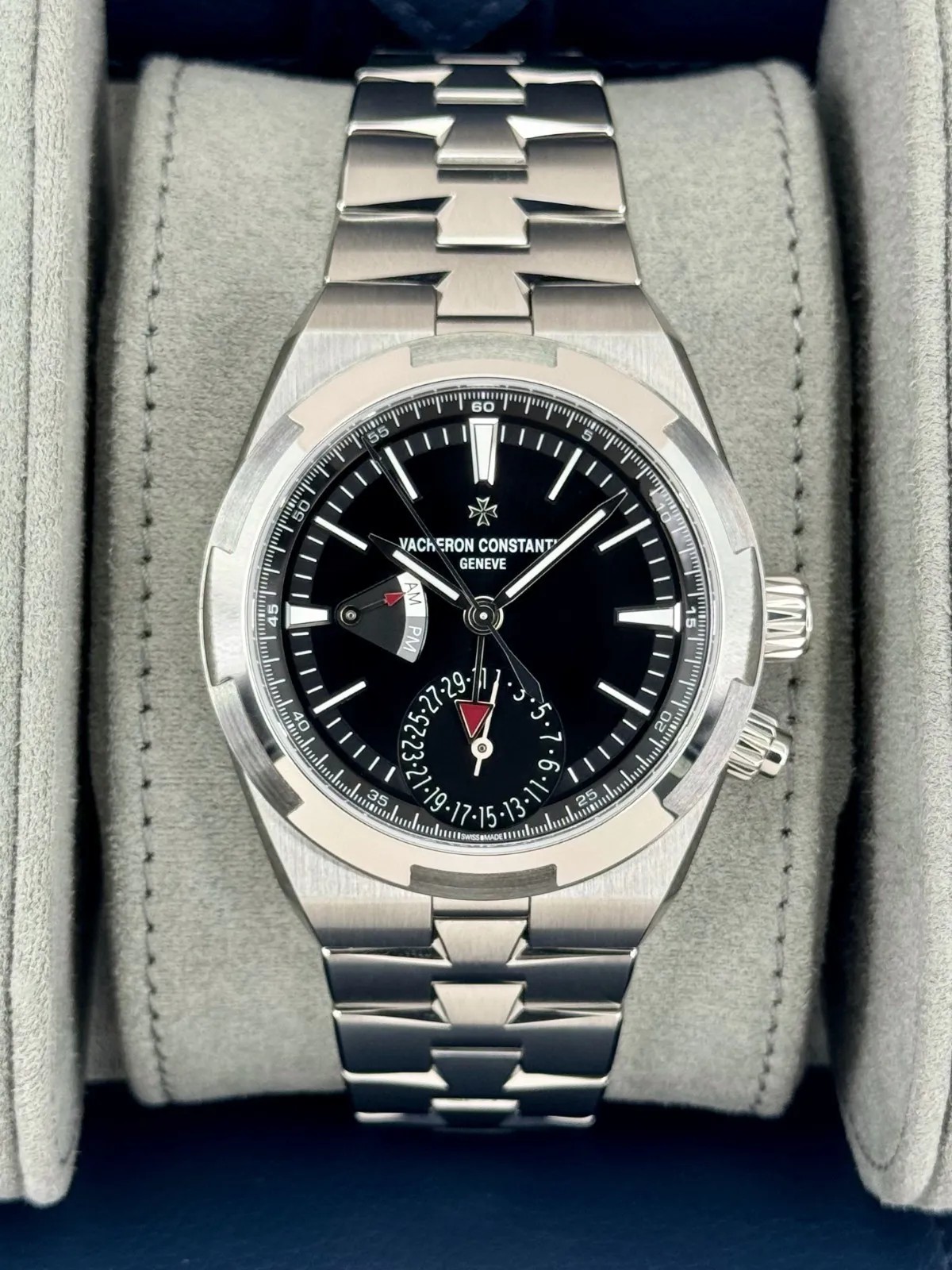
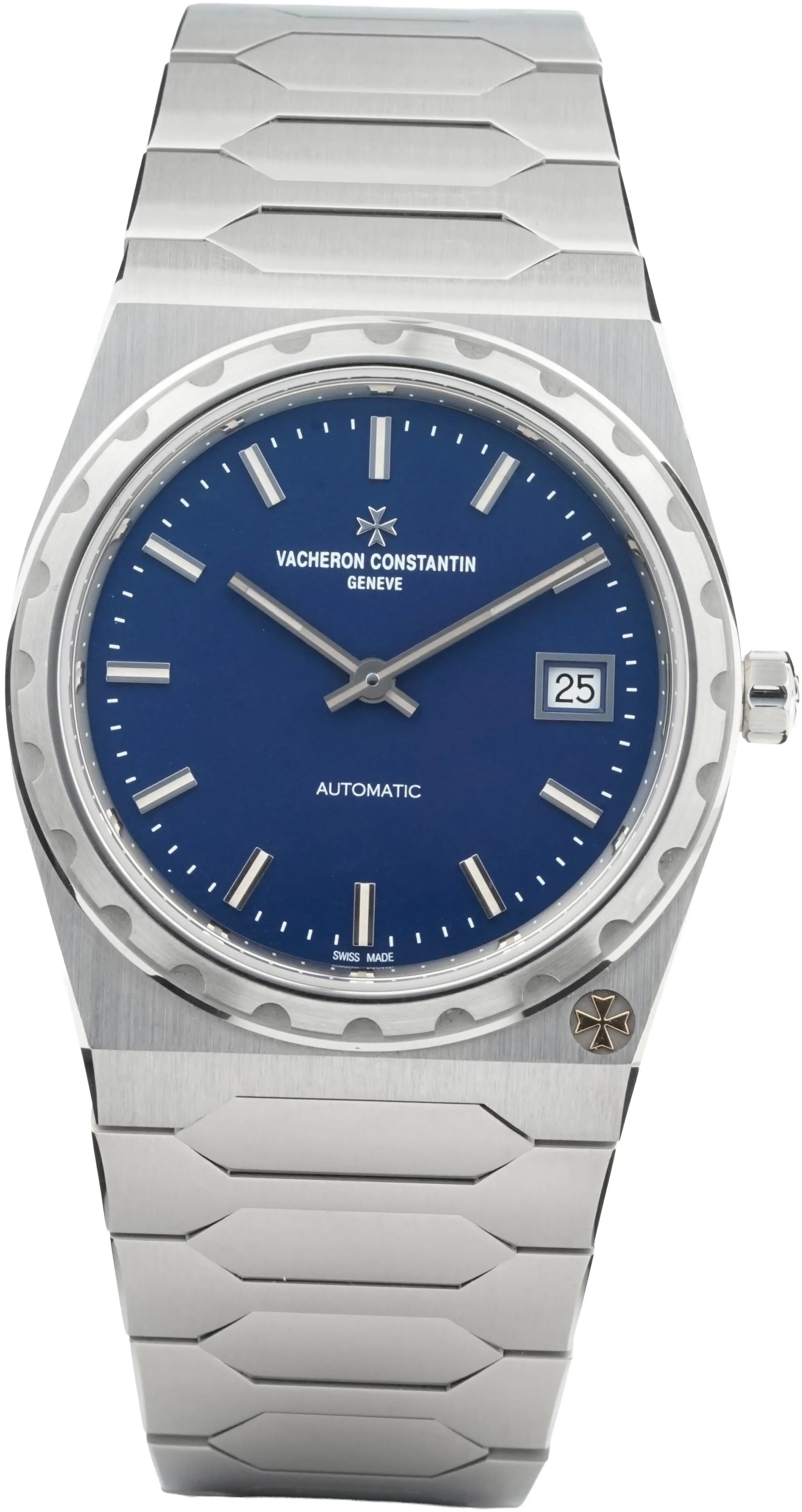
The Overseas is Vacheron Constantin's steel sports watch, and it carries the weight of the world's oldest continuously operating watchmaker, in business without interruption since 1755. Worth, here, is partly about provenance: you are buying into the same house that holds a place in watchmaking's Holy Trinity alongside Patek Philippe and Audemars Piguet. If hand-finishing, depth of history, and a versatile everyday luxury watch matter to you, the Overseas earns its place.
Why is Vacheron Constantin so expensive?+
Vacheron Constantin produces only about 20,000 timepieces a year, all designed and finished in-house in the Canton of Geneva and the Vallée de Joux. Add an uninterrupted history reaching back to 1755 and a reputation built on extreme complications, and scarcity meets prestige. You are paying for a name that has been refining its craft longer than any rival still in operation.
How does Vacheron Constantin compare to Patek Philippe?+
They belong to the same elite circle, the Holy Trinity of Swiss watchmaking, together with Audemars Piguet. The clearest distinction is age: Vacheron Constantin has run continuously since 1755, making it the oldest watch manufacturer in the world, while Patek Philippe followed later. Both sit at the summit, so the choice usually comes down to which house's history and design language speaks to you.
What is Vacheron Constantin best known for?+
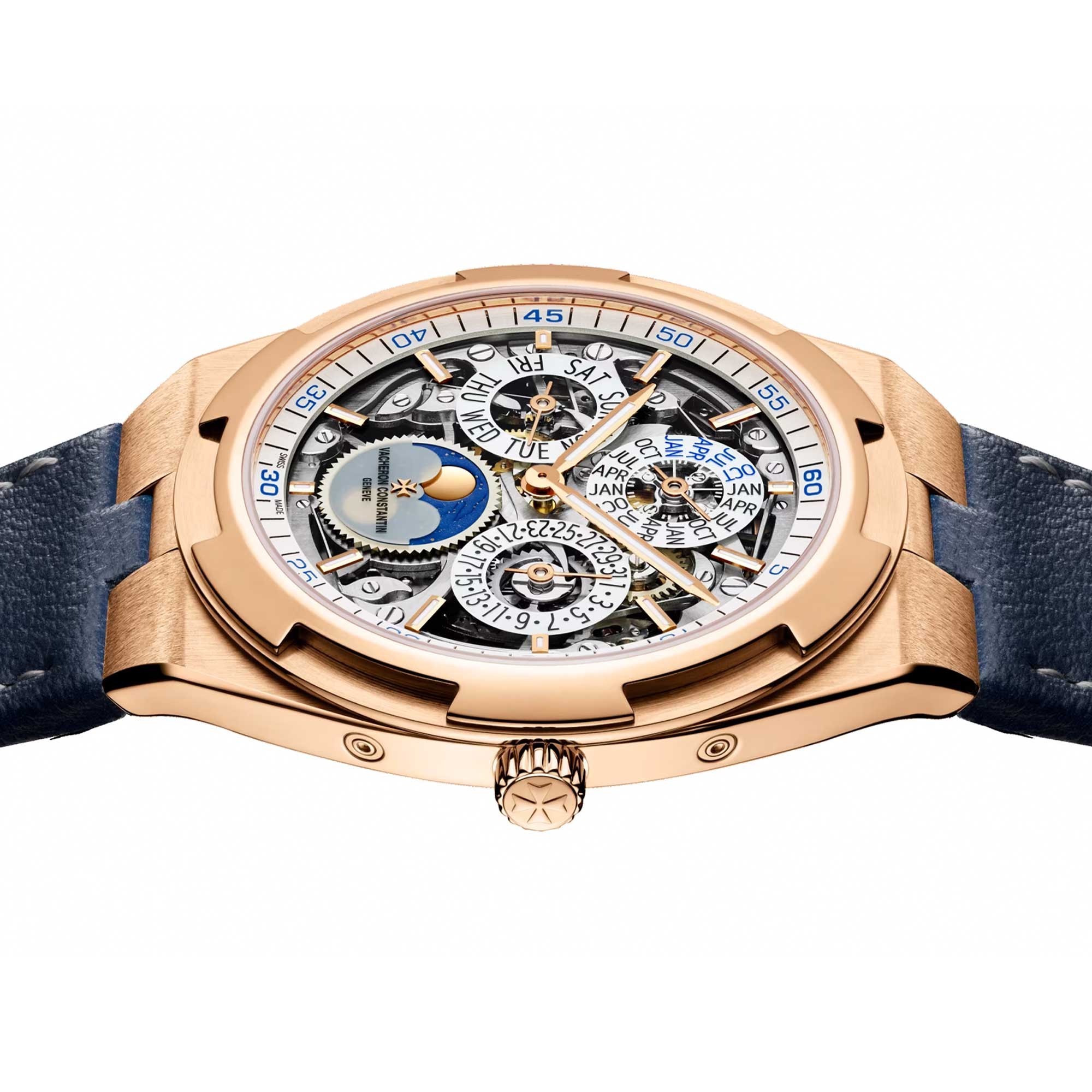
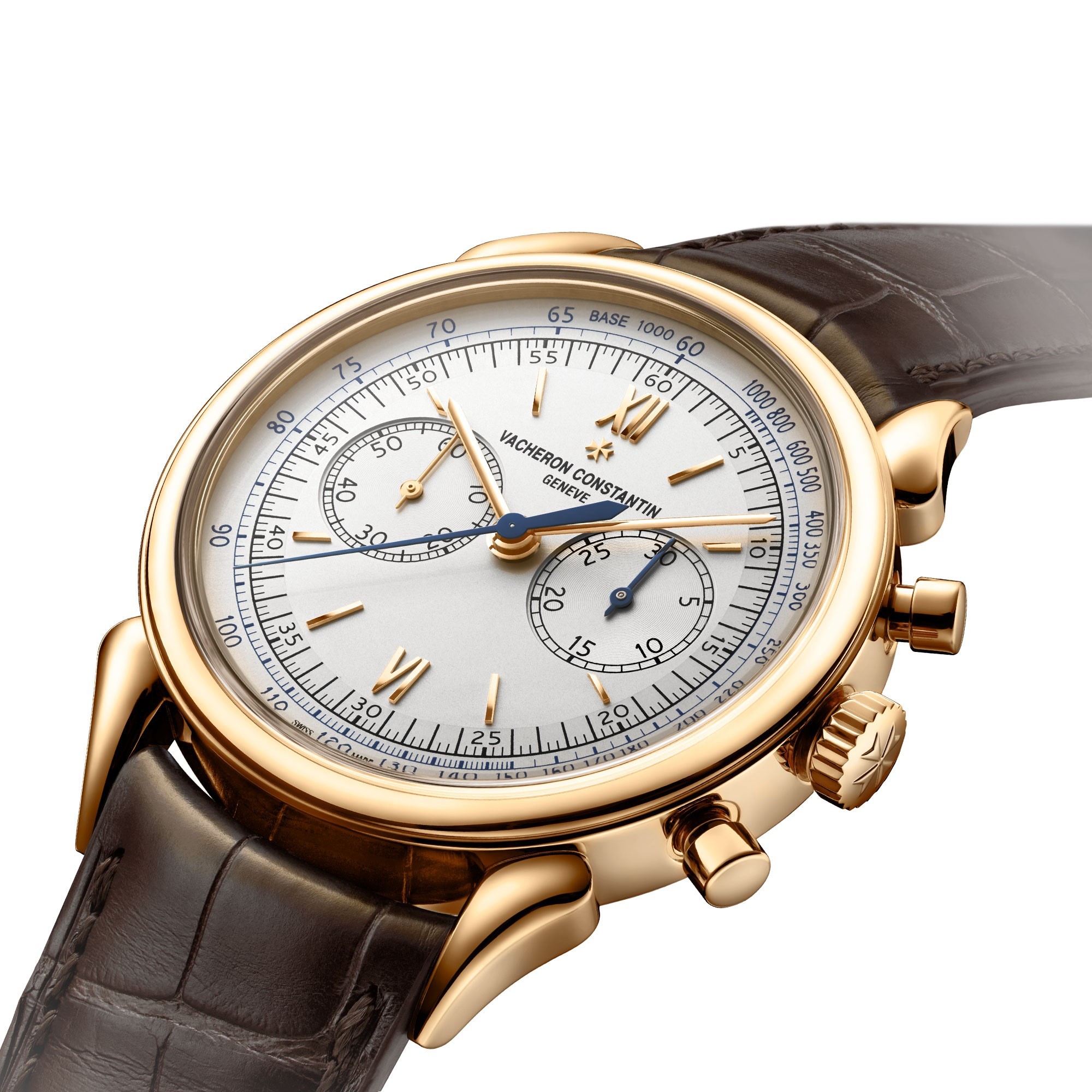
Beyond being the oldest continuously operating watchmaker, Vacheron Constantin is renowned for record-breaking complicated watches. In 2015 it unveiled the Reference 57260 with 57 complications, then in 2024 the Les Cabinotiers Berkley Grand Complication with 63 complications, the most complicated mechanical watch ever made and home to the first Chinese perpetual calendar. That pursuit of complexity defines the brand's ambition.
What does the Maltese cross on a Vacheron Constantin mean?+
The Maltese cross has been Vacheron Constantin's emblem since 1880. It was inspired by a real component inside the watch: a small cross-shaped part of the barrel used to limit the tension in the mainspring. So the brand's most recognizable symbol is, fittingly, a piece of horological engineering.
Who founded Vacheron Constantin and when?+
The house was founded in 1755 by Jean-Marc Vacheron, an independent watchmaker in Geneva who counted Enlightenment thinkers Rousseau and Voltaire among his circle. The Constantin name joined in 1819, when François Constantin became a partner and the firm became Vacheron & Constantin. Its motto, "Faire mieux si possible, ce qui est toujours possible" (Do better if possible, and that is always possible), dates from a Constantin letter that same year.
Who owns Vacheron Constantin now?+
Since 1996, Vacheron Constantin has been a subsidiary of the Swiss Richemont Group, which bought the company's entire share capital that year. Before that it had passed through several hands, including Saudi collector Sheikh Ahmed Zaki Yamani in the late 1980s. Richemont ownership has kept the manufacture firmly Swiss, based in Geneva and the Vallée de Joux.
Where are Vacheron Constantin watches made?+
Every Vacheron Constantin is made in Switzerland, with manufacturing concentrated in the Canton of Geneva and the Vallée de Joux. In 2004 the company opened a new headquarters and manufacture in Plan-les-Ouates, Geneva, a building designed by architect Bernard Tschumi and noted for its architectural significance. Roughly 1,200 people work for the firm worldwide.
Is Vacheron Constantin a good investment?+
Its rarest pieces have a remarkable auction record: the 1929 pocket watch No. 402833, once owned by King Fuad I of Egypt, sold for US$2.77 million in Geneva in 2005, among the most expensive watches ever sold. While exceptional results like that are reserved for historic rarities, the brand's tiny annual output and standing in the Holy Trinity underpin its desirability. As always, condition, rarity, and originality drive the upside.
What was Vacheron Constantin's first big innovation?+
The firm made history early. In 1770 it created the world's first horological complication, and in 1779 Jean-Marc Vacheron designed the first engine-turned dials. Later, after hiring Georges-Auguste Leschot in 1833, the company became the first to standardize watch movements into calibers, a foundational advance for the whole industry. That inventive streak has run through the house ever since.
Did a Vacheron Constantin watch really appear in a Fabergé egg?+
Yes. Fabergé's 1887 Third Imperial Egg held a Vacheron & Constantin lady's watch as its hidden surprise, a detail that captures how far back the brand's prestige reaches. The same year, the firm won a gold medal at the Swiss National Exhibition in Geneva. These touches reflect a maker that has supplied royalty and connoisseurs for generations.