Is the Audemars Piguet Royal Oak worth it?+
For what it represents, many enthusiasts say yes. The Royal Oak is the watch that lifted Audemars Piguet to prominence and is considered the first luxury sports watch in the world, so you are buying a genuine piece of horological history rather than just a steel sports watch. Whether the price suits you is personal, but the design pedigree and in-house craft are not in question.
Why is Audemars Piguet so expensive?+
It comes down to scarcity and craft. AP produces only around 40,000 timepieces a year and has stayed family-owned since its founding in 1875, which keeps supply tight against steady demand. The watches use in-house movements and precious materials, and the brand's reputation for complications, from minute repeaters to ultra-thin tourbillons, sits behind the price.
What is the story behind the Royal Oak design?+
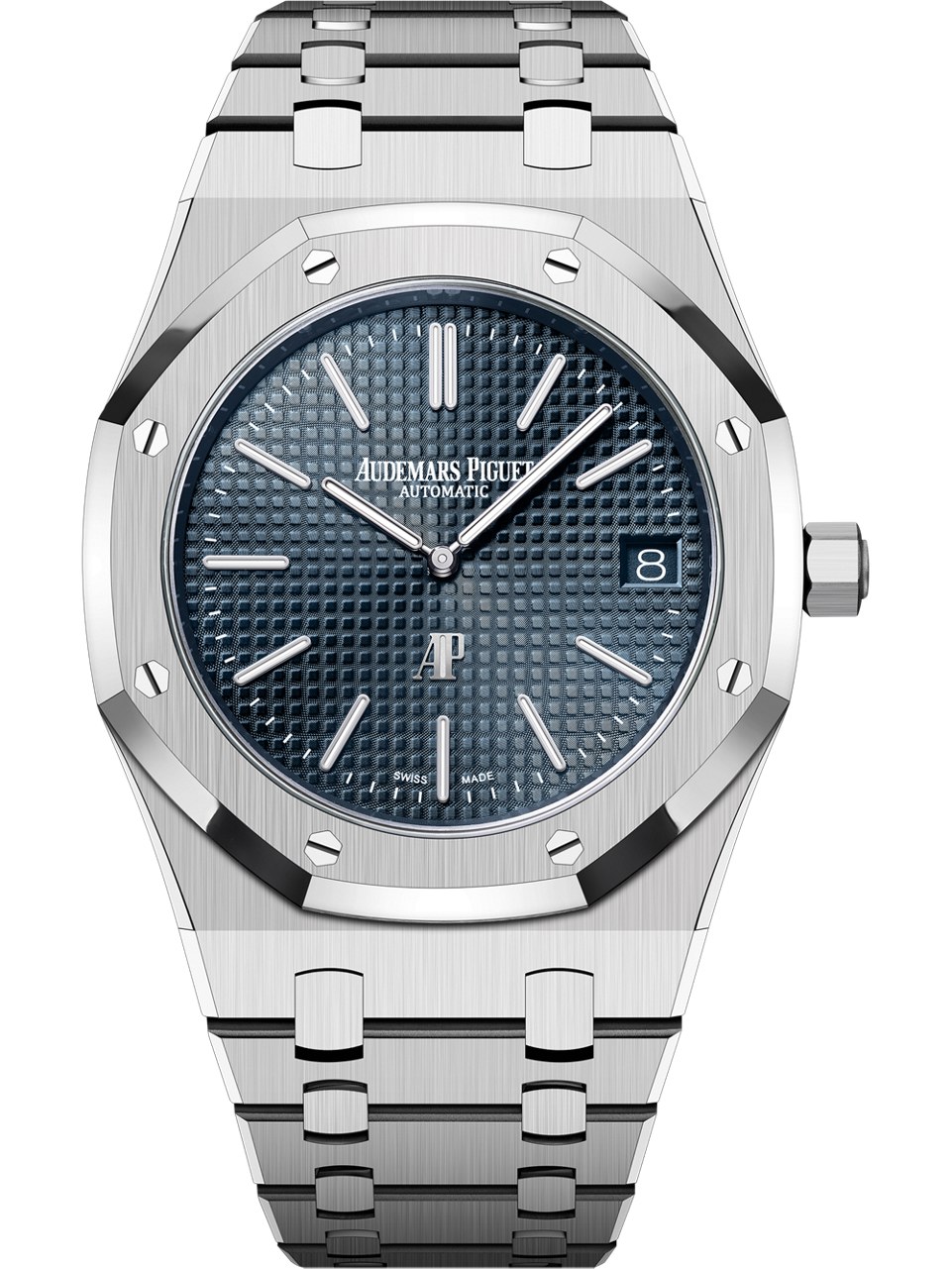
Watchmaker Gérald Genta designed the Royal Oak for Audemars Piguet, first presented at the 1972 Baselworld during the quartz crisis. Its name references warships, which in turn nod to Charles II's Royal Oak, and the look was inspired by traditional diving helmets, hence the exposed screw heads and the integrated steel bracelet. That octagonal bezel became one of the most recognisable shapes in watchmaking.
Should I buy the standard Royal Oak or the Royal Oak Offshore?+
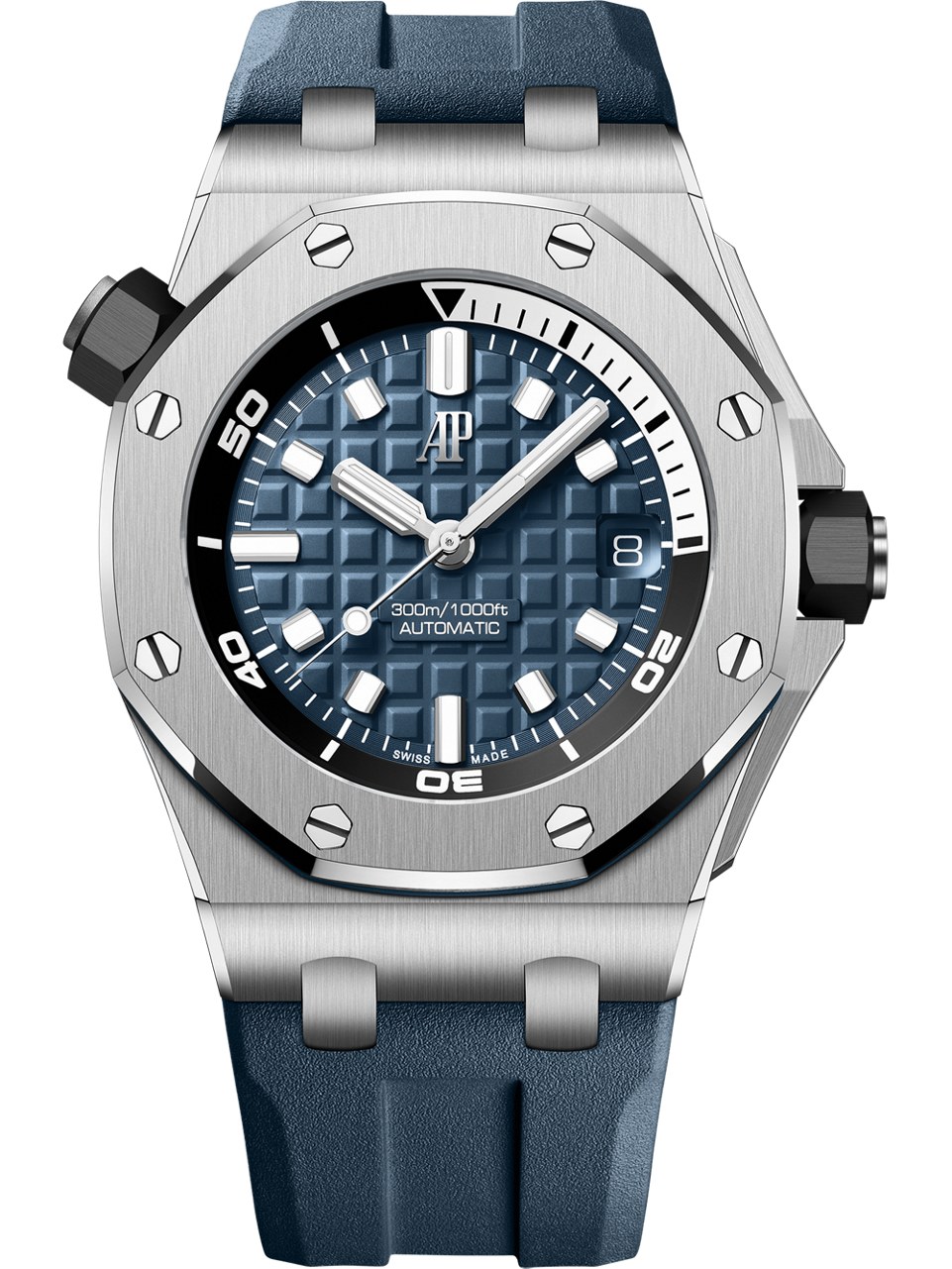
The original Royal Oak is the refined classic at 39mm in its first form, while the Offshore is the bigger, tougher interpretation. To mark the Royal Oak's 20th anniversary, AP hired young designer Emmanuel Gueit, and the Offshore was formally introduced in 1993 with a larger 42mm case. If you want the purist statement choose the standard Royal Oak; if you want presence and a sportier attitude, the Offshore was built for that.
Does an Audemars Piguet hold its value?+
The most sought-after steel Royal Oak references have historically been strong on the secondary market, helped by limited annual production that keeps demand ahead of supply. That said, resale depends heavily on the exact model, condition and paperwork, and the wider market can move. The dependable rule is to buy a piece you genuinely want to wear, and let value follow.
How does Audemars Piguet compare to Rolex?+
They play different games. Rolex is the most recognised luxury watch name in the world and leans on reliability and scale, while Audemars Piguet makes far fewer watches and trades on artistic exclusivity and bold design led by the Royal Oak. If you want broad recognition and liquidity, Rolex; if you want distinctive geometry and rarity, AP is the answer.
Who owns Audemars Piguet, and where is it made?+
Audemars Piguet has been family-owned since its founding and is headquartered in Le Brassus, in the Vallée de Joux in Switzerland. It is considered one of the Big Four privately-owned watch brands alongside Rolex, Patek Philippe and Richard Mille. That continuity of ownership is a point of pride for the brand and part of its identity.
Who founded Audemars Piguet, and when?+
Jules Louis Audemars and Edward Auguste Piguet, who knew each other in childhood and reconnected in 1874. They began their business in 1875, and the firm was officially founded as Audemars Piguet & Cie in 1881 in Le Brassus. Audemars handled production and technical work while Piguet focused on sales and management, a division of labour that shaped the early company.
What complications and firsts is Audemars Piguet known for?+
A remarkable list. AP created the first wristwatch minute-repeating movement in 1892, introduced the first skeleton watch in 1934, and in 1986 built an ultra-thin automatic tourbillon wristwatch, the Calibre 2870, only 5.3mm thick including the case. In 1921 it even made the world's first jumping-hour wristwatch. The brand's identity is built on pushing mechanical limits.
What does Audemars Piguet's slogan mean?+
In 2012 the company introduced the line "To Break the Rules, You Must First Master Them." It frames AP's self-image neatly: deep classical watchmaking skill used as a licence to design boldly, the way the Royal Oak broke convention in 1972. The mastery comes first, the rule-breaking second.
What is the Code 11.59 collection?+
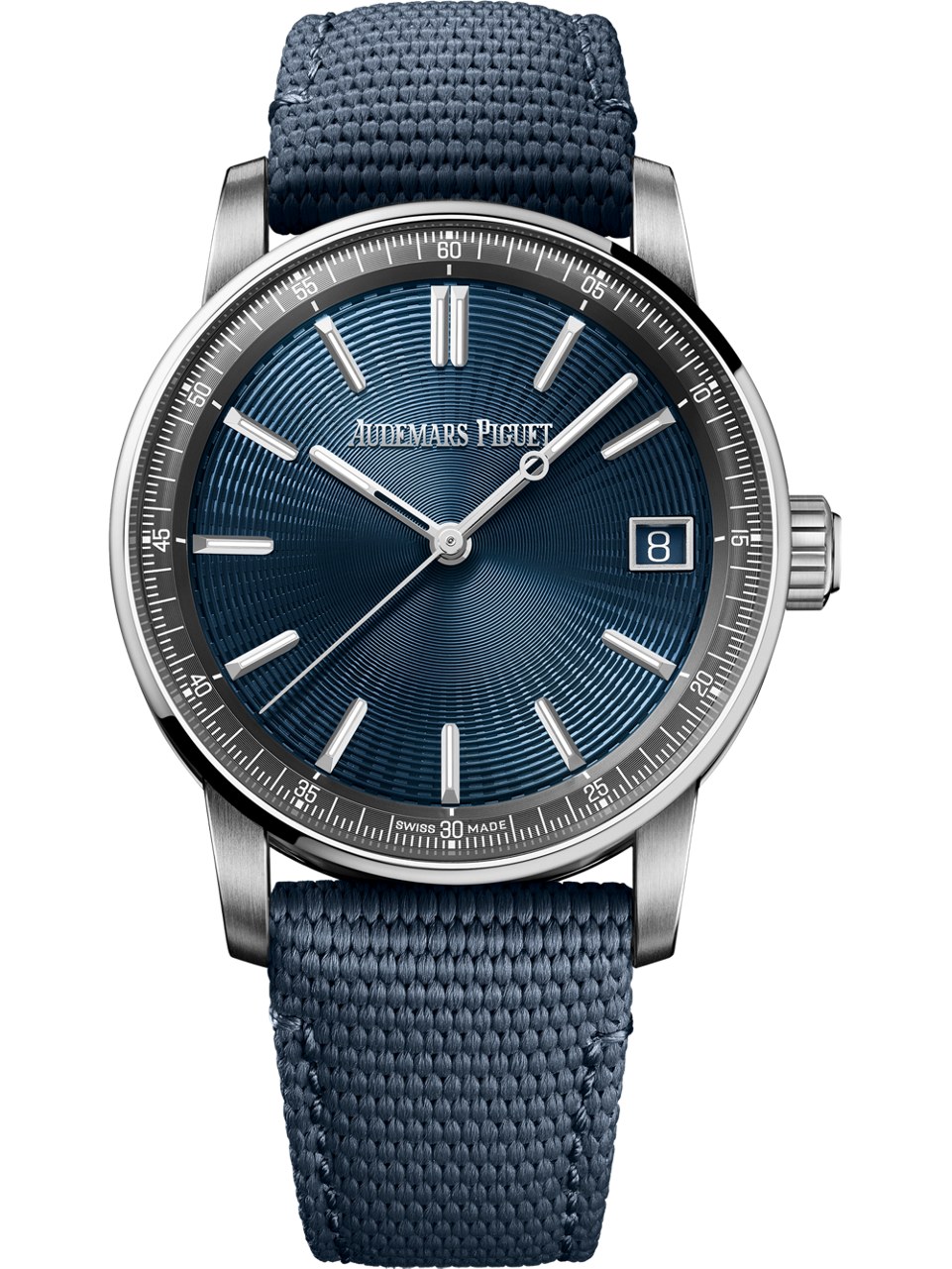
Released at SIHH 2019, Code 11.59 is AP's contemporary round-cased line, distinct from the octagonal Royal Oak. Its watches feature a three-piece case with an octagonal middle section and a uniquely curved crystal that changes how the dial reads at different angles. The line is based on a 1899 watch AP developed for Union Dürrstein, and it won the Aiguille d'Or at the 2023 Grand Prix d'Horlogerie de Genève.




![[RE]Master](https://cdn.chicaire.com/brands/audemars-piguet/icon-remaster-1-a3893a08eb0e.jpg)