−35%
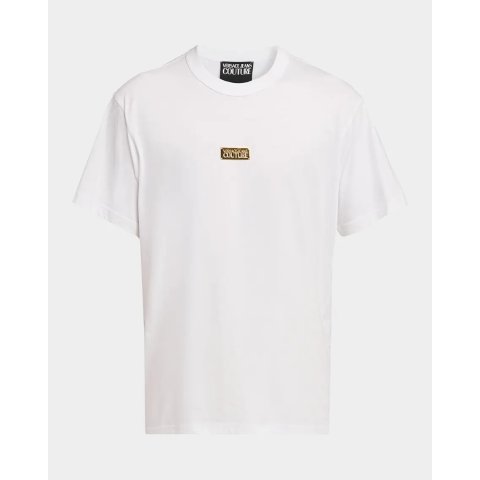
Versace's younger, louder line — Medusa-stamped denim and statement dressing.
Real verified markdowns across Neiman Marcus CA — filter by category, retailer & price. Heart anything to track its price.
The line arrived through a 2009 licensing agreement with Gruppo Facchini, debuting for the spring/summer 2010 season, with men's and women's apparel and accessories made and distributed under that deal. Since 2014 it has been Versace's only diffusion line, after Versus Versace, Versace Jeans, Versace Collection and the other sub-brands were merged into one.
Parent Versace carried its Greek-myth glamour from Milan to the world; in March 2026 the Prada Group announced plans to discontinue Versace Jeans Couture entirely, ending diffusion lines for the house.
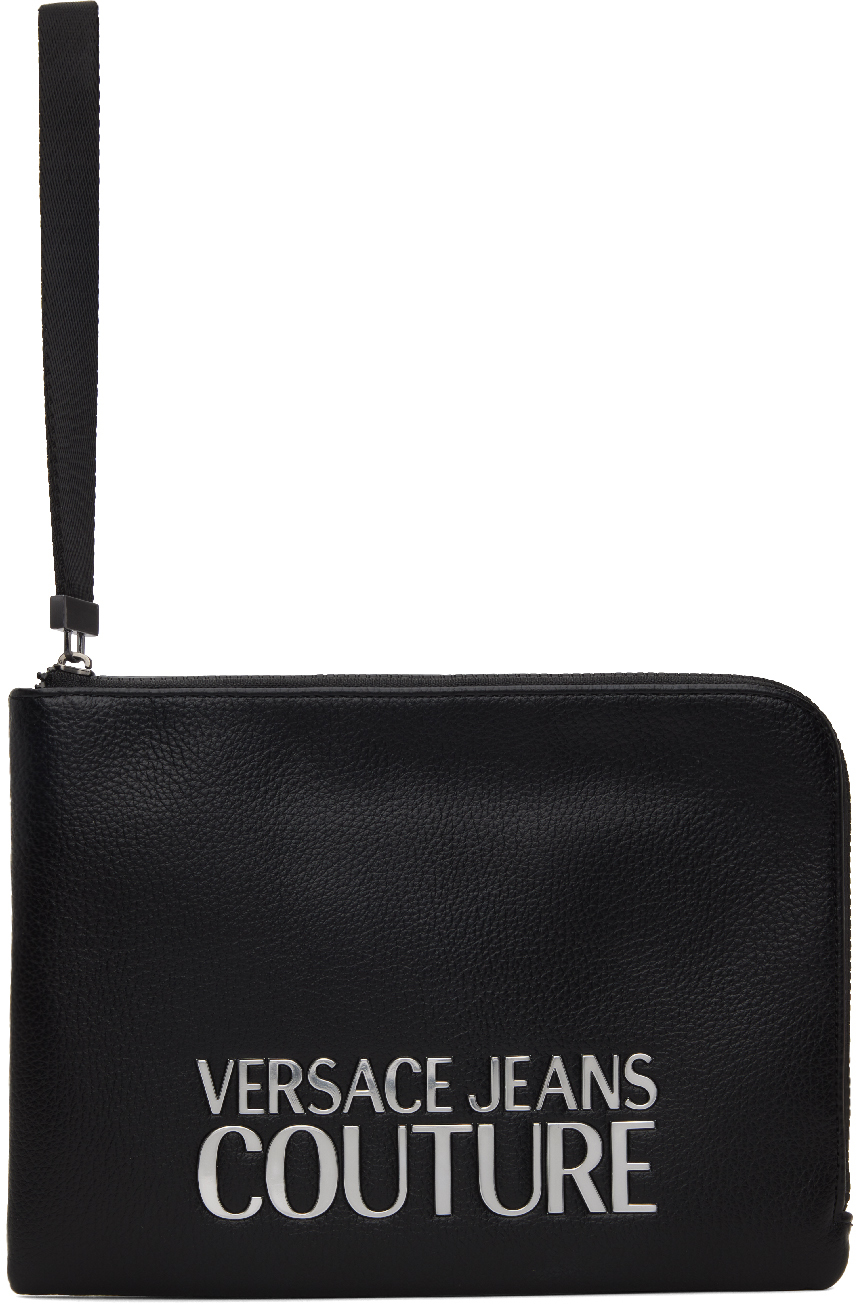
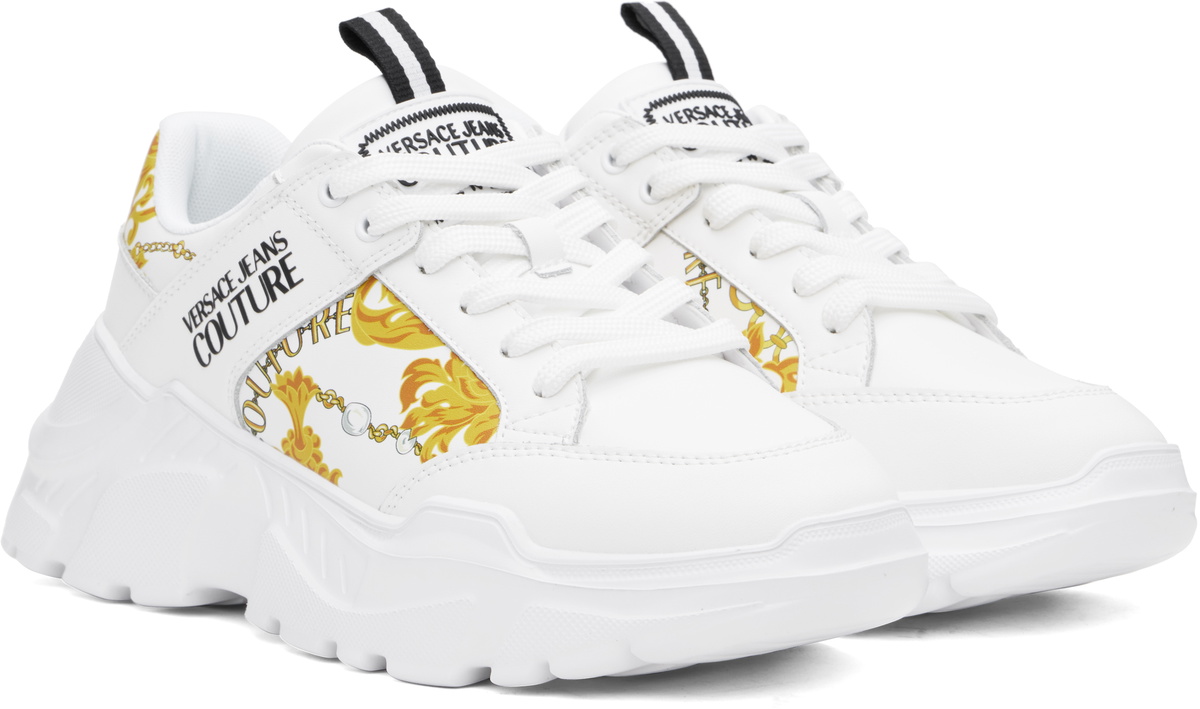
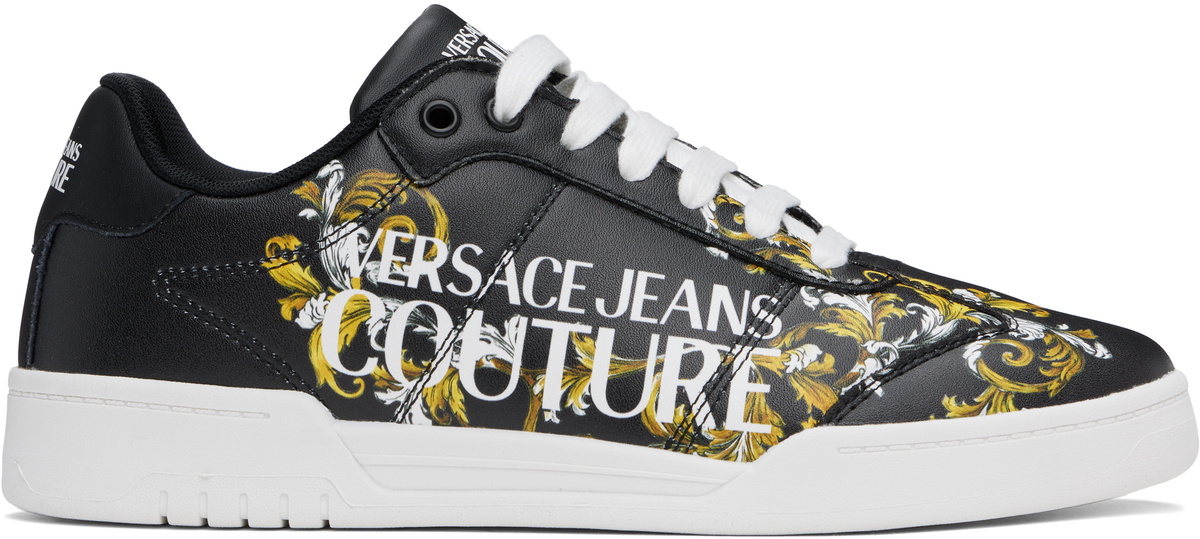
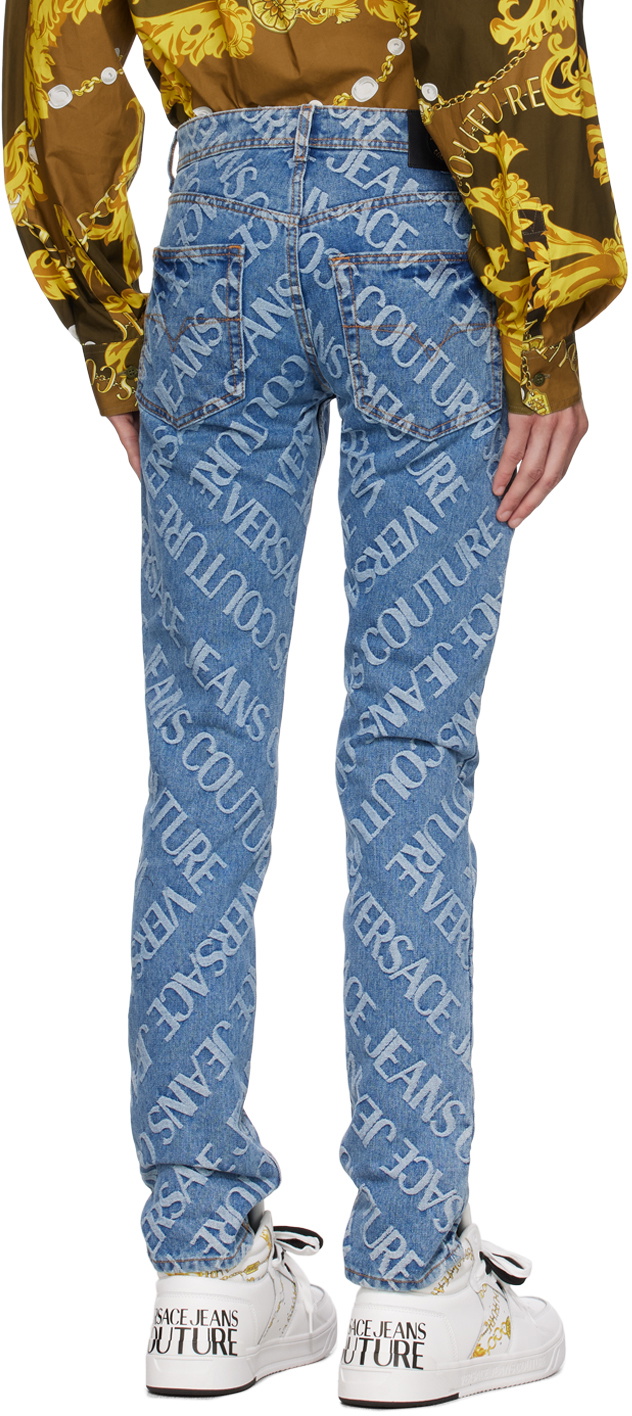
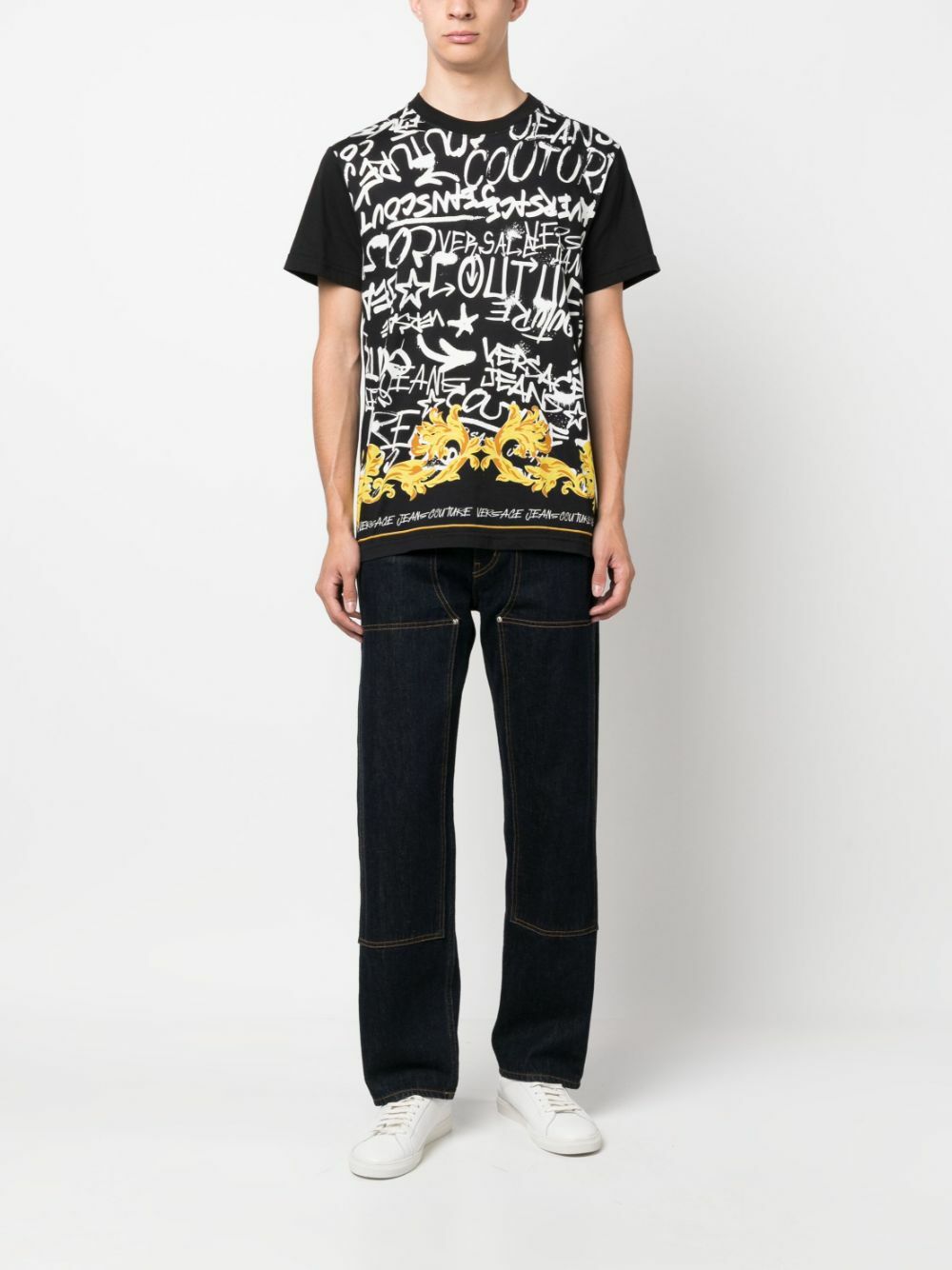
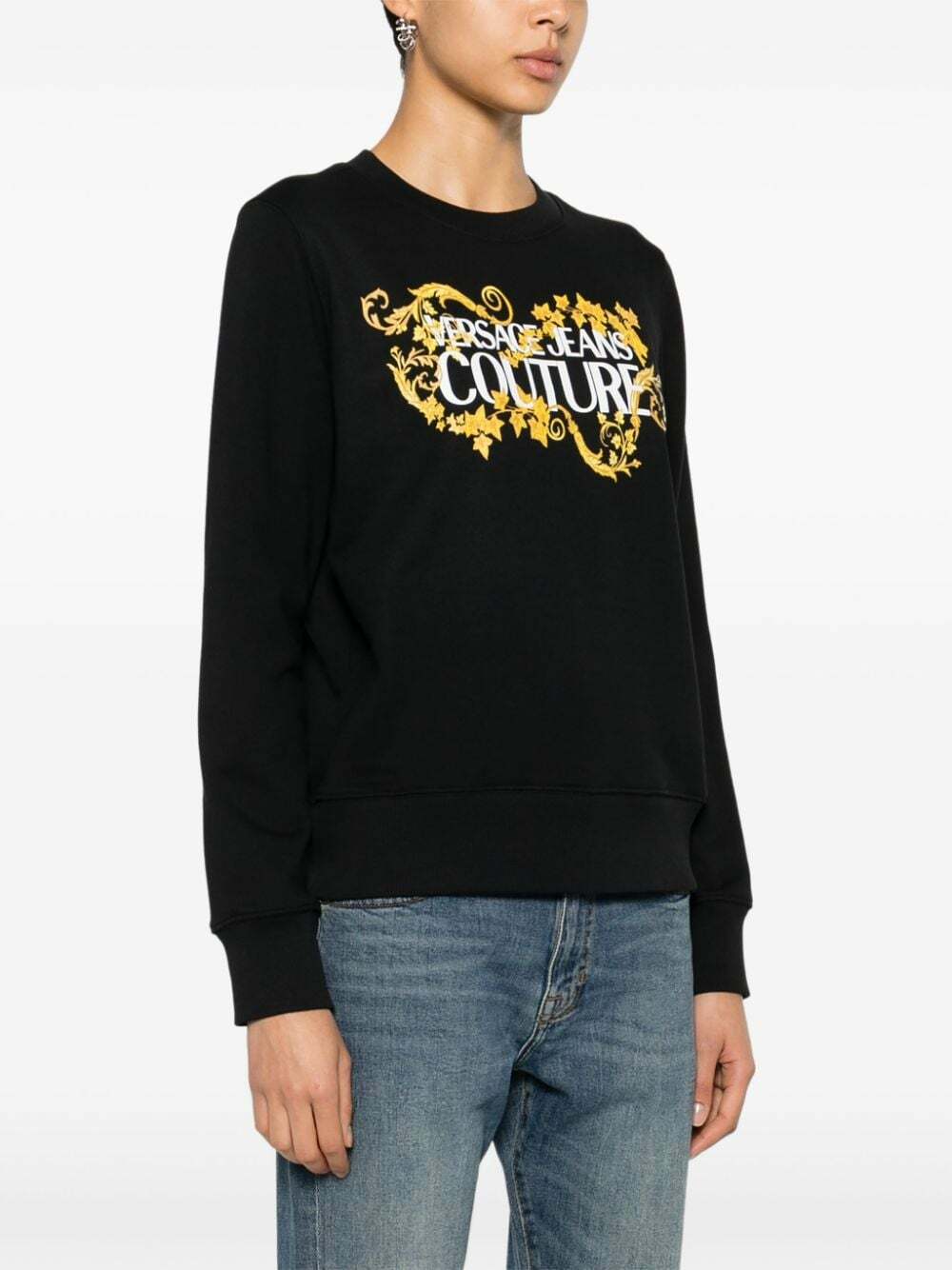
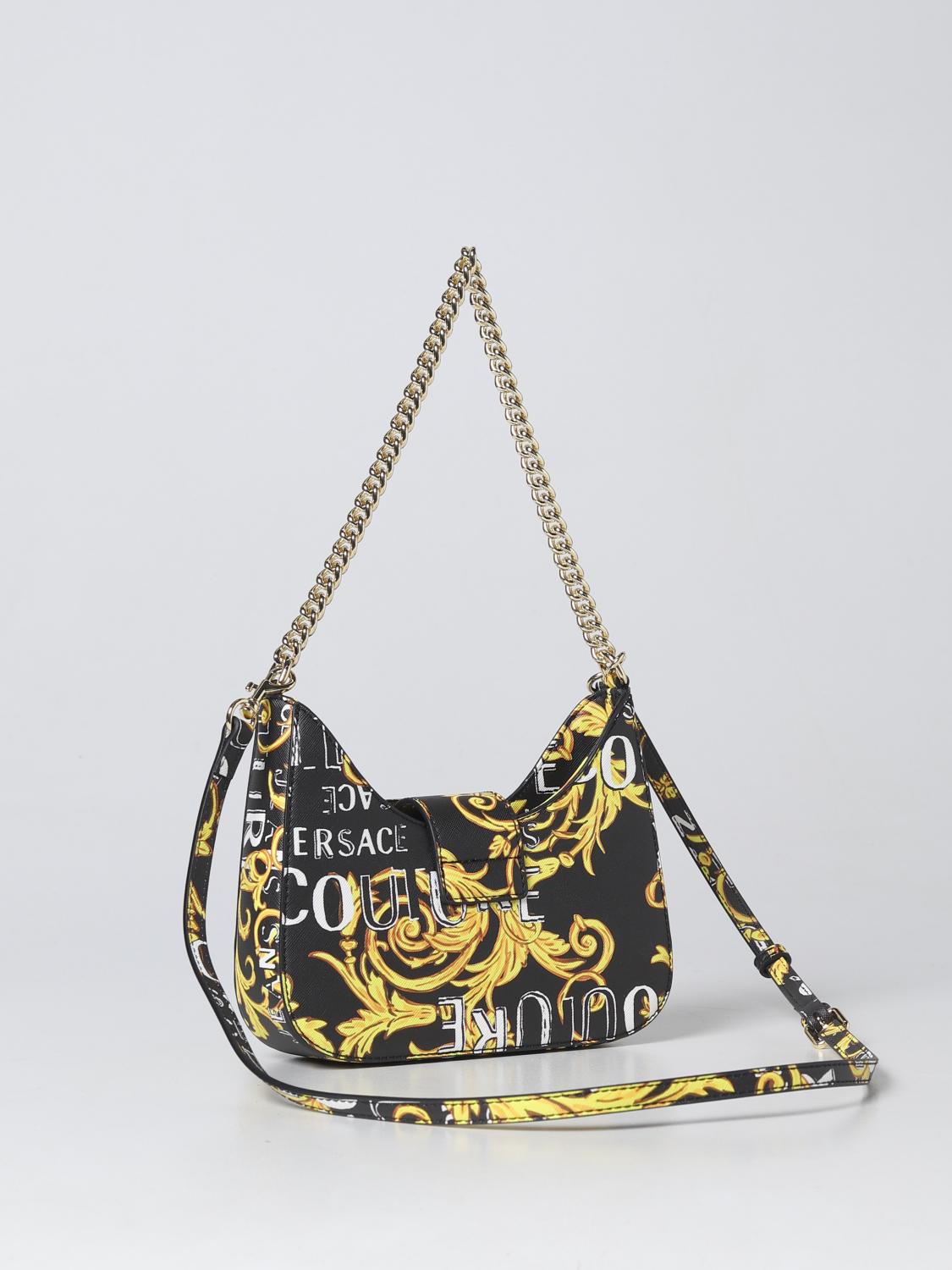
Same authentic Versace Jeans Couture, different prices & codes. We watch all of them so you don't have to tab-hop.

APP15
Store codes that stack on Versace Jeans Couture orders — re-tested in the last few hours. Tap to reveal, copy without leaving the page.
Same quiet-luxury, craft-first sensibility — follow any to widen your alerts.





Yes. Versace Jeans Couture is the denim and streetwear-leaning diffusion line of Versace, the Italian luxury house founded by Gianni Versace in 1978. It carries genuine Versace branding and design language but is positioned at a more accessible price than the main label, so you get the bold Italian look for less.
Think of them as two tiers of the same house. The main Versace line is full luxury, founded by Gianni Versace in 1978 and known for its ready-to-wear, accessories and Atelier Versace haute couture, with refined materials and high finishing. Versace Jeans Couture is the younger, trend-led, more casual line built around denim and everyday pieces, offering the unmistakable Versace energy at a lower entry point.
For shoppers who want the Versace aesthetic without main-line prices, many feel it delivers. It is genuine Versace branding on bold, easy-to-wear pieces, and the value sits in that accessibility rather than in rare materials or couture-level construction. If you specifically want the silks, leathers and refined finishing of the main house, that is a different purchase.
The house's signature is the Medusa head, drawn from Greek mythology. Gianni Versace, a native of Calabria in the ancient Magna Graecia (Greater Greece), took inspiration from that classical world for the company logo, which is why so much Versace and Versace Jeans Couture branding leans into that baroque, golden, classical-Greek feeling. It is the heritage motif made loud and wearable.
Ownership has changed hands more than once in recent years. Versace joined Capri Holdings in January 2019 alongside Michael Kors and Jimmy Choo, and then on 2 December 2025 the Prada Group completed its acquisition of the firm for US$1.375 billion. In February 2026, Pieter Mulier, formerly of Alaïa, was announced as Versace's chief creative officer.
Versace is an Italian luxury house. It was founded in Milan, where Gianni Versace showed his first collection at La Permanente in March 1978 and opened his first boutique on Via della Spiga. The brand produces Italian-made ready-to-wear and accessories, and that Italian fashion identity carries through the Versace Jeans Couture line too.
Gianni Versace founded the company in 1978 and ran it until his murder in 1997. His sister Donatella Versace, previously vice-president, then took over as creative director and led the house's creative direction for decades, with their brother Santo Versace serving as CEO. Gianni's share passed into the family, with Donatella's daughter Allegra Versace Beck becoming the controlling shareholder.
As a denim and casualwear line it generally follows everyday sizing, and shoppers often report it runs true to size, but fit always depends on the specific cut. Trend-led pieces can lean toward bolder, sometimes oversized silhouettes, so it is worth checking the individual garment's description and, where possible, measurements before buying.
Yes. Versace stopped using fur in its products in 2018, and in 2020 announced it would also stop using kangaroo leather. That move applies to the house overall, so it is part of the broader Versace story that sits behind the Versace Jeans Couture line as well.
A handful of red-carpet moments cemented the brand's daring reputation. Elizabeth Hurley's black Versace dress in 1994, later voted the most iconic dress of all time in a 2008 Daily Telegraph poll, and Jennifer Lopez's green Versace dress at the 2000 Grammy Awards, voted fifth most iconic, both became cultural touchstones. That bold, glamorous, attention-grabbing spirit is exactly what the Versace Jeans Couture line channels at a more accessible level.