Are Victorinox Swiss Army knives actually worth it?+
For most people, yes. The Swiss Army knife is Victorinox's best-known product, and it has earned its reputation through decades of reliable everyday use rather than marketing. The blades use a softer stainless steel that is easy to resharpen at home and holds a serviceable edge, which is exactly what you want from a tool you carry daily. If you want one knife that quietly does a dozen small jobs, it is hard to beat for the money.
What is the difference between a Victorinox and a Wenger Swiss Army knife?+
Wenger was Victorinox's longtime rival and the other official supplier of knives to the Swiss army, with the two sharing the military contract from 1908 onward. By agreement, Victorinox marketed its knives as the Original Swiss Army Knife while Wenger used Genuine Swiss Army Knife. Victorinox acquired Wenger in 2005, and in 2013 it merged Wenger's knife lines into the Victorinox brand, so today's knives all carry the Victorinox name.
Which Victorinox knife should I buy first?+
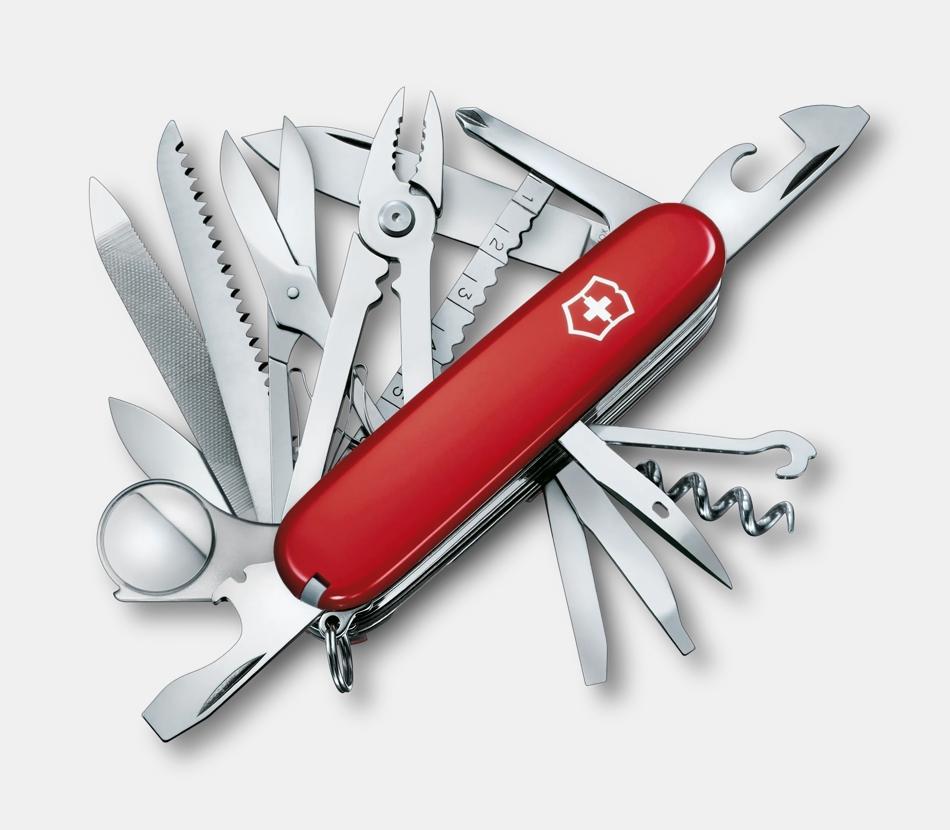
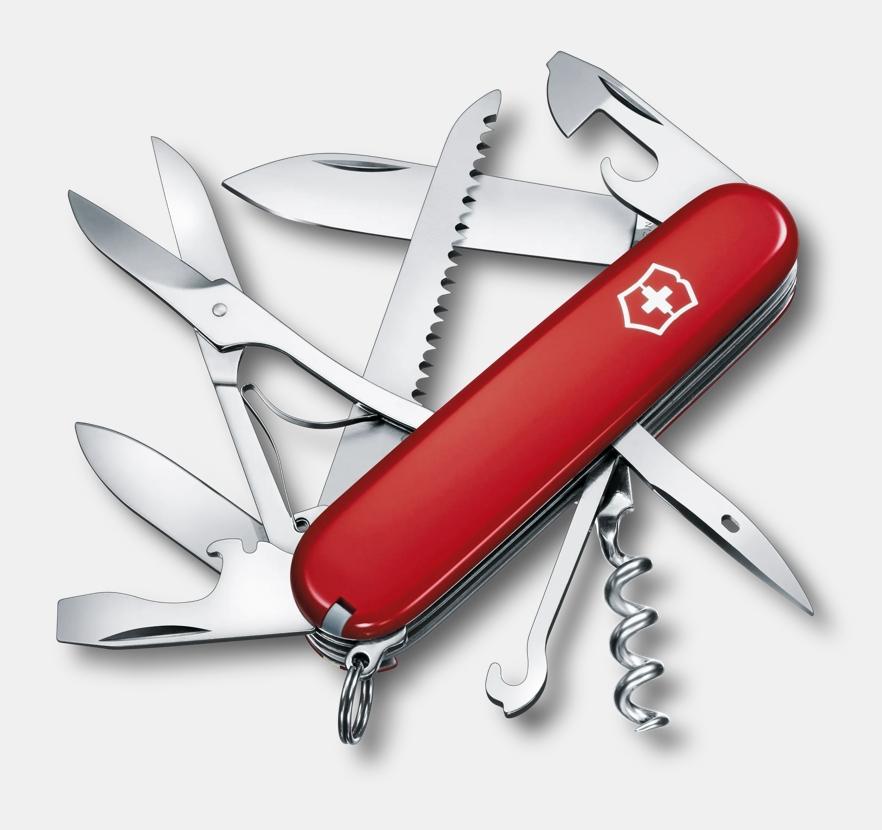
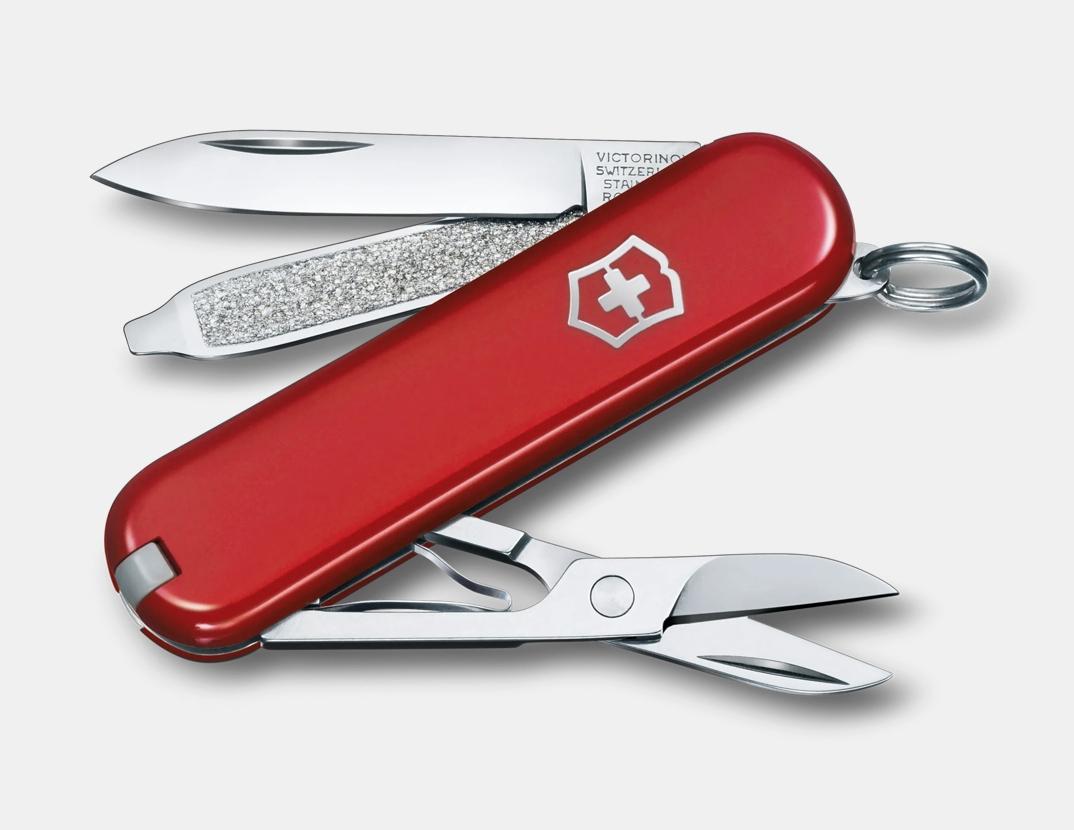
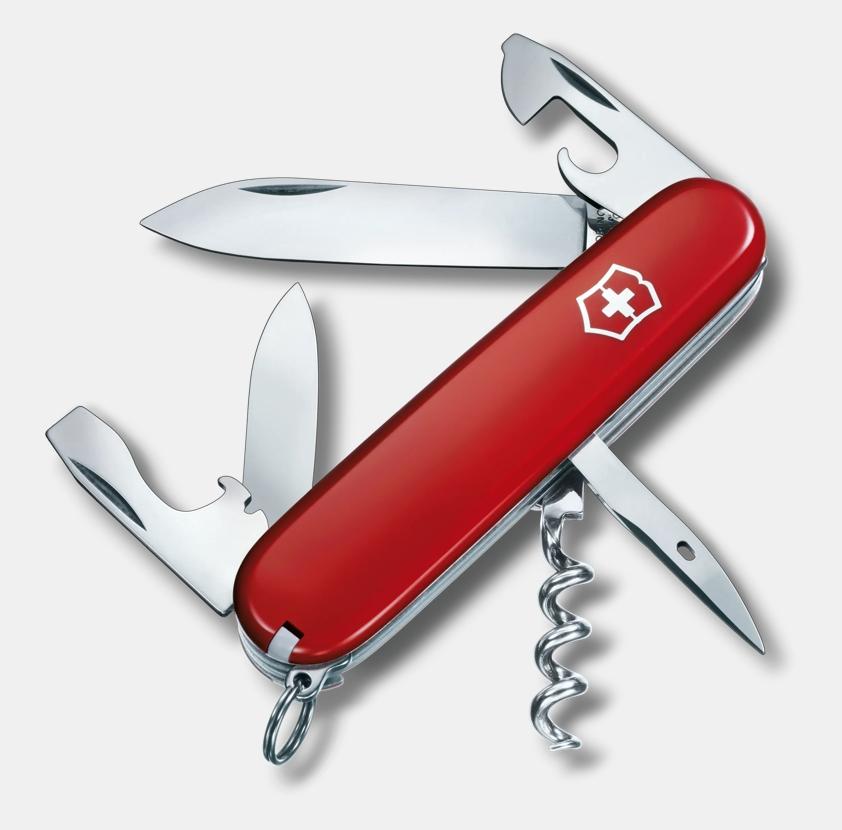
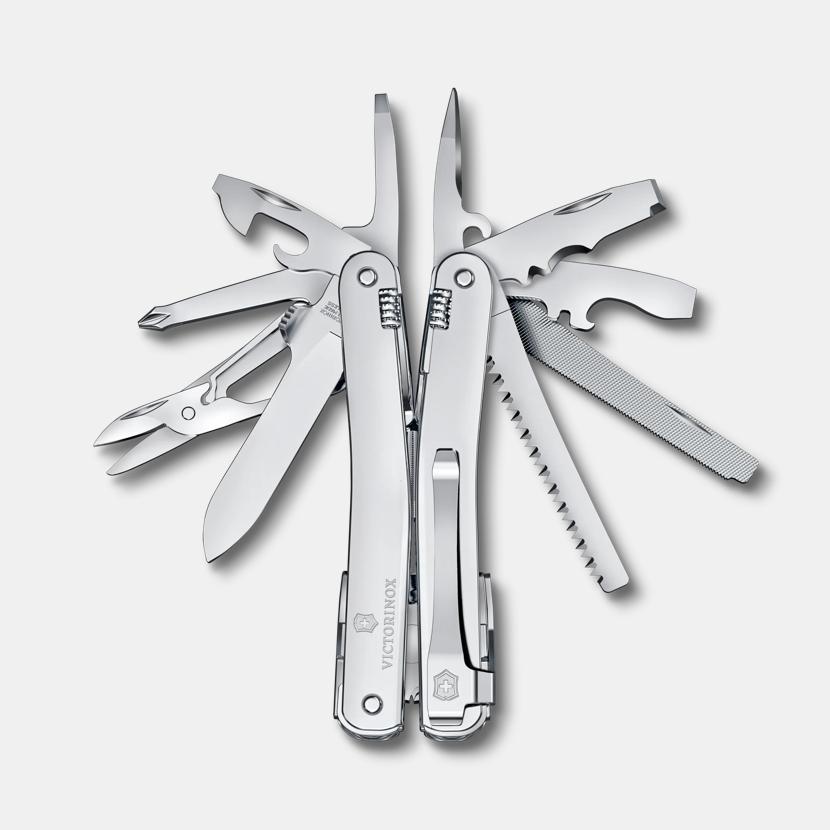
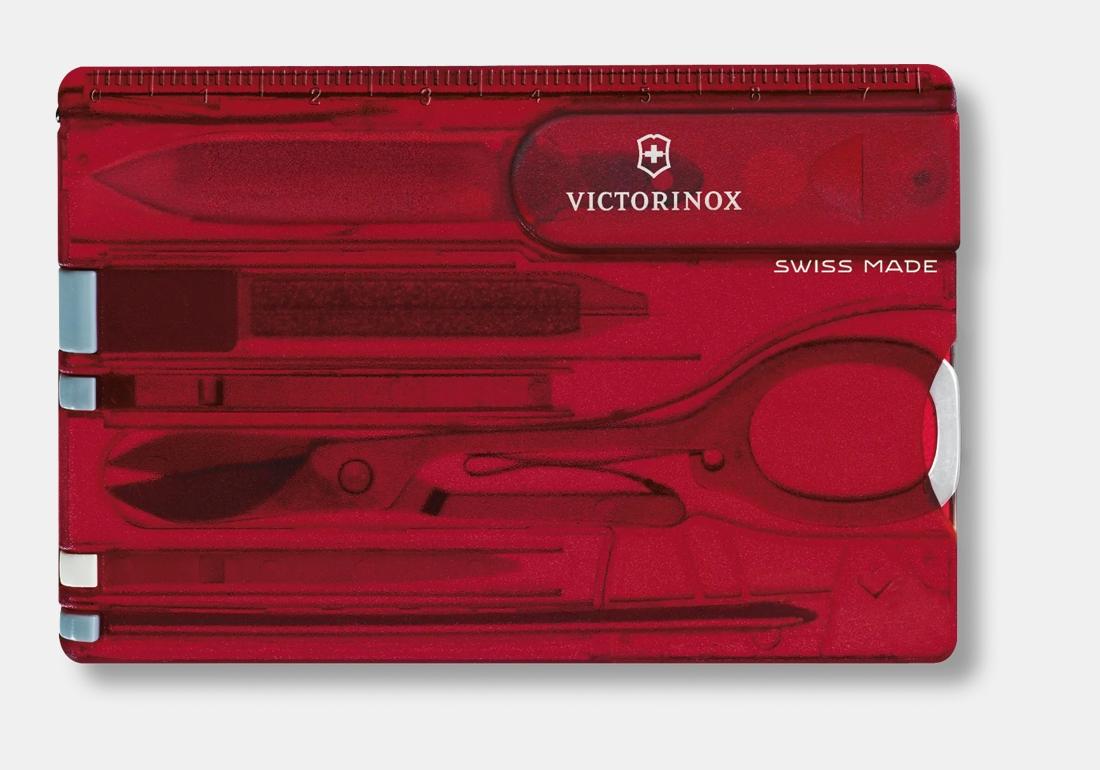
It comes down to how you carry. The compact Classic is a featherweight keychain companion with scissors, a small blade and a nail file that suits city life, while a mid-size model in the SwissChamp family packs far more tools for travel and tinkering. If you want the headline piece, the SwissChamp is Victorinox's flagship multi-tool. Start with whichever matches the jobs you actually do most days, then graduate up if you find yourself wanting more.
Why is the Victorinox Swiss Army knife so iconic?+
Because it has quietly proven itself everywhere. Victorinox knives have travelled with NASA astronauts as standard equipment and have been carried up Mount Everest and into the Arctic. The brand's Champion model, the flagship before the SwissChamp arrived in 1986, even sits in the permanent design collection of the Museum of Modern Art in New York. That blend of genuine utility and quiet design pedigree is rare.
When and where was Victorinox founded?+
Victorinox was founded in 1884 by Karl Elsener as Messerfabrik Carl Elsener, a cutlery workshop in the town of Ibach, in the Swiss canton of Schwyz. The company is still based there today. Its defining product, the Schweizer Offiziers- und Sportmesser, was patented in 1897 and went on to be marketed internationally as the Original Swiss Army Knife.
Where does the name Victorinox come from?+
It is a small piece of family and material history rolled into one word. After his mother died in 1909, Karl Elsener named the brand Victoria in her honour. In 1921 the name became Victorinox, a portmanteau of Victoria and inox, short for acier inoxydable, the French term for stainless steel.
What does Victorinox make besides Swiss Army knives?+
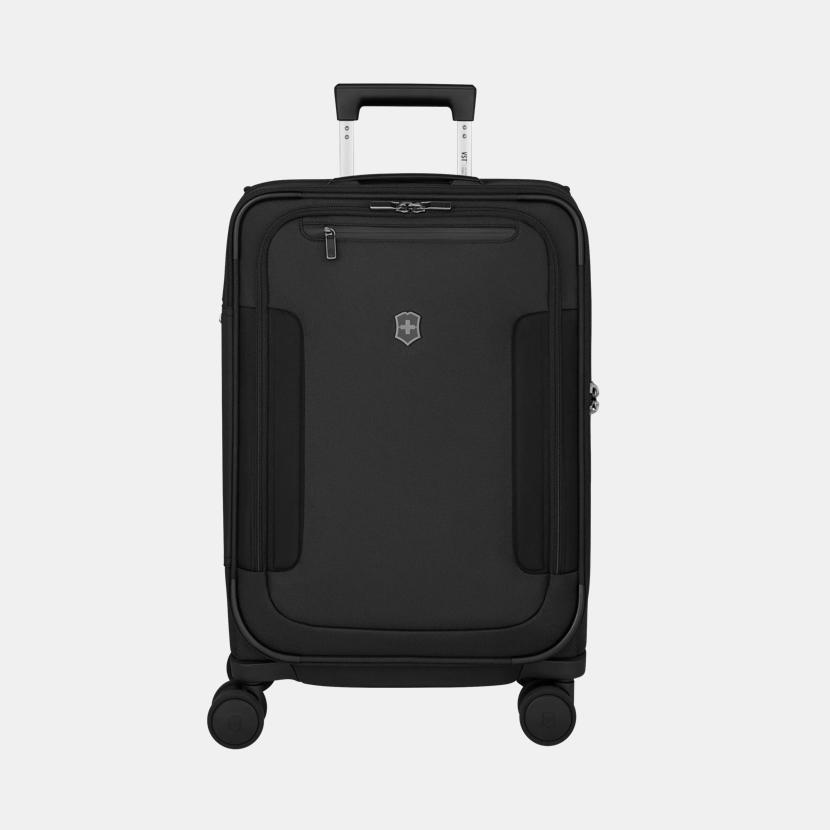
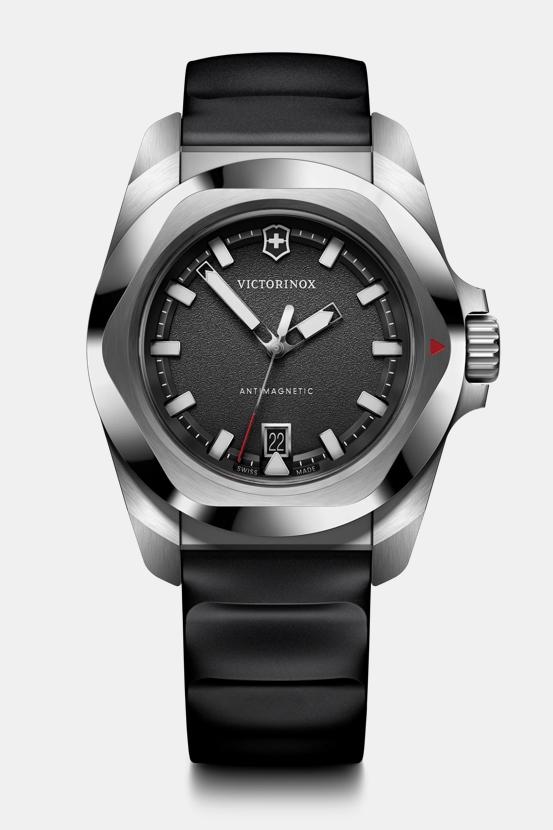
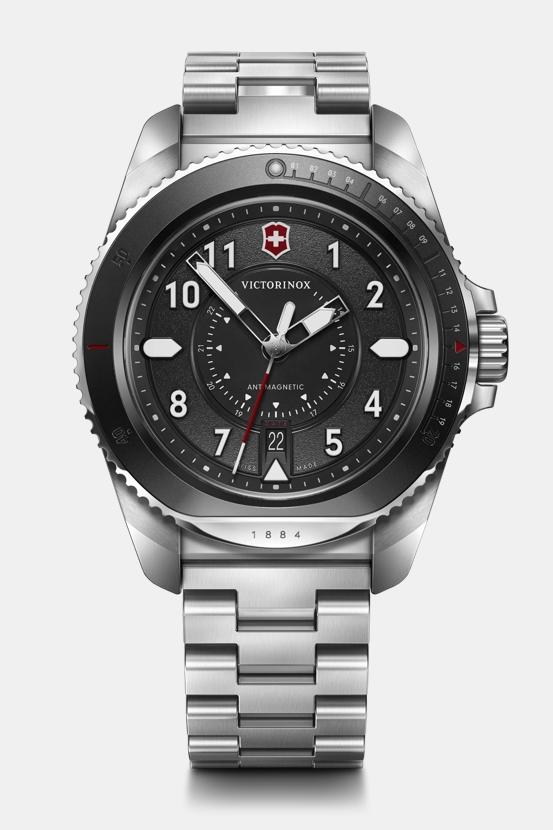
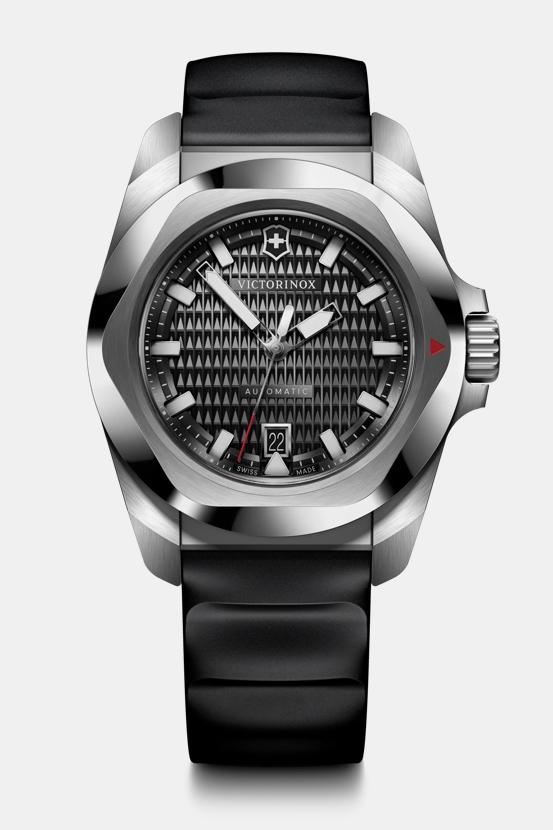
Quite a lot. While the multi-purpose pocket knife is the heart of the business, Victorinox is also a watchmaker, and it licenses its logo for watches, apparel and travel gear. It produces household kitchen knives in large numbers too. Civilian sales of its knives, rather than military contracts, account for most of its turnover.
Is Victorinox really the supplier to the Swiss army?+
Yes, and exclusively so since 2005. After acquiring its rival Wenger that year, Victorinox became the sole supplier of multi-purpose knives to the Swiss army. The knives genuinely issued to soldiers are known as Soldatenmesser, produced across generations identified by their introduction years: 1890, 1908, 1951, 1961 and the current Model 08, which is made exclusively by Victorinox.
How do I spot a genuine Victorinox Swiss Army knife?+
Look for the Swiss cross emblem, which Victorinox introduced as its logo in 1909, and the Victorinox name on the tool. Genuine knives are known for tight tolerances and clean fit and finish, with minimal play in the tools. Buying from the official brand or an authorised retailer is the surest way to avoid look-alikes, since the Swiss Army name has long been imitated.
How should I care for a Victorinox knife so it lasts?+
Keep it clean and lightly oiled and it will serve for years. Rinse and dry the knife after messy jobs, work a tiny drop of oil into the joints occasionally so the tools open smoothly, and resharpen the blade as needed; the softer steel Victorinox uses is forgiving and quick to bring back to a fine edge. Treated this way, a Swiss Army knife easily becomes a lifelong everyday companion.
Is a Victorinox knife a good gift?+
It is one of the safest gifts in the category. It is useful from the first day, genuinely durable, and carries a quiet design prestige; the company's daily output once ran to roughly 34,000 Swiss Army knives, yet each still feels personal. A compact Classic suits almost anyone, while a fuller model in the SwissChamp range makes a memorable present for a traveller or a hands-on tinkerer.