Is Globe-Trotter luggage worth it?+
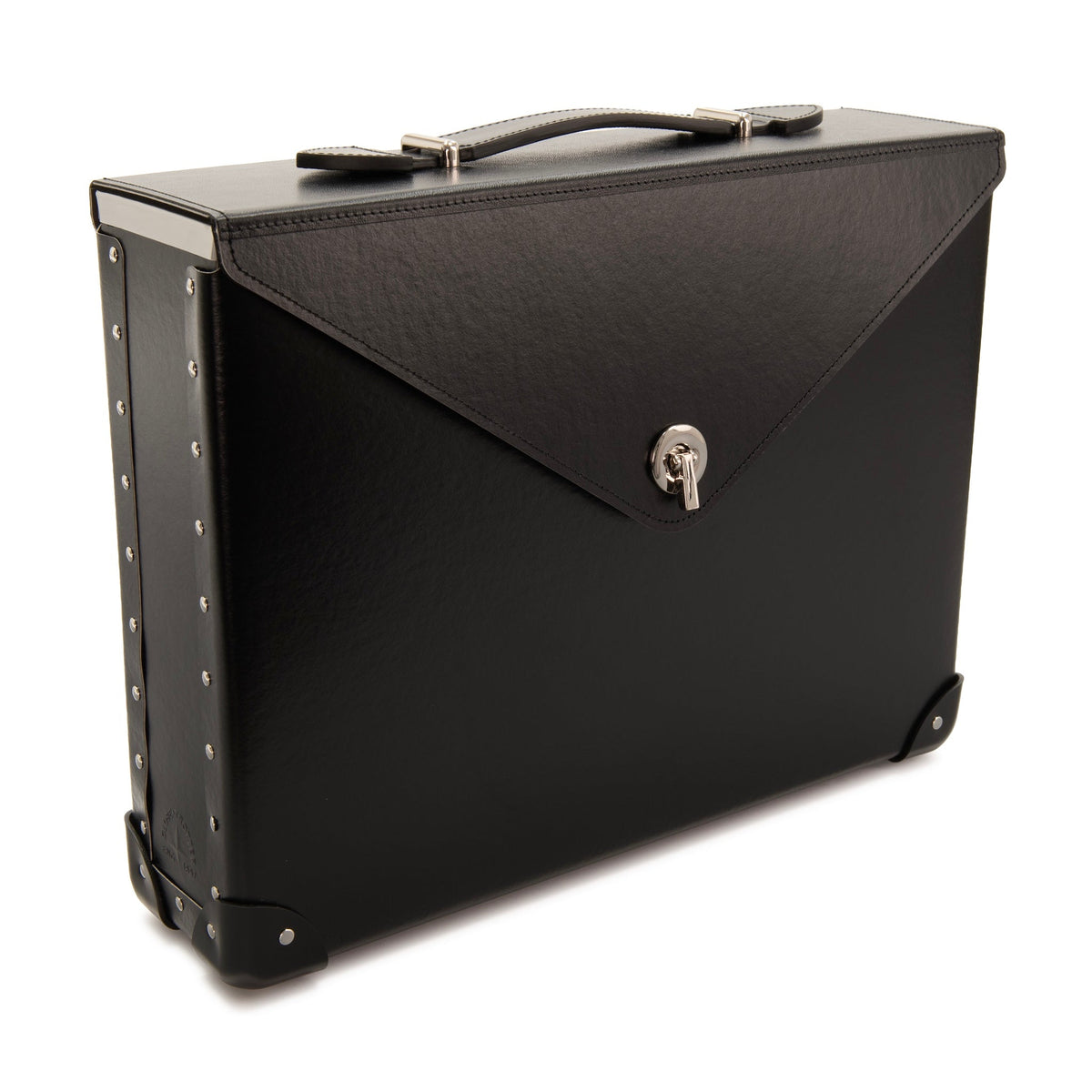
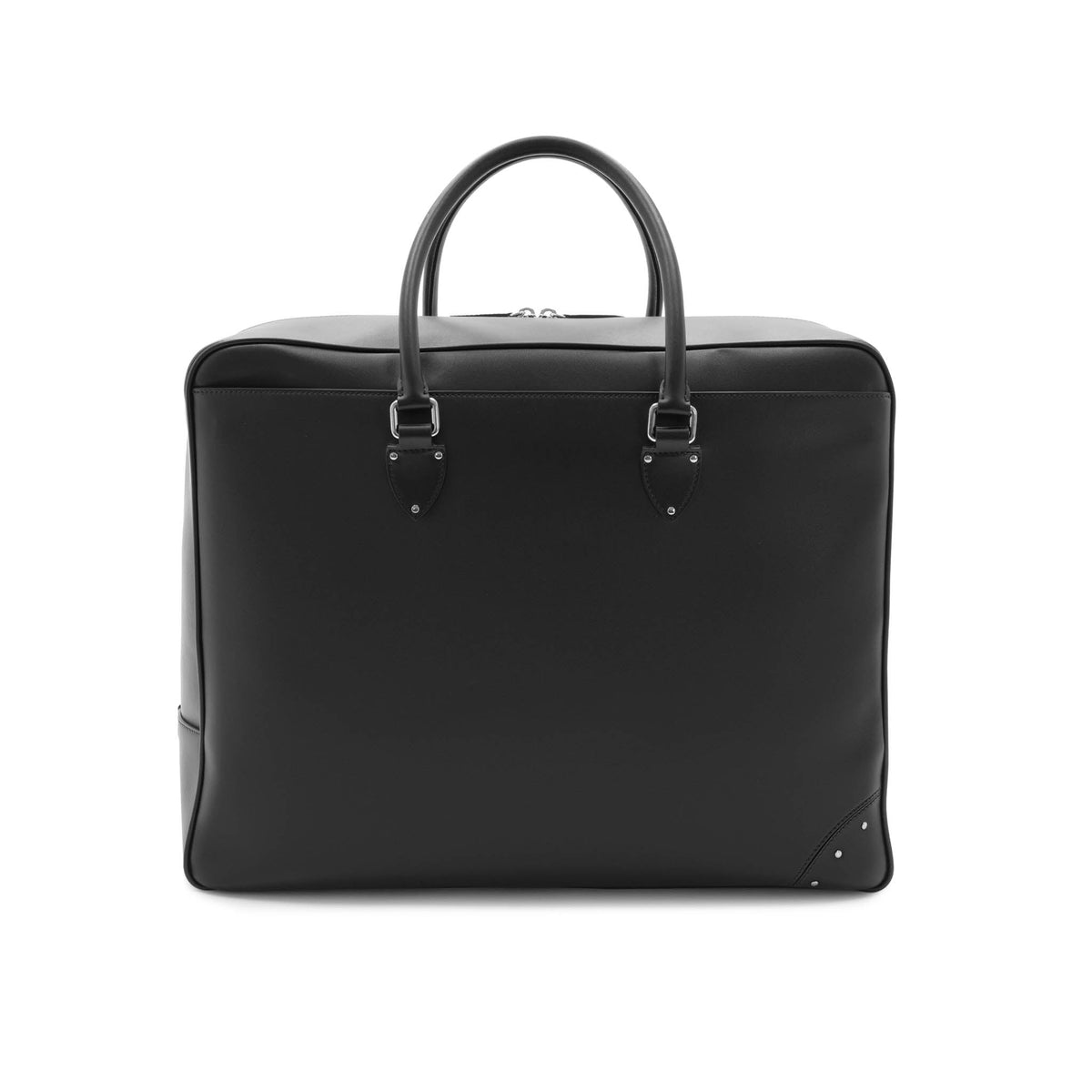
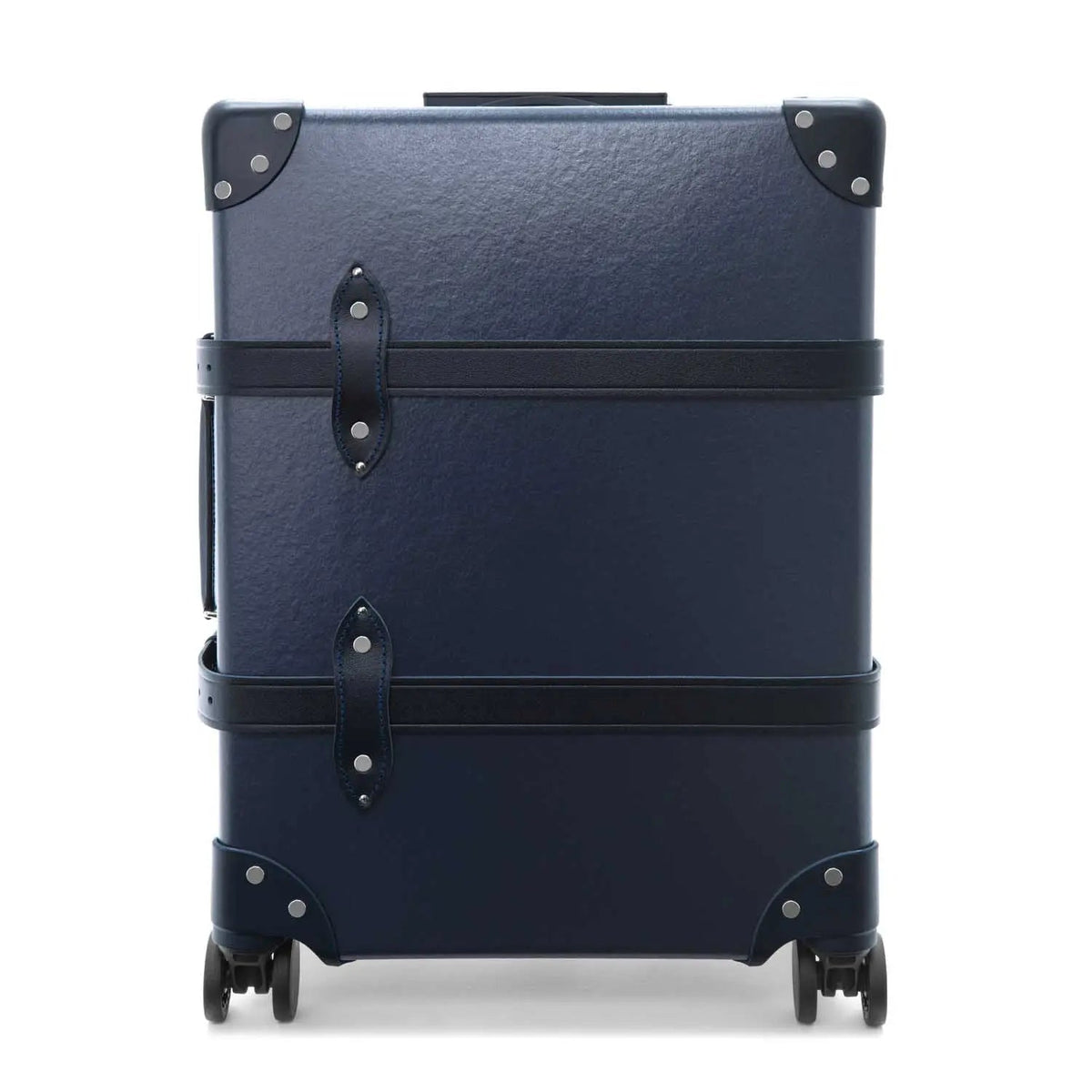
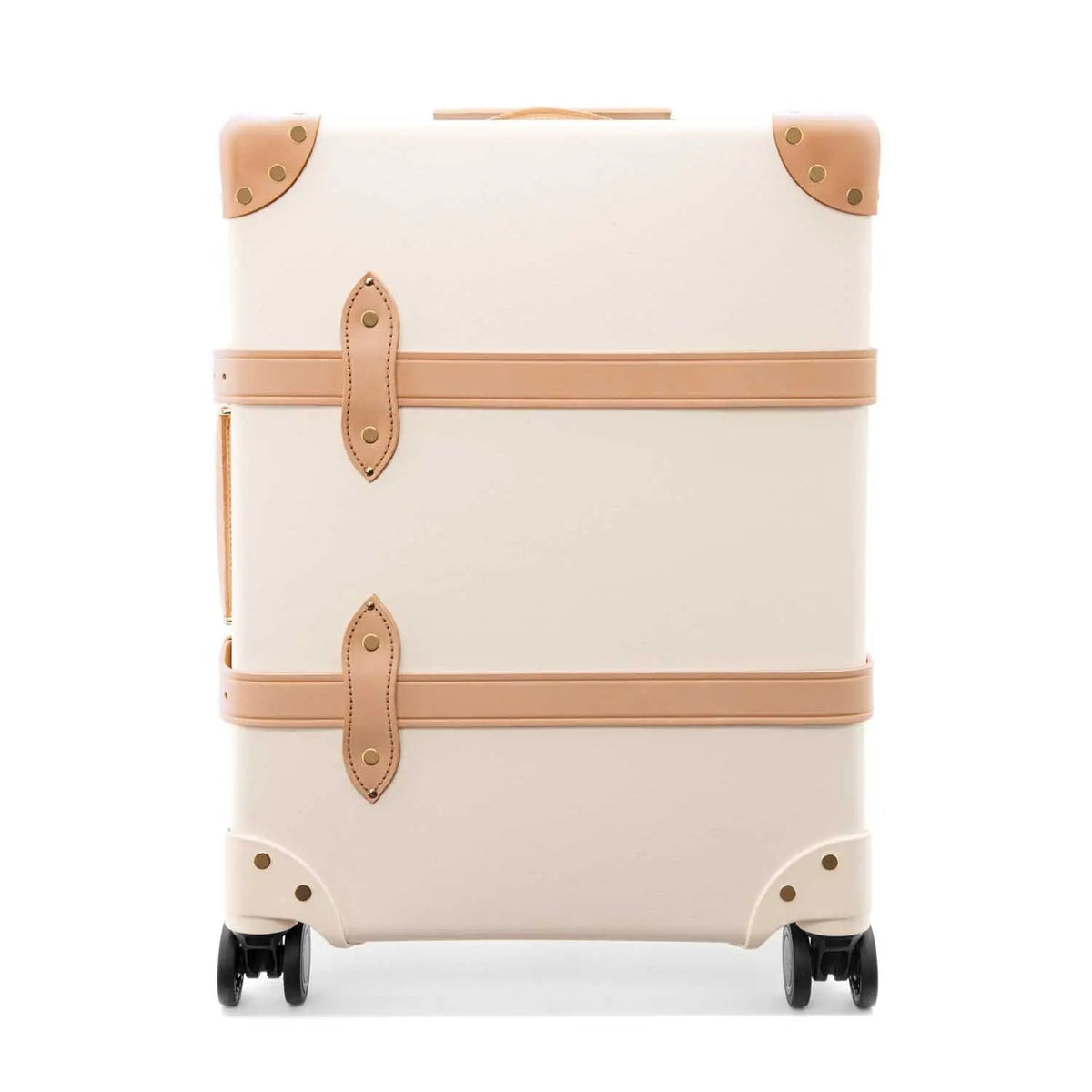
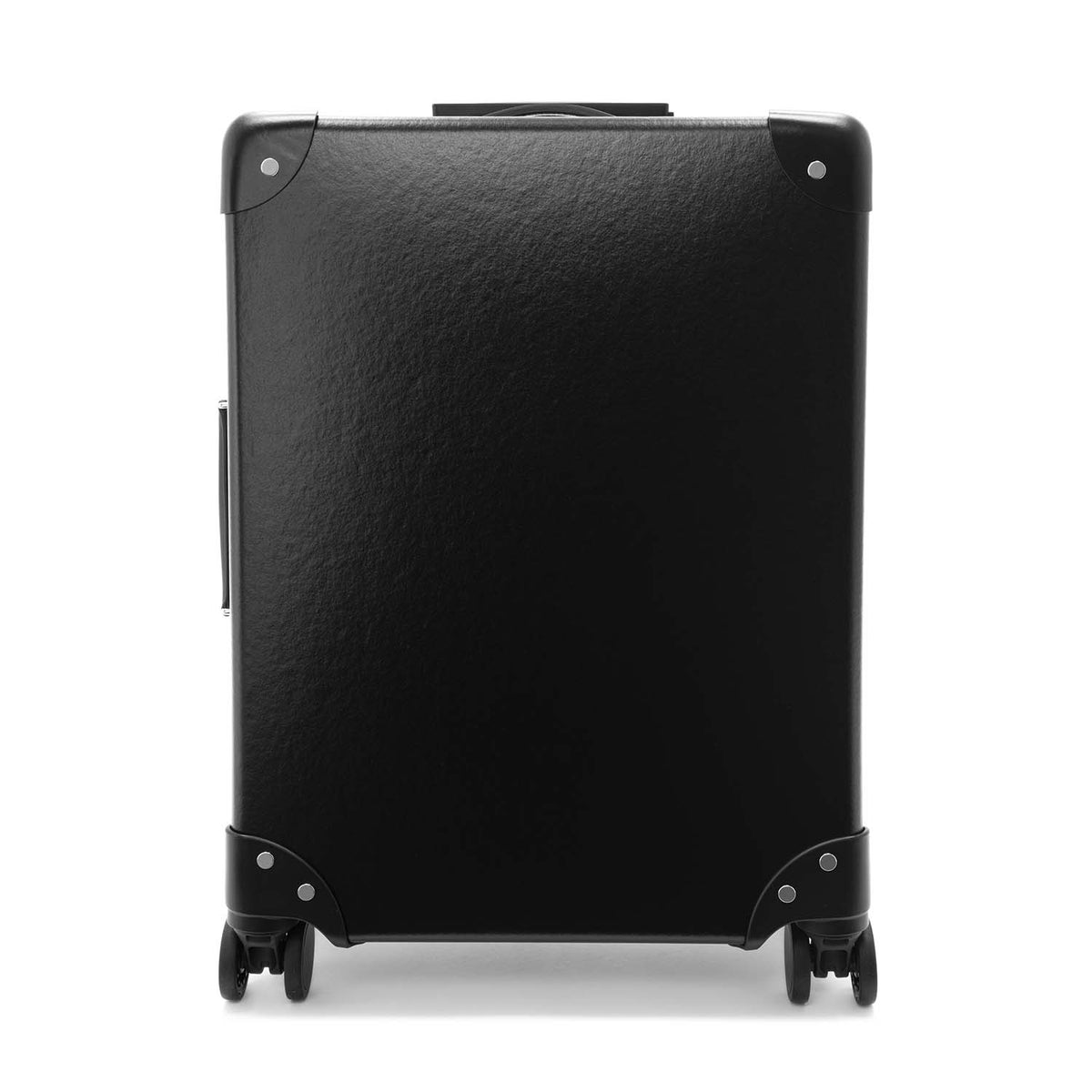
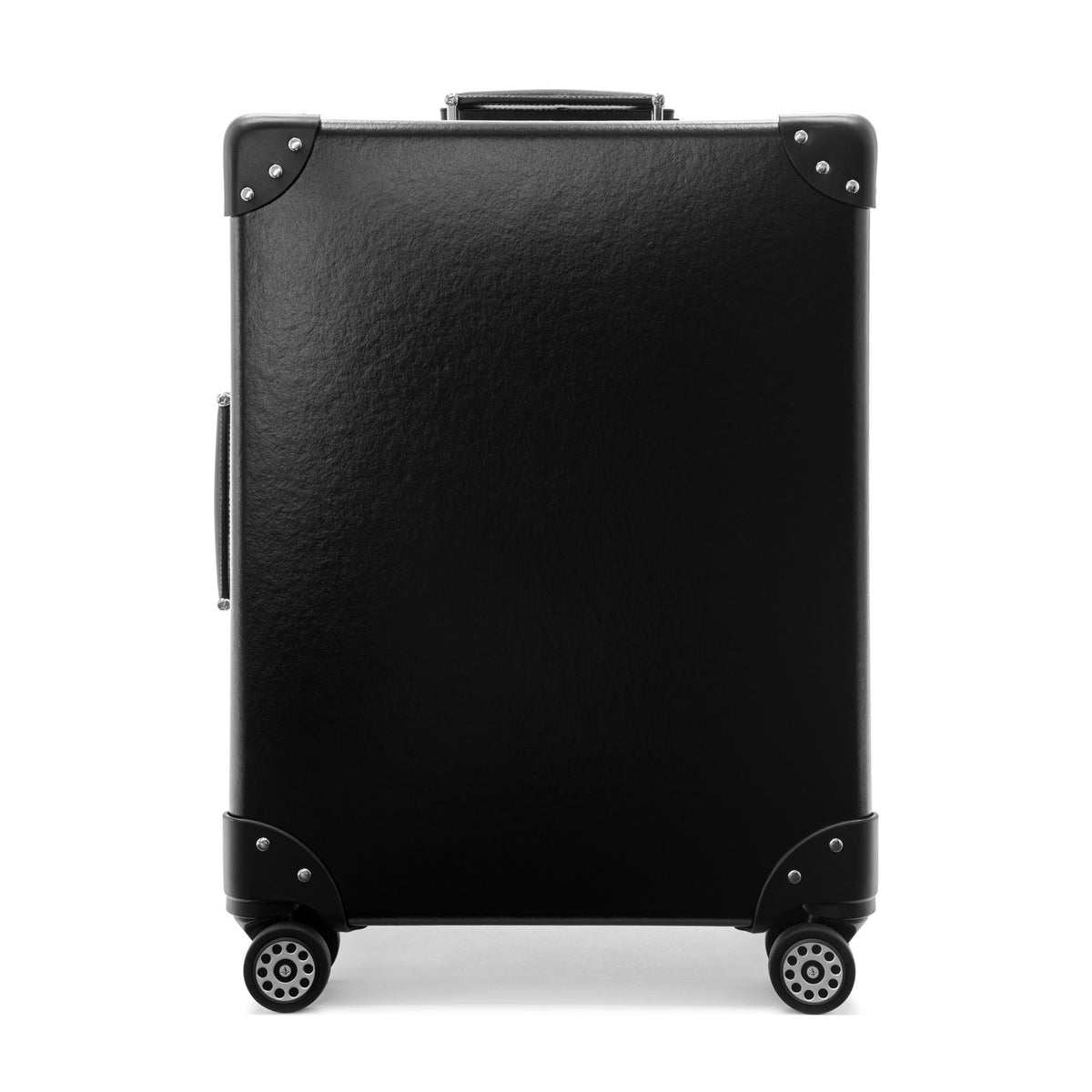
Owners tend to say yes for one reason above all: the cases age beautifully. Built from vulcanised fibreboard, a Globe-Trotter is light yet famously tough, and it earns a lived-in patina rather than looking simply worn out. The price sits in true luxury territory, so it suits travellers who value craft and longevity over disposable convenience, but as a buy-it-for-life piece it makes sense.
Why is Globe-Trotter luggage so expensive?+
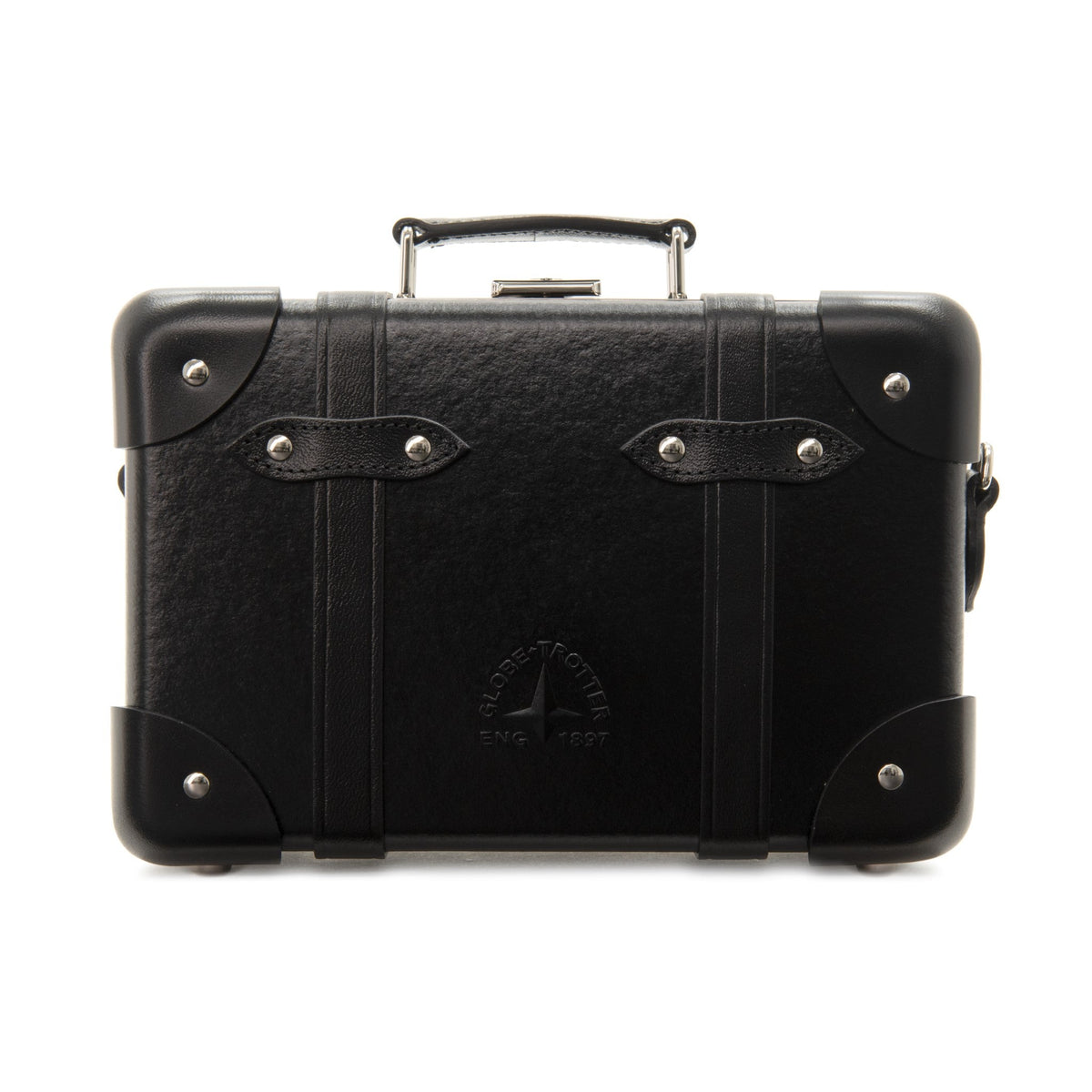
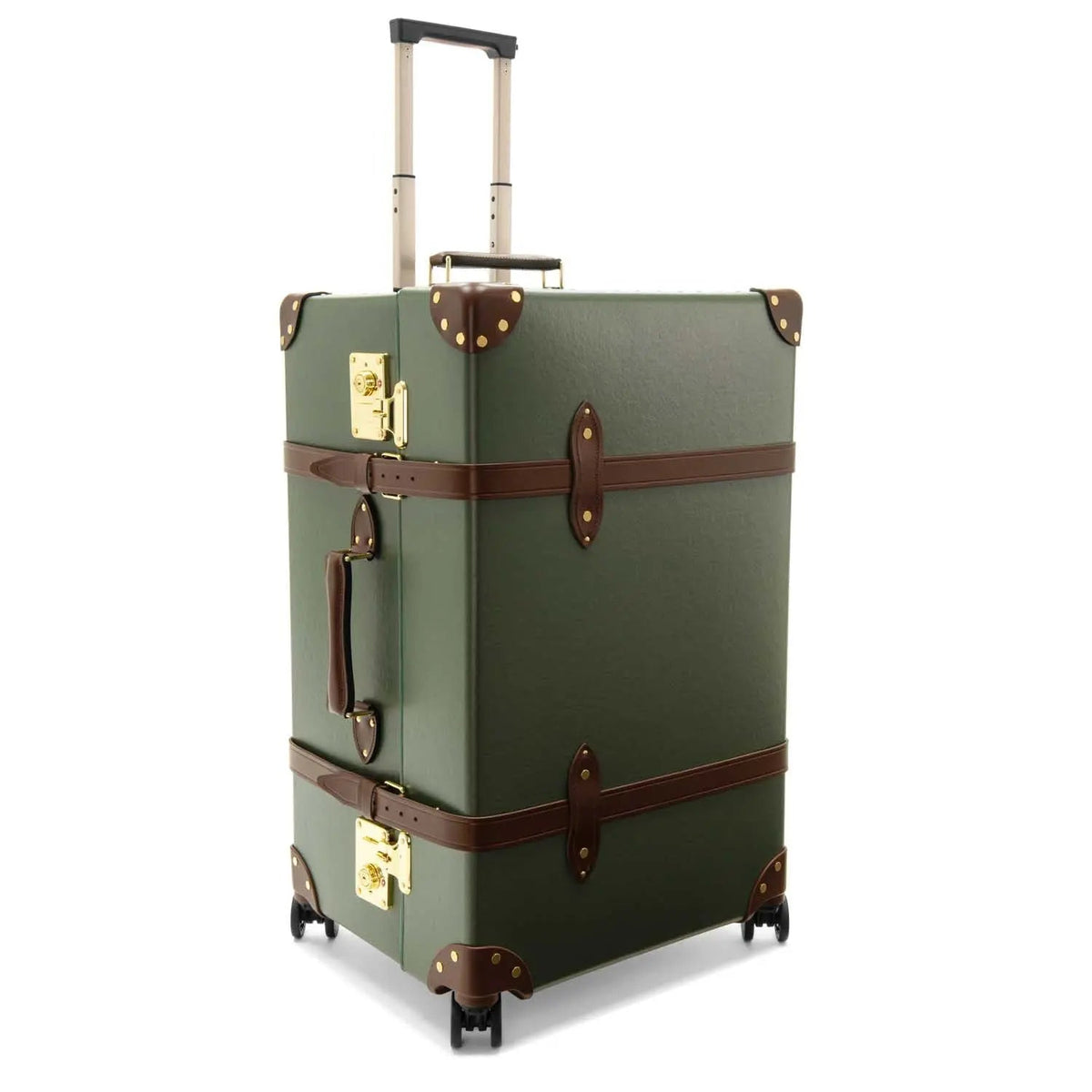
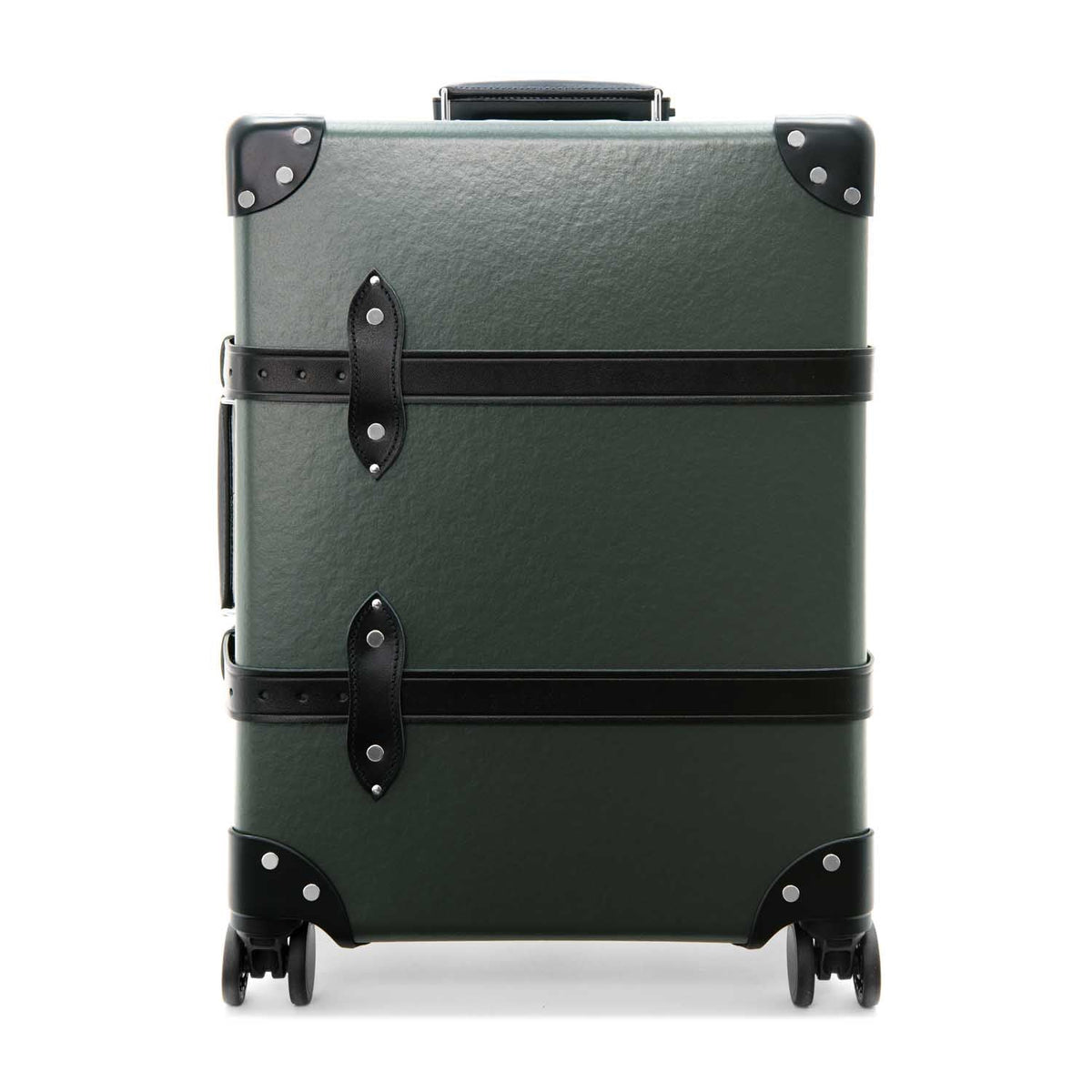
Globe-Trotter patented the use of vulcanised fibreboard for suitcases back in 1900-01 and remains the only company to make cases from it, a material of paper, cotton and wood pulp that is delicate and stubborn to mould. The cases are handmade in England, and the handles, corners and straps use 3mm vegetable-tanned hide leather from J&FJ Baker in Devon, the last tannery of its kind in Britain. That patented process and hand craftsmanship are what you pay for.
How does Globe-Trotter compare to Rimowa?+
They take opposite approaches to toughness. Rimowa's aluminium and polycarbonate cases resist blunt impact head-on, while Globe-Trotter's fibreboard flexes under pressure and springs back, so it looks fragile but absorbs knocks gracefully and develops character with use. Choose Rimowa for a modern, technical hard-shell; choose Globe-Trotter if you want heritage craftsmanship and a case that looks better the more you travel with it.
What is Globe-Trotter's vulcanised fibreboard?+
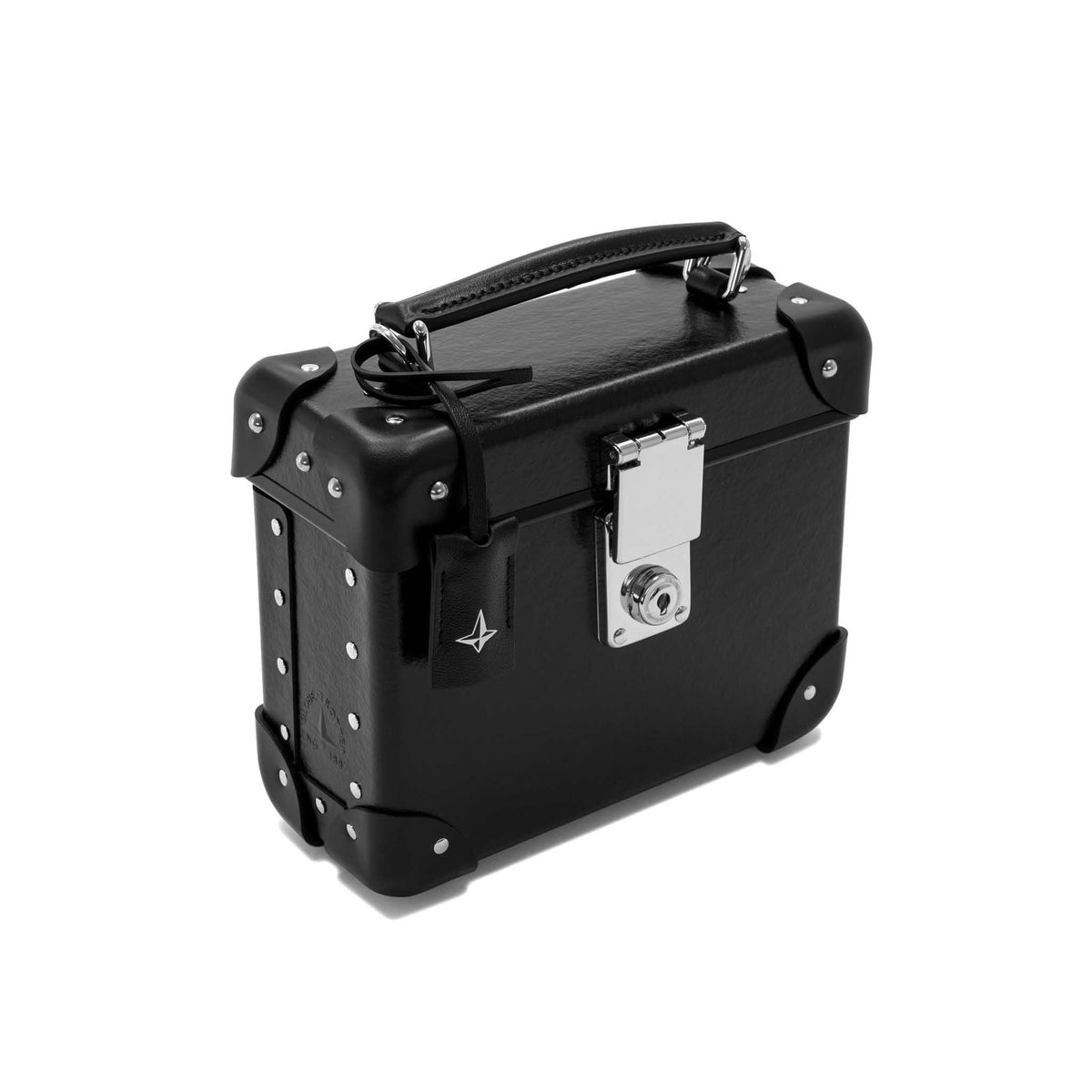
It is the material at the heart of the brand. Globe-Trotter patented vulcanised fibreboard for luggage around 1900-01 and is still the only maker using it for suitcases; it is made of paper, cotton and wood pulp, and prized for being strong and durable while staying remarkably light. Earlier cases had used woven mesh plates, which were light but neither durable nor hard-wearing, so the switch was a genuine leap forward.
Are Globe-Trotter suitcases actually durable?+
Durability is the whole origin story. In its 1912-13 catalogue the company ran an advert using an elephant from the Hagenbeck Zoo in Hamburg to stand on a case, claiming the breaking weight of a Globe-Trotter cabin trunk was eight tons. The vulcanised fibreboard's strength relative to its light weight is exactly what set the brand apart from rival German case-makers of the era.
Where is Globe-Trotter made and how old is the brand?+
Globe-Trotter is a British luxury luggage maker founded in 1897, based in Mayfair. Its history actually begins in Dresden, in the Kingdom of Saxony, before the brand became thoroughly British. It registered its name and signature look in Germany in 1901 and in the UK the following year, so it carries well over a century of heritage.
What does the Globe-Trotter logo mean?+
The logo features a central symbol that can be read as either a compass star or the North Star, both fitting for a luggage brand, since each has traditionally guided travellers on their journeys. It was first registered in Germany in 1901 bearing the words "Globe-Trotter" and "Stabilist," then registered in the UK a year later without the "Stabilist" term. It is a quietly meaningful mark to spot on a case.
Who owns Globe-Trotter now?+
Since 2020 a majority stake in the Globe-Trotter Group has been held by Oakley Capital, acquired from entrepreneur Toshiyasu Takubo, who had grown the brand significantly in the Japanese market and retained a minority stake. The company had earlier passed through several hands, including Malcolm Payton, who bought it in 1985 and later moved production to Waltham Forest.
Is Globe-Trotter luggage repairable?+
Repairability is one of its quiet strengths. Because the cases are built from vulcanised fibreboard with leather fittings rather than fused plastics, components can be worked on and refreshed, which is part of why owners treat them as lifetime pieces. That hand-built construction, the same material the brand has used for over a century, is precisely what makes a Globe-Trotter sensible to maintain rather than replace.
What makes the leather on a Globe-Trotter special?+
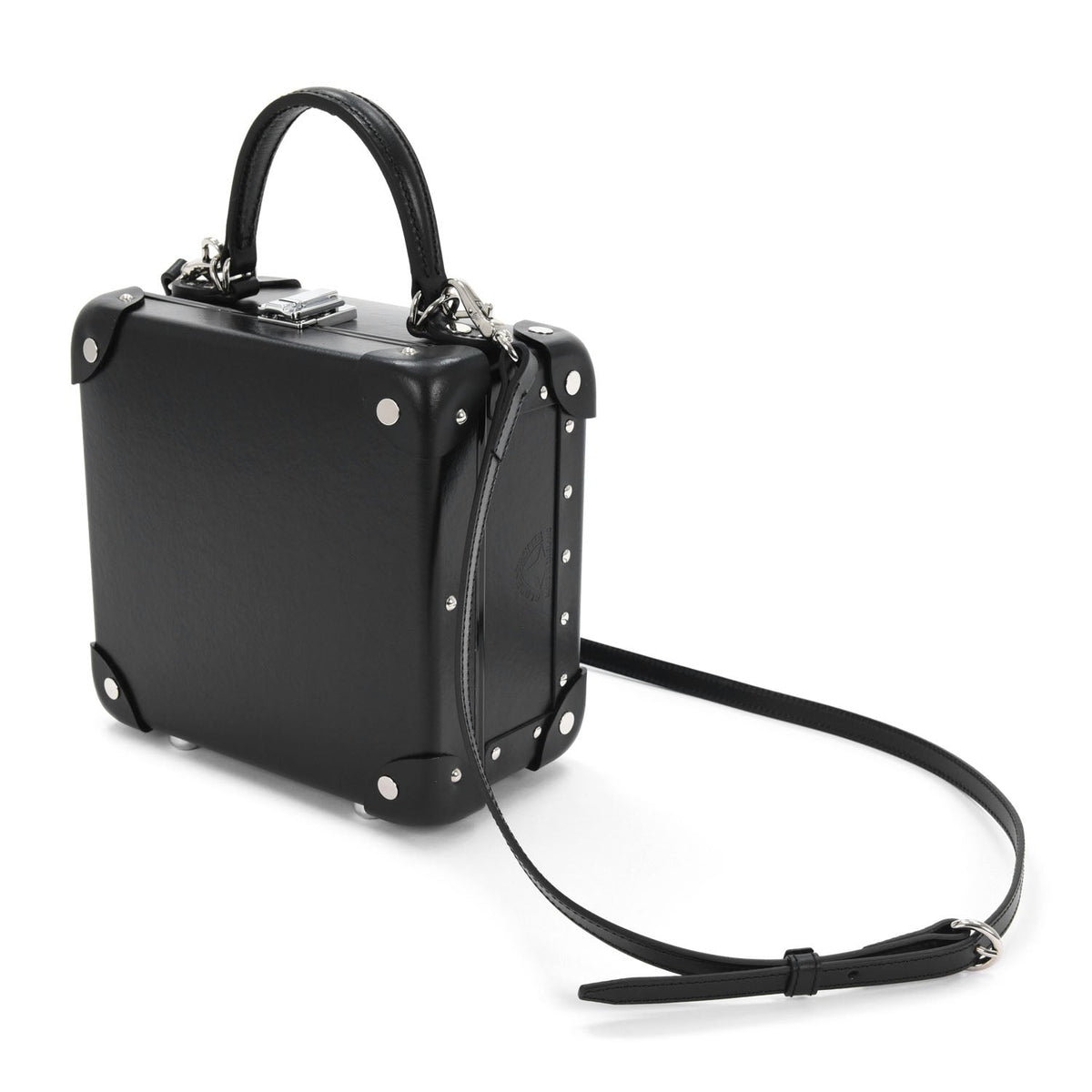
For its handles, corners and straps Globe-Trotter uses 3mm vegetable-tanned hide leather sourced from the family-owned J&FJ Baker tannery in Devon, the last remaining tannery of its kind in Britain. Vegetable tanning is a slow, traditional process that ages into a rich patina, which is exactly the character buyers love about these cases over time. It is a detail that ties the brand to British craft heritage.
Which Globe-Trotter case should I buy first?+
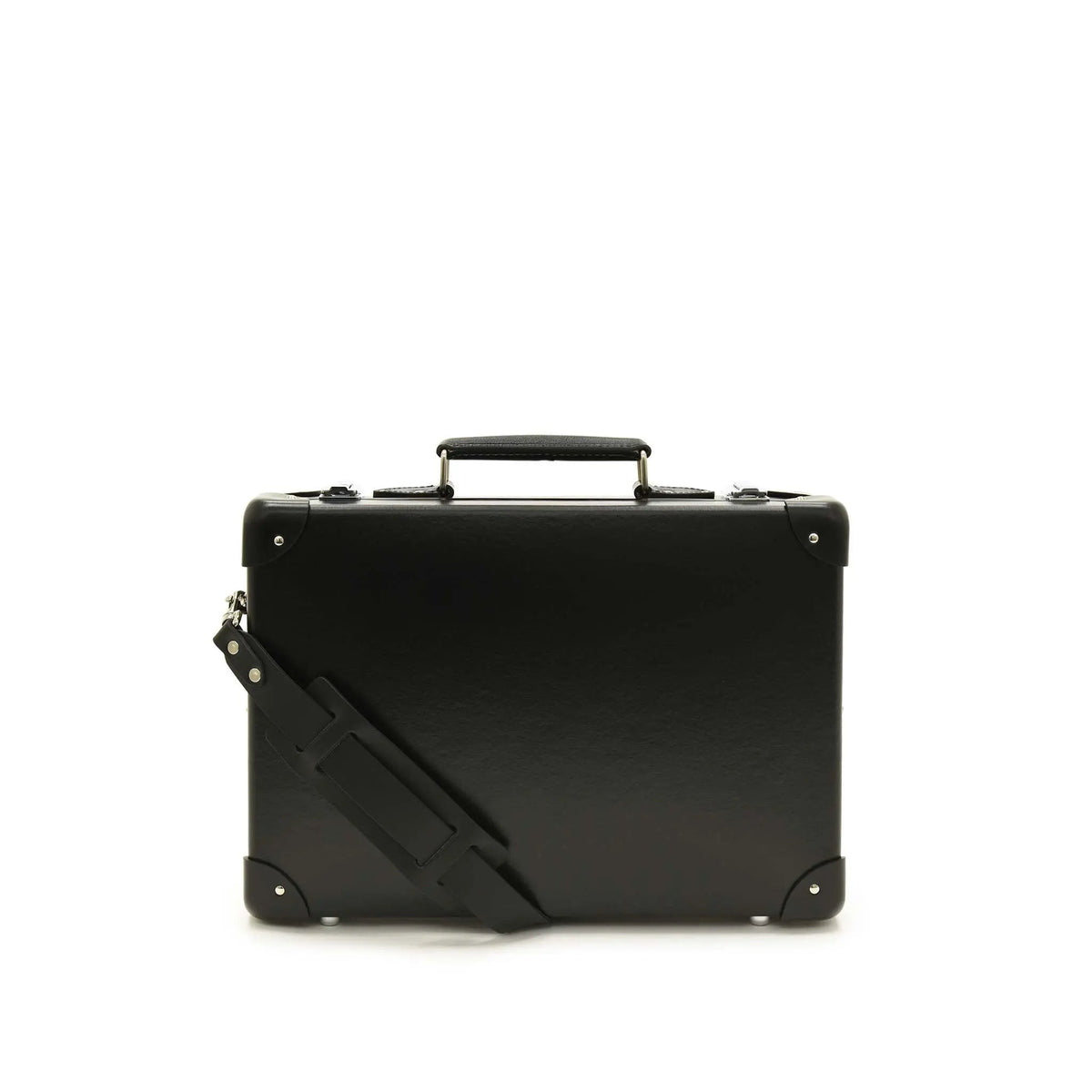
Most travellers start with a carry-on or cabin case, since that is where a light, hard-wearing material such as vulcanised fibreboard earns its keep on every trip. Decide first on the colour and leather trim you will still love in ten years, because these cases are meant to patina and stay with you. Buying from the brand or an authorised stockist also helps ensure the genuine fibreboard construction and proper aftercare.
How should I care for a Globe-Trotter suitcase?+
Treat it like the heritage object it is: wipe the fibreboard body gently and condition the vegetable-tanned leather fittings occasionally so they age into a deep patina rather than drying out. The material is designed to flex and recover, so light marks and a softening finish are part of its charm, not damage. When something does need attention, the brand's hand-built construction means cases can be repaired rather than thrown away.