The outfit remix
How to Style One Slip Dress for Five Different Occasions
Keep the midi fixed. Change the frame, shoe, bag, and coverage for each dress code.
 By Margot Ellis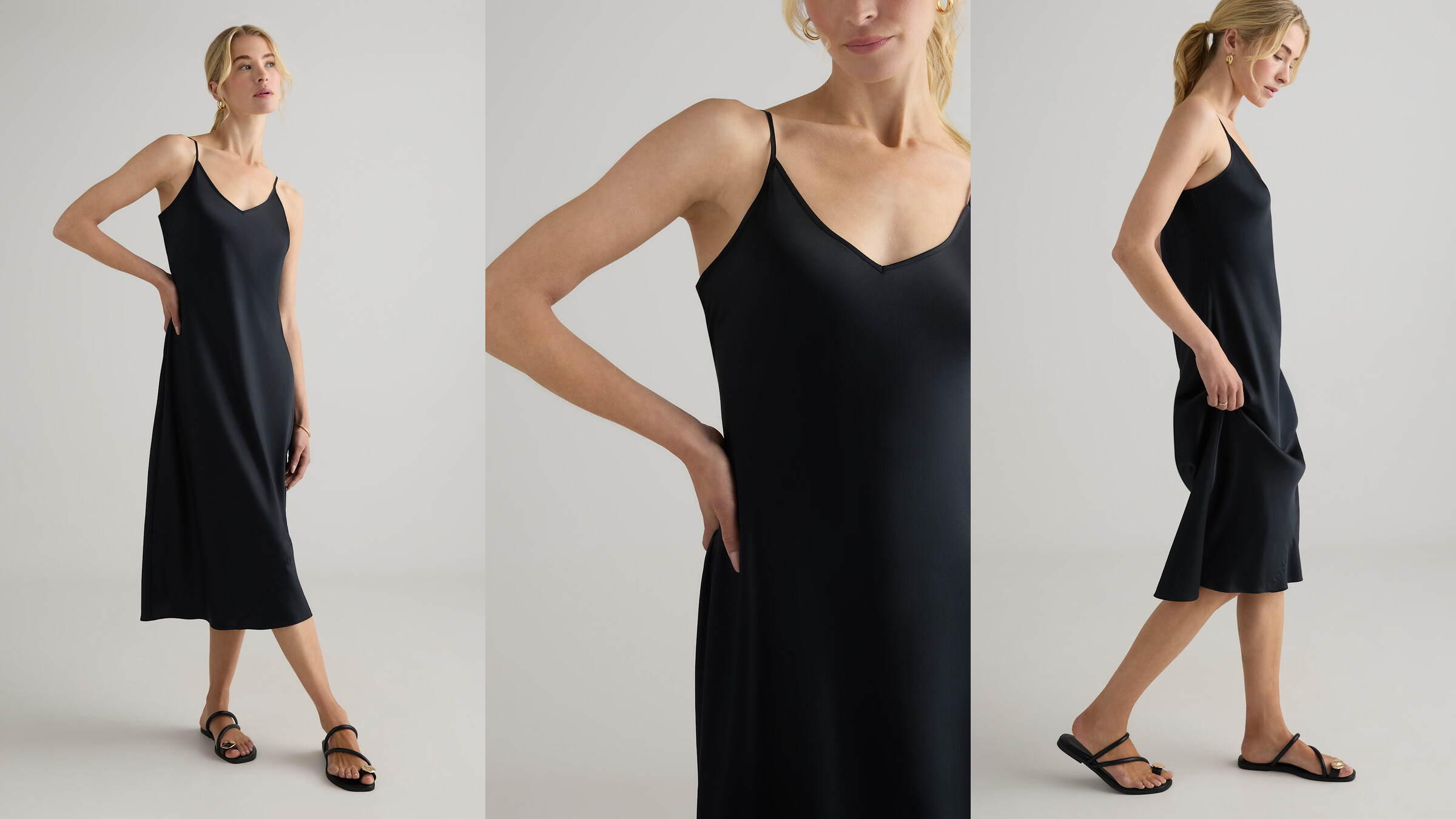
A slip dress is a starting shape, not a finished instruction.
Its role changes with neckline, length, opacity, fabric, and dress code. Styling cannot repair the wrong garment for a setting.
1. Check the occasion and the dress first
Read the invitation or office policy. Note shoulder coverage, black tie or cocktail language, reserved wedding colors, weather, and walking.
This guide assumes a solid midi with suitable coverage. If an underlayer distorts the bias line, place a jacket or knit above it.
A lace-trim mini, light satin midi, and matte full-length dress do not share one range. Check the side seams, strap position, hem, and undergarments while sitting and walking. Event styling starts only after the garment meets the practical requirement.
2. Let the dress supply the column
Keep the neckline-to-hem column visible. Put one boundary at the shoulder, waist, ankle, or neckline.
Solid midi + simple straps
Black, navy, wine, chocolate, or cream leaves room for layers. Bias cut does not guarantee fit or opacity.
Frame + shoe
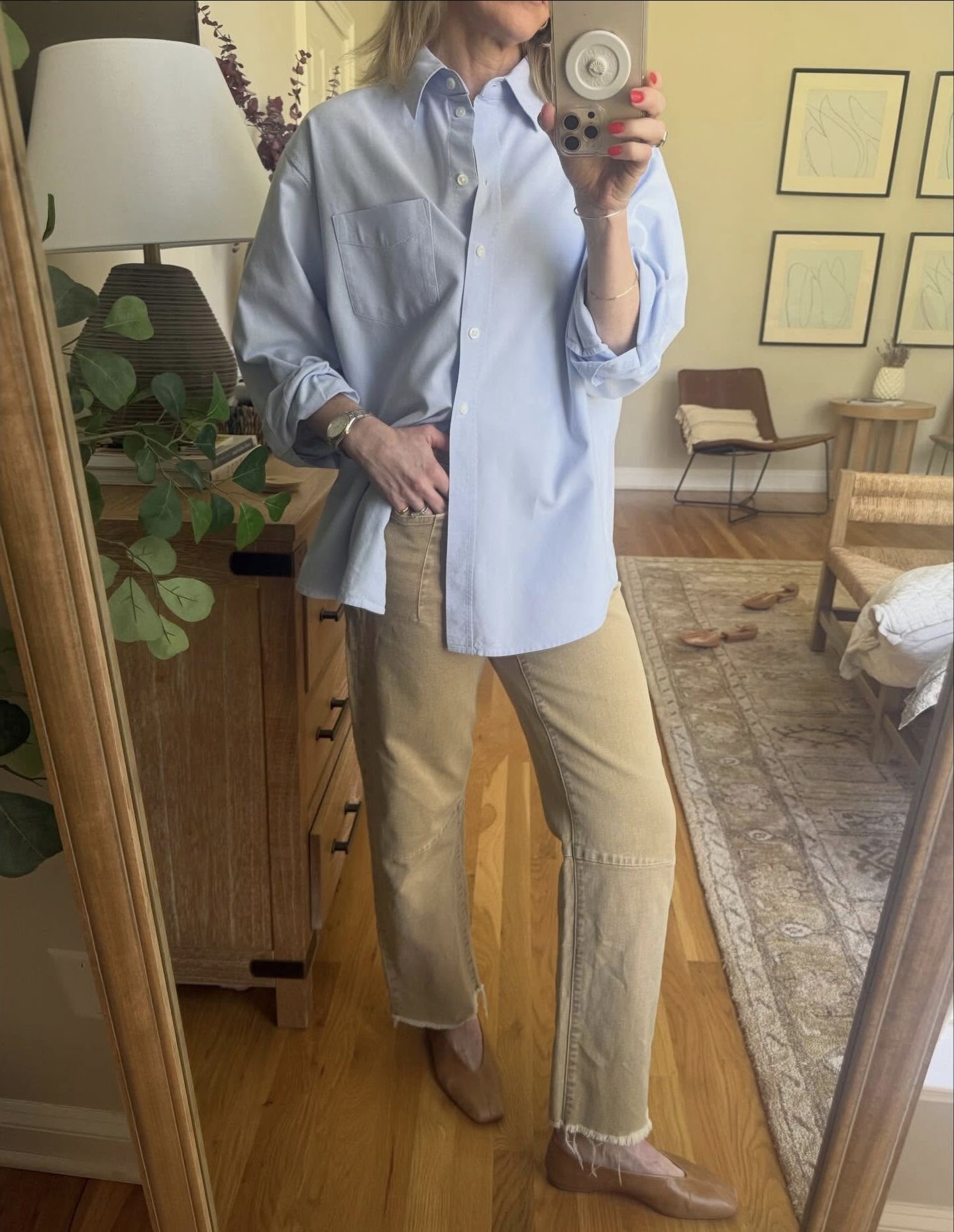
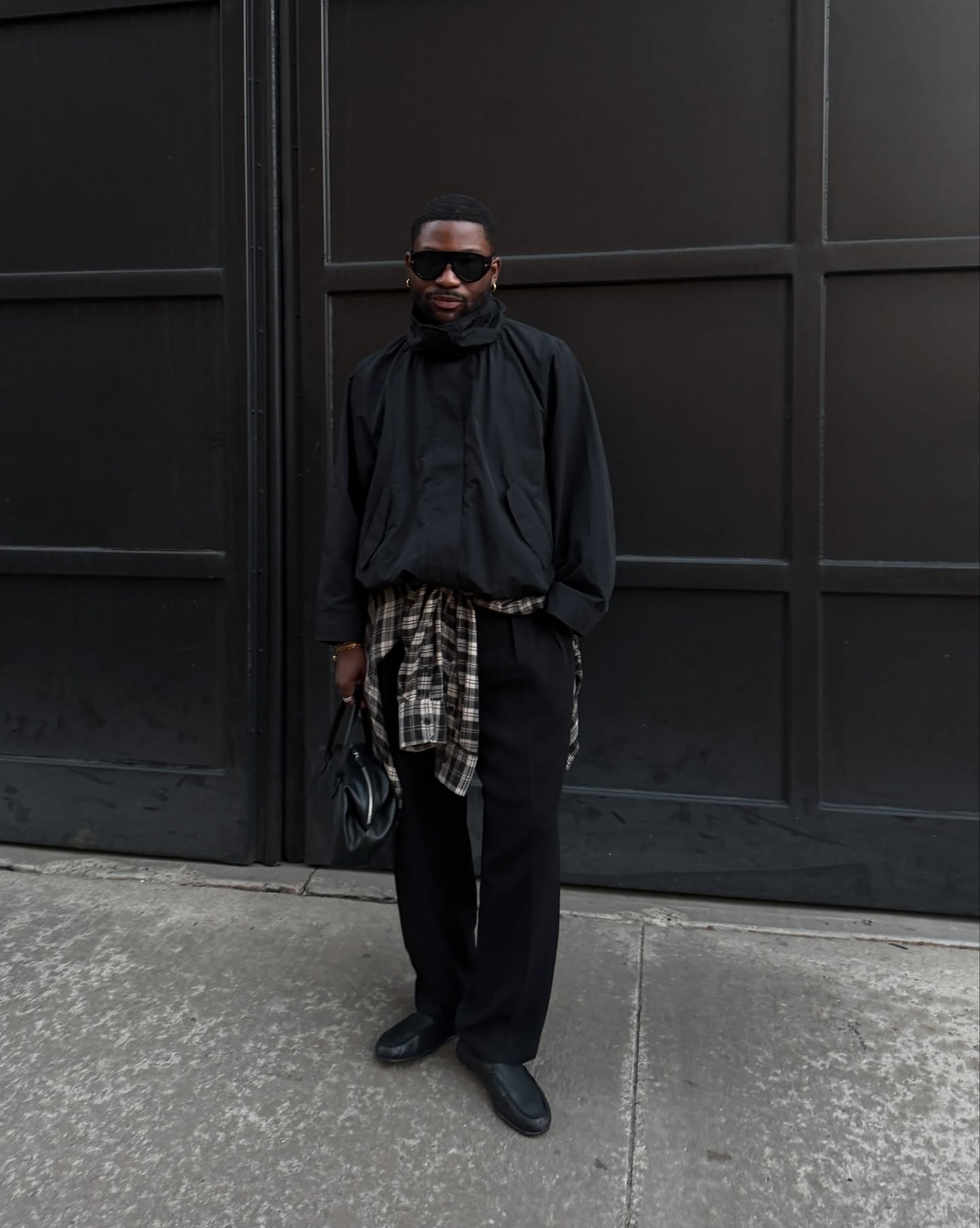
Tailoring adds structure; knitwear softens; sneakers lower formality.
On August 13, 2013, Emma Morrison, fashion assistant at Vogue, identified jacket, sweater, and shoe choice as the variables. The editorial team reviewed that source alongside one current official product page and three other dated Vogue reports; together they support the frame-and-footwear method, product specifications, and documented layering, not personal wear results.
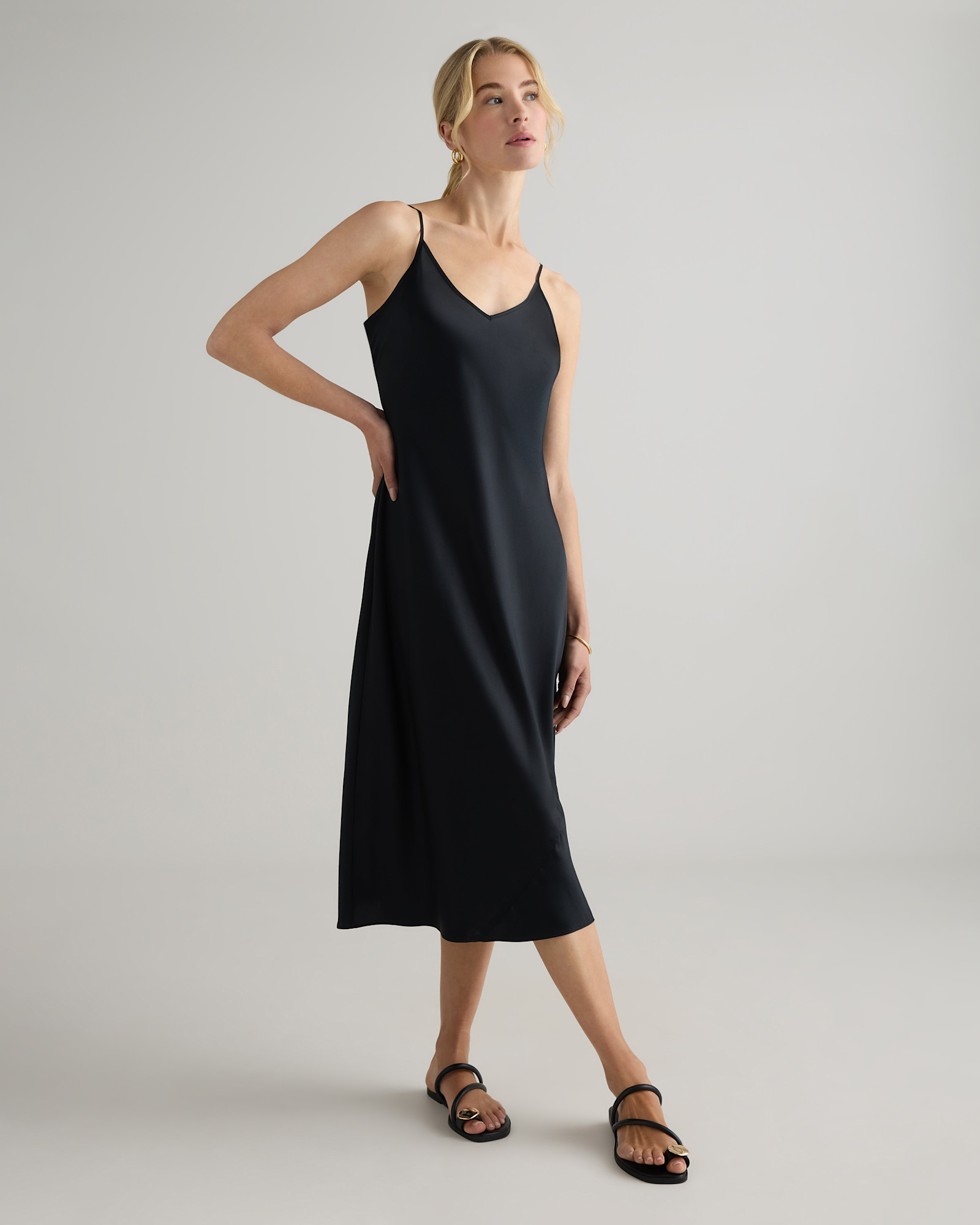
3. Five complete slip dress outfit formulas
Office or professional daytime
Midi slip dress + fine knit or button-down + blazer + loafer + structured tote.
Layer beneath only when the neckline lies cleanly. Otherwise, layer above. Follow office policy.
Casual weekend
Slip dress + cotton tee or denim jacket + sneaker + crossbody bag.
Use the tee beneath or jacket above, not both. Cotton and denim lower the formality.
Dinner or date night
Slip dress + leather jacket or cardigan + pointed flat + compact bag.
If the dress is satin, use matte leather or suede elsewhere. Keep one reflective surface.
Wedding or formal celebration
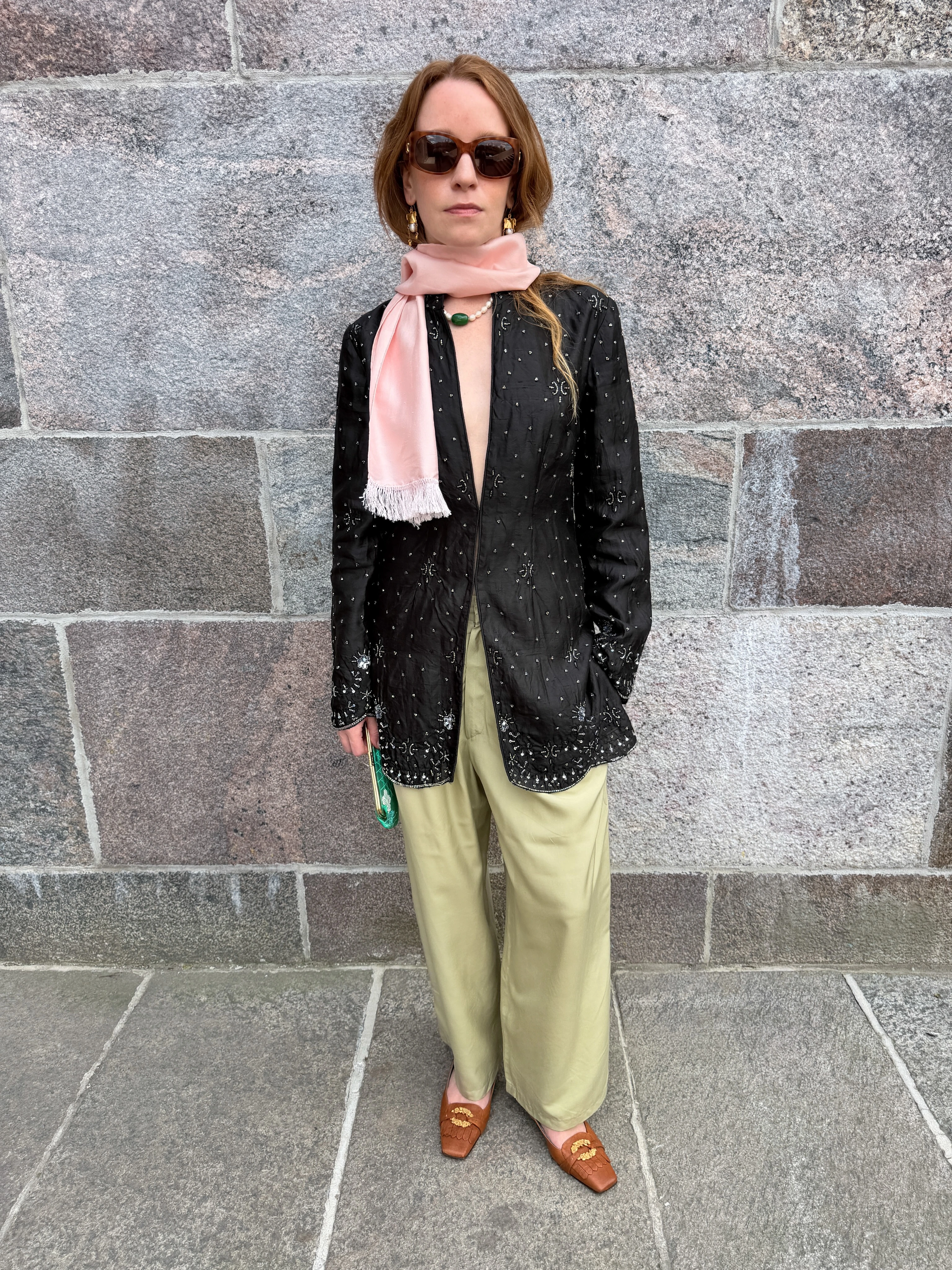
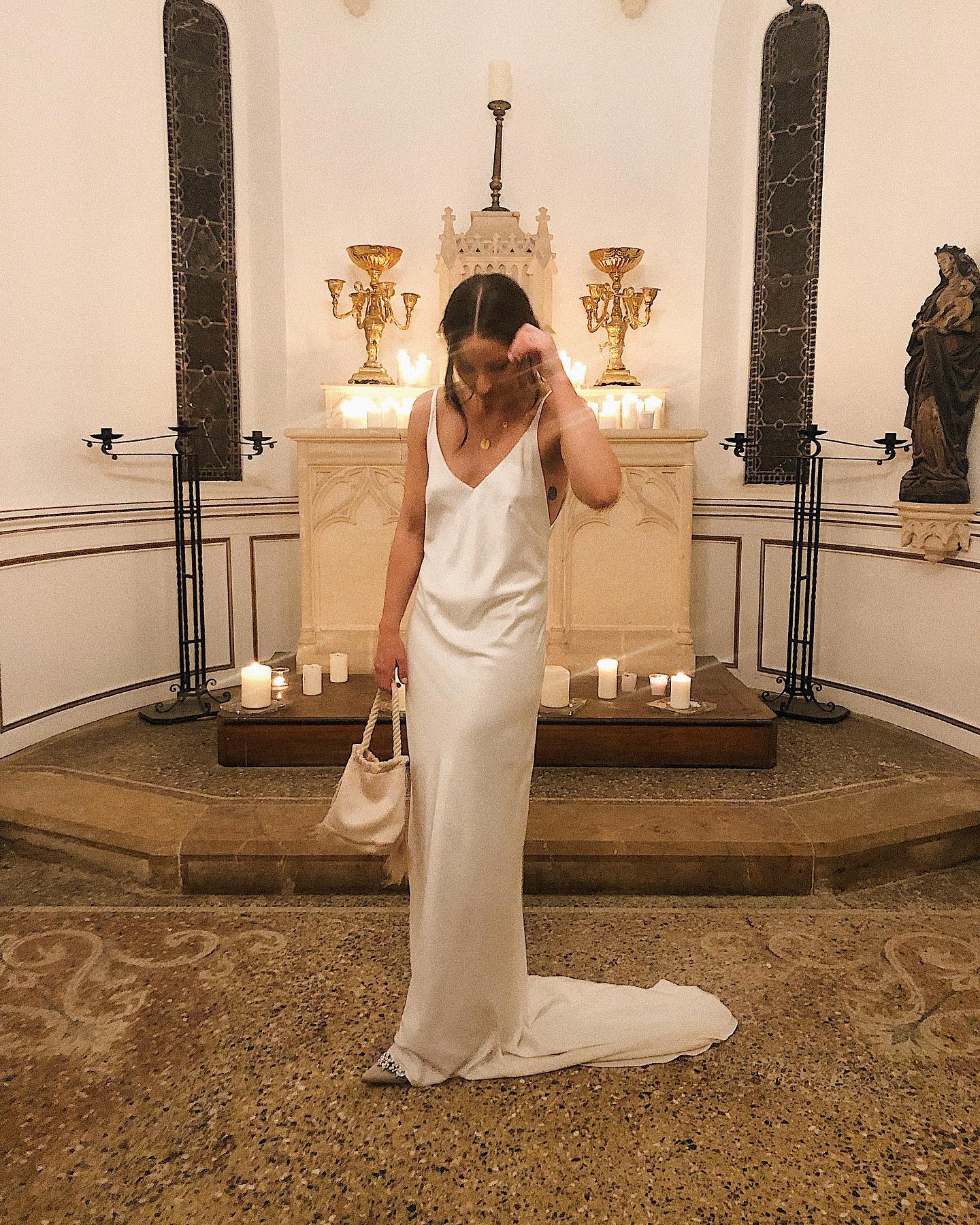
Refined midi or full-length slip + wrap or evening coat + dress shoe + small bag.
Confirm the code, venue, and reserved colors. A heel cannot make casual jersey black tie.
Cold-weather day
Thin turtleneck + slip dress + cardigan or coat + boot + hosiery.
Keep the base thin, and create a gap or clear overlap between boot and hem.
Fabric changes the finish. Silk satin reflects light; cotton, denim, suede, leather, jersey, and wool create firmer or more matte contrast. Use one reflective area, then let the shoe and outer layer establish the occasion. Bring any layer the venue or weather will actually require.
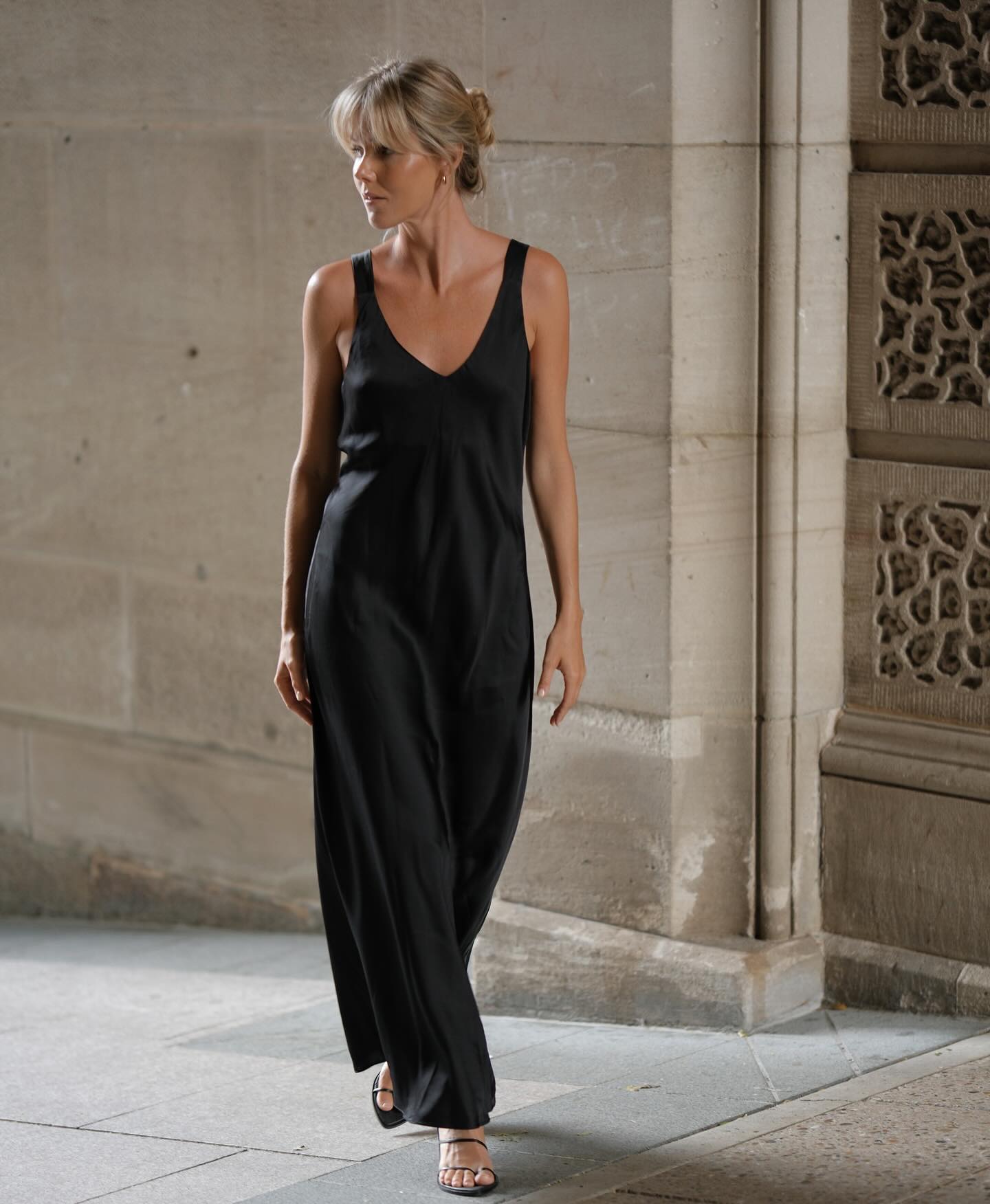
According to a report by Vogue dated October 10, 2025, documented combinations include knitwear, tailoring, trenches, mules, leather jackets, flats, and boots. Examples include Chloé, The Row, Dries Van Noten, Zara, Vince, Yves Saint Laurent, Burberry, Khaite, Prada, Mango, and Nike. They are dated examples, not tests.
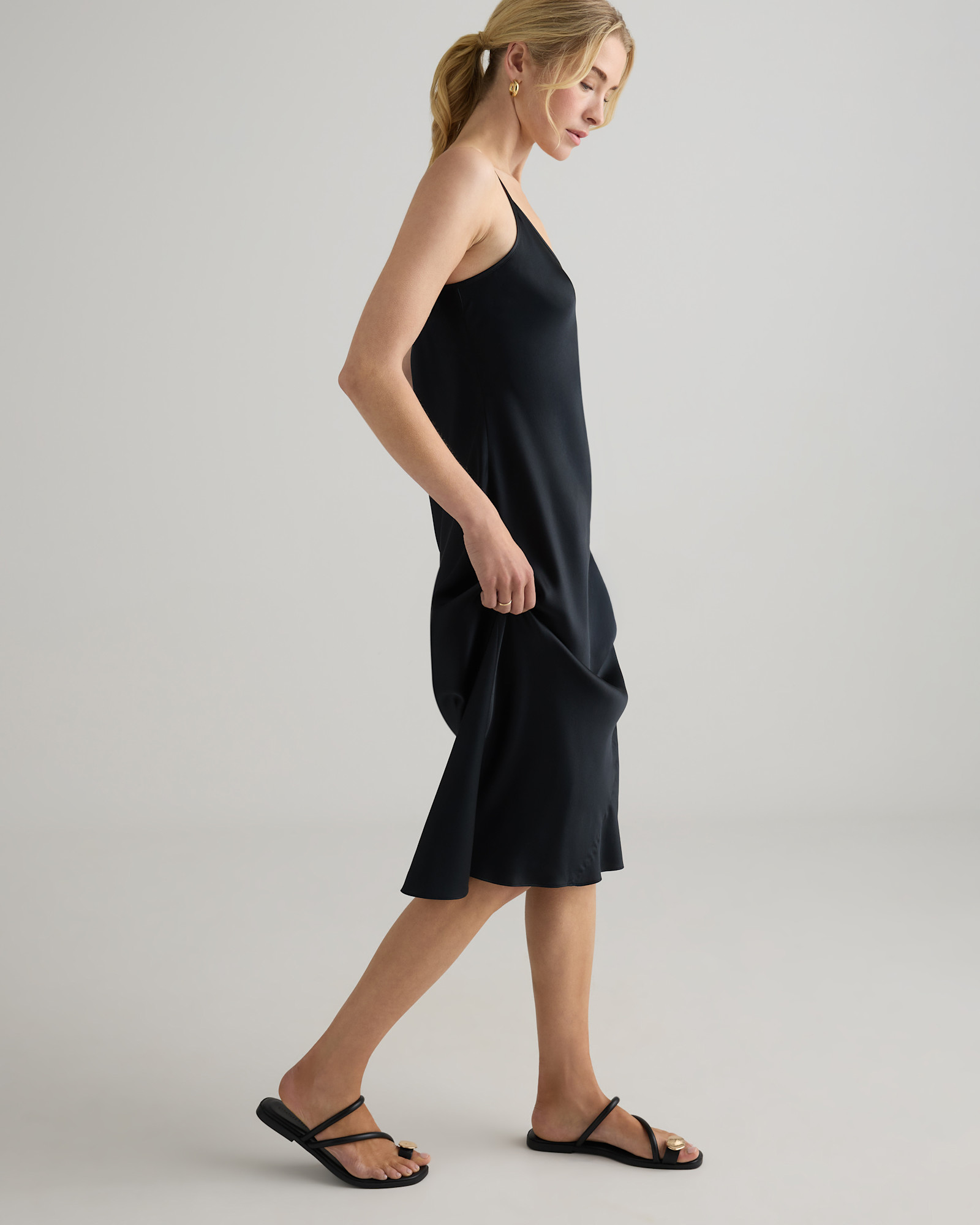
4. Tune the shoe, bag, jewelry, and outer layer
Historical Vogue coverage documents T-shirts and long sleeves beneath slips. Elizabeth Taufield, market assistant at Vogue, also suggests a button-down or tee with a jacket. Recheck fabric, cut, and dress code.
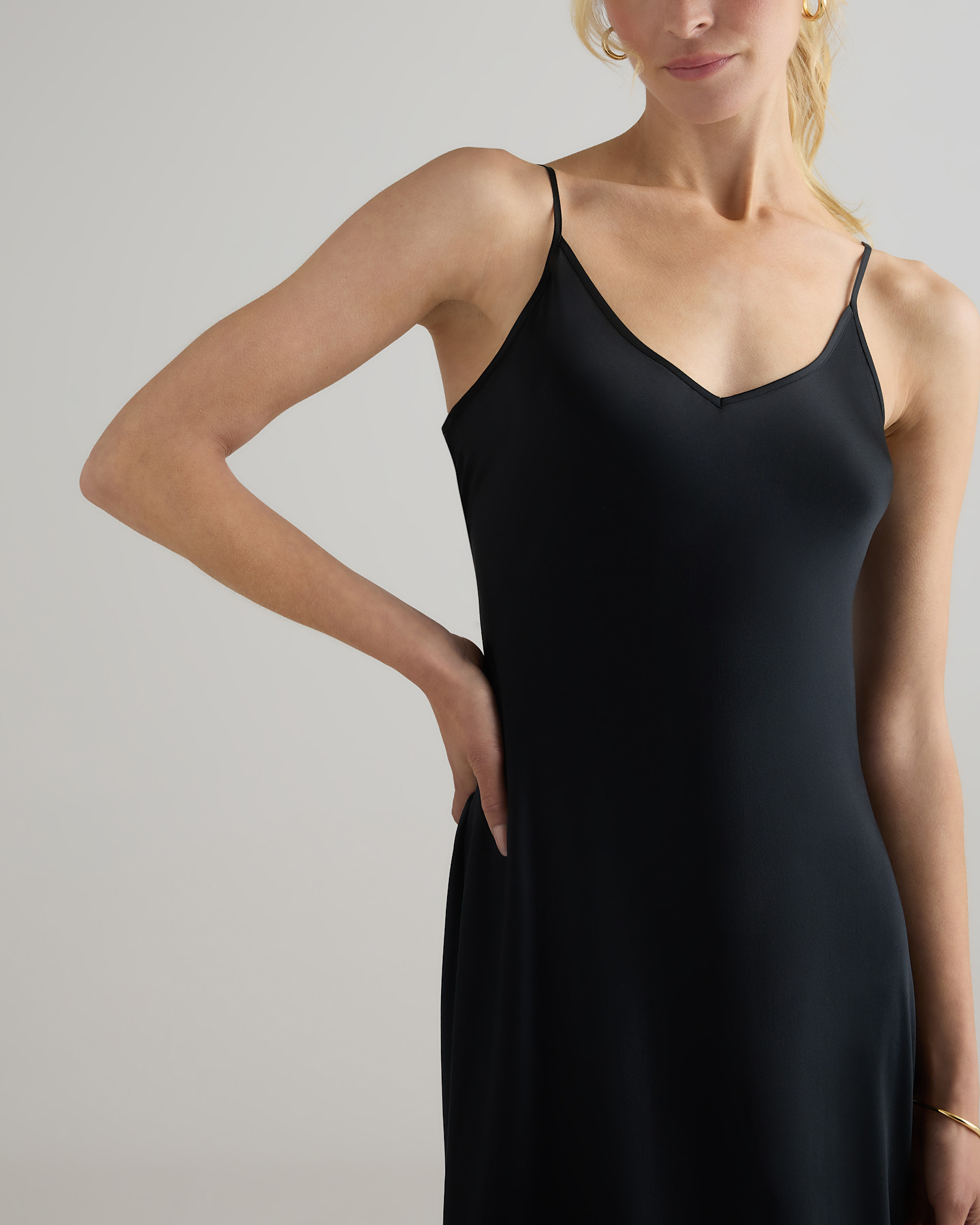
Quince 100% Washable Silk Slip Dress
$89.90 $228 brand comparison on July 15, 2026
The listed price reflects the official page checked July 15, 2026. Quince's displayed $228 “traditional retail” figure is the brand's own comparison, not a verified market benchmark.
The page lists 100% mulberry-silk satin, bias cut, 46-inch length in small, and XS–XL. Those specifications do not establish opacity, feel, wrinkles, or fit.
Quince directs cold delicate washing inside out in a garment bag, line drying, and cool ironing on the reverse. Keep in mind: care directions describe a method, not laundering results, and do not predict opacity, fit, or wrinkle behavior.
5. Change coverage or formality without losing the line
| Need | Change | Keep visible |
|---|---|---|
| Office | Opaque knit, blazer, closed shoe. | Clean midi hem. |
| Hot day | Low sandal or sneaker, light bag. | Practical neckline. |
| Cocktail | Refined shoe, small bag, jewelry. | Dress as lead surface. |
| Cold | Thin base, hosiery, boot, coat. | Neckline, cuff, or hem break. |
Construction check: inspect the strap, armhole, dart, vent, blind hem, grosgrain facing, faille trim, and side-seam overlock before altering a bias dress. Each change can shift the hang.
6. Avoid the styling fixes that create a new problem
A correction should preserve the dress line and solve the actual setting. If it creates bunching, excess shine, unstable coverage, or the wrong formality, replace the correction rather than adding another piece.
7. The bottom line
Keep the dress; change the frame. Tailoring answers work, cotton answers weekends, refined accessories answer events, and thin layers answer cold weather. The garment and dress code set the limit.
ChicAire editors independently research and select products. If you buy through our links, we may earn a commission.