Is Basler good quality and worth it?+
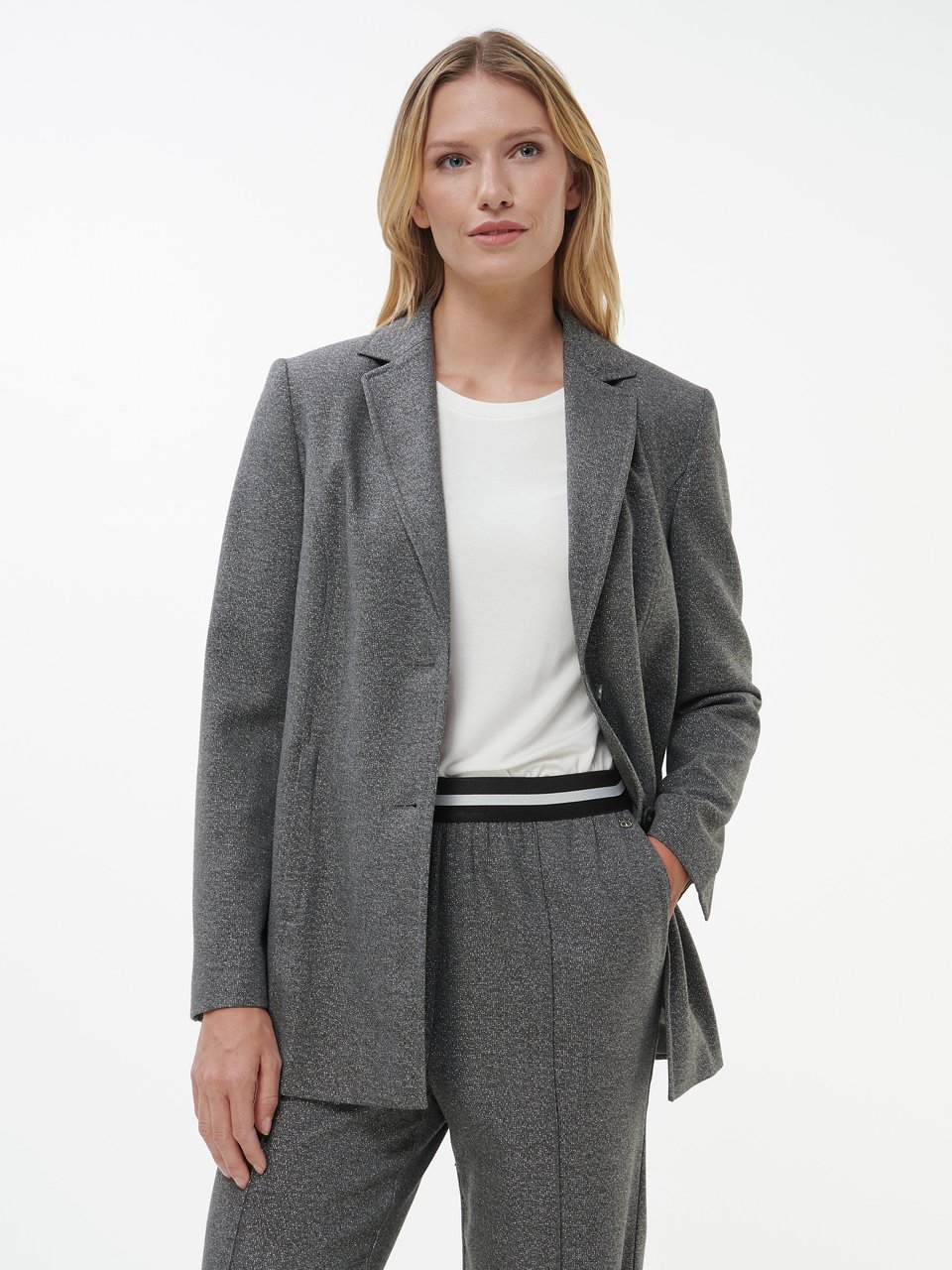
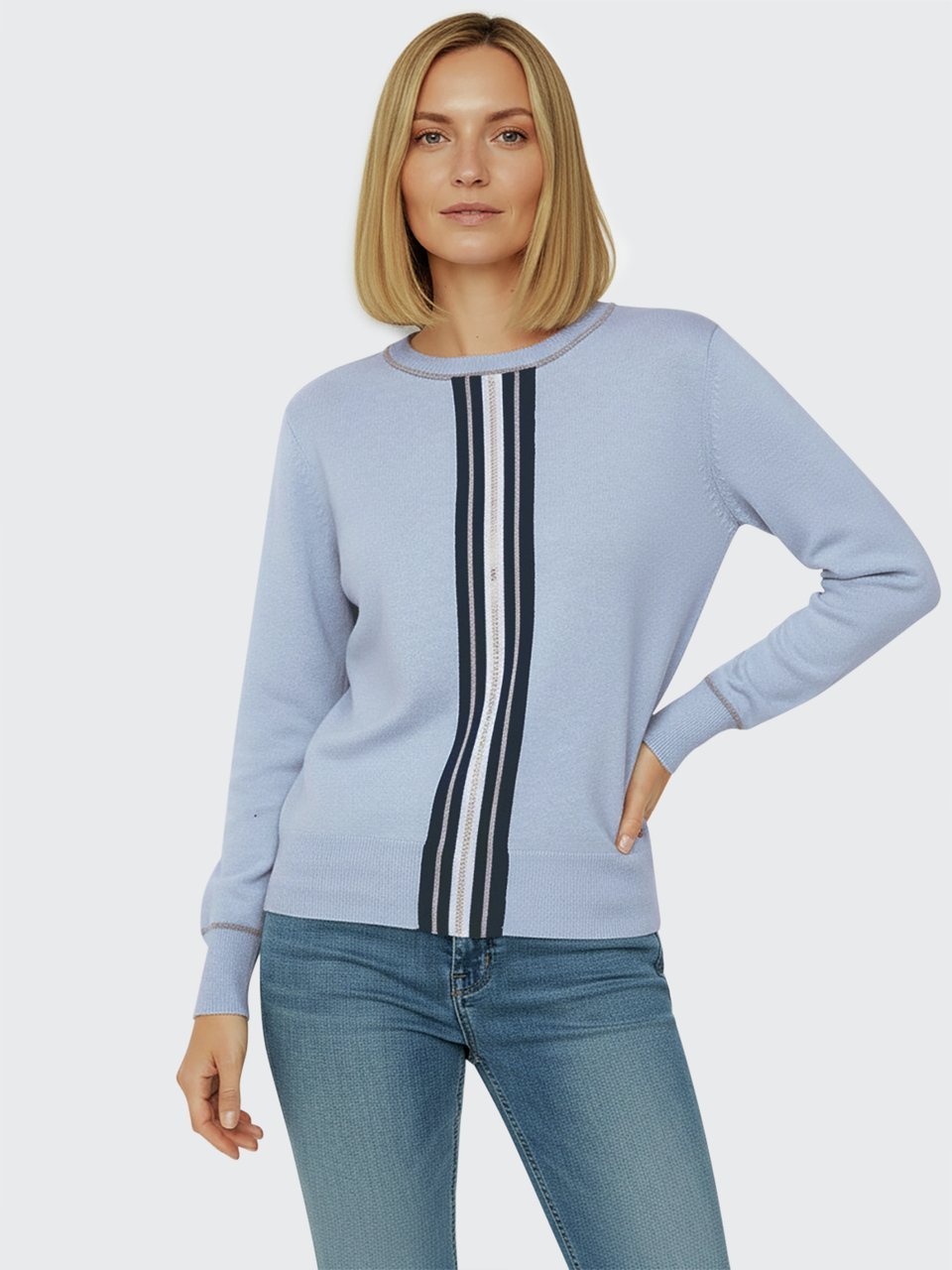
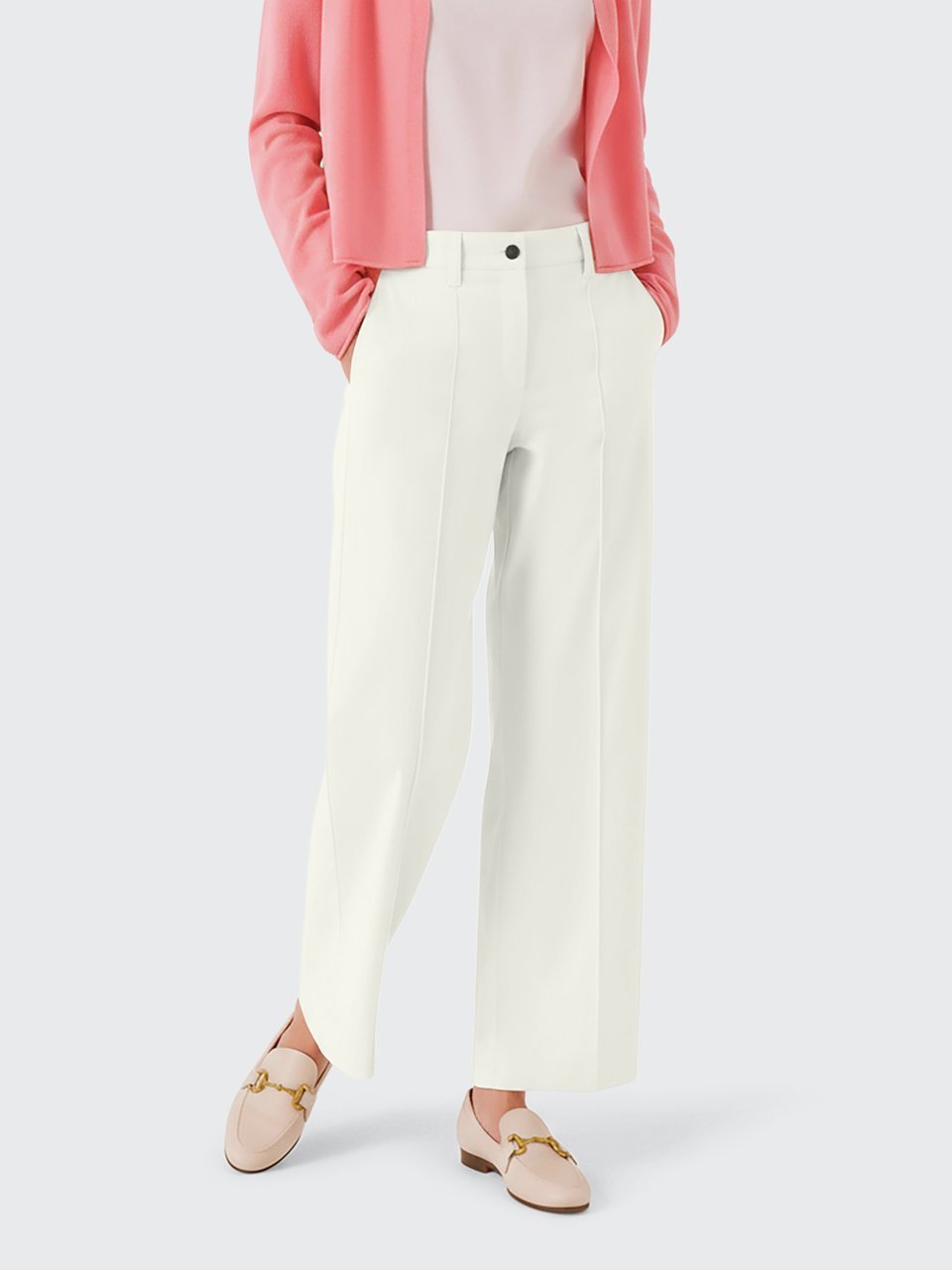
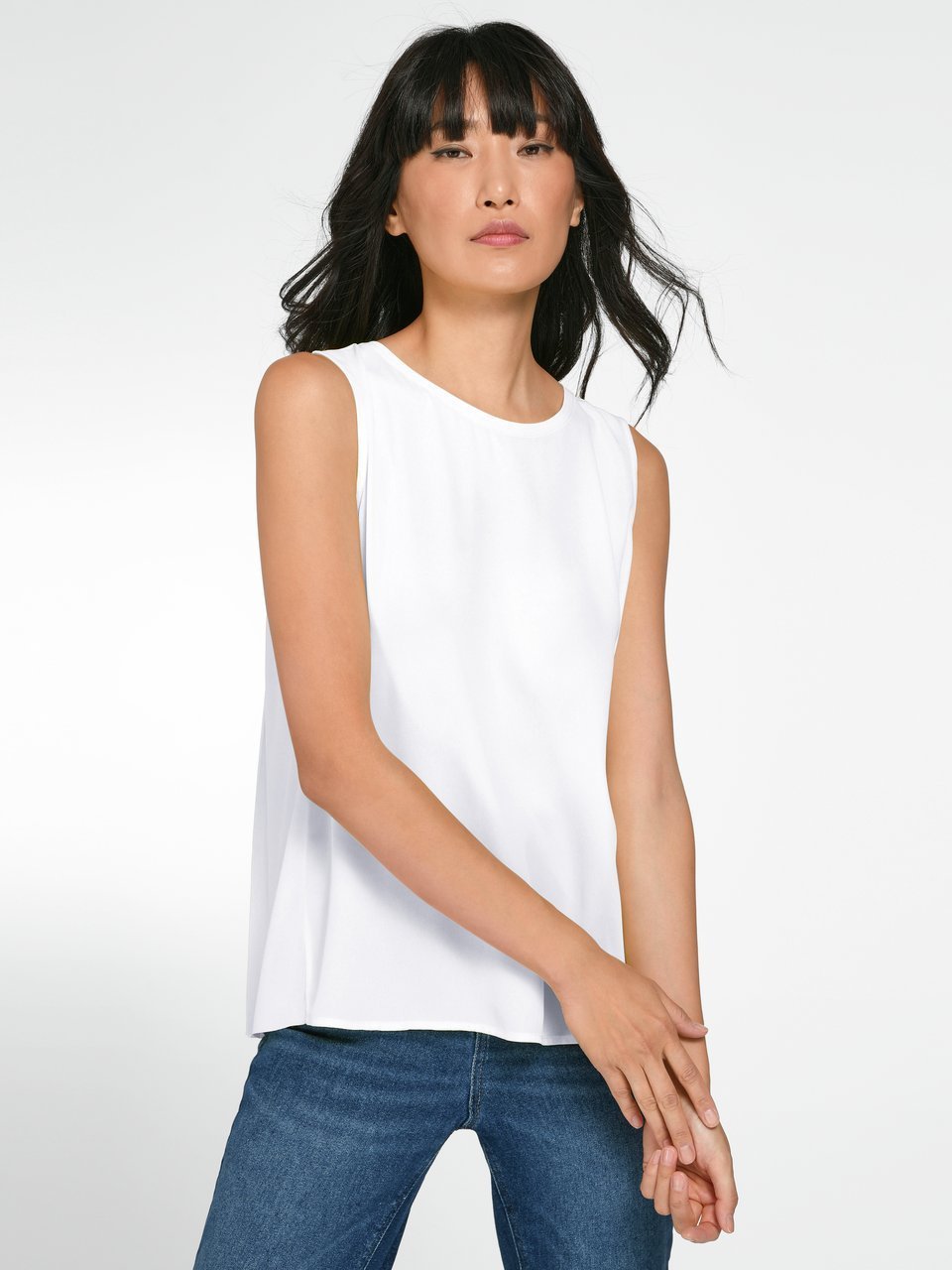
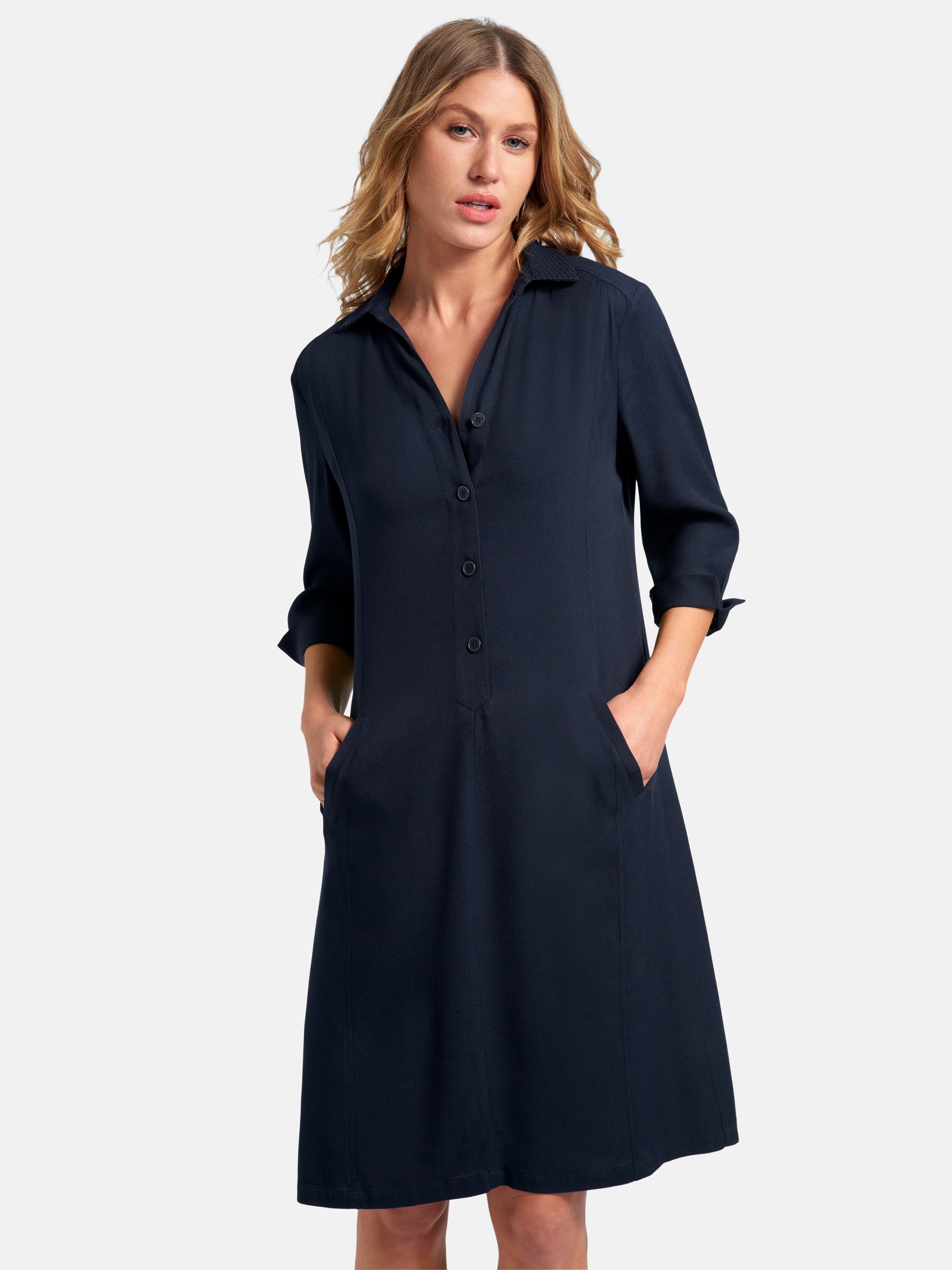
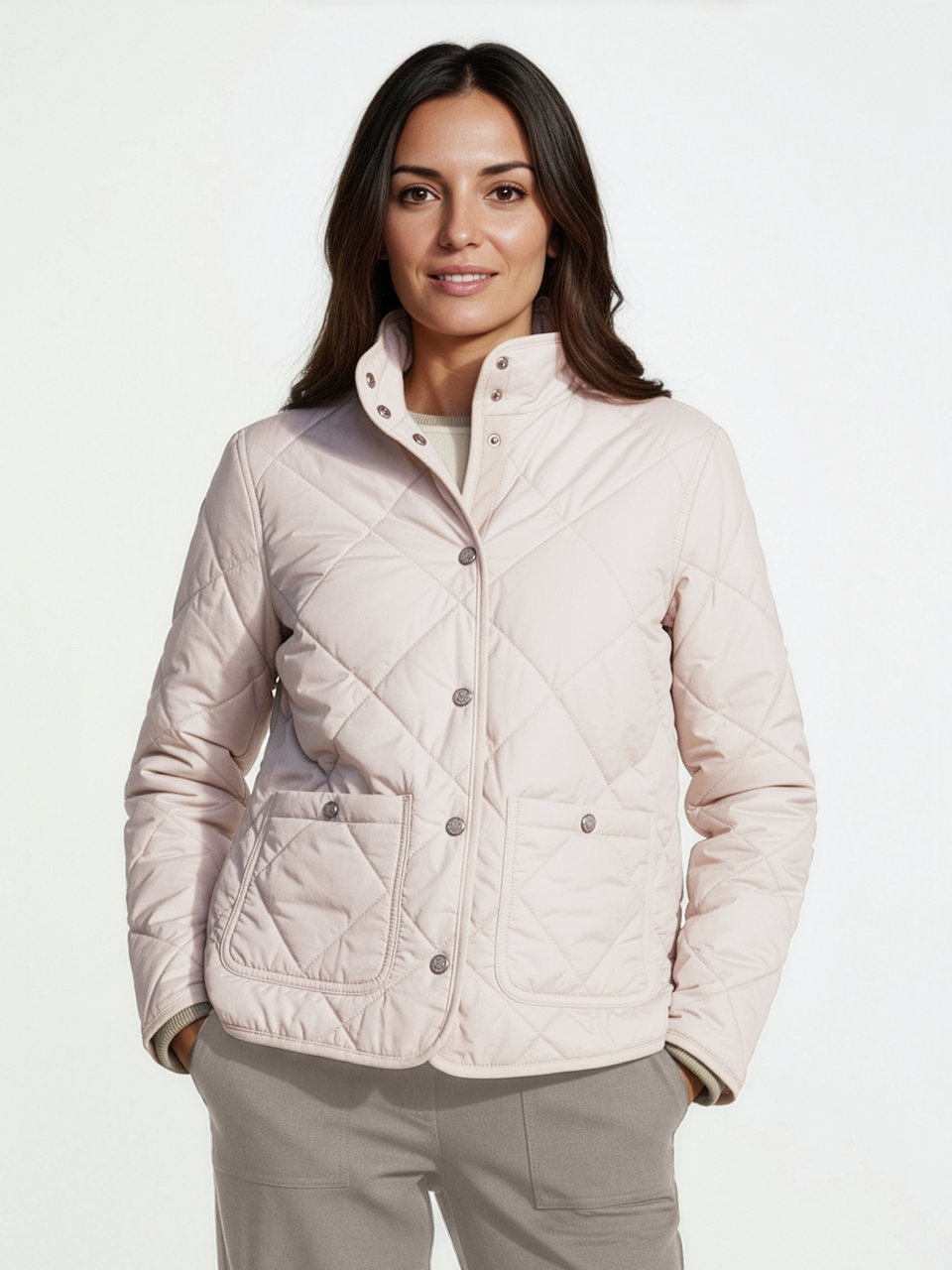
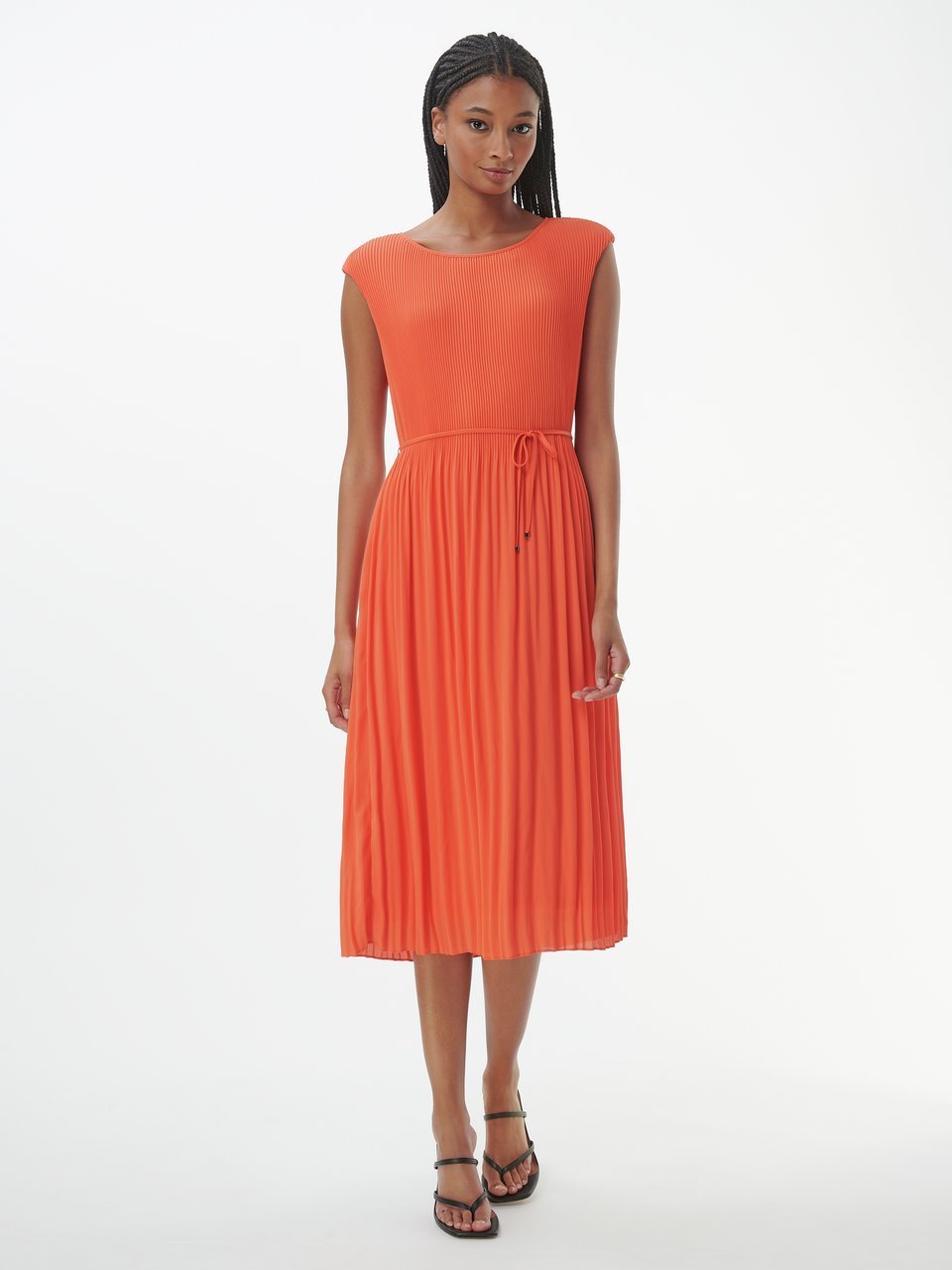
Basler is a German fashion house with roots going back to 1936, and that long heritage is a big part of its appeal for shoppers who want classic, well-made womenswear. Reviews tend to highlight the quality of the fabrics and the polished, feminine tailoring. If you value enduring modern classics over fast-moving trends, Basler is built for exactly that buyer.
Where is Basler from and when was it founded?+
Basler is a German fashion brand founded in Berlin in 1936. The business, Fritz Basler GmbH & Co. KG, was started by Fritz Basler and his wife Elisabeth, with early manufacturing in the Kreuzberg district. That nearly century-long history is central to how the label presents its classic German tailoring.
Who founded Basler?+
Basler was founded by Fritz Basler and his wife Elisabeth in Berlin in 1936. The couple set up manufacturing in Kreuzberg, which later moved to Berlin-Charlottenburg shortly before the end of World War II. It is very much a family-rooted German house in its origins.
How did Basler's production move around Germany over the years?+
Basler's manufacturing started in Kreuzberg, Berlin, then shifted to Berlin-Charlottenburg near the end of World War II. In 1959 production moved to Aschaffenburg in Bavaria, and after Luke Basler took over the business in 1994 it later expanded into Erfurt, Thuringia. That German manufacturing thread is part of the brand's identity.
Who took over running Basler?+
Luke Basler took over the business in 1994 and later expanded production into Erfurt in Thuringia. More recently, in November 2017, the German fashion company TriStyle Group acquired Basler. So the label has passed from its founding family into a larger fashion group.
Is Basler still in business?+
When TriStyle Group acquired Basler in November 2017, it confirmed the closure of the brand's physical stores. That makes the digital and wholesale channels especially relevant for anyone shopping the label today. It is worth buying from reputable sellers to be confident you are getting genuine Basler pieces.
What kind of clothing is Basler known for?+
Basler is a German womenswear house focused on classic, feminine tailoring, the kind of modern classics that suit a polished everyday wardrobe. Its long heritage since 1936 gives it a reputation built on traditional German craftsmanship rather than fleeting trends. If you want refined, occasion-ready pieces, that is the brand's core territory.
Did Basler sell mostly online?+
Yes, the brand leaned heavily into digital sales: online sales accounted for 81% of total sales in 2012. That early shift toward e-commerce is notable for a house with roots stretching back to 1936. It also means the website became a key way to reach the brand even before its physical stores closed.
How does Basler compare to other classic European womenswear labels?+
Basler's pitch is German heritage and classic, feminine tailoring rather than runway shock value, which sets it apart from trend-led contemporaries. Its near-century history since 1936 gives it the kind of established, dependable feel that buyers of timeless wardrobe staples look for. Choose it when you want polish and longevity over of-the-moment statements.
How should I care for Basler garments to keep them looking sharp?+
As classic German tailoring designed to last, Basler pieces reward careful handling: always follow the garment's own care label, and lean toward gentle cleaning for structured and delicate fabrics. Treating tailored items with respect helps preserve the clean lines the house is known for. Good storage, on proper hangers and away from crushing, keeps them wardrobe-ready.