−15%
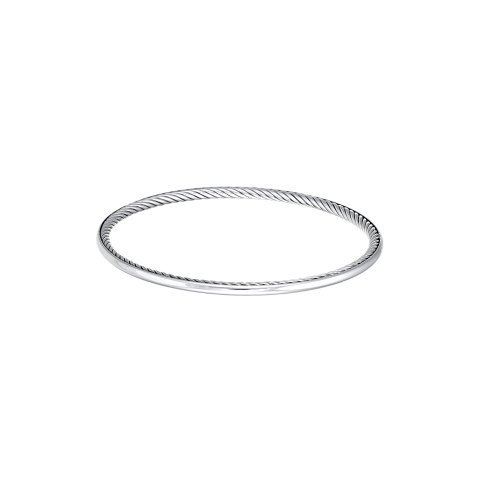
A sculptor's eye turned to jewelry — the cable became a signature, and an American design category was born.
Real verified markdowns across Gilt & Nordstrom — filter by category, retailer & price. Heart anything to track its price.
Yurman came to jewelry through sculpture, having apprenticed with modernist Jacques Lipchitz and worked on large-scale public pieces, including railings for what is now the David H. Koch Theater at Lincoln Center. With Sybil he founded Putnam Art Works making sculptural jewelry, became a key figure in the American craft movement, and married in 1979 before launching the company a year later.
Through the 1980s and 1990s the house sat at the forefront of American designer jewelry, with the twisted cable motif emerging as its archetypal form — explored at length in the 2017 Rizzoli monograph David Yurman Cable. The company opened its first store in New York in 1999 and is headquartered there still.
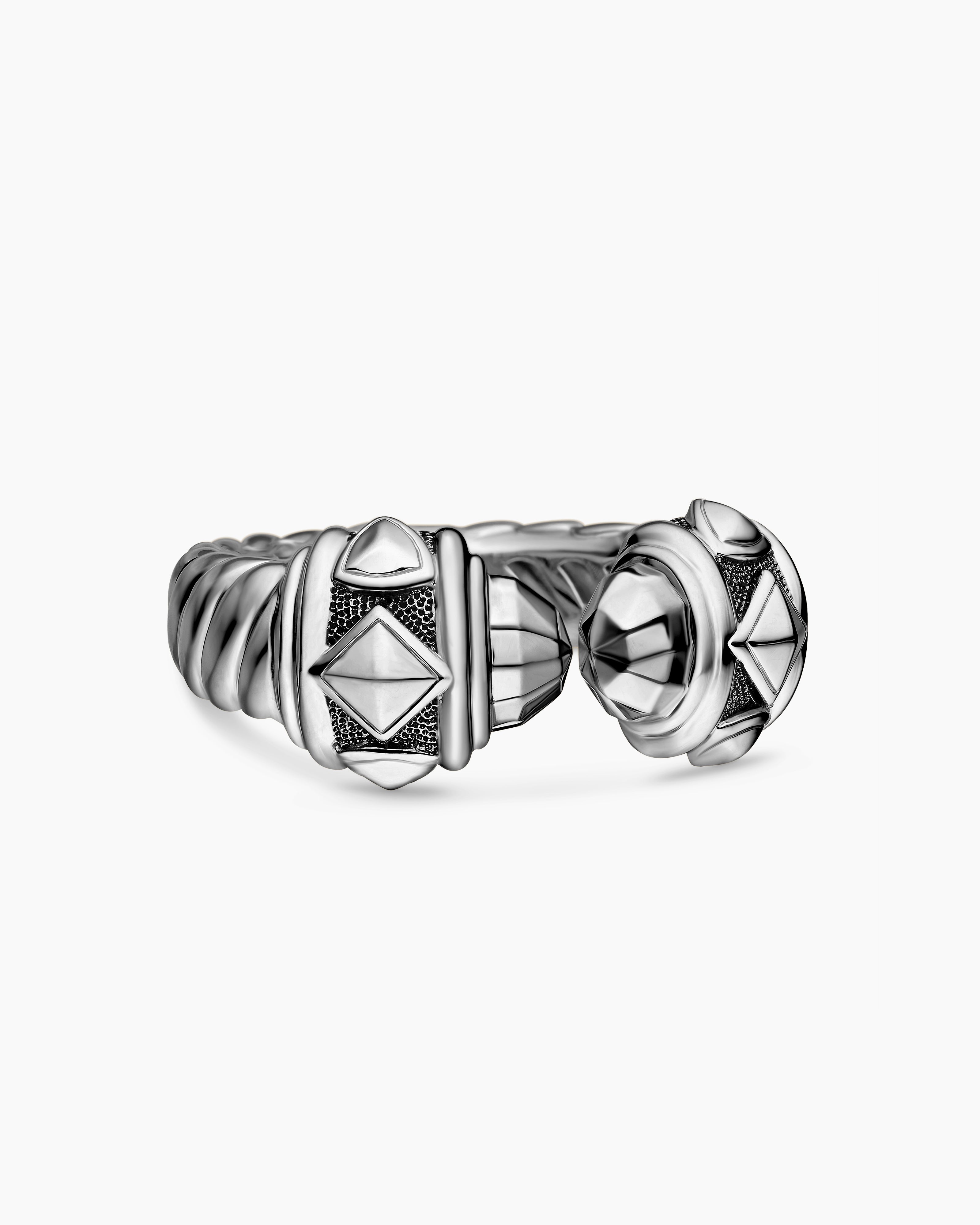
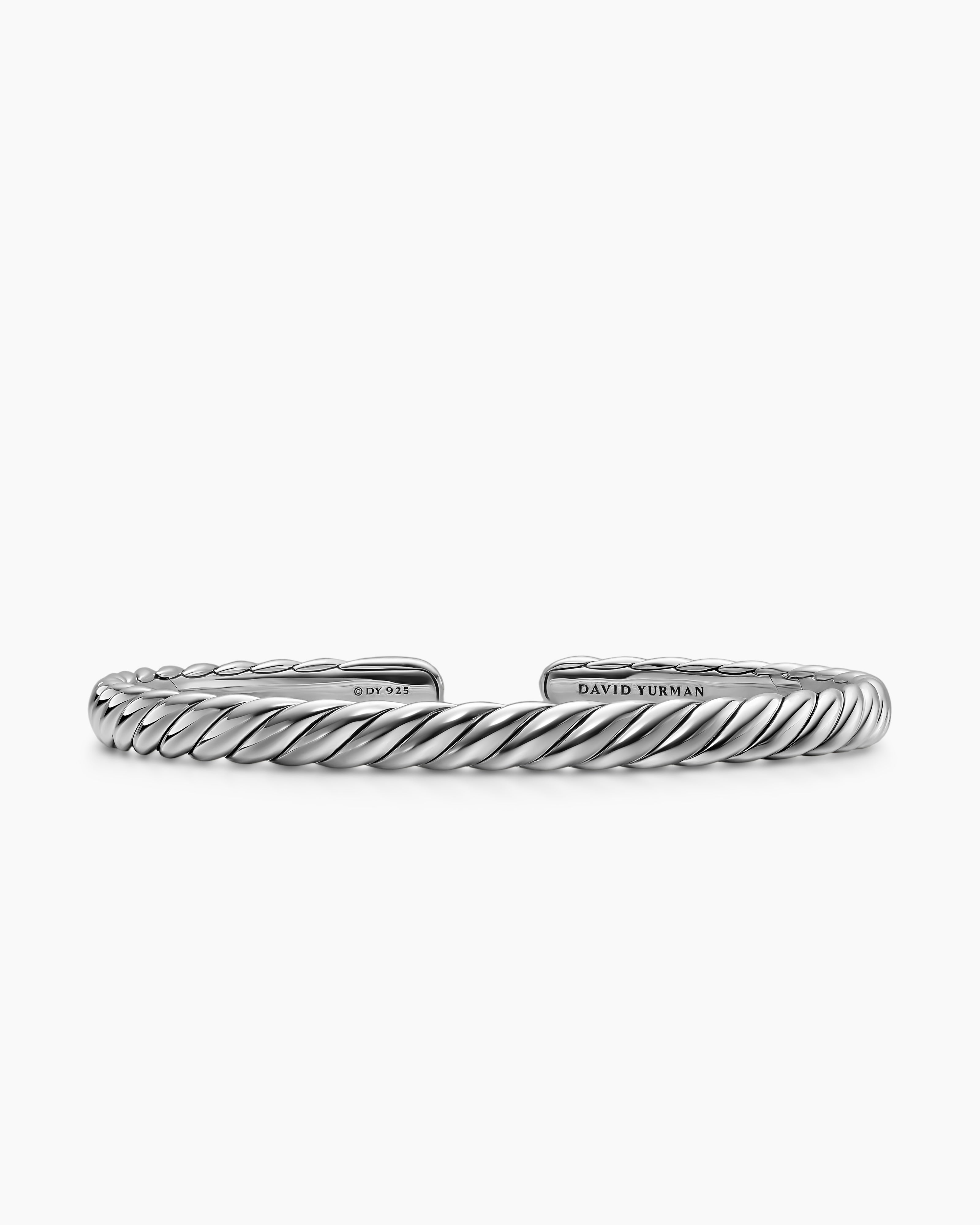
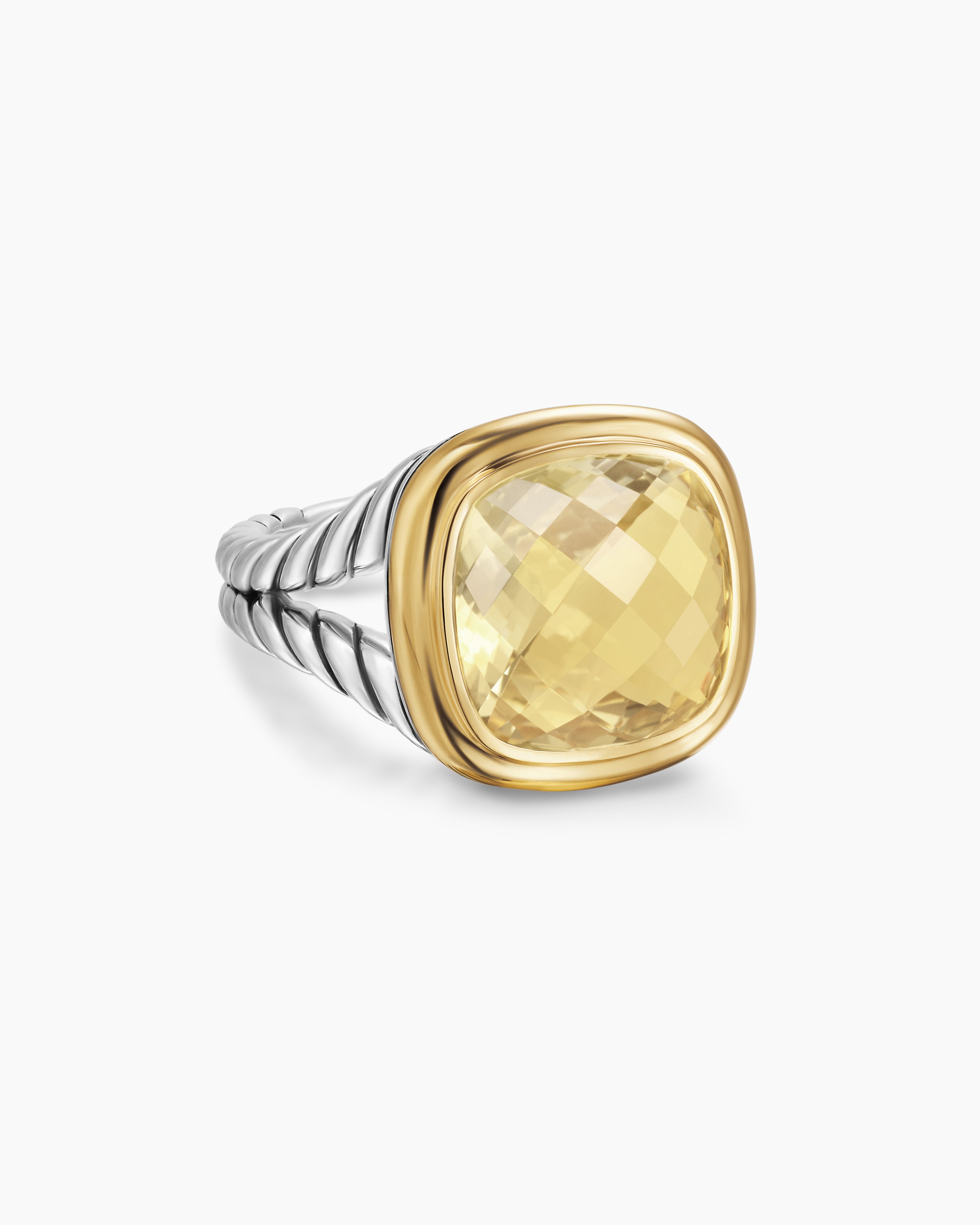
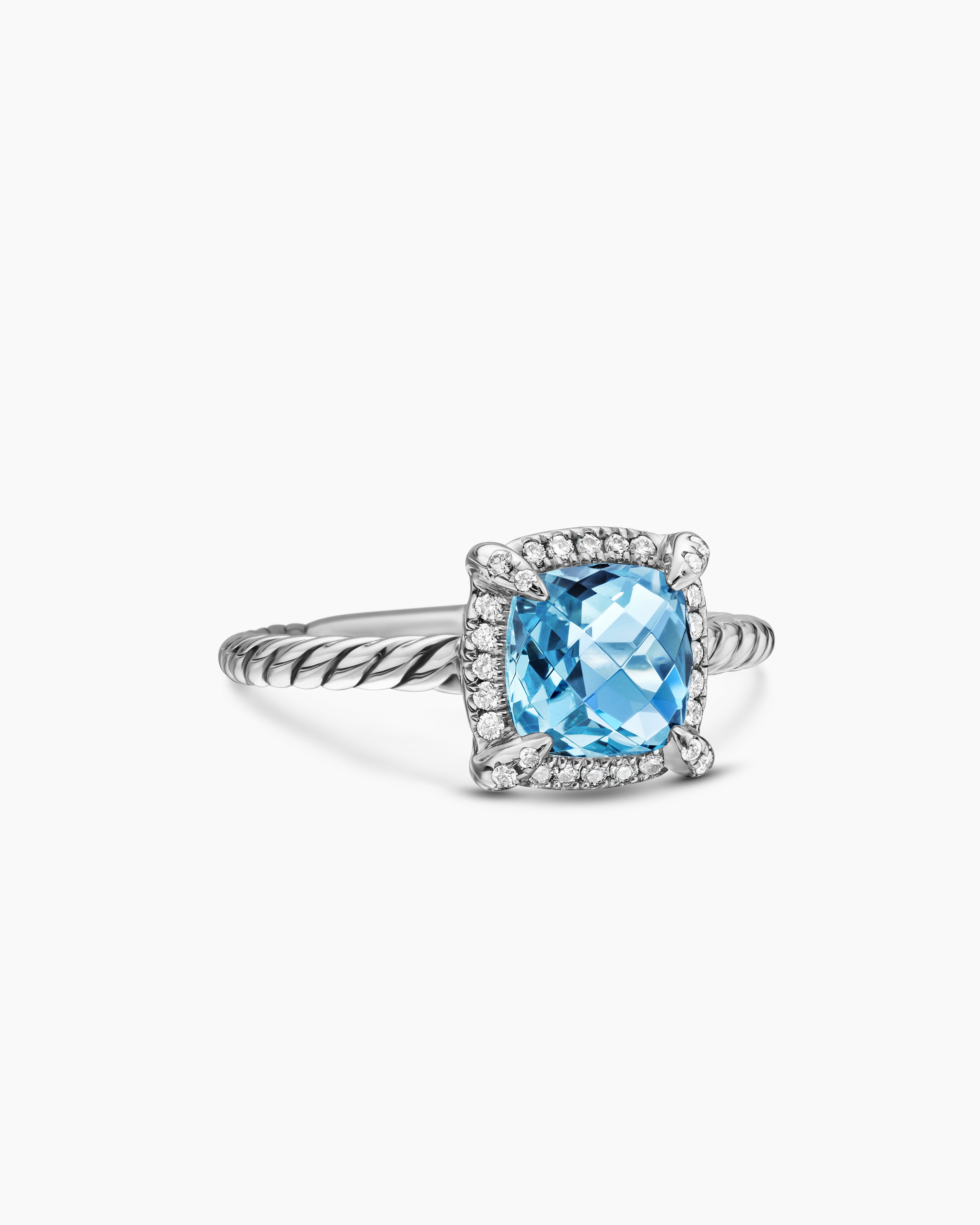
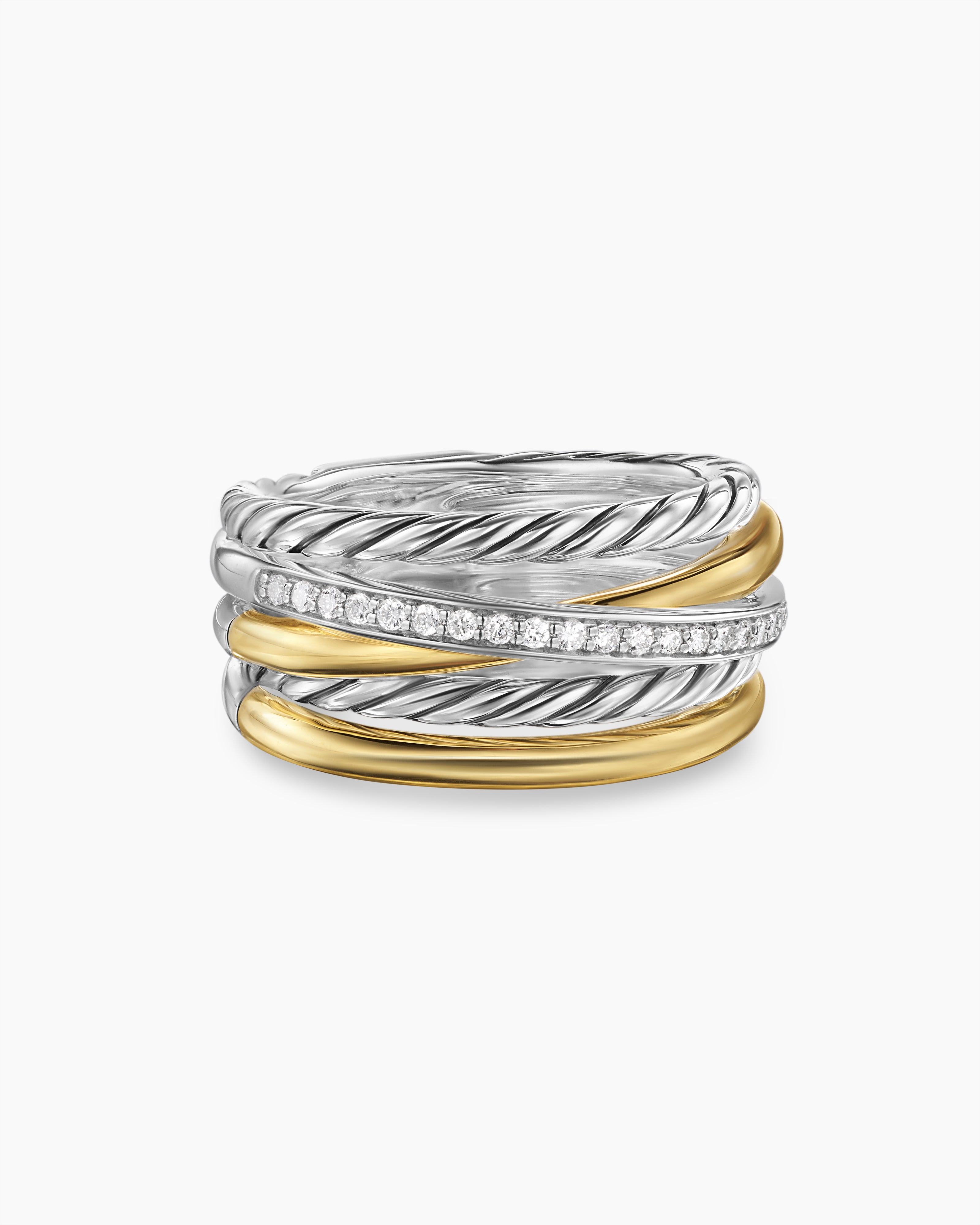
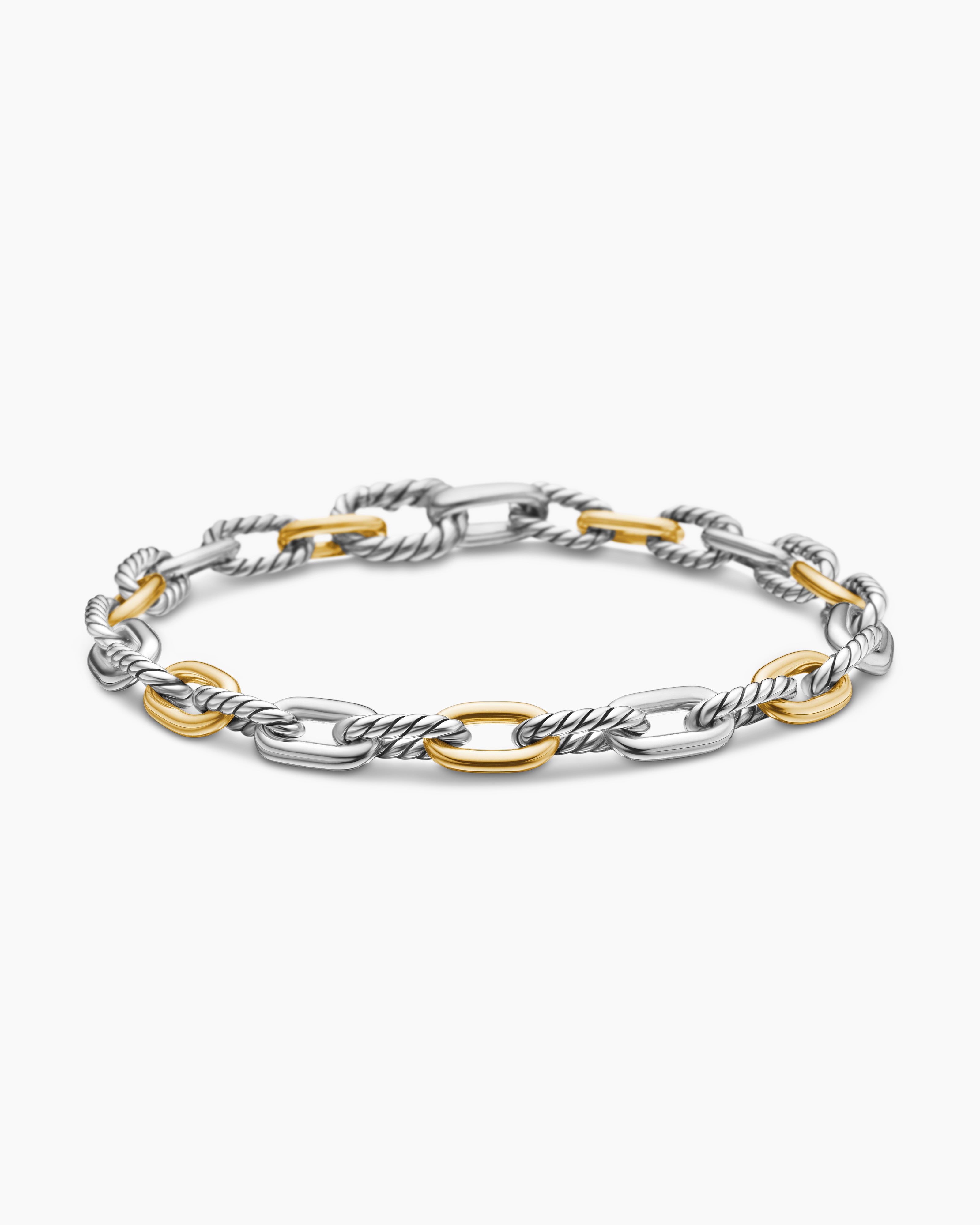
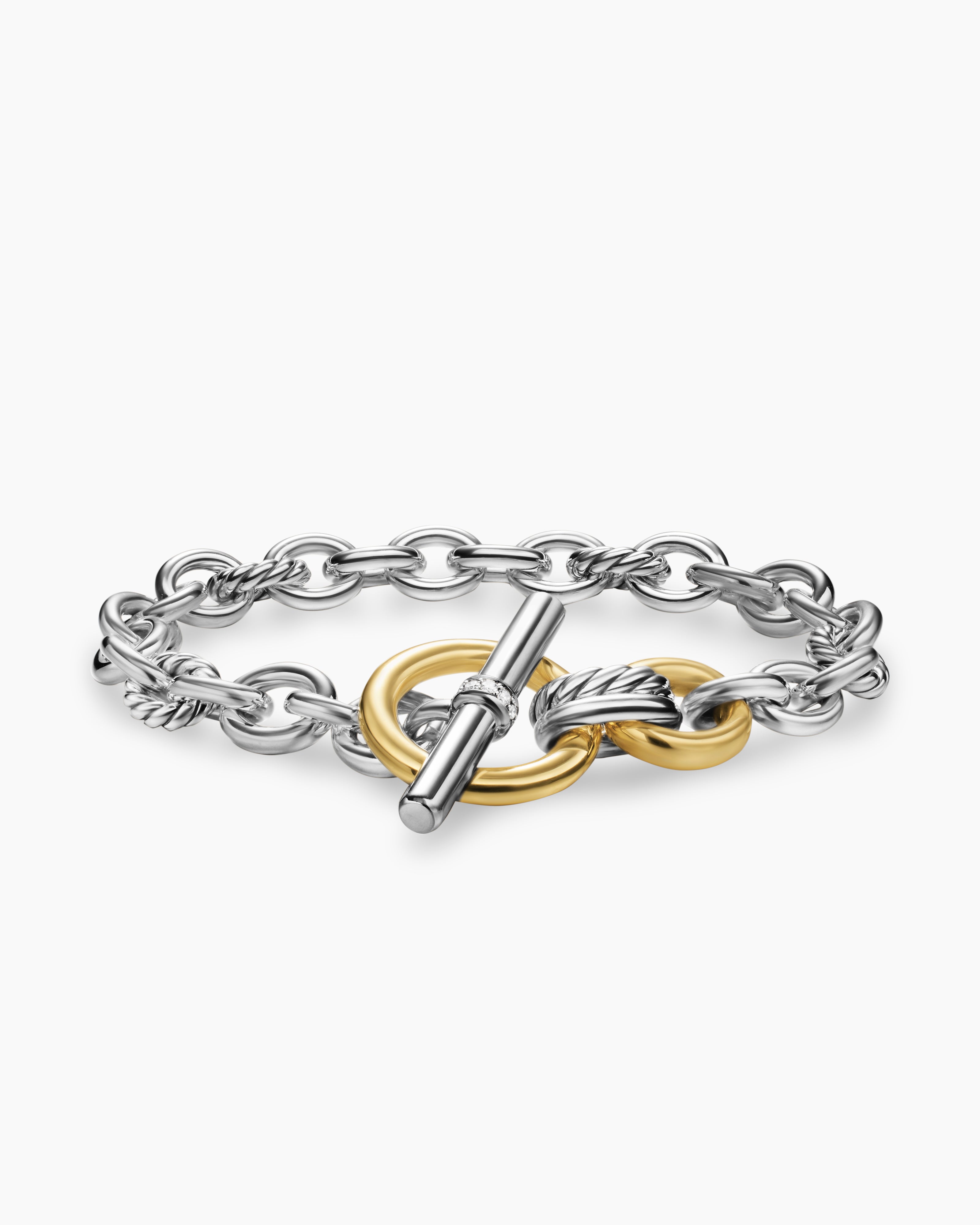
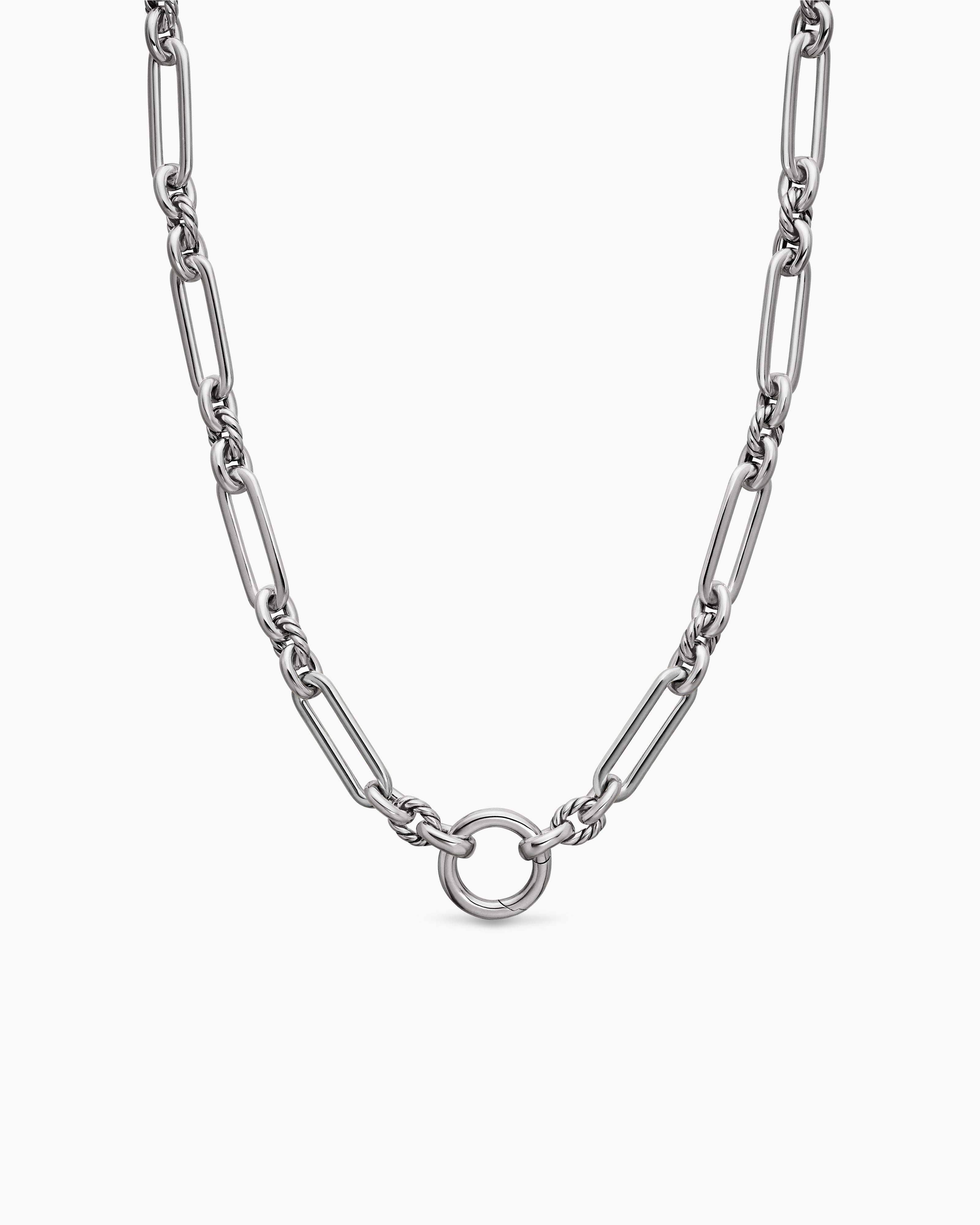
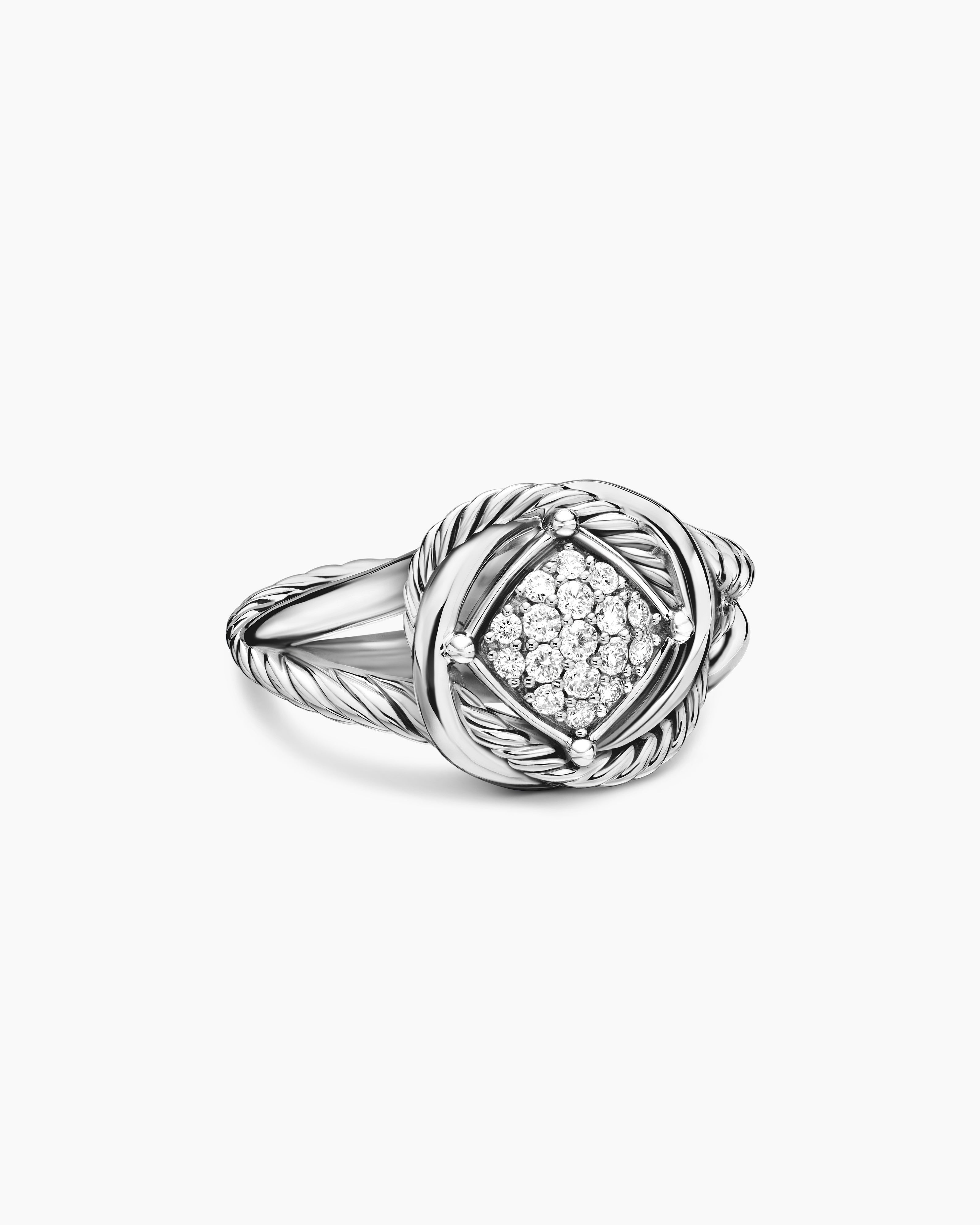
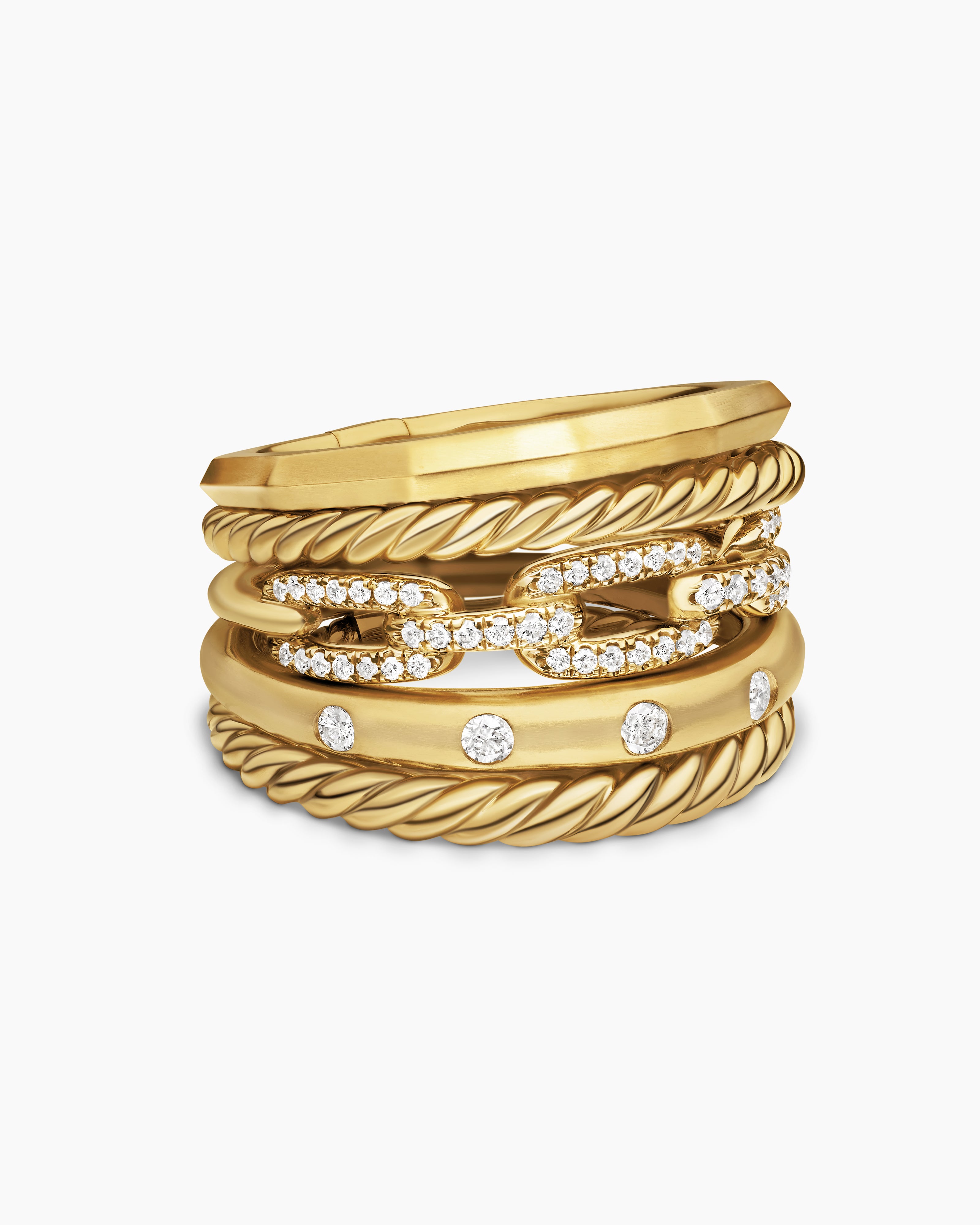
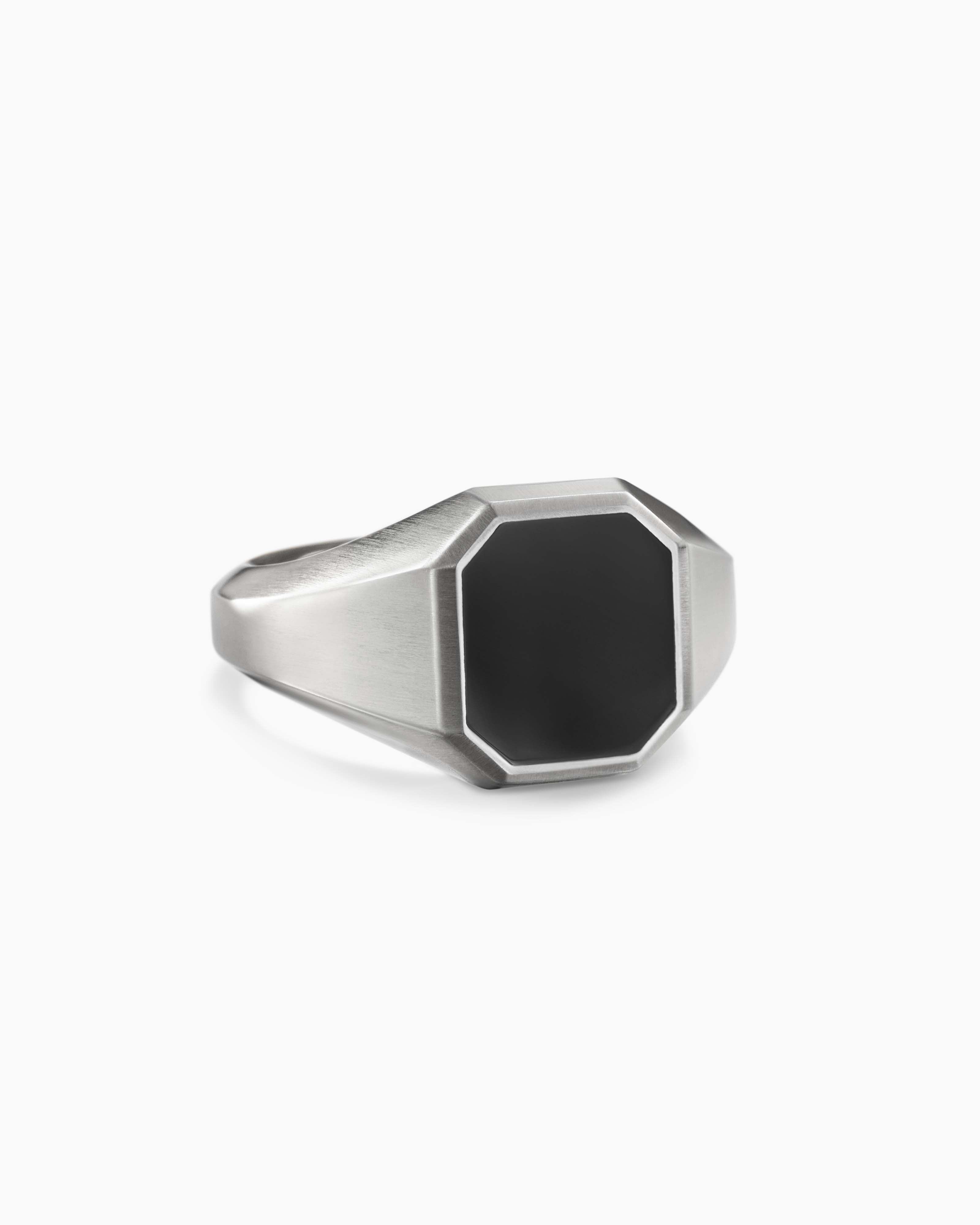
Same authentic David Yurman, different prices & codes. We watch all of them so you don't have to tab-hop.
Same quiet-luxury, craft-first sensibility — follow any to widen your alerts.



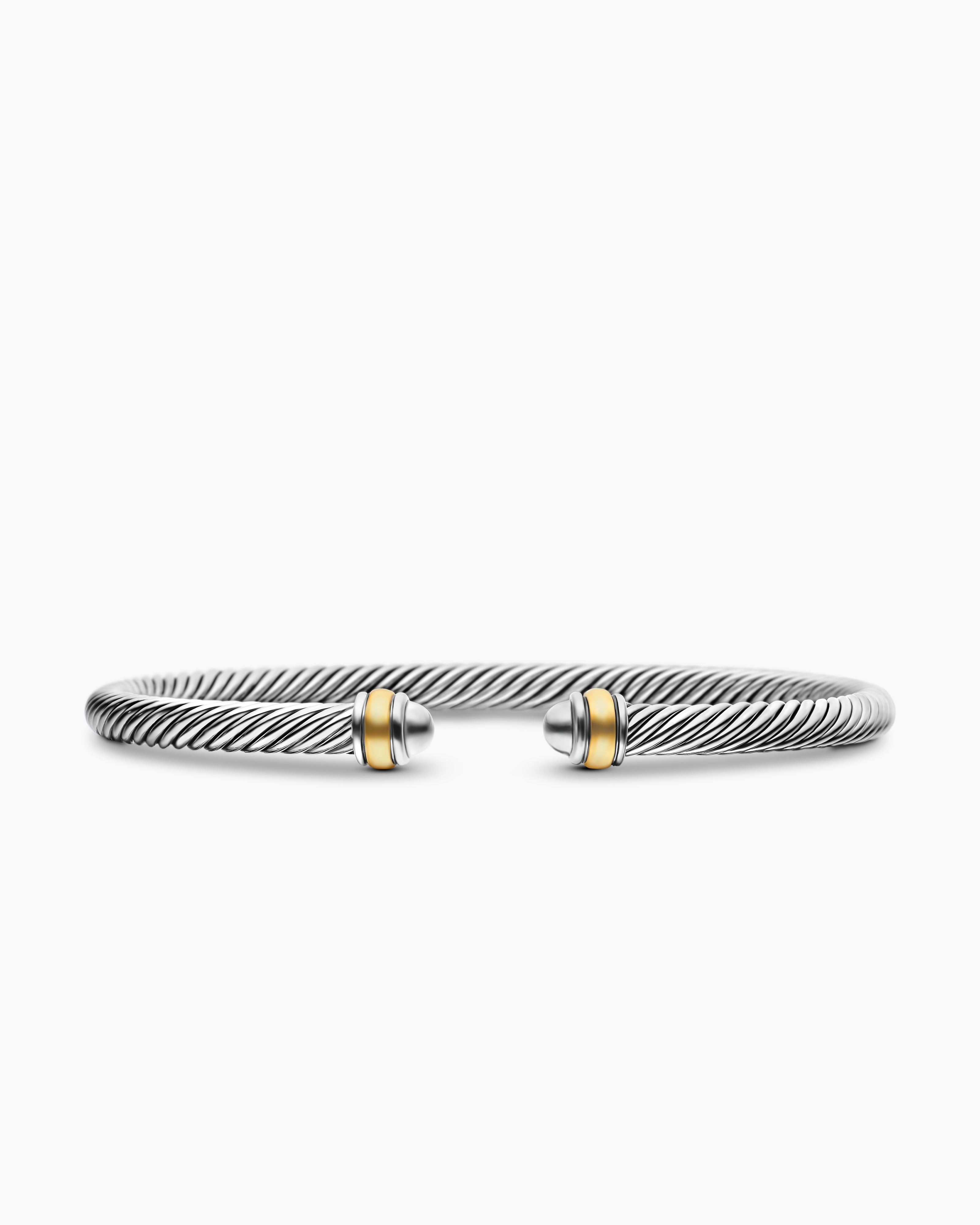
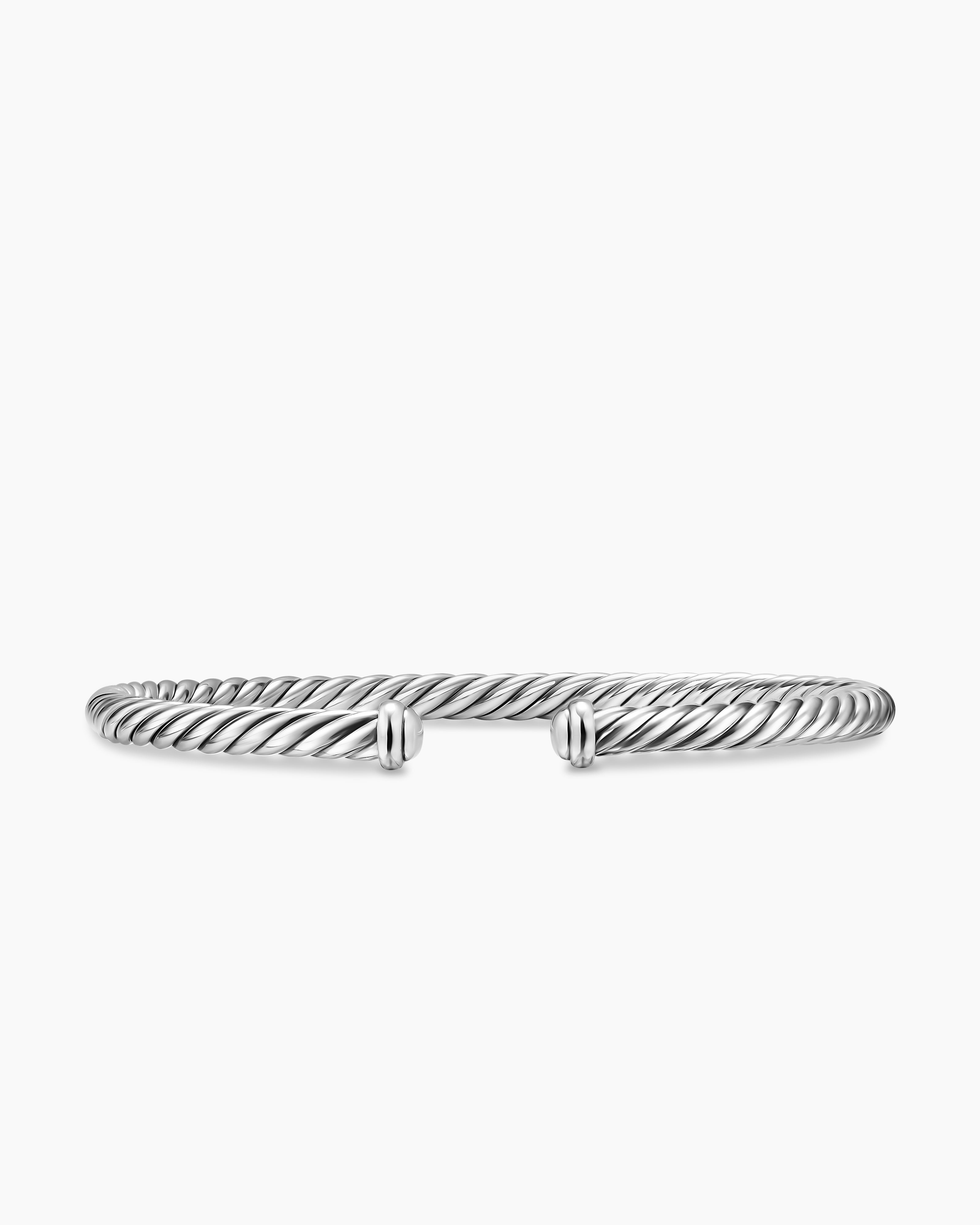
For many buyers it is the piece that justifies the brand. The twisted cable is David Yurman's signature form, explored as an archetypal motif in the brand's first book, David Yurman Cable, published in 2017. As an everyday-elegant design with real recognition behind it, the Cable bracelet tends to be the purchase people are happiest with long term.
You are paying for materials and design heritage rather than just a name. Yurman trained as a sculptor, apprenticing in the early 1960s with modernist Jacques Lipchitz, and that artist's eye runs through the work. Combined with fine metals and the labor-intensive cable construction, the pieces sit firmly in the designer-jewelry tier.
It tends to hold up reasonably well on the secondhand market because the cable designs are recognizable and demand stays steady. The Cable motif in particular is the most identifiable thing the brand makes, which helps a buyer trust what they are getting. As always, condition, original materials, and documentation matter most for resale.
They occupy different moods. David Yurman is American designer jewelry built around the artistic, sculptural cable motif, and it often reads as wearable art. Tiffany leans toward classic heirloom pieces. If you want an instantly recognizable, modern-luxury look anchored by the cable, Yurman is the natural pick; for traditional formality, Tiffany is the other end.
The cable is the twisted, rope-like form that runs through the brand's work, and the company treats it as its artistic signature. In 2017 Rizzoli published David Yurman Cable, the brand's first book, exploring the cable as an archetypal form through essays and a foreword by David and Sybil Yurman. If you only learn one thing about the brand, learn the cable.
The company was founded by David Yurman and his wife Sybil Kleinrock Yurman, both born in New York City in 1942. They married in 1979 and founded the David Yurman company a year later, in 1980, with Sybil as co-creator and collaborator across every facet of the business. It remains a privately held American company headquartered in New York City.
Yurman started as an artist, learning welding as a teenager and later doing large-scale public sculpture, including helping create railings at what is now the David H. Koch Theater at Lincoln Center. In the early 1970s he and Sybil formed Putnam Art Works, making sculptural jewelry, and became key figures in the American craft movement before founding the brand in 1980.
The Yurmans' son, Evan Yurman, born in 1982, joined the company in 2003 and became design director of the Men's and Timepiece collections in 2004. He later launched a high-end jewelry collection and began overseeing the Wedding Collection, which debuted in 2006. The brand has stayed family-led across its design direction.
Counterfeiting is a real issue for the brand. In 2019 a US federal court entered a default judgment in David Yurman's favor against a network of websites selling counterfeit goods, awarding the company over $1.5 million and a permanent injunction against the defendants. If you buy outside official channels, insist on provenance and authentication.
Start with a Cable bracelet. It is the design the whole brand is built around, it works for everyday wear, and it is the most recognizable thing you can own from the house. Once you know you love the cable, the rings, necklaces, and men's pieces all speak the same visual language.
Yes. David Yurman was named Designer of the Year by the Cultured Pearl Associations of America and Japan in 1981, and in 2013 received the Visionaries! Award from the Museum of Arts and Design. The brand was also at the forefront of the emerging American designer-jewelry category through the 1980s and 1990s, which is part of why its cable look feels foundational rather than trendy.