Is Emanuel Ungaro worth it?+
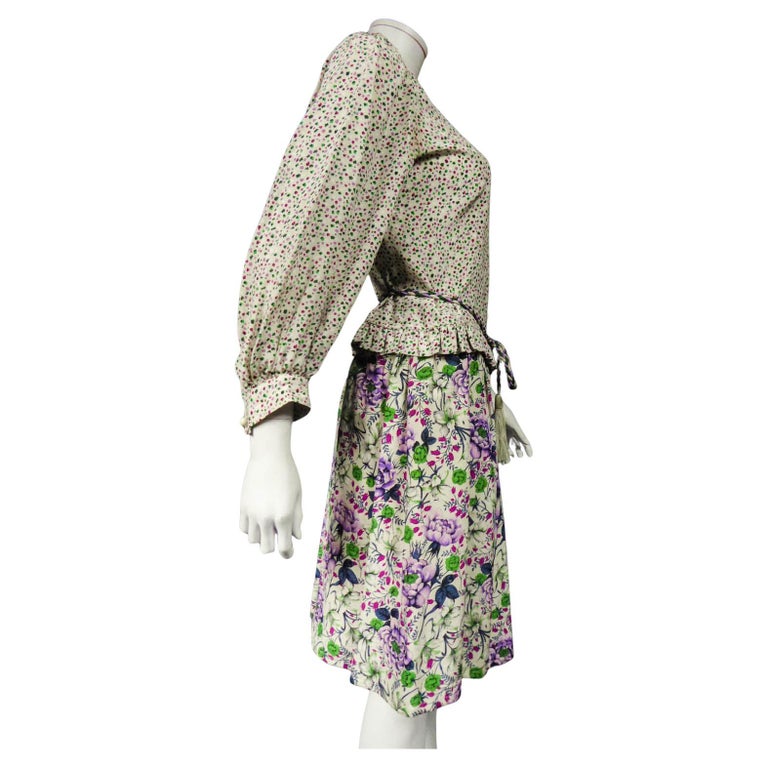
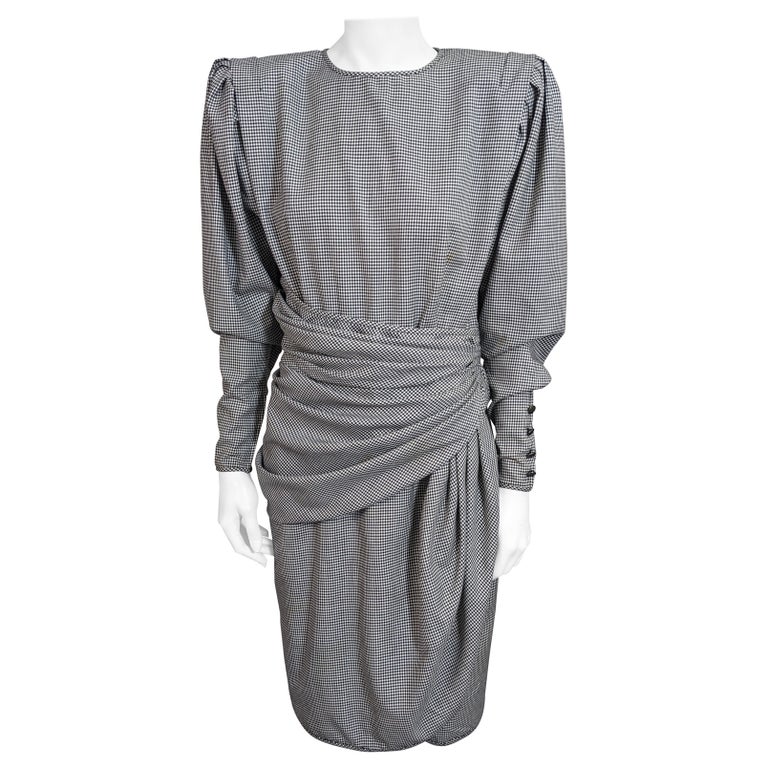
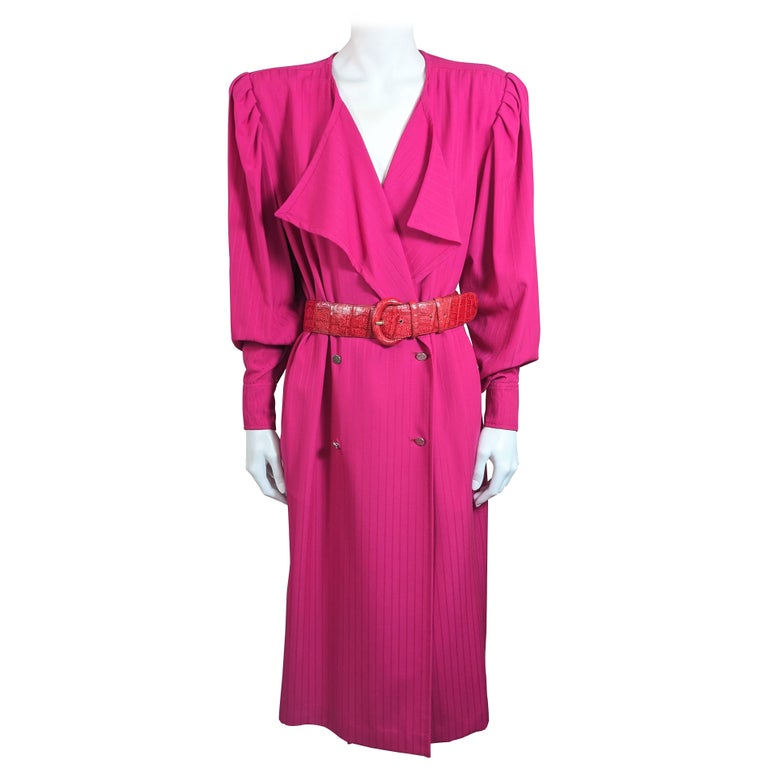
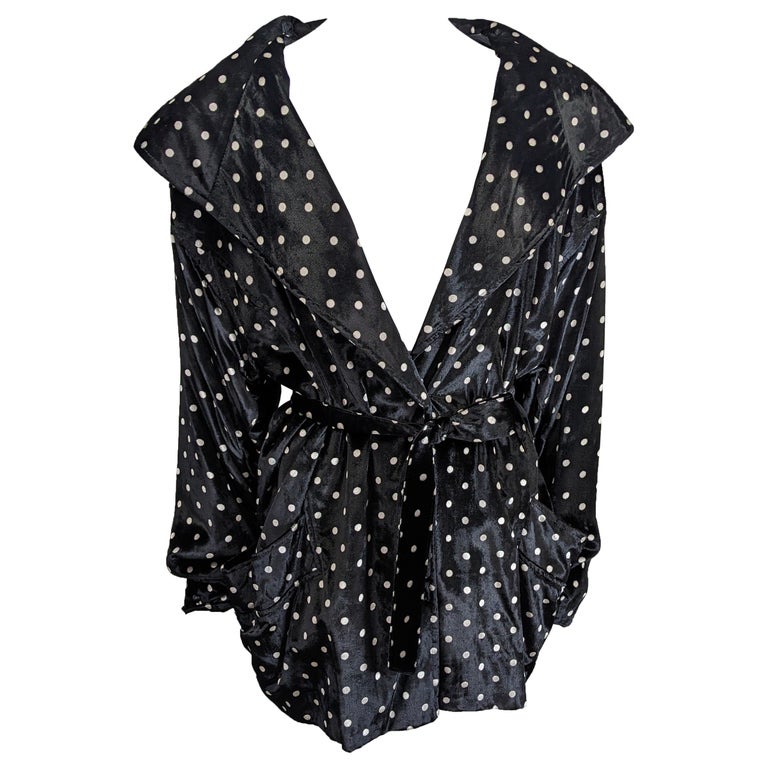
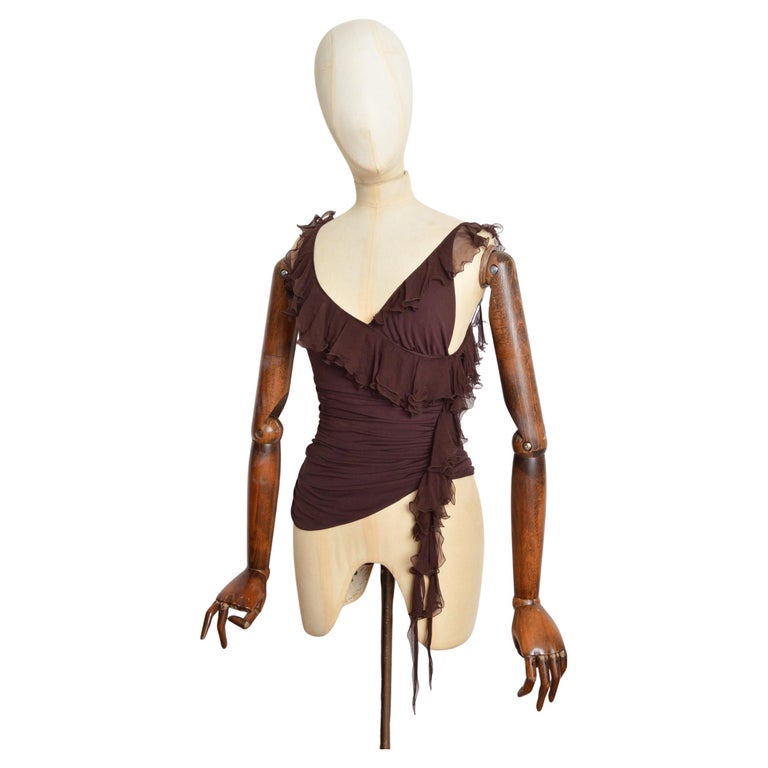
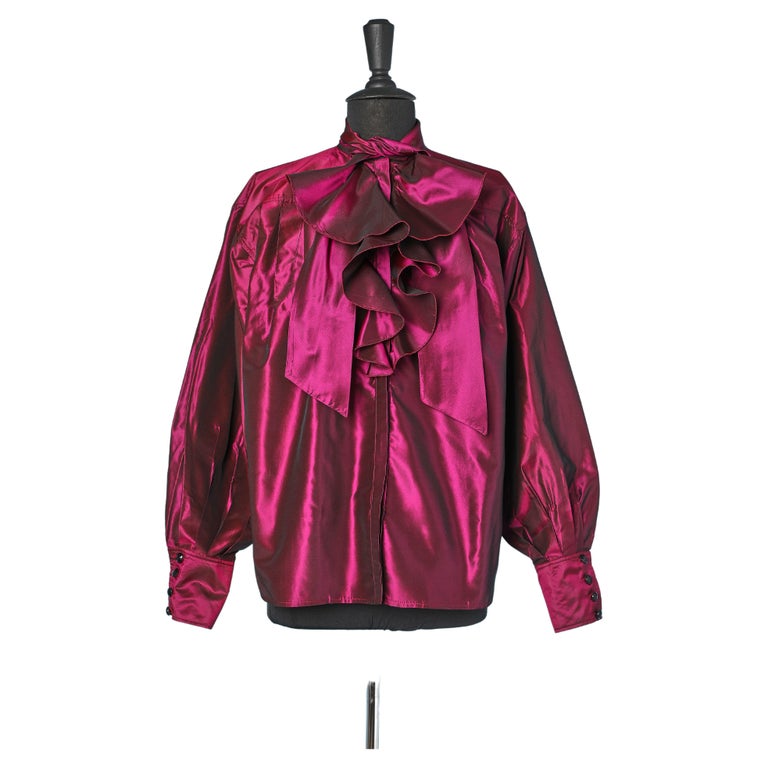
If you love high femininity, yes. Ungaro built his reputation in the 1980s on a voluptuous, coquettish silhouette achieved through Edwardian-style shirring, ruching and draping, all set against his trademark eye-catching prints. A genuine Ungaro piece is essentially wearable couture technique, which is exactly what holds its appeal on the resale market today. Buy it for the drape and the print mixing, not just the label.
Why are Emanuel Ungaro pieces so coveted?+
Because Ungaro was a true couturier, not a licensing machine. The Guardian called him "the last independent in Paris" for going some 30 years without outside investment, profiting only from what his house directly made rather than selling his name to outside producers. That refusal to compromise on quality is why the draping and print work feel so considered.
What is Emanuel Ungaro best known for?+
Two things, depending on the era. In the mid-to-late 1960s he was one of the Space Age designers, making flaring, mini-length geometric garments worn with high boots and visors. But his signature look arrived in the 1980s: a very feminine, draped and ruched silhouette layered with Sonia Knapp's colourful prints. The exuberant mixing of prints is the through-line of the house.
Who designed the prints that made Ungaro famous?+
Swiss artist Sonja Knapp, who helped Ungaro open the house in 1965 and went on to design his prints. Her colourful patterns defined Ungaro's exuberant 1970s collections and became central to the draped, layered 1980s look. When people picture an Ungaro dress, they are usually picturing a Knapp print.
When and where was the House of Emanuel Ungaro founded?+
Ungaro opened his own fashion house in Paris in 1965, with the assistance of Swiss artist Sonja Knapp and Elena Bruna Fassio. He was 25 when he first moved to Paris, and the house launched while his former employer Courrèges was on hiatus at the peak of his fame, which helped Ungaro win immediate followers.
Was Emanuel Ungaro really French?+
Ungaro was a French fashion designer, but the story is layered. His Italian father had fled to France from Francavilla Fontana in Brindisi province because of the fascist dictatorship in Italy. His father was a tailor and gave young Emanuel a sewing machine, which is where the craft began.
Where did Emanuel Ungaro learn his craft?+
At the very top. After moving to Paris, he spent three years designing for the House of Cristóbal Balenciaga before leaving to work for Courrèges. Ungaro always credited that Balenciaga training for his aesthetic sense, and you can read it in the architectural precision underneath even his most romantic, draped pieces.
What are the different Emanuel Ungaro lines?+
Beyond the haute couture, Ungaro ran a ready-to-wear line labelled "Parallèle" begun in 1971, plus lower-priced labels "Ter" and "Solo Donna." For the US market he introduced "Emanuel by Emanuel Ungaro" in 1991, followed by "Emanuel Petite" in 1994 and the plus-size "Ungaro Woman" in 1996. Knowing the label helps you place a vintage piece's era and original tier.
Did Emanuel Ungaro make menswear and fragrance?+
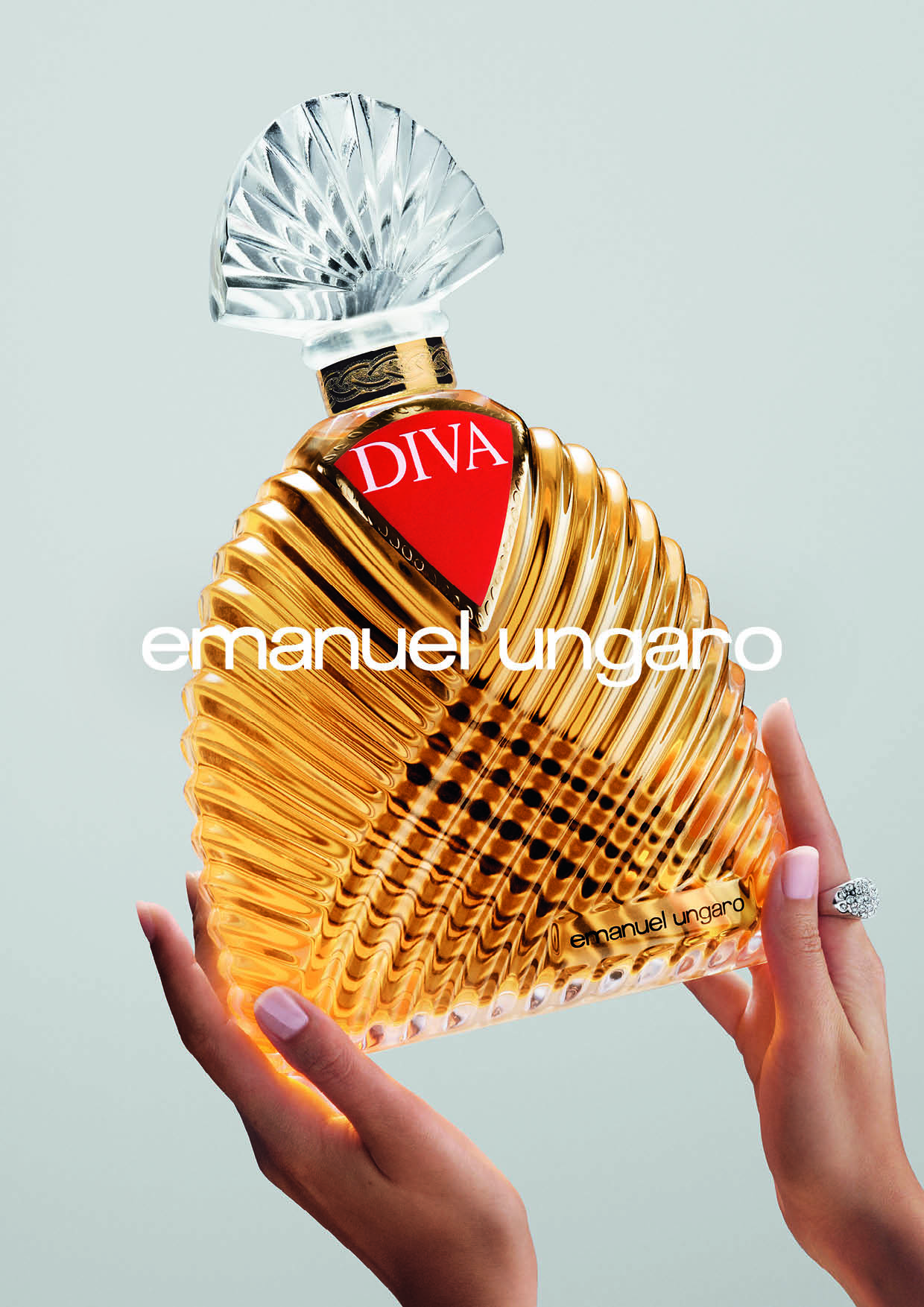
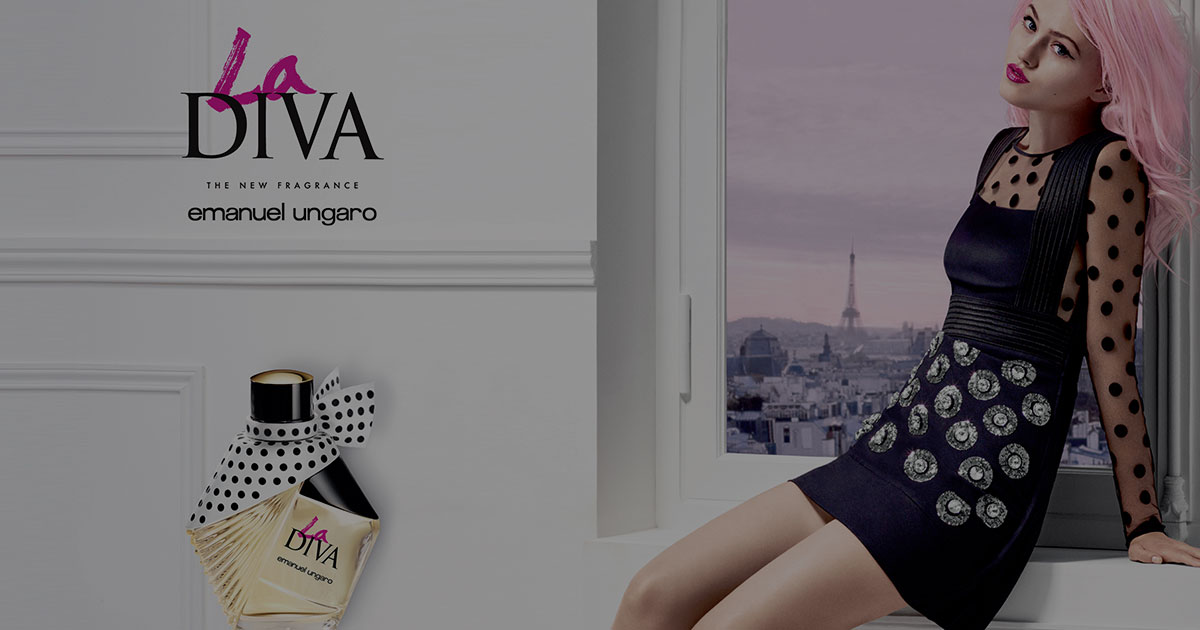
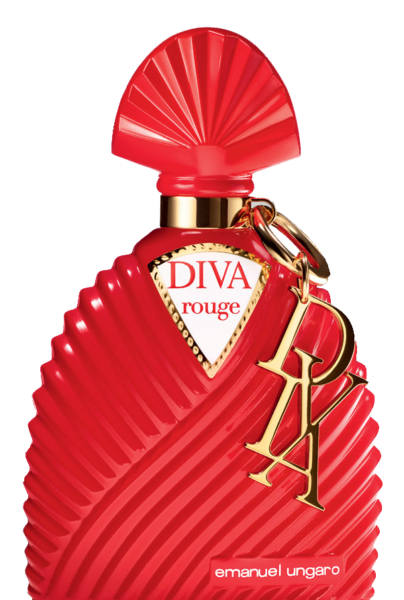
Yes to both. He launched his first menswear collection, Ungaro Uomo, in 1973, and his first perfume, Diva, ten years later in 1983. More fragrances followed, including Senso in 1987 and Ungaro in 1991, so the name lives on across categories beyond the couture gowns.
Who designs for Ungaro now that Emanuel Ungaro has died?+
Ungaro himself died in December 2019 at age 86, and he retired from the house back in 2005, when it was sold to entrepreneur Asim Abdullah for US$84 million. The label has since passed through many creative directors, from Giambattista Valli, whom Ungaro named as his successor, through to more recent appointments. For the purest expression of the house, collectors tend to focus on pieces from Ungaro's own era.
How should I shop vintage Emanuel Ungaro?+
Focus on the 1980s, his most influential period, when the shirred, draped, print-mixed silhouette was at its peak. Check the label to date the piece and identify its original line, and inspect the ruching and seams, since that hand-finished drape is the whole point of the garment. A well-kept Ungaro print holds its colour and remains instantly recognisable.