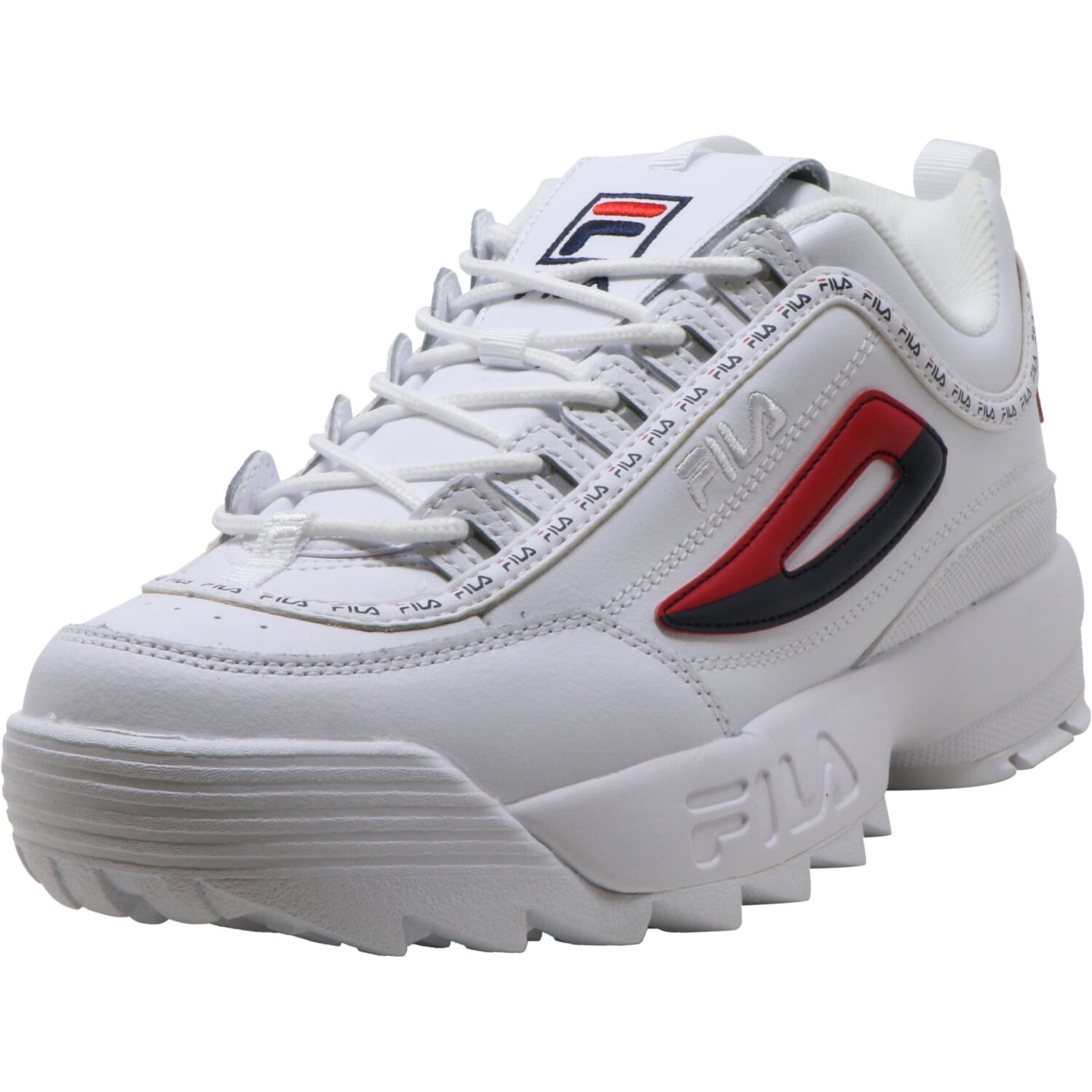
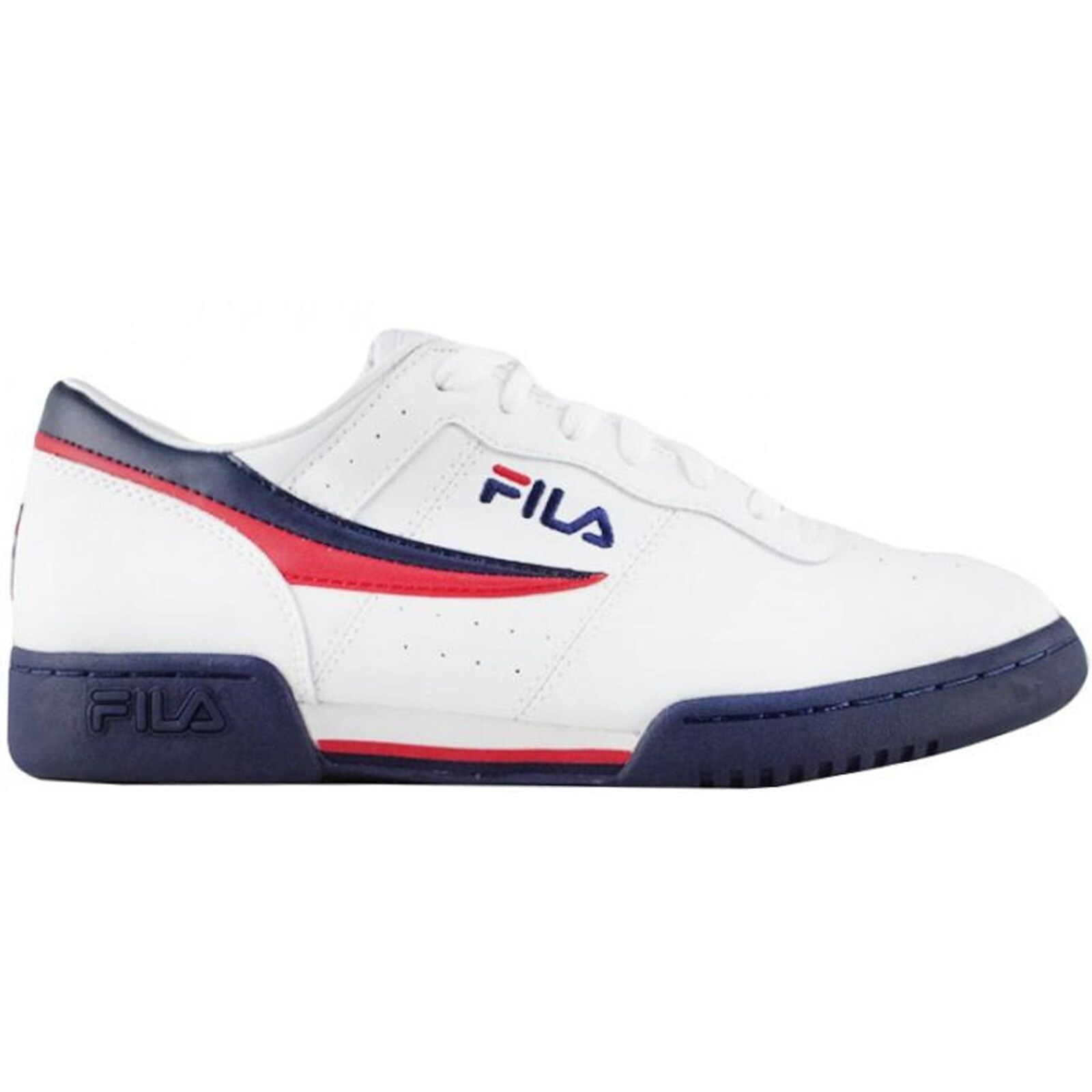
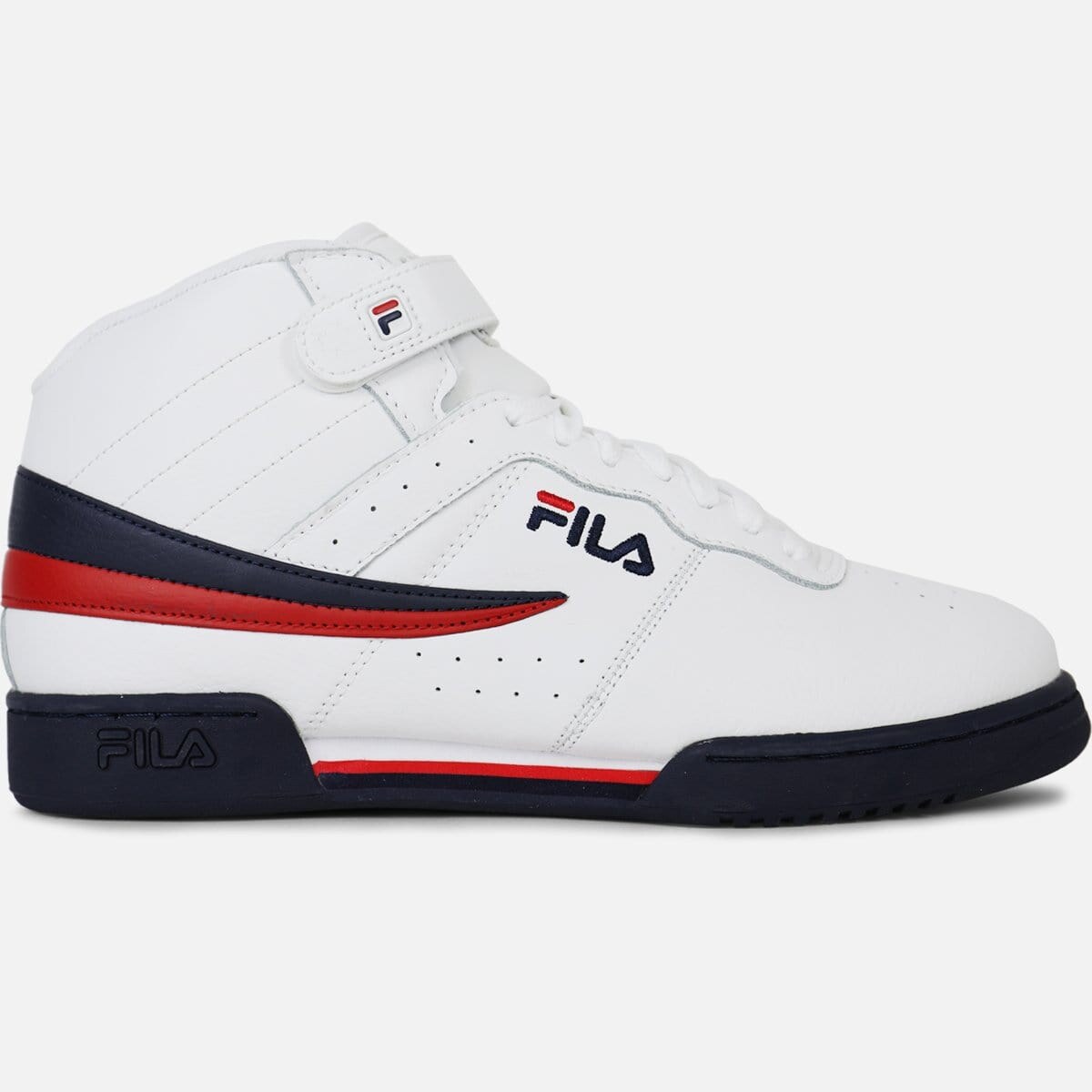
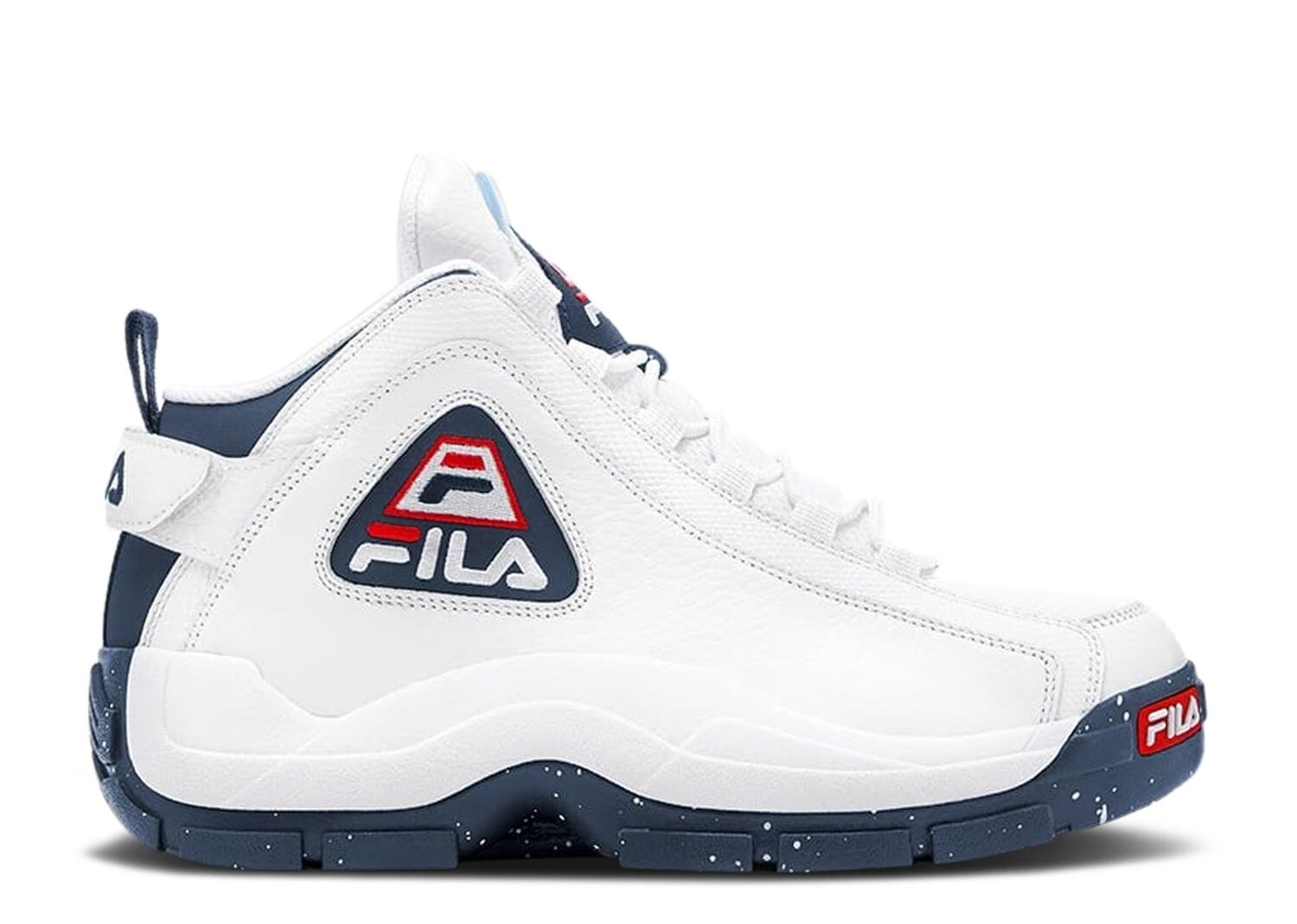
Are Fila Disruptor sneakers worth it?+
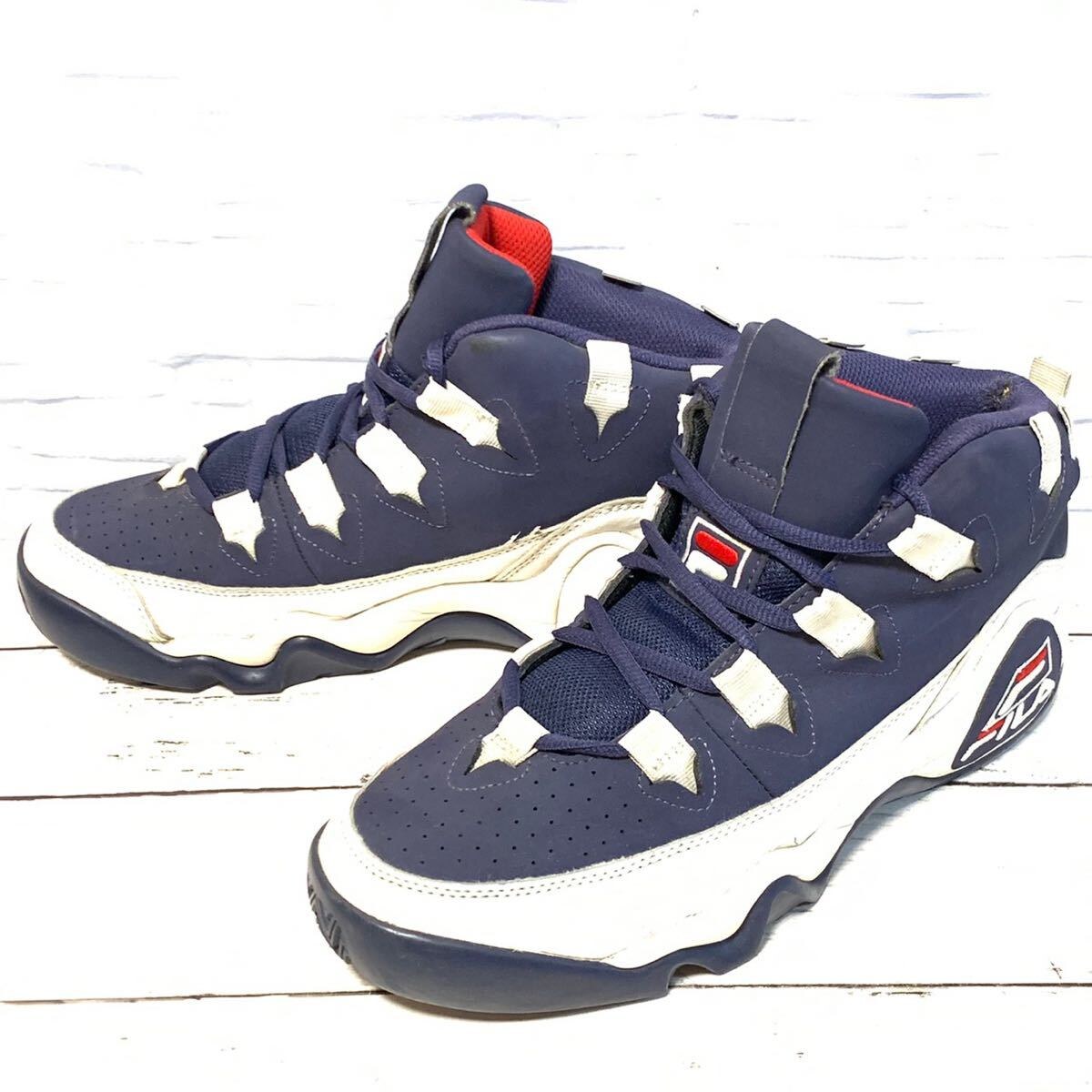
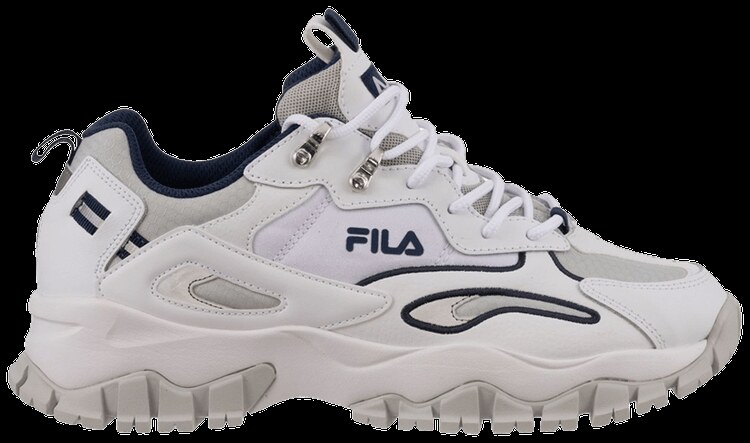
As a chunky, statement trainer at an accessible price, the Disruptor delivers exactly what it promises. It became a genuine cultural moment thanks to that bold, exaggerated silhouette, so its value really comes down to whether you want a fashion-forward chunky shoe rather than a performance one. A common tip from wearers is that the fit can run snug, so trying before you commit, or sizing carefully, is worth the effort.
Is Fila Italian or Korean?+
Both, in a sense. Fila was originally founded in 1911 in Coggiola, near Biella, Italy, by Ettore and Giansevero Fila, so its heritage is firmly Italian. But it is now a South Korean-owned brand headquartered in Seoul, after Fila Korea acquired it in 2007. That Italian roots, Korean ownership story is central to how the brand presents itself.
Is Fila a good quality brand?+
Fila has more than a century of history and a serious sporting pedigree behind it, which is part of why it is taken seriously. It moved into sportswear in 1973 and became one of America's fastest-growing footwear brands by 1995. As a broad lifestyle and sportswear label today, quality varies by line, so judge the specific product, but the brand's heritage is real.
What is Fila best known for?+
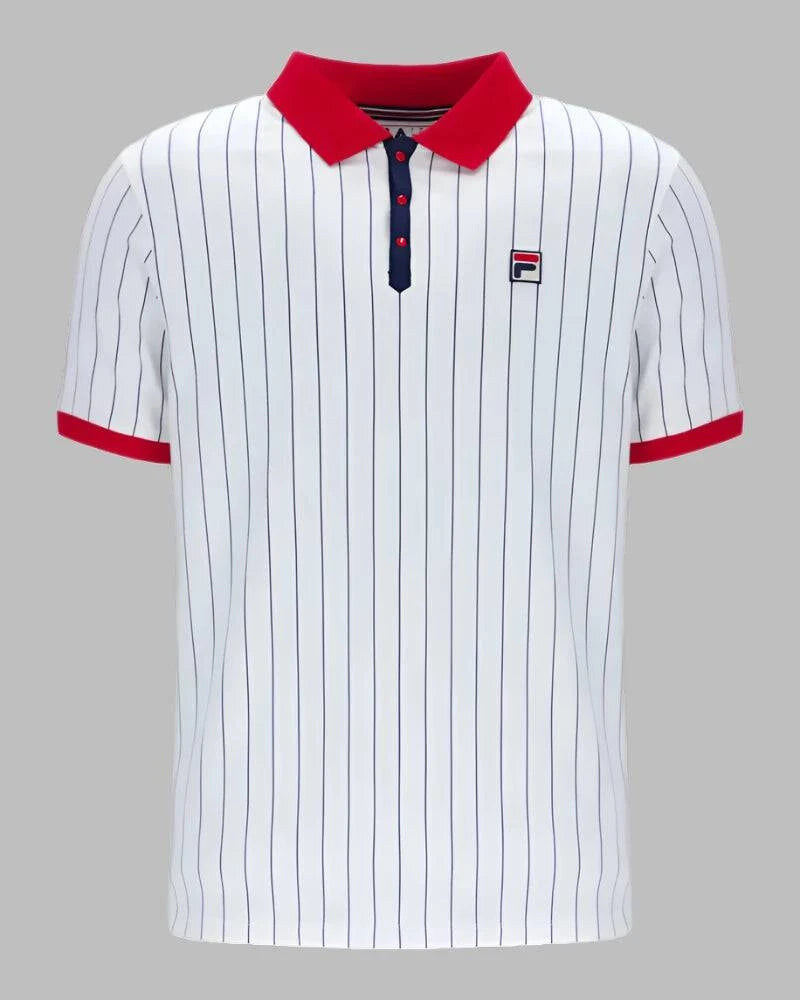
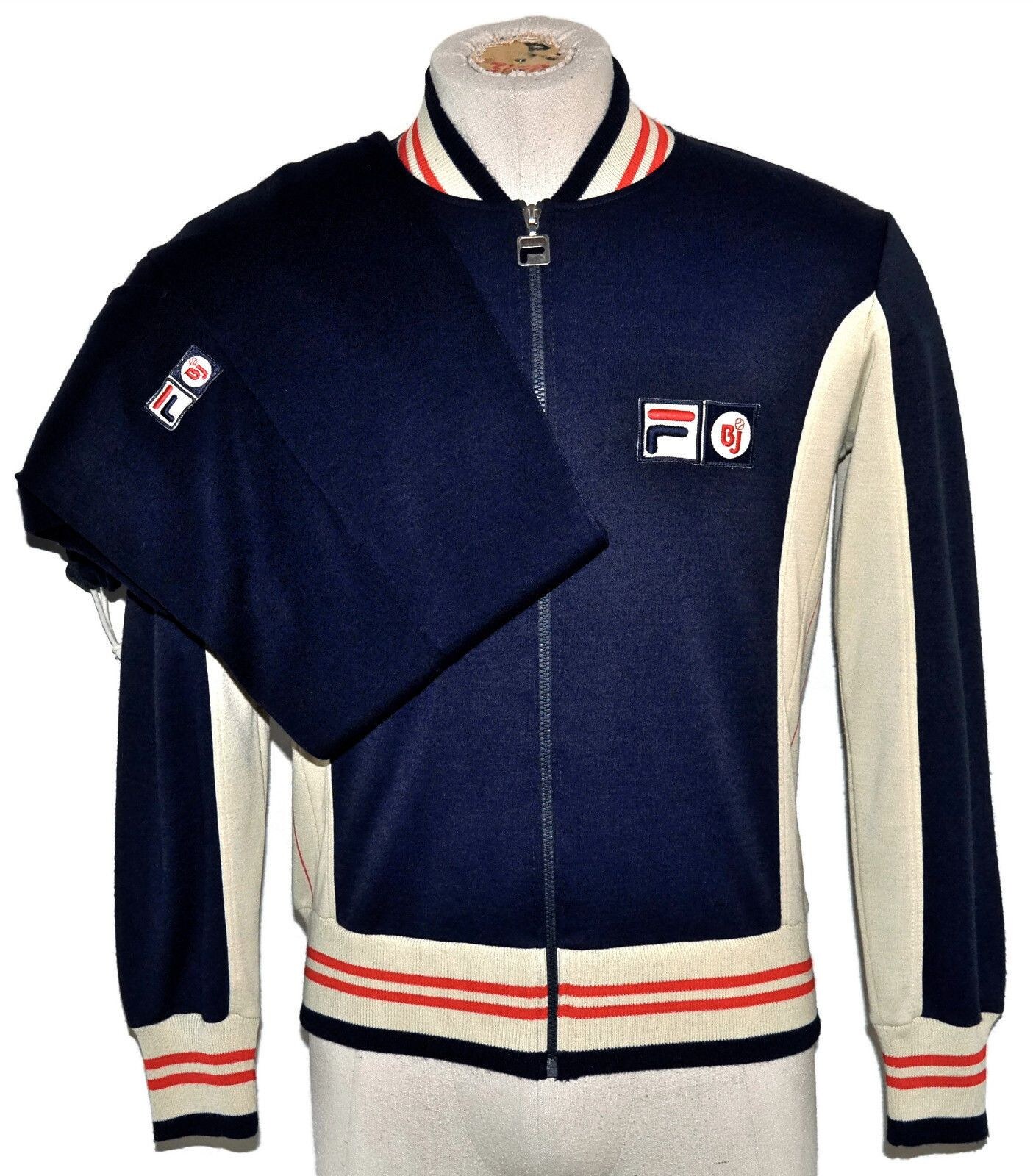
Sportswear and footwear with strong tennis and athletic roots. Fila's move into sportswear in 1973 was anchored by an endorsement deal with tennis legend Björn Borg, which made the brand far more popular. Decades later, bold lifestyle sneakers carried that sporting identity into streetwear and pop culture.
How did Fila start?+
It began as a wool business. In 1906 brothers Ettore and Giansevero Fila joined a wool mill in Biella, Piedmont, and in 1911 it took the name Fratelli Fila, with Fila officially established in 1923. It originally made clothing for the people of the Italian Alps, primarily underwear, long before its move into sportswear.
Who owns Fila today?+
Fila is owned through Fila Holdings, which acquired the brand and its international subsidiaries via Fila Korea in 2007 and launched an IPO on the Korea Exchange in 2010. Gene Yoon (Yoon Yoon-su) serves as chairman of Fila Holdings, and the company's largest shareholders include Piemonte, Fila Holdings itself, and South Korea's National Pension Service.
How did Fila become big in the United States?+
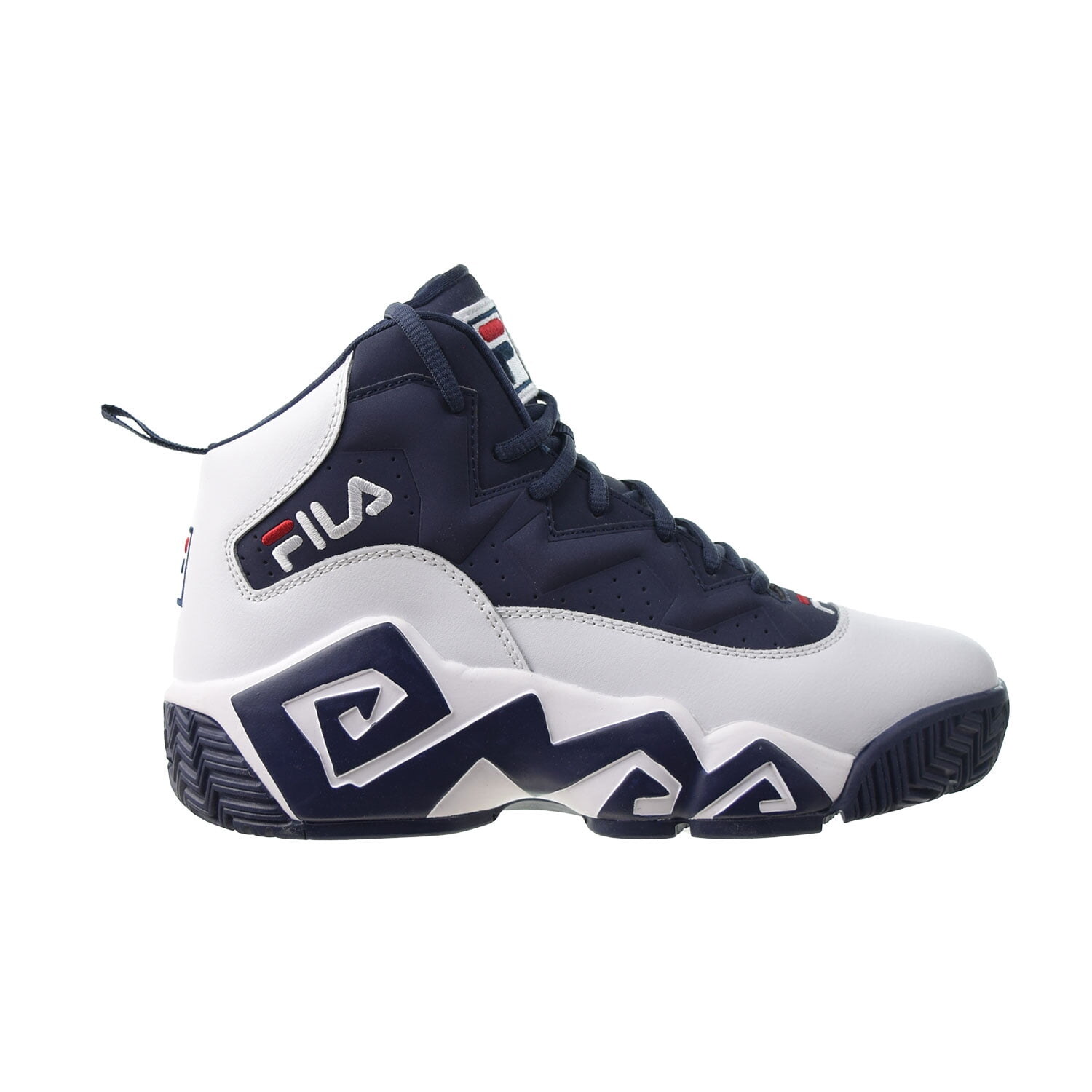
In 1991 Fila shifted its focus from clothing in Europe to footwear in the US and bought out its US license. High-profile sponsorships, including basketball players Grant Hill and Jerry Stackhouse, then helped make it America's fastest-growing footwear brand by 1995. That era cemented its place in US sneaker culture.
Does Fila own any other brands?+
Yes. In 2011 Fila Korea acquired the global golf equipment maker Acushnet Company for $1.23 billion, becoming the owner of well-known golf brands such as Titleist and FootJoy. So beyond apparel and sneakers, Fila Holdings has a significant footprint in golf equipment.
What is the best way to style a chunky Fila sneaker?+
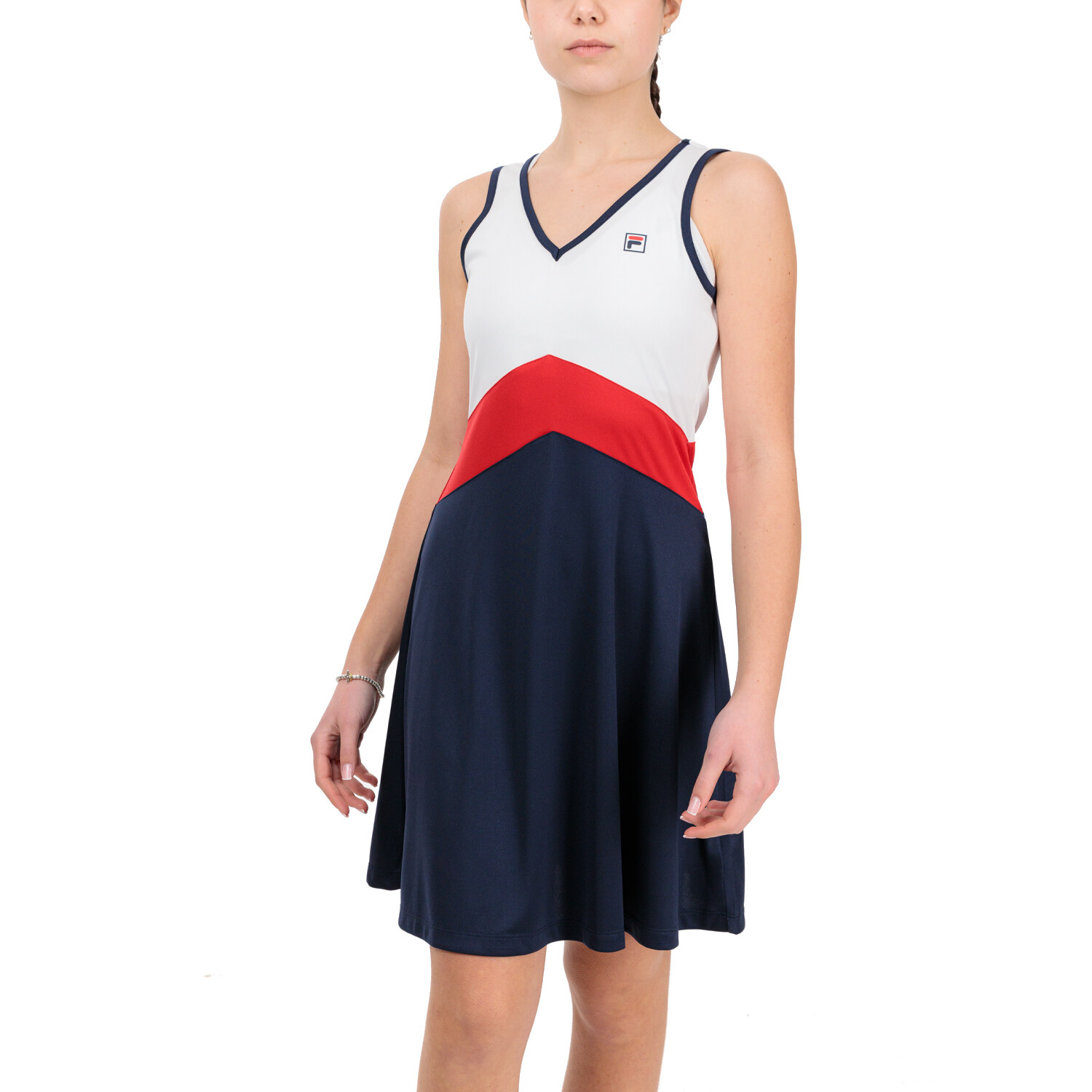
Lean into the contrast. A bulky, retro-leaning Fila trainer looks sharpest grounding something slim and simple, like straight or tapered denim, a tracksuit, or a clean dress with bare ankles, so the shoe reads as the deliberate statement. Keeping the rest of the outfit pared back lets that exaggerated silhouette do the talking.
Has Fila faced any controversy?+
Yes, around its sourcing. In March 2021, Fila China stated it would continue to source cotton from Xinjiang despite public criticism that such cotton had been produced with forced Uyghur labour in the region. It is worth being aware of if ethical sourcing factors into your buying decisions.