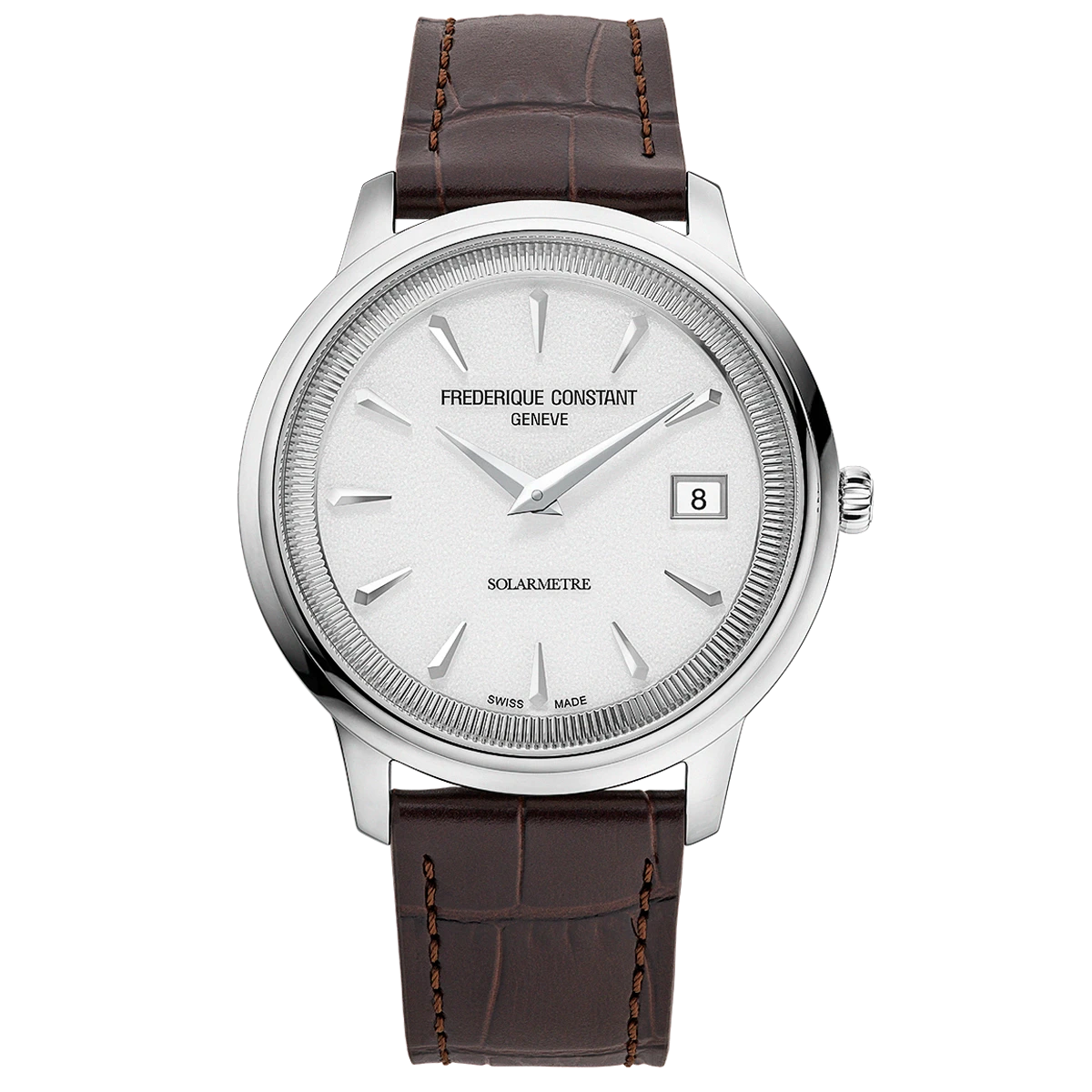
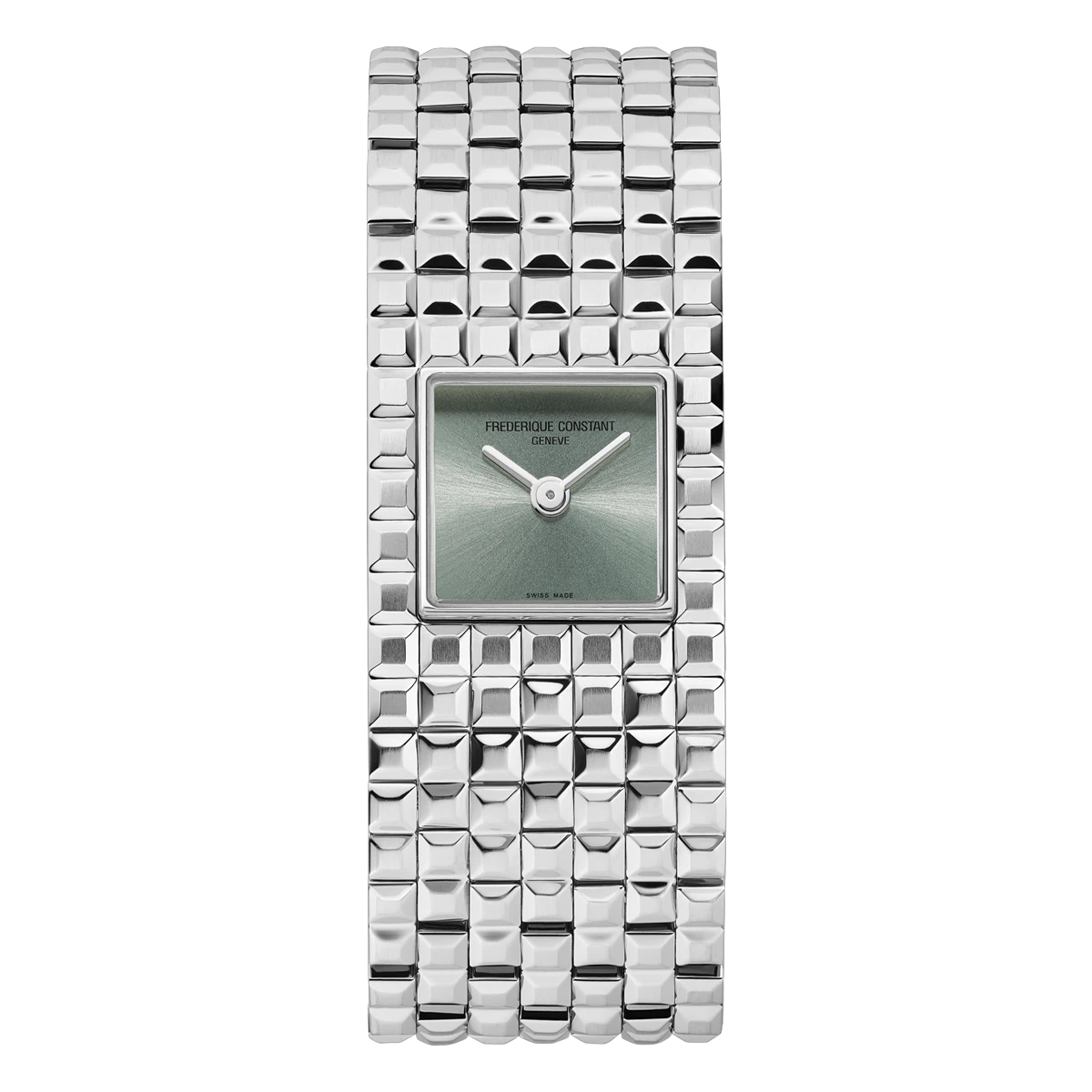
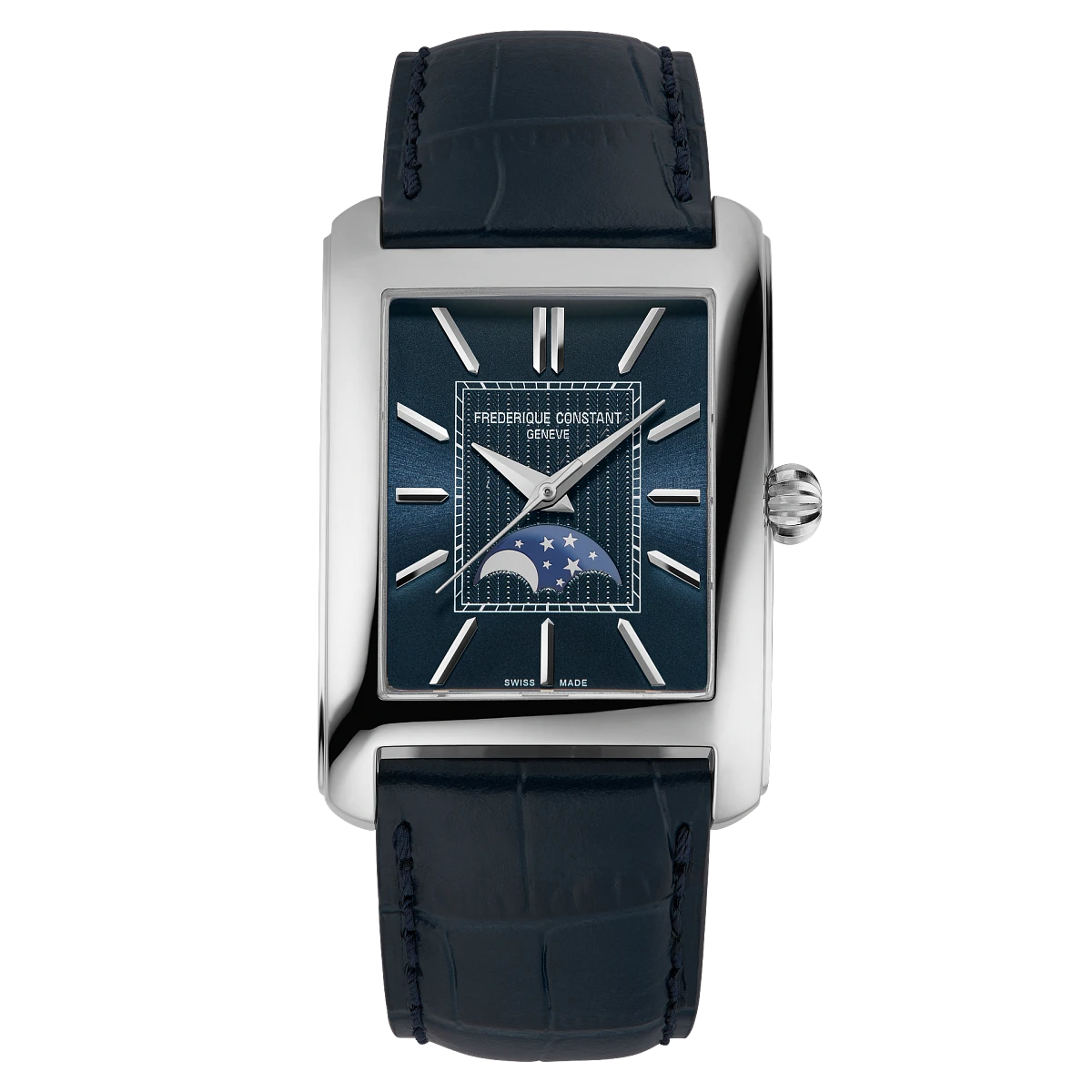
Are Frédérique Constant watches worth it?+
For the price of entry into Swiss watchmaking, Frédérique Constant offers something unusual: genuine in-house movements rather than bought-in calibres alone. The brand even reached the point of offering a complete in-house watch for under €2,000 MSRP, which makes it stand out in its segment. If you value mechanical substance over a status logo, it's an easy case to make.
Is Frédérique Constant a good-quality watch brand?+
Frédérique Constant is a Swiss manufacture based in Plan-les-Ouates, Geneva, and its credentials are real — it develops and produces its own movements in-house. Its Heart Beat Manufacture even won "Watch of the Year" from Horloges Magazine in 2005 in the up-to-€3000 category. That blend of accessible pricing and in-house engineering is exactly why enthusiasts take it seriously.
How does Frédérique Constant compare to other accessible Swiss brands?+
What sets Frédérique Constant apart in the accessible Swiss tier is its commitment to manufacture (in-house) movements — it offers 33 of them alongside its more mainstream Sellita-powered watches. Many rivals in the same price band rely entirely on outsourced calibres. So the comparison often comes down to whether you want a brand that engineers its own mechanics.
What is the Heart Beat movement Frédérique Constant is known for?+
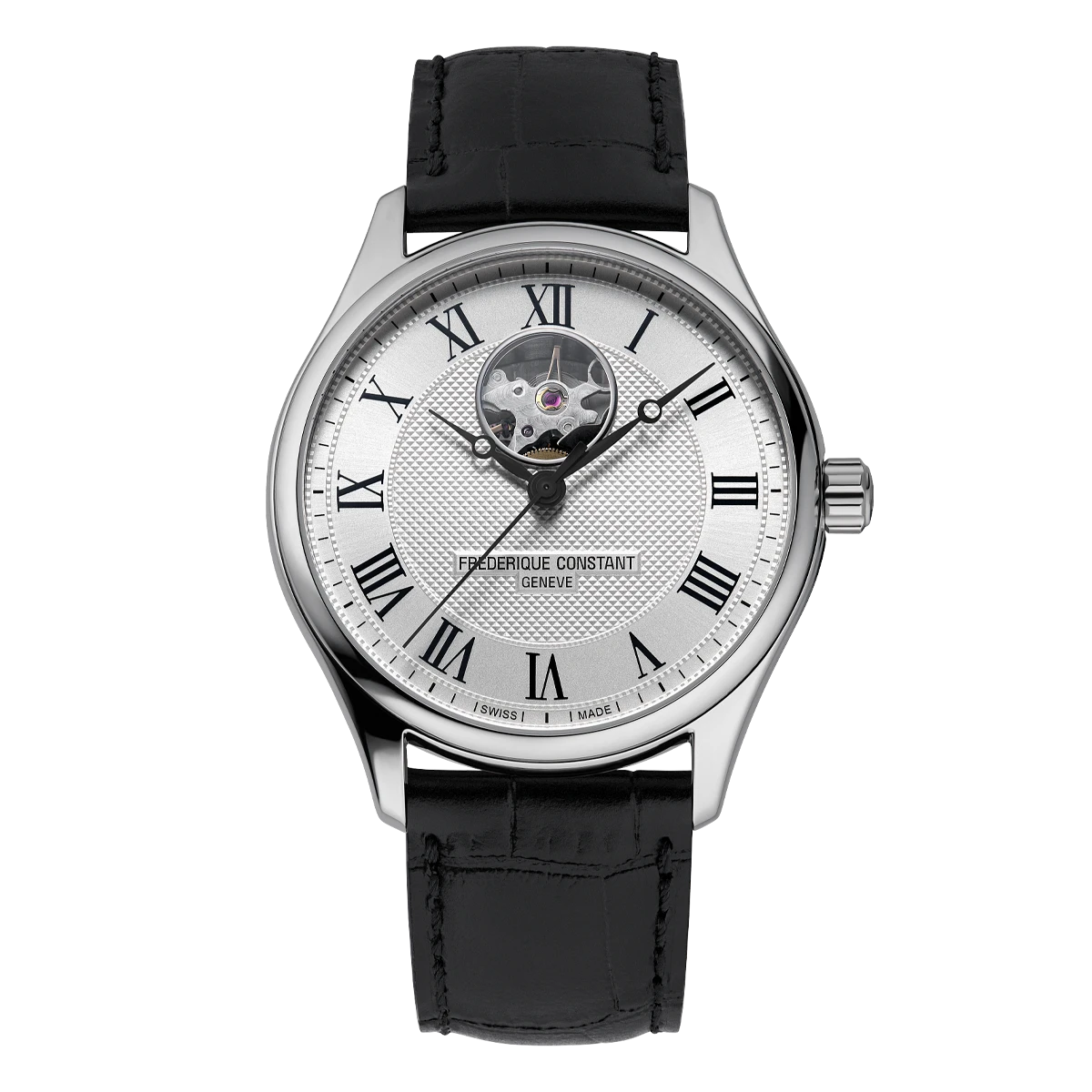
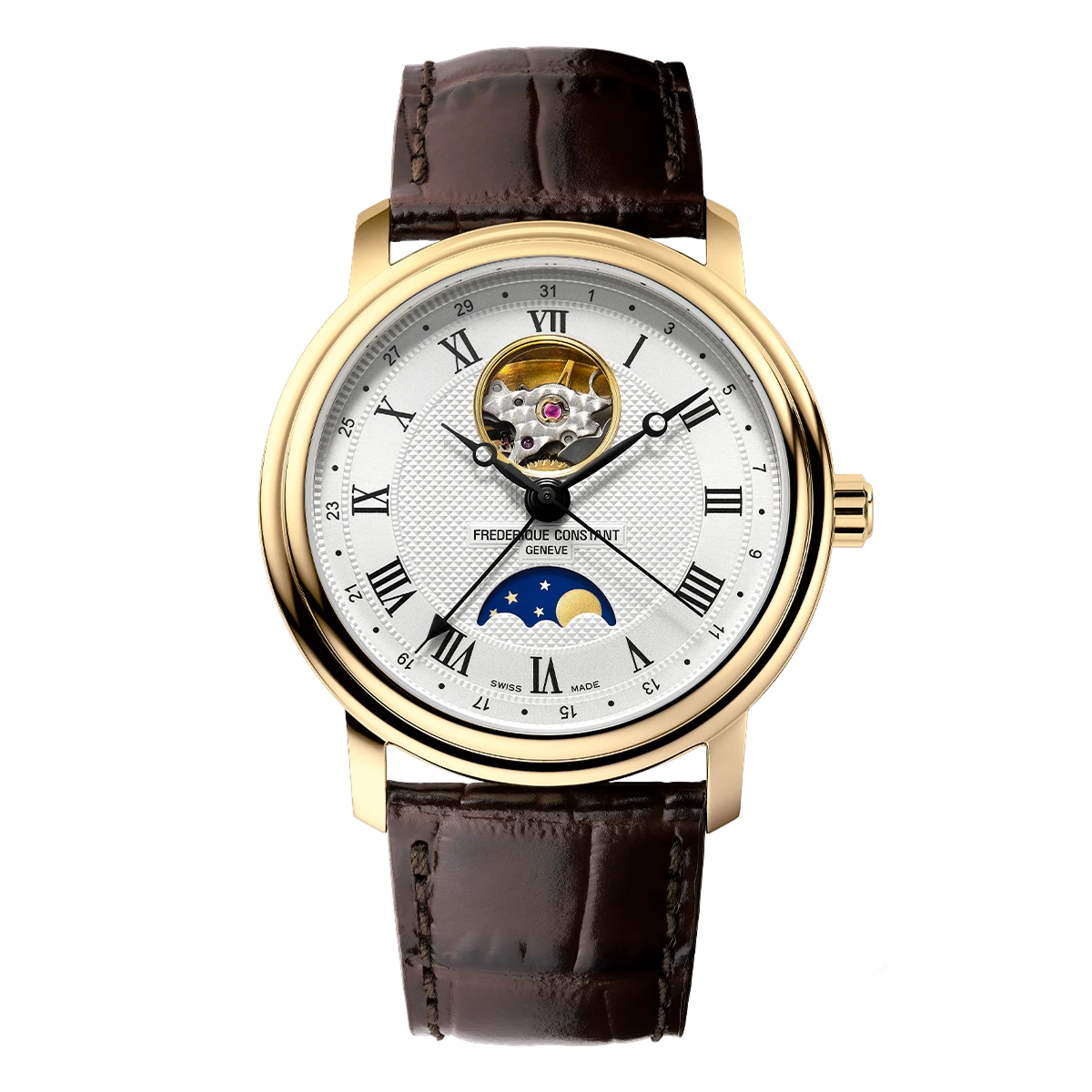
The Heart Beat is Frédérique Constant's signature design, with a distinctive bridge for the balance wheel placed on the front of the movement so you can watch it beat through the dial. The company developed it from 2001, introduced the original in 2004, and patented the construction as a genuine innovation. It remains the most recognisable face of the brand.
What does "Manufacture" mean on a Frédérique Constant watch?+
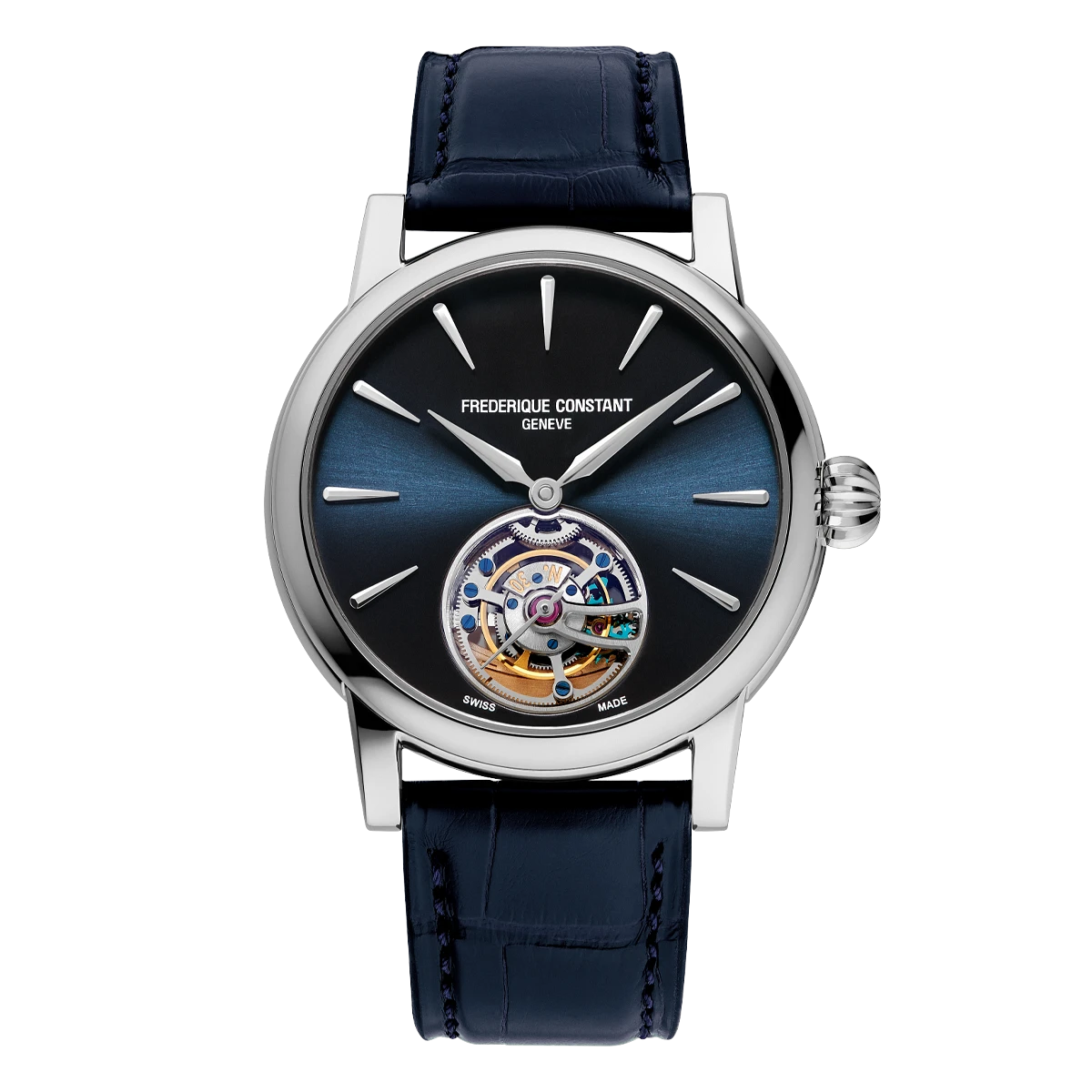
Manufacture signals an in-house movement rather than a sourced one. You can spot it by the word "Manufacture" in the model name, or by an FC-9xx, FC-7xx or FC-810 calibre — and, on the high end, a tourbillon. It's the brand's shorthand for its most serious watchmaking.
What are Frédérique Constant's main collections?+
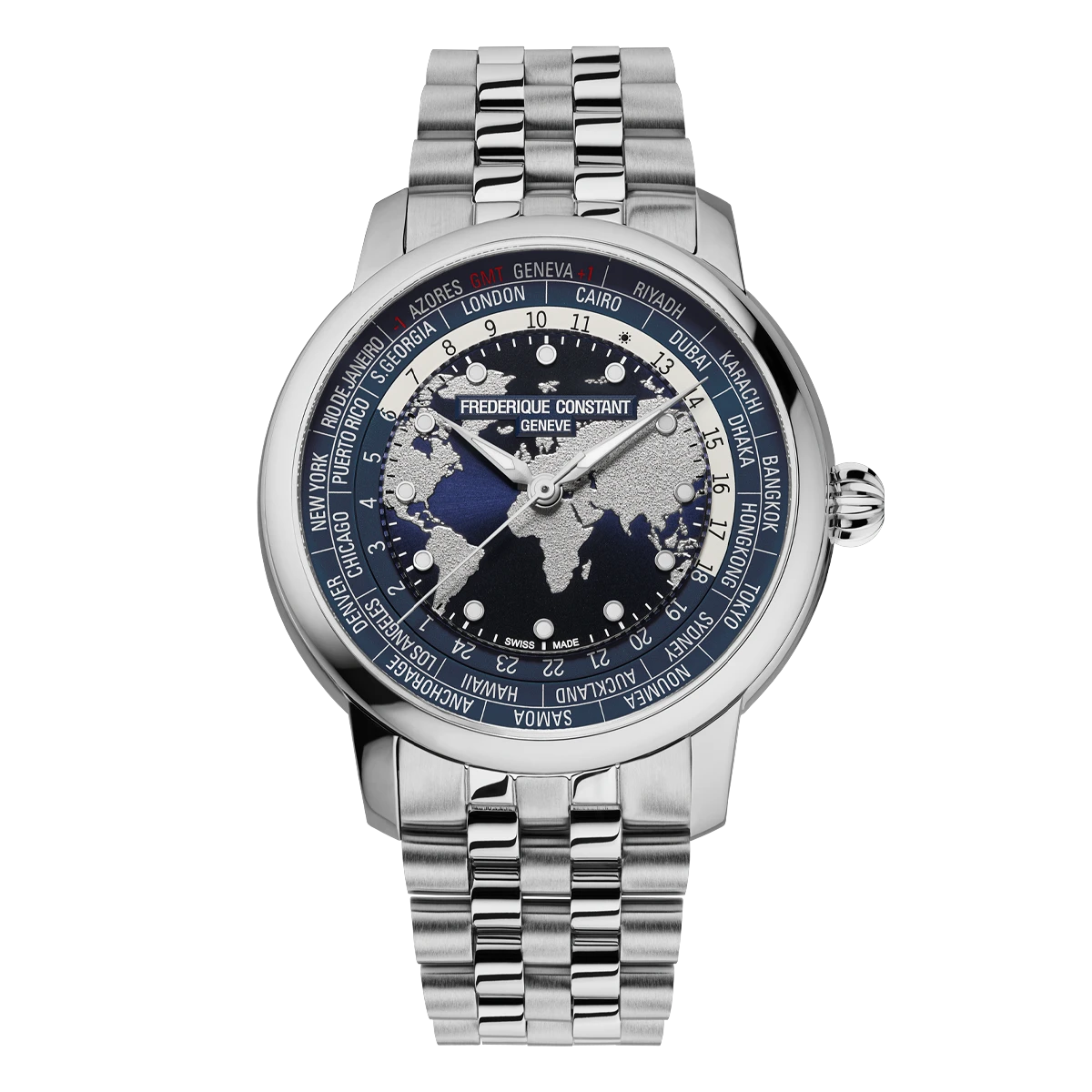
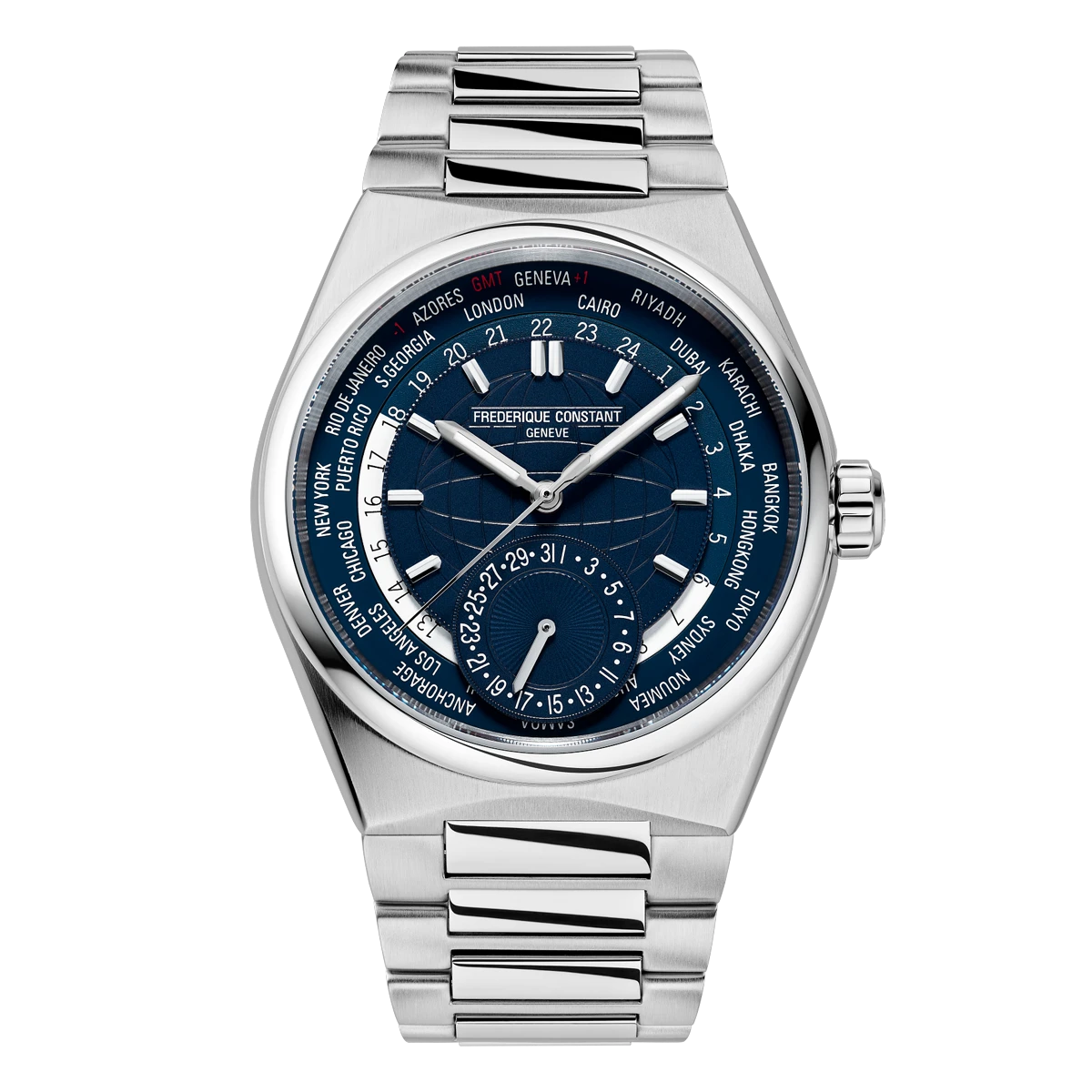
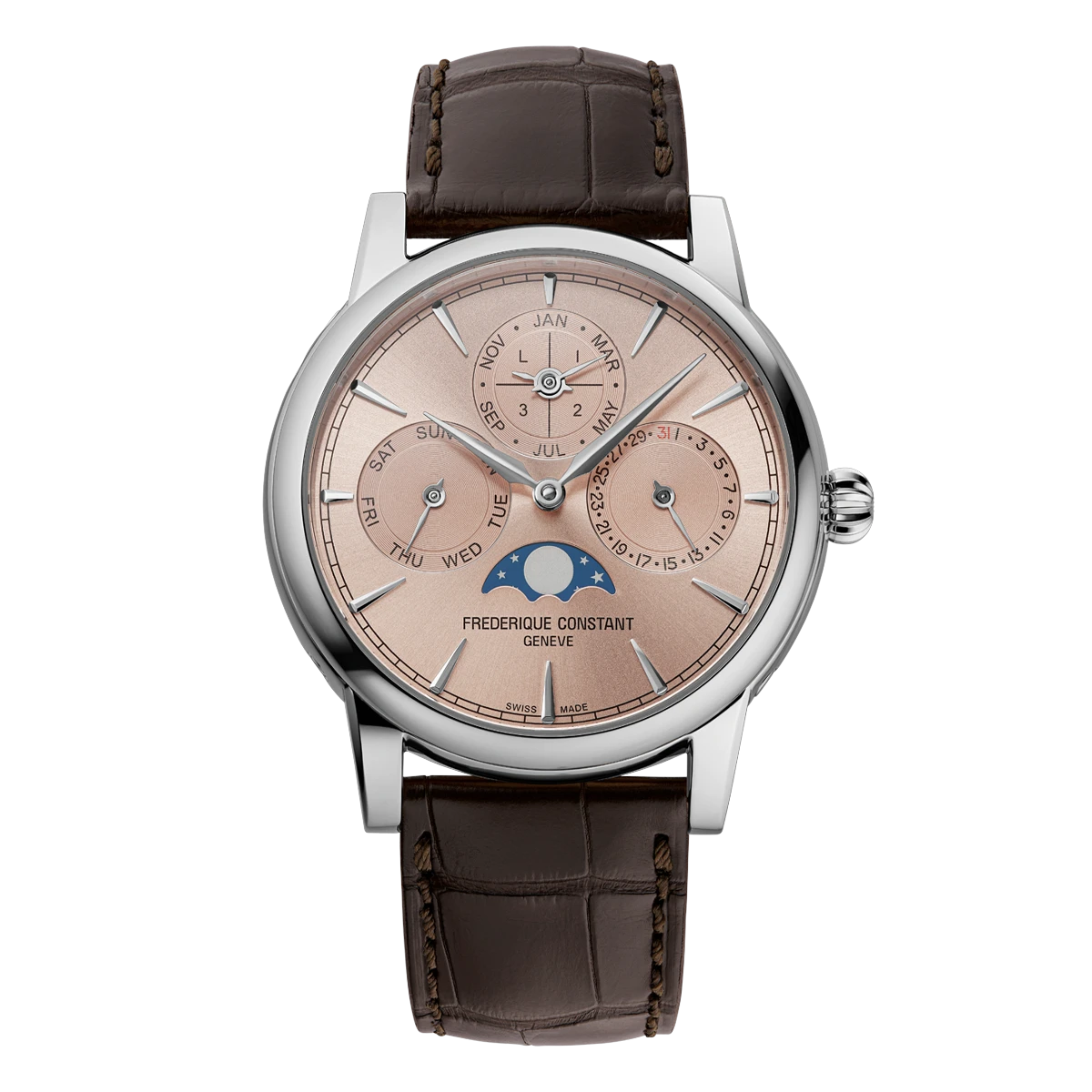
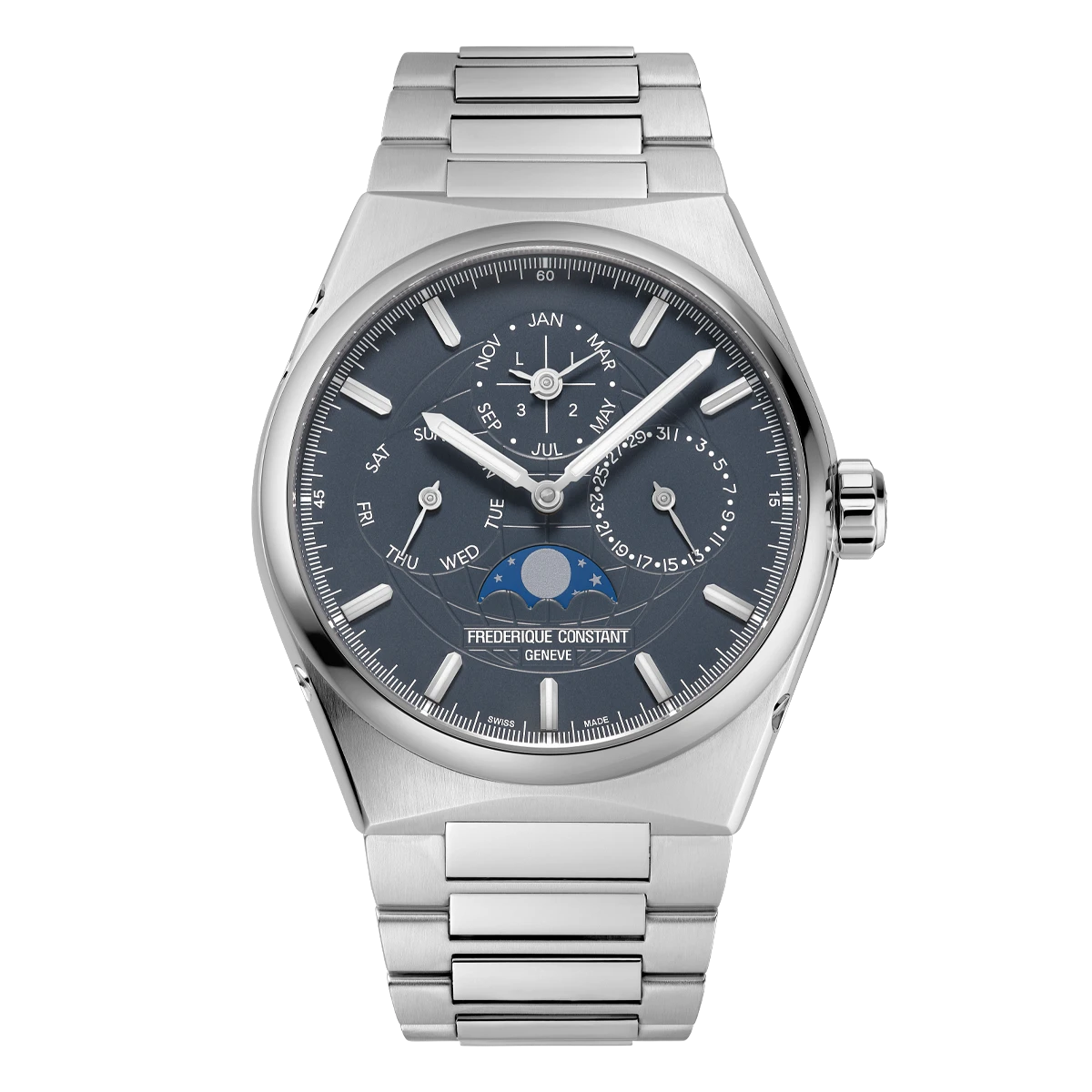
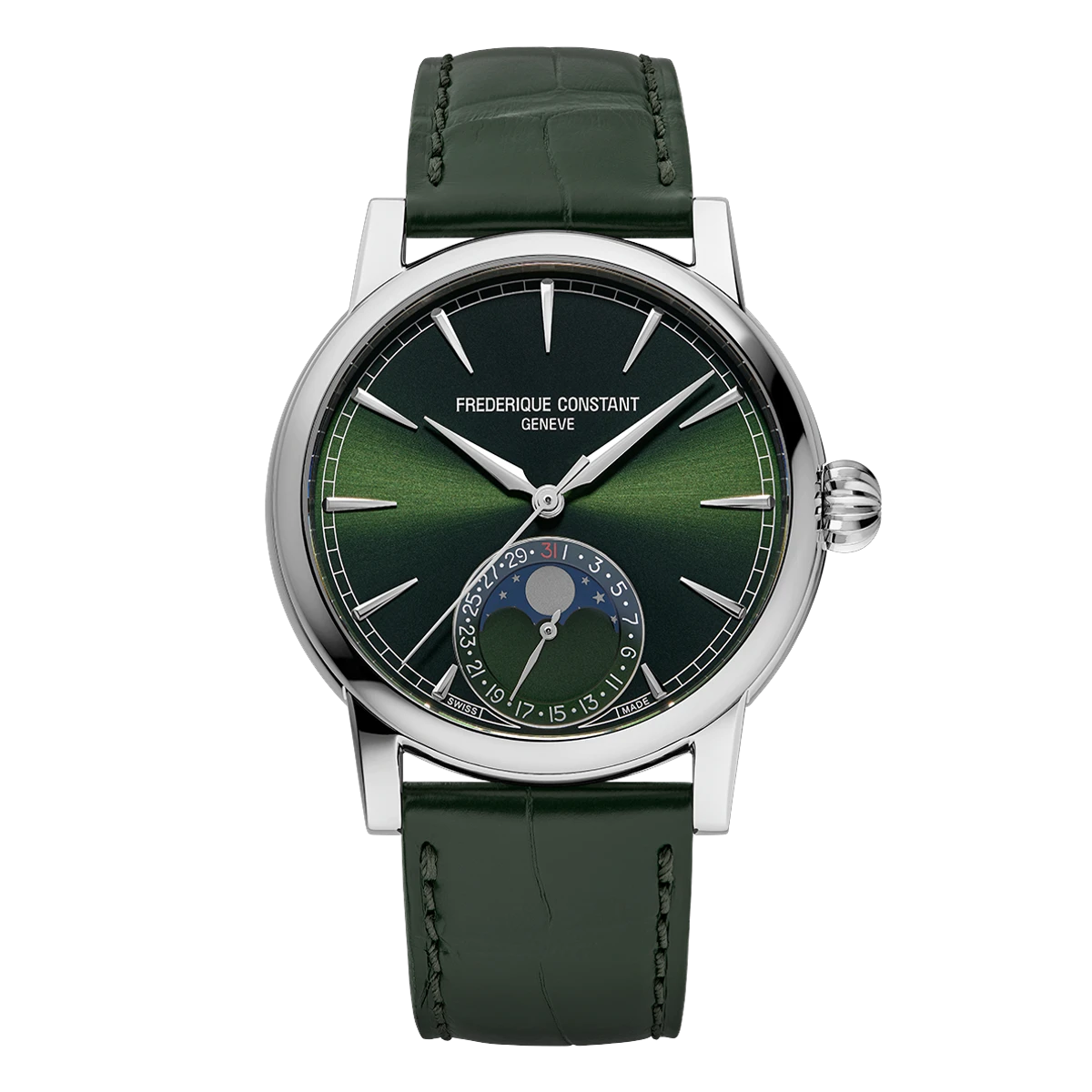
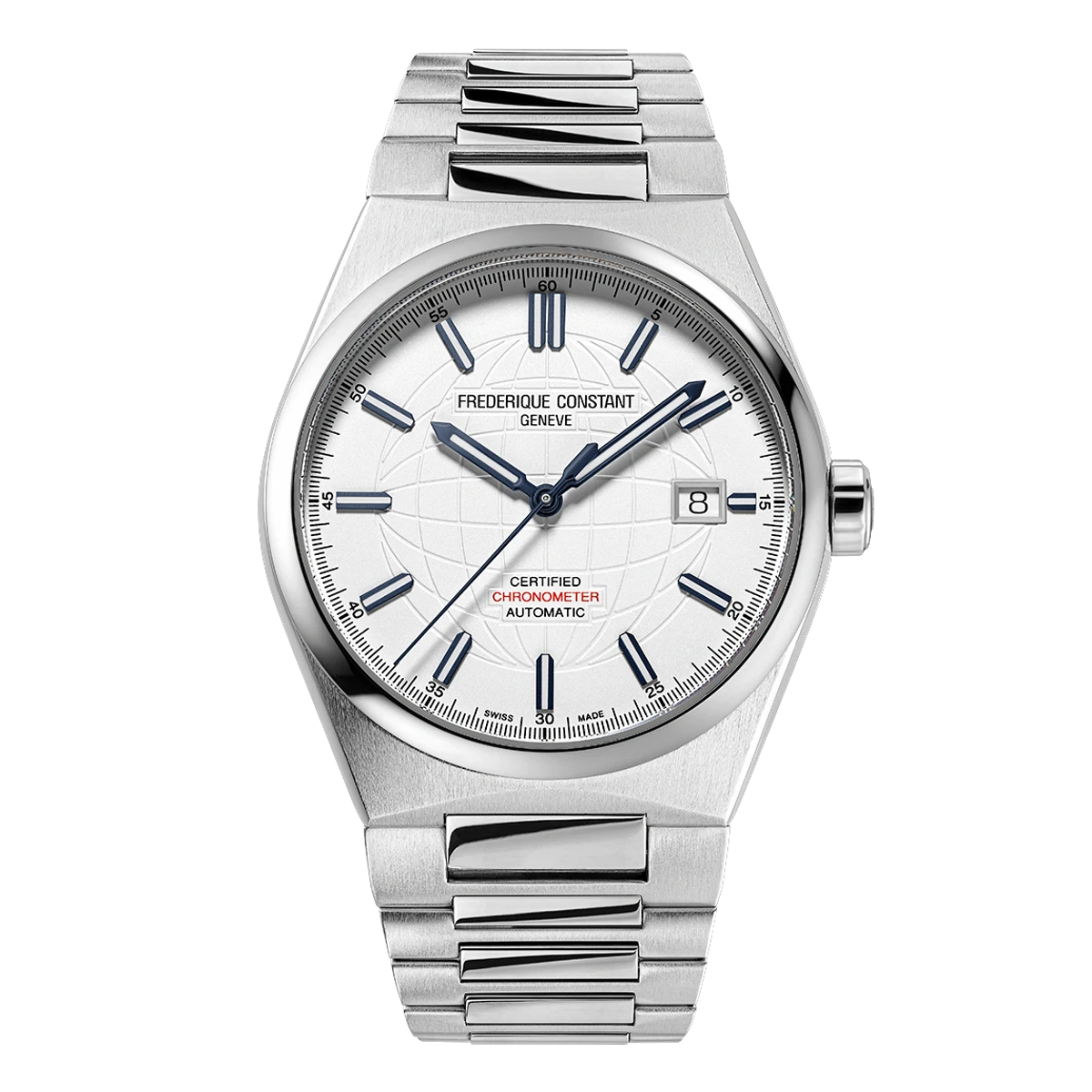
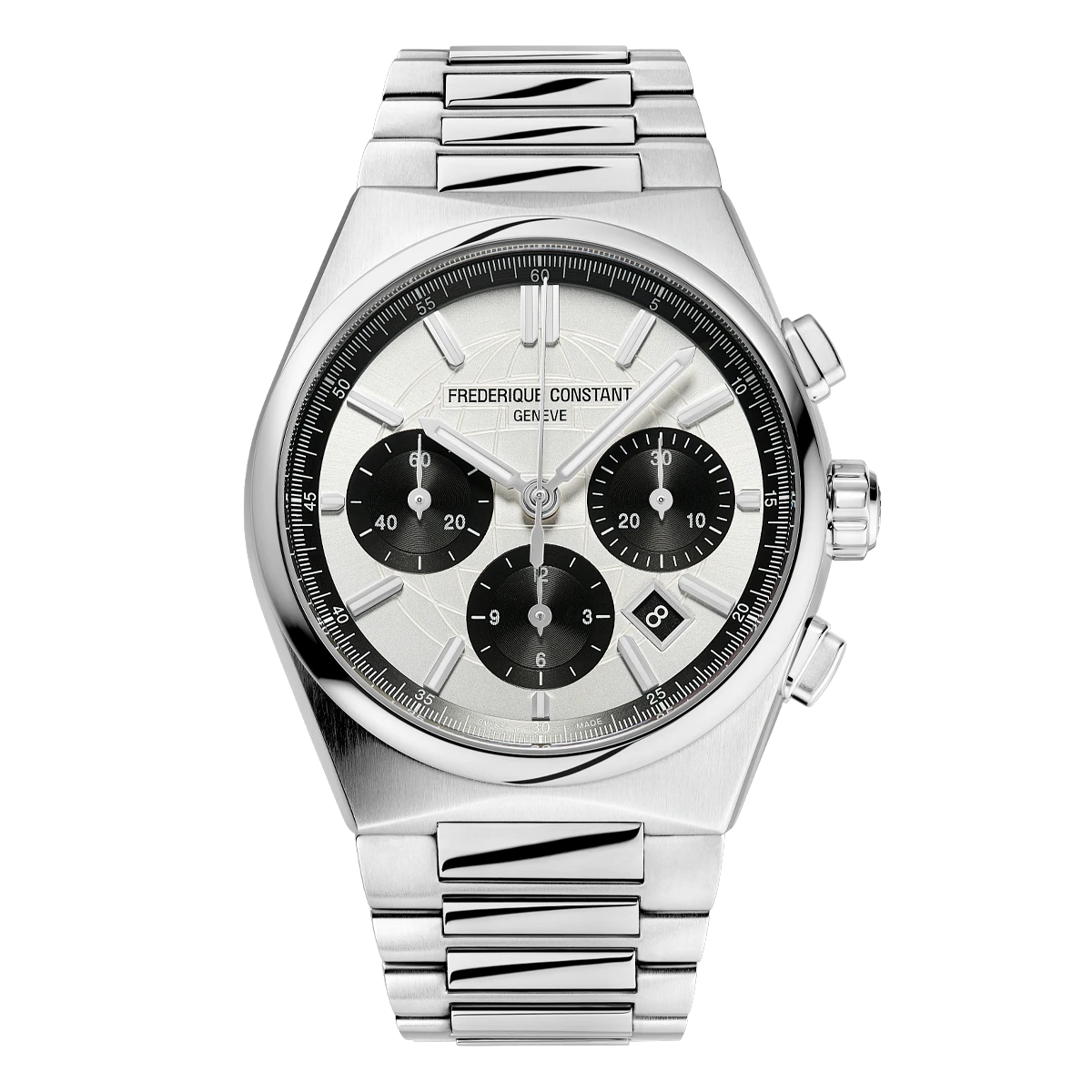
The brand is organised into three distinct collections: Classics, which follow traditional Swiss dress-watch design; Highlife, a sport-chic take; and Manufacture, the in-house calibres with complications and luxury finishing. Picking between them is largely a question of whether you want classic, casual or connoisseur.
Where did the name Frédérique Constant come from?+
The name honours the founders' great-grandparents, Frédérique Schreiner (1881–1969) and Constant Stas (1880–1967) — and Constant himself founded a company producing watch dials back in 1904. So the brand's name carries a real horological lineage rather than being a marketing invention.
Who founded Frédérique Constant, and who owns it now?+
The company was founded in 1988 by the Dutch couple Aletta Stas-Bax and Peter Stas. In 2016 they secured its long-term future by accepting a proposal from Japanese watchmaker Citizen, which acquired the brand. Niels Eggerding, who joined in 2012, was later appointed CEO of the group in 2018.
What is the story behind the Frédérique Constant logo?+
The brand's logo represents the Stas family crest — a direct nod to the founders' heritage. Given that the company name also comes from the Stas family's great-grandparents, the crest ties the whole identity back to a single family story.
What is the Frédérique Constant Runabout line inspired by?+
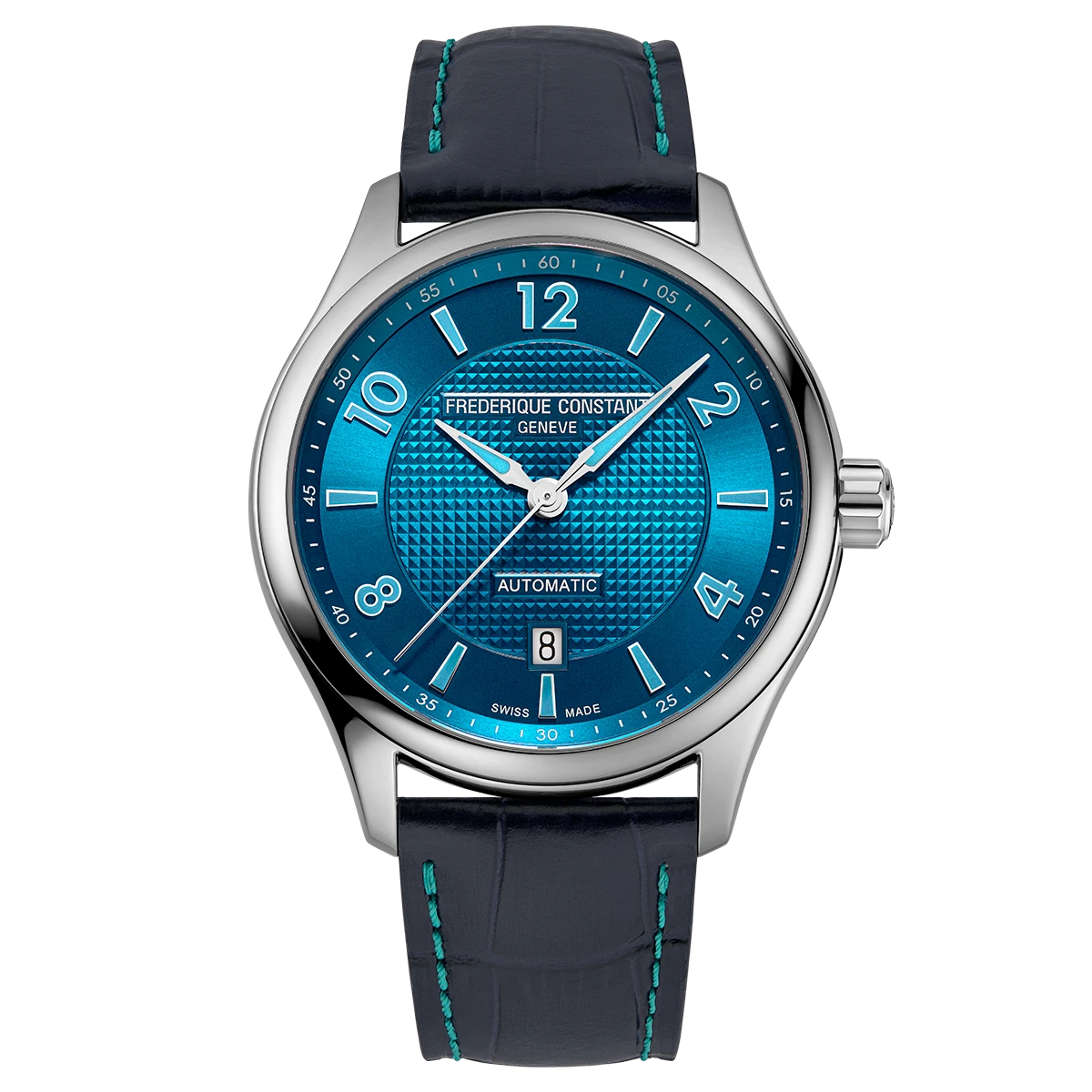
The Runabout range pays tribute to the runabout gentlemen's sports boats of the Roaring Twenties. In keeping with that spirit, the brand has supported vintage-boat events and the conservation work of Milan's Riva Historical Society. It's a collection built around nostalgia for elegant wooden powerboats.
Did Frédérique Constant really make a mechanical smartwatch?+
Yes — in 2018 Frédérique Constant revealed the Hybrid Manufacture, billed as the world's first mechanical smartwatch, fusing smartwatch technology with a mechanical movement. It followed the 2015 Horological Smartwatch, which used a secondary analog dial instead of a screen and could run two years or more between charges. Both show the brand experimenting well beyond classic dress watches.
How should you care for a mechanical Frédérique Constant watch?+
An automatic or hand-wound Frédérique Constant rewards a little routine: wear it regularly to keep an automatic wound, or wind a hand-wound piece gently and consistently. Like any fine mechanical watch, it benefits from periodic professional servicing to keep the movement running true. Treat the Heart Beat aperture as a feature to admire, not a stress point, and it should keep beating for decades.