Is Glashütte Original worth it?+
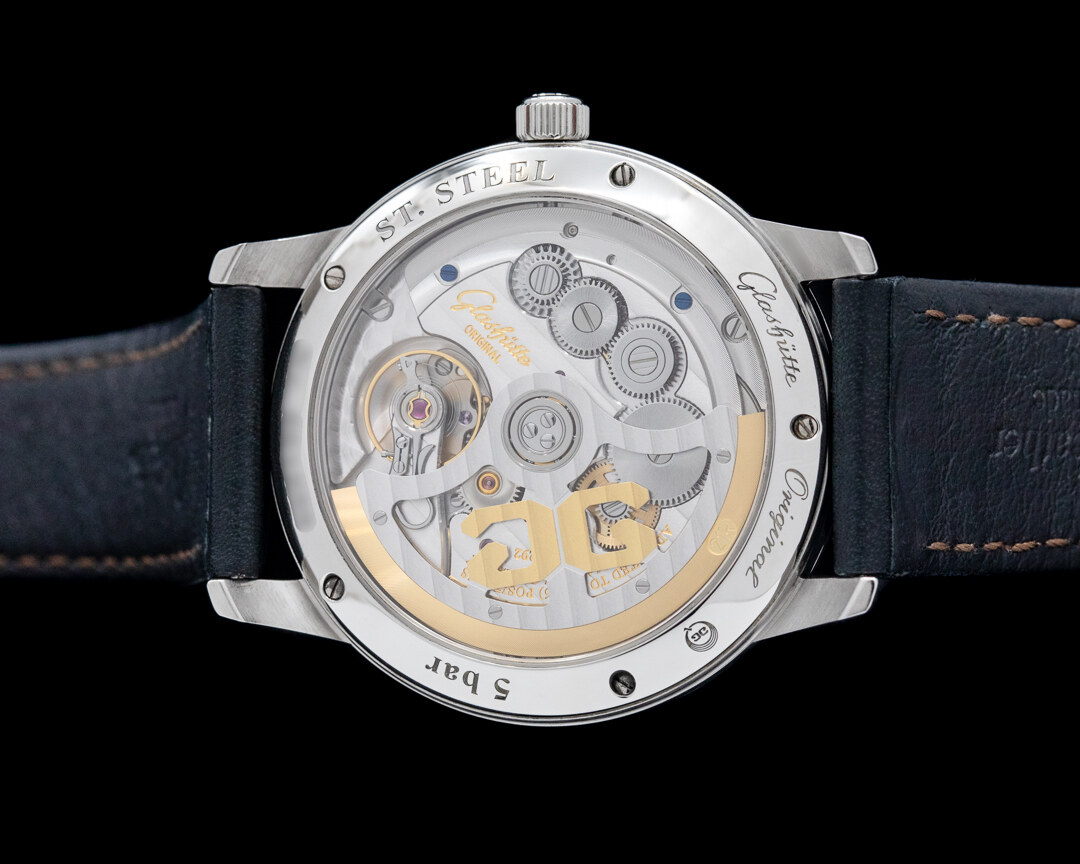
Glashütte Original is widely regarded as one of the strongest value propositions in fine German watchmaking, and a big reason is self-sufficiency: the manufacture makes nearly 95% of its components in-house. You get serious horology, proprietary movements, and traditional Saxon finishing without the very top-tier price of some rivals. If German craftsmanship and in-house mechanics appeal to you, it earns its keep.
Is Glashütte Original good quality?+
Yes, it sits firmly in the high-quality German tier. The company uses its own movements and holds ten proprietary movement innovations, and it makes roughly 95% of every watch's components itself. Backed by signature Glashütte techniques developed in the region, the brand has a deserved reputation for precision and finish.
How does Glashütte Original compare to A. Lange & Söhne?+
They are family, in a sense. Both trace back to 1845, when watchmaker Ferdinand Adolph Lange, the namesake of A. Lange & Söhne, came to Glashütte to make watch parts and pocket watches. After German reunification, A. Lange & Söhne was revived in 1990 by Lange's great-grandson, while Glashütte Original emerged from the privatized state works in 1994. They share a town and a tradition, with Lange aimed at the loftiest end and Glashütte Original offering exceptional craft at a more attainable level.
Where are Glashütte Original watches made?+
In Glashütte, the small Saxon town in Germany that gives the brand its name and has been a center of fine German watchmaking since 1845. The town sits near Dresden, whose established clockmaking fame first drew watchmakers to the area. Manufacturing there is central to the brand's identity, which is why nearly all components are made on site.
Why is the watch called Glashütte 'Original'?+
The "Original" is a mark of authenticity. In the past, less reputable workshops elsewhere stamped "System Glashütte" on inferior movements and imitated the region's decoration to charge a premium. In response, the genuine Glashütte houses began inscribing the word Original on their movements and clockwork to prove a timepiece really came from Glashütte.
Who owns Glashütte Original now?+
Glashütte Original is owned by The Swatch Group, the world's largest watch group, which acquired it in 2000. The modern company was founded in 1994 by Heinz W. Pfeifer, who bought the tiny 72-employee successor of the state works and revived the traditional Glashütte handiwork. Swatch Group ownership has kept the manufacture in its home town.
What is Glashütte Original's history?+
Its roots reach to 1845, when Ferdinand Adolph Lange and fellow watchmakers came to Glashütte to build a watch industry. Under East German rule the region's makers were forced together in 1951 into the state-run VEB Glashütter Uhrenbetriebe (GUB), which kept building mechanical movements through the quartz era. After reunification the company was privatized, becoming Glashütte Original in 1994. It is, quite literally, a brand risen from the rubble of a town leveled in the final days of World War II.
What are the signature features of Glashütte watchmaking?+
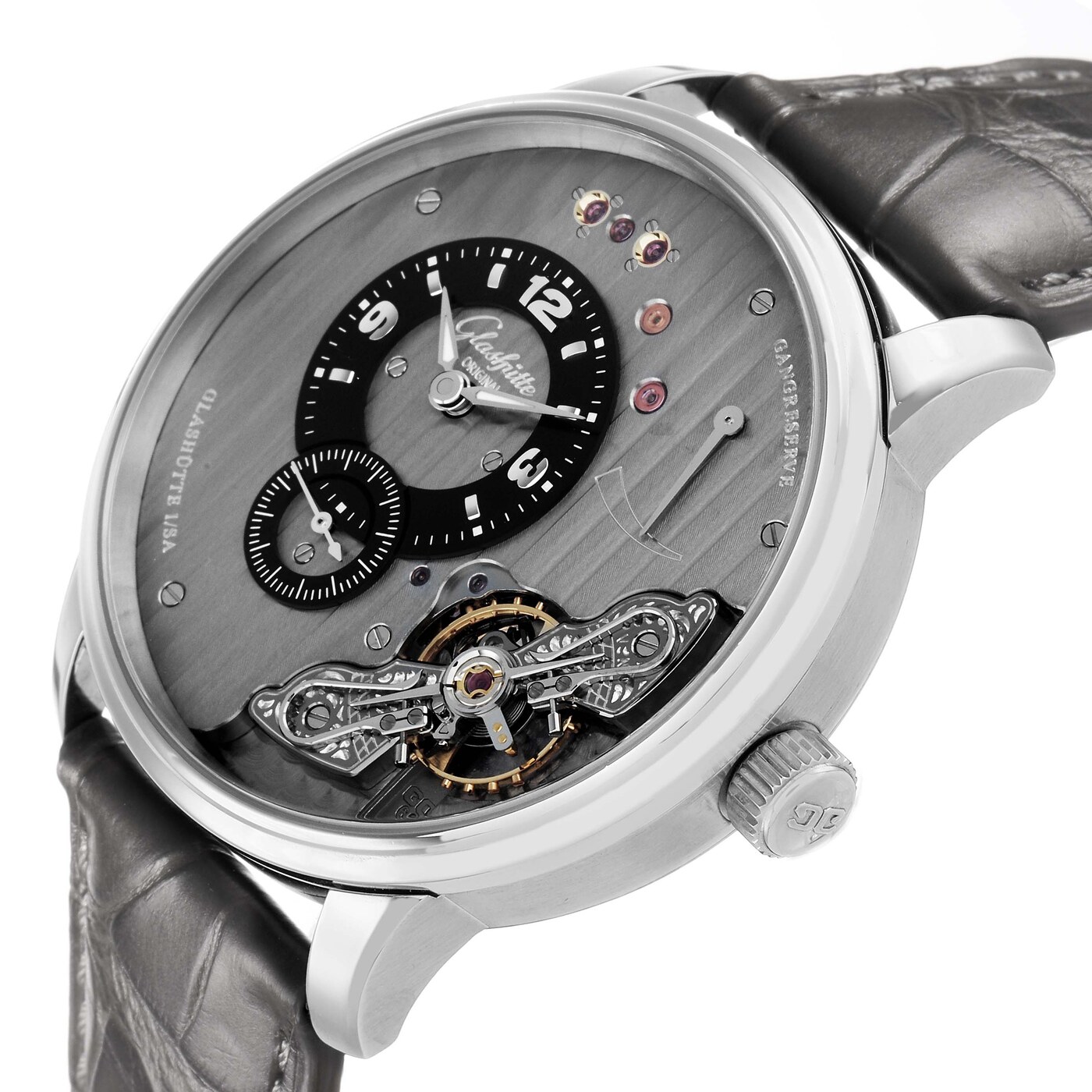
Several hallmarks were developed in the region back in 1865 and are still used today: the distinctive three-quarter plate, gold lever wheels, and chatons, all introduced to improve timekeeping precision. The town also gave horology the flying tourbillon, invented by Glashütte watchmaker Alfred Helwig in 1921. These traditions are what make a Glashütte movement instantly recognizable to enthusiasts.
What collections does Glashütte Original offer?+
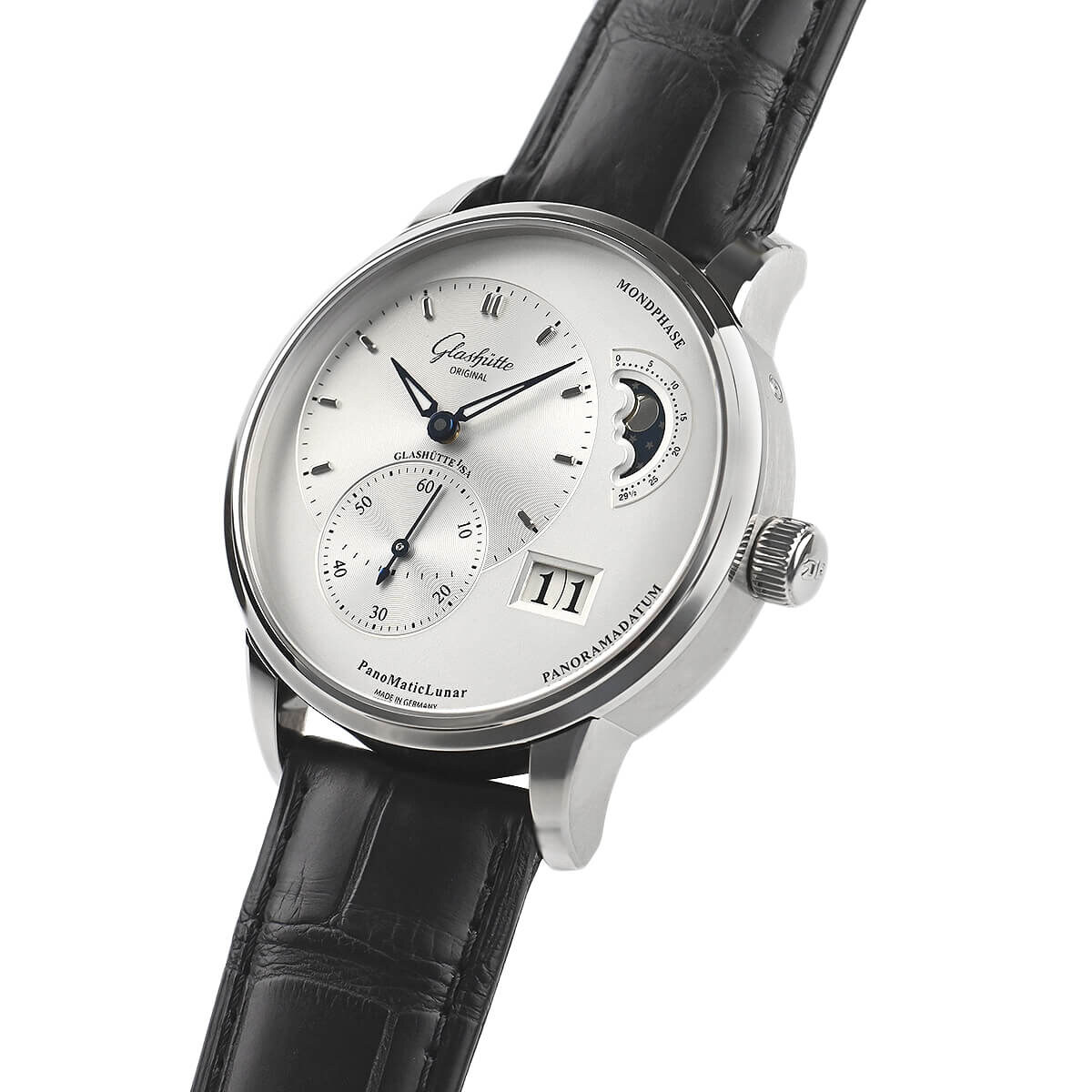
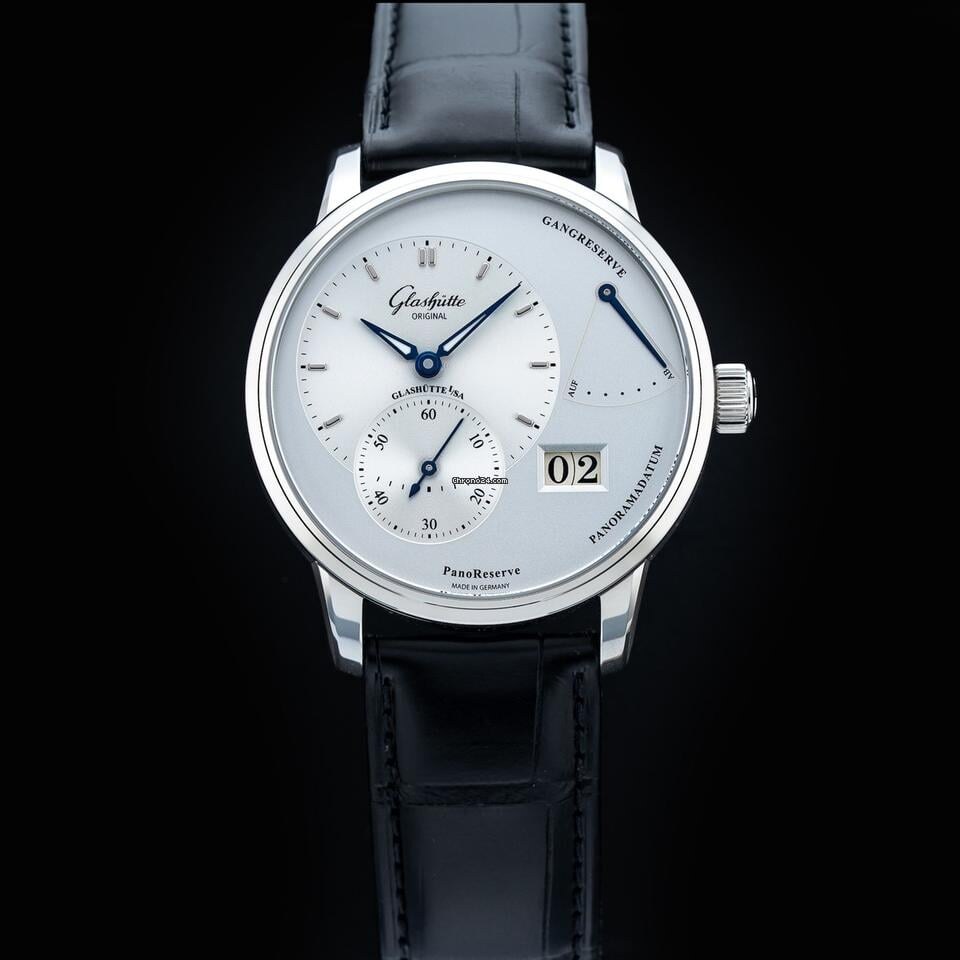
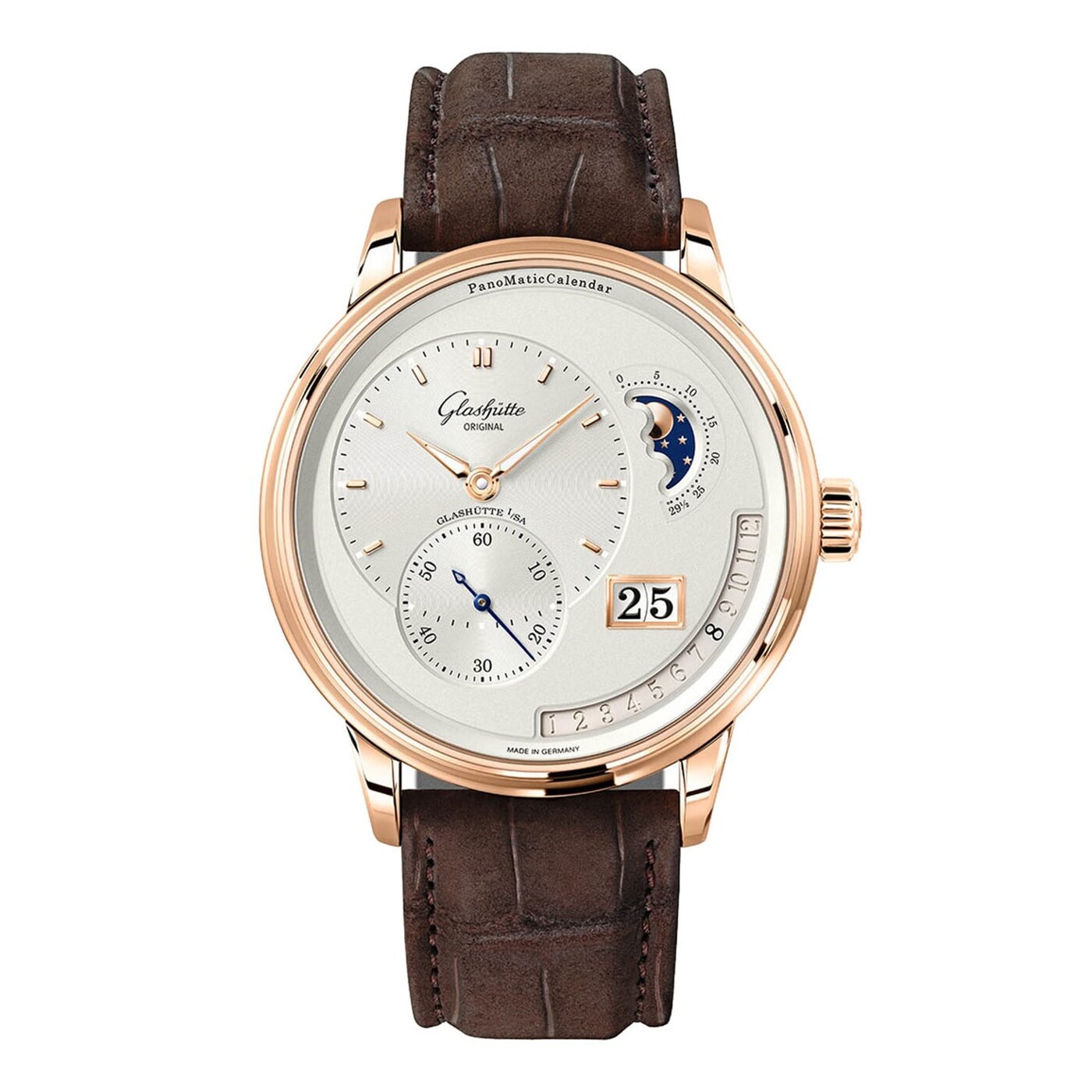
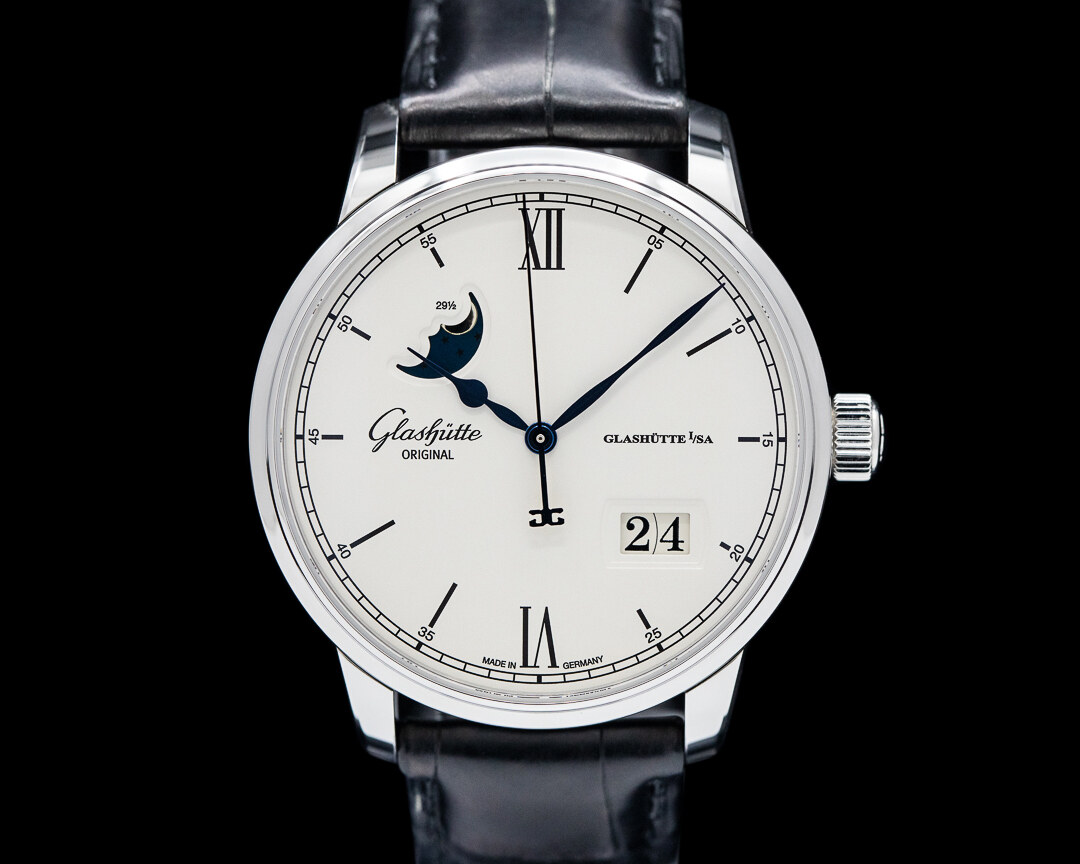
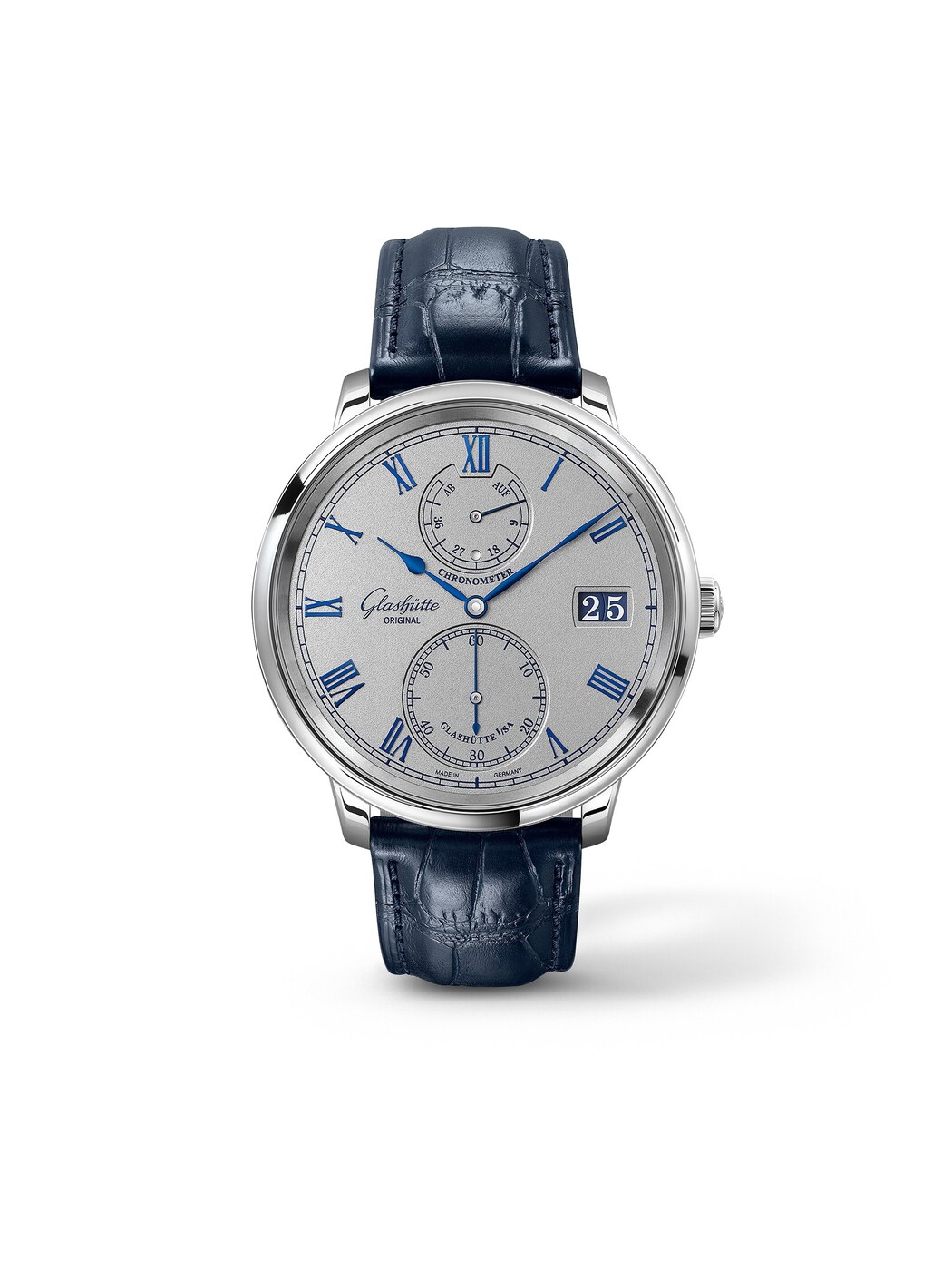
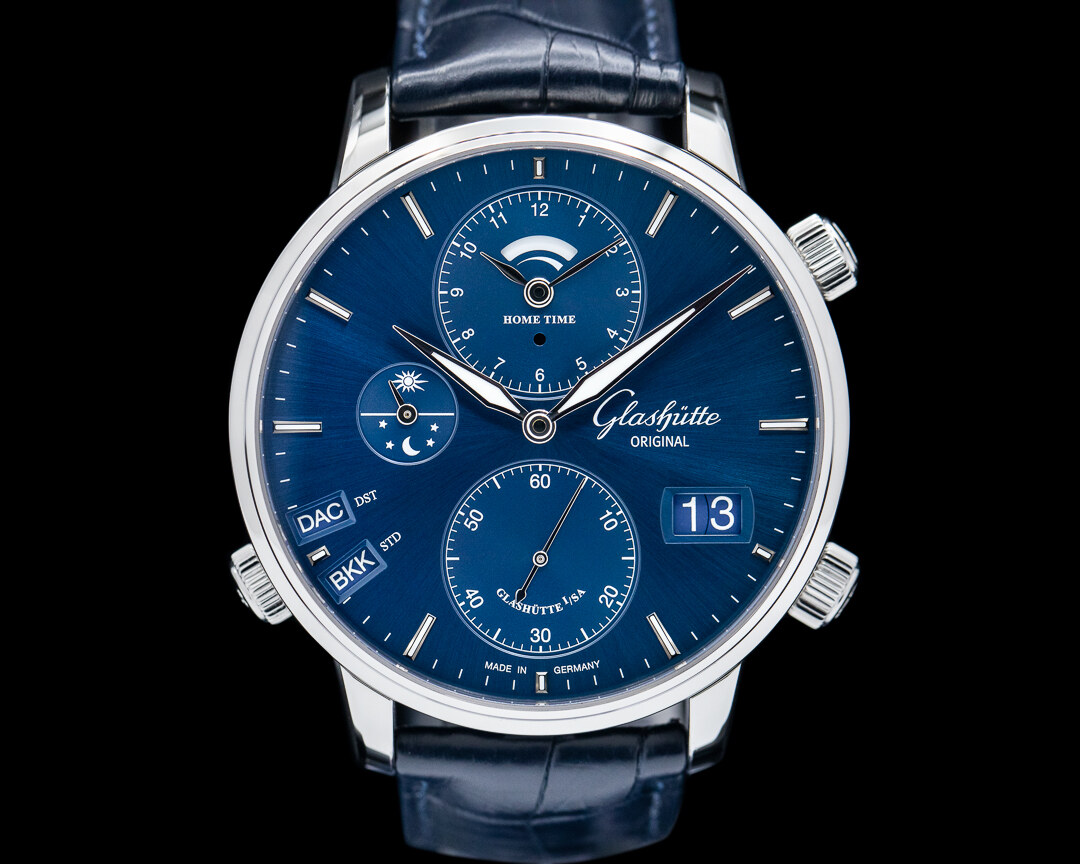
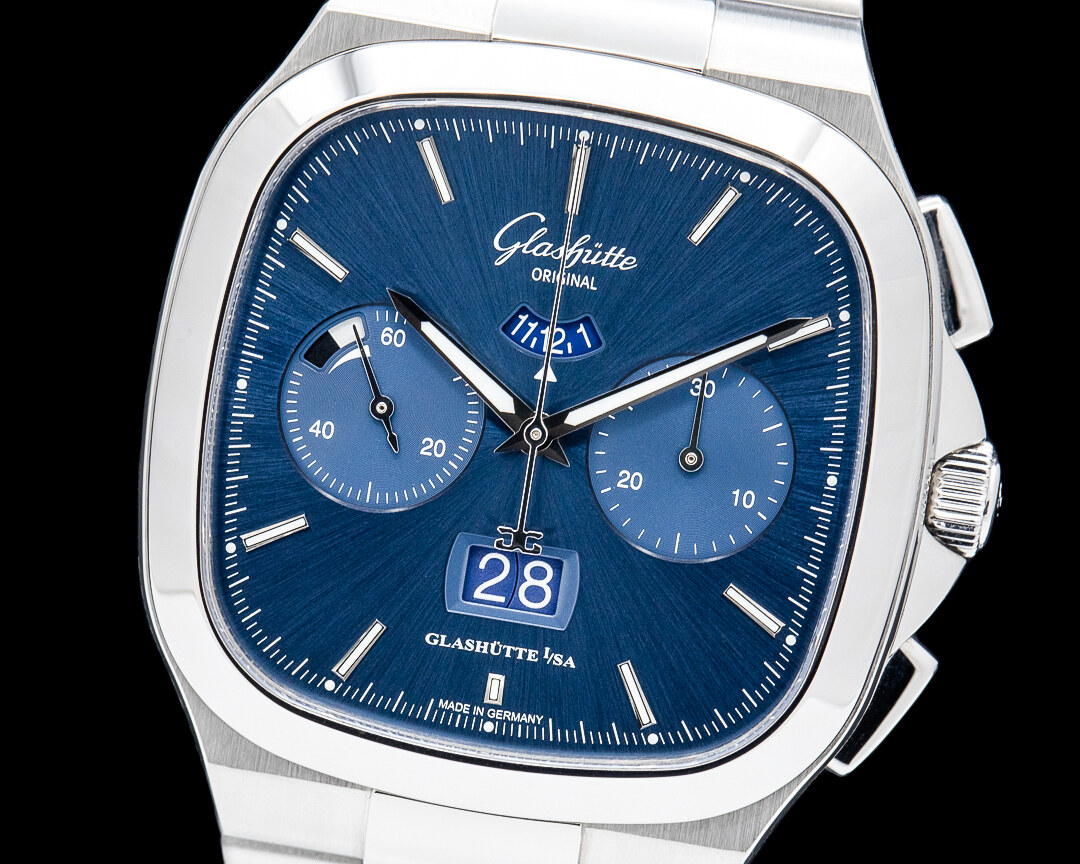
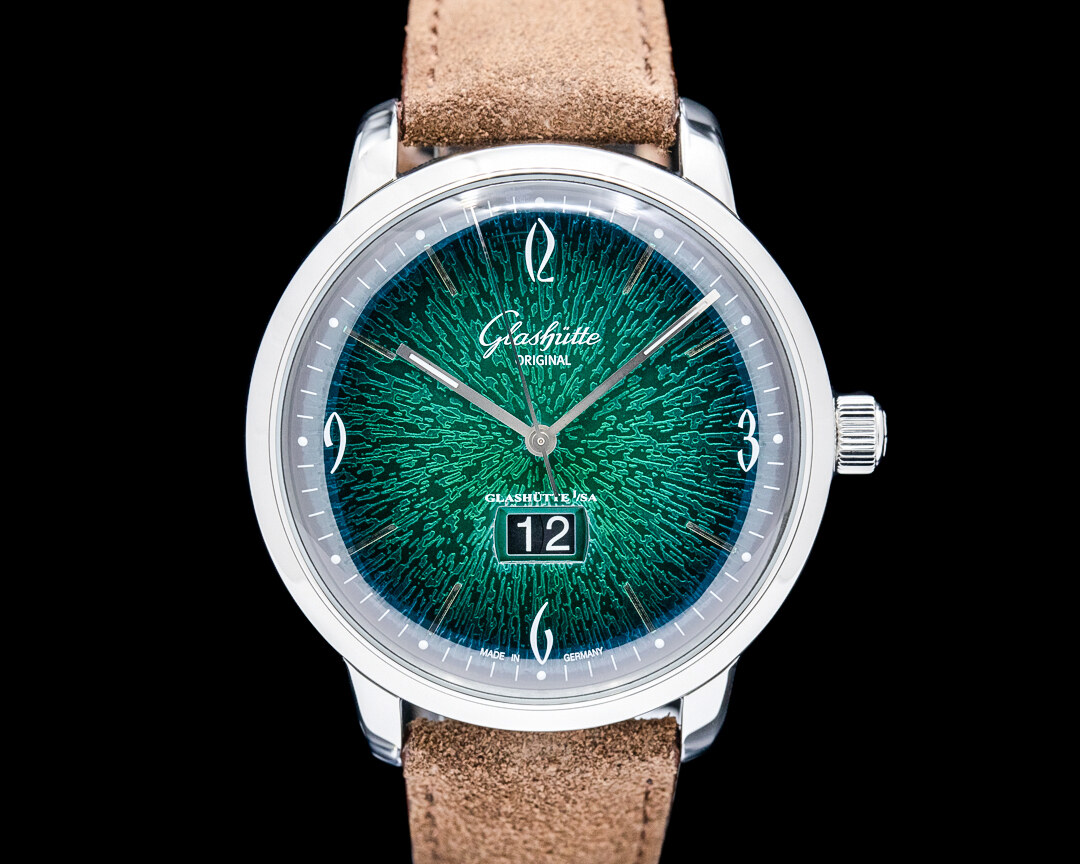
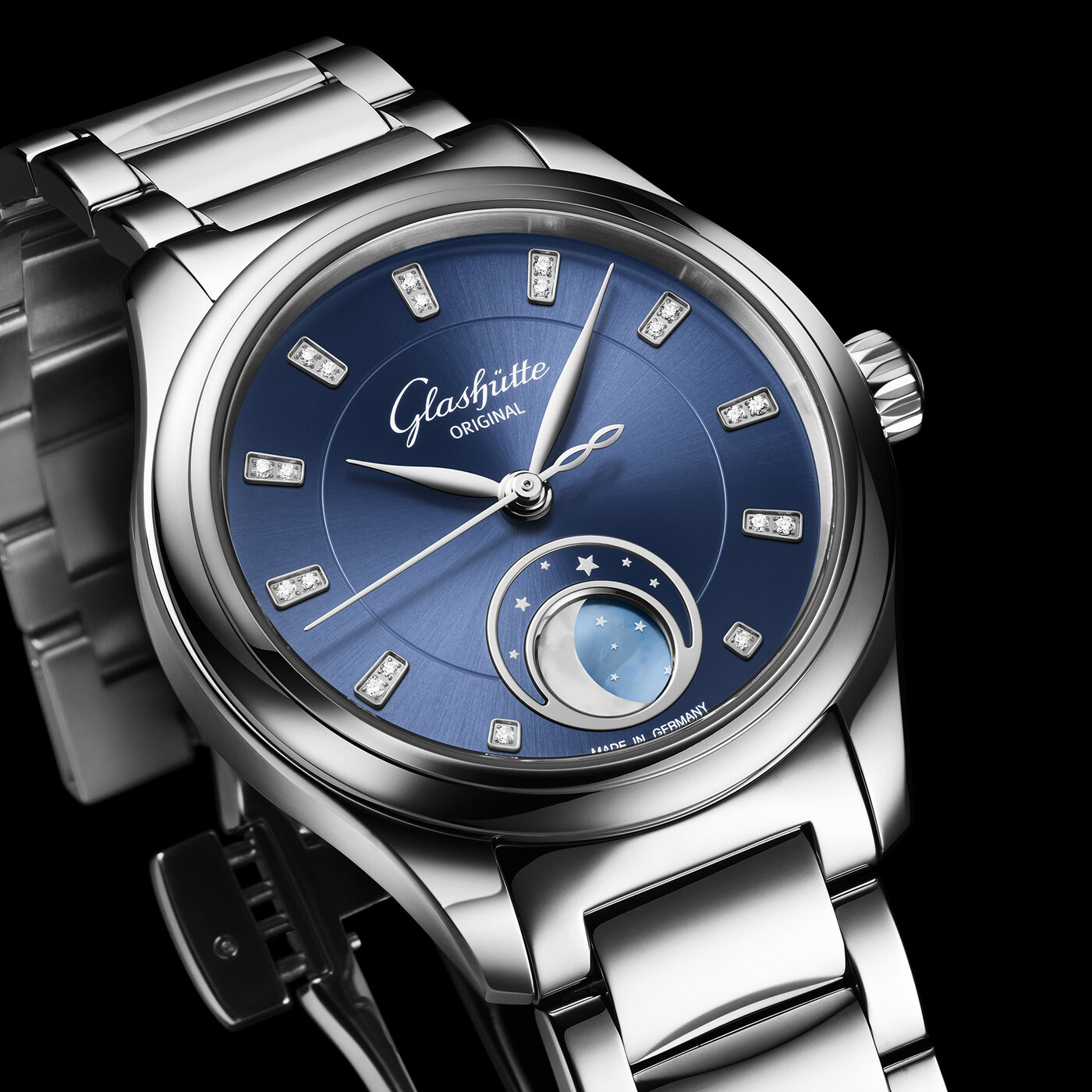
The range is built around five model families: Senator, Pano, Specialist, Vintage, and Ladies. Each is subdivided into individual models, and every wristwatch carries an exclusive four-digit serial number. With a maximum of 9,999 pieces possible per model, that numbering reinforces exclusivity and helps a stolen watch be traced back to its owner.
Is the town of Glashütte important to German watchmaking?+
Very. After Moritz Grossman founded the German School of Watchmaking there in 1878, a steady influx of trained talent helped the town's independent makers rise to prominence for their quality. Glashütte Original keeps that lineage alive through the Alfred Helwig School of Watchmaking, which it has run since 2002. The town remains the heart of German fine watchmaking.