Brand · Swiss watchmaker · est. 1828

H. Moser & Cie.

Schaffhausen haute horlogerie — independent, irreverent, and famously fume-dialled.

H. Moser & Cie.
Re-checked daily
The original H. Moser & Cie. was founded by independent Swiss watchmaker Heinrich Moser in St. Petersburg in 1828; among its early clients were Russian princes — and Vladimir Lenin owned a Moser watch.

Heinrich Moser, born in Schaffhausen in 1805, established a watch factory in his hometown in 1848 and became one of its great industrial pioneers, co-founding SIG and building the first hydroelectric power station on the High Rhine. After his death in 1874 the company was split among its managing directors; the Russian business was expropriated in 1918 after the October Revolution.

In 2002, Moser Schaffhausen AG was founded by Dr. Jürgen Lange together with Moser's great-grandson Roger Nicholas Balsiger, and the brand was formally re-launched in 2005. Since 2012 it has been owned by the Meylan family's MELB Holding Group; its 2006 Perpetual Calendar won the Geneva Watchmaking Grand Prix, and it manufactures its own components.
The H. Moser & Cie. pieces worth knowing

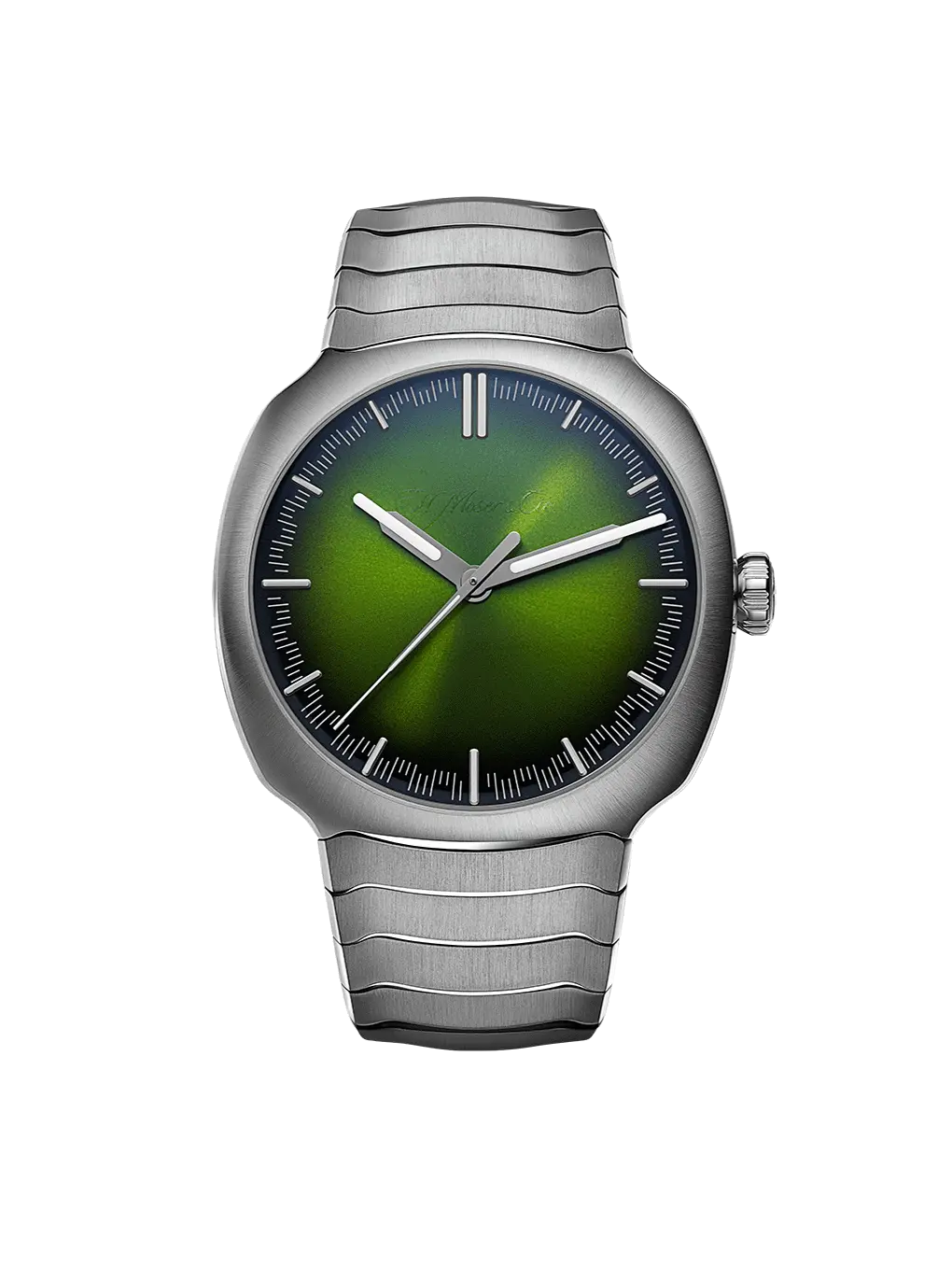
Streamliner Centre Seconds Matrix Green
Streamliner
Streamliner Centre Seconds Matrix Green
The integrated-bracelet Streamliner in its emblematic Matrix Green fumé centre-seconds form.
$27,600 at Tourneau
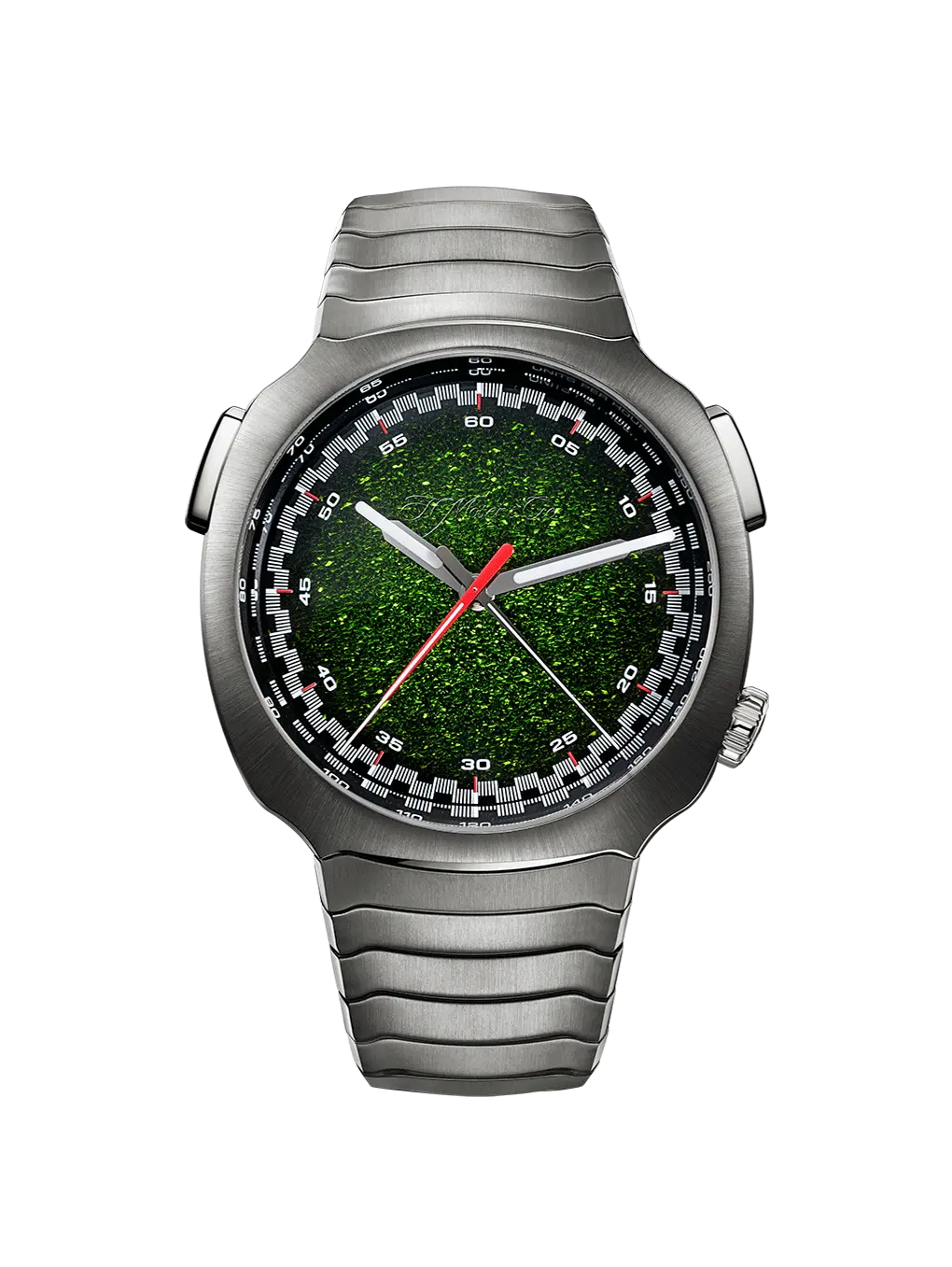
Streamliner Flyback Chronograph Automatic Matrix Green Fumé
Streamliner
Streamliner Flyback Chronograph Automatic Matrix Green Fumé
A Streamliner sports chronograph that keeps Moser minimalism while adding flyback energy.
$59,300 at Exquisite Timepieces
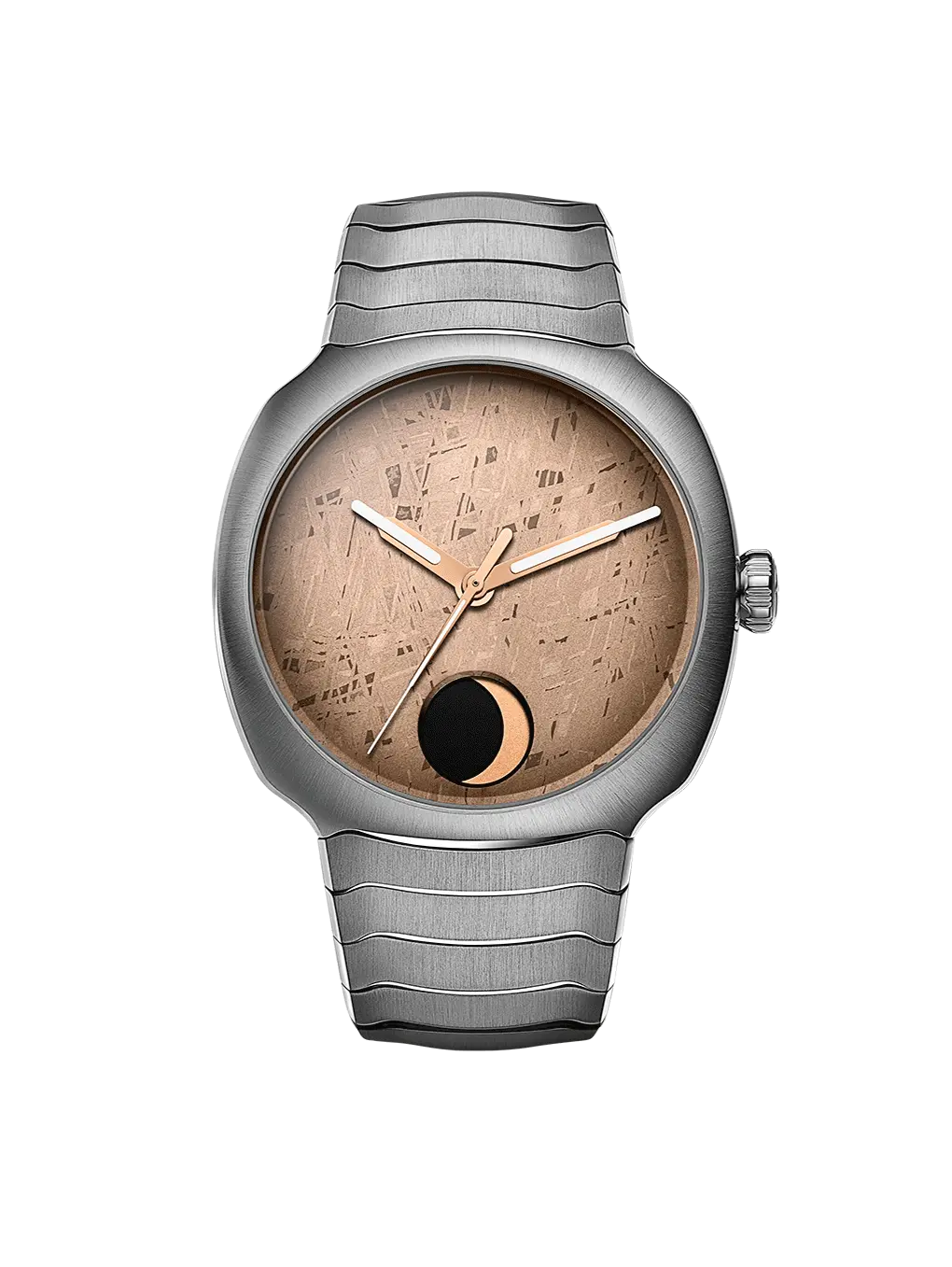
Streamliner Perpetual Moon
Perpetual Moon
Streamliner Perpetual Moon
A moon-phase Streamliner that turns the steel bracelet platform toward astronomy.
$44,100 at Exquisite Timepieces
Streamliner Tourbillon Concept Ceramic
Tourbillon
Streamliner Tourbillon Concept Ceramic
The Streamliner tourbillon distilled into a monochrome ceramic concept watch.
$112,100 at Exquisite Timepieces
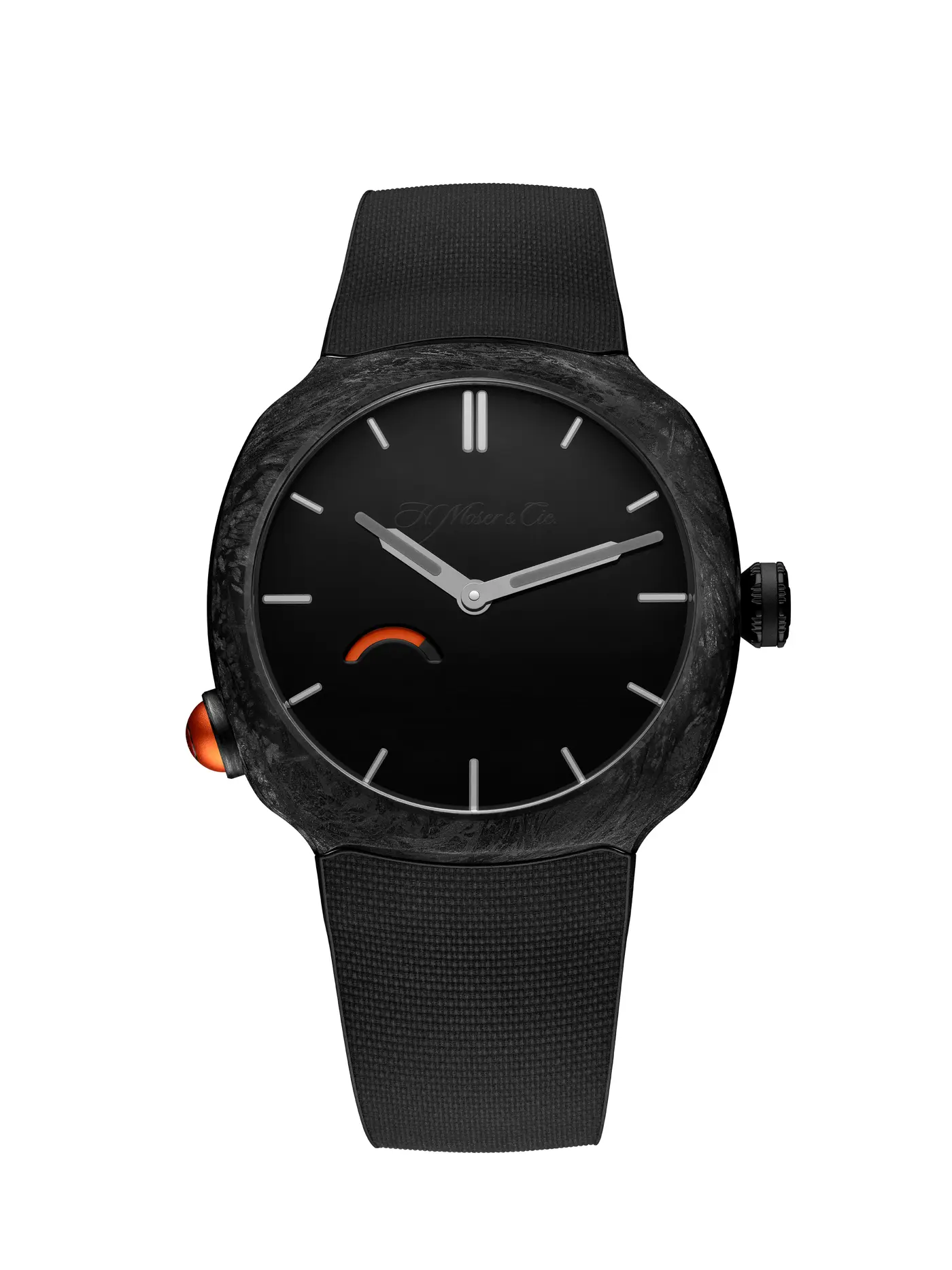
Streamliner Pump Black
Pump
Streamliner Pump Black
A playful Streamliner collaboration that translates the Reebok Pump gesture into watchmaking.
$39,900 at Exquisite Timepieces
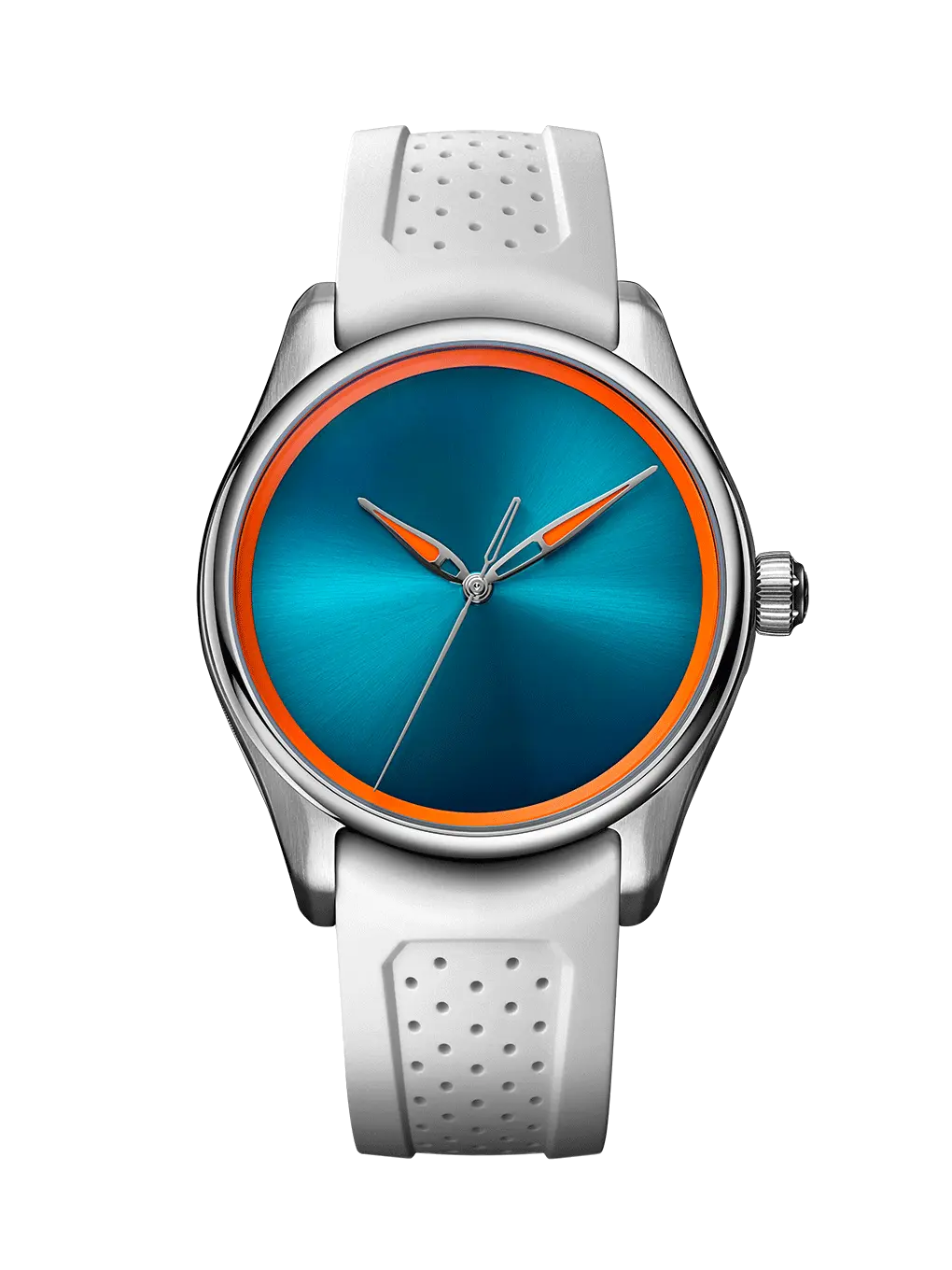
Pioneer Centre Seconds Spiced Aqua
Pioneer
Pioneer Centre Seconds Spiced Aqua
The everyday-wear Pioneer expression, pairing Moser fumé colour with a robust case.
$18,300 at Exquisite Timepieces
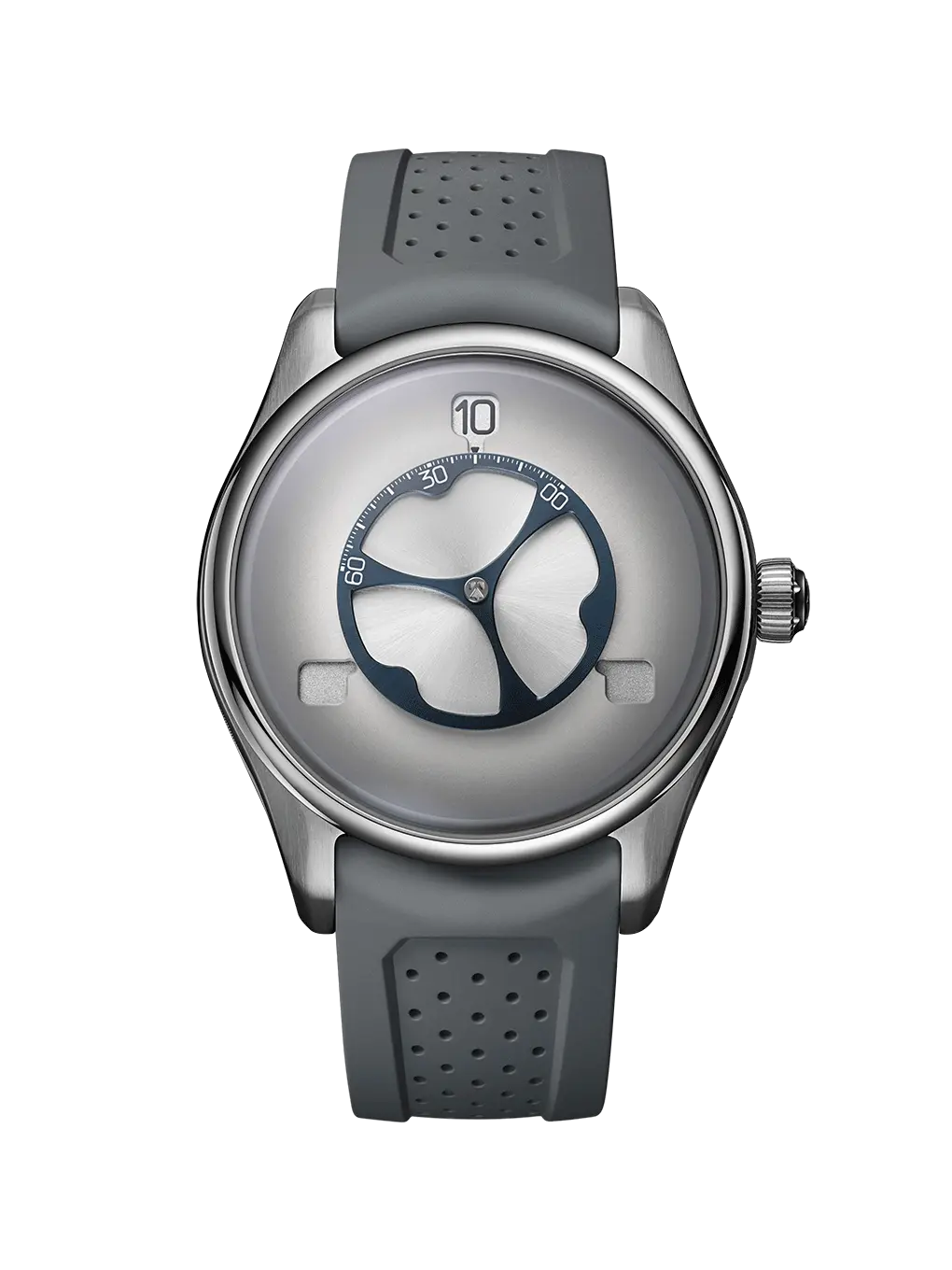
Pioneer Flying Hours White Fumé
Flying Hours
Pioneer Flying Hours White Fumé
A wandering-hours Pioneer that makes the sporty case read like a mechanical display.
$36,600 at Exquisite Timepieces
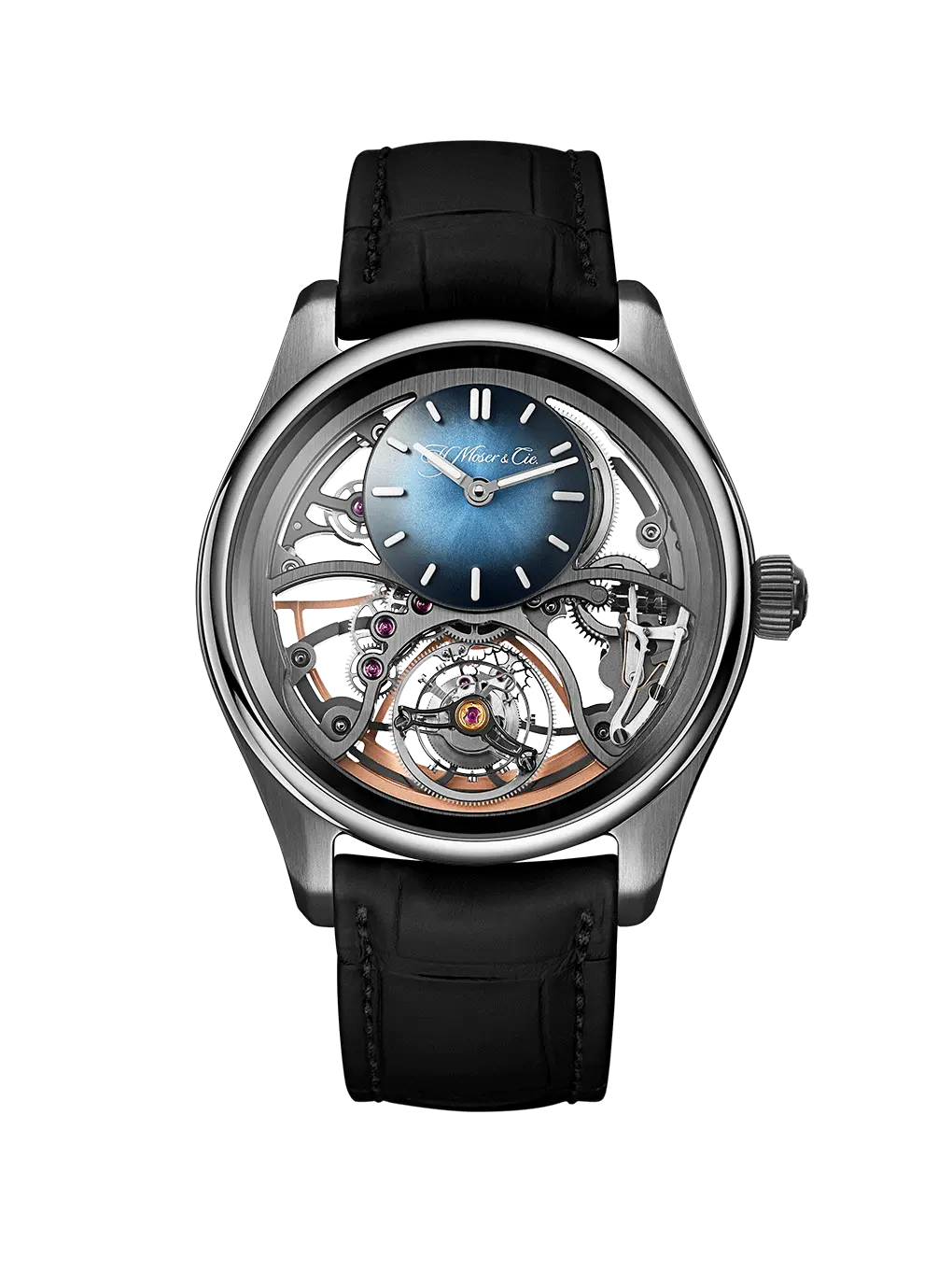
Pioneer Cylindrical Tourbillon Skeleton
Cylindrical Tourbillon
Pioneer Cylindrical Tourbillon Skeleton
The openworked Pioneer tourbillon line tied to Moser’s GPHG-recognised cylindrical-hairspring architecture.
$99,600 at Exquisite Timepieces
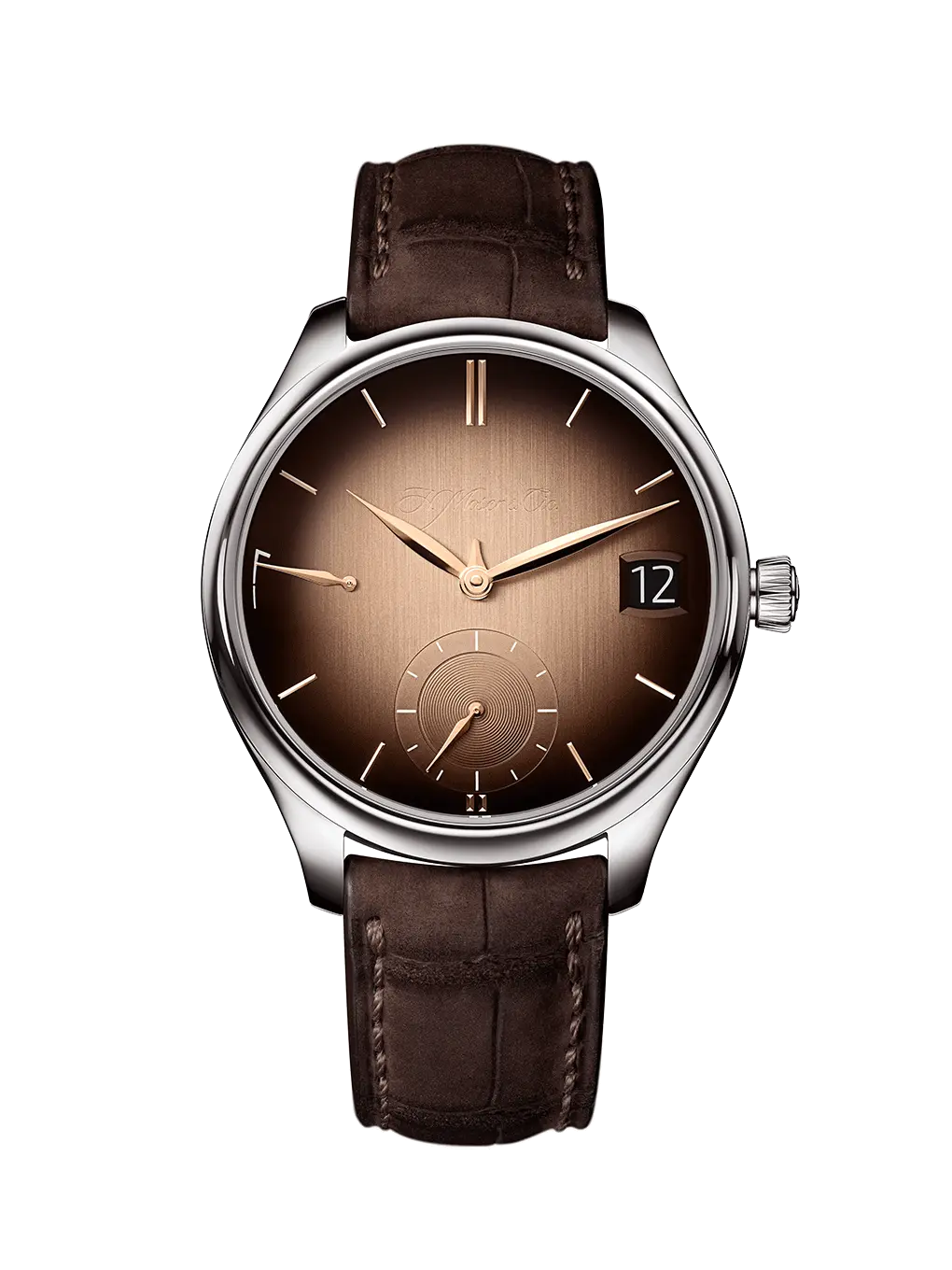
Endeavour Perpetual Calendar Smoked Salmon
Perpetual Calendar
Endeavour Perpetual Calendar Smoked Salmon
The Endeavour complication that made Moser’s pared-back perpetual calendar language a signature.
$68,100 at Exquisite Timepieces
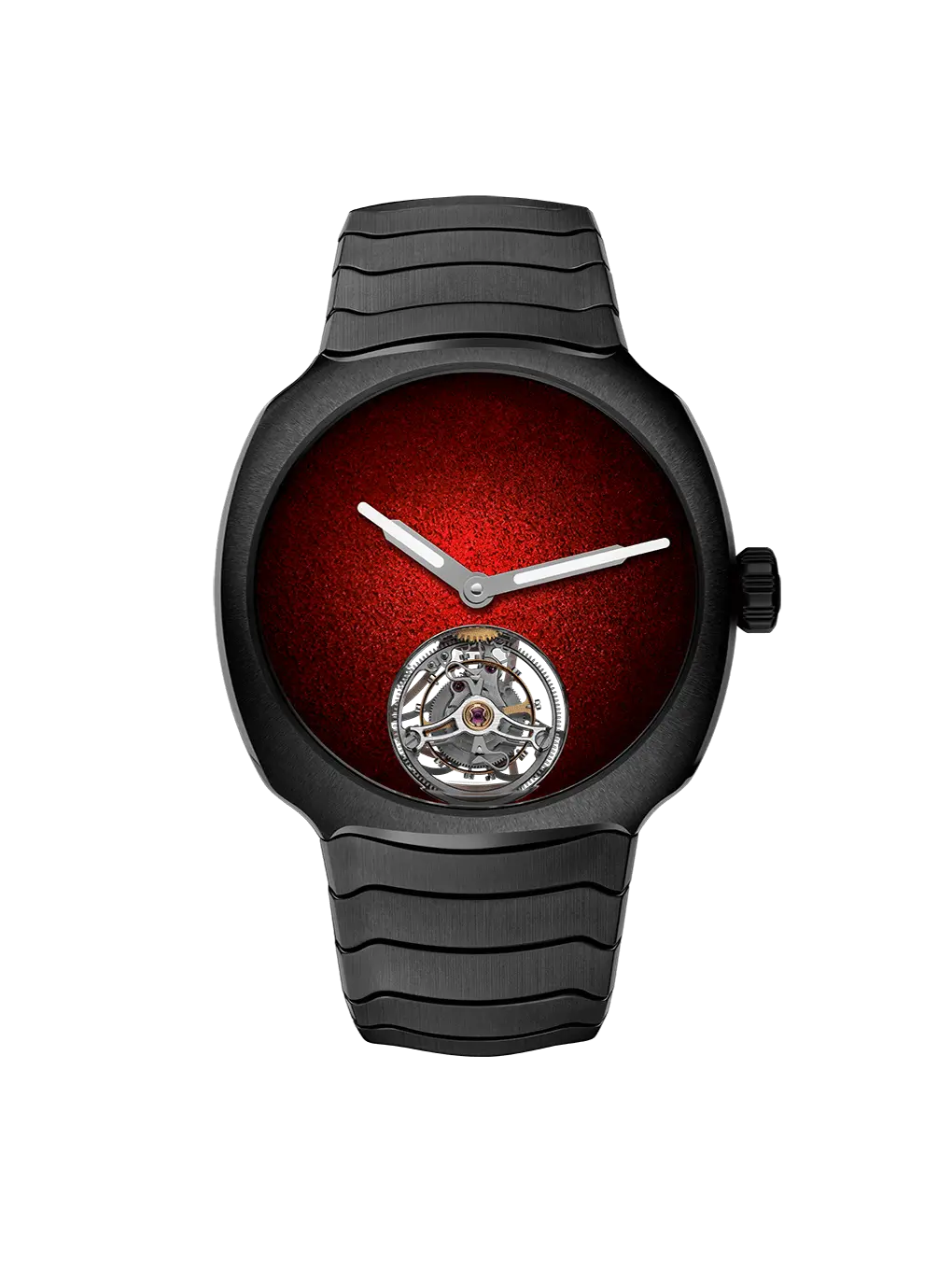
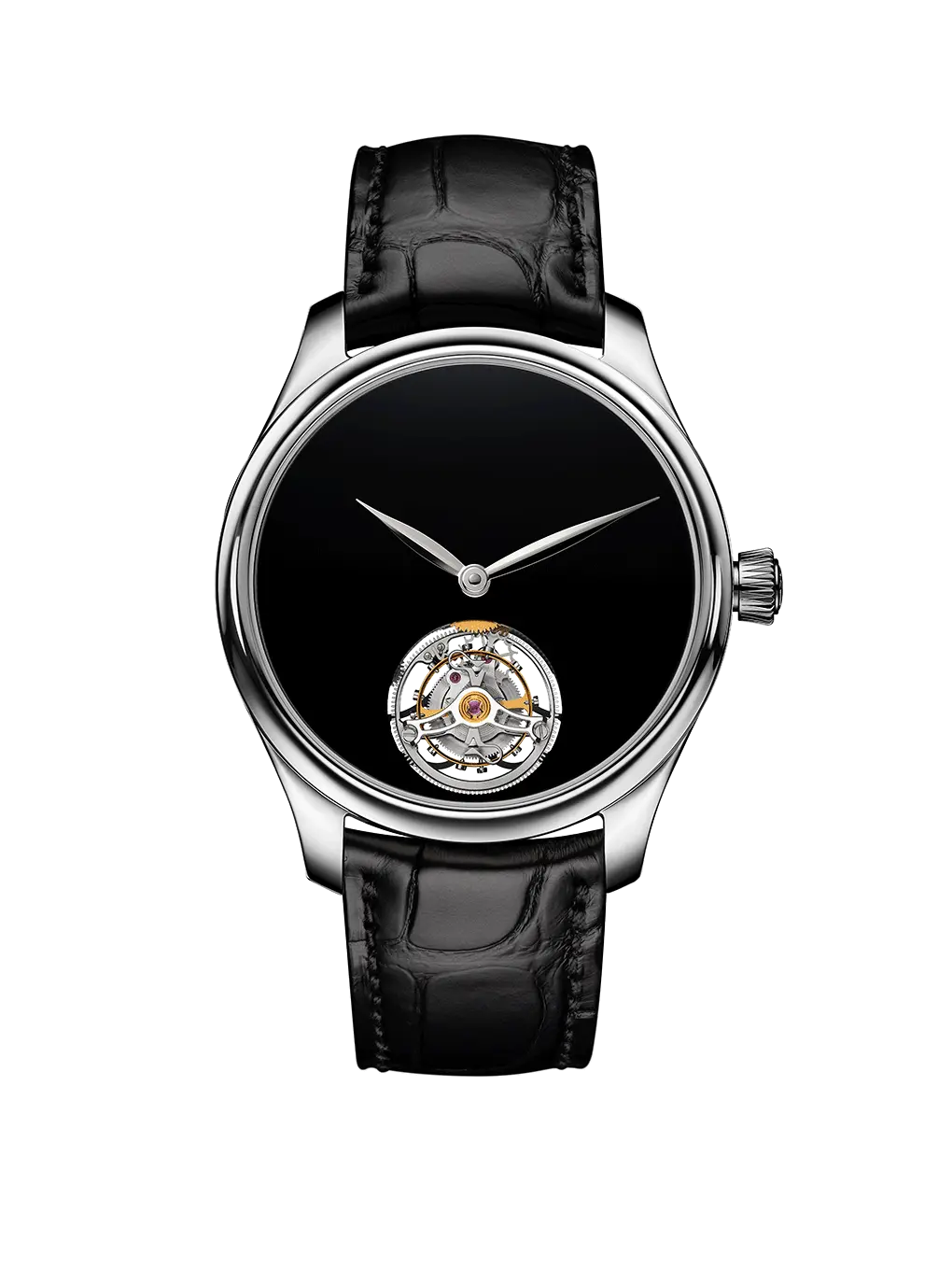
Endeavour Tourbillon Concept Vantablack®
Vantablack
Endeavour Tourbillon Concept Vantablack®
A logo-free Endeavour concept where a blacker-than-black dial frames the tourbillon.
$87,000 at Exquisite Timepieces
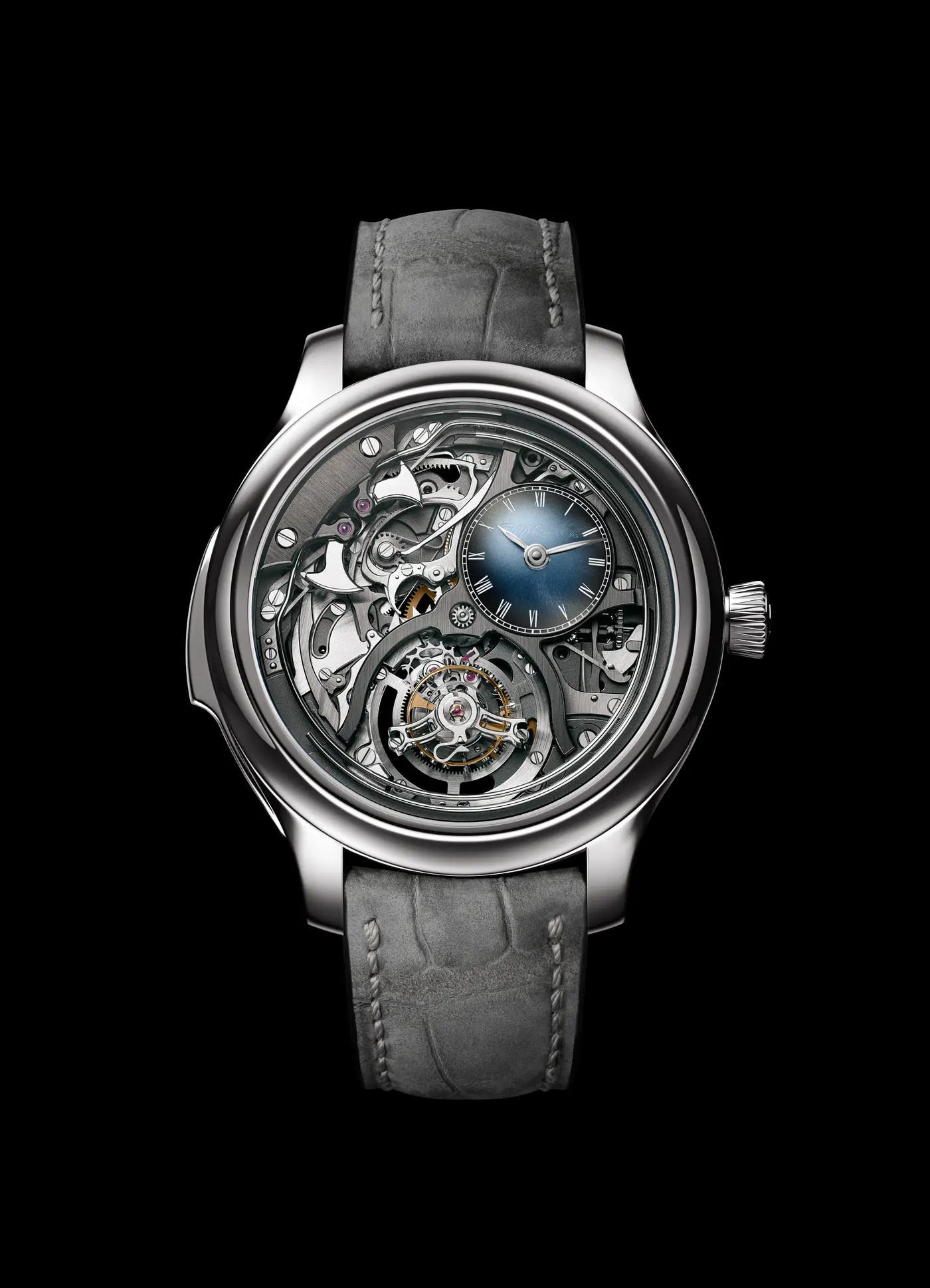
Endeavour Minute Repeater Cylindrical Tourbillon Skeleton
Minute Repeater
Endeavour Minute Repeater Cylindrical Tourbillon Skeleton
A high-complication Endeavour that exposes its repeating works and cylindrical tourbillon.
$415,800 at Exquisite Timepieces
Heritage Centre Seconds
Heritage
Heritage Centre Seconds
The pocket-watch-inspired Heritage model that bridges 1820s cues with luminous modern details.
$17,600 at Tourneau

H. Moser & Cie. shopping FAQ

Why is H. Moser & Cie. so expensive?+

H. Moser & Cie. is one of the few genuinely independent watchmakers, manufacturing its own components and in-house mechanical movements at its Schaffhausen manufacture. With only around 3,000 watches a year and a staff of more than 100, output is deliberately small, so each piece carries the cost of that exclusivity and hand work. You are paying for independent Swiss horology made at scale most collectors will never own.

Are H. Moser & Cie. watches worth it?+

If you value independence and in-house movement-making over a famous logo, Moser is a compelling choice. The brand has built its reputation on technical credibility, winning the Geneva Watchmaking Grand Prix for its Perpetual Calendar in 2006 and tourbillon of the year in 2022 for the Pioneer Cylindrical Tourbillon Skeleton. For collectors who appreciate the story behind a piece, that pedigree is the value.

What is the H. Moser concept watch with no logo?+

Moser's Concept watches are its ultra-minimalist signature: dials with no logo, no indices and nothing but the famous fumé gradient. The idea is a quiet provocation, showing that a true luxury watch can be recognisable without any visible branding at all. It has become one of the brand's most talked-about expressions of identity.

What is an H. Moser fumé dial?+

The fumé dial is Moser's hallmark, a smoky gradient that fades from a lighter centre to a deeper tone at the edges. Paired with the brand's stripped-back design language, it gives even a no-logo Concept piece an instantly recognisable face. It is the detail most enthusiasts point to first when describing the house.

Who founded H. Moser & Cie. and when?+

The original company was founded by the independent Swiss watchmaker Heinrich Moser in St. Petersburg, Russia, in 1828. Moser was born in Schaffhausen on 12 December 1805 and learned the craft from his father Erhard before continuing his studies in Le Locle. In 1848 he returned to Schaffhausen and established a watch factory there.

Who owns H. Moser & Cie. today?+

Since 2012 the brand has been owned by the MELB Holding Group of the Meylan family in Switzerland. The modern company, Moser Schaffhausen AG, was founded in 2002 by Dr. Jürgen Lange together with Heinrich Moser's great-grandson Roger Nicholas Balsiger, and the H. Moser & Cie. trademark was formally re-launched in 2005.

What was the Straumann Hairspring in H. Moser watches?+

Introduced at Baselworld 2007, the Straumann Hairspring was developed with Moser's associate company Precision Engineering AG in Schaffhausen, using a formula updated from the Nivarox alloy originally invented by Dr. h.c. Reinhard Straumann in 1931. In 2009 Moser took the idea further with the tonneau-shaped Henry, which used a Straumann Double Hairspring of two counter-rotating hairsprings. It is a good example of the brand's in-house engineering.

Did H. Moser & Cie. have famous early clients?+

Yes. In Heinrich Moser's era, notable clients included Russian princes and members of the Russian Imperial Court, and Vladimir Lenin is recorded as having owned a Moser watch. The house's first chapter was deeply tied to Russia, where Moser founded the company in St. Petersburg, until the Russian business was expropriated in 1918 after the October Revolution.

What are H. Moser's famous SIHH joke watches?+

Since 2016, Moser has unveiled a tongue-in-cheek special watch each year at the Salon International de la Haute Horlogerie to spark conversation. These include the 2016 Swiss Alps Watch Zzzz, a parody of the Apple Watch; the 2017 Swiss Mad Watch with a case made of real Swiss cheese; the 2018 Swiss Icons Watch mixing features from various Swiss makers; and the 2019 Moser Nature Watch covered in live Swiss plants. They show the brand's willingness to needle the industry.

How does H. Moser & Cie. compare to bigger Swiss watch brands?+

Moser positions itself as a small, independent, family-owned house rather than a large maison, producing roughly 3,000 watches a year against the tens of thousands made by major brands. That scarcity, combined with in-house movements and minimalist Concept dials, is exactly the point of difference collectors look for. If you want something less ubiquitous than the usual luxury names, that is the appeal.