−60%
Born from a surfboard shaper's workshop — surf and swim apparel out of Southern California.
Real verified markdowns across Woot! & Zappos — filter by category, retailer & price. Heart anything to track its price.
Founded in 1979 by 24-year-old Bob Hurley, a surfboard shaper who had worked for companies including Lightning Bolt and Wave Tools, the brand began as a distributor for the Australian label Billabong in the United States. After licensing the US rights and building Billabong USA past $70 million in sales, the management team chose not to renew that license, and Hurley International was born in 1999.
On February 22, 2002, the company was sold to Nike, Inc. for an undisclosed amount. Bob Hurley served a stint as interim CEO from 2012, stepping down in 2015. In October 2019, Nike announced the sale of Hurley to Bluestar Alliance LLC, again for an undisclosed amount.
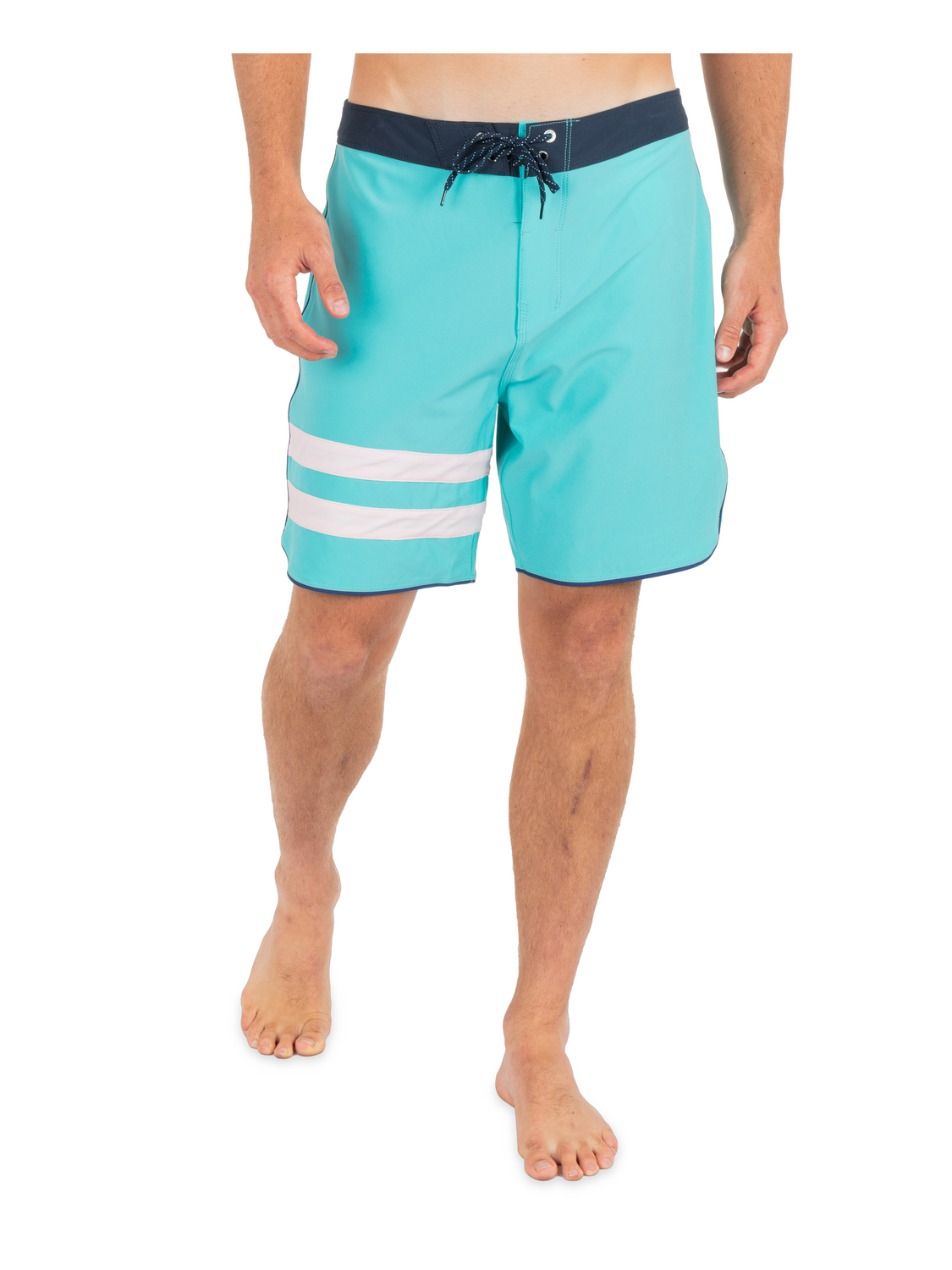
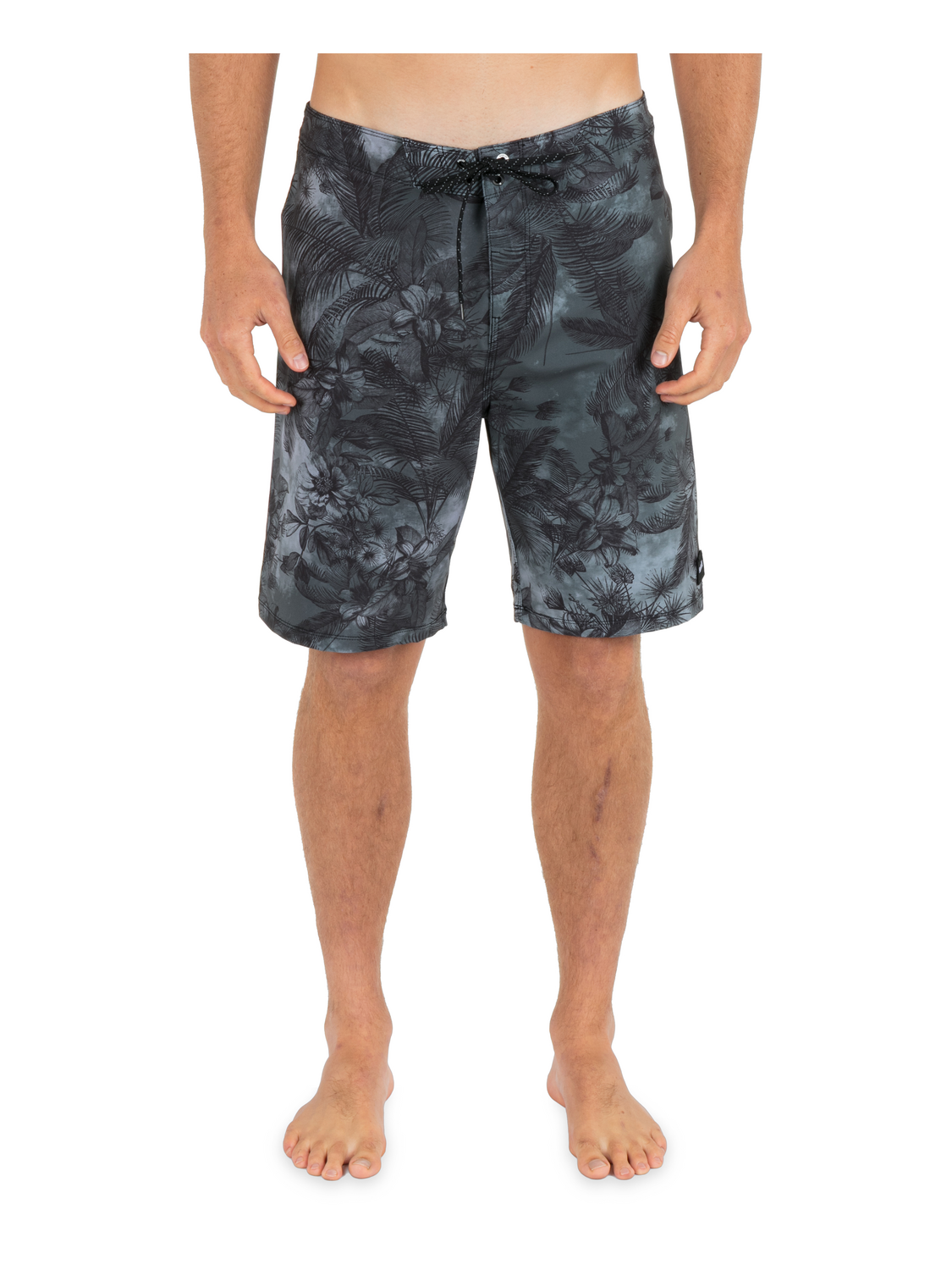
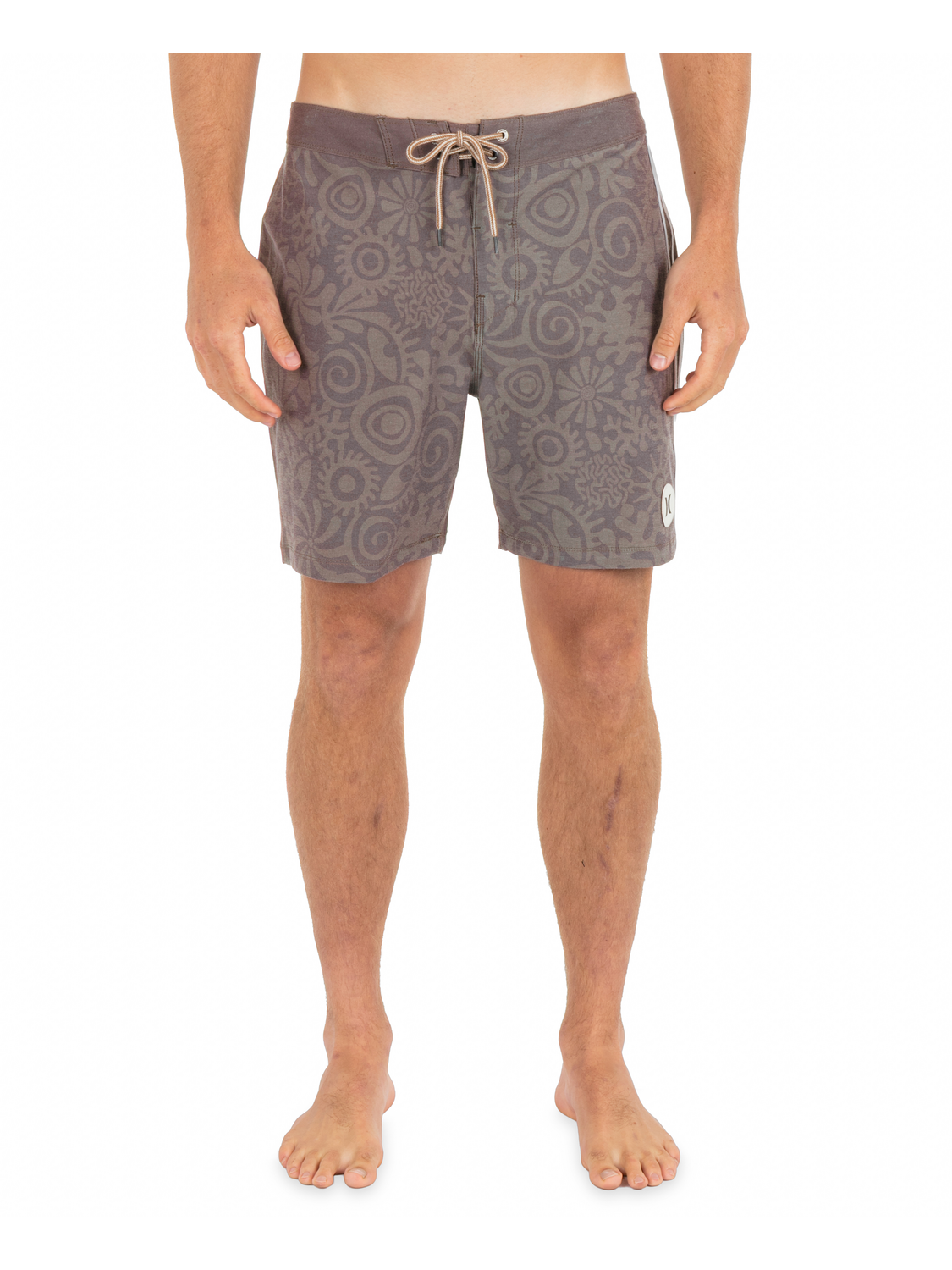
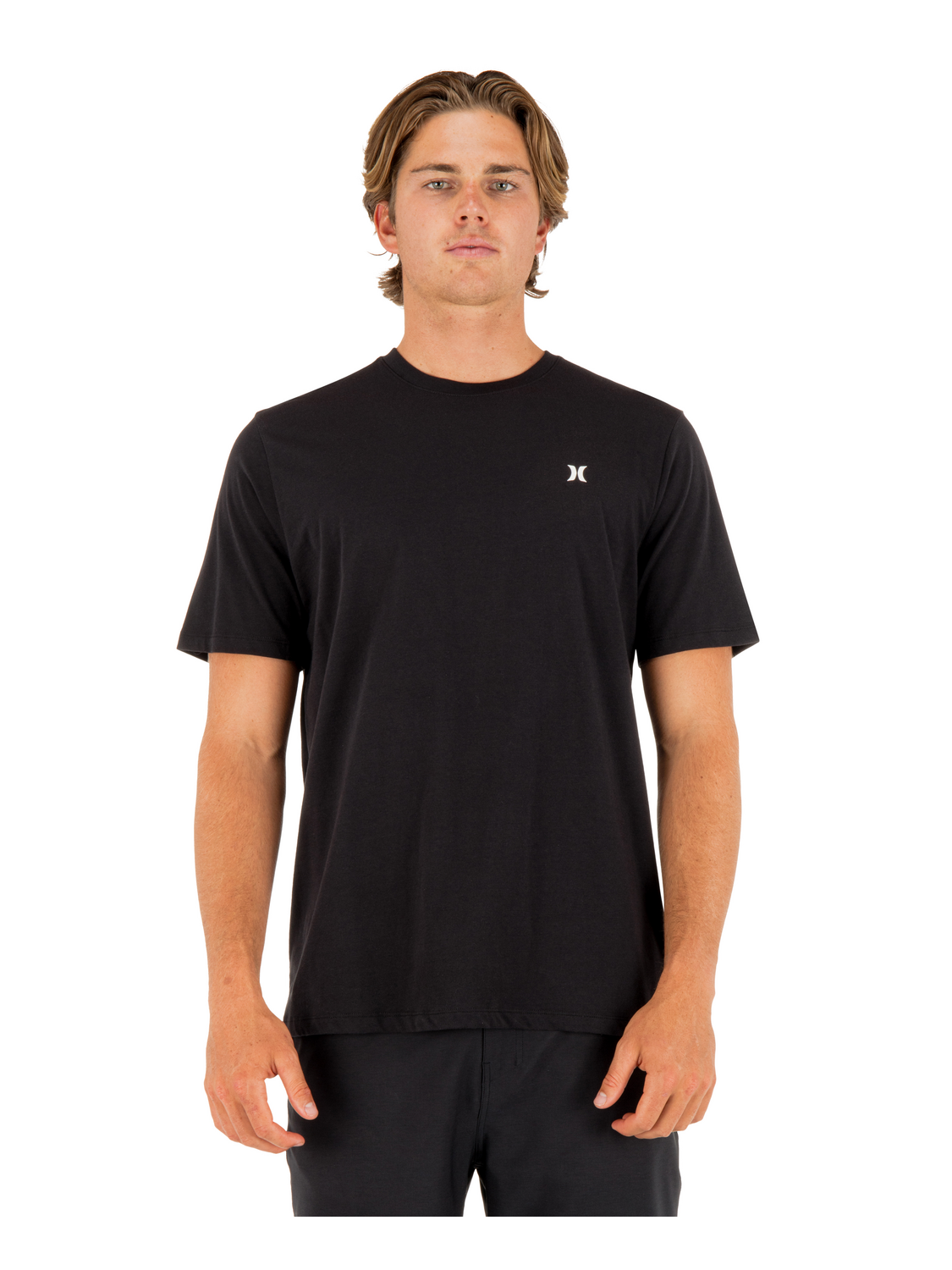
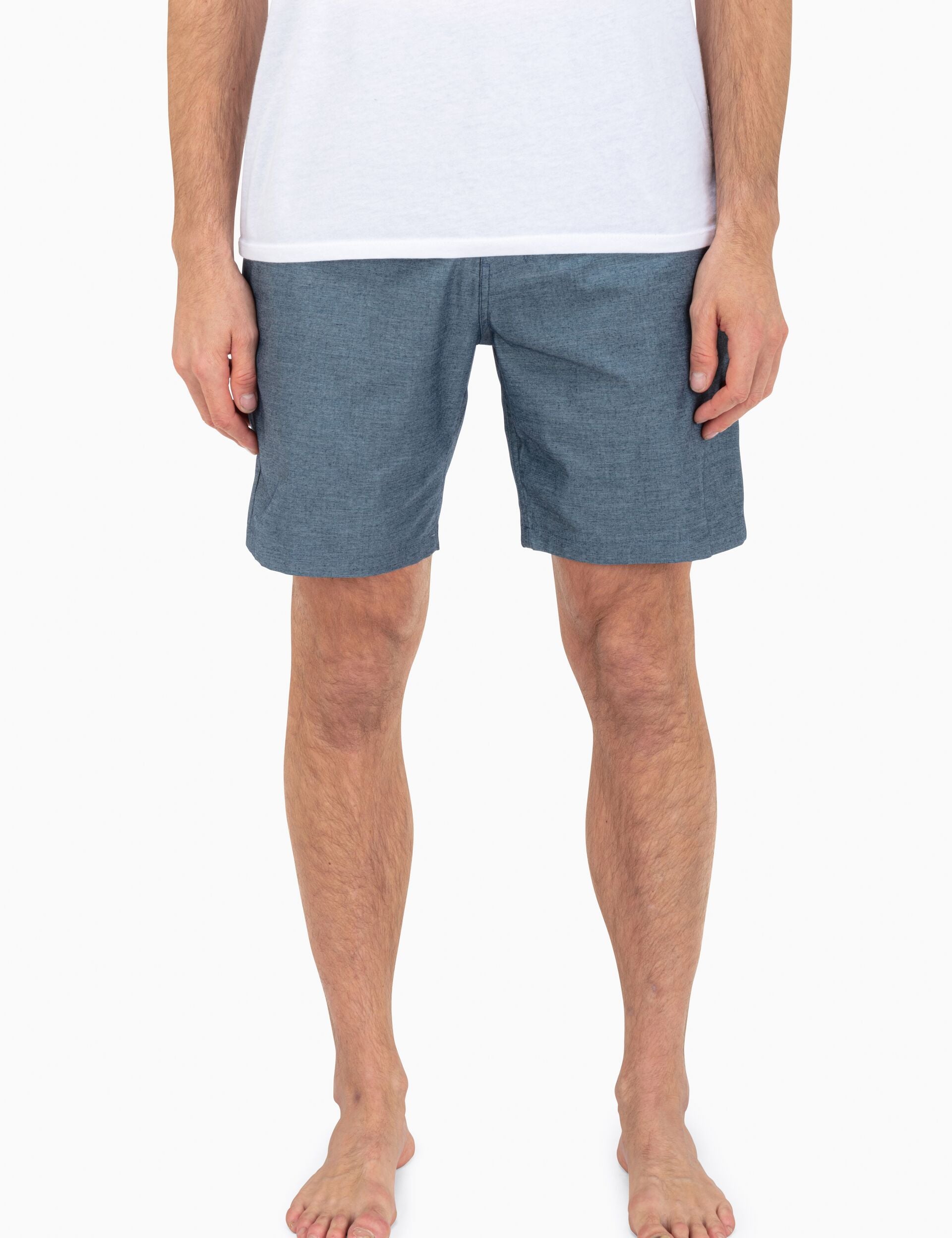
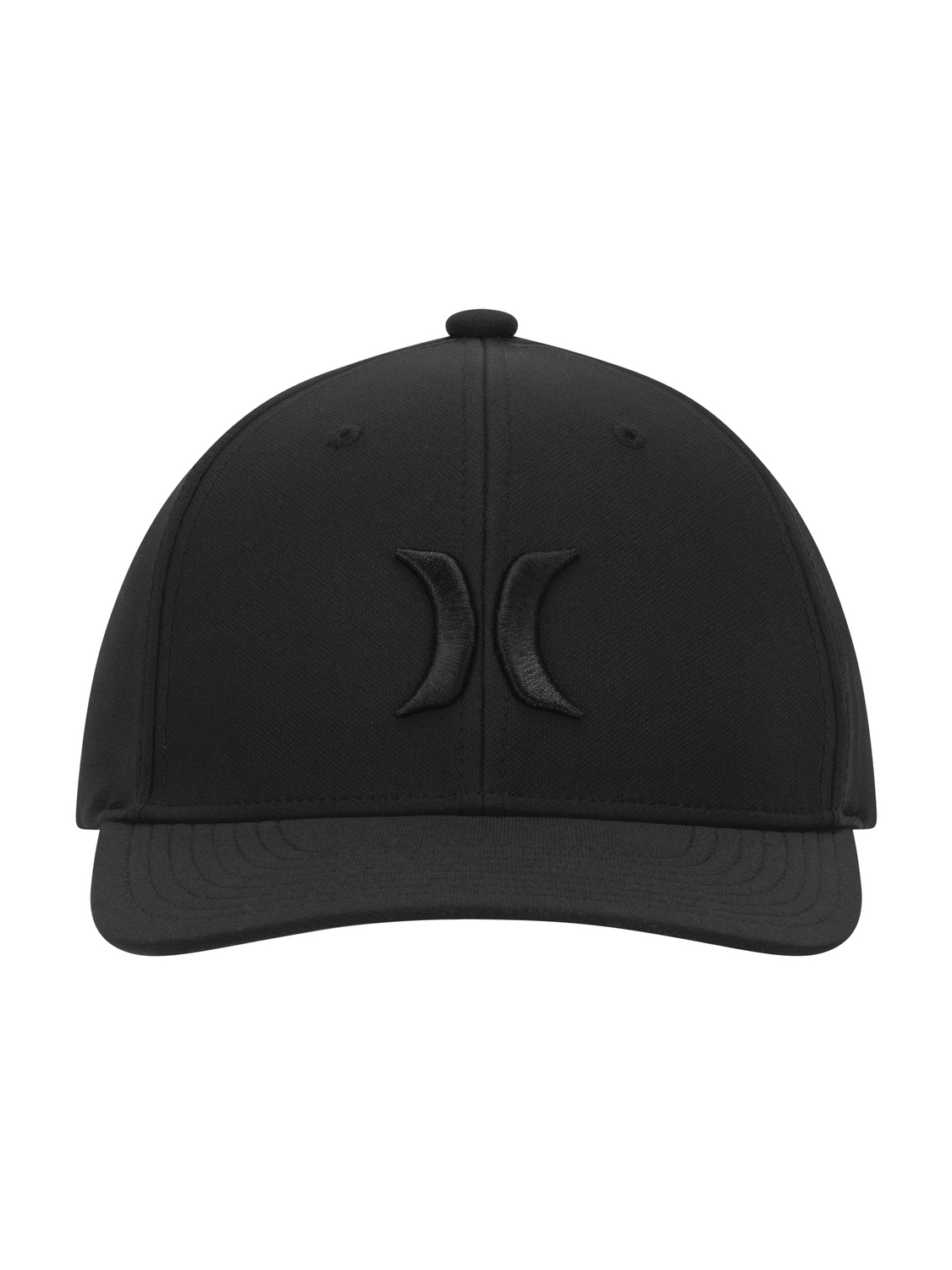
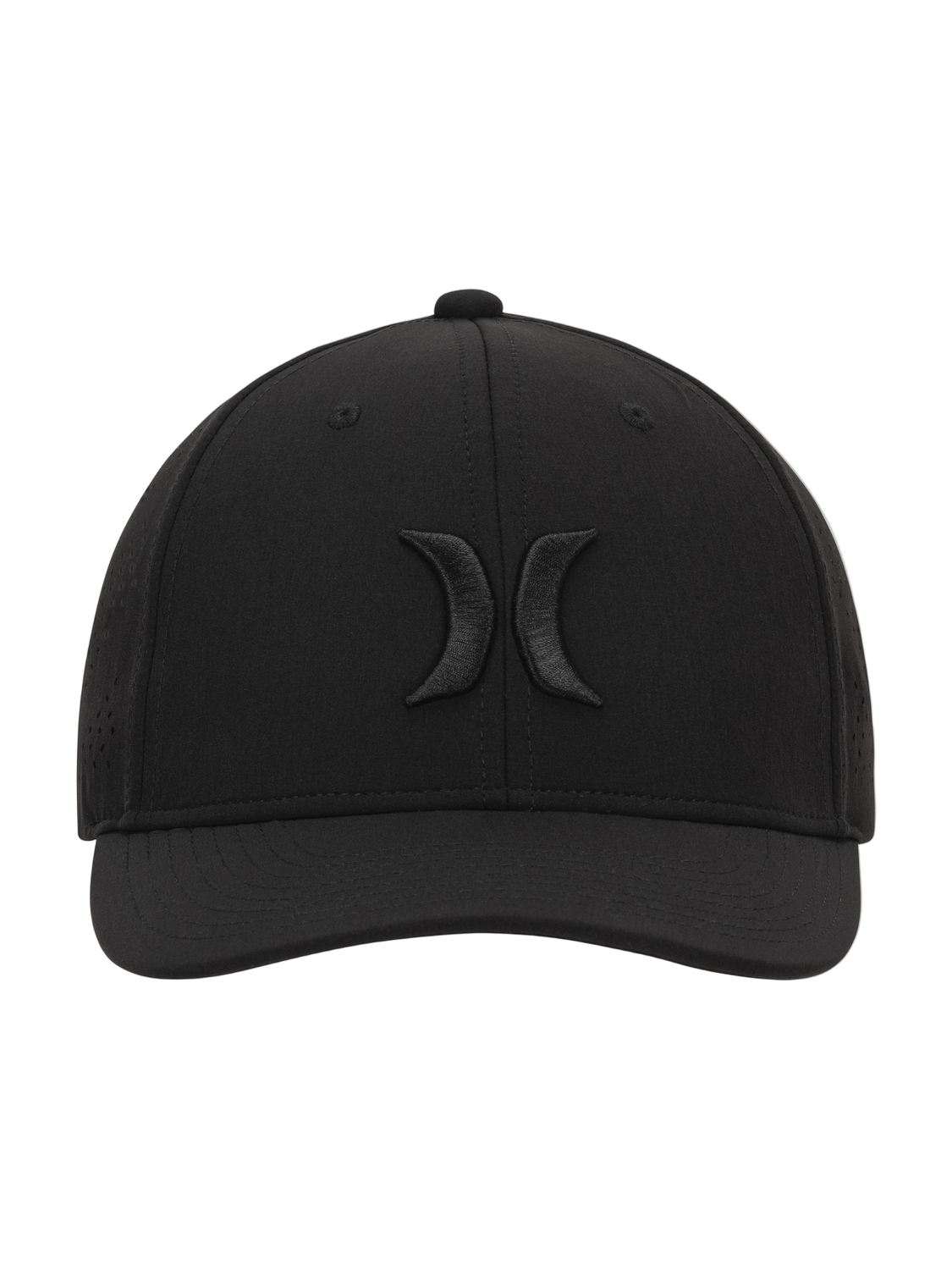
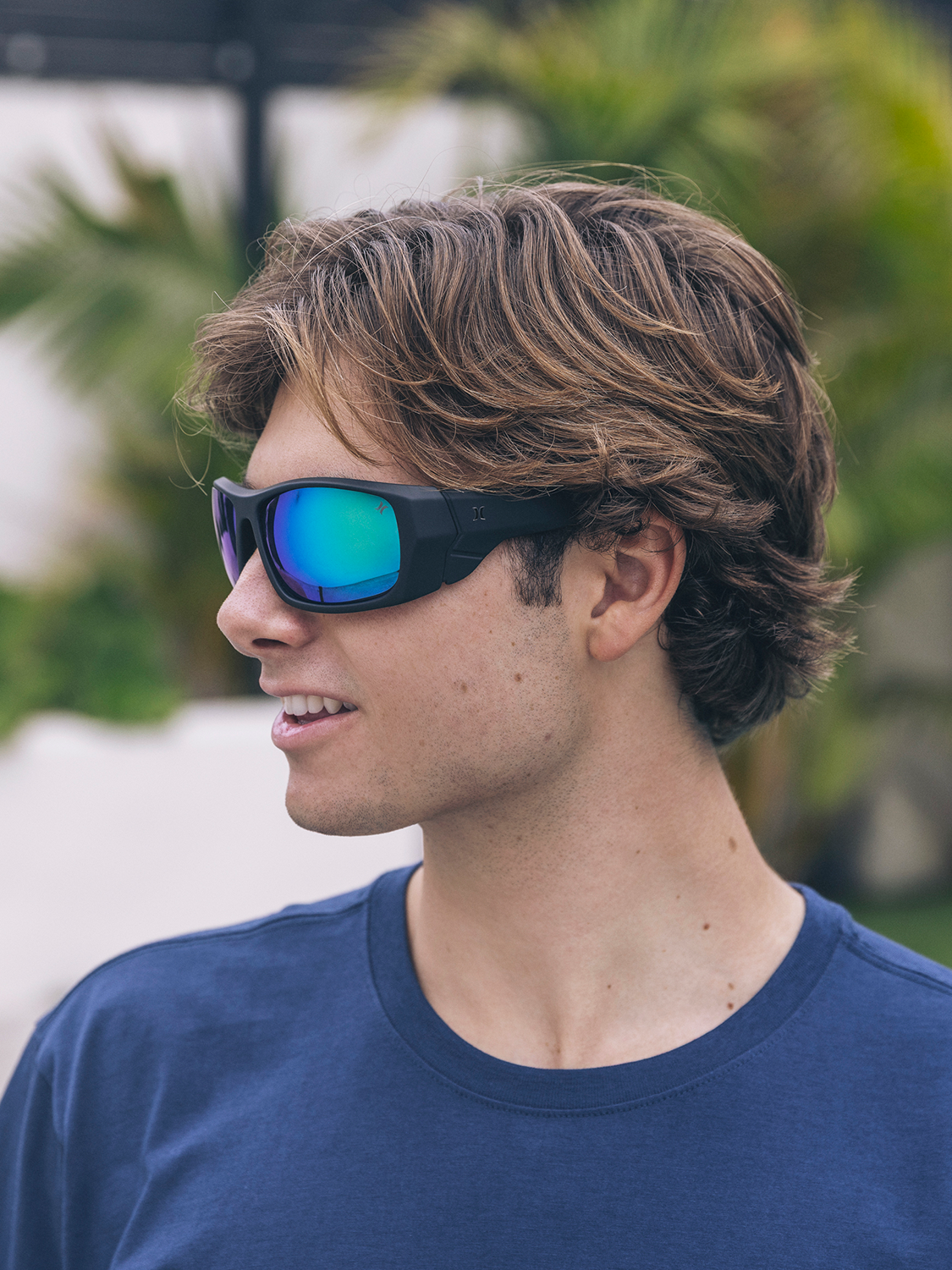
Same authentic Hurley, different prices & codes. We watch all of them so you don't have to tab-hop.
Store codes that stack on Hurley orders — re-tested in the last few hours. Tap to reveal, copy without leaving the page.
Same quiet-luxury, craft-first sensibility — follow any to widen your alerts.





Hurley earns its place in the lineup with that easy California balance of comfort, current graphics and price that makes it a safe everyday bet rather than a connoisseur's splurge. The brand sits in the mid tier of surfwear, so you are paying for design and surf credibility more than rarefied materials. If you want surf-inspired pieces that move from the water to the street without fuss, Hurley delivers.
All three grew out of the same boardshort culture, and Hurley's own story is tangled with Billabong's, since founder Bob Hurley ran Billabong USA from 1983 before launching Hurley International in 1999. Hurley tends to read as the more trend-conscious, graphic-forward of the trio, while Quiksilver leans classic and Billabong leans technical. They land at similar price points, so the choice is mostly about which aesthetic speaks to you.
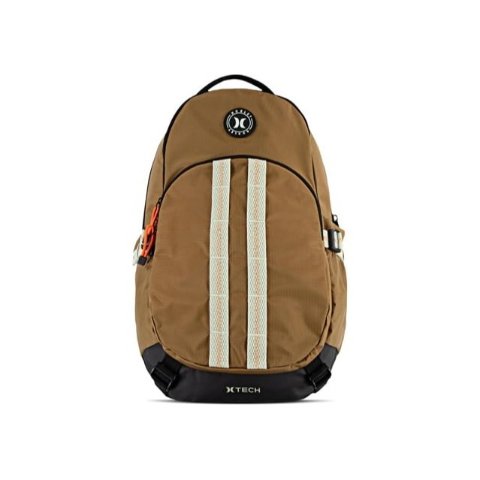
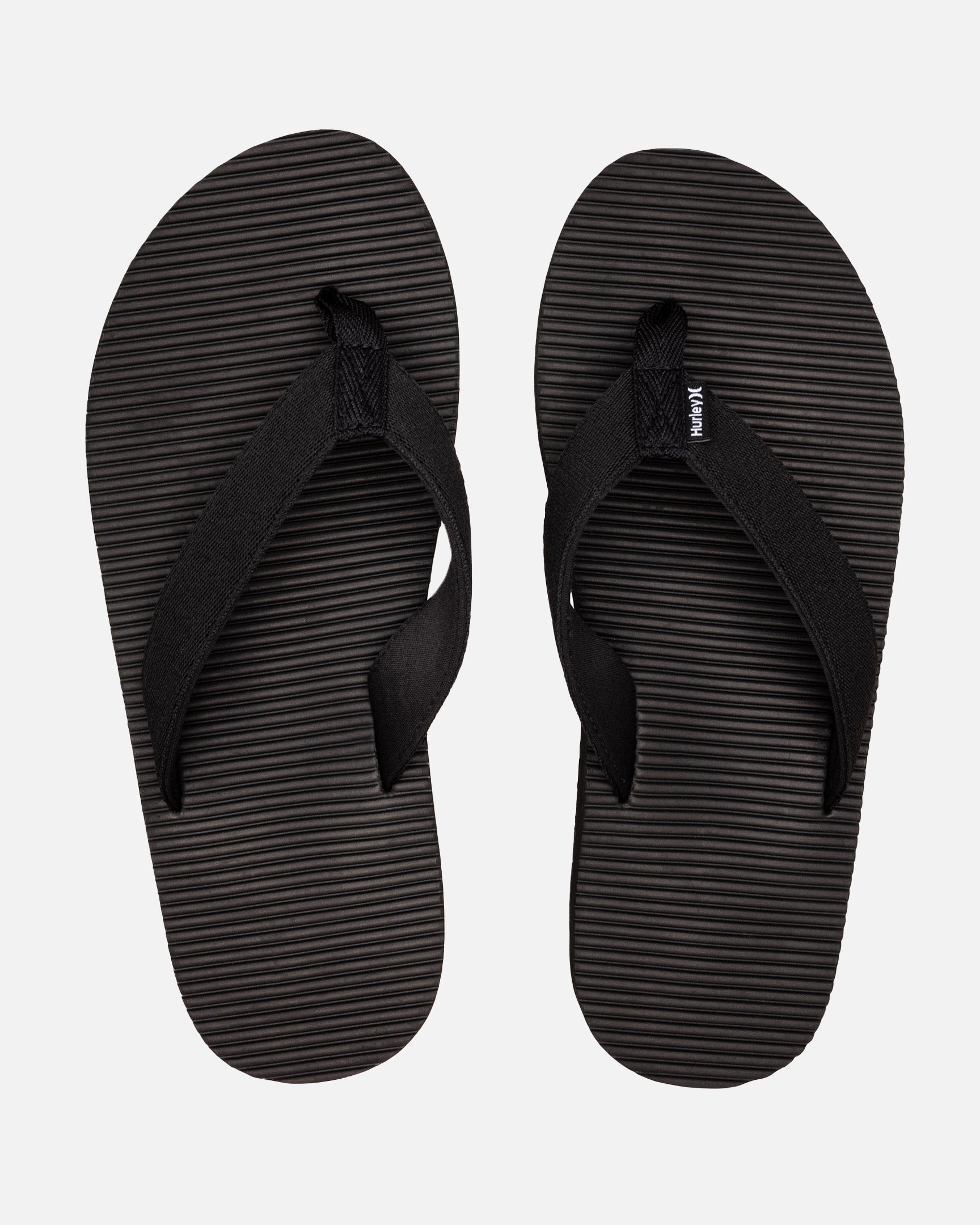
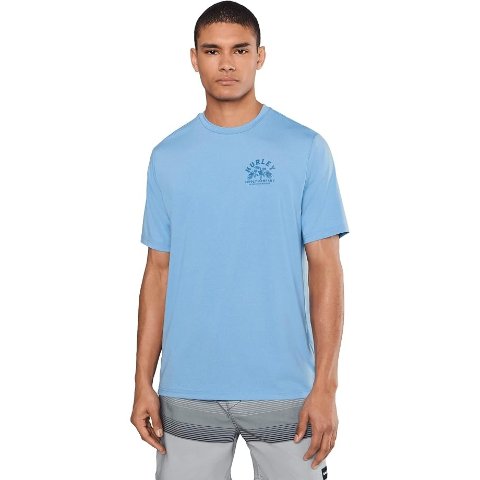
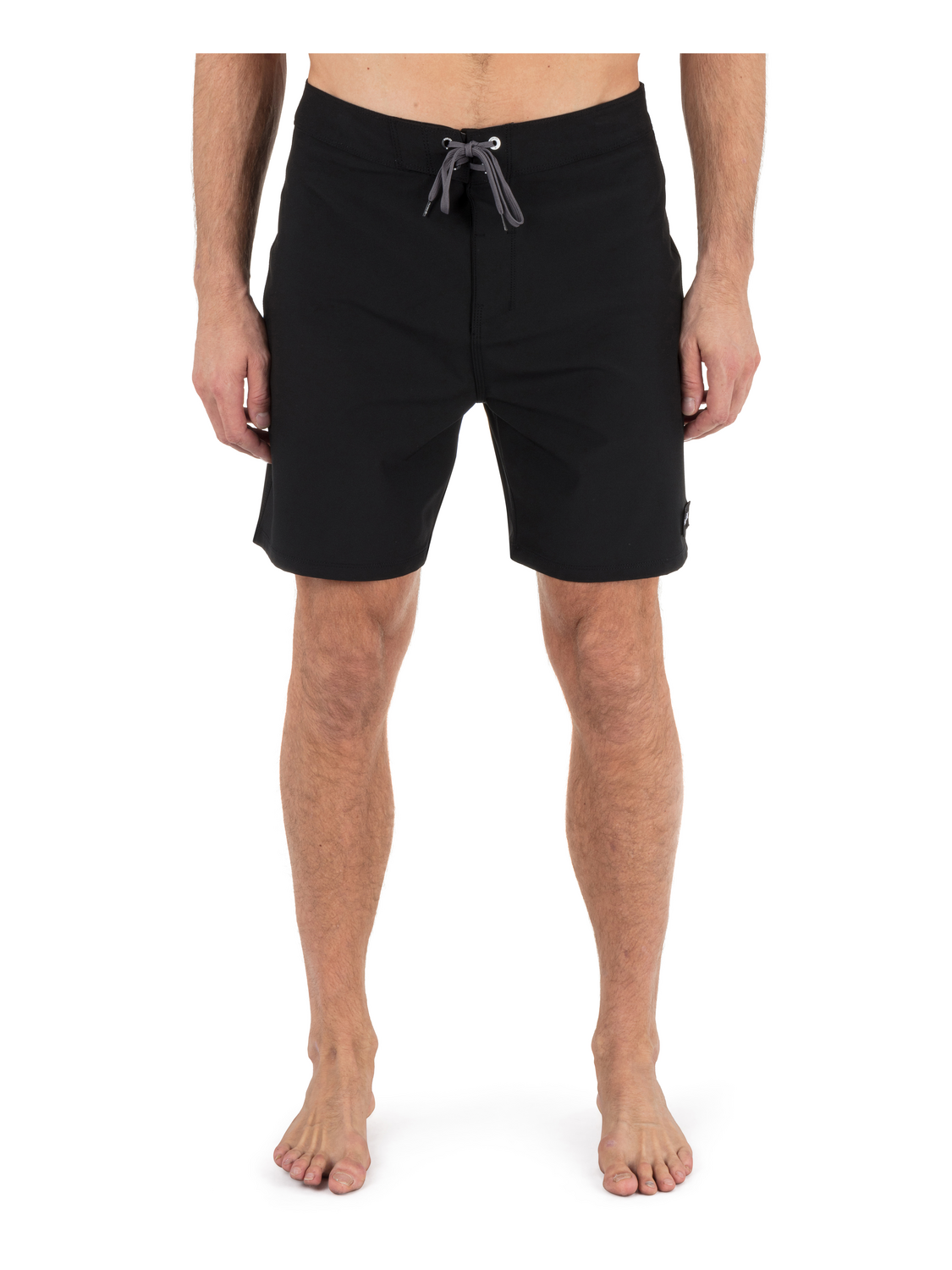
Boardshorts are Hurley's heartland, the natural extension of a company that began with a surfboard shaper, not a boutique. The line spans swimsuits, wetsuits, tees, flip-flops, bags and backpacks, but the boardshort remains the piece most people reach for first. Pair it with a graphic tee for the full California-surf look the brand is built on.
Hurley was founded in 1979 by a 24-year-old Bob Hurley, along with partner Bob Rowland and business manager Joe Knoernschild, originally as Hurley Surfboards / International Pro Designs. Bob had already spent five years shaping boards for companies like Lightning Bolt and Wave Tools in Southern California. That hands-on surfboard heritage is the brand's foundation, not a marketing afterthought.
Hurley is an American company, born and raised in Southern California's surf culture. It started life in 1979 around board shaping and licensed the Australian Billabong name for the US market before becoming its own label. That sun-and-saltwater Californian identity still runs through everything it makes.
Hurley is owned by Bluestar Alliance LLC, which bought it in 2019. The brand had a notable middle chapter under Nike, which acquired it in 2002 and held it for seventeen years before the sale. Each owner has shaped the brand's reach, but its surf DNA traces back to the original California crew.
Yes. Nike, Inc. bought Hurley on February 22, 2002, and owned it for nearly two decades. During that stretch Bob Hurley even returned as interim CEO in 2012 before stepping down in 2015. Nike then sold the brand to Bluestar Alliance in October 2019.
Phantom is Hurley's lightweight, quick-drying boardshort fabric, prized for stretch, durability and comfort in and out of the water. It is the kind of technical edge that lets the brand compete on function as well as graphics. If you surf or swim regularly, the Phantom line is where Hurley's performance reputation is strongest.
Rinse boardshorts and wetsuits in cool fresh water after every session to flush out salt, sand and chlorine, then dry them in the shade rather than direct sun, which fades graphics and breaks down stretch. Skip the hot wash and the dryer, both of which tire out technical fabrics fast. Treated kindly, quick-drying surf gear holds its shape and color for years.
Shoppers most often flag sizing inconsistency as the thing to watch, with fit varying a little between ranges and seasons. When in doubt, check the specific product's size guide rather than assuming your usual size carries across the whole catalog. For boardshorts in particular, inseam length and waist fit are worth confirming before you commit.
As a seasonal surf-and-swim brand, Hurley's deepest selection lands ahead of summer, while end-of-season clearouts are when last year's boardshorts and tees get marked down. If you want a specific graphic or color, buy early; if you are flexible, the post-summer window rewards patience. Either way, focus on the technical lines like Phantom where the value-to-quality ratio is best.