Is Ocean Pacific (OP) worth buying for the surf look?+
If you're after authentic, sun-faded California surf aesthetic, OP delivers it honestly — it's been part of that culture since the 1970s, and its vintage graphics and colour palette are exactly the retro vibe people chase. The brand reads more as laid-back beach sportswear than hardcore technical surf gear, so buy it for the look and the heritage rather than for performance wetsuits. For everyday beachwear with real lineage, it's an easy yes.
How does Ocean Pacific compare to Quiksilver and Billabong?+
The biggest difference is the business model. Unlike Quiksilver or Billabong, which built their names through independent surf shops, OP positioned itself as a more general sportswear brand and sold through national store chains — and it made clothing for both adults and young people. So while Quiksilver and Billabong skew toward the dedicated surf crowd, OP has always been the more mainstream, accessible take on the surf look.
Who owns Ocean Pacific now?+
It's currently owned by the Iconix Brand Group. The label changed hands several times after its early surf-shop days: an investment group, Doyle & Boissiere, bought it in 1998, Warnaco acquired it in 2003, and Iconix took it over in 2006. That brand-portfolio ownership is part of why OP has stayed in wide national distribution rather than staying a niche surf-shop label.
What is Ocean Pacific most known for?+
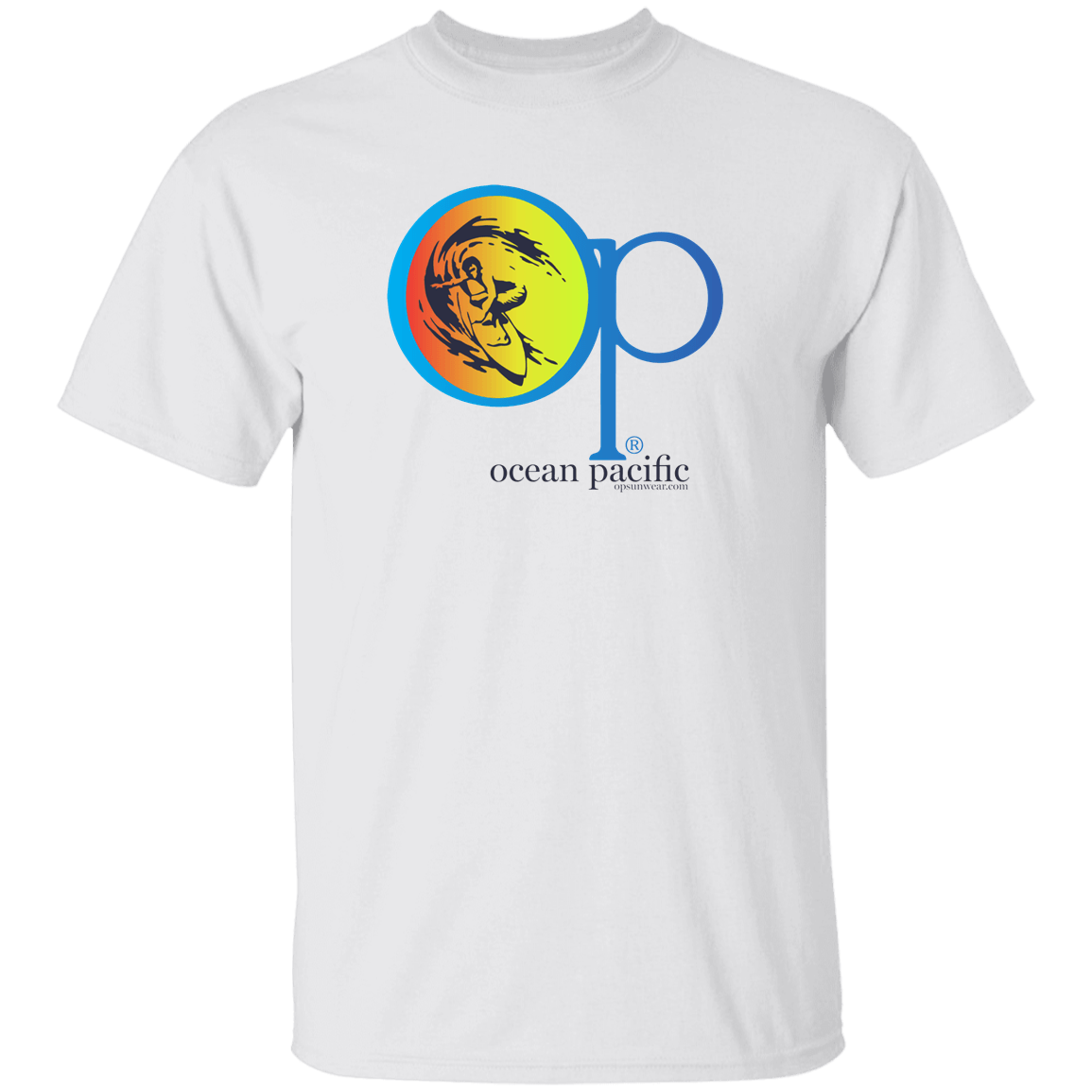
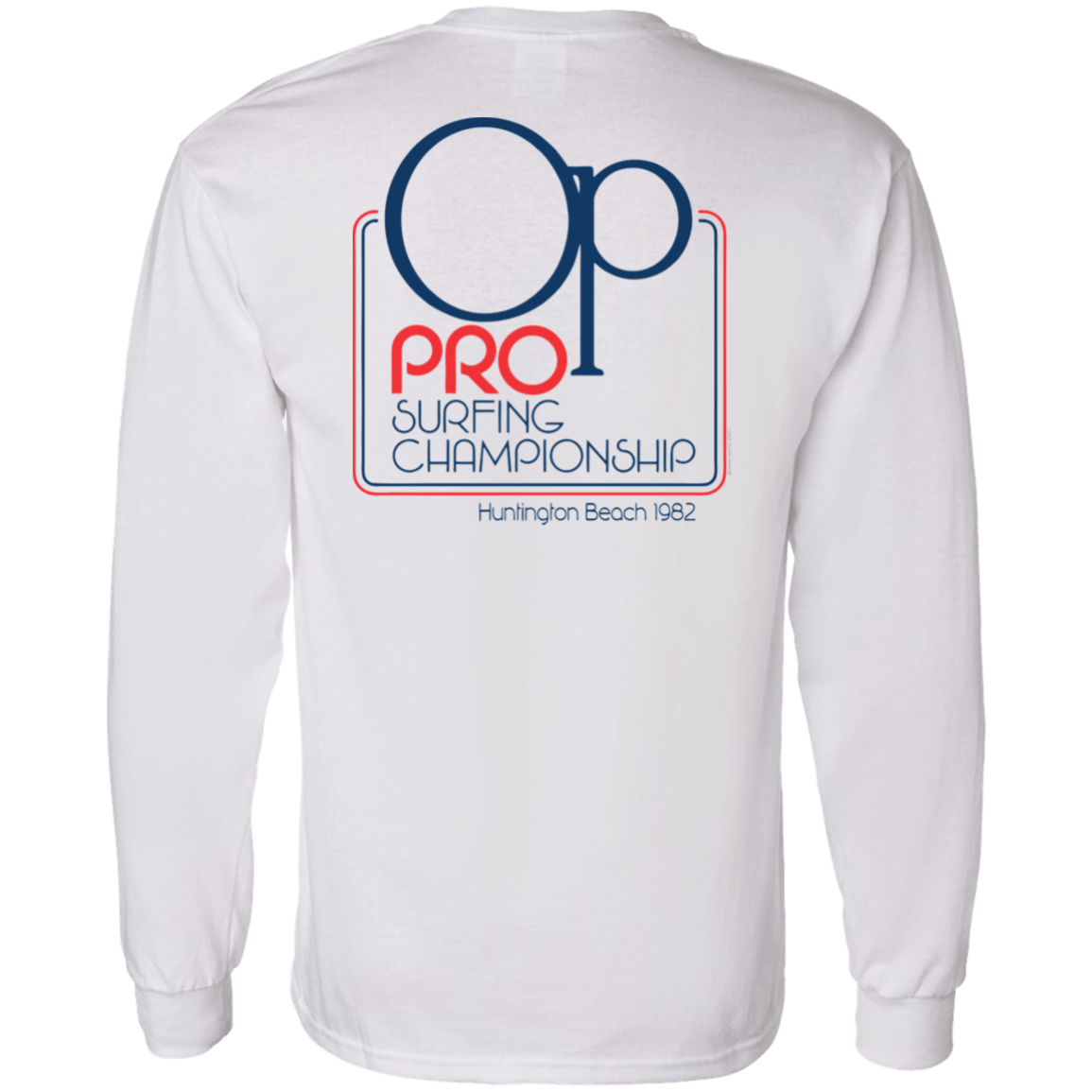
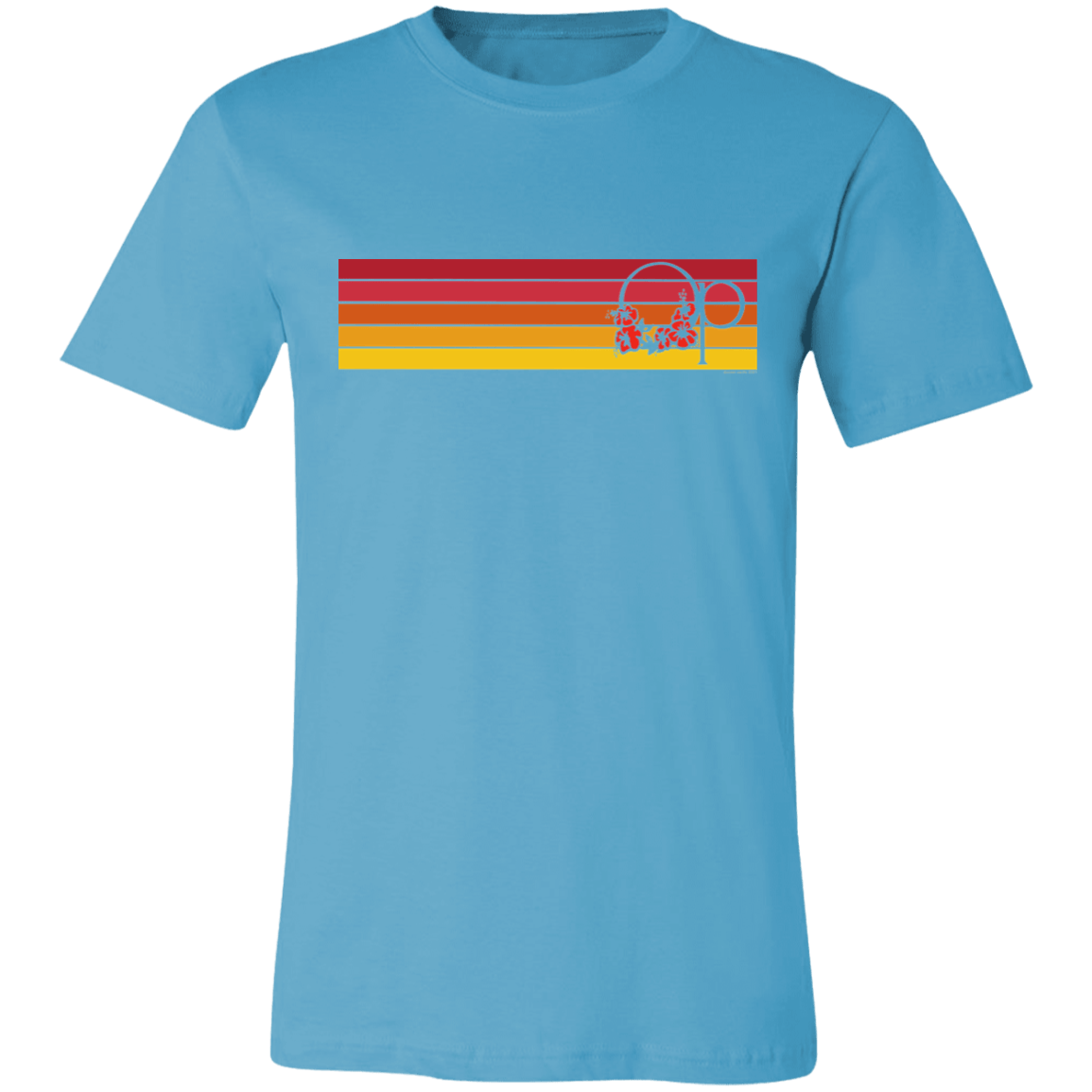
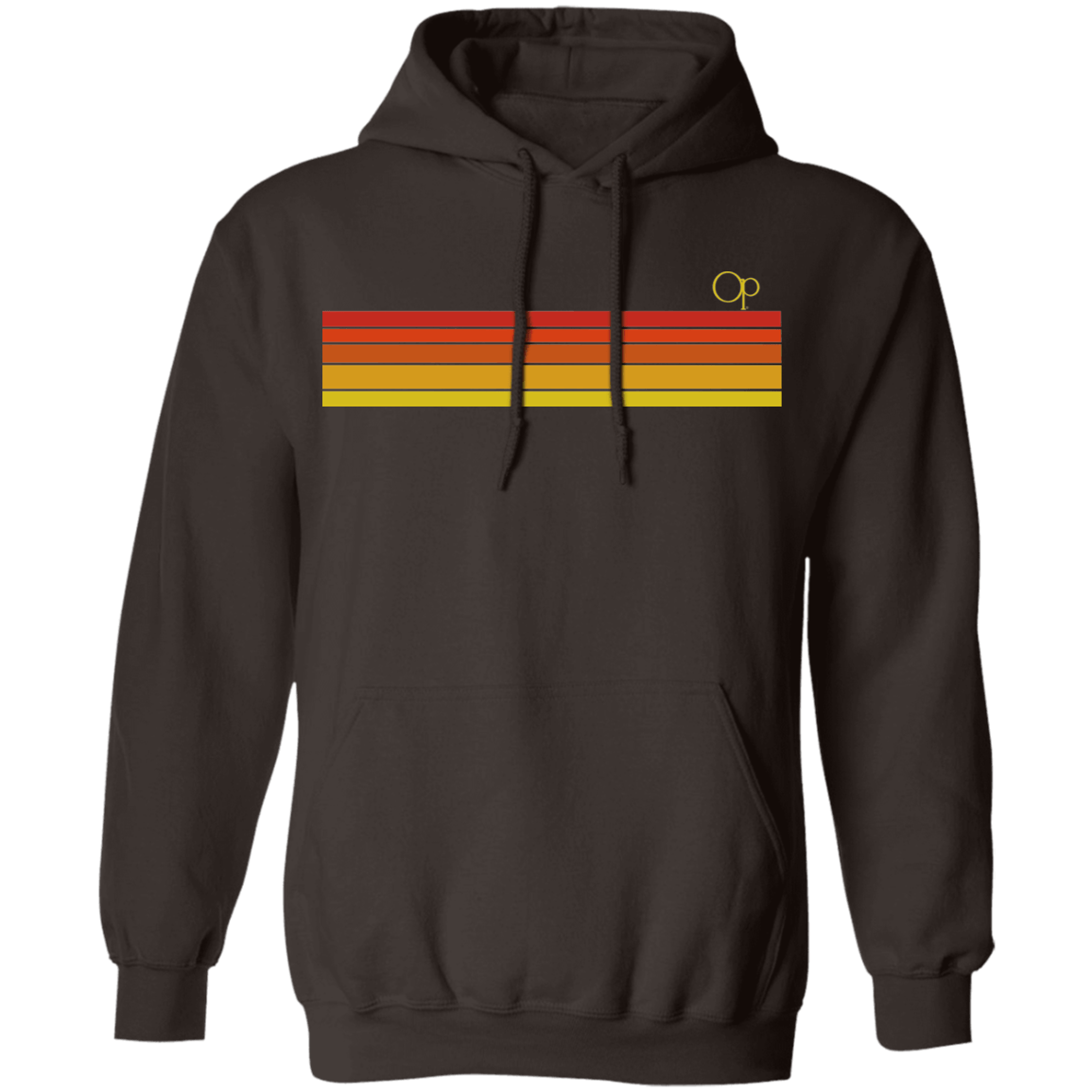
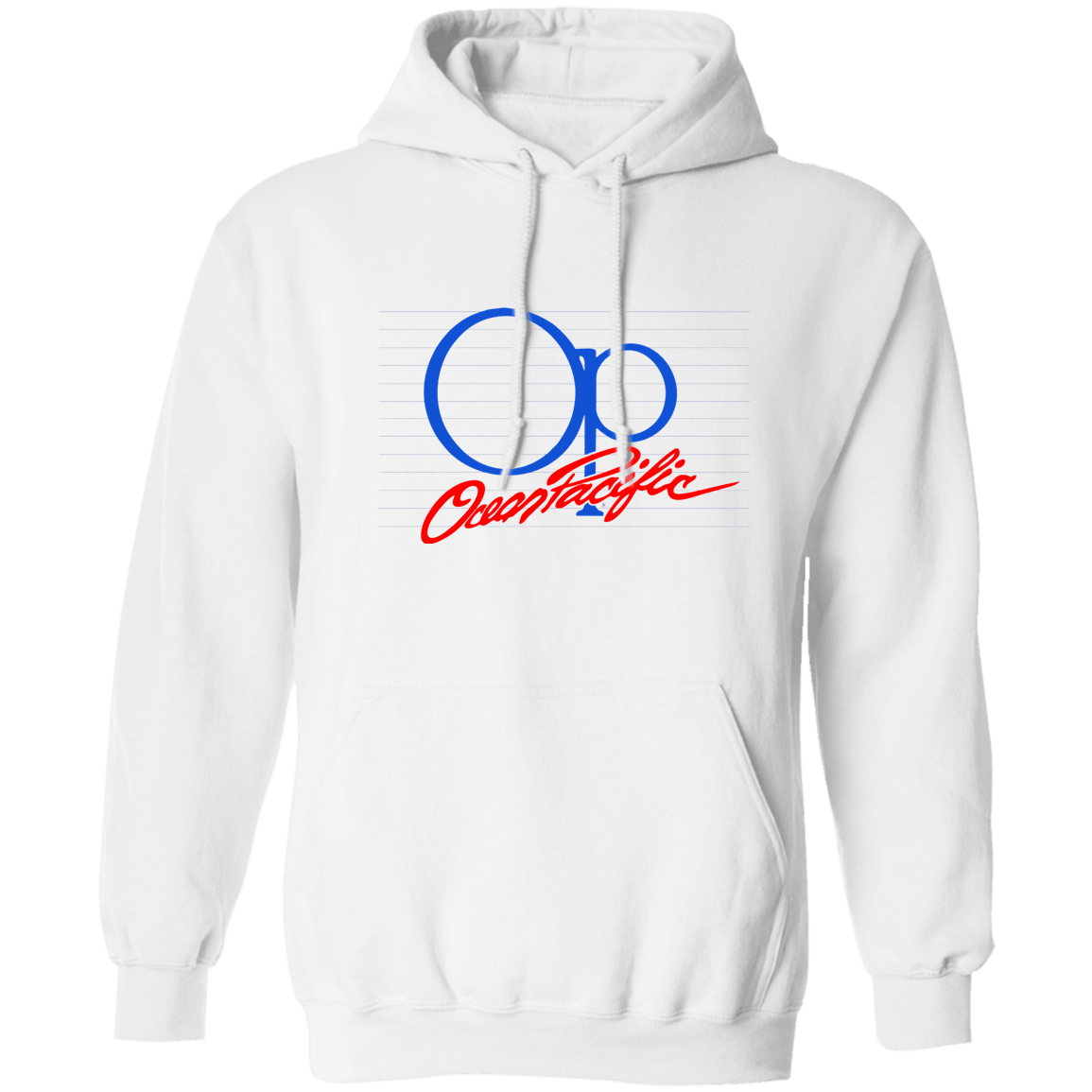
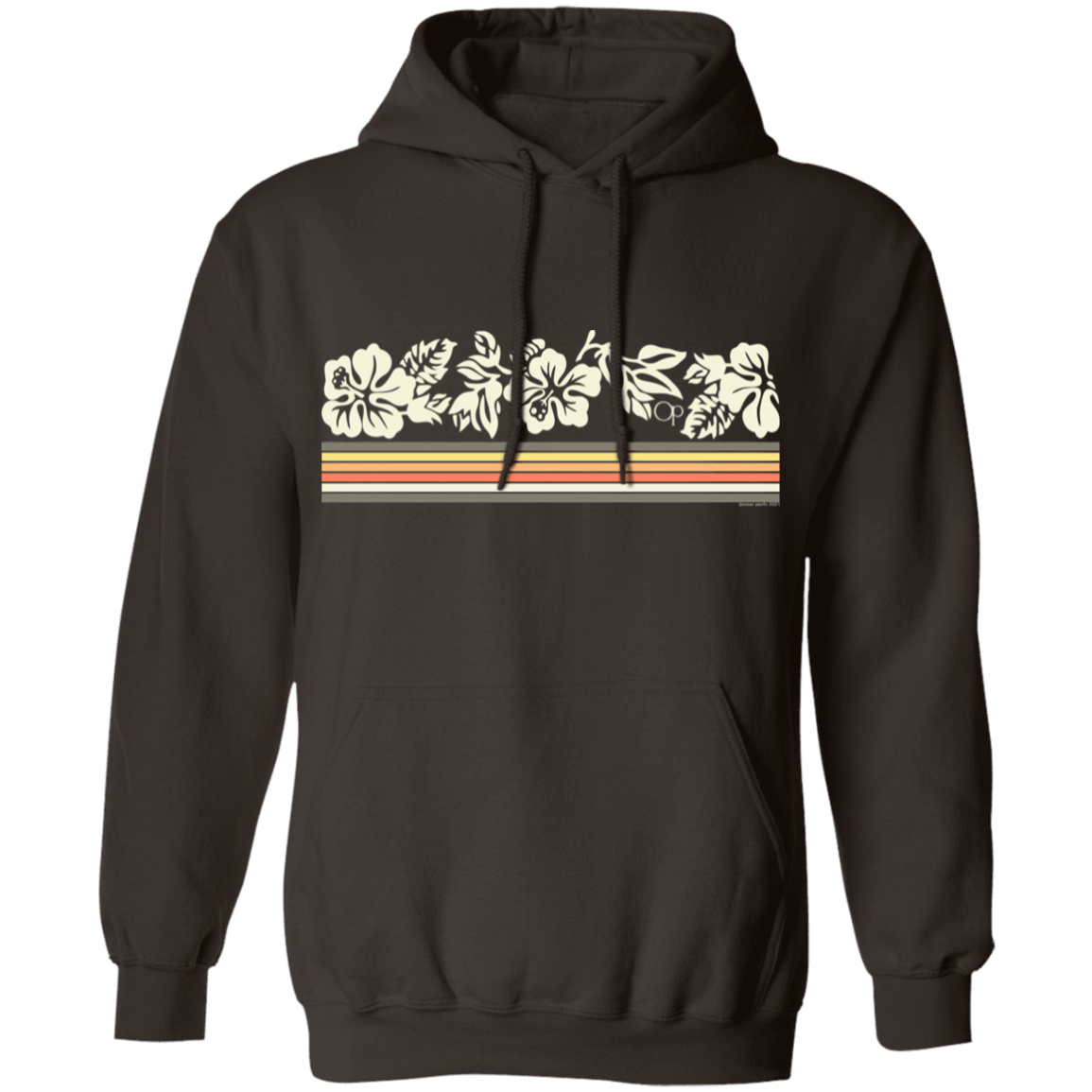
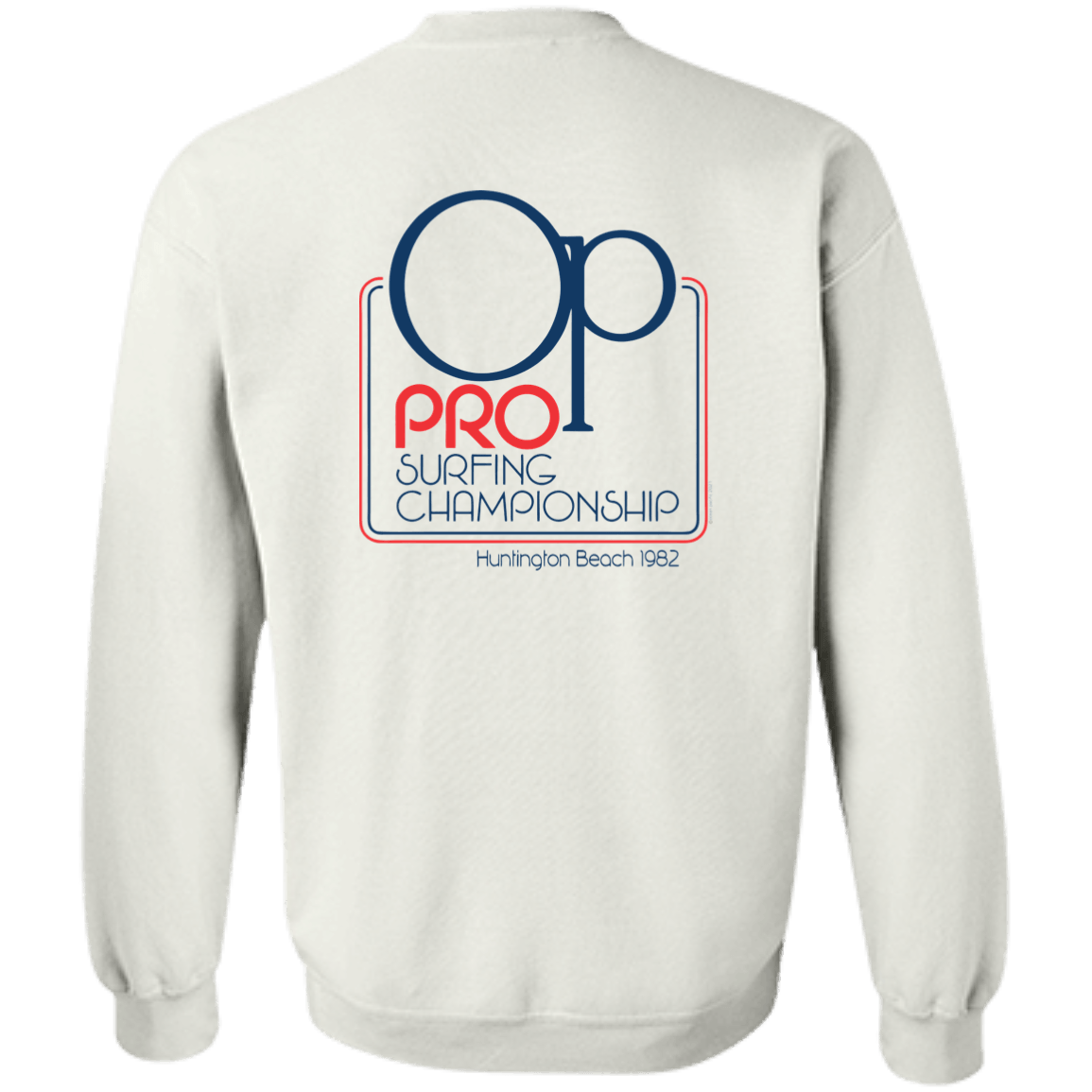
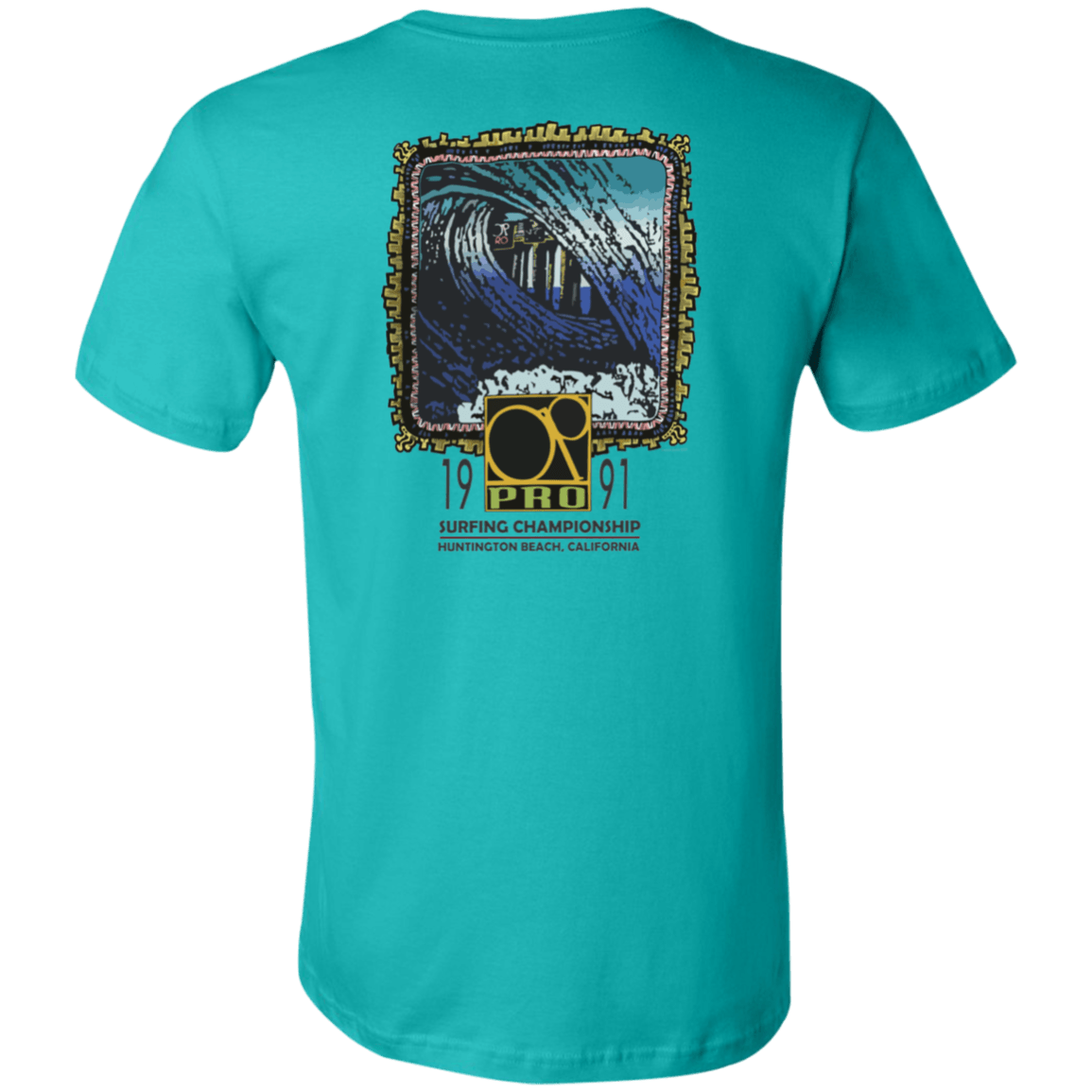
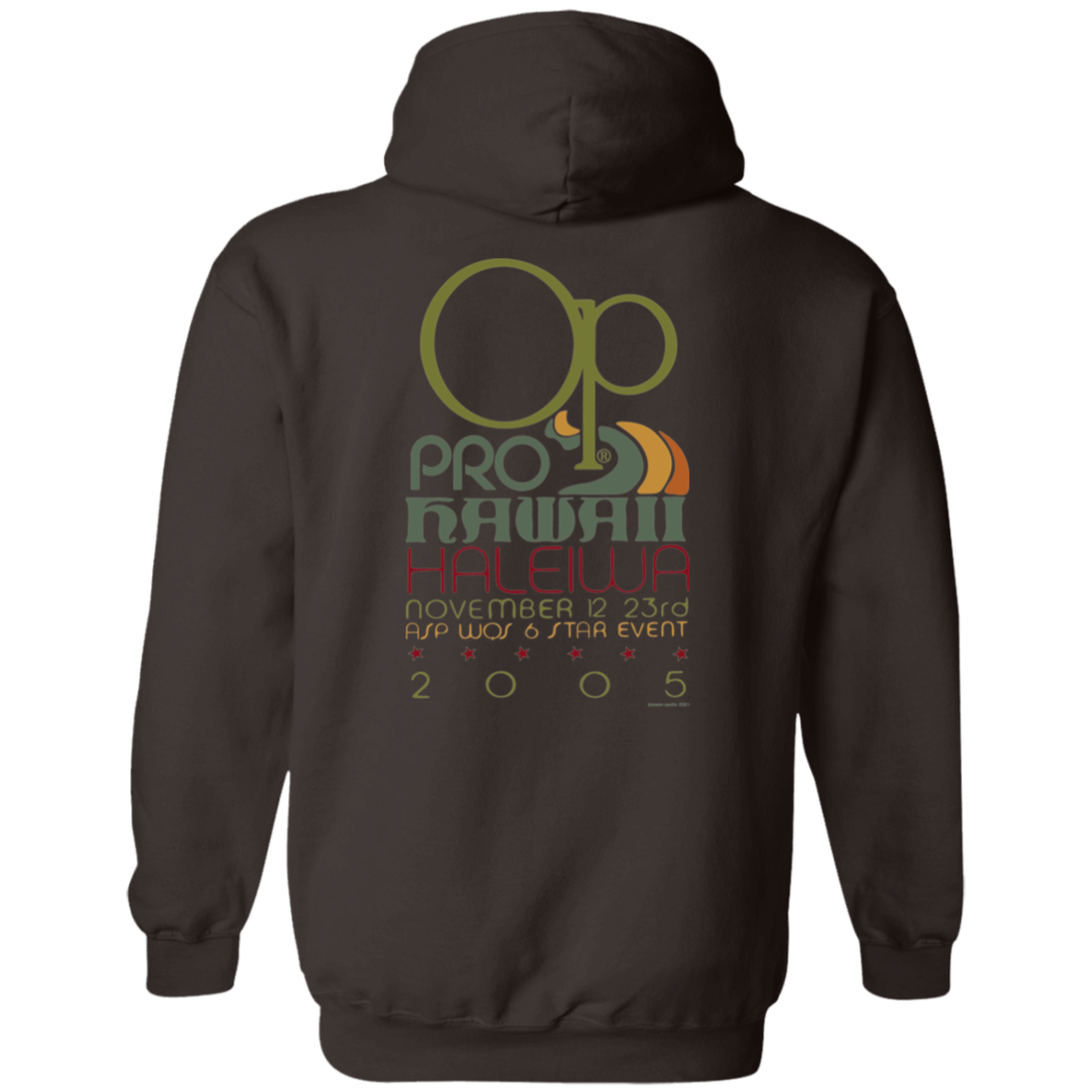
OP is known for its instantly recognisable "OP" logo and for capturing the visual mood of each era — the primary-colour stripes of the 1970s and the bright neon and geometric shapes of the 1980s. That graphic, of-its-time energy is exactly what newer generations seek out today, hunting the brand for its cool retro look. The logo and the era-defining prints are really the heart of the brand.
When and where did Ocean Pacific start?+
The Ocean Pacific name began in the 1960s as a surfboard brand started by John Smith. The apparel line that people know came in 1972, when Jim Jenks of San Diego set out to make clothing and sportswear that met surfers' needs in and out of the water. He took the Ocean Pacific name from his then-employer, Don Hansen, and the OP apparel line quickly caught on with surf culture.
Is Ocean Pacific an actual surf brand or just beachwear?+
Both, with real roots. The name literally started as a surfboard label before Jim Jenks turned it into apparel in 1972, and it became genuinely popular within surf culture. Over time, though, it grew into a broader sportswear brand sold in mainstream chains rather than only surf shops — so today it sits comfortably as beach-and-summer clothing with authentic surf heritage behind it.
Where is Ocean Pacific based?+
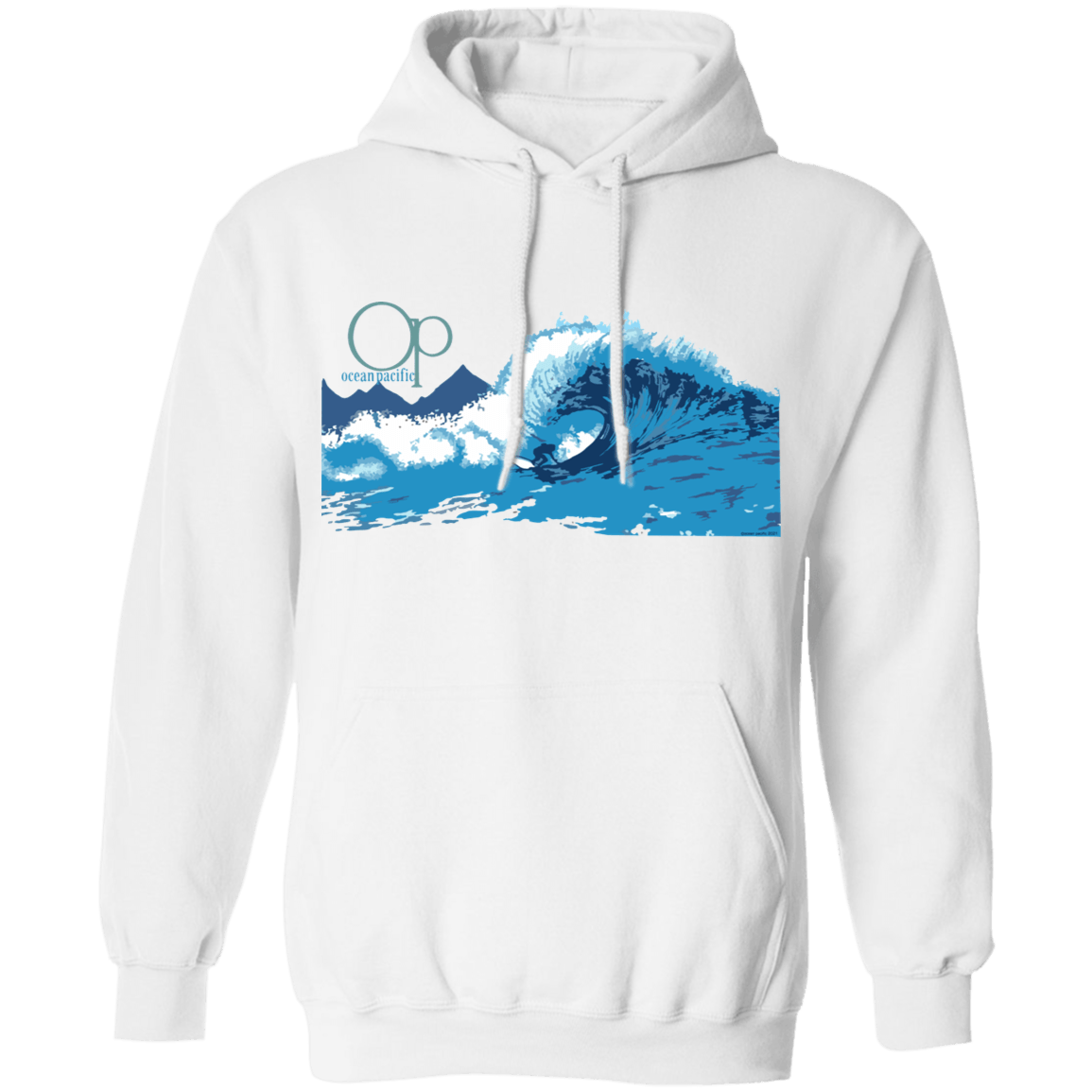
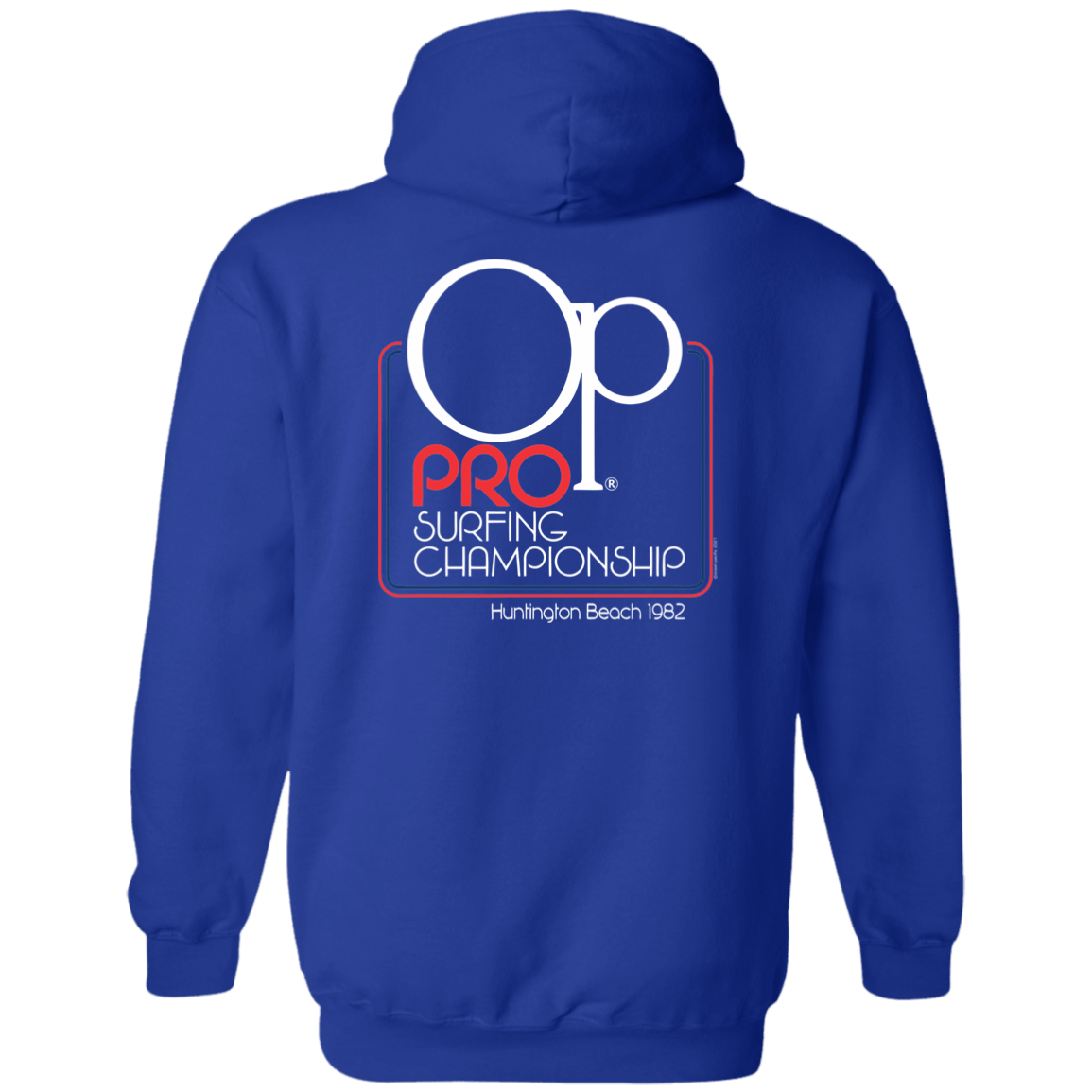
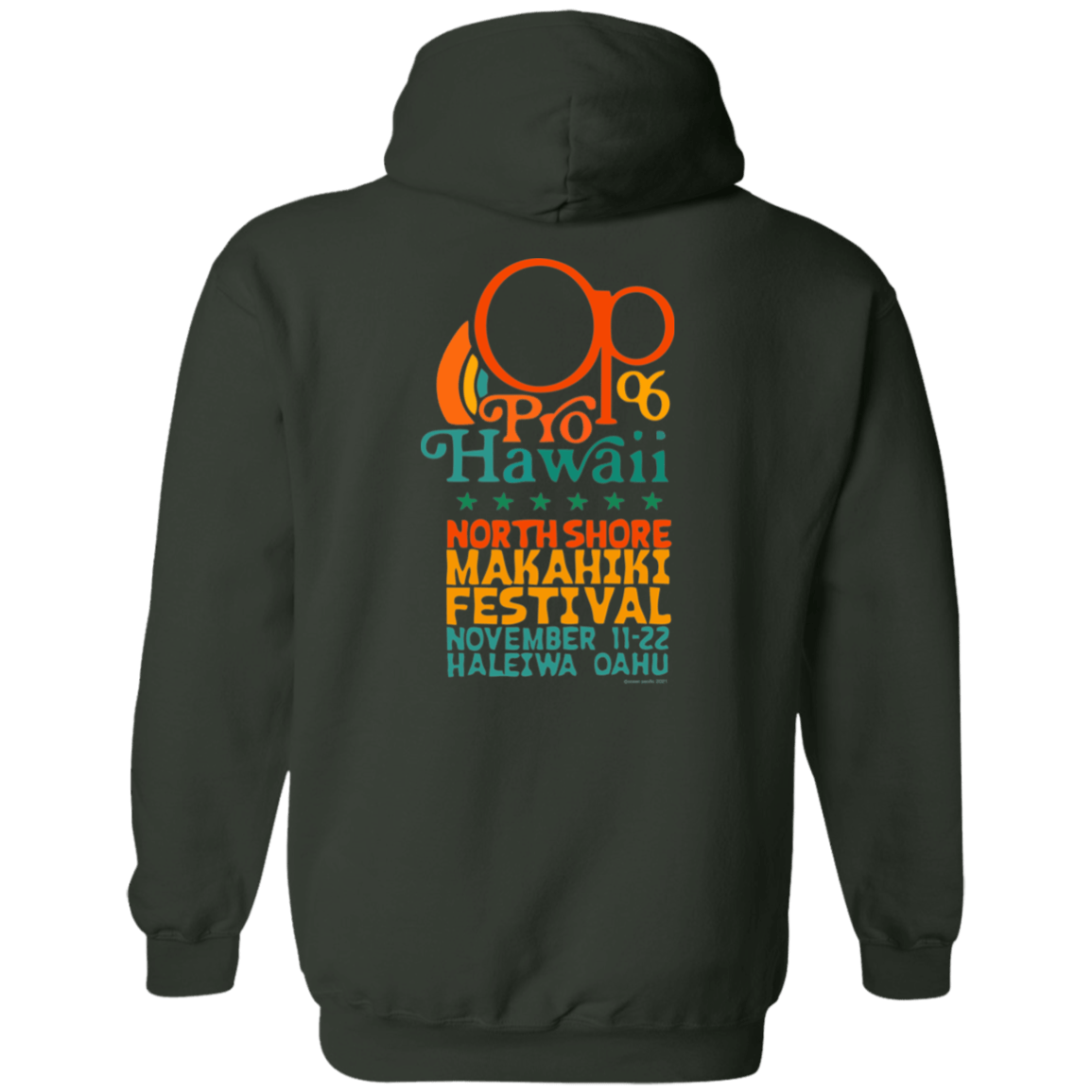
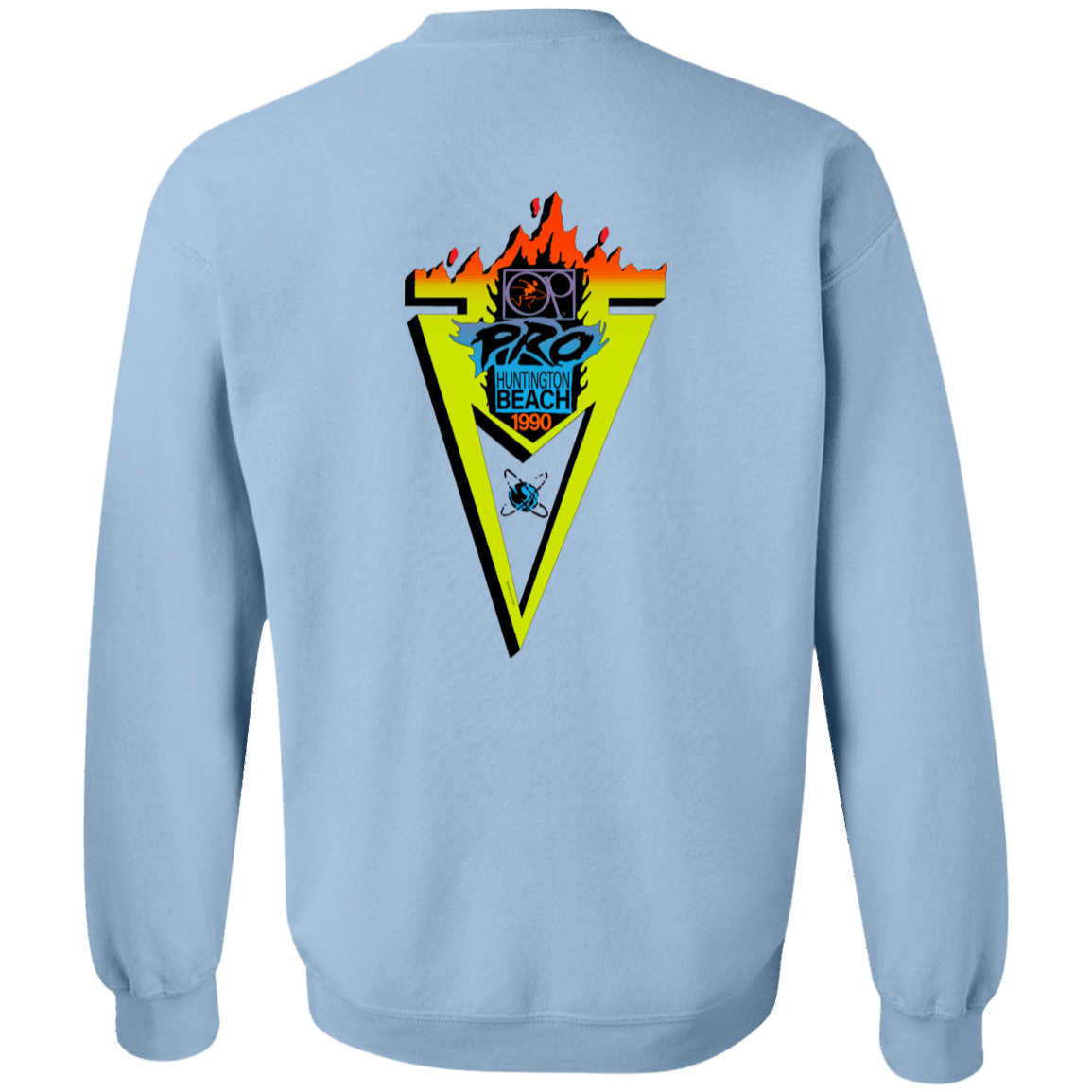
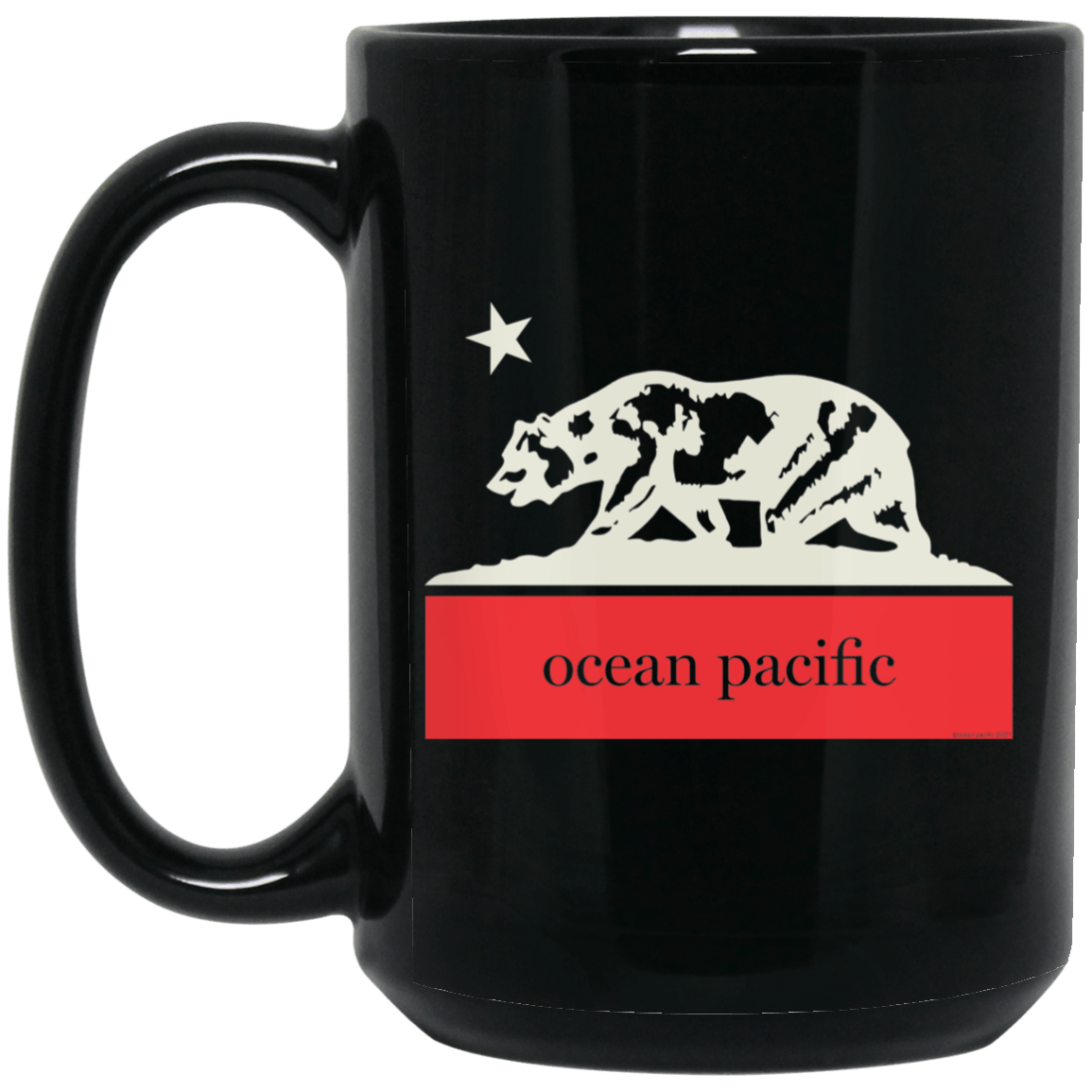
Ocean Pacific Apparel Corp. is based in Irvine, California. The brand's whole identity is built on that Southern California beach-and-surf origin, from its San Diego apparel beginnings to the West Coast surf scene it first dominated. Its catalogue today spans T-shirts, sweatshirts, hoodies, shoes and even beverage mugs.
Why do people collect vintage OP gear?+
Because the brand's old pieces are a time capsule of beach style. OP's designs visibly tracked each decade — those 1970s primary stripes and 1980s neons and geometrics — so vintage finds carry a strong, specific nostalgia. New generations seek out the apparel precisely for that retro aesthetic, which keeps original-era pieces desirable on the resale and thrift circuit.
What kind of products does Ocean Pacific make today?+
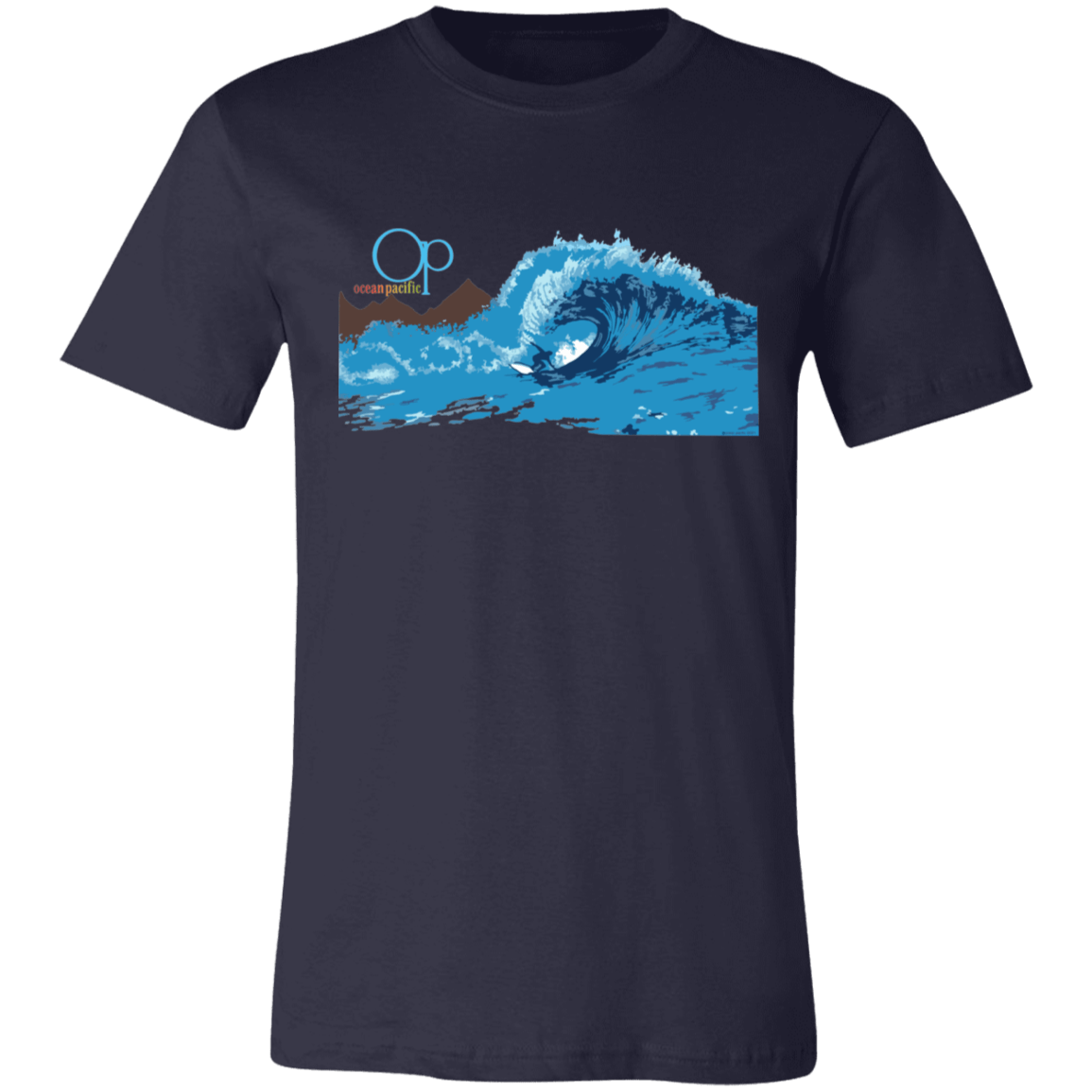
The current range is everyday beach-leaning casualwear: T-shirts, sweatshirts, hoodies, shoes and even branded beverage mugs. It's the kind of laid-back, summer-ready clothing that fits the brand's surf-culture image without requiring you to actually surf. Expect the look and graphics to do the heavy lifting more than technical performance features.
Did Ocean Pacific go through a rough patch?+
It did. The brand hit financial trouble through the 1990s before Richard Baker's investment group, Doyle & Boissiere, bought it in 1998. Ownership then passed to Warnaco in 2003 and to the Iconix Brand Group in 2006, which has steered it since. That turbulent stretch is partly why the label leaned into broad national distribution to stay visible.